
Should I open or buy a Whataburger franchise in 2027?
 Curated byKory White · Fractional CRO · Maryland
 PULSEKNOWLEDGE LIBRARY
Quality
Certified
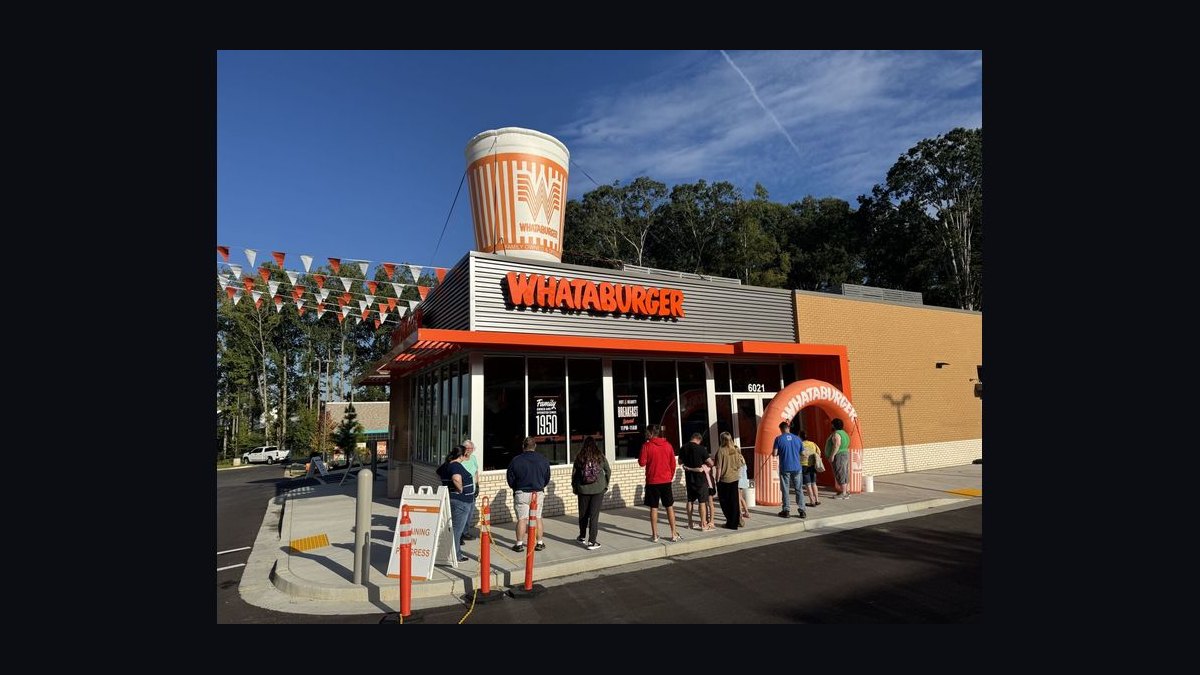
Probably not, unless you already run multiple quick-service restaurants. Whataburger awards multi-unit development agreements — typically five stores over five years — not single units, and each build runs roughly $1.2M to $3M all-in. Mature stores perform well, but first-time operators should choose a franchise that permits a single location.
The operator who gets stopped at the front door
Picture a specific candidate, because this is where most Whataburger inquiries die. A 44-year-old regional sales director in Nashville has $780,000 in liquid assets after a stock vest, a $2.1M net worth counting home equity and a 401(k), and a genuine love of the brand from twelve years living in Texas. He fills out the request-for-consideration form on the corporate site expecting the standard franchise dance: a discovery packet, an FDD, a territory conversation, a single store somewhere off I-65. What he gets instead is a short reply explaining that the brand is looking for experienced multi-unit restaurant operators and that his profile is not a fit. No FDD. No discovery day. The conversation ends before any of his numbers matter.
That outcome confuses people because it inverts how franchising usually works. In most systems, capital is the gate and experience is a preference — if you can fund the build and pass a credit check, somebody will sell you a territory. Whataburger runs it the other way: operating experience is the gate and capital is the table stakes. The brand spent most of its history as a company-operated system with a comparatively small franchise base concentrated in Texas and the Gulf South, and when it opened up expansion under private-equity ownership it did so by recruiting groups that already run restaurants at scale rather than by recruiting individuals who want to own one.
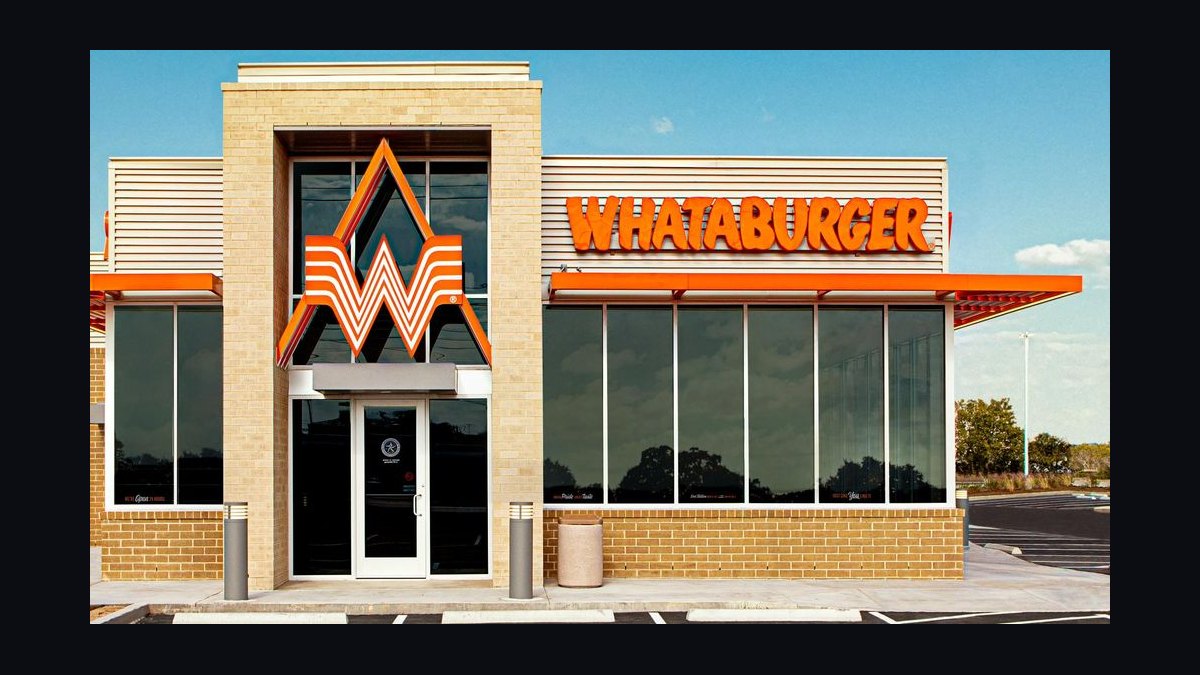
The practical consequence is that the real decision most readers face is not "should I open a Whataburger?" It is "am I already the kind of operator Whataburger recruits, and if not, what do I actually do with my capital?" Those are different questions with different answers, and conflating them wastes six months. The Nashville director's honest path is not a Whataburger application — it is either partnering into an existing multi-unit group as a minority capital partner, or picking a brand that awards single units to qualified first-timers and building his own operating track record over four or five years until his profile matches what a brand like this recruits.
There is a second version of the same candidate who does get a meeting: the same balance sheet, but attached to someone who already runs eleven Sonic or Jack in the Box locations across two DMAs. That person has a general-manager bench, an existing payroll and scheduling infrastructure, established food-distribution relationships, a bank that has already underwritten restaurant real estate for them twice, and audited P&Ls that show what their stores actually earn. Everything the brand is screening for, that operator can document in a week. This is the sorting mechanism, and understanding it early saves you from building a financial model for a deal you will never be offered.
How the development agreement actually works
Once you clear the experience screen, the structure you are signing is not a single-store franchise agreement. It is an area development agreement, and the difference matters enormously to your cash flow. A single-unit franchise agreement obligates you to build one restaurant, pay one franchise fee, and operate under the brand's standards. An area development agreement obligates you to build a defined number of restaurants inside a defined geography on a defined schedule, with a separate franchise agreement executed for each store as it opens.
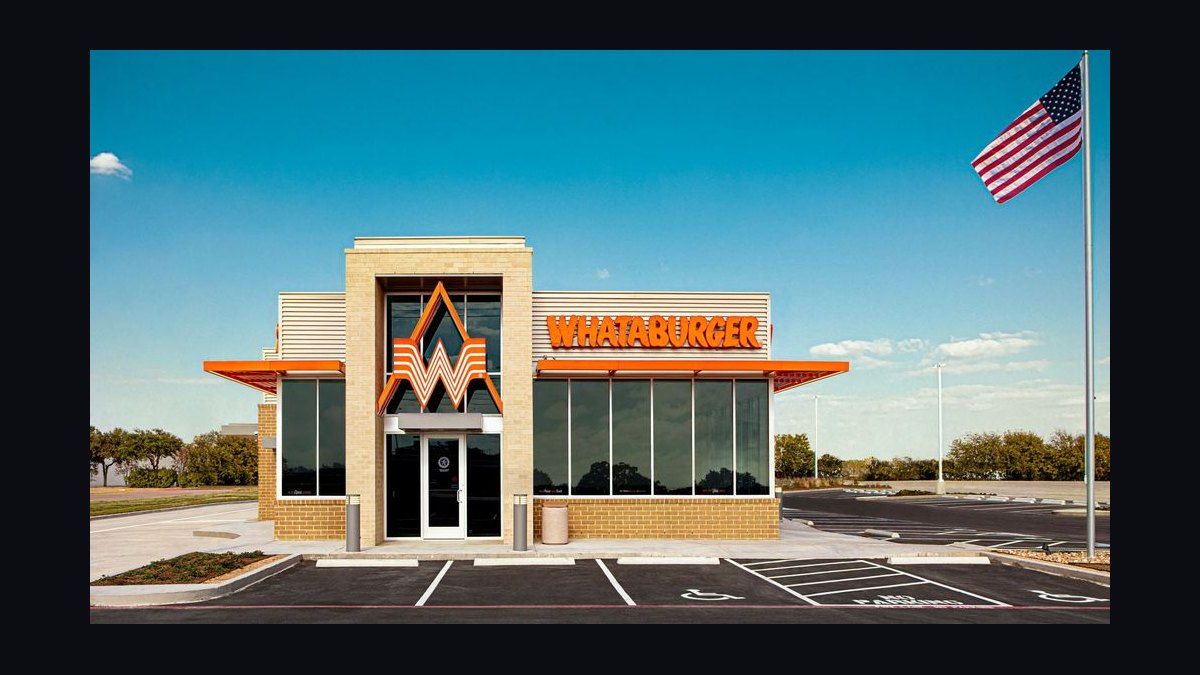
That schedule is the part that reshapes your financial life. Under a five-store, five-year commitment, you are not deciding whether store one works before committing to store two. You committed to all five at signing. If store one ramps slowly, you still owe the development schedule. Most agreements of this type give the franchisor remedies when you fall behind — typically the right to shrink your territory, strip exclusivity, or terminate the remaining development rights — which means a slow first store creates a legal problem on top of an operating problem. Ask the franchise attorney reviewing your documents to model exactly what happens in the miss case, because that clause is worth more scrutiny than the royalty rate.
The capital sequencing is the second structural trap. Store one opens and begins ramping. Somewhere in that ramp, your site work and construction spend on store two has already started, because a restaurant takes months of entitlement, permitting, and build time and your clock is running. By the time store one reaches a stable run rate, you are carrying construction debt on stores two and three. Cumulative cash flow across the portfolio typically stays negative well past the point where any individual store looks healthy on its own P&L. Operators who model this correctly build a portfolio cash-flow curve, not a unit-economics spreadsheet.
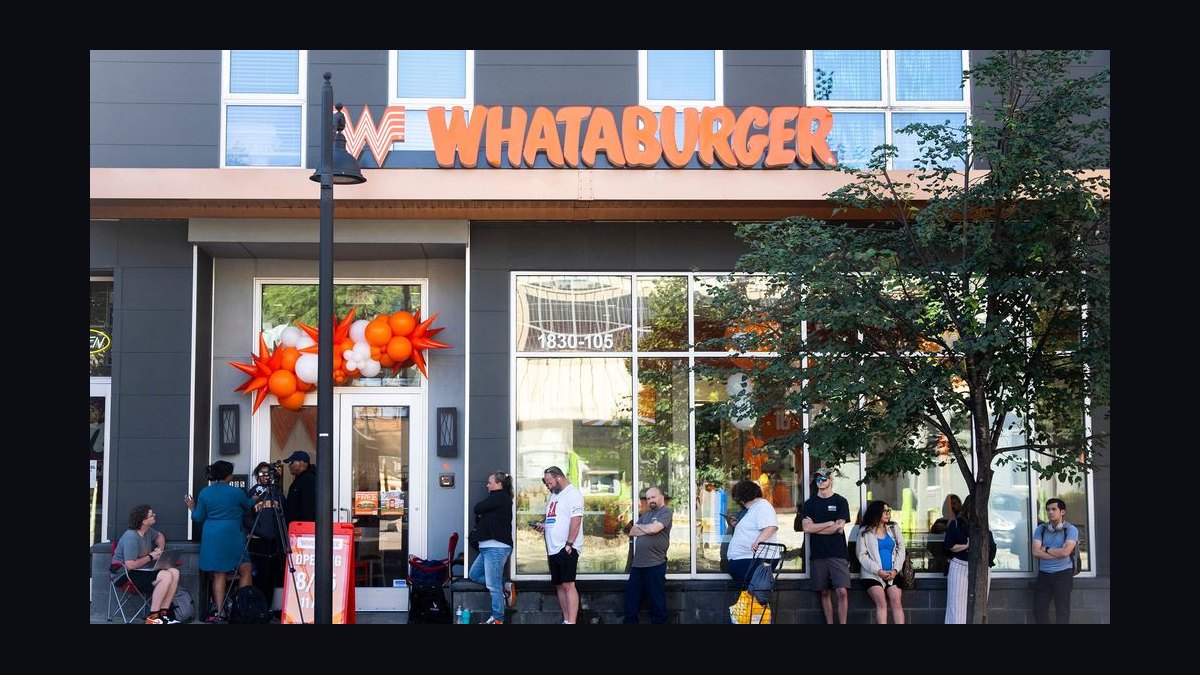
Real estate is where most schedules actually slip. The brand's prototype wants a freestanding pad with drive-thru circulation, ingress and egress that a municipal traffic study will approve, and enough visibility and daily traffic count to justify the volume assumption. In a growing Sun Belt metro, that pad competes against every other quick-service brand, every coffee chain, and every convenience-store operator building a fuel-and-food format. Entitlement fights over drive-thru approvals have gotten materially harder in the last several years as more municipalities restrict new drive-thrus for traffic and emissions reasons. A site you assumed would take nine months can take eighteen, and the development schedule does not care why.
The numbers that decide it
Start with what a single restaurant costs to open. The all-in figure commonly cited for this brand's freestanding prototype runs roughly $1.2M to $3M, and the spread is almost entirely real estate. A one-acre commercial out-parcel in a secondary Texas market and the same parcel in a high-growth metro like Austin, Dallas, Nashville, or Phoenix can differ by a factor of three or more. If you buy the land, that cost sits on your balance sheet and you carry the debt service. If you ground-lease, your upfront capital drops substantially but your occupancy line rises permanently, and the brand's preference for controlled, owned real estate pushes many operators toward the heavier structure.
Inside that number, the recurring components are reasonably predictable. Building shell and drive-thru construction for a purpose-built quick-service box in the 3,000-to-4,000-square-foot range is the largest non-land line. A fully specified kitchen line — grills, fryers, hood systems, refrigeration, holding equipment, smallwares — is a high-six-figure item on its own. Signage, point-of-sale, digital menu boards, and drive-thru technology add roughly a hundred thousand. Training and opening team costs, including sending management to corporate training and staffing an opening crew before the doors generate revenue, land in the tens of thousands. Then working capital: three months of payroll, food, and utilities before the store reaches breakeven volume, which for a store of this size is a six-figure reserve you cannot skip.
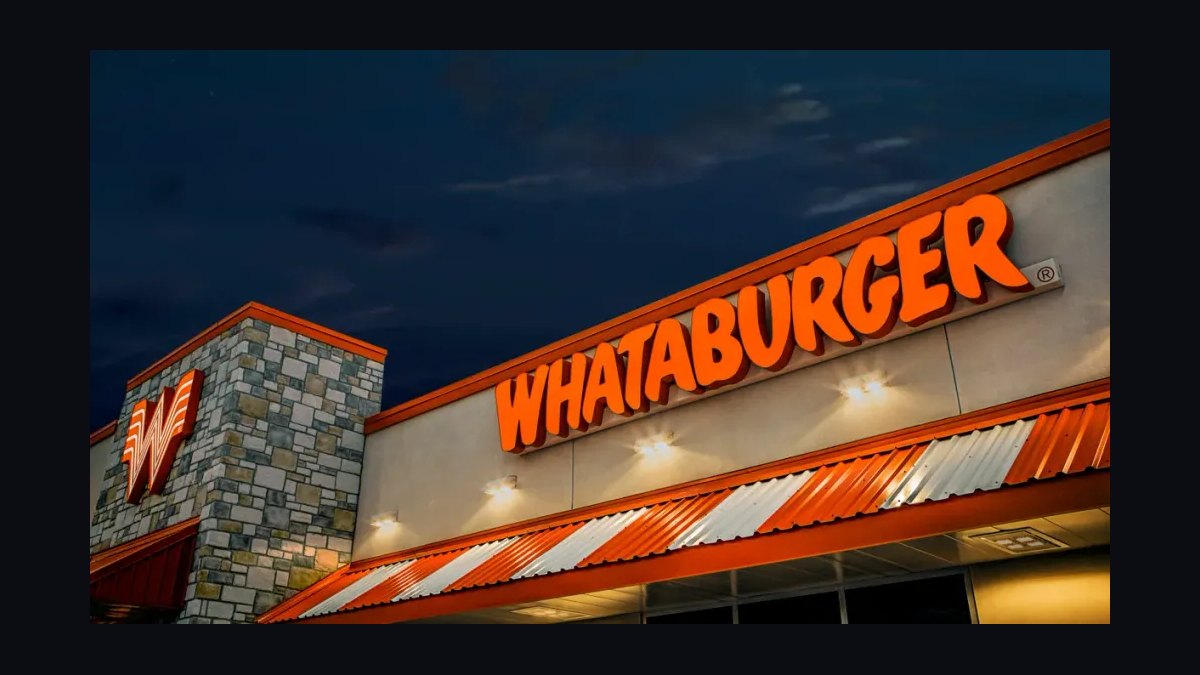
Multiply by the development schedule and the real question comes into focus. A five-store commitment at even the low end of the build range is a multi-million-dollar capital program, and at the high end it is well into eight figures. No SBA 7(a) loan covers that — the program caps well below what a five-store program needs, so realistically you are looking at conventional bank debt with a lender that underwrites restaurant real estate, plus equipment financing or sale-leaseback structures, plus real equity. Lenders in this category will want to see your existing restaurant P&Ls, personal guarantees, and often a debt-service coverage ratio covenant that constrains how fast you can add units.
On the revenue side, the brand's average unit volumes are genuinely strong for the segment — meaningfully above typical burger-chain benchmarks and among the better volume profiles in quick service. But translate that into the operating statement before you get excited. Food and paper typically runs about 30% of net sales. Labor with management and benefits runs in the mid-to-high twenties as a percentage in southern wage markets, and higher where crew wages have climbed. Occupancy, whether rent or debt service, absorbs another mid-single-digit percentage. Royalty is a percentage of gross sales, and advertising obligations — a national fund contribution plus a local marketing minimum — add on top of that. What survives as restaurant-level margin is a mid-teens percentage in a healthy store, which on a strong-volume unit is a solid annual number per location.
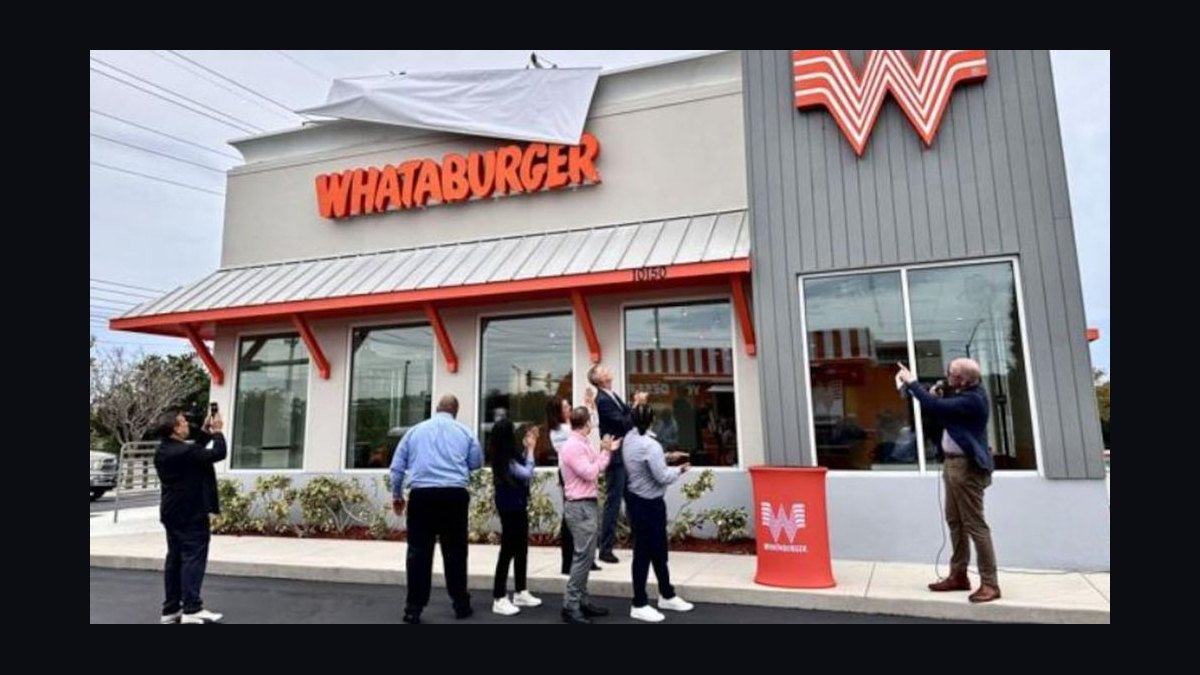
Two adjustments matter for anyone underwriting this in 2027. First, mature-store benchmarks are not new-store benchmarks. A restaurant that has been open eight years in an established market with a trained crew and a known customer base outperforms a store that opened last quarter in a market where the brand has no awareness. New-market builds carry lower early volumes, higher training and turnover costs, and marketing spend that has to create demand rather than harvest it. Underwrite year-one volume at a discount to the system average and treat the mature figure as a year-three-or-later outcome.
Second, the cost side has been moving against operators. Beef is the single largest input for a burger brand, and cattle-cycle dynamics have kept wholesale beef prices elevated — USDA's livestock outlook is the source to check rather than any franchise-sales projection. Crew wages in the major Texas metros have risen substantially from where they sat earlier in the decade, driven by labor-market competition rather than statutory minimums. Both compress the same restaurant-level margin line. A model built on historical food and labor percentages will overstate your return; build the sensitivity table and see what happens if food cost runs two points above plan and labor runs two points above plan simultaneously, because those two things tend to move together during inflationary stretches.
Payback, honestly modeled, lands in the four-to-six-year range per store on a cash-on-cash basis for a build at the middle of the cost range, and longer if you bought expensive land. That is a normal return for a well-run quick-service asset with real estate attached. It is not a fast return, and it is not a passive one.
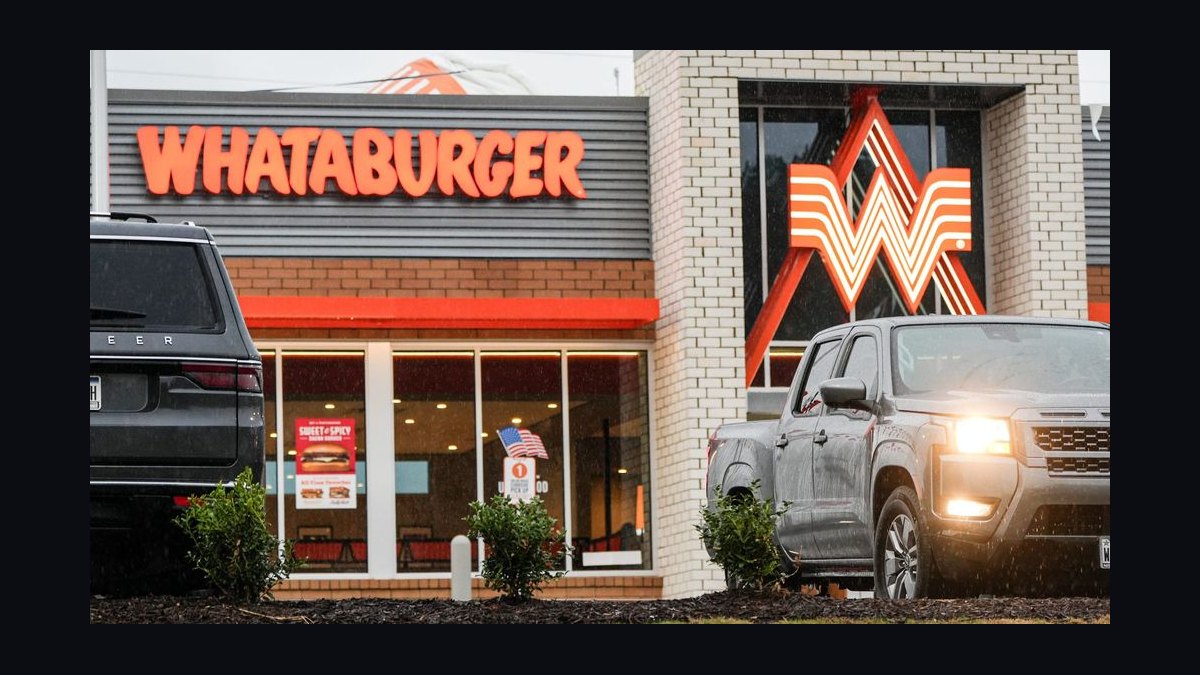
What you give up, and what else the money buys
Every franchise decision is a comparison, and this one has an unusually clear alternative set. If the appeal is "strong unit volumes in a beloved burger brand," several other systems offer meaningfully similar economics with a far lower entry barrier — most importantly, the ability to open a single store.
Freddy's Frozen Custard & Steakburgers sits at a lower investment range per unit and has been actively awarding units to newer operators. Culver's runs strong average volumes with a Midwest-heavy footprint and a well-regarded operator support structure. Jack in the Box has expanded a smaller-format, drive-thru-oriented prototype specifically to lower the build cost and open up markets where a full freestanding box does not pencil. Each of these will send you an FDD as a qualified first-time operator, which by itself makes them a different category of decision. Read Item 7 for the investment range, Item 19 for whatever financial performance representation the brand chooses to make, and Item 20 for the transfer, termination, and closure history — Item 20's turnover table tells you more about operator satisfaction than any brochure.
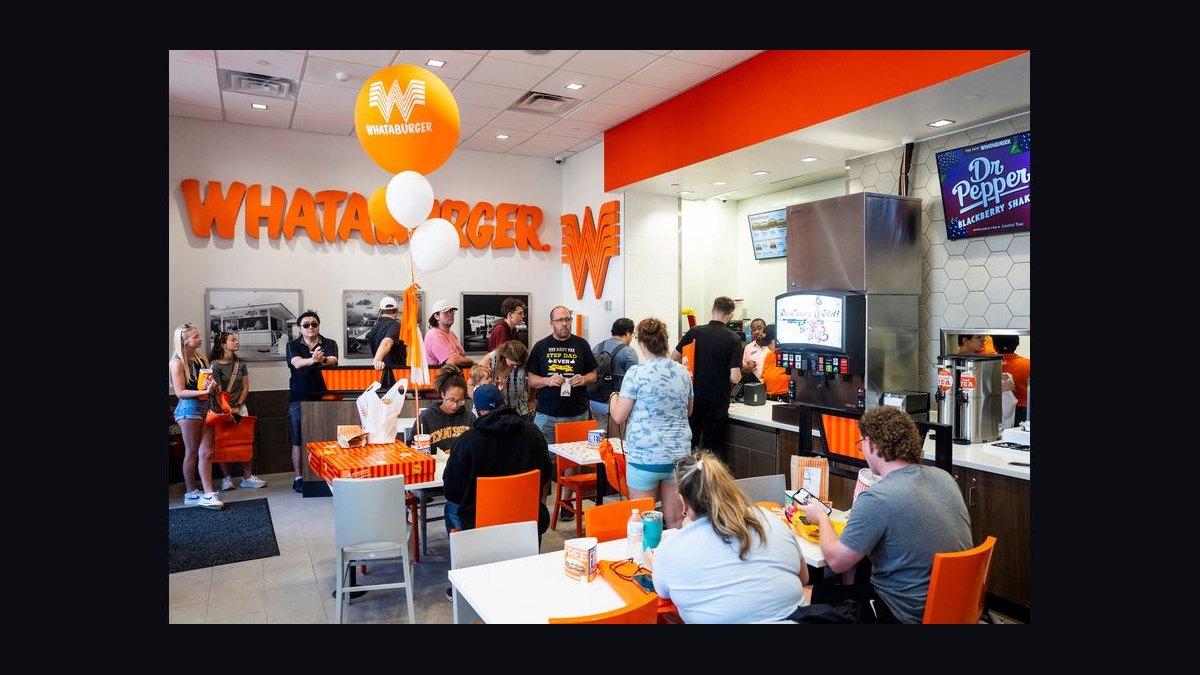
The trade you are making by choosing the lower-barrier brand is real. You give up the volume premium, which is not trivial: a brand doing meaningfully higher average unit volumes generates more absolute dollars of margin per store even at the same percentage. You give up the intensity of brand affinity, which reduces marketing cost and shortens the ramp in markets where the brand already has a following. And you give up the multi-unit scale economics — shared management overhead, distribution leverage, better banking terms — that make a five-store portfolio structurally more profitable per unit than five independent single-store operators.
The trade you get is optionality. A single-store agreement lets you find out whether you actually like this business before you have committed eight figures. Restaurant operating is a specific, demanding craft — labor scheduling, food cost control, drive-thru throughput measured in seconds, hiring and retaining general managers in a tight labor market. Plenty of financially successful people discover they hate it. Discovering that with one store is a recoverable mistake. Discovering it three stores into a five-store schedule is not.
There is also a middle path worth naming: becoming a capital partner in an existing multi-unit group rather than an operator. Established franchisee organizations regularly raise equity for development, and a passive or semi-passive stake in a group that already has the operating infrastructure gives you exposure to the economics without the schedule risk. The returns are lower than owning your own stores because you are paying someone else to operate, but the risk-adjusted profile is often better for someone whose real edge is capital rather than restaurant management. If you go this route, diligence the operator the way you would diligence any private investment: audited financials, existing store-level performance, the sponsor's track record through a downturn, and the governance terms that determine what happens if the partnership sours.
Finally, if the actual goal is cash-on-cash return rather than owning restaurants specifically, quick service is a demanding way to get there. Lower-complexity operating businesses — service routes, self-serve car washes, equipment rental, light industrial — often deliver comparable returns with a fraction of the labor management burden. That is not a reason to avoid restaurants; it is a reason to be honest that you are choosing them for reasons beyond the spreadsheet.
Where these deals go wrong
The most common failure is underwriting the system average instead of your own store. Item 19 financial performance representations describe existing restaurants, which skew toward mature units in established markets. Your new store in a market the brand just entered is a different asset. Operators who anchor on the system average and then finance against it end up with debt service sized for revenue they will not see for three years. Build your model on a conservative year-one volume, a year-two step up, and a year-three approach toward the system figure — and make sure the loan covenants survive the year-one number.
The second failure is treating the development schedule as advisory. It is contractual. If your site pipeline is thin, you will find yourself signing a lease on a mediocre pad to hit a date, and a bad site is a permanent problem — you cannot manage your way out of poor visibility, weak traffic counts, or a hostile left-turn situation. Before you sign the development agreement, have a trade-area study and at least two or three viable sites already identified per store you are committing to. Retail site-selection analytics firms do this work, and the study cost is small relative to the cost of a bad pad.
Third: underestimating the general-manager bench. Each restaurant needs a capable general manager, and multi-unit operations need a district-level layer above them. The realistic constraint on how fast you can grow is not capital, it is how many people you have trained who can run a store without you in it. Groups that expand faster than their bench develop consistent problems — throughput slips, turnover rises, food cost drifts, guest scores fall, and the brand notices. Plan to have your store-two general manager hired and trained inside store one months before store two opens, and budget the payroll overlap.
Fourth: skipping real legal review to save money. A franchise attorney who works in this segment will read the development agreement's default and cure provisions, the transfer restrictions that govern whether you can ever sell, the personal guarantee scope, the post-term non-compete, and the renewal terms that determine what you own in twenty years. Those clauses determine your exit, and your exit is where most of the equity value in a franchise portfolio is realized. Paying hourly rates for that review is trivially cheap against a multi-million-dollar commitment.
Fifth: ignoring supply chain geography. A brand with a Texas-centered distribution network serves stores in distant regions at higher freight cost, and that shows up permanently in your food line. Ask directly, in writing, what your delivered cost per case looks like in your specific DMA versus a core-market store, and model the difference. A one-point food-cost penalty on a high-volume store is a meaningful annual number, every year, forever.
Sixth, and least discussed: no plan for the operating cadence once stores open. This is where a discipline borrowed from RevOps pays off — the same weekly-metrics rhythm that revenue teams use to catch pipeline problems early works on restaurant portfolios. Define the handful of numbers that actually predict trouble (drive-thru times, hourly labor against forecast, food variance versus theoretical, crew turnover, guest satisfaction), review them at a fixed weekly cadence per store, and make the general managers own their own numbers. Operators who install that rhythm before store two opens catch drift while it is still cheap. Operators who wait until the P&L shows a problem are already a quarter behind it.
Related questions
Can I buy an existing Whataburger instead of building one?
Sometimes. Existing franchisees do sell, usually as whole portfolios rather than single stores, and the franchisor holds approval rights and often a right of first refusal on transfers. Expect the same experience screening the brand applies to new franchisees, plus a purchase price reflecting the cash flow you are acquiring.
How long does the whole process take from application to opening?
Plan on well over a year. Application, screening, discovery, and document review typically run several months. Site selection, entitlement, permitting, and construction for a freestanding drive-thru restaurant commonly take twelve to eighteen months, and drive-thru approvals in restrictive municipalities can extend that further.
Does Whataburger offer any financing to franchisees?
Not as a general practice. Franchisees fund their own development through conventional bank debt, equipment financing, and equity. Verify the current position in the FDD's financing item rather than relying on secondary reporting, since franchisor financing programs change.
Is a ground lease better than buying the land?
It lowers upfront capital substantially and improves cash-on-cash return, but it removes the real estate appreciation that often represents a large share of a franchisee's long-term equity. Owned real estate also gives lenders better collateral, which usually improves your borrowing terms across the portfolio.
FAQ
Does Whataburger franchise to single-unit owners?
No. The brand awards multi-unit area development agreements to experienced restaurant operators, typically requiring a commitment to build several stores over a multi-year schedule. Prospective single-store owners are generally screened out before receiving a disclosure document, which is why first-time operators should look at brands that award single units.
What does it cost to open one Whataburger restaurant?
Roughly $1.2M to $3M all-in for a freestanding prototype, with land accounting for most of the variance. The recurring components — building shell, kitchen equipment, signage and technology, training, and three months of working capital — are reasonably predictable; the real estate line is what swings the total by more than a million dollars between markets.
What are the ongoing fees?
A royalty calculated as a percentage of gross sales, plus a national advertising fund contribution and a local marketing minimum. Together these obligations take a mid-to-high single-digit percentage of gross sales off the top, before any operating cost. Confirm the current rates in the FDD's fee item for your state.
How profitable is a mature location?
Restaurant-level margin in a healthy mature store runs in the mid-teens as a percentage of sales, which on this brand's strong average unit volumes produces a substantial annual figure per restaurant. That is before corporate overhead, debt service, and taxes, and it reflects mature stores rather than new-market openings.
Where can I find the official numbers?
State franchise registries publish disclosure documents for brands registered in those states — California, Minnesota, and Wisconsin among them. That FDD is the authoritative source for investment ranges, fees, litigation history, and turnover. Treat franchise-broker blog posts and aggregator sites as leads to verify, never as the number itself.
What should I do if I want this brand but do not qualify?
Build an operating record. Open with a brand that awards single units to qualified first-timers, run it well for several years, document audited financials, and develop a management bench. Multi-unit operators with that history are exactly the profile this brand recruits, and reapplying from that position is a fundamentally different conversation.
Sources
- Federal Trade Commission — Franchise Rule and buying-a-franchise consumer guidance
- California Department of Financial Protection and Innovation — franchise document search (DOCQNET)
- Minnesota Department of Commerce — franchise registration and disclosure filings
- U.S. Small Business Administration — 7(a) loan program terms and limits
- USDA Economic Research Service — Livestock, Dairy, and Poultry Outlook
- U.S. Bureau of Labor Statistics — Occupational Employment and Wage Statistics
- International Franchise Association — franchise industry research and outlook
- Nation's Restaurant News — quick-service chain coverage and Top 500 reporting
- Restaurant Business Online — restaurant industry news and financial reporting
- QSR Magazine — quick-service industry rankings and operations coverage
Related on PULSE
- [Should I open or buy an Oxi Fresh Carpet Cleaning franchise in 2027?](/knowledge/q15521)
- [Should I open or buy an Oil Can Henry's franchise in 2027?](/knowledge/q15520)
- [Should I open or buy a KidStrong franchise in 2027?](/knowledge/q15519)
- [Should I open or buy a Premier Garage franchise in 2027?](/knowledge/q15518)
- [Should I open or buy a Jazzercise franchise in 2027?](/knowledge/q15517)
- [Should I open or buy a Nekter Juice Bar franchise in 2027?](/knowledge/q15516)
This page will be disappearing soon. Save it to your device for $1 — or read it free while it is here.
@Kory-White- · if Venmo asks, the last 4 of my number are 2012
This page is gone.
This one is off the shelf now. $1 keeps it on your phone for good — the whole page, pictures and diagrams included.
 pulse-qHow Do I Score My CSMs on Retention and Expansion in 2026?
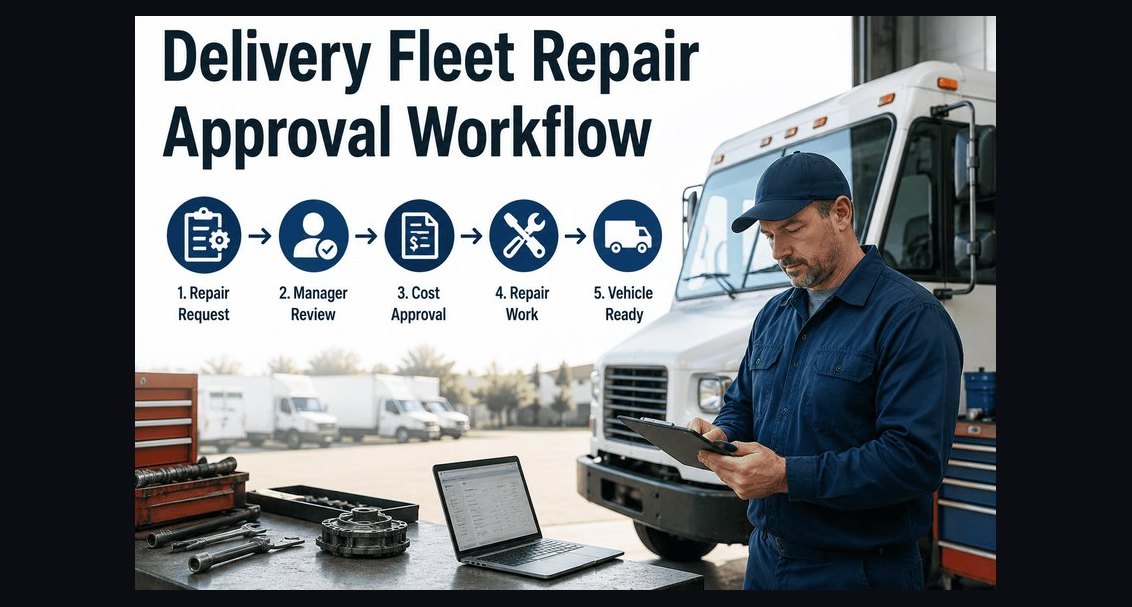 pulse-qShould I Repair or Replace My Delivery Fleet Vehicles as My Landscaping Business Scales in 2027?
 pulse-qHow Do I Keep Reps From Gaming the Comp Plan in 2026?
 pulse-qShould I open or buy a Garage Experts franchise in 2027?
 pulse-qShould I open or buy a Blo Blow Dry Bar franchise in 2027?
 pulse-qShould I open or buy an Aroma Joe's Coffee franchise in 2027?
 pulse-qShould I open or buy a LaMar's Donuts franchise in 2027?
 pulse-qHow Do I Budget a Chiropractic Clinic Buildout in 2026?
 pulse-qShould I open or buy a Snap Fitness franchise in 2027?
 pulse-qShould I open or buy a Woof Gang Bakery franchise in 2027?