
Should I open or buy a Chipotle franchise in 2027?
 Curated byKory White · Fractional CRO · Maryland
 PULSEKNOWLEDGE LIBRARY
Quality
Certified
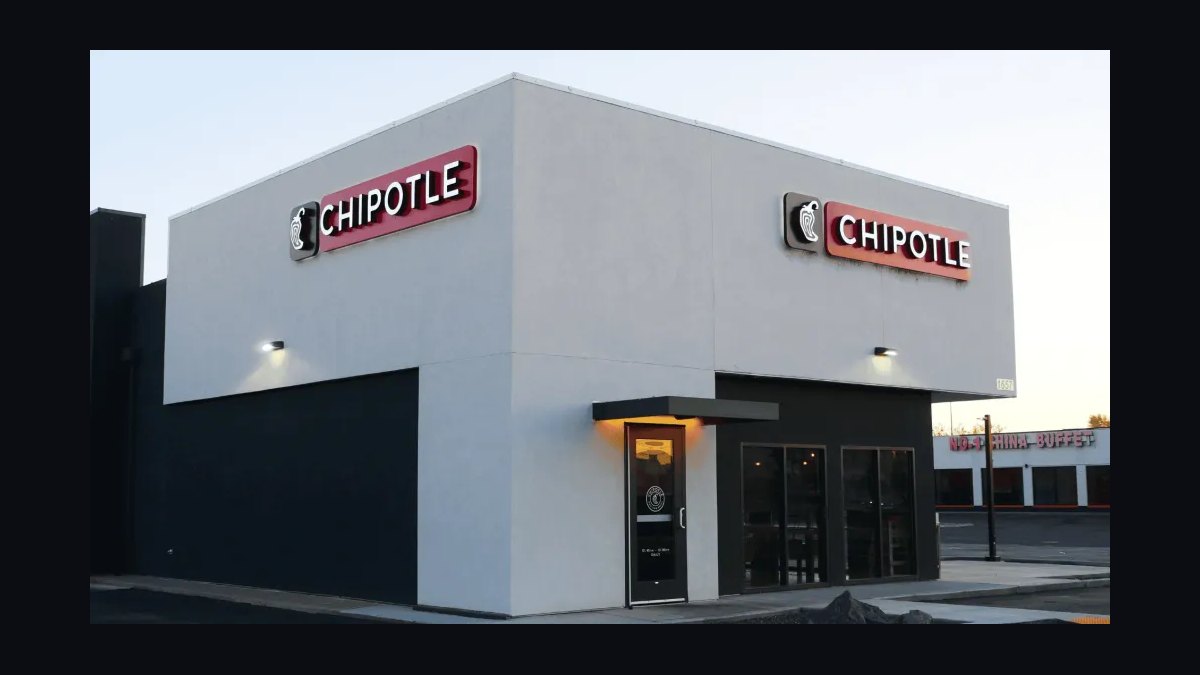
You cannot open or buy a Chipotle franchise in 2027. Chipotle Mexican Grill has not franchised in the United States since it repurchased its early franchised units, and every domestic location is company-operated. The realistic ownership routes are owning the real estate Chipotle leases, developing sites for the company, or franchising a competing fast-casual brand.
The call you are actually making when you say "I want a Chipotle"
Picture the conversation that starts most of these searches. Someone has $1.2M in liquid capital from a business exit, watches the lunch line at their local Chipotle wrap around the counter for ninety straight minutes, and does the mental math: a store that busy, at those ticket prices, has to be printing money. The next step feels obvious — find the franchise page, pay the fee, sign a development agreement for three units in the suburbs, and let a general manager run it.
That path does not exist. Chipotle's domestic model is 100% company-operated, and it has been since the company bought back the handful of franchised restaurants that existed in its earliest days. There is no franchise disclosure document to request, no franchise development team to call, no territory map to negotiate over, and no franchise fee to wire. The company has said consistently across investor communications that owning and operating every restaurant is a deliberate strategic choice: it keeps food safety protocols, labor practices, digital ordering economics, and brand standards under one roof rather than distributed across hundreds of independent operators with their own P&L incentives.
This matters more than a trivia point, because the wrongly-framed question sends people down expensive dead ends. The most common one is paying a "franchise consultant" or brokerage a retainer to help "secure a Chipotle." Any party that takes money to place you into a Chipotle franchise is selling something that cannot be delivered. There is no gray area here and no back channel. If you encounter a listing, a broker pitch, or a social media offer claiming otherwise, treat it as a red flag and verify directly through Chipotle's investor relations page before another dollar moves.
The second dead end is subtler and more expensive: buying an operating restaurant "like a Chipotle" from a seller who leans on the comparison. Because Chipotle has no franchisees, there is no such thing as a Chipotle resale. What is for sale is somebody else's independent burrito concept or a franchised competitor unit, and those carry entirely different volumes, brand pull, and supply chain economics. The comparison in the listing is marketing, not underwriting.
The third framing error is the most understandable. A prospective owner sees Chipotle's per-store performance and assumes any Mexican fast-casual store in a similar shopping center will behave similarly. It will not. Chipotle's advantages compound in ways that do not transfer: national advertising scale, a digital order channel built over a decade, purchasing leverage on avocados and protein, second-make-line throughput for digital orders, and drive-thru pickup lanes that most franchised competitors are still retrofitting. An independent or smaller-brand operator inherits the category tailwind but almost none of the moat.
So the honest reframing is this: you are not choosing whether to buy a Chipotle. You are choosing which of three real capital deployments best fits your money, your time, and your tolerance for operating risk. One of those is passive and real-estate-shaped. One is a development business with construction risk. One is an actual restaurant operating business under a different logo. They share almost nothing except the category you were originally attracted to. Any RevOps-minded operator will recognize the pattern — the constraint is upstream of the tactics, and the correct move is to redesign the funnel, not to push harder on a closed door.
How each real ownership path actually works
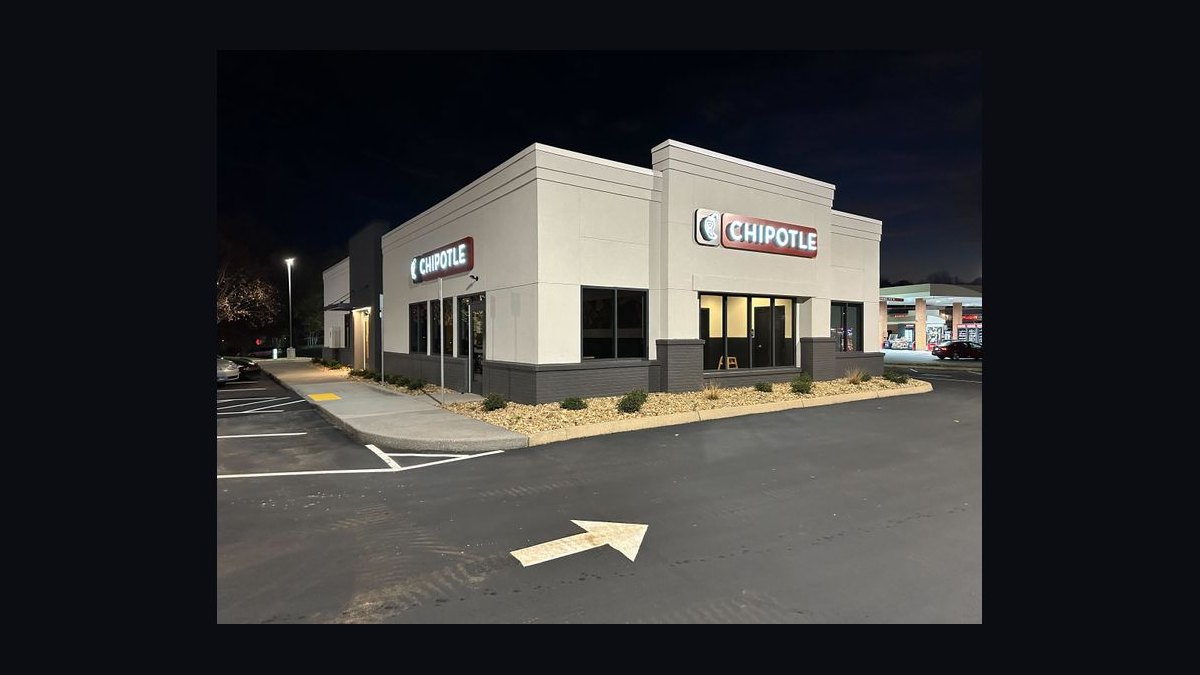
Start with the net-lease path, because it is the one that gets closest to "owning a Chipotle" in the everyday sense. In a typical arrangement, a developer builds a freestanding building or an endcap suite to Chipotle's specifications, Chipotle signs a long-term lease — commonly fifteen years of primary term with renewal options and periodic rent escalations — and then the property, with that lease attached, is sold to an investor. You buy the building and the income stream. The corporate entity, not a franchisee, is the tenant on the lease, which is why these assets trade at low cap rates relative to other single-tenant retail: the credit behind the rent check is a large public restaurant company rather than an individual owner-operator.
What you own in that scenario is a bond-like income stream wrapped in dirt. You do not touch the food, the labor schedule, the menu, or the digital orders. Under a typical triple-net structure, the tenant handles taxes, insurance, and most maintenance, so your ongoing work is lease administration, escrow oversight, and eventually a decision about whether to hold through renewal or sell into the market. Your returns come from three places: the going-in yield, the contractual rent bumps, and whatever cap-rate movement occurs between purchase and sale. Leverage amplifies all three in both directions, which is exactly why the spread between your cap rate and your borrowing cost is the whole ballgame.
The developer path is a different business entirely. Here you are in the site-selection and construction business, and your customer is Chipotle's real estate department. The work is finding a corner with the right traffic counts, daytime population, and co-tenancy; controlling the land; getting through entitlement and permitting; building to the tenant's spec including a pickup lane where the site allows; delivering the shell; and then either holding the stabilized asset or selling it to a net-lease investor. Your margin is the spread between total project cost and the stabilized sale price, and your risk is everything that can go wrong between those two events — a zoning fight, a cost overrun, a rate move that widens cap rates and compresses your exit price.
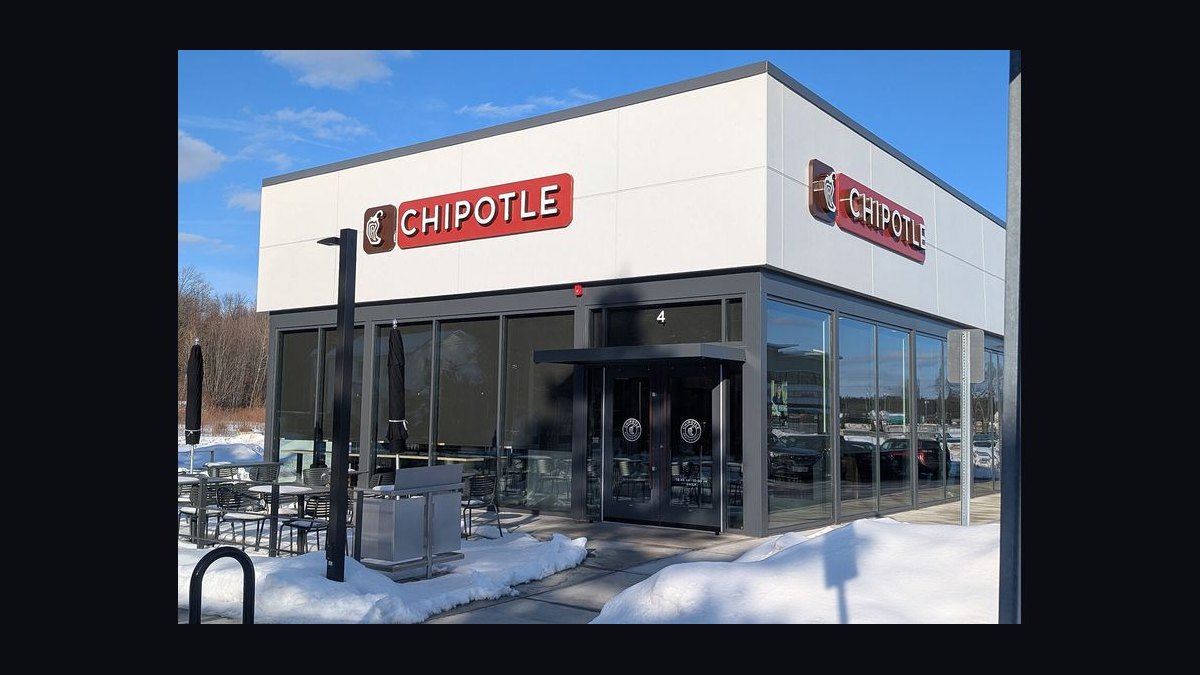
The franchise-operator path means accepting that the logo will not say Chipotle. Several Mexican and Southwestern fast-casual brands do franchise, and they publish a franchise disclosure document that lays out the entire deal in a standardized format. You pay an initial franchise fee, build to their prototype, pay an ongoing royalty on gross sales plus a national and local advertising contribution, and operate under their system standards. In exchange you get a brand, a supply chain, an operating playbook, training, and a defined territory. Your economics are the restaurant's economics minus those fees, and your job is running a labor-intensive retail business with thin per-store margins.
The mechanism that unites all three is worth naming: in each case you are buying exposure to the same trade area and the same consumer behavior, but at a completely different point in the value chain. The landlord monetizes credit and duration. The developer monetizes execution risk and time. The operator monetizes throughput and labor management. Confusing them is how people end up with the wrong risk in the wrong wrapper.
Numbers that should anchor your underwriting
Rather than quoting figures that change quarter to quarter, work from the categories you must fill in yourself with current, verifiable data. This is the discipline that separates a real pro forma from a spreadsheet that flatters the deal.
For the net-lease path, the four inputs that determine everything are purchase price, in-place net operating income, the remaining primary lease term, and the rent escalation schedule. Divide NOI by price and you have your going-in cap rate. Compare that number against your all-in borrowing cost including amortization. If your debt constant exceeds your cap rate, you are buying negative leverage — every dollar of debt reduces your cash-on-cash return rather than improving it. That can still be rational if you are underwriting to rent growth or a specific 1031 exchange deadline, but it should be a conscious decision, not a discovery you make in year two. Pull actual recent comparable sales from a net-lease brokerage report before you accept a broker's stated cap rate as market.
The second net-lease input people underweight is lease term remaining. A property with fourteen years left on the primary term and a property with four years left are fundamentally different assets even at identical rent. The short-term asset carries renewal risk, and renewal risk is where your exit cap rate lives. Confirm the escalation structure too — a lease with fixed percentage increases every five years behaves very differently over a fifteen-year hold than one with flat rent, and the difference compounds into your terminal value.
For the developer path, build the model as cost stack versus exit value. The cost stack is land, site work, hard construction costs, soft costs including architecture and permitting and legal, carrying costs on the construction loan, and a contingency line that should not be thin. The exit value is stabilized annual rent divided by the cap rate a buyer will pay at the time you sell. Your margin is the gap. Two variables can erase it: construction cost inflation between your budget and your final draw, and cap-rate expansion between your underwriting and your closing. Stress-test both. A project that only works if cap rates hold exactly where they are today is not a project, it is a bet on rates.
For the franchise path, every material number is disclosed in the FDD, and reading it properly is the single highest-return hour you will spend. Item 5 covers the initial franchise fee. Item 6 lists every recurring fee — royalty, advertising fund, technology fees, and any local marketing minimums. Item 7 gives the estimated range of initial investment, broken into categories. Item 19 contains any financial performance representation the franchisor chooses to make, including how it defines the averages and what subset of stores it drew from. Item 20 lists outlet counts by year, including openings, closures, transfers, and terminations, plus contact information for current and former franchisees.
Read Item 20 before Item 19. Unit count trends tell you the truth about brand health faster than any average-volume figure. A system that opened forty units and closed thirty-five is telling you something the marketing deck will not. Likewise, a long list of transfers may mean franchisees are exiting at a rate the system does not advertise. Then call the franchisees. Not two — ten or more, spread across strong and weak markets, and including at least a few from the former-franchisee list. Ask three questions: what your actual first-year and third-year store-level profit looked like, whether you would sign again knowing what you know, and how the relationship with corporate works when there is a disagreement.
Build your operating model conservatively. Take the franchisor's disclosed volume figure and haircut it meaningfully for year one, because ramp is real and the disclosed average includes mature stores in proven markets. Then model your four main cost lines as percentages of sales: cost of goods, labor including management and payroll taxes and benefits, occupancy including rent and common area charges, and controllables covering utilities, supplies, repairs, and delivery commissions. Subtract royalty and advertising fund. What remains is store-level profit before your own overhead, debt service, and taxes.
Two line items deserve special scrutiny in current conditions. Third-party delivery commissions can consume a large share of every delivered order, so a store where a high percentage of volume comes through marketplace apps has structurally different margins than the same store with mostly in-store and first-party digital orders. And labor is subject to state and municipal wage legislation that has moved sharply in several large markets, with more changes phasing in. Model your specific state, not a national average, and model it forward through the wage increases already scheduled.
Finally, the working capital line. The FDD's initial investment range typically includes only a few months of additional funds. Most franchise failures are not concept failures, they are liquidity failures somewhere in the first eighteen months, when the ramp is slower than projected and the owner has no reserve left to fund payroll through a soft quarter. Carry a reserve well beyond the disclosed minimum, sized to cover several months of full operating expense with zero contribution from sales. If adding that reserve makes the deal unaffordable, the deal was already unaffordable.
Trade-offs, and what you give up with each choice
The net-lease path gives you the lowest operational burden and the most predictable cash flow, and in exchange you accept the lowest return ceiling and almost no operational upside. If the restaurant's sales double, your rent does not. You capture only what the lease says you capture. Your risks are concentrated in three places: interest rates at acquisition and refinance, tenant credit over the lease term, and residual value when the primary term ends. The great advantage is that this path is genuinely passive and works from anywhere, which matters if you have a demanding primary career.
The developer path has the highest per-project return potential of the three and the highest execution risk. You need a real skill set — site selection, entitlement navigation, general contractor management, and relationships with the tenant's regional real estate representatives. Without those relationships the pipeline does not exist, because you cannot build a building for a tenant that has not agreed to lease it. This is a business you enter through an existing network or by working under someone who has one. It is not a first deal for a passive investor, and a single failed entitlement can consume the profit from a successful project.
The franchise-operator path is the only one that puts you in the actual restaurant business, and it is the one where your effort most directly changes the outcome. A great operator running a good brand in a strong trade area substantially outperforms an average operator in the same building. That is genuine alpha. But it comes with the heaviest time commitment — realistically most of your waking hours for the first year or two — plus hiring, turnover, food safety, equipment failures, and the specific stress of a business where a single bad manager can wipe out a quarter.
Within the franchise path there is a second trade-off worth naming: single-unit versus multi-unit. Single-unit economics are hard almost everywhere in fast casual, because the owner's own compensation and overhead sit on top of a single store's thin margin. Multi-unit operators spread a district manager, a bookkeeper, and marketing effort across several P&Ls, and they get better vendor terms and better real estate attention from the franchisor. If a brand's economics only work at three or more units, be honest that you are signing up for a three-unit build-out and capitalize accordingly rather than hoping unit one funds unit two.
There is a fourth option that deserves an honest mention precisely because it is unglamorous: buying shares in the public company. It gives you exposure to the brand's performance with full liquidity, zero operating burden, and no personal guarantee. It gives you no control, no depreciation benefits, and none of the wealth-building leverage of owned real estate. For someone whose actual motivation was "I believe in this brand," it is the cleanest expression of that belief. For someone whose motivation was "I want to own an operating business," it is not a substitute at all, and the right move is a franchise system that actually sells franchises.
Pitfalls that cost people real money here
The first and largest is paying anyone for access to a Chipotle franchise. Because the premise is false, every dollar spent pursuing it is wasted, and in some cases the pursuit itself is the product being sold. Verify the franchising status directly through the company's own investor relations materials, and treat any third party who contradicts that as disqualified from the rest of your process.
The second is underwriting a competing brand off Chipotle's numbers. It is tempting to build a model where your store hits a volume you saw quoted for Chipotle, because the format looks identical from the sidewalk. It is not identical. Use the franchisor's own Item 19 disclosure, haircut it, and validate against the franchisee calls you make from the Item 20 list. If a franchisor makes no Item 19 representation at all, that absence is information — build your model entirely from franchisee interviews and be more conservative, not less.
The third is buying a net-lease asset on cap rate alone. Two properties at the same cap rate can have wildly different risk if one has fourteen years of term and scheduled escalations and the other has three years and flat rent in a declining trade area. Underwrite the real estate as if the tenant were going to leave at the end of the term, because eventually some tenant will. Ask the question every institutional buyer asks: if this building went dark tomorrow, what does it re-lease for, to whom, and after how many months of carrying costs?
The fourth is under-capitalizing working capital, which is the most common cause of franchise failure that nobody puts in the post-mortem. The FDD's investment range is a build-out budget, not a survival budget. If you open in a soft season, or a road construction project appears in front of your building, or your first general manager quits in month four, you need cash that does not depend on sales. Reserve for that separately and do not let it be the flexible line in your capital stack.
The fifth is signing a lease without the protections that matter. In restaurant leases, the terms that determine whether you survive a bad stretch are co-tenancy provisions, exclusive-use clauses preventing the landlord from putting a direct competitor three doors down, assignment rights so you can actually sell the business later, and personal guarantee limits with a burn-off after a defined performance period. Negotiate these before you sign the franchise agreement, because after you sign you have lost your leverage — you are committed to the brand and the landlord knows it.
The sixth is trade-area error. Everything downstream of site selection is damage control. Daytime population, household income, traffic counts, visibility, ingress and egress, parking ratio, and the quality of the anchor tenants determine a large share of your outcome. Pull real foot-traffic and demographic data on at least three candidate sites rather than choosing the one where the landlord was most agreeable on rent. The cheapest rent in the market is usually cheap for a reason that will show up in your sales line.
The seventh is treating the franchise agreement as boilerplate. It is a ten-to-twenty-year contract with a renewal standard, a transfer approval process, a remodel obligation that will require capital you have not budgeted, and territory language that may or may not protect you from the franchisor opening nearby. Hire a franchise attorney — a specialist, not your general business lawyer — and pay for a full review before the deadline that follows FDD receipt. The fee is small relative to what a single unfavorable clause costs over a decade.
The eighth, and the one most people skip: not defining your walk-away number in advance. Before you tour a site or sit through a discovery day, write down the third-year store-level profit below which you will not proceed, and the total capital above which you will not proceed. Written in advance, those numbers protect you from the sunk-cost momentum that builds once you have spent thirty thousand dollars on legal and site work. Written after the fact, they will simply be adjusted to justify the deal you have already emotionally committed to.
Related questions
Has Chipotle ever franchised anywhere?
Chipotle's domestic system is company-operated. Its early history included a small number of franchised restaurants that the company repurchased, and it has used other structures for some international expansion. For any current status, check the company's own investor relations disclosures rather than third-party claims.
Could Chipotle start franchising later?
Nothing prevents a public company from changing its model, but Chipotle has consistently framed company ownership as core to its control over food safety, labor, and brand standards. Plan around the current reality, and monitor investor communications rather than betting capital on a policy reversal.
Is buying a Chipotle-leased building a good investment?
It can be, if the cap rate exceeds your borrowing cost, the remaining lease term is long, escalations are contractual, and the underlying real estate would re-lease well without this tenant. Buy the dirt and the credit, not just the logo on the building.
What is the closest franchisable alternative?
Several Mexican and Southwestern fast-casual brands franchise and publish FDDs. Request documents from two or three, compare Item 7 investment ranges, Item 6 fees, and Item 20 unit trends side by side, then interview franchisees from each system before shortlisting.
How much operating experience do I need?
If you have never run a restaurant P&L, most franchisors will expect either prior multi-unit management experience or a partner who has it. Lenders look for the same thing. Hiring an experienced general manager helps, but it does not replace an owner who understands food and labor cost.
FAQ
Can I open a Chipotle franchise in 2027?
No. Chipotle does not franchise in the United States, so there is no franchise agreement to sign, no disclosure document to request, and no franchise fee to pay. Anyone offering to place you into one is not describing a real transaction. Confirm the company's current model through its investor relations materials before engaging any consultant or broker on the subject.
Can I buy an existing Chipotle location from its owner?
There are no franchisee-owned Chipotle restaurants to purchase, because every domestic location is company-operated. What you can buy is the real estate that a Chipotle restaurant occupies, when a net-lease property with Chipotle as tenant comes to market. In that case you become the landlord collecting rent, not the operator running the restaurant.
How much capital do I need for a Chipotle net-lease property?
Freestanding single-tenant restaurant properties with strong corporate tenants generally trade in the low millions, and cap rates move with interest rates and investor demand. Rather than working from a stale figure, pull current comparable sales from a net-lease brokerage report and calculate the going-in yield yourself. Then compare it against your actual all-in cost of debt.
What should I read first in a competitor's franchise disclosure document?
Start with Item 20 to see outlet openings, closures, transfers, and terminations over recent years, since unit trends reveal system health. Then read Item 7 for the estimated initial investment, Item 6 for every recurring fee, and Item 19 for any financial performance representation. Finish by calling franchisees from the Item 20 contact list.
How long until a fast-casual franchise pays back my investment?
It depends heavily on volume, occupancy cost, and how quickly the store ramps. Build a five-year monthly model using a conservative first-year sales assumption, then measure cumulative cash flow against your total capital including working capital reserve. If the model requires everything to go right to reach payback, the deal has no margin for error.
Is there a way to get Chipotle exposure without operating a restaurant?
Yes, in two forms. You can own the real estate a Chipotle leases and collect contractual rent, or you can own shares in the public company for liquid, fully passive exposure with no control. Neither gives you an operating business, so if running a restaurant is the actual goal, pursue a brand that genuinely franchises.
Sources
- https://ir.chipotle.com/
- https://www.sec.gov/cgi-bin/browse-edgar?action=getcompany&CIK=CMG&type=10-K
- https://www.ftc.gov/business-guidance/industry/franchises
- https://www.franchise.org/
- https://www.sba.gov/funding-programs/loans/7a-loans
- https://www.restaurantbusinessonline.com/
- https://www.restaurantdive.com/
- https://www.nrn.com/
- https://www.bls.gov/iag/tgs/iag722.htm
- https://www.dol.gov/agencies/whd/minimum-wage/state
Related on PULSE
- [Should I open or buy an Oxi Fresh Carpet Cleaning franchise in 2027?](/knowledge/q15521)
- [Should I open or buy an Oil Can Henry's franchise in 2027?](/knowledge/q15520)
- [Should I open or buy a KidStrong franchise in 2027?](/knowledge/q15519)
- [Should I open or buy a Premier Garage franchise in 2027?](/knowledge/q15518)
- [Should I open or buy a Jazzercise franchise in 2027?](/knowledge/q15517)
- [Should I open or buy a Nekter Juice Bar franchise in 2027?](/knowledge/q15516)
This page will be disappearing soon. Save it to your device for $1 — or read it free while it is here.
@Kory-White- · if Venmo asks, the last 4 of my number are 2012
This page is gone.
This one is off the shelf now. $1 keeps it on your phone for good — the whole page, pictures and diagrams included.
 pulse-qShould I open or buy a Lee’s Famous Recipe Chicken franchise in 2027?
 pulse-qShould I open or buy a Snap Fitness franchise in 2027?
 pulse-qHow Do I Set Attach Rates for My Service Fees in 2026?
 pulse-qShould I open or buy a Bob Evans franchise in 2027?
 pulse-qShould I open or buy a Blo Blow Dry Bar franchise in 2027?
 pulse-qHow Many Salespeople Should I Schedule Each Day at My Sporting Goods Store in 2026?
 pulse-qHow Many Employees Should I Schedule Each Shift at My Hot Pot Restaurant in 2026?
 pulse-qHow Many Salespeople Should I Schedule on My Auto Dealership Floor Each Day in 2026?
 pulse-qShould I Hire a Fractional CFO Before Renewing My Commercial Insurance Policy in 2027?
 pulse-qShould I open or buy a Bojangles franchise in 2027?