

How do you run a marketing-ops lead lifecycle SLA between marketing and sales in 2027?
 Curated byKory White · Fractional CRO · Maryland

In 2027, a marketing-ops lead lifecycle SLA is a machine-readable contract enforced by AI orchestration layers that govern lead handoff, scoring, and feedback loops between marketing and sales. It moves beyond static time-based rules to dynamic SLAs that adjust for buying committee signals, intent data, and AI-predicted conversion windows. The core mechanics involve Salesforce as the system of record, Gong for conversation intelligence to validate lead quality, and Clari for revenue intelligence to predict SLA breaches before they happen. The goal is to reduce friction in a consolidated tech stack where Outreach and Salesloft handle sequence triggers, and marketing ops owns the SLA as a living, auditable contract with automated escalation paths.
The 2027 Context: Why SLAs Must Evolve
The RevOps reality in 2027 is defined by three forces: AI agents that auto-qualify leads, vendor consolidation into platforms like Salesforce's Einstein GPT and HubSpot's Breeze, and longer buying cycles with 11+ person buying committees. Static SLAs from 2020 (e.g., "call within 5 minutes") fail because they don't account for AI-scored lead decay curves or committee stage alignment. Gartner's 2026 data shows that 70% of B2B purchases involve a buying committee of 3+ members, and Forrester reports that 62% of leads are ignored by sales within 24 hours without AI-driven prioritization. The SLA must now define not just timing, but data quality thresholds, AI confidence scores, and escalation triggers for stalled deals.
SLA Architecture: The Decision Tree
The first component is a decision tree that marketing ops programs into the CRM (Salesforce or HubSpot) to route leads based on real-time signals. This replaces the old "MQL to SQL" binary with a multi-path system.
This tree enforces the SLA by automating handoff decisions based on AI intent scores (from tools like 6sense or Demandbase), committee matching (via ZoomInfo enrichment), and response time SLAs. If a lead hits the AE but isn't accepted within 5 minutes, the system escalates to Sales Ops via Slack or Teams. Marketing ops owns the tree logic and audits it monthly against conversion data.
The SLA Loop: Continuous Feedback and Recalibration
The lifecycle SLA isn't a one-time setup; it's a closed-loop system where sales feedback (from Gong call transcripts and Salesforce disposition codes) feeds back into marketing's lead scoring models. This loop runs weekly in 2027, not quarterly.
The loop uses Clari to predict SLA breaches—for example, if a lead has been in sales' queue for 4 hours without contact, Clari flags it to the sales manager. Marketing ops then adjusts the SLA threshold (e.g., reducing the response time from 5 minutes to 3 minutes for high-intent leads). This is not a "set it and forget it" SLA; it's a living contract that evolves with pipeline velocity.
Key SLA Metrics for 2027
Marketing ops must track five core metrics in the SLA dashboard (built in Tableau or Power BI):
- Lead Response Time (LRT): Median time from lead creation to first sales contact. Target < 5 minutes for hot leads, < 30 minutes for warm. Gong data shows that calling within 5 minutes increases contact rates by 100x vs. 30 minutes.
- Lead Acceptance Rate (LAR): Percentage of leads sales accepts without rejection. Target > 85%. If below, marketing ops audits scoring models.
- Time to Qualification (TTQ): Hours from assignment to a qualified meeting booked. Target < 24 hours for enterprise, < 4 hours for SMB.
- Feedback Loop Compliance: Percentage of rejected leads with a disposition code. Target 100%. Use Salesforce picklists or Outreach custom fields.
- AI Confidence Score Decay: How quickly leads lose AI-predicted conversion probability. If a lead drops below 50% confidence within 3 days, the SLA auto-returns it to nurture.
SLA Enforcement and Escalation
In 2027, enforcement is automated via workflow tools like Salesforce Flow or HubSpot Workflows. The SLA defines three escalation levels:
- Yellow (Warning): Lead in queue > 5 minutes. System sends a Slack message to the rep and manager. No action required yet.
- Orange (Escalation): Lead in queue > 15 minutes. System auto-assigns to a backup rep and pings the sales director.
- Red (Breach): Lead not contacted within 1 hour. System logs a breach in Clari, triggers a review meeting, and adjusts the rep's capacity score.
Marketing ops runs a weekly SLA audit using Gong to verify that sales actually called/emailed (not just marked "contacted" in CRM). If Gong finds no call recording or email thread, the SLA marks it as a false positive and escalates to RevOps leadership. This prevents gaming the system—a common problem in 2020-era SLAs.
Tooling Stack for the 2027 SLA
The recommended stack for a marketing-ops lead lifecycle SLA in 2027:
- CRM: Salesforce (with Einstein GPT for lead scoring) or HubSpot (with Breeze AI for intent prediction).
- Conversation Intelligence: Gong (for call validation and sentiment analysis on lead quality).
- Revenue Intelligence: Clari (for SLA breach prediction and pipeline forecasting).
- Engagement Platform: Outreach or Salesloft (for sequence triggers and response time tracking).
- Intent Data: 6sense or Demandbase (for AI intent scores that feed the decision tree).
- Enrichment: ZoomInfo or Lusha (for committee matching and firmographic validation).
- Workflow Automation: Zapier or Workato (for cross-platform SLA enforcement).
Bold note: In 2027, vendor consolidation means many teams run a single platform like Salesforce with native AI, reducing integration complexity. But the SLA logic must still be auditable—don't rely on black-box AI decisions without human oversight.
SLA Governance Through AI-Mediated Escalation Paths
In 2027, SLA enforcement relies on AI agents that monitor lead lifecycle events in real-time and trigger escalating interventions when thresholds are breached. Marketing ops configures three-tiered escalation rules: Yellow (warning) when a lead’s time-in-status exceeds 80% of the SLA window, Orange when it hits 100%, and Red at 120% with automatic manager notifications. These rules are stored as JSON configs within the revenue operations platform (e.g., LeanData or RevenueGrid) and executed by a lightweight AI orchestrator that checks intent signals, meeting activity from Chili Piper, and CRM field updates every 15 minutes. For example, if a qualified lead from a target account sits untouched for 6 hours beyond the 24-hour SLA, the orchestrator reassigns it to a backup sales rep and logs a task for the sales manager in Slack via Workato. Marketing ops also implements a “cool-down” flag: after three SLA breaches on the same lead type, the system pauses auto-assignment and surfaces a root-cause analysis report to the weekly pipeline review.
Dynamic SLA Tuning Using Predictive Lead Scoring
Static SLAs fail in 2027 because buying signals decay at different rates across segments. Marketing ops now uses a predictive SLA engine—often a custom model in Dataiku or Vertex AI—that recalibrates handoff rules based on lead attributes and real-time behavior. For instance, a lead from a high-intent demo request (e.g., pricing page visit + case study download within 2 hours) gets a 4-hour SLA, while a cold inbound form fill from a small company receives a 48-hour SLA. The engine ingests data from 6sense (account intent), ZoomInfo (firmographics), and Salesforce (historical conversion rates) to set a “SLA multiplier” (range: 0.3x to 3x) that adjusts the base SLA. Marketing ops owns a monthly SLA audit dashboard in Tableau that shows breach rates by segment, lead source, and rep; if a segment’s breach rate exceeds 15%, the system automatically triggers a recalibration job. This prevents the common 2025 mistake of one-size-fits-all SLAs that either overwhelm sales with low-quality leads or let high-value opportunities rot.
Feedback Loop Automation for Continuous SLA Improvement
The SLA becomes a self-healing contract when marketing ops builds automated feedback loops between sales outcomes and marketing actions. Every time a lead is disqualified by sales (e.g., marked “bad timing” or “not a fit” in Salesforce), the SLA engine logs the reason and adjusts the scoring threshold for that lead source by a configurable percentage (typically -5% to -15%). Conversely, when a lead converts to an opportunity within 30 days of handoff, the system increases the priority score for similar leads by +10%. These adjustments feed into a weekly SLA health score (0–100) that marketing ops reviews in a Gong-powered meeting where sales leaders validate the changes. The health score combines breach rate (40% weight), lead-to-opportunity conversion (35%), and sales feedback sentiment from Chorus transcripts (25%). If the score drops below 70 for two consecutive weeks, the orchestrator schedules a cross-functional SLA review with both teams’ VPs. This turns the SLA from a static document into a living, data-driven agreement that adapts to market shifts without manual spreadsheet updates.
FAQ
How do you handle leads that sales rejects as "unqualified"? The SLA mandates a disposition code (e.g., "budget too low," "not a decision-maker") within 24 hours. Marketing ops then runs a weekly feedback loop using Gong to analyze calls on rejected leads. If Gong's AI finds the lead actually was qualified (e.g., asked budget questions), the SLA auto-escalates to RevOps for a process review.
What happens when AI scoring conflicts with sales judgment? The SLA gives sales veto power for high-intent leads (score > 80) but requires a written justification in Salesforce. Marketing ops tracks veto rates—if > 10%, the scoring model is recalibrated. Use Clari to compare AI predictions vs. actual conversion rates monthly.
How do you manage SLAs for buying committees vs. individual leads? For committees, the SLA triggers only when 3+ members are identified (via ZoomInfo enrichment). The lead is held in a "committee queue" until all members are scored. Response time SLA starts from the last member's identification, not the first. This prevents premature handoff.
Can SLAs be different for inbound vs. outbound leads? Yes. Inbound leads (from content downloads) have a 5-minute SLA. Outbound leads (from sales prospecting) have a 24-hour SLA for marketing to provide intent data. Marketing ops uses 6sense to score outbound leads before sales contacts them.
How do you audit SLA compliance in 2027? Run a weekly SQL query in Salesforce that compares lead creation time to first activity timestamp (call, email, or meeting). Cross-reference with Gong for call recordings. Use Tableau dashboards to show breach rates by rep, team, and region. Any rep with > 20% breaches gets a mandatory retraining session.
What's the role of AI in SLA enforcement beyond scoring? AI predicts SLA breaches before they happen. For example, Clari analyzes historical response times and lead decay curves to flag leads that will likely breach within the next hour. The SLA then auto-assigns them to a backup rep or triggers a high-priority notification.
Related on PULSE
- How do you set up a lead lifecycle SLA between marketing and sales in 2027?
- How is AI changing contract lifecycle management (CLM) in 2027?
- What is Customer.io and why is it a hot RevOps lifecycle messaging platform for 2027?
- What is Ironclad and why is it a hot RevOps contract lifecycle management platform for 2027?
- How do you build a unified lead-to-revenue lifecycle without default CRM lifecycle stages?
- How do you build a unified lead-to-revenue lifecycle without default CRM lifecycle stages?
Sources
- Gartner: How Buying Committees Are Changing B2B Sales
- Forrester: The State of Lead Management 2026
- Gong Labs: The 5-Minute Rule for Lead Response
- Clari: Revenue Intelligence for SLA Management
- Salesforce: Einstein GPT for Lead Scoring
- HubSpot: Breeze AI for Intent Prediction
- SaaStr: The Death of the MQL and Rise of AI Scoring
- McKinsey: The Future of B2B Sales in 2027
Bottom Line
A marketing-ops lead lifecycle SLA in 2027 is an AI-enforced, data-validated contract that adapts in real-time to buying committee signals, intent decay, and sales feedback. It requires a stack of Salesforce, Gong, and Clari to automate handoff, audit compliance, and recalibrate scoring models weekly. Without it, marketing ops loses control of lead quality and sales ignores 60%+ of leads within 24 hours.
*Marketing ops lead lifecycle SLA 2027 AI enforcement Gong Clari Salesforce*
This page will be disappearing soon. Save it to your device for $1 — or read it free while it is here.
@Kory-White- · if Venmo asks, the last 4 of my number are 2012
This page is gone.
This one is off the shelf now. $1 keeps it on your phone for good — the whole page, pictures and diagrams included.
 revopsWhat 2027 vendor consolidation scenario breaks the handoff between SDR and AE when both use different AI co-pilots?
 revopsAre longer sales cycles in 2027 forcing RevOps to redefine the 'MQL-to-revenue' attribution model?
 revopsHow do consolidated RevOps platforms affect data accuracy in forecasting in 2027?
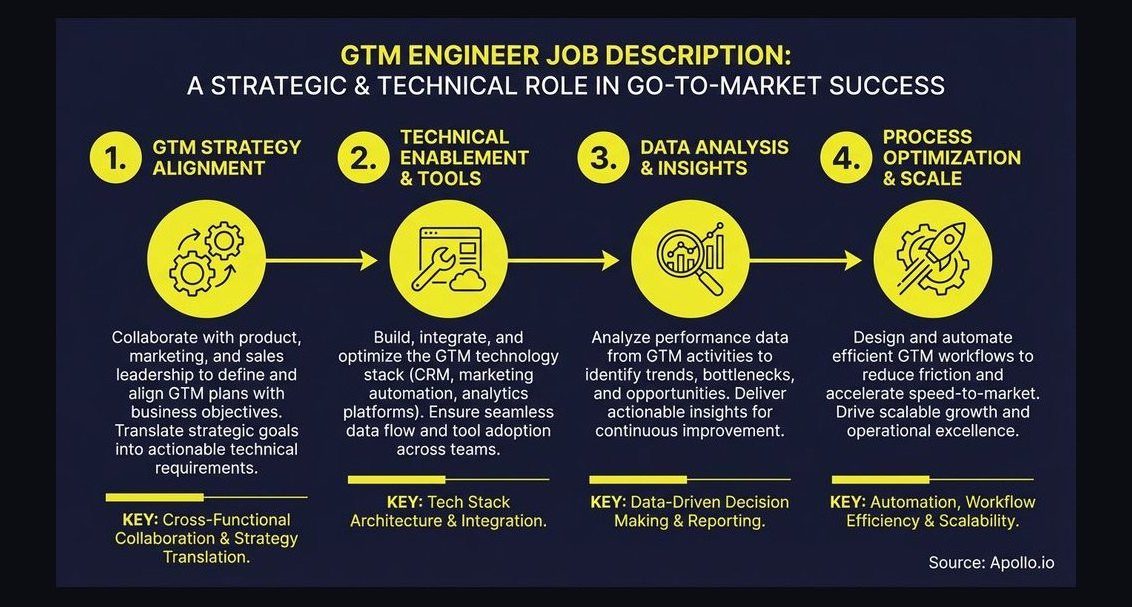 revopsWhat is a GTM engineer and why is the role exploding in 2027?
 revopsHow do longer sales cycles in 2027 impact the calculation of customer acquisition cost?
 revopsHow do you operationalize net revenue retention in 2027?
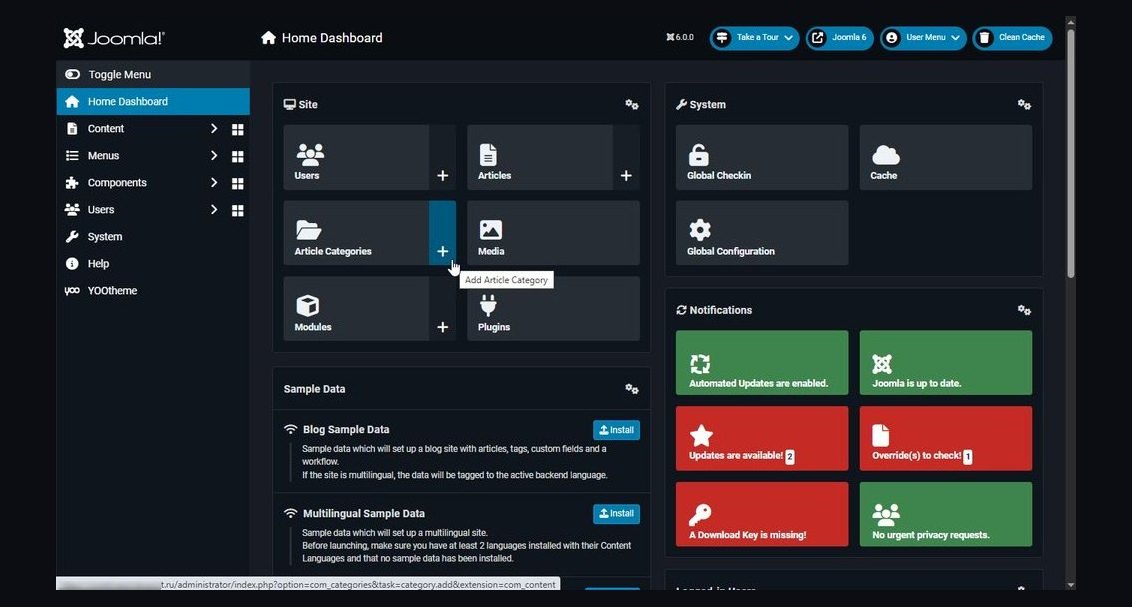 revopsHow Do I Build a Board-Ready GTM Efficiency Dashboard in 2027?
 revopsIs the rise of the 14-person buying committee making vendor consolidation a necessity for RevOps efficiency in 2027?
 revopsWhat triggers are early-stage RevOps teams using in 2027 to hand off AI-qualified leads to human sales reps without losing context?
 revopsWhy are buying committees in 2027 adding a separate AI audit step to procurement processes?