Pulse ← Library
Knowledge Library · barcade
✓ Machine Certified10/10?

How do you start a barcade business in 2027?

📖 18,239 words5/16/2026

TL;DR: To start a barcade business in 2027 — the arcade-plus-bar competitive-socializing format pioneered by Barcade (founded 2004 in Williamsburg, Brooklyn by Paul Kermizian, Scott Beard, Pete Langway, and Kevin Beard; the namesake operator that holds the federally registered "BARCADE" trademark and successfully defended it across multiple infringement disputes 2011-2017) — you build a location-based entertainment (LBE) experiential-retail venue in one of four durable formats: independent neighborhood barcade (4,000-7,000 sqft Class B retail or Class C industrial conversion with 30-65 cabinets and pinball machines plus full bar plus light food menu, $385K-$985K all-in, $585K-$1.6M Year 2 revenue, 12-22% SDE margin); independent destination barcade with kitchen (6,000-10,000 sqft with 50-95 cabinets plus full kitchen plus full liquor plus event space, $785K-$1.85M all-in, $985K-$2.6M Year 2 revenue, 14-22% SDE); regional chain unit under the Up-Down / Player 1 / 1Up template (5,000-9,000 sqft, 60-110 cabinets, full bar plus food, $850K-$2.2M all-in per unit, $1.2M-$2.8M Year 2 revenue, 16-26% EBITDA at multi-location scale); or competitive-socializing FEC hybrid (10,000-22,000 sqft mixed-format venue with arcade plus pinball plus pool plus shuffleboard plus full kitchen plus event space, $1.4M-$3.8M all-in, $1.8M-$4.5M Year 2 revenue, 14-24% EBITDA). The operating model centers on the bar revenue engine (35-52% of total revenue at 72-82% gross margin from beer / cocktails / wine, the structural source of barcade unit economics — the arcade exists primarily to drive bar traffic and dwell time, not as a primary revenue line), the food contribution (15-30% of revenue at 58-68% gross margin, typically pizza / wings / pretzels / loaded fries / nachos because the bar-snack format keeps kitchen labor low), the arcade revenue (15-32% of revenue depending on free-play with cover charge model — $5-$12 cover charge for unlimited play, used by Barcade itself, Player 1 Video Game Bar Orlando, Up-Down Iowa-KC-Minneapolis-Des Moines-Indianapolis-St-Louis — vs. coin-op token model — quarters or tokens per game, used by Logan Arcade Chicago, Coin-Op Game Room SF, Insert Coins Vegas — vs. debit-card swipe system — Embed / Sacoa / Intercard / Semnox cashless cards loaded with credits, used at most chain operators and FEC-hybrid formats), and the event / private party revenue (8-18% from corporate buyouts $2,500-$12,000, birthday parties $450-$2,500, tournament hosting). The right format in 2027 depends entirely on capital, real-estate market positioning, F&B operational background, and arcade-vs-bar revenue-mix philosophy. The honest 2027 economics: a focused independent neighborhood barcade invests $385K-$985K all-in (4,000-7,000 sqft Class B retail or Class C industrial conversion at $16-$32/sqft NNN; full bar build-out with 3-2-1 system — three-compartment sink, two-compartment prep sink, hand sink — plus draft beer system 8-24 taps plus walk-in cooler plus glass washer plus bar back, $135K-$385K bar capex; arcade cabinet acquisition mixing restored classics ($1,200-$4,500 per cabinet for Pac-Man, Galaga, Centipede, Donkey Kong, Ms. Pac-Man, Frogger, Tempest, Asteroids, Defender, Robotron, Joust, Q*bert, Dig Dug, Spy Hunter from sellers including Mr. Pinball, Arcade Specialties, Arcade Game Sales, Game Exchange of Colorado, eBay, Craigslist, Pinside marketplace, Quarterworld for parts) and premium pinball ($6,500-$13,500 per machine for current-production Stern Pinball titles like Foo Fighters, John Wick, Godzilla, Jaws, James Bond 007, Venom; $3,500-$9,500 for classic Bally / Williams / Gottlieb / Data East titles from 1980s-1990s); 30-65 cabinets at $1,500-$4,500 blended cost = $45K-$295K initial arcade investment; full liquor license acquisition ($5K-$650K depending on state, NY SLA / FL DBPR / PA PLCB are quota-restricted markets that drive license cost to $250K-$650K transferable; CA ABC Type 47 vs Type 48; TX TABC mixed beverage permit; IL liquor commission city-by-city); assembly Group A-2 occupancy Certificate of Occupancy with NFPA 101 compliance for sprinklers, fire alarm, two-egress requirement, occupant load posting; ASCAP / BMI / SESAC music licensing for arcade game audio plus background music ($1,800-$8,500 annual blanket); Commercial General Liability $2M occ / $4M agg plus liquor liability $1M-$2M plus workers comp NCCI 9079 restaurant insurance stack; 5-7 year lease with 3-6 months free rent and $25-$95/sqft TI allowance because barcade build-out is attractive to landlords as a destination tenant). Year 1 generates $485K-$1.2M revenue with $48K-$185K owner net income because the founder is bartending peak shifts, doing cabinet maintenance personally (the dirty operational secret — cabinets break weekly, founders who can't solder or troubleshoot CRT boards face $185-$485 per service call from third-party arcade techs eating margin), running corporate sales outreach, and building the first 6-12 months of review velocity from zero. By Year 3 a disciplined operation reaches $685K-$1.8M revenue per location with $125K-$385K owner profit for independent neighborhood format, $985K-$2.4M revenue with $185K-$525K profit for destination format with full kitchen, or $1.4M-$2.8M revenue with $285K-$685K EBITDA per unit at chain-unit scale (Up-Down / Player 1 / 1Up template). The four things that kill barcade operations: (a) underestimating cabinet maintenance economics — arcade and pinball cabinets break constantly (5-15% of cabinet fleet is non-operational on any given day at well-run operations, 15-30% at poorly maintained operations); each broken cabinet on the floor is dead capital, signals neglect to customers, and pushes reviews down; without an in-house tech (full-time at 50+ cabinet operations, fractional at smaller) or strong outsourced tech relationship (Pacific Pinball Tech, Galloping Ghost Productions service network, regional pinball / arcade techs at $85-$185/hr), operators bleed margin to downtime and emergency service calls; (b) underestimating the liquor-license quota and cost reality in restricted-license states — operators who lease space in PA / NY / NJ / FL / MA without understanding quota systems face $150K-$650K license acquisition cost or 18-30 month wait for new issuance, killing pro forma economics; the disciplined operator confirms license availability and cost BEFORE signing the lease and budgets license acquisition as a hard capital line; (c) the trademark and brand-name reality — the federally registered BARCADE trademark held by Barcade Inc (the Brooklyn original) was actively enforced through cease-and-desist letters and litigation from 2011-2017 against operators using the word "barcade" in their venue name; operators today should NOT use "barcade" in their actual business name (call your venue something else — Up-Down, Player 1, 1Up, Logan Arcade, Coin-Op Game Room, Insert Coins, Game Underground, Off The Couch all use distinct brand names) and should describe the format as "arcade bar" or "game bar" in marketing copy where the generic descriptor is more defensible; and (d) the alcohol-liability-with-distracted-patrons reality — barcade customers drink while operating physical cabinets with buttons / joysticks / pinball flippers, occasionally injuring themselves on cabinet edges or breaking glass, and the dram shop liability profile combined with the assembly occupancy of dense crowds during peak weekend hours creates a higher liability profile than a standard bar; the disciplined operator carries higher liquor liability limits ($2M-$5M rather than the $1M minimum), trains all bar staff in TIPS (Training for Intervention Procedures) or ServSafe Alcohol certification, and maintains a documented refusal-of-service policy. Net: viable in 2027 as an arcade-maintenance-disciplined, bar-revenue-anchored, liquor-license-savvy, peak-night-economics-aware competitive-socializing operation built on the structural reality that experiential retail and competitive socializing demand remain real (IAAPA 2024 industry reports projecting US LBE / FEC at $30B+ growing 4-7% annually through 2030, PwC entertainment outlook, Mintel competitive socializing 2024 report), but a poor fit for anyone who underestimates the cabinet maintenance burden, the liquor licensing reality in quota states, the trademark constraint on the word "barcade" in the venue name, the dram shop liability profile, or the brutal Tuesday-Wednesday utilization troughs (typical barcade does 55-72% of weekly revenue Thursday through Sunday 7pm-1am**, with brutal Monday-Wednesday troughs that crush undercapitalized operators who haven't built corporate event / weekday-tournament / happy-hour programming to offset).

🗺️ Table of Contents

Part 1 — Foundations

Part 2 — Build-Out & Capital

Part 3 — Operations

Part 4 — Growth & Exit

---

📐 PART 1 — FOUNDATIONS

Market size & opportunity

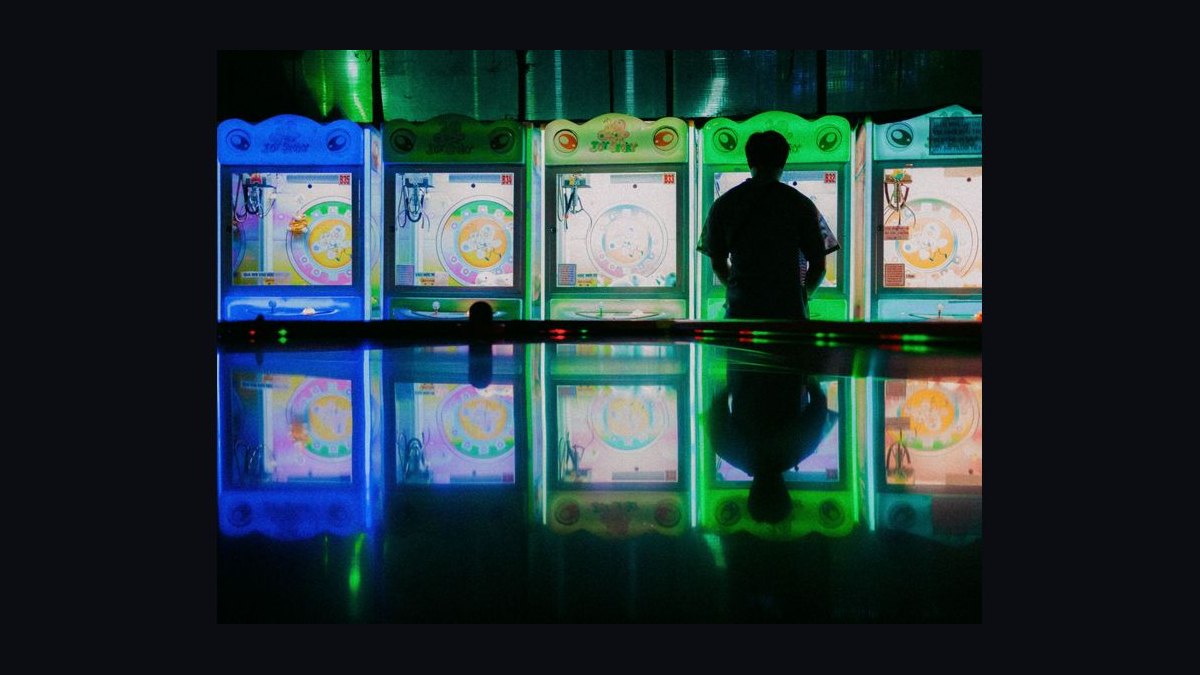
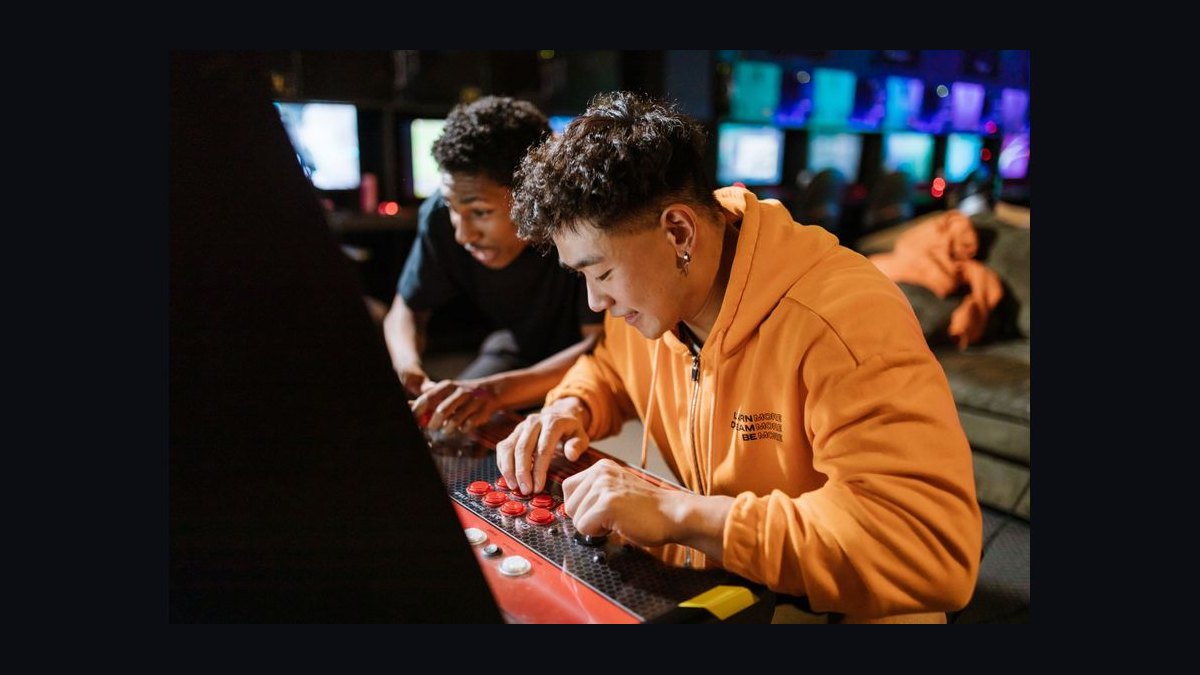
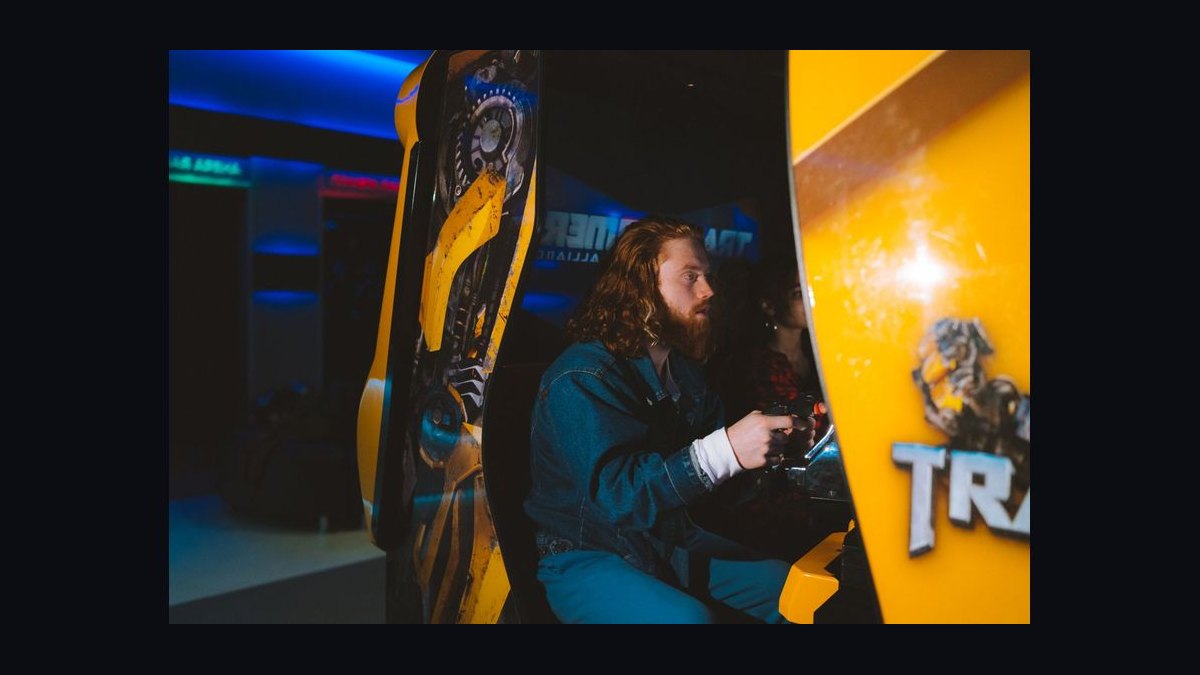
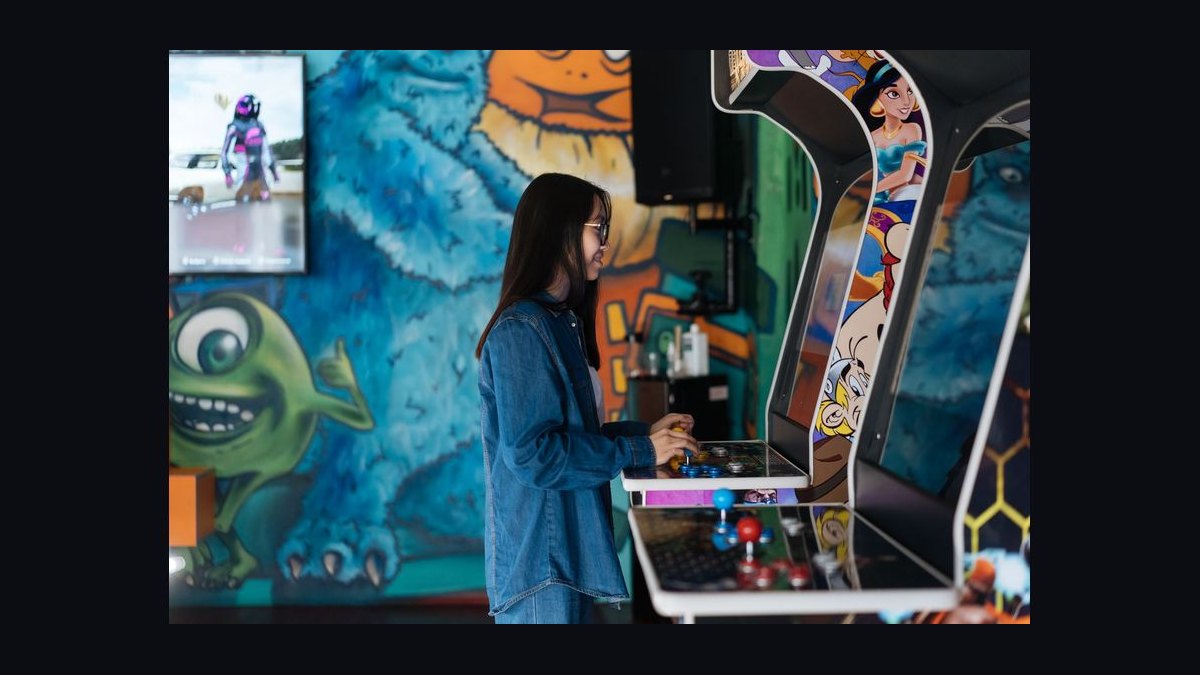
A barcade in 2027 is a location-based entertainment (LBE) experiential-retail venue that combines a full-service bar (and usually limited or full kitchen) with 25-110 vintage arcade cabinets, pinball machines, and sometimes additional analog-game formats (pool, shuffleboard, skee-ball, foosball, darts, board games) to create a destination drinking-plus-gaming experience for the 22-45 year-old demographic that grew up playing the games as kids. The format was named, defined, and federally trademarked by Barcade Inc. — founded in 2004 in Williamsburg, Brooklyn by Paul Kermizian, Scott Beard, Pete Langway, and Kevin Beard — and now operates locations in Brooklyn (original), Manhattan, Jersey City, Philadelphia, New Haven, Newark, Detroit, and Los Angeles. The category sits at the intersection of competitive socializing (the umbrella category including axe throwing, escape rooms, competitive mini-golf like Puttshack and Puttery, pickleball entertainment, immersive experiences like Two Bit Circus), experiential retail, craft beer / cocktail bar, and nostalgia retail. The US family entertainment center (FEC) and LBE industry is $30B+ in 2024 growing 4-7% annually post-COVID per IAAPA (International Association of Amusement Parks and Attractions) and IBISWorld Family Entertainment Centers Industry Report, with the competitive socializing sub-segment growing meaningfully faster than the overall FEC market per PwC entertainment outlook and Mintel competitive socializing 2024 report. Barcade specifically captures three structural tailwinds: (1) the millennial / late-Gen-X nostalgia thesis — the 1980s-early-1990s arcade games (Pac-Man 1980, Galaga 1981, Donkey Kong 1981, Centipede 1981, Frogger 1981, Ms. Pac-Man 1982, Tron 1982, Robotron 1982, Spy Hunter 1983, Tapper 1983, Punch-Out 1984, Marble Madness 1984, Paperboy 1985, Gauntlet 1985, Out Run 1986, Street Fighter II 1991, Mortal Kombat 1992, NBA Jam 1993, The Simpsons 1991) are the canonical games for customers now aged 30-55 who have disposable income, drink craft beer, and remember playing the same games in malls and pizza parlors as children; (2) the experience-over-goods consumer spending shift documented in PwC consumer surveys, Eventbrite economic impact reports, Mintel out-of-home entertainment reports, with millennials and Gen Z particularly experience-weighted in discretionary spend through 2030; (3) the pinball-as-skill-sport revival — competitive pinball under the International Flipper Pinball Association (IFPA, ifpapinball.com) has grown from 2,500 ranked players in 2010 to over 75,000 in 2024, with Stern Insider Connected-sanctioned tournaments hosted at hundreds of barcade and arcade venues nationally, creating a recurring 12-50 person weekly tournament audience that fills weeknight troughs. The US active barcade venue count is approximately 425-625 operating venues in 2024-2026 per industry estimates from Replay Foundation, Galloping Ghost Productions trade observations, and IBISWorld FEC data, including the namesake Barcade Inc. chain (8 locations), Up-Down (Iowa City original, plus Des Moines, Kansas City, Minneapolis, St. Louis, Indianapolis, Nashville, ~10+ locations and growing), Player 1 Video Game Bar (Orlando flagship plus expansion), 1Up Arcade Bar (Denver area, multiple locations), Coin-Op Game Room (San Francisco, Oakland), Insert Coins (Las Vegas Fremont East, the destination Vegas barcade), Logan Arcade (Chicago, the canonical Midwest-Chicago barcade), Mortimer's Arcade Cafe, Pinball Hall of Fame (Las Vegas, the largest pinball-focused venue in the world), Game Underground (Boston, Framingham), Off The Couch (Indianapolis, the pinball-heavy Indianapolis venue), Boxcar Bar + Arcade (Raleigh, Durham), Quarterworld (Portland Oregon), Two Bit Circus (LA, the FEC-hybrid format), EightyTwo (LA Downtown), Pins Mechanical Company (Columbus, Pittsburgh, Indianapolis, Detroit, Nashville, the chain that successfully scaled the barcade-plus-duckpin-bowling concept), and dozens of regional independents. The honest 2027 demand math: the explosive 2010-2018 barcade opening wave has plateaued; the category contracted modestly 2020-2022 from COVID closures (some operators including original-format barcades in Portland, Brooklyn satellite locations, and several regional independents permanently closed) and stabilized 2023-2026 at surviving operators who are better-capitalized, better-located, better-integrated with food, and better-positioned on the bar-revenue-engine economics. The mature 2027 entrant pulls Google Maps "barcade" / "arcade bar" search, Yelp barcade category filter, Pinside.com map of pinball locations, IFPA tournament location directory (ifpapinball.com), Galloping Ghost Productions / Up-Down / Player 1 location finders, TripAdvisor "things to do" listings for all competing operators within 30-minute drive radius before signing any lease. Launching a new neighborhood barcade in a metro that already supports 3+ established barcade operators (NYC, Chicago, LA, Austin, Portland, Denver, Minneapolis, Indianapolis, Columbus, Nashville, Boston, Philadelphia, San Francisco, Seattle, Vegas, Atlanta, Brooklyn, Pittsburgh all have meaningful barcade density) requires a clear differentiation thesis (distinctive cabinet selection, IFPA-sanctioned tournament programming, kitchen quality, neighborhood positioning, themed event programming). The core revenue is the bar tab (beer / cocktails / wine, 35-52% of total revenue at 72-82% gross margin) supplemented by arcade revenue (15-32% from cover charge or coin-op or swipe-card), food (15-30% at 58-68% gross margin), private events and corporate buyouts** (8-18%), and ancillary lines including merchandise, tournament fees, gift cards. Operationally you are running a small-business hospitality operation with a heavy maintenance-engineering layer: 25-110 cabinets in Year 1, a peak Thursday-through-Sunday-night cadence producing 55-72% of weekly revenue, a brutal Monday-Wednesday weekday trough that requires deliberate happy hour / IFPA tournament night / corporate event offsetting, and a constant cabinet-maintenance discipline that distinguishes well-run operations from struggling ones.

Licensing & regulatory reality

The regulatory stack for barcades is dense because the format combines bar / liquor service, food service, assembly occupancy with dense crowds, amusement machine licensing in some jurisdictions, and music licensing for both cabinet audio and background music. Fire code occupancy classification (NFPA 101, IBC): barcades typically classify as Group A-2 assembly occupancy with concentrated drinking and dining under the International Building Code (IBC), with occupant load calculated at 15 sq ft per person for standing/drinking areas and 7 sq ft per person for concentrated assembly. A 5,000 sqft barcade typically posts occupant load of 200-330 depending on layout, which drives automatic sprinkler requirements (mandatory for A-2 occupancy above 5,000 sqft or above 100 occupants per 2024 IBC, basically universal for barcade), fire alarm with audible / visible notification, two-egress minimum (three for higher occupancy load), panic hardware on egress doors, emergency lighting, occupant load posted at entrance, assembly occupancy permit annually inspected by fire marshal. The disciplined operator pre-meets the local fire marshal 60-90 days before lease signing to confirm sprinkler / alarm / egress requirements specific to the chosen space, as retrofit sprinkler installation in older industrial buildings can run $4-$9/sqft ($20K-$60K for typical barcade space). Liquor licensing (the single most regulated and capital-intensive licensing element): every state has a unique liquor licensing regime, and the licensing reality varies dramatically. California ABC Type 47 (on-sale general for bona fide eating place) vs Type 48 (on-sale general public premises, the bar-without-food license) — barcades typically need Type 47 to operate as a bar with full liquor, and Type 47 in major California metros runs $13K-$45K for new issuance plus permit fees; transferable Type 47 in restricted-population counties can run $185K-$485K transferable. New York State Liquor Authority (SLA) On-Premises Liquor (OP) license with 500-foot rule (must be 500 feet from another full-liquor establishment in many NYC neighborhoods, requiring community board hearing and 500-foot rule exception) — typical process 6-12 months, NYC license cost moderate ($4K-$15K) but the timeline and community board process is brutal. Pennsylvania Liquor Control Board (PLCB) — quota-restricted Restaurant (R) liquor licenses, typically transferable at $50K-$485K depending on county (Philadelphia and Pittsburgh counties higher, rural counties lower); PA also has the unique requirement that the licensee must serve food and have specific seating capacity for the R license. Florida Department of Business and Professional Regulation (DBPR) Class 4COP quota license — most populous Florida counties are quota-restricted, with transferable 4COP licenses running $300K-$1.2M in Miami-Dade, Broward, Orange, Hillsborough; some operators pursue the SRX (Special Restaurant) license which is non-quota but requires 51% food revenue from gross sales. Texas TABC Mixed Beverage permit — non-quota, $4K-$8K initial fee, 60-120 day process, requires city / county approval; Texas has the dry / wet / damp county complexity plus city-by-city alcohol ordinances. Illinois liquor commission — city-by-city in Chicago including local liquor moratoriums and ward-level community input. New Jersey ABC — extremely restrictive, transferable licenses $300K-$1.5M in densely populated counties. Massachusetts ABCC — quota-restricted, Boston and Cambridge licenses $250K-$550K transferable. Most other states (Colorado, Oregon, Washington, Minnesota, Iowa, Missouri, Tennessee, Georgia, North Carolina, Indiana, Ohio, Wisconsin) have less restrictive licensing with new-issuance permits available for $4K-$25K and 60-180 day timelines. The disciplined operator confirms liquor license availability, cost, and timeline BEFORE signing the lease — discovering that the leased premises is in a 500-foot-rule restricted zone, or that the chosen county is quota-exhausted, after signing a 5-year lease has bankrupted multiple barcade founders. Health department / food service licensing: any barcade with a kitchen (essentially all of them, even pizza-and-pretzels operations) needs food service permit, plan review approval before construction, ServSafe Manager certification for at least one shift manager, annual health inspection, food handler cards for kitchen staff in most jurisdictions. Music licensing (the chronically underappreciated cost): barcades need three separate music licensesASCAP (American Society of Composers, Authors and Publishers) for background music plus any composer-published audio from arcade cabinets, BMI (Broadcast Music Inc) for similar coverage of a different rights catalog, SESAC for a third rights organization. Most jurisdictions also require GMR (Global Music Rights) license. Combined annual blanket licensing for a barcade with 4,000-7,000 sqft and live or recorded music runs $1,800-$8,500 annually total across the three or four PROs depending on capacity, music usage, and revenue tier. Many barcade operators skip music licensing in the first year, then face $3,500-$25,000 demand letters or litigation from the PROs — pay the licenses from Day 1. Amusement / coin-op machine licensing: some states and municipalities require separate amusement device permits for each operating cabinet — NYC has had historical amusement device licensing requirements (including the famous 1942-2014 NYC pinball ban, lifted in 2014), Chicago has amusement license requirements per cabinet, various Texas cities require amusement permits, some California cities have specific arcade device permits. The disciplined operator verifies local amusement licensing requirements during the pre-lease due diligence. ADA Title III federal accessibility requires accessible aisle widths between cabinets (36" minimum, 60" preferred), accessible bar seating at proper height (28-34" counter for wheelchair users), accessible restrooms, accessible parking, accessible cabinet access for at least one of each game type where feasible. Signage / posting requirements: occupant load posted at entrance, age restrictions if 21+ during certain hours, emergency egress signage, fire extinguisher locations, smoking policy (vape and tobacco rules vary state-by-state).

Business structure & insurance

Entity structure for barcade operators is straightforward but the insurance stack is heavier than founders expect because of the combined bar / dense-crowd assembly / coin-operated-cabinet liability profile plus the dram shop alcohol exposure. Entity: most operators form an LLC (multi-member or single-member depending on ownership) taxed as either S-corporation (for owner-operators paying themselves a salary, separating wage income from distribution income for FICA savings on distributions) or partnership / sole prop pass-through for very small single-owner operations. S-corp election typically becomes economically advantageous around $80K-$120K of net business income. Multi-member LLC with operating agreement is standard for partnerships, with carefully drafted provisions for capital contributions, sweat equity, distributions, buy-sell, deadlock resolution — barcade partnerships frequently dissolve over creative direction (cabinet selection, music programming, kitchen menu) so the operating agreement should address minority partner protections and dissolution mechanics. Personal guarantee reality: virtually every landlord, liquor license transfer (in transferable-license states the seller often requires personal guarantee from the buyer entity), equipment financing (cabinet financing, kitchen equipment financing, draft beer system financing), and SBA loan will require personal guarantee for non-PE-backed startup operators. The LLC entity does NOT insulate the founder from personal liability on leases or financing obligations — the personal guarantee remains in force regardless of entity structure. Insurance stack components: Commercial General Liability (CGL) at $2M occurrence / $4M aggregate is the landlord floor for barcades; higher-occupancy or higher-traffic urban operations frequently require $3M/$5M or $5M/$10M from CGL. Year 1 CGL premium for typical barcade runs $8,500-$28,000 annually because of the dense-crowd assembly occupancy plus alcohol service combination. Liquor liability (the line that distinguishes barcade insurance from standard retail insurance) at $1M-$5M coverage runs $5,500-$28,000 annually — every state imposes some form of dram shop liability on alcohol-serving establishments, with Texas, North Carolina, Illinois, New Jersey, California, Connecticut, Oklahoma having particularly aggressive enforcement; in dram shop suits the venue can be liable for injury or death caused by an intoxicated patron who was served past the point of visible intoxication. The disciplined barcade carries $2M-$5M liquor liability minimum rather than the $1M baseline because the cost differential is modest and the protection is meaningful. Property insurance for build-out, FF&E, draft beer system, walk-in cooler, kitchen equipment, arcade cabinets, and pinball machines runs $8,500-$28,000 annually for typical barcade; the cabinet and pinball machine inventory specifically typically requires a scheduled equipment endorsement / inland marine policy because standard property insurance often excludes high-value game equipment or caps coverage at unrealistic limits — schedule each cabinet and pinball machine by serial number with appraised replacement cost ($3,500-$14,500 per pinball machine, $1,500-$4,500 per arcade cabinet) for a fleet of 50-90 machines totaling $250K-$985K insured equipment value, costing $3,500-$12,500 annually for the scheduled equipment endorsement. Workers compensation classification: NCCI Class Code 9079 Restaurant is the standard classification for barcade bar and kitchen staff (covers servers, bartenders, cooks, bussers); some carriers may apply 9082 Restaurant — Tableservice or 9083 Restaurant — Fast Food; arcade techs may fall under 9519 Household Appliances Service or 5191 Office Machine Service. Year 1 workers comp runs $8,500-$45,000 annually depending on payroll size and state experience modifier. Property + business interruption combined at 6-12 months revenue coverage runs $8,500-$32,000 annually. Cyber liability ($1M-$2M coverage) at $2,500-$8,500 annually is increasingly important because of customer payment processing, loyalty program data, and ticketing systems. Employment Practices Liability Insurance (EPLI) at $1M coverage runs $3,500-$12,000 annually and is essential as soon as the operator has any W-2 employees — bar and restaurant industries face high wage-and-hour litigation exposure. Umbrella liability at $5M-$25M runs $8,500-$28,000 annually layered above CGL and liquor liability. Crime / employee dishonesty coverage at $25K-$100K limit runs $1,500-$4,500 annually — bar operations have meaningful cash handling and inventory shrinkage exposure. Total Year 1 insurance load: $45,000-$185,000 annually for typical neighborhood barcade, scaling to $85,000-$285,000 for destination format with kitchen and event space. Liquor license bond requirement: many states require $10K-$50K liquor license bond (typically a surety bond costing 1-3% of face value annually) to secure the license — not insurance per se but a required line in the licensing capital stack. Bouncer / security staffing reality: barcades operating after 10pm (essentially all of them) frequently need certified bouncers / door security during peak hours; in some states (NY, NJ, CA) bouncers must be licensed security professionals with state-issued security guard certification. Bouncer staffing for peak Thursday-Sunday nights typically requires 1-3 bouncers per shift at $22-$45/hr (often 1099 in jurisdictions where defensible, W-2 in California / NY / NJ / IL / Massachusetts). The 1099 vs W-2 classification trap — bar and restaurant industries face aggressive DOL 2024 final rule on independent contractor classification enforcement; classifying bartenders, servers, cooks, or bussers as 1099 is essentially never legally defensible. Bouncers may be defensible as 1099 in some jurisdictions if they work multiple venues with independent business identity, but the disciplined operator W-2s all in-house staff including bouncers. Misclassification audits typically arise from unemployment claims after termination, workers comp claims after on-shift injury, or state DOL audits, and can produce back-payroll-tax + back-workers-comp + back-overtime + penalties of $50K-$250K+ that have closed small operators.

---

🧱 PART 2 — BUILD-OUT & CAPITAL

Site selection & lease

Location selection drives the entire investment thesis and is one of the two highest-leverage decisions a founder makes (alongside cabinet selection and format positioning). The barcade sweet spot is Class B retail or Class C industrial conversion in walkable / Lyft-accessible neighborhoods with existing nightlife density — barcades benefit from cluster effects with adjacent breweries, craft cocktail bars, restaurants, music venues, and other nightlife where customers can move between venues over an evening. The canonical barcade location profile: a 4,000-7,000 sqft second-generation retail or industrial conversion in a former warehouse / light-manufacturing / Toys-R-Us-backfill / bowling-alley-conversion / former-restaurant space in an urban or near-urban neighborhood with visible brick walls, exposed duct, polished concrete floors, high ceiling (14-22 ft preferred for the warehouse-feel aesthetic that defines the category). The build-out itself leans into the retro-industrial aesthetic: exposed brick, exposed mechanical, neon signage, dim ambient lighting with cabinet-screen lighting providing the visual signature. Rent range: secondary metros (Indianapolis, Columbus, Nashville, Pittsburgh, Cleveland, Kansas City, Des Moines, Milwaukee) run $14-$22/sqft NNN; prime secondary (Denver, Minneapolis, Austin, Portland, Raleigh, Charlotte) run $22-$32/sqft NNN; primary metro neighborhoods (NYC Brooklyn / Queens, Chicago, LA, SF Bay) run $28-$55/sqft NNN. The destination FEC-hybrid format (Two Bit Circus LA, Pins Mechanical multi-city) in 10,000-22,000 sqft former big-box backfill sometimes accesses $10-$18/sqft NNN rates by taking mall or strip center anchor space that would otherwise sit vacant. Lease structure: typical commercial lease 5-7 year initial term with 1-2 renewal options of 5 years each (entertainment tenants negotiate longer initial terms because of the build-out investment), 3-6 months free rent as build-out concession, tenant improvement (TI) allowance of $25-$95/sqft depending on space condition (barcades are attractive to landlords as destination tenants that drive foot traffic to other tenants in mixed-use developments, so TI allowances frequently run on the higher end versus axe-throwing or escape rooms where landlords are more cautious), percentage rent above breakpoint is sometimes negotiated but more common in mall locations than urban neighborhood spaces, personal guarantee required for most non-PE-backed startup operators. Critical lease provisions specific to barcade: noise transmission clauses (barcade is loud — cabinet audio, music, crowd noise; some leases require noise mitigation construction), late-night operating hours allowance (some leases or building covenants restrict operations past midnight), liquor license cooperation (landlord must cooperate with liquor license application by providing landlord consent letters and proof of premises), kitchen exhaust and grease trap provisions (kitchen build-out requires hood ventilation through roof, grease trap installation, plumbing capacity), HVAC capacity for dense crowd plus equipment heat load (cabinets generate significant heat, typical barcade needs 1.5-2.5x the HVAC tonnage of standard retail of similar sqft). Zoning verification: most urban neighborhoods have specific zoning categories permitting bar / restaurant / entertainment use; some categories explicitly exclude live entertainment, dancing, or amusement machine use; some categories require conditional use permit, special exception, planning commission approval. The disciplined operator verifies zoning compliance in writing from the local zoning office before signing any lease, including specific language confirming bar with arcade entertainment is permitted as principal use. Parking analysis: barcade customers frequently arrive by rideshare, walk, or transit (the urban neighborhood positioning) but municipal parking codes may still require dedicated or shared parking spaces — a 5,000 sqft barcade with 250-occupant load may require 25-65 dedicated or shared parking spaces depending on municipal code. Neighborhood / demographic analysis: the barcade demographic is 22-45 year-olds with disposable income, urban or near-urban residents, interest in craft beer / cocktails / nostalgia / gaming. The neighborhood analysis pulls Census 2020 demographic data for 1-3 mile trade radius (age distribution, income, education, household composition), traffic counts for street-front visibility, nightlife competitor density (the cluster benefit), transit and rideshare accessibility, parking availability for guests not arriving by rideshare. The discipline: a metro neighborhood that's 65%+ over-45 demographic, suburban single-family-home dominated, with no existing nightlife cluster, is structurally a poor barcade location regardless of how cheap the rent is.

Build-out cost stack

Build-out cost for barcades is heavier than most LBE formats because the full bar plus kitchen plus arcade cabinet acquisition plus retro-industrial aesthetic stack up significantly. For independent neighborhood barcade (4,000-7,000 sqft Class B retail or Class C industrial conversion with 30-65 cabinets, full bar, light kitchen): demolition and prep of existing space ($3-$10/sqft = $12K-$70K depending on existing build-out condition), HVAC modifications for assembly occupancy plus equipment heat load ($8-$18/sqft = $32K-$125K), electrical for cabinet power (each cabinet draws 200-400W, 50 cabinets need dedicated 100-200A panel allocation = $25K-$75K electrical), plumbing for restrooms plus kitchen plus bar plus mop sink ($10-$22/sqft = $40K-$155K), flooring (polished concrete or sealed wood with retro aesthetic = $3-$8/sqft = $12K-$55K), full bar build-out including back bar, glass cooler, draft beer system 8-24 taps with glycol-cooled long-draw lines, walk-in cooler, glass washer, hand sink, three-compartment sink, bar back, bar furniture, draft tower = $135K-$385K depending on tap count, ice machine, custom bar millwork, and stool / seating count, kitchen build-out (light kitchen with pizza oven / fryers / prep table / hood / dishwashing / dry storage / walk-in for food + plate / smallwares) = $85K-$285K, arcade cabinet acquisition (30-65 cabinets at blended $1,500-$4,500 per cabinet = $45K-$295K — sourcing mix of restored classics from Mr. Pinball, Arcade Game Sales, Arcade Specialties, Game Exchange of Colorado, eBay, Craigslist, Pinside marketplace for used, plus new builds from Arcade1Up commercial for some titles, plus Stern Pinball new pinball at $7,500-$13,500 per machine for premium titles like Foo Fighters, John Wick, Godzilla, Jaws, James Bond 007, Venom), arcade cabinet rehabilitation if buying used (cabinet repaint, CRT monitor refurbishment, control panel restoration, joystick / button replacement, JAMMA harness fixing, sound system rebuild = $185-$1,800 per cabinet for restoration depending on starting condition), point-of-sale system for bar + arcade card system (Toast or Square for Restaurants for bar / kitchen + Embed or Sacoa or Intercard or Semnox for arcade card system) = $25K-$85K including hardware and software setup, camera and security system = $8K-$25K, furniture (bar stools, tables, banquettes, lounge seating, high-tops) = $25K-$95K, signage and branding (neon signage is canonical for barcade, $5K-$25K for custom neon work plus exterior signage), decoration and retro aesthetic (vintage video game posters, pinball memorabilia, retro arcade signage, custom mural work) = $15K-$65K, liquor license acquisition ($5K-$650K depending on state — single largest variable line, NY / FL / PA / NJ / MA quota states drive cost to $185K-$650K, most other states $5K-$25K). Total independent neighborhood barcade build-out: $385K-$985K including modest working capital reserve. For independent destination barcade (6,000-10,000 sqft with 50-95 cabinets, full bar, full kitchen, event space): same base build-out scaled up plus full commercial kitchen ($165K-$485K including walk-in cooler / freezer, prep tables, full cooking line with multiple fryers and pizza oven and char grill, hood with fire suppression, dishwashing area, dry storage, smallwares), event space build-out ($25K-$95K for private event area with separate entrance / divider walls / dedicated AV / lighting), larger HVAC, electrical, plumbing for expanded scope, higher cabinet count (50-95 cabinets at $1,500-$4,500 = $75K-$430K). Total destination barcade build-out: $785K-$1.85M. For regional chain unit (Up-Down / Player 1 / 1Up template, 5,000-9,000 sqft, 60-110 cabinets): $850K-$2.2M per unit with standardized build-out playbook, vendor relationships, brand fit-out specifications. For competitive-socializing FEC hybrid (10,000-22,000 sqft, Two Bit Circus / Pins Mechanical template with arcade + pinball + duckpin bowling + pool + shuffleboard + skee-ball + full kitchen + multiple bars + event space): $1.4M-$3.8M. Build-out timeline: independent neighborhood barcade 16-28 weeks from lease signing to opening (4-8 weeks pre-construction planning and permit / plan review, 10-16 weeks active construction, 2-4 weeks liquor license final / health permit / fire CO / soft-open beta testing); destination barcade 24-40 weeks due to kitchen and event space complexity; chain unit 20-32 weeks with standardized playbook. The liquor license timeline is the wild card — in quota-restricted markets the operator must acquire the license BEFORE or during build-out, and the license transfer process itself can run 60-180 days, sometimes extending the timeline meaningfully. The CO and fire marshal inspection process: every operator must understand this is the single most timeline-uncertain element of the build-out for barcade because of the assembly occupancy A-2 classification, sprinkler requirements, two-egress requirement, occupant load calculation, and music / amusement licensing layer. Fire marshals frequently request changes to sprinkler coverage, egress routing, occupant load calculation, exit signage, and emergency lighting during the inspection process; budget 2-6 weeks of iteration buffer between initial inspection and CO issuance.

Equipment & software

Equipment and software for barcades falls into five categories: bar equipment, kitchen equipment, arcade and pinball cabinets, POS / card / waiver systems, and operations infrastructure. Bar equipment: draft beer system is the single largest bar equipment line — typical 8-24 tap system with glycol-cooled long-draw lines (cooler to bar typically 8-30 ft), draft tower (single, dual, or quad column tower in custom material — wood, brass, copper, retro-design), keg cooler (typically 4-12 kegs cold storage), CO2 / nitrogen tank system, regulators, FOB (foam-on-beer detector), drip trays, drainage — total $25K-$95K for full draft system from Micro Matic, Krome Dispense, Glastender, Perlick. Walk-in beer cooler $12K-$45K for typical 6'x8' to 8'x12' walk-in. Glass washer $4K-$12K. Ice machine $4K-$12K for 400-800 lb/day output. Bar back / mixology station including speed rail, condiment caddies, sink, prep area — $8K-$25K. Cocktail bar inventory for opening (spirits, bitters, syrups, garnishes, glassware) $15K-$45K depending on cocktail program ambition. Kitchen equipment: pizza oven (deck pizza oven or conveyor pizza oven from Lincoln, Marsal, Middleby Marshall) $15K-$45K, fryers ($4K-$12K for double-bay fryer), char grill ($5K-$15K), flat-top griddle ($3K-$8K), steam table / hot wells ($3K-$8K), prep tables and refrigeration ($15K-$45K), walk-in cooler / freezer for food ($25K-$65K), hood with fire suppression ($25K-$75K), dishwashing / 3-comp sink ($8K-$25K), smallwares ($8K-$25K). Arcade cabinet sourcing — the heart of the format. Used / restored classics from third-party sellers: Mr. Pinball (mr-pinball.com / classified ads, the dominant used pinball and arcade marketplace), Arcade Game Sales (arcadegamesales.com, large inventory of restored cabinets), Arcade Specialties (used and restored cabinets including hard-to-find titles), Game Exchange of Colorado (regional used arcade and pinball reseller), eBay (significant volume but caveat emptor on condition), Craigslist (regional, often best for hyper-local pickups avoiding shipping), Pinside marketplace (pinside.com, the canonical pinball-community marketplace), Klov.com forums (classified listings from the Killer List of Video Games community). Used restored arcade cabinet pricing in 2027: Pac-Man / Ms. Pac-Man $1,500-$3,500, Galaga / Galaxian $1,500-$3,500, Donkey Kong / Donkey Kong Jr $2,500-$5,500, Centipede / Millipede $1,800-$3,800, Defender / Stargate $2,500-$5,500, Tempest $2,200-$4,500, Asteroids / Asteroids Deluxe $1,800-$4,500, Robotron 2084 $2,500-$5,500, Joust $2,200-$4,500, **Q*bert $1,800-$3,800, Dig Dug $1,800-$3,800, Frogger $1,800-$3,800, Tron $3,500-$7,500 (rare and increasingly collectible), Spy Hunter $2,500-$5,500, Punch-Out / Super Punch-Out $2,500-$5,500, Tapper $2,500-$5,500, Paperboy $2,500-$5,500, Out Run / Hang On sit-down $4,500-$9,500, NBA Jam / NBA Hangtime $2,500-$5,500, Street Fighter II / III / Alpha $1,800-$4,500, Mortal Kombat / MK II / III $2,200-$5,500, The Simpsons 4-player $3,500-$8,500, TMNT 4-player $3,500-$8,500, X-Men 6-player $5,500-$12,500 (rare collectible), Marble Madness $3,500-$7,500, Gauntlet 4-player $3,500-$7,500. New pinball from Stern Pinball (sternpinball.com, the dominant active pinball manufacturer) at three price tiers: Pro edition $6,500-$8,500, Premium edition $9,500-$11,500, Limited Edition $12,500-$14,500 for current production titles including Foo Fighters, John Wick, Godzilla, Jaws, James Bond 007, Venom, Avengers, Mandalorian, Rush, Stranger Things. Classic pinball from 1980s-1990s (Bally / Williams / Gottlieb / Data East / Sega Pinball / Premier) $2,500-$8,500 depending on title, condition, restoration level — Twilight Zone, Addams Family, Indiana Jones, Theatre of Magic, Medieval Madness (the canonical $10K-$20K pinball investment), Attack From Mars, Funhouse, Cyclone, Whirlwind, Black Knight 2000 from used markets. New from other current manufacturers: American Pinball, Jersey Jack Pinball, Spooky Pinball, Multimorphic for boutique pinball at $8,500-$14,500. Multicade JAMMA cabinets (3-in-1 to 60-in-1 multi-game cabinets running classic ROMs) $1,200-$3,800 from various manufacturers — controversial in the purist community but practical for cost-conscious operators wanting maximum game variety per square foot. New driving / arcade equipment: Raw Thrills (Cruis'n Blast, Halo Fireteam Raven, Jurassic Park Arcade) $6,500-$12,500, ICE Games (Innovative Concepts in Entertainment) for redemption-style classics, Bay Tek for ticket-redemption (less common at adult-focused barcade than at family FEC), Sega Amusements for current production driving and shooting games. POS and arcade card systems: Toast dominant restaurant POS for bar and kitchen; Square for Restaurants for smaller operators; TouchBistro; Clover. Arcade card systems (cashless cards that customers load with credits, tap or swipe at cabinets to play): Embed (embedcard.com, the largest arcade card system globally, used by Dave & Busters and many chain operators), Sacoa Playcard (sacoa.com, popular at chain barcade operators), Intercard (intercardinc.com, US-focused), Semnox Parafait (semnox.com, growing presence at FEC-hybrid operators), CenterEdge Advantage (centeredgesoftware.com, FEC platform). For free-play-with-cover-charge operations (no cards needed), the bar POS captures the cover charge as a menu item; for coin-op / token operations, change machines ($2K-$5K) plus token sourcing (custom token minting at $0.05-$0.15 per token in bulk). Booking and event software: Tripleseat dominant for corporate buyout and private event sales; Gather; Perfect Venue; Honeybook for smaller operators. Music systems: barcades typically run a curated playlist via Spotify Business, Pandora for Business, Soundtrack Your Brand, or custom playlist via licensed digital music service ($25-$65/month for commercial music service). Cameras and security: Hikvision, Dahua, Axis, Ubiquiti UniFi Protect, Verkada (cloud-managed) — critical for both security and incident documentation for liquor liability and assault / fight incident response. The integrated 2027 barcade tech stack**: Toast or Square for Restaurants for bar/kitchen POS + Embed or Sacoa for arcade card (if not free-play) + Tripleseat for event sales + QuickBooks for accounting + Gusto for payroll + Mailchimp for email marketing + Google Business Profile + Yelp + TripAdvisor + Untappd Business for craft beer engagement + Pinside profile for pinball community + IFPA tournament management software for IFPA tournament hosting.

---

⚙️ PART 3 — OPERATIONS

Staffing & wages

Labor is the largest variable cost line in barcade operations and the most operationally demanding because the format requires simultaneous bar service, kitchen production, floor coverage, cabinet maintenance, security, and event hosting across peak weekend shifts. The bartender role: experienced craft bartender who can execute cocktails plus pour craft beer (16-32 tap rotation typical) plus handle high-volume weekend pace plus interact with customer base. Wage range in 2027: $16-$22/hr base in most US metros for craft bartenders, $18-$26/hr for senior / lead bartenders, plus tip income that typically nets bartenders $35-$75/hr total in well-run barcade operations (bar tabs at barcade run higher than typical neighborhood bar because of dwell time, tip percentages typical 18-22%). Minimum wage compliance with state and city floors (California $16+, Washington $16+, NYC $16+, Seattle $19+, Denver $18+ as of 2027). The server role (table service for food + drinks brought to tables, parallel to bar walk-up): $14-$18/hr base plus tips netting $25-$50/hr total in busy operations. Kitchen line cook: $18-$28/hr base depending on metro and experience, with senior or lead cook at $22-$32/hr, sous chef or kitchen manager at $55K-$85K salary for destination format. Prep cook / dishwasher: $15-$20/hr base. The floor / arcade attendant role (cabinet monitoring, change machine restocking, token / card sales, basic cabinet troubleshooting, customer assistance): $15-$20/hr base typically a junior position often combined with bussing or barback duties. The bouncer / door security role: $22-$45/hr depending on state and venue, frequently 1099 in jurisdictions where defensible but W-2 in California / NY / NJ / IL / MA. Most barcades use bouncer staffing only on Thursday-Sunday peak nights, 1-3 bouncers per peak shift. The arcade tech / maintenance role — the position that distinguishes well-run from struggling barcade: most barcade operations need at least fractional arcade tech coverage (8-25 hours per week for a 30-50 cabinet operation) and full-time arcade tech (35-45 hours per week) at 50+ cabinet operations. The arcade tech is responsible for cabinet repairs, CRT monitor troubleshooting, pinball mechanical maintenance (flipper coils, switches, pop bumpers, slingshots, ball-trough mechanisms), control panel rebuilds, JAMMA harness troubleshooting, sound system repairs, multicade software updates, and the constant rotation of cabinets in and out of service. Compensation: $22-$45/hr W-2 for fractional, $55K-$85K salary for full-time senior arcade tech with pinball experience. Many founders attempt to do cabinet maintenance themselves to avoid this line — workable for founders with electronics / soldering / pinball mechanical background, brutal for founders without. Total weekly staffing for a 4-lane equivalent (5,000 sqft / 40-cabinet) neighborhood barcade with full bar plus light kitchen: 2-3 bartenders per peak shift (Thu-Sun 6pm-1am, peak shift coverage 3-4 hr each = 12-18 bartender-hours per peak day, plus 1-2 bartenders weekday 4pm-11pm = 6-12 hr each day), 1-2 cooks per peak shift plus 1 prep cook per peak day, 1-2 servers per peak shift, 1-2 bouncers per Thu-Sun night, 1-2 floor / arcade attendants per peak shift, fractional arcade tech 12-20 hours per week, GM full-time. Total weekly labor: 220-385 staff-hours per week including bouncers and tech, $3,500-$8,500 weekly labor cost = $185K-$445K annual labor cost for typical neighborhood barcade (excluding owner draw). Total weekly staffing for a 70-90 cabinet destination format with full kitchen plus event space: 3-5 bartenders per peak shift, 3-5 cooks per peak shift, 3-5 servers per peak shift, 2-4 bouncers per peak night, 2-3 floor attendants, full-time arcade tech, full-time event coordinator, GM, AGM. Total 350-585 staff-hours per week, $6,500-$15,500 weekly labor, $340K-$805K annual labor. Retention and quality: bar and restaurant industries face brutal turnover; barcade bartender retention runs 85-145% annual turnover consistent with broader bar industry, kitchen staff turnover 125-185% annually, arcade tech turnover 35-65% annually (the tech role retains better than bar/kitchen because of specialized skill and harder labor market replacement). Retention-focused operators offer above-market wages, equity / tip-pooling structures, predictable schedules, health benefits where viable, ongoing training, league / tournament staff perks. The bartender training reality: even experienced bartenders need 1-2 weeks of training on barcade-specific cocktail menu, beer rotation, POS system, arcade-cabinet handling protocols (broken glass response, intoxication-assessment policy for arcade-distracted patrons), conflict de-escalation. The TIPS / ServSafe Alcohol training: every bartender and server should complete TIPS (Training for Intervention Procedures, gettips.com) or ServSafe Alcohol (servsafe.com) certification — both are required by some states' liquor authorities and are essential dram-shop-liability defense. Tip pooling and tip credit: standard restaurant tip-credit and tip-pool rules apply, with state variations (California / Oregon / Washington / Nevada / Alaska / Minnesota / Montana have no tip credit). The disciplined operator implements a clear tip policy in employee handbook, tracks tips per shift, ensures minimum-wage compliance with tip credit calculation where applicable, and follows the Dual Jobs / 80/20 Rule (servers spending more than 20% time on non-tipped support tasks lose tip credit eligibility for that time).

Pricing & revenue mix

Pricing strategy at barcade is the highest-leverage operational decision after format and cabinet selection because the bar revenue engine is the structural source of unit economics — the arcade and food exist to drive bar consumption and dwell time, not as primary revenue lines. Bar pricing (the structural revenue engine, 35-52% of revenue at 72-82% gross margin): draft craft beer $7-$10 per pour (16 oz typical, 14 oz tulip for higher-ABV craft), draft domestic $5-$7 (cheap-beer-as-anchor pricing to drive value perception), bottled / canned beer $5-$9, wine by glass $9-$14, cocktails $11-$16 for craft cocktails with house-made syrups and garnishes, shots / shot specials $5-$9, happy hour pricing (Monday-Thursday 4pm-7pm typical, $2-$3 off draft beer + half-price wells + discounted food, drives weekday foot traffic). Beer cost / margin: craft beer keg cost $145-$285 per half-barrel (15.5 gal = 124 pints), pour cost per 16 oz = $1.85-$3.65, sell at $7-$10 = 65-78% gross margin. Cocktail cost depends on spirit / mixer / garnish but well-managed cocktails run 18-25% pour cost = 75-82% gross margin. Food pricing (15-30% of revenue at 58-68% gross margin): barcade food menu typically heavy on shareable bar snacks with high margin — personal pizza $12-$18 with $3.50-$5.50 food cost = 65-72% margin, wings 10-piece $13-$19 with $4-$6 food cost = 68-75% margin, pretzels with beer cheese $8-$14 = 70-78% margin, loaded fries $9-$14 = 65-72% margin, nachos $10-$16 = 60-70% margin, sandwich / wrap $11-$16 = 58-65% margin. The disciplined operator keeps menu compact (8-15 items typical for neighborhood format, 20-35 items for destination format) to manage kitchen labor and inventory. Arcade revenue (15-32% of revenue, model-dependent). Model 1 — Free-play with cover charge: customer pays a flat cover ($5-$12) at the door for unlimited play, the bar runs as primary revenue. Used by Barcade Inc, Player 1 Video Game Bar (Orlando), Up-Down (most locations). The advantage: simple operations, no card / token system to maintain, customer enjoys frictionless play; the disadvantage: cover charge can deter walk-ins, requires careful door management to enforce. Model 2 — Coin-op (quarters or tokens): customers buy tokens or use quarters at each cabinet ($0.25-$0.75 per game per credit). Used by Logan Arcade (Chicago), Coin-Op Game Room (SF), Insert Coins (Vegas), classic 1980s-style operators. The advantage: customer pays per use (variable revenue), nostalgic authenticity; the disadvantage: change machine / token logistics, coin handling (theft / count discipline), some customers feel nickel-and-dimed. Model 3 — Cashless swipe card system (Embed, Sacoa, Intercard, Semnox): customers buy a card preloaded with credits ($10-$50 typical reload), tap or swipe at each cabinet to play. Used by most chain operators and FEC-hybrid formats including Pins Mechanical Company, Two Bit Circus, Dave & Busters at the largest scale. The advantage: cashless / clean operations, customer convenience, loyalty / repeat-visit data, breakage benefit (unused card credits become pure margin), upsell opportunities; the disadvantage: $25K-$95K card system installation cost, ongoing platform fees, card distribution complexity, customer-service overhead. Event / private party revenue (8-18%): corporate buyouts $2,500-$12,000 (4-hr typical 30-65 person buyout with food + drink package), birthday party packages $450-$2,500 (10-25 person 2-3 hr with food + drink + dedicated area), tournament hosting fees, fundraiser hosting, networking event hosting. Other revenue: merchandise / branded shirts and hats ($3K-$25K annual), tournament entry fees ($5-$25 per entry IFPA-sanctioned events), gift card sales (typically 5-10% of revenue with 8-15% breakage benefit). Revenue mix targets for mature operation: bar 35-52%, food 15-30%, arcade 15-32%, events 8-18%, other 2-5%. Pricing tier discipline: peak weekend (Thursday 7pm-1am, Friday and Saturday 6pm-1am, Sunday 4pm-11pm) full menu pricing; off-peak weekday (Monday-Wednesday 4pm-10pm) happy hour pricing on bar plus drink specials; late night (10pm-1am) sometimes premium pricing or sometimes discounted shot-and-beer combos depending on positioning. Cover charge strategy (for free-play model): typically $5-$8 weekday, $8-$12 weekend, free entry before 7pm or with restaurant purchase, comped for industry workers / regulars / event guests. Capacity utilization math: a 5,000 sqft barcade with 200-occupant load operating 60 hours per week (Mon-Sun 4pm-12am or 1am) has theoretical capacity of 200 × 60 / 2-hr-average-dwell = 6,000 person-slots per week. Real-world utilization runs 25-50% blended, 70-95% peak Thursday-Sunday nights, 8-25% weekday daytime / early evening. Breakeven utilization: 40-55% blended because of high fixed costs (rent + insurance + license + base labor). Pricing dynamics: barcade pricing has held relatively stable 2018-2026 with modest inflation-tracking adjustments; the format is less price-sensitive than commodity bars because of the experiential differentiation, but operators who push prices significantly above local market (cocktails $18+ in markets where $13-$15 is the comp) lose volume to competitor bars. The Groupon trap: barcade operators occasionally use Groupon for new-market launch promotion; the 50-60% off pricing with Groupon's 50% take leaves the operator with 20-25% of normal revenue per customer — use only for off-peak weekday slot-filling, never as ongoing marketing strategy.

Customer acquisition

Customer acquisition at barcade follows three distinct journeys requiring different marketing approaches. Journey 1: Group / friends nightlife discovery (the dominant acquisition channel, 60-72% of customer base). A group of friends is deciding where to go for an evening of drinking and socializing; they pull Google Maps "barcade" or "arcade bar" search, Yelp "things to do" + "bars" filters, Instagram and TikTok location tagging, TripAdvisor "things to do" listings, friend recommendations. They almost always end up at the venue with best Google reviews (4.6+ rating), highest review velocity (consistently new reviews in the past month), strong Instagram visual content (cabinet photos, crowd shots, neon aesthetic), best Yelp results in the "Bars" + "Arcades" categories. The review-velocity discipline: ask every group at exit for a Google review (text-the-link via integrated POS-to-SMS), respond to every review (positive AND negative) within 24 hours, target 40-95 new Google reviews per month and 12-35 new Yelp reviews per month in the first 12 months, target average rating of 4.7+ on Google and 4.5+ on Yelp. Journey 2: Special occasion / birthday party / corporate event (the highest-margin channel, 18-32% of revenue at mature operations). The booking decision-maker (birthday-person friend, corporate event coordinator, HR manager, office manager) searches for "private party venues [city]", "corporate team building [city]", "birthday party venue [city]", "fun things to do for adults [city]". They evaluate based on venue capacity, food + drink package options, event-pricing transparency, online booking ease, photo gallery of past events. The corporate B2B sales motion: cold LinkedIn outbound via LinkedIn Sales Navigator ($79-$149/month) to HR / People Ops / Office Managers / Event Coordinators / Executive Assistants at Fortune 1000 and mid-market employers in trade radius; targeted email outreach via Apollo.io or ZoomInfo for contact data; partnerships with Tripleseat-listed venue directories; partnerships with corporate event planning agencies. The conversion math: at 75 cold messages per week, response rate 8-15%, conversion to booked event 22-35% = 1.5-4 corporate bookings per week, at $3,500-$8,500 average per booking = $5,000-$34,000 per week corporate revenue potential. Journey 3: Pinball / arcade competitive enthusiast (the recurring weeknight revenue, 5-15% of revenue but disproportionately high retention). The IFPA-ranked pinball player or competitive arcade player looks for: IFPA tournament hosting (ifpapinball.com directory), Stern Insider Connected sanctioned events, league nights, pinball-heavy cabinet selection, well-maintained machines, supportive competitive culture. The discipline: list venue on IFPA tournament directory and host monthly IFPA-sanctioned tournaments, list venue on Pinside.com with photo gallery of pinball collection, host weekly free or low-entry-fee league nights, build relationships with regional pinball league organizers (most metros have 1-3 active pinball leagues with 25-150 members). A 25-50 person IFPA tournament on a Tuesday or Wednesday night fills the brutal weekday trough with reliable bar revenue plus tournament entry fees. Other marketing channels: TikTok and Instagram organic — short-form video of cabinet gameplay, neon-aesthetic crowd shots, cocktail preparation, event highlights are exceptional content for under-40 demographic; the discipline is 5-10 short videos per week tagged with location and venue handle. Google Ads — search ads on "barcade [city]", "arcade bar [city]", "fun things to do [city]", typical CPC $2.50-$8.50, allocate $1,500-$5,500/month depending on competitive density and stage. Yelp Ads for top-of-search placement on Yelp queries; $250-$650/month typical. Influencer partnerships with local lifestyle / food-and-drink / nightlife influencers (5K-50K local followers) offering free venue night + cocktail tasting in exchange for tagged Instagram / TikTok posts. Community partnerships: brewery partnerships (cross-promotion with neighborhood breweries, particularly common in industrial-district barcade clusters), local college student groups, workplace social committees, board game cafes and other adjacent geek-culture venues, comic book stores, music venues. Email marketing: capture email at POS / loyalty signup / event booking, monthly newsletter to customer database covering league nights, special events, holiday hours, corporate event availability. Loyalty / membership programs: Untappd Business for craft beer loyalty (customer check-ins, beer-rating engagement), arcade-card loyalty (for swipe-card model), monthly punch-card / app loyalty programs ("buy 10 cocktails, get 11th free" or similar). Some operators have launched monthly membership programs ($25-$65/month for free weekday entry plus drink discounts) that provide predictable recurring revenue and customer data. The pinball / arcade community marketing moat: an operator who establishes credibility in the local pinball / arcade community via IFPA tournament hosting, well-maintained machine reputation on Pinside.com, league night programming, support for regional tournament circuit builds a defensible competitive moat that attracts the recurring weeknight pinball customer base — this is one of the most underleveraged marketing investments in the barcade industry, particularly for operators in cities with active pinball / arcade community scenes.

Daily ops cadence

The daily operational cadence at barcade is more complex than standard bar operations because of the simultaneous bar service, kitchen production, arcade maintenance, security management, and event hosting layers. Opening checklist (typically 60-90 minutes before first service): bar setup (stock beer cooler, pour test on all draft taps, change kegs needed, set up speed rail, stock garnishes, fold towels, set up ice well, stock POS station with payment terminals), kitchen setup (prep production for daily menu items, set up cooking line, light pizza oven and bring to temperature, stock walk-in for service, pull frozen items to thaw, set up plate-up station), arcade cabinet startup (power on each cabinet, verify boot-up sequence, test gameplay on representative sample, identify any cabinets that failed overnight startup for tech triage, restock change machine if coin-op, verify card system online if cashless), restroom check and supply restock, lighting and music system check, signage check (occupant load posted, hours posted, age restrictions if any, emergency egress marked), cash drawer setup and POS opening, staff briefing on shift schedule and any pre-booked private events or tournaments. Mid-day / pre-peak (typically 2-6 hours before peak start): cabinet maintenance window (the arcade tech or shift lead with technical skill addresses cabinets that failed overnight startup, swaps in spare cabinets if available, runs preventive maintenance on cabinets approaching service interval), kitchen prep ramp-up for evening service, bar restock from inventory, refrigeration temperature check, ice machine and walk-in cooler verification, music system curation update if needed, social media content capture (photos of clean / well-staged venue for evening's Instagram posts). Peak (Thursday evening through Sunday night, 6pm-1am typical): bar operates at peak pour velocity with 2-4 bartenders on shift, kitchen produces continuous food service, floor staff manage cabinet customer interactions and basic troubleshooting, bouncers manage door (cover charge collection if free-play model, ID verification, refusal-of-service enforcement), event hosting if scheduled, cabinet break / maintenance triage as failures occur (the well-run barcade has at least one staff member capable of basic cabinet troubleshooting on every peak shift, with spare cabinets ready to swap onto the floor if a high-traffic cabinet fails — this is the operational discipline that separates excellent from struggling barcade). F&B service runs in parallel with kitchen producing food for table service plus bar walk-up plus event packages. The pinball maintenance reality during peak: pinball machines fail more frequently than video cabinets — flipper coils burn out, switches stick, ball-troughs jam, slingshot rubbers wear, post rubbers degrade, plastic ramps crack. A well-maintained pinball machine still requires basic service every 25-100 plays plus periodic deeper maintenance. The well-run pinball-heavy barcade has someone on shift with at least basic pinball troubleshooting skill or has clear "OUT OF SERVICE" signage and policy for cabinets requiring deeper maintenance. Closing checklist (typically 30-90 minutes after last call): last call announcement, cease alcohol service per state law (typically 15-30 min before close), close bar (count cash drawer, restock from inventory for next day, clean draft tower drip trays, wipe bar surface, secure liquor cage), close kitchen (clean cooking line, store food, dispose of trash, clean walk-in, wipe-down equipment), close arcade (power down cabinets in shutdown sequence as needed, count change machine, count token / card revenue, secure cabinet keys, document any cabinet failures during shift for next-day tech triage), restroom final cleaning, lobby and floor cleaning, music shutdown, lighting shutdown, camera recording verification, security activation, alarm set, doors locked. Weekly back-of-house cadence: cabinet maintenance day (typically Monday or Tuesday during light traffic — pinball machines opened up, cabinets repaired, CRT monitors degaussed, control panels rebuilt, JAMMA harnesses inspected), kitchen deep clean (typically Sunday night or Monday morning — hood scrubbed, walk-in defrosted if needed, equipment deep cleaned), bar deep clean (line cleaning on draft beer system per 3-month line-cleaning protocol from Micro Matic / Brewers Association best practices, glassware re-polished, bar back inventory reconciliation), inventory count and reorder (every Sunday or Monday: bar inventory across all SKUs, kitchen inventory across all SKUs, paper / supplies / cleaning chemicals), payroll processing (typically Sunday or Monday for bi-weekly cycle), financial close for the week (revenue by category, labor cost, food cost, beverage cost, margin analysis). Monthly operational reviews: financial review (revenue by category — bar / food / arcade / event / other; labor as % of revenue across roles; bev cost as % of bar revenue target 25-32%; food cost as % of food revenue target 28-38%; marketing ROI by channel), review-velocity check (Google / Yelp / TripAdvisor review count, average rating, response time), staff performance review and coaching, corporate pipeline review (LinkedIn outreach response rates, booked events, pipeline value), customer feedback review (qualitative feedback from review responses), inventory and capex review (cabinet maintenance backlog, kitchen equipment refresh plan, bar inventory variance, planned capex), safety incident review (any over-service incidents, intoxicated-guest issues, cabinet-related injuries, fights / disputes — documented for liability defense). Quarterly strategic reviews: pricing review (benchmark against 2-4 nearest competitors), cabinet rotation review (swap in / out cabinets based on play data, refresh top of mind for repeat customers), menu refresh (rotate seasonal cocktails, refresh food menu items, evaluate underperforming items), marketing channel mix review, event programming review (next quarter's tournaments / league nights / special events / corporate booking pipeline), capex planning for next quarter (cabinet acquisition, kitchen equipment, bar equipment, repair / refresh).

---

📈 PART 4 — GROWTH & EXIT

Marketing & SEO

Marketing for barcades in 2027 is dominated by local SEO + Google Reviews + Instagram / TikTok organic + pinball / arcade community marketing + corporate B2B outbound. Local SEO foundation: claim and optimize Google Business Profile with accurate hours, address, phone, website, online ordering / reservation link, photos (20+ photos showing exterior signage, bar, cabinet floor, pinball collection, food, customers playing, event setups), service categories ("Bar & Grill" is the primary GBP category, "Game Arcade" and "Cocktail Bar" as secondary), Q&A section actively answered, regular posts (weekly), reviews actively requested and responded to within 24 hours. Bing Places, Apple Maps, Yelp, and TripAdvisor all need similar optimization with consistent NAP (Name, Address, Phone). Pinside.com profile with photo gallery of pinball collection and detailed line-up listing (critical for pinball-enthusiast discovery). IFPA tournament location directory for tournament hosting. Untappd Business profile for craft beer engagement with check-ins and brewery / beer details. On-page SEO for venue website: optimize for "[city] barcade", "[city] arcade bar", "[city] pinball", "[city] game bar", "things to do [neighborhood]", "private event venue [city]", "corporate team building [city]", "[city] birthday party venue". Build location-specific landing pages for each service line (Private Events, Corporate Events, Birthday Parties, Tournaments, Daily Happy Hour, Menu, Cabinet List). Schema markup for Local Business, Bar, Event, Reservation. Page speed optimization is increasingly important for Google ranking. Content marketing: blog posts on "Top 25 pinball machines at [venue]", "How to throw a great barcade birthday party", "Beginner's guide to pinball at [venue]", "Corporate team-building at [city] barcade", "Behind the scenes: how we restored [cabinet]" — these long-tail pieces capture organic search traffic and demonstrate venue personality. Google Ads strategy: branded search defense (bid on own brand to prevent competitors), non-branded local search ("barcade [city]" CPC $2.50-$8.50), corporate-keyword targeting ("team building activities [city]" CPC $5-$15), event-keyword targeting ("birthday party venues [city]"). Allocate $1,500-$5,500 per month for Google Ads depending on competitive density and operator stage. Social media organic discipline: Instagram and TikTok are essentially mandatory for barcade because the visual content is exceptional — neon-aesthetic crowd shots, cabinet close-ups, pinball-machine shots, cocktail preparation, event highlights all perform well as short-form video. The discipline: 5-10 short videos per week posted with location tagging and venue handle, content mix of cabinet gameplay, cocktail-making, crowd vibes, event highlights, behind-the-scenes (cabinet restoration, kitchen prep), staff highlights, special events. Cross-post Instagram Reels to Facebook for older demographic capture. The pinball / arcade community marketing engine (most under-leveraged barcade marketing channel): host monthly IFPA-sanctioned tournaments (free or low-fee entry, $100-$500 prize pool from operator funds plus entry fees, attracts 25-50 IFPA-ranked players who buy bar drinks and become regulars), host weekly pinball league nights (8-12 week recurring leagues at $30-$75 per player per league, 15-40 player capacity, fills weeknight troughs), host arcade fighting game tournaments (Street Fighter, Mortal Kombat, Tekken — partner with local fighting game community organizers, draws 25-75 players plus spectators), participate in regional pinball circuits and arcade circuits (Texas Pinball Festival, Chicago Pinball Expo, Pacific Pinball Expo, regional shows). Email marketing: capture email at POS / loyalty signup / event booking / Untappd check-in / tournament registration; monthly newsletter to customer database covering league nights, special events, holiday hours, corporate event availability; segment by customer type (consumer / corporate / pinball league / monthly member) for relevant messaging. Direct mail for high-value B2B: corporate event planner direct mail can work for destination format and high-end neighborhood operators targeting corporate event coordinators — well-designed bi-fold mailer with venue photos, event packages, direct booking phone. Paid social: Facebook and Instagram ads to target demographics in target ZIP codes (25-45 year olds, interests in craft beer / cocktails / gaming / nightlife) for $300-$1,500 per month. Yelp Ads for top-of-search placement on Yelp queries; $250-$650 per month typical. TripAdvisor management for tourist markets (Vegas, Orlando, NYC, Nashville, New Orleans, Miami, Austin barcades capture meaningful tourist traffic via TripAdvisor "things to do" rankings — actively manage TripAdvisor profile with photos, hours, response to reviews). Influencer partnerships: 5-15 local lifestyle / nightlife / food-and-drink Instagram / TikTok influencers with 5K-50K local followers, complimentary venue night in exchange for tagged content. Co-marketing with neighborhood cluster: partner with adjacent breweries / cocktail bars / restaurants / music venues for cross-promotion, joint events, neighborhood crawl marketing. The 2027 marketing channel ROI hierarchy for barcade: (1) Google Business Profile + review velocity (essentially free, highest ROI); (2) Instagram / TikTok organic (essentially free, exceptional visual reach); (3) IFPA tournament hosting and pinball community engagement (low cost, high retention recurring revenue); (4) corporate B2B outbound via LinkedIn (high ROI for high-margin events); (5) local SEO and content marketing (medium-term ROI, compounds 12-18 months); (6) Google Ads for high-intent local search (predictable but expensive); (7) paid social for consumer awareness (medium ROI, supplemental); (8) influencer partnerships (variable ROI); (9) email marketing (high ROI for existing base); (10) direct mail B2B (high ROI for high-value corporate); (11) Groupon and aggressive discounting (low ROI, use only for off-peak fill).

Scale milestones

The jump from proven single-location to multi-location regional operator is a distinct challenge for barcade operators because the cabinet maintenance + liquor license + neighborhood-specific brand positioning + F&B operations combination requires sophisticated multi-location systems. Prerequisites for scaling to second location: first location reliably producing 45-65% blended utilization for at least two consecutive quarters, demonstrated cabinet maintenance discipline (cabinet downtime under 10% of fleet on any given day, documented preventive maintenance schedule, in-house tech or strong tech relationship), operational systems documented well enough for hired GM (opening / closing checklists, bar / kitchen / arcade SOPs, liquor liability protocols, corporate event playbook, marketing playbook, cabinet preventive maintenance schedule), F&B operation running at industry-standard margins (bev cost 25-32%, food cost 28-38%, labor 28-38% of revenue), review-velocity discipline as documented playbook that translates to new location, cash flow plus reserve to absorb second location build-out ($385K-$985K independent or $850K-$2.2M chain unit) without depleting first-location working capital, liquor license expertise and capital reserve for second-location license (in quota states $185K-$650K per additional license is real capital). Scaling levers: add second location when first is reliably profitable AND founder has identified a location with comparable demographic and competitive profile within 60-180 minute drive radius (close enough for founder oversight, far enough to avoid cannibalizing first-location); hire first GM for first location, transitioning founder to focus on second location buildout and multi-location strategy; invest in centralized booking and marketing (single Tripleseat account managing multiple locations, single Google Ads account with location-targeted campaigns, single social media presence with location-specific content where possible); hire regional cabinet tech rotating between locations once at 3+ locations; hire regional operations manager at 4+ locations. The Up-Down scaling case study: Up-Down began in Iowa City in 2013, expanded through Des Moines (2014), Kansas City (2015), Minneapolis (2015), St. Louis (2016), Indianapolis (2017), Nashville (2018), and continued expansion through 2024 — the playbook is Midwest secondary metro focus, standardized 5,000-9,000 sqft footprint, consistent cabinet selection mix of 50-110 classics plus 8-15 pinball machines, full bar plus food menu, and a recognizable Up-Down brand aesthetic that allows multi-location marketing efficiency. The Pins Mechanical Company scaling case study: founded in Columbus Ohio 2016 by Troy Allen, expanded through Pittsburgh, Indianapolis, Detroit, Nashville — the playbook is larger 15,000-30,000 sqft destination format combining pinball + duckpin bowling + lawn games + full bar + food + event space, mall and entertainment district anchor positioning, sophisticated event sales operation, allowing the chain to capture both casual nightlife traffic and high-margin corporate event revenue at significant per-unit revenue ($2.5M-$5M+ per unit). The Barcade Inc. scaling case study: the original Brooklyn 2004 venue expanded through Manhattan, Jersey City, Philadelphia, New Haven, Newark, Detroit, Los Angeles — the playbook is urban neighborhood positioning, smaller 3,500-6,000 sqft footprint, craft beer focus (extensive draft list curated by Paul Kermizian who was the original brewing-beer manager), tight cabinet selection of 25-50 classic 1980s arcade games, no kitchen or minimal kitchen with the trademark BARCADE name held for the original chain (other operators must avoid the name due to trademark enforcement). The franchise alternative: barcade has less developed franchise infrastructure than many adjacent LBE categories — Up-Down has historically grown via corporate-owned and partnership-equity models rather than traditional franchise, Pins Mechanical similarly corporate-owned, Player 1 has explored licensing models, and the broader category has few major franchise-system operators. Operators wanting franchise structure typically build their own franchise system (rare) or pursue multi-unit licensing arrangements with existing operator relationships. Typical scaling timeline: Year 1 single location stabilizing, Year 2 prove unit economics and document operational systems, Year 3 open second location with hired GM at first, Year 4 stabilize second location and plan third, Year 5 three locations operating with regional operations manager, Year 6-8 expand to 4-7 locations with mature regional operating systems. Multi-location capital reality: opening locations 2-4 typically requires either retained earnings reinvestment (slower growth, lower risk), SBA 7(a) loans for owner-occupied real estate up to $5M, SBA equipment loans for cabinet and kitchen equipment, regional bank debt for working capital, sometimes friends-and-family investment, occasionally angel or PE growth equity for operators with proven multi-location traction. License-vs-own real estate decision at scale: most chain operators lease all locations (lower capital tied up, flexibility); some operators with multi-decade horizons begin acquiring real estate at locations 4-6 once cash flow supports it. Geographic strategy at scale: most multi-location barcade operators concentrate in adjacent metros for the first 3-5 locations (operational efficiency, founder oversight, regional brand recognition), then expand to additional metros within larger regional footprint for locations 6-10, then consider national expansion if backed by significant capital or strategic partnership.

PE / franchise exit math

The barcade space has experienced moderate PE consolidation — less than competitive social mini-golf (Puttshack / Puttery / Swingers / Pinstripes have absorbed the lion's share of competitive socializing PE attention) but more than axe throwing. Exit multiples reality: Single-location neighborhood barcade at $485K-$1.2M Year 1 revenue typically sells operator-to-operator at 2-3x SDE (modest multiples reflecting cabinet-maintenance burden and concentration risk); strong locations in growing markets at 3-4x SDE. Single-location destination format at $985K-$2.4M revenue sells at 2.5-3.5x SDE with kitchen + event space premium. Multi-location regional operators with $4M-$15M revenue across 3-7 locations command 3-5x SDE / 4-6x EBITDA; operational systems and brand recognition justify the premium. Multi-location chain at scale (Up-Down / Pins Mechanical / Barcade Inc-style 6+ unit operation) commands 5-7x EBITDA with strategic acquirer interest from FEC consolidators. The PE / strategic acquirer landscape: Lucky Strike Entertainment (NYSE: LUCK, formerly Bowlero) at $1B+ market cap with 350+ bowling and competitive socializing locations is the most active FEC consolidator; the company has acquired bowling, lounge bowling, and adjacent competitive socializing assets and has potential interest in barcade-style additions. Dave & Busters (NASDAQ: PLAY) with 220+ US locations operates its own arcade-plus-bar concept and has periodically considered barcade-style smaller-format additions. Pinstripes (NYSE: PNST) competitive socializing bowling + bocce + restaurant operator went public 2023 at modest market cap, has potential acquisition appetite. Funlab (Australian hospitality group owning Strike Bowling, Holey Moley, Sliderland) has expanded into US and has potential interest in adjacent competitive socializing. Regional FEC consolidators (Bowlero subsidiaries, Round1 Entertainment, regional players) periodically add barcade-style formats. The Pins Mechanical Company history: founded by Troy Allen 2016, took growth equity from Cordillera Investment Partners 2018-2019 for multi-location expansion, has continued growth through 2024-2026 as one of the most successful barcade-adjacent scaling stories. The Up-Down history: founded 2013 by Sam Summers, grew through founder-led expansion via partnership-equity model with local operators in each new market, remained closely held through 2024-2026. The Barcade Inc. history: founded 2004 in Brooklyn by Paul Kermizian, Scott Beard, Pete Langway, Kevin Beard, has expanded slowly and deliberately through corporate-owned model, holds the federally registered BARCADE trademark. The franchise exit path is limited: unlike many LBE adjacents, barcade has few traditional franchise systems — operators wanting franchise-style exit typically pursue multi-unit operator-to-operator sale, strategic acquisition by FEC consolidator, or continuation as owner-operated chain. The honest 2027 exit reality: barcade is moderately PE-active, single-location multiples are modestly compressed by cabinet-maintenance and concentration concerns, single-location neighborhood sells primarily to incoming operators at 2-3x SDE, destination format and multi-location operators command 3-5x SDE / 4-6x EBITDA, chain at scale 5-7x EBITDA. Founders planning for exit should focus on building 3-7 location regional operation with documented operational systems, strong corporate event revenue concentration (22-35% of revenue), kitchen and bar quality, cabinet-maintenance discipline, multi-location brand recognition, and consistent year-over-year revenue growth — these attributes command the upper end of multiples. Owner-operator continuation remains legitimate: many barcade operators run single-location or 2-3 location operations as cash-flow lifestyle businesses producing $125K-$485K owner net income indefinitely without pursuing exit, and this is a rational choice for founders who enjoy operational rhythm and don't need exit liquidity. The Barcade Inc. model of slow, deliberate, founder-controlled growth over 20+ years is itself an exit-optional path.

Counter-case & risks

A serious founder must stress-test the case above. The cabinet maintenance burden destroys margin for operators without technical capability or strong tech relationships — well-run barcades have 5-15% of cabinet fleet non-operational on any given day; poorly run operations run 15-30% downtime; without in-house tech (full-time at 50+ cabinet operations) or strong outsourced tech relationship at $85-$185/hr, operators bleed margin to downtime and emergency service calls plus damage customer experience and reviews. The liquor license quota reality in restricted states kills pro forma economics — operators leasing space in PA / NY / NJ / FL / MA / CA-restricted-counties without understanding quota systems face $185K-$650K license acquisition cost or 18-30 month wait for new issuance. The disciplined operator confirms license availability and cost BEFORE signing the lease and budgets license acquisition as a hard capital line. The BARCADE trademark constraint — the federally registered BARCADE trademark held by Barcade Inc was actively enforced through cease-and-desist letters and litigation 2011-2017; operators today should NOT use "barcade" in their actual business name (use distinct brand like Up-Down, Player 1, Logan Arcade, Coin-Op, Insert Coins, Off The Couch) and should describe the format as "arcade bar" or "game bar" in marketing copy where the generic descriptor is more defensible. The dram shop liability exposure is higher than standard bar — barcade customers drink while operating physical cabinets, occasionally injuring themselves on cabinet edges or breaking glass, combined with assembly-occupancy dense crowds during peak hours; carry $2M-$5M liquor liability minimum, TIPS / ServSafe Alcohol train all bar staff, document refusal-of-service policy. The Monday-Wednesday utilization trough is brutal — barcades produce 55-72% of weekly revenue Thursday-Sunday 7pm-1am; rent / labor / insurance / license / cabinet sustaining capex continue at full cost regardless of weekday demand. Operators who depend entirely on consumer walk-in and ignore corporate B2B sales (18-32% revenue mature) plus IFPA tournament programming plus league nights plus happy-hour programming bleed cash from weekday troughs every week. The cabinet sourcing economics are inflationary — restored classic cabinet prices have appreciated 35-85% over 2018-2026 as the collector market for vintage arcade has matured; Tron, X-Men 6-player, Marble Madness, original Punch-Out have moved from $1,500-$3,500 range in 2018 to $4,500-$12,500+ in 2026-2027; new pinball from Stern has held pricing ($7,500-$13,500) but classic pinball machines (Twilight Zone, Medieval Madness, Addams Family) have appreciated dramatically into $10K-$25K territory. Operators entering today face higher cabinet acquisition cost than predecessors. Music licensing is non-negotiable and frequently underestimated — ASCAP / BMI / SESAC blanket licensing at $1,800-$8,500 annual total is a real line; operators who skip the licenses face $3,500-$25,000 demand letters or litigation from PROs. The destination FEC-hybrid format has high capital requirements and longer ramp — Two Bit Circus / Pins Mechanical-style 15,000-30,000 sqft destination formats require $1.4M-$3.8M+ all-in plus 24-40 week buildout plus 12-18 month revenue ramp; this is not first-time-operator territory and most successful destination operators came from prior LBE / restaurant / entertainment industry background. The 1099 misclassification trap has bankrupted bar / restaurant operators — DOL 2024 Final Rule, IRS 20-factor test, CA AB5 / similar make 1099 classification of bartenders / servers / cooks / bussers essentially never legally defensible; back-payroll-tax + workers-comp + overtime + penalties of $50K-$250K+ have closed small operators. The neighborhood-cluster dependency — barcades benefit from cluster effects with adjacent nightlife; isolated suburban or strip-mall locations without nightlife cluster face higher marketing costs and lower walk-in revenue. Coverage requirements for tournament hosting limit programming flexibility — IFPA-sanctioned tournaments require specific pinball machine count and availability commitments; operators with smaller pinball collections (5-10 machines) struggle to host competitive-level tournaments. The post-COVID demand normalization is real — the 2021-2023 post-COVID revenge-socializing surge has normalized in 2024-2026; operators who anchored pro forma on 2021-2022 peak revenue have faced revenue compression in 2024-2026 as nightlife demand normalized. Adjacent businesses may fit better — for founders attracted to LBE / experiential retail but not to the cabinet maintenance + liquor license complexity: traditional craft cocktail bar (lower equipment maintenance, simpler licensing), brewery taproom (own-product margin), escape room (no liquor required, low equipment maintenance), axe throwing (similar competitive socializing thesis without alcohol mandatory), mini-golf or pickleball entertainment, board game cafe (lower equipment maintenance, no liquor in some cases) all offer different capital and operational profiles.

The honest verdict. Starting a barcade business in 2027 is a reasonable choice for a founder who: (a) has matched format to capital and market positioning ($385K-$985K independent neighborhood for first-time operators in non-quota-state metros with nightlife clusters; $785K-$1.85M destination format for operators with F&B background; $850K-$2.2M chain unit for PE-backed or strategic operators; $1.4M-$3.8M FEC hybrid for experienced LBE operators with significant capital); (b) has verified the metro competitive density and has differentiation thesis if entering metro with 3+ established barcade operators; (c) has confirmed liquor license availability, cost, and timeline BEFORE signing lease, particularly in quota states (PA / NY / NJ / FL / MA / CA-restricted-counties); (d) has solved the cabinet maintenance economics (in-house tech, strong outsourced tech relationship, or founder personally capable); (e) uses a distinct venue brand name (NOT using "barcade" in the actual business name due to trademark enforcement); (f) will internalize the daily review-velocity discipline (40-95 Google + 12-35 Yelp reviews/month, 4.7+ rating, daily response within 24 hours); (g) will build proper insurance stack (CGL $2M/$4M minimum, liquor liability $2M-$5M, workers comp NCCI 9079, umbrella $5M-$25M); (h) has genuine restaurant / bar operational background or has hired senior F&B leadership; (i) will build corporate event B2B sales motion via LinkedIn Sales Navigator to fill 18-32% revenue weekday utilization; (j) will invest in pinball / arcade community marketing via IFPA tournament hosting, Pinside profile, league nights to fill weeknight troughs; (k) has TIPS / ServSafe Alcohol trained all bar staff and documented dram-shop-liability defense; (l) will classify all bar / kitchen / floor staff as W-2 from Day 1. It is a poor choice for anyone entering a saturated metro without differentiation, anyone underestimating cabinet maintenance burden, anyone in quota-restricted state without budgeting license acquisition cost, anyone using "barcade" in business name, anyone treating reviews as "happens organically", anyone ignoring corporate B2B sales, anyone whose family situation cannot support late-night peak weekend operations, and anyone whose real interest would be better served by craft cocktail bar / brewery taproom / escape room / axe throwing / mini-golf / pickleball / board game cafe adjacent formats. The model is not a scam, but it is more cabinet-maintenance-significant, more liquor-license-savvy, more dram-shop-liability-aware, more peak-night-economics-pressured, and more trademark-constraint-aware than its neon-aesthetic surface suggests — and in 2027 the gap between the disciplined version that works and the cabinet-neglecting, license-naive, trademark-infringing, B2B-blind version that fails is wide.

The Operating Journey: From Format Selection To Stabilized Multi-Location Operation

flowchart TD A[Founder Decides To Start Barcade] --> B[Metro Competitive-Density Check] B --> B1{3+ Established Barcade Operators In 30-Minute Drive Radius?} B1 -->|Saturated Metro| B2[Choose Different Metro Or Define Clear Differentiation Thesis] B1 -->|Below Saturation| C[Select Format Based On Capital And F&B Background] B2 --> C C --> C1{Capital Profile And Operational Background} C1 -->|$385K-$985K Neighborhood First-Time| D1[Independent Neighborhood Barcade 4000-7000 sqft] C1 -->|$785K-$1.85M Destination Plus F&B Background| D2[Independent Destination Barcade Plus Kitchen] C1 -->|$850K-$2.2M PE Or Strategic Backing| D3[Chain Unit Up-Down Or Player 1 Or 1Up Template] C1 -->|$1.4M-$3.8M Experienced LBE Plus Capital| D4[FEC Hybrid Two Bit Circus Or Pins Mechanical Template] D1 --> E[Liquor License Pre-Verification CRITICAL] D2 --> E D3 --> E D4 --> E E --> E1{Quota-Restricted State PA NY NJ FL MA CA Restricted Counties?} E1 -->|Yes Quota State| E2[Budget $185K-$650K License Acquisition Plus 60-180 Day Transfer] E1 -->|No Non-Quota State| E3[Budget $4K-$25K Plus 60-180 Day New Issuance] E2 --> F[Site Selection And Lease] E3 --> F F --> F1[Class B Retail Or Class C Industrial Conversion] F --> F2[4000-7000 Neighborhood Or 6000-22000 Destination FEC Hybrid] F --> F3[$16-$55/sqft NNN Walkable Nightlife Cluster Preferred] F --> F4[Verify Zoning Bar Plus Arcade Plus Amusement Permitted] F --> F5[Pre-Meet Fire Marshal For A-2 Assembly Occupancy Plus Sprinkler Plus Egress] F1 --> G[Build-Out Stack] F2 --> G F3 --> G F4 --> G F5 --> G G --> G1[Full Bar Build $135K-$385K Draft 8-24 Tap Plus Walk-In] G --> G2[Light Or Full Kitchen $85K-$485K Pizza Or Full Cooking Line] G --> G3[Cabinet Acquisition 30-110 Cabinets Mix Restored Plus New Pinball] G --> G4[Pinball Stern Plus Classic Bally-Williams Plus Gottlieb Plus Data East] G --> G5[Multicade JAMMA Optional For Variety] G1 --> H[Insurance And Compliance Stack] H --> H1[CGL $2M Occ $4M Agg Plus Liquor Liability $2M-$5M] H --> H2[Workers Comp NCCI 9079 Restaurant] H --> H3[Scheduled Equipment Endorsement For Cabinet Inventory] H --> H4[ASCAP Plus BMI Plus SESAC Music Licensing $1800-$8500 Annual] H --> H5[TIPS Or ServSafe Alcohol Training All Bar Staff] H1 --> I[Operations Platform] I --> I1[Toast Or Square For Restaurants POS] I --> I2[Embed Or Sacoa Or Intercard Or Semnox Cashless Card Or Free-Play Cover] I --> I3[Tripleseat For Event Sales] I --> I4[Untappd Business For Craft Beer Engagement] I --> I5[Pinside.com Plus IFPA Profile For Pinball Community] I1 --> J[Pre-Launch Corporate Plus Tournament Pipeline] I2 --> J I3 --> J I4 --> J I5 --> J J --> J1[LinkedIn Sales Navigator 75-150 Corporate Prospects Per Week] J --> J2[Target HR Plus People Ops Plus Office Managers Plus Event Coordinators] J --> J3[IFPA Sanctioned Tournament Calendar Booked For Opening Quarter] J --> J4[Pinball League Night Programming 8-12 Week Recurring] J1 --> K[Review-Velocity Discipline From Day 1] J2 --> K J3 --> K J4 --> K K --> K1[Text Every Group At Exit With Google Plus Yelp Links] K --> K2[Respond To Every Review Within 24 Hours] K --> K3[Target 40-95 Google Plus 12-35 Yelp Reviews Per Month] K --> K4[Target 4.7+ Google And 4.5+ Yelp Rating] K1 --> L[Run Shifts Personally First 6-12 Months] K2 --> L K3 --> L K4 --> L L --> M{Capacity Utilization Math} M -->|Below 35% Blended Or Below 70% Peak Weekend| N[Marketing Or Pipeline Issue Iterate] M -->|40-55% Blended Breakeven Path| O[Year 1 Stabilizing Profitable] M -->|55+ Blended Plus 85+ Peak| P[Profitable Reinvest Into Cabinet Refresh And Growth] N --> J O --> P P --> Q[Bank Working Capital Plus Cabinet Capex Reserve $50K-$185K Annual] Q --> R[Survive Monday-Wednesday Trough With Corporate Plus Tournament Programming] R --> S{Add Second Location Or Refresh Cabinet Plus Menu?} S -->|First Location 50+ Utilization Plus Mature Corporate| T[Add Second Location] S -->|Cabinet Fleet Aging Plus Menu Needs Refresh| U[Refresh Cabinets Plus Menu $75K-$285K] T --> V[Multi-Location Regional Operator Year 3-5] U --> V V --> W[Owner Profit Or EBITDA Scales With Location Count And Operational Discipline]

The Decision Matrix: Format Selection And Strategic Position

flowchart TD A[Founder Has Capital Plus Local Market Access] --> B{Capital Plus F&B Background Plus Risk Profile} B -->|$385K-$985K First-Time Limited Capital Neighborhood Focus| C[Independent Neighborhood Barcade] B -->|$785K-$1.85M F&B Background Destination Focus| D[Independent Destination Barcade Plus Kitchen] B -->|$850K-$2.2M PE Or Strategic Chain Backing| E[Chain Unit Up-Down Or Player 1 Or 1Up Template] B -->|$1.4M-$3.8M Experienced LBE Operator Plus Significant Capital| F[FEC Hybrid Two Bit Circus Or Pins Mechanical Template] C --> C1[4000-7000 sqft Class B Retail Or Class C Industrial] C --> C2[30-65 Cabinets Plus 5-15 Pinball Plus Full Bar Plus Light Kitchen] C --> C3[$485K-$1.2M Year 1 Revenue $48K-$185K SDE] C --> C4[SDE Margin 12-22% Bar-Anchored Revenue Mix] C --> C5[Neighborhood Cluster Positioning Walkable Lyft-Accessible] D --> D1[6000-10000 sqft Class B Retail] D --> D2[50-95 Cabinets Plus 10-25 Pinball Plus Full Bar Plus Full Kitchen Plus Event Space] D --> D3[$985K-$2.4M Year 1-2 Revenue $145K-$485K SDE] D --> D4[SDE Margin 14-22% F&B Margin Premium] D --> D5[Destination Brand Plus Strong Event Sales Operation] E --> E1[5000-9000 sqft Standardized Chain Build-Out] E --> E2[60-110 Cabinets Plus 12-30 Pinball Plus Full Bar Plus Food] E --> E3[$1.2M-$2.8M Year 2 Revenue $285K-$685K EBITDA Per Unit] E --> E4[EBITDA Margin 16-26% At Multi-Location Scale] E --> E5[Up-Down Iowa-KC-Minneapolis Or Player 1 Orlando Or 1Up Denver Template] F --> F1[10000-22000 sqft Mall Backfill Or Entertainment District Anchor] F --> F2[80-200+ Cabinets Plus Pinball Plus Bowling Plus Pool Plus Shuffleboard Plus Multiple Bars] F --> F3[$1.8M-$4.5M Year 2 Revenue $385K-$1.1M EBITDA Per Unit] F --> F4[EBITDA Margin 14-24% Event Sales 25-40% Of Revenue] F --> F5[Two Bit Circus LA Or Pins Mechanical Columbus Template] C5 --> G{Reassess After Year 2} D5 --> G E5 --> G F5 --> G G -->|Single Location Stable Add Service Lines| H[Add Birthday Plus Corporate Plus Tournament Plus League Programming] G -->|Demand Exceeds Capacity Add Location| I[Add Second Location Multi-Location Operator] G -->|Operational Base Mature Pursue B2B Heavy| J[Deepen Corporate Event Pipeline 25-40% Of Revenue] G -->|Reach Mature SDE Or EBITDA Profile| K[Position For Operator-To-Operator Sale Or Multi-Unit Chain Sale Or PE Roll-Up] H --> L[Diversified Single-Location Lifestyle Business] I --> M[Multi-Location Regional Operator] J --> N[Corporate-Heavy Defended Niche] K --> O[Strategic Exit To FEC Consolidator Lucky Strike Or Dave Busters Or PE Roll-Up Or Operator-To-Operator Sale]

Sources

  1. Barcade Inc. -- The original Brooklyn 2004 barcade founded by Paul Kermizian, Scott Beard, Pete Langway, Kevin Beard; holds federally registered BARCADE trademark; locations in Brooklyn, Manhattan, Jersey City, Philadelphia, New Haven, Newark, Detroit, Los Angeles. https://barcade.com
  2. Up-Down -- Midwest barcade chain founded 2013 in Iowa City by Sam Summers, expanded through Des Moines, Kansas City, Minneapolis, St. Louis, Indianapolis, Nashville; 10+ locations and the operational benchmark for the standardized neighborhood-format chain. https://www.updownarcadebar.com
  3. Pins Mechanical Company -- Columbus Ohio destination barcade-plus-duckpin-bowling chain founded 2016 by Troy Allen, expanded through Pittsburgh, Indianapolis, Detroit, Nashville; took growth equity from Cordillera Investment Partners. https://www.pinsbar.com
  4. Player 1 Video Game Bar -- Orlando flagship barcade with free-play model and expansion plans, popular Florida-market operator. https://player1orlando.com
  5. 1Up Arcade Bar -- Denver-area chain with multiple locations including Colfax and LoDo, full bar plus extensive cabinet selection. https://www.the1uplodo.com
  6. Logan Arcade -- Chicago Logan Square barcade with coin-op model and dense pinball collection, canonical Midwest pinball-heavy venue. https://loganarcade.com
  7. Coin-Op Game Room -- San Francisco and Oakland independent barcade pair with coin-op authentic model. https://www.coinopsf.com
  8. Insert Coins -- Las Vegas Fremont East destination barcade, signature Vegas downtown barcade venue. https://insertcoinslv.com
  9. Two Bit Circus -- Los Angeles competitive socializing FEC hybrid with arcade plus immersive experiences plus full bar plus food, $1B+ industry exposure thesis. https://twobitcircus.com
  10. Pinball Hall of Fame -- Las Vegas non-profit operating the largest pinball-focused venue in the world, the pinball-collector destination. https://pinballmuseum.org
  11. Boxcar Bar + Arcade -- Raleigh and Durham North Carolina barcade with full kitchen plus bar plus extensive arcade. https://www.theboxcarbar.com
  12. Game Underground -- Boston and Framingham Massachusetts barcade operator with strong pinball league programming. https://gameundergroundma.com
  13. Off The Couch -- Indianapolis pinball-heavy barcade with deep IFPA tournament integration. https://www.offthecouchgames.com
  14. Quarterworld -- Portland Oregon barcade with extensive vintage arcade collection. https://quarterworldarcade.com
  15. EightyTwo -- Los Angeles Downtown barcade with retro aesthetic and curated cabinet selection. https://eightytwo.la
  16. Mortimer's Arcade Cafe -- Independent operator example of barcade-with-cafe daytime hybrid format. https://mortimerscafe.com
  17. International Flipper Pinball Association (IFPA) -- The competitive pinball governing body that has grown from 2,500 ranked players in 2010 to 75,000+ in 2024, sanctions tournaments at hundreds of barcade venues. https://www.ifpapinball.com
  18. Stern Pinball -- The dominant active pinball manufacturer producing Pro, Premium, Limited Edition machines at $6,500-$14,500 across Foo Fighters, John Wick, Godzilla, Jaws, Venom, James Bond titles. https://sternpinball.com
  19. Pinside -- The canonical pinball community platform with marketplace, location directory, machine ratings, IFPA integration. https://pinside.com
  20. Mr. Pinball -- The dominant used pinball and arcade marketplace via classified listings. https://www.mrpinball.com
  21. Arcade Game Sales -- Large inventory used and restored arcade cabinet reseller. https://www.arcadegamesales.com
  22. IAAPA (International Association of Amusement Parks and Attractions) -- The major industry association for amusement parks and attractions including FECs, LBE venues, competitive socializing operators; 2024 reports US FEC and LBE industry at $30B+ growing 4-7% annually. https://www.iaapa.org
  23. IBISWorld -- Family Entertainment Centers Industry Report -- Industry research and market sizing for US FEC including barcade sub-segment. https://www.ibisworld.com
  24. Lucky Strike Entertainment (NYSE: LUCK formerly Bowlero) -- 350+ location bowling and competitive socializing operator at $1B+ market cap, most active FEC consolidator. https://www.luckystrikeent.com
  25. Dave & Busters (NASDAQ: PLAY) -- 220+ US locations operating arcade-plus-bar competitive socializing concept, periodic consideration of smaller-format additions. https://www.daveandbusters.com
  26. Pinstripes (NYSE: PNST) -- Competitive socializing bowling plus bocce plus restaurant operator, public 2023, FEC consolidator with potential adjacent appetite. https://pinstripes.com
  27. Funlab -- Australian hospitality group owning Strike Bowling, Holey Moley, Sliderland, with US expansion strategy for adjacent competitive socializing. https://funlab.com
  28. NFPA 101 Life Safety Code -- The federal-reference code for assembly occupancy A-2 emergency egress applicable to barcade. https://www.nfpa.org
  29. International Code Council -- IBC Group A-2 Assembly Occupancy -- Reference for barcade occupancy classification under International Building Code. https://www.iccsafe.org
  30. Embed Card -- The largest arcade card system globally, used by Dave & Busters and most chain operators for cashless arcade card systems. https://www.embedcard.com
  31. Sacoa Playcard -- Popular arcade card system at chain barcade operators globally. https://www.sacoa.com
  32. Intercard -- US-focused arcade card system for cashless cabinet play. https://intercardinc.com
  33. Semnox Parafait -- FEC-focused arcade card and entertainment management platform growing at FEC-hybrid operators. https://www.semnox.com
  34. Tripleseat -- Dominant event-sales platform for private events and corporate buyouts in hospitality and barcade. https://www.tripleseat.com
  35. Toast -- Dominant restaurant POS used by licensed-bar barcade operators with full kitchen. https://pos.toasttab.com

Numbers

Industry Size And Demand Reality (IAAPA, IBISWorld FEC Reports, Mintel, PwC)

Build-Out Cost Stack By Format

FormatLease costBar / kitchen buildCabinet / pinball acquisitionLiquor licenseTotal all-in
Independent neighborhood (4,000-7,000 sqft Class B retail or Class C industrial)$16-$32/sqft NNN$135K-$385K bar + $85K-$285K light kitchen$45K-$295K (30-65 cabinets at $1,500-$4,500)$5K-$650K depending on state$385K-$985K
Independent destination + kitchen (6,000-10,000 sqft Class B retail)$22-$45/sqft NNN$185K-$485K bar + $165K-$485K full kitchen$75K-$430K (50-95 cabinets)$5K-$650K$785K-$1.85M
Chain unit Up-Down / Player 1 / 1Up template (5,000-9,000 sqft)$18-$35/sqft NNN$235K-$585K standardized fit-out$95K-$485K (60-110 cabinets)$5K-$650K$850K-$2.2M
FEC hybrid Two Bit Circus / Pins Mechanical (10,000-22,000 sqft)$10-$28/sqft NNN$485K-$1.2M+ multiple bars and full kitchen plus event space$185K-$685K+ (80-200 cabinets plus duckpin or pool or shuffleboard)$5K-$650K$1.4M-$3.8M

Total Startup Investment By Format

FormatDisciplined launch target
Independent neighborhood barcade$385K-$985K
Independent destination barcade plus kitchen$785K-$1.85M
Chain unit Up-Down or Player 1 or 1Up template$850K-$2.2M
FEC hybrid Two Bit Circus or Pins Mechanical$1.4M-$3.8M

Insurance Stack (Annual Year 1)

CoverageNeighborhood barcadeDestination plus kitchen
Commercial General Liability $2M occ / $4M agg$8,500-$28,000$12,000-$45,000
Liquor Liability $2M-$5M$5,500-$28,000$12,000-$45,000
Property Insurance build-out FF&E$8,500-$28,000$15,000-$55,000
Scheduled Equipment Endorsement for cabinet fleet$3,500-$12,500$5,500-$18,500
Workers' Compensation NCCI 9079 Restaurant$8,500-$45,000$25,000-$95,000
Business Interruption$8,500-$32,000$15,000-$65,000
Cyber Liability$2,500-$8,500$4,500-$15,000
EPLI Employment Practices$3,500-$12,000$8,500-$28,000
Umbrella Liability $5M-$25M$8,500-$28,000$15,000-$55,000
Crime / Employee Dishonesty$1,500-$4,500$2,500-$8,500
Total Year 1 insurance load$45,000-$185,000$85,000-$285,000

Cabinet Acquisition Cost Stack (2027 Used / Restored Market From Mr. Pinball / Arcade Game Sales / Pinside / Klov)

Cabinet categoryTypical 2027 price range
Pac-Man / Ms. Pac-Man / Galaga / Galaxian$1,500-$3,500
Centipede / Frogger / Q*bert / Dig Dug$1,800-$3,800
Donkey Kong / DK Jr / Robotron / Joust$2,200-$5,500
Defender / Stargate / Asteroids / Tempest$1,800-$5,500
Spy Hunter / Tapper / Paperboy / Punch-Out / NBA Jam$2,500-$5,500
Street Fighter II / Mortal Kombat / The Simpsons / TMNT 4-player$1,800-$8,500
Tron / Marble Madness / Gauntlet / X-Men 6-player (rare collectible)$3,500-$12,500
Out Run / Hang On sit-down / Cruis'n World driving$4,500-$9,500
Stern Pinball Pro edition (current production)$6,500-$8,500
Stern Pinball Premium edition$9,500-$11,500
Stern Pinball Limited Edition$12,500-$14,500
Classic 1980s-1990s Bally / Williams / Gottlieb / Data East pinball$2,500-$8,500
Premium classic pinball (Twilight Zone, Medieval Madness, Addams Family)$10K-$25K appreciated
Multicade JAMMA 3-in-1 to 60-in-1 cabinet$1,200-$3,800

Pricing And Revenue Mix (2027 Market Reality)

Service lineIndependent neighborhoodDestination plus kitchen
Draft craft beer 16oz$7-$10$8-$12
Draft domestic$5-$7$6-$8
Cocktails craft$11-$16$13-$18
Wine by glass$9-$14$11-$16
Personal pizza$12-$18$14-$22
Wings 10-piece$13-$19$15-$22
Cover charge (free-play model)$5-$12$8-$15
Birthday party package (10-25 people)$450-$1,500$850-$2,500
Corporate buyout (30-65 people, 4 hr)$2,500-$6,500$5,500-$12,000
Full venue buyout$6,500-$22,000$12,000-$45,000
Bar revenue mix38-52%32-45%
Food revenue mix12-22%22-32%
Arcade revenue mix18-32%15-25%
Event revenue mix8-15%12-22%

Per-Format P&L (Representative Mature Year 3)

FormatAnnual revenueBar %Food %Arcade %Events %Bev cost %Food cost %Labor %Rent %SDE / EBITDA margin
Neighborhood mature$685K-$1.8M38-52%12-22%18-32%8-15%25-32% bar28-38% food28-38%9-15%12-22% SDE
Destination mature$985K-$2.4M32-45%22-32%15-25%12-22%25-32% bar28-38% food32-42%10-15%14-22% SDE
Chain unit mature$1.4M-$2.8M35-48%18-28%18-28%12-20%24-30% bar27-36% food28-38%8-13%16-26% EBITDA
FEC hybrid mature$1.8M-$4.5M32-42%22-30%15-25%22-35%24-30% bar27-35% food30-40%7-12%14-24% EBITDA

Five-Year Revenue Trajectory By Format

YearNeighborhoodDestination + kitchenChain unitFEC hybrid
Year 1$485K-$1.2M rev / $48K-$185K SDE$685K-$1.8M rev / $85K-$285K SDE$850K-$2.0M rev / $145K-$385K EBITDA$1.2M-$3.0M rev / $185K-$585K EBITDA
Year 3$685K-$1.8M rev / $125K-$385K SDE$985K-$2.4M rev / $185K-$525K SDE$1.4M-$2.8M rev / $285K-$685K EBITDA$1.8M-$4.5M rev / $385K-$1.1M EBITDA
Year 5$785K-$2.0M rev / $185K-$485K SDE$1.1M-$2.6M rev / $235K-$625K SDE$1.6M-$3.2M rev / $385K-$825K EBITDA$2.2M-$5.2M rev / $485K-$1.4M EBITDA

Operational Benchmarks

Bar And F&B Wage Data (BLS 2024, 2027 Projected)

Liquor License State Reality (Major Variations)

StateLicense typeQuota?Typical costTypical timeline
California ABC Type 47Bar with foodPopulation quota in restricted counties$13K-$45K new or $185K-$485K transferable60-180 days
New York SLA OPOn-premises liquor500-foot rule$4K-$15K plus community board process6-12 months
Pennsylvania PLCB RRestaurant liquorCounty quota$50K-$485K transferable60-180 days
Florida DBPR 4COPFull liquorPopulation quota$300K-$1.2M transferable in major counties60-180 days
Texas TABC MBMixed BeverageNo quota$4K-$8K60-120 days
Massachusetts ABCCFull liquorQuota in Boston / Cambridge$250K-$550K transferable90-180 days
New Jersey ABCPlenary retailPopulation quota$300K-$1.5M transferable90-180 days
Illinois liquor commissionTavern licenseCity-by-city$4K-$25K60-180 days
Colorado / Oregon / Washington / Tennessee / NC / Indiana / OhioStandard full liquorNo quota$4K-$25K60-180 days

Exit Multiples And Acquirers

Counter-Case: Why Starting A Barcade Business In 2027 Might Be A Mistake

A serious founder must stress-test the case above against the conditions that make this model a bad bet.

Counter 1 — The cabinet maintenance burden destroys margin for operators without technical capability or strong tech relationships. Arcade and pinball cabinets break constantly: 5-15% of cabinet fleet is non-operational on any given day at well-run operations, 15-30% at poorly maintained operations. Each broken cabinet on the floor is dead capital, signals neglect to customers, and pushes reviews down. Without in-house tech (full-time at 50+ cabinet operations, fractional at smaller) or strong outsourced tech relationship at $85-$185/hr from Pacific Pinball Tech / Galloping Ghost Productions service network / regional pinball techs, operators bleed margin to downtime and emergency service calls. The disciplined operator either hires technical capability or has founder-level technical skill (pinball mechanical, CRT monitor troubleshooting, JAMMA harness, soldering, control panel rebuild) from Day 1.

Counter 2 — The liquor license quota reality in restricted states kills pro forma economics for operators who do not pre-verify before signing the lease. PA / NY / NJ / FL / MA / CA-restricted-counties have transferable license costs of $185K-$650K plus 18-30 month wait for new issuance in some markets. Multiple barcade founders have signed 5-year leases in quota states only to discover post-lease that the license acquisition cost exceeds their build-out budget or the timeline pushes opening past their working capital reserve. The disciplined operator confirms license availability, cost, and timeline BEFORE signing the lease and budgets license acquisition as a hard capital line in the all-in cost stack.

Counter 3 — The BARCADE trademark held by Barcade Inc. constrains brand naming and was actively enforced 2011-2017. Operators today should NOT use "barcade" in their actual business name (the federally registered trademark has been enforced through cease-and-desist letters and litigation). Use distinct brand names — Up-Down, Player 1, 1Up, Logan Arcade, Coin-Op Game Room, Insert Coins, Game Underground, Off The Couch, Boxcar Bar + Arcade, Quarterworld, EightyTwo — and describe the format as "arcade bar" or "game bar" in marketing copy where the generic descriptor is more defensible. Founders who attempt to use "barcade" in their venue name face $25K-$185K legal cost to defend or rebrand.

Counter 4 — The dram shop liability exposure is higher than standard bar because of distracted-patron arcade interaction. Barcade customers drink while operating physical cabinets with buttons / joysticks / pinball flippers, occasionally injuring themselves on cabinet edges, breaking glass, or experiencing alcohol-impaired falls; combined with assembly-occupancy dense crowds during peak weekend hours this creates a higher liability profile than a standard bar. Carry $2M-$5M liquor liability minimum rather than $1M baseline, TIPS / ServSafe Alcohol train all bar staff, maintain documented refusal-of-service policy. Texas / NC / IL / NJ / CA / CT / OK have particularly aggressive dram shop enforcement where venues are liable for injury or death caused by intoxicated patrons served past visible intoxication.

Counter 5 — The Monday-Wednesday utilization trough is brutal and operators who do not build B2B / tournament / league programming run out of cash. Barcades produce 55-72% of weekly revenue Thursday-Sunday 7pm-1am, with brutal weekday troughs at 8-25% utilization. Rent, labor, insurance, license, cabinet sustaining capex all continue at full cost regardless of weekday demand. Operators who depend entirely on consumer walk-in and ignore corporate B2B sales motion (18-32% of revenue mature) plus IFPA tournament programming (5-15% revenue with high-retention pinball community) plus pinball league nights (8-12 week recurring) plus happy hour programming bleed cash from weekday troughs every week.

Counter 6 — Cabinet acquisition economics have become inflationary 2018-2026. Restored classic cabinet prices have appreciated 35-85% as the collector market for vintage arcade has matured; Tron, X-Men 6-player, Marble Madness, original Punch-Out moved from $1,500-$3,500 in 2018 to $4,500-$12,500+ in 2026-2027. Classic pinball machines (Twilight Zone, Medieval Madness, Addams Family) have appreciated dramatically into $10K-$25K. Operators entering today face significantly higher cabinet acquisition cost than predecessors; multicade JAMMA cabinets ($1,200-$3,800) and new Stern Pinball ($6,500-$14,500 stable pricing) become more attractive relative to appreciating used classics.

Counter 7 — Music licensing is non-negotiable and frequently underestimated. ASCAP + BMI + SESAC blanket licensing at $1,800-$8,500 annual is a real line that operators must pay. The PROs aggressively monitor venues and pursue litigation; operators who skip the licenses face $3,500-$25,000 demand letters or litigation. The licensing covers arcade cabinet audio (most pre-1985 cabinets are public domain or rights-cleared, but post-1985 cabinet audio with licensed music tracks requires PRO coverage) plus background music played in the venue.

Counter 8 — The destination FEC-hybrid format has high capital requirements, longer ramp, and is not first-time-operator territory. Two Bit Circus / Pins Mechanical-style 15,000-30,000 sqft destination formats require $1.4M-$3.8M+ all-in plus 24-40 week build-out plus 12-18 month revenue ramp. Most successful destination operators came from prior LBE / restaurant / entertainment industry background (Troy Allen at Pins Mechanical, Brent Bushnell at Two Bit Circus). First-time barcade founders should generally start at the independent neighborhood format and scale up after proving operational capability.

Counter 9 — The 1099 misclassification trap has bankrupted bar / restaurant operators. DOL 2024 Final Rule, IRS 20-factor test, CA AB5 / similar state laws make 1099 classification of bartenders / servers / cooks / bussers essentially never legally defensible because these staff work scheduled shifts under venue direction, use venue-provided equipment, follow venue-prescribed protocols, and lack independent business identity. Misclassification audits (typically arising from unemployment claims, workers comp claims, or state DOL audits) produce back-payroll-tax + workers-comp + overtime + penalties of $50K-$250K+ that have closed small operators. Run W-2 payroll via Gusto / Justworks / Rippling from Day 1.

Counter 10 — The neighborhood-cluster dependency favors urban / walkable locations and punishes isolated suburban or strip-mall positions. Barcades benefit from cluster effects with adjacent breweries / cocktail bars / restaurants / music venues where customers move between venues over an evening. Isolated suburban locations without nightlife cluster face significantly higher marketing costs to drive standalone foot traffic and lower walk-in revenue. Operators considering suburban or strip-mall positions need to plan for 2-3x the marketing spend per customer acquisition vs. urban-cluster operators, or pivot to destination-format positioning that justifies the standalone drive.

Counter 11 — Tournament hosting requirements limit programming flexibility and reward operators with deeper pinball collections. IFPA-sanctioned tournaments require specific pinball machine count and availability commitments. Operators with smaller pinball collections (5-10 machines) struggle to host competitive-level tournaments; the pinball-heavy operators (Logan Arcade, Off The Couch, Pinball Hall of Fame, Quarterworld) capture the IFPA tournament audience and the recurring weeknight pinball community revenue. First-time operators with mixed video-cabinet-heavy collections may underestimate the pinball-community revenue and miss the weekday-trough fill opportunity.

Counter 12 — Adjacent businesses may fit better for founders attracted to the experience-economy thesis but not to the cabinet / liquor / dram-shop complexity. Traditional craft cocktail bar (lower equipment maintenance, simpler licensing, similar bar economics); brewery taproom (own-product margin, less F&B complexity); escape room (no liquor required, low equipment maintenance, similar group-booking economics); axe throwing venue (similar competitive socializing thesis without alcohol mandatory, lower entry capital for BYOB format); mini-golf venue (Puttshack / Monster Mini Golf, lower equipment maintenance burden); pickleball facility (explosive growth, lower per-court capex); board game cafe (lower equipment maintenance, can operate without liquor in some cases); standard bar / restaurant (simpler operations without arcade layer) all offer different capital and operational profiles. Barcade specifically rewards the cabinet-maintenance-disciplined, liquor-license-savvy, dram-shop-aware, peak-night-economics-focused, neighborhood-cluster-positioned, IFPA-tournament-programming operator; for founders who love experiential retail but don't want the cabinet plus liquor complexity, an adjacent business is the better expression.

The honest verdict. Starting a barcade business in 2027 is a reasonable choice for a founder who: (a) has matched format to capital and market positioning ($385K-$985K neighborhood for first-time operators in non-quota states with nightlife clusters, $785K-$1.85M destination for F&B-background operators, $850K-$2.2M chain unit for PE-backed operators, $1.4M-$3.8M FEC hybrid for experienced LBE operators with significant capital); (b) has verified metro competitive density and has differentiation thesis if entering metro with 3+ established operators; (c) has confirmed liquor license availability, cost, timeline BEFORE signing lease in any quota-restricted state; (d) has solved cabinet maintenance economics via in-house tech / strong outsourced relationship / founder personal capability; (e) uses distinct venue brand name (NOT "barcade") and describes format as "arcade bar" or "game bar" in marketing; (f) will internalize daily review-velocity discipline (40-95 Google + 12-35 Yelp reviews/month, 4.7+ rating, 24-hour response); (g) carries $2M-$5M liquor liability minimum plus TIPS / ServSafe Alcohol trained bar staff plus documented refusal-of-service policy; (h) has F&B operational background or hired senior F&B leadership for kitchen complexity; (i) will build corporate event B2B sales via LinkedIn Sales Navigator to fill weekday utilization; (j) will invest in pinball / arcade community via IFPA tournament hosting + Pinside profile + league nights; (k) will W-2 classify all bar / kitchen / floor staff from Day 1; (l) has chosen urban / walkable / nightlife-cluster location rather than isolated suburban position. It is a poor choice for anyone underestimating cabinet maintenance, anyone in quota states without budgeting license cost, anyone using "barcade" in business name, anyone treating reviews as organic, anyone ignoring corporate B2B sales, anyone without F&B operational background attempting destination format, anyone in isolated suburban locations without nightlife cluster, and anyone whose real interest would be better served by craft cocktail bar / brewery taproom / escape room / axe throwing / mini-golf / pickleball / board game cafe adjacent formats. The model is not a scam, but it is more cabinet-maintenance-significant, more liquor-license-savvy, more dram-shop-liability-aware, more peak-night-economics-pressured, and more trademark-constraint-aware than its neon-aesthetic surface suggests — and in 2027 the gap between the disciplined version that works and the cabinet-neglecting, license-naive, trademark-infringing, B2B-blind version that fails is wide.

Related Pulse Library Entries

Download:
Was this helpful?  
Sources cited
barcade.comBarcade Inc. -- Original 2004 Brooklyn barcade and federally registered trademark holderupdownarcadebar.comUp-Down -- Midwest barcade chain founded 2013 with 10+ locations, the standardized neighborhood-format operational benchmarksternpinball.comStern Pinball -- Dominant active pinball manufacturer producing Pro / Premium / Limited Edition machines at $6,500-$14,500
⌬ Apply this in PULSE
Gross Profit CalculatorModel margin per deal, per rep, per territory
Deep dive · related in the library
axe-throwing · competitive-socializingHow do you start an axe-throwing venue business in 2027?mini-golf · putt-puttHow do you start a mini-golf venue business in 2027?escape-room · entertainment-venueHow do you start an escape room business in 2027?container-home · container-architectureHow do you start a container home builder business in 2027?agritourism · farm-tourismHow do you start an agritourism business in 2027?atm-route · atm-operatorHow do you start an ATM route business in 2027?tiny-home · tiny-houseHow do you start a tiny home builder business in 2027?driving-school · driver-educationHow do you start a driving school business in 2027?dumpster-rental · roll-offHow do you start a dumpster rental business in 2027?CRO · chief-revenue-officerWhat AI tools should every Chief Revenue Officer actually deploy in their stack in 2027?
More from the library
meal-prep-service · prepared-meal-deliveryHow do you start a meal prep service business in 2027?soft-wash · roof-cleaningHow do you start a soft wash roof cleaning business in 2027?ai-consulting · ai-agencyHow do you start an AI consulting agency business in 2027?pet-bereavement · pet-lossHow do you start a pet bereavement service business in 2027?juice-bar-business · smoothie-barHow do you start a juice bar business in 2027?pizza-truck · food-truckHow do you start a pizza truck business in 2027?cro-playbook · salesforceWhat is the operator playbook for a CRO inheriting a Salesforce-based discount approval workflow that everyone bypasses via exception emails?pilates-studio · boutique-fitnessHow do you start a pilates studio business in 2027?CRO · chief-revenue-officerHow does a Chief Revenue Officer build a board update that doesn't get them fired in 2027?kombucha-business · fermented-beverageHow do you start a kombucha business in 2027?dog-walking-business · pet-careHow do you start a dog walking business in 2027?handyman-business · home-servicesHow do you start a handyman business in 2027?mobile-pet-grooming · pet-grooming-businessHow do you start a mobile pet grooming business in 2027?CRO · chief-revenue-officerWhat do CRO compensation benchmarks actually look like by company stage in 2027?