

How do you start a tiny home builder business in 2027?
 Curated byKory White · Fractional CRO · Maryland
To start a tiny home builder business in 2027, you will need to secure a general contractor license (requirements vary by state) and register your business entity, typically costing between $500 and $2,000 in fees. You must also invest in liability insurance, a workshop space or mobile tools, and materials, with startup costs ranging from $10,000 to $50,000 depending on scale. Finally, study local zoning laws and build a portfolio of one or two model homes to attract your first clients.
TL;DR: To start a tiny home builder business in 2027 — the small-footprint custom-home construction format that exploded with HGTV Tiny House Big Living (2014-2018), Living Big In A Tiny House (Bryce Langston YouTube channel, 1.6M+ subscribers), the post-2020 housing-affordability crisis, and the 2024-2026 state-level ADU streamlining wave (California SB 9 / AB 68 / SB 1211, Oregon HB 2001, Washington HB 1110, Colorado HB 24-1304, Minnesota ADU statute) — you build a small-residential construction shop in one of five durable formats: THOW (Tiny Home On Wheels) builder (THOWs built on DOT-compliant trailers, 8.5 ft wide x 20-40 ft long x 13.5 ft tall to stay road-legal, certified via RVIA (Recreation Vehicle Industry Association) or NOAH (National Organization of Alternative Housing) or PWA (Pacific West Associates) third-party inspectors, sold as RVs / park trailers / recreational vehicles, $45K-$165K turnkey retail, $32K-$95K materials + $18K-$45K labor + $10K-$22K trailer = $60K-$162K all-in builder cost, 6-14 week build cycle, $185K-$1.4M Year 2 builder revenue at 4-15 units/year, 12-22% net margin); ADU (Accessory Dwelling Unit) builder (permitted site-built or modular small homes on residential lots under IRC Appendix Q (Tiny Houses), state ADU streamlining, and local jurisdiction codes, $135K-$485K turnkey delivered + installed, $185K-$385K all-in builder cost for stick-built or $95K-$245K for modular delivered, 12-24 week project cycle, $385K-$2.8M Year 2 builder revenue at 3-12 units/year, 14-22% net margin — the largest and most regulated segment); park-model builder (permanent or semi-permanent recreational housing certified under ANSI A119.5 at max 400 sqft, sold for RV park / campground / tiny home community placement, $55K-$135K turnkey, $38K-$95K all-in builder cost, $185K-$985K Year 2 builder revenue at 4-12 units/year, 13-19% margin); container home builder (ISO shipping container modifications, 20 ft or 40 ft containers structurally modified for residential use with required structural engineering for any wall openings, $35K-$185K turnkey for single container, $85K-$485K for multi-container builds, $185K-$1.2M Year 2 builder revenue at 4-15 units/year, 10-18% margin — narrowest segment with biggest zoning resistance); or prefab / modular small-home builder (factory-built modules delivered to site under HUD-code manufactured housing (24 CFR 3280) or state modular building program rather than IRC residential code, $185K-$585K turnkey delivered, $135K-$385K all-in builder cost, $585K-$3.8M Year 2 builder revenue at 6-20 units/year, 15-26% margin at modular scale — the segment where Boxabl, Mighty Buildings, Plant Prefab, Connect Homes, Cover, Method Homes, Blokable, Stillwater Dwellings, Dvele, Veev, Cosmic Buildings, ICON 3D-print (Austin) compete with venture-scale capital). The operating model centers on the customer financing reality (the single most consequential structural variable — THOWs traditionally financed via chattel / RV loans at 7-15 year terms and 7.5-13.5% APR through Lightstream, Rock Solid Funding, Liberty Bank for Savings, 21st Mortgage Corporation, KOA Finance because they lack permanent foundations and are titled as RVs rather than real property, pricing many buyers out; ADUs financed via conventional mortgage / HELOC / cash-out refi / construction-perm loan because they are real property attached to existing residential parcels, with the Fannie Mae 2024 ADU rule loosening that allows ADU rental income inclusion in DTI calculations expanding the buyer pool meaningfully; modular and HUD-code financed via chattel for land-lease parks or conventional for owned land; container homes face the worst financing environment with most lenders refusing container loans outside cash or specialty alternative-housing lenders), the build cycle and shop capacity reality (4-15 units per year at single-shop scale depending on format, $35-$185 per sqft material cost + $25-$95 per sqft labor cost + 22-38% gross margin target for retail-direct, lower for builder-to-developer wholesale), the certification path complexity (THOW needs RVIA / NOAH / PWA third-party inspection sticker for legal sale and most state titling; ADUs need local building department permit and inspection under IRC + Appendix Q; modular needs HUD-code label or state modular program approval; container needs structural engineering stamp plus local building approval), and the delivery and site-prep coordination (THOWs delivered via heavy-duty truck via the buyer's pickup or builder-arranged transport at $2.50-$4.50/mile; ADUs delivered via crane or rolled-on-site at $3,500-$18,500 delivery; foundation / utility hookup typically buyer-arranged via local GC). The right format in 2027 depends entirely on capital base, shop-vs-jobsite preference, target customer financing access, and jurisdiction openness to small-footprint housing. The honest 2027 economics: a focused single-shop THOW builder invests $185K-$485K all-in (4,500-12,000 sqft shop space at $8-$22/sqft NNN industrial lease; basic woodshop + framing + plumbing + electrical + finish tooling = $85K-$245K shop tooling including table saw, miter saws, framing nailers, plumbing tools, electrical tools, drywall tools, paint sprayer, tile saw, mid-tier dust collection; trailer inventory $10K-$22K per dual-axle 8.5x24 ft up to triple-axle 8.5x40 ft from PJ Trailers / Iron Bull / Big Tex / Diamond C / Tiny Home Trailer Company; first-build materials $32K-$95K; certification process for RVIA membership $1,500-$4,500 annual + third-party inspection $1,200-$2,800 per build OR NOAH inspection $1,800-$3,800 per build; Commercial General Liability $2M occ / $4M agg plus builders risk plus auto plus inland marine for trailer-in-transit insurance stack; state contractor licensing where applicable — California CSLB B General Building or C-47 General Manufactured Housing, Texas TRCC residential contractor, Florida DBPR CBC certified building contractor, Oregon CCB construction contractor, Washington L&I contractor registration, Colorado state contractor registration, NY Home Improvement Contractor, NC limited / unlimited general contractor — bonding $10K-$25K typical). Year 1 generates $185K-$485K builder revenue at 3-8 units delivered with $22K-$95K founder net income because the founder is doing 60-75% of build labor personally, sourcing materials, managing certification, running customer sales, doing delivery coordination, and handling warranty callbacks on early units. By Year 3 a disciplined operation reaches $485K-$1.4M revenue at 8-15 units delivered with $85K-$285K founder net for single-shop THOW builder, $685K-$2.8M revenue at 5-12 units delivered with $125K-$485K net for ADU builder serving streamlined-state jurisdictions, or $1.2M-$3.8M revenue at 10-20 units for modular prefab builder. The four things that kill tiny home builder operations: (a) underestimating customer financing friction on THOWs — chattel financing at 7.5-13.5% APR over 7-15 years prices monthly payments on a $95K THOW into $1,250-$1,850/month range, which falls apart for many of the buyers attracted to tiny-home affordability messaging; deals collapse at the financing step, builders waste 4-12 weeks of sales pipeline per dead deal, and the cash-conversion-cycle reality means the builder eats those dead-deal hours unpaid; the disciplined operator pre-qualifies buyers with lender partners (Rock Solid Funding, Liberty Bank for Savings, Lightstream, KOA Finance, 21st Mortgage) BEFORE starting any build and takes 35-50% deposit non-refundable to align incentives; (b) underestimating zoning resistance — most US municipalities still classify THOWs as RVs subject to RV park / campground placement only (cannot legally site on residential lot for permanent occupancy in most jurisdictions); ADUs face streamlined approval in California, Oregon, Washington, Colorado, Minnesota, increasingly New York and Massachusetts but prohibition or aggressive minimum-square-footage requirements in most other states; container homes face the worst zoning resistance with many jurisdictions explicitly prohibiting ISO container residential use; the disciplined operator focuses on jurisdictions with permissive small-housing codes and educates buyers on legal siting BEFORE delivery; (c) tariff and material cost volatility — lumber, steel, copper wire, electrical breakers, PEX plumbing, drywall, roofing, windows, doors, and finish materials have all experienced 22-65% volatility 2020-2026; the Random Lengths Lumber Composite Index and CME Lumber Futures track the rough framing-lumber cost driver but the builder's full cost stack moves with steel tariffs, copper commodity pricing, electrical panel supply chain, and Canadian-import duties; builders who quote fixed-price contracts 60-180 days out without escalation clauses get crushed when materials spike between bid and build; and (d) the warranty callback economics — small homes with 6-14 week build cycles produce warranty issues at 8-22% of units in first 12 months (settling cracks, plumbing leaks, electrical issues, HVAC commissioning, door / window adjustments) and warranty callback time is unpaid labor that erodes the gross margin booked at delivery; the disciplined builder budgets 3-6% of unit revenue as warranty reserve and structures customer contract with 12-month limited workmanship warranty + manufacturer pass-through warranties on appliances / HVAC / windows / roofing rather than open-ended commitment. Net: viable in 2027 as a financing-pre-qualified, zoning-savvy, materials-escalation-protected, warranty-disciplined small-residential construction business built on the structural reality that housing-affordability demand remains real (median US home price $385K-$435K vs median household income $75K-$82K per Census 2024 ACS plus US housing shortage estimated 3.8M-7.2M units per Up For Growth / National Low Income Housing Coalition / Fannie Mae 2024 housing-market analysis), the ADU regulatory tailwind continues to expand state-by-state, and demographic shifts toward smaller households (Census single-person households 28%+ of US households 2024, multi-generational living growing) sustain the tiny-home / ADU thesis** — but a poor fit for anyone who underestimates financing friction on THOWs, zoning resistance, materials volatility, warranty burden, or the relentless residential-construction grind of customer sales / permit chase / inspector relationships / subcontractor coordination / weather delays / change orders / lien releases / final-payment collection that defines the actual work of small-residential building.
🗺️ Table of Contents
Part 1 — Foundations
- [Market size & opportunity](#market-size--opportunity)
- [Certification & regulatory paths](#certification--regulatory-paths)
- [Business structure & insurance](#business-structure--insurance)
Part 2 — Build-Out & Capital
- [Shop / workspace setup](#shop--workspace-setup)
- [Build cost stack per unit](#build-cost-stack-per-unit)
- [Tooling & equipment](#tooling--equipment)
Part 3 — Operations
- [Staffing & subcontractors](#staffing--subcontractors)
- [Pricing & customer financing](#pricing--customer-financing)
- [Customer acquisition](#customer-acquisition)
- [Build cycle & delivery cadence](#build-cycle--delivery-cadence)
Part 4 — Growth & Exit
- [Marketing & SEO](#marketing--seo)
- [Scale milestones](#scale-milestones)
- [PE / strategic exit math](#pe--strategic-exit-math)
- [Counter-case & risks](#counter-case--risks)
---
📐 PART 1 — FOUNDATIONS
Market size & opportunity
A tiny home builder in 2027 is a small-residential construction business that builds 200-1,000 sqft dwellings in one of five distinct formats: THOW (Tiny Home On Wheels) built on DOT-compliant trailers and certified as RVs / park trailers; ADU (Accessory Dwelling Unit) built or installed on residential parcels under local building code plus state ADU streamlining laws; park model built to ANSI A119.5 standard at max 400 sqft for RV park / campground / tiny home community placement; container home built from modified ISO shipping containers under structural engineering review plus local building approval; or prefab / modular small home built in factory under HUD-code manufactured housing (24 CFR 3280) or state modular building program for delivery to residential or land-lease sites. The category emerged from the 2010-2015 first wave of cultural-movement tiny-home enthusiasm driven by Jay Shafer (Tumbleweed Tiny House Company, the originator brand from 1999), Dee Williams (Portland Alternative Dwellings), the 2007-2009 financial crisis affordability shock, the HGTV Tiny House Big Living / Tiny House Hunters / Tiny House Nation programming wave 2014-2018, and the Living Big In A Tiny House YouTube channel (Bryce Langston, 1.6M+ subscribers from 2014-onward). The 2020-2022 housing-affordability shock plus pandemic-era remote-work mobility plus the 2024-2026 state-level ADU streamlining wave (California SB 9 single-family lot split, AB 68 ADU streamlining, SB 1211 ADU multi-unit, AB 2533 unpermitted ADU legalization, Title 24 energy code; Oregon HB 2001 middle housing; Washington HB 1110 middle housing; Colorado HB 24-1304 transit-oriented density; Minnesota ADU statute 2024; New York 2024 ADU pilot programs; Massachusetts ADU as of right 2024) have driven the second wave of tiny-home / ADU demand that defines the 2024-2027 market. The US active tiny home builder count is approximately 485-825 operating builders in 2024-2026 per industry estimates from the American Tiny House Association (americantinyhouseassociation.org), Tiny House Industry Association (tinyhouseindustry.com), Tiny House Listings (tinyhouselistings.com — the dominant builder directory and unit marketplace), plus the larger venture-backed and PE-backed prefab segment dominated by Boxabl (Las Vegas, $185M+ raised, Casita 360-sqft unfolding unit at ~$50K, IPO-stage speculation), Mighty Buildings (Oakland, Khosla / SoftBank-backed 3D-printed concrete composite homes, $185K-$485K units, Y Combinator alumni), Plant Prefab (Rialto California, Amazon Alexa Fund + Obvious Ventures backed, $385K-$985K prefab modular homes, designed by AIA-licensed firms), Connect Homes (Los Angeles, $185K-$685K modern prefab), Cover (Los Angeles, prefab backyard ADUs $285K-$485K), Method Homes (Seattle, $285K-$985K prefab modular), Blokable (Seattle, modular multifamily affordable housing), Stillwater Dwellings (Seattle, $385K-$1.2M prefab), RX Homes (modular), Dvele (San Diego, health-tech prefab homes $585K-$1.4M), Veev (San Mateo, panelized construction defunct 2023 after layoffs but warehouse-format inheritor still active in space), Cosmic Buildings (modular), ICON (Austin Texas, 3D-printed concrete homes $185K-$485K plus Codex and Wolf Ranch developments in Austin). Independent THOW builders span hundreds of regional operations: ESCAPE Traveler (Wisconsin, $48K-$185K THOWs sold via traveler RV channels), Wheelhaus (Park City Utah, $85K-$245K THOWs and park models), Wind River Tiny Homes (Chattanooga Tennessee, $65K-$185K custom THOWs), Mint Tiny House Company (British Columbia Canada plus US sales, $85K-$245K luxury THOWs), Modern Tiny Living (Columbus Ohio), Liberation Tiny Homes (Lancaster Pennsylvania Amish builders, $48K-$135K cost-leader value play), New Frontier Design Tiny Homes (Nashville Tennessee, $95K-$285K luxury THOWs) plus dozens of regional independents. The format demand math: median US home price $385K-$435K in 2024-2026 per Case-Shiller / FHFA / National Association of Realtors median sale price data, median US household income $75K-$82K per Census 2024 ACS, 30-year fixed mortgage rates 6.25-7.85% per Freddie Mac PMMS 2024-2026, US housing shortage estimated 3.8M-7.2M units per Up For Growth and National Low Income Housing Coalition and Fannie Mae 2024 housing-market analysis, single-person households 28%+ of US households per Census 2024 ACS, plus baby boomer downsizing and millennial first-buyer affordability pressure — all driving structural demand for sub-$200K dwellings. The honest 2027 demand reality: the cultural-enthusiast THOW segment (2014-2019 peak) has plateaued, the ADU segment (2020-2026) is in significant growth driven by state legislation, the modular / prefab segment is in venture-funded scaling mode with mixed survival outcomes (Boxabl IPO-stage delays, Plant Prefab continuing under YC scaling, Mighty Buildings continuing Khosla / SoftBank growth, Veev shutdown 2023, Katerra shutdown 2021, Blokable scaling within multifamily affordable), park models continue as steady RV-park supply, container homes remain niche with persistent zoning resistance. Top US metros with meaningful tiny-home / ADU activity: Los Angeles County (the largest ADU market in the US with 24,000+ ADU permits issued 2017-2023 per LA city ADU data), San Diego, San Francisco Bay Area, Sacramento, Portland Oregon, Seattle, Denver, Austin (significant ICON / 3D-print activity plus general Texas demand), Nashville, Asheville NC, Atlanta, Boulder, Boise, Bend OR, Bozeman MT, Spokane, plus the Pacific Northwest broadly. The recurring weeknight customer base for builders is essentially zero (this is project-based contracted construction, not high-frequency retail), so builder revenue is project pipeline driven — typical single-shop builder maintains 3-12 active builds plus 8-25 deals in pipeline plus 35-95 raw leads at top of funnel.
Certification & regulatory paths
The certification stack for tiny home builders is dense and varies dramatically by format because THOWs, ADUs, park models, container homes, and modular all sit under different regulatory bodies with different standards, inspection regimes, financing implications, and zoning permissions. THOW (Tiny Home On Wheels) certification path: THOWs are technically recreational vehicles when built on DOT-compliant trailer chassis, certified under ANSI A119.5 Park Trailer standard or NFPA 1192 RV standard by third-party inspection bodies. The three primary THOW certifications: (1) RVIA (Recreation Vehicle Industry Association, rvia.org) — the dominant RV-industry certification body, RVIA membership $1,500-$4,500 annually for builders, RVIA inspection sticker required by most state DMVs for THOW titling as RV, RVIA-certified units financeable via RV loans through Lightstream / KOA Finance / Mountain America Credit Union; RVIA standards updated regularly under NFPA 1192 reference; (2) NOAH (National Organization of Alternative Housing, noahcertified.com) — alternative-housing-focused certification developed specifically for THOWs that do not fit clean RVIA categorization, $1,800-$3,800 per build inspection, recognized by some state DMVs and some specialty lenders, popular with smaller builders who do not want full RVIA membership; (3) PWA (Pacific West Associates, pacificwestassociates.com) — third-party building inspection group serving West Coast THOW builders, similar pricing and recognition profile. The certification reality: without third-party certification a THOW cannot legally be titled / registered as an RV in most states, cannot be financed via standard RV loans, faces dramatically reduced resale market, and exposes the builder to substantial liability if a buyer later experiences electrical fire or structural failure on an uncertified build. The disciplined builder budgets certification as a hard line on every unit ($1,200-$3,800 per inspection plus annual membership for RVIA path). Trailer chassis sourcing for THOWs: dual-axle 8.5 ft x 20-28 ft from PJ Trailers (pjtrailers.com), Iron Bull Trailers, Big Tex Trailers, Diamond C Trailers, Tiny Home Trailer Company (tinyhomeshq.com — purpose-built tiny-home trailers with appropriate engineering for the load profile) at $5,500-$14,500; triple-axle 8.5 ft x 28-40 ft at $10K-$22K; GVWR (Gross Vehicle Weight Rating) typically 14,000-21,000 lbs depending on axle count, with the build cost target of staying under the 16,000 lb GVWR threshold for non-CDL towing flexibility. DOT compliance requires brake systems, lighting per FMVSS 108, license plate frame, hitch matching to trailer GVWR class. ADU (Accessory Dwelling Unit) regulatory path: ADUs are permanent residential construction built or installed on existing residential parcels, under IRC (International Residential Code) plus IRC Appendix Q (Tiny Houses) plus state ADU streamlining laws plus local building department codes. The state-level streamlining wave that defines the 2024-2027 market: California SB 9 (single-family lot split allowing two-unit conversion plus additional ADU), AB 68 (statewide ADU streamlining with by-right approval, no minimum lot size, no owner-occupancy requirement, no minimum parking in many zones, 60-day permit shot clock), SB 1211 (multi-unit ADUs on multifamily lots), AB 2533 (legalization of unpermitted ADUs), AB 1033 (ADU sale as condo allowed); Oregon HB 2001 (middle housing in residential zones); Washington HB 1110 (middle housing in residential zones); Colorado HB 24-1304 (transit-oriented density); Minnesota ADU statute (2024 statewide ADU permission); New York 2024 ADU pilot programs in select municipalities; Massachusetts 2024 ADU as of right legislation. State-by-state ADU permit cost varies $1,800-$18,500 plus impact fees, plan check fees, school district fees, sewer connection fees. IRC Appendix Q (Tiny Houses) is the specific code section adopted by most jurisdictions for tiny-home compliance allowing 180-400 sqft minimum dwelling unit size, ceiling height 6 ft 8 in main rooms / 6 ft 4 in bathrooms / 6 ft 8 in loft, ladder access to lofts permitted in lieu of stair, smaller egress window dimensions allowed. Title 24 California energy code applies to all California ADUs with ENERGY STAR Single Family New Homes compliance increasingly common. ADU permit timeline reality: California streamlined jurisdictions 60-90 days under by-right; non-streamlined jurisdictions 90-180 days under discretionary review; outside streamlined states 90-365 days depending on jurisdiction. Park model regulatory path: park models built to ANSI A119.5 Park Trailer standard at max 400 sqft, semi-permanent placement at RV parks / campgrounds / tiny home communities under the Park Model RV (PMRV) classification. Park models are NOT typically permitted for permanent residential occupancy on residential lots — they require placement at zoned RV / campground / park-model communities. ANSI A119.5 certification typically performed by third-party inspector at $1,500-$3,500 per build. Container home regulatory path — the most contested: ISO shipping containers modified for residential use require structural engineering stamp for any wall openings (cutting openings in the steel structural shell removes load-bearing capacity that must be re-engineered with steel framing or reinforcement) plus local building department permit and inspection under residential code. Container homes face the worst zoning resistance with many jurisdictions explicitly prohibiting ISO container residential use, requiring conditional use permit, or requiring stick-built cladding to hide the container appearance. The disciplined container builder verifies local zoning permission BEFORE quoting any build and budgets structural engineering at $3,500-$12,500 per build plus permit timeline 90-240 days. Modular / prefab regulatory path: factory-built modular homes built under HUD-code manufactured housing (24 CFR 3280) or state modular building program (third-party plant inspection program). HUD-code units carry the HUD red label that supersedes local building code and allows placement in any HUD-zoned area; modular state-program units carry the state modular label that requires compliance with local IRC residential code on placement. Boxabl, Mighty Buildings, Plant Prefab, Connect Homes, Method Homes operate under state modular programs in their respective states with reciprocity agreements for cross-state delivery. Contractor licensing across all formats: residential builders need state contractor license in most states — California CSLB B General Building or C-47 General Manufactured Housing ($330 application fee + $250 license + $15K bond + 4-year experience requirement), Texas TRCC residential contractor, Florida DBPR CBC certified building contractor ($249 application + financial responsibility), Oregon CCB construction contractor ($325 application + $20K bond + 16-hour pre-license education), Washington L&I contractor registration ($117.40 + $12K-$30K bond depending on classification), Colorado state contractor registration, New York Home Improvement Contractor (NYC and Nassau / Suffolk county), North Carolina limited / unlimited general contractor. Bonding $10K-$30K typical, license cost $250-$1,500 plus annual renewal. Insurance requirements stack: Commercial General Liability $2M occ / $4M agg for jobsite and shop liability, Builders Risk for unit-under-construction property protection, Inland Marine for tools and trailer-in-transit, Auto for delivery trucks and tow vehicles, Workers Compensation NCCI 5645 Carpentry-Detached Private Residence or 5403 Framing / NCCI 5437 Carpentry-Installation of Cabinet Work depending on work classification, Professional Liability / Errors & Omissions for design errors (especially relevant for builders providing in-house design vs build-to-architect-spec). Year 1 insurance load $15,500-$48,000 for typical THOW or ADU single-shop builder, scaling to $45,000-$125,000 for multi-shop modular operations.
Business structure & insurance
Entity structure for tiny home builders follows residential construction industry norms but the insurance stack and bonding requirements vary meaningfully by format and jurisdiction. Entity: most operators form an LLC (single-member or multi-member) taxed as S-corporation for owner-operators paying themselves a reasonable salary plus distributions (S-corp election typically advantageous around $80K-$120K of net business income because of FICA tax savings on distributions). Sole proprietorship is workable for very small single-builder operations but exposes the founder to personal liability on jobsite injuries / customer disputes / warranty claims. Multi-member LLC with operating agreement is standard for partnerships, with provisions for capital contributions, sweat equity, draw vs distribution mechanics, buy-sell, deadlock resolution — small construction partnerships frequently dissolve over creative direction (design aesthetic, material choices, build quality standards) so the operating agreement should address minority partner protections and dissolution mechanics. Personal guarantee reality: virtually every supplier credit line (lumber yard, plumbing supply, electrical supply, appliance distributor), equipment financing (table saws, CNC, framing tools, delivery truck), shop lease, and bank loan will require personal guarantee from the founder. The LLC entity does NOT insulate the founder from personal liability on these obligations regardless of entity structure. Insurance stack components specific to tiny home builders: Commercial General Liability (CGL) at $2M occurrence / $4M aggregate is the baseline for residential construction; jurisdictions with active small-claims activity (California, New York, New Jersey, Florida, Texas) frequently warrant $3M/$5M or $5M/$10M coverage; Year 1 CGL premium for typical single-shop tiny home builder runs $3,500-$12,500 annually depending on revenue, claim history, and coverage limits. Builders Risk insurance covers each unit under construction against fire, theft, vandalism, weather damage — premium typically 1-3% of completed value per build (about $650-$3,500 per unit for a $65K-$185K THOW or $1,800-$8,500 per unit for $135K-$485K ADU); annual blanket builders risk policy covering 3-15 simultaneous builds typically $4,500-$18,500 annual. Inland Marine covers tools, equipment, and units in transit (critical for THOW builders who deliver units over road via tow); premium $1,500-$4,500 annually for typical tool inventory plus 1-3 units in transit at any time. Commercial Auto for delivery trucks, tow vehicles, and any builder-owned transport — $1,800-$8,500 annually depending on fleet size and vehicle class. Workers Compensation classification: NCCI 5645 Carpentry-Detached Private Residence ($14-$28 per $100 payroll, varies by state) for stick-built ADU jobsite work, NCCI 5437 Carpentry-Installation of Cabinet Work or Interior Trim for finish work, NCCI 5403 Carpentry-Construction of Residential Dwellings Not Exceeding Three Stories for ground-up residential, NCCI 8810 Clerical Office Employees for admin staff. Workers comp premium for typical 3-8 person tiny home builder shop $8,500-$45,000 annually depending on payroll and state experience modifier. Professional Liability / Errors & Omissions for design errors, drawing errors, code-compliance errors $1M coverage $1,500-$5,500 annually (essential for builders providing in-house design rather than building to architect-stamped plans). Product Liability for installed units defective in materials or workmanship $1M-$2M coverage $2,500-$8,500 annually (particularly important for THOW builders because product liability extends through the unit lifecycle in mobile-housing markets). Umbrella Liability at $5M-$10M $2,500-$8,500 annually layered above CGL / auto / workers comp. EPLI (Employment Practices Liability Insurance) at $1M $1,500-$5,500 annually as soon as the builder has W-2 employees (essential for construction industry given high wage-and-hour and harassment exposure). Cyber Liability at $1M-$2M $1,500-$5,500 annually for builders accepting customer deposits / payments digitally. Total Year 1 insurance load: $15,500-$48,000 for typical single-shop THOW or ADU builder, scaling to $45,000-$125,000 for multi-shop or modular-scale operations. State contractor bonding: typically $10K-$30K bond required for state contractor license ($150-$450 annual surety cost at 1-1.5% face value), held to satisfy customer claims for incomplete or defective work. Lien rights protection: residential construction in most states allows mechanic lien for unpaid labor and materials; the disciplined builder uses conditional and unconditional lien waivers at progress payments to manage subcontractor lien exposure plus customer payment certainty. Subcontractor classification — the trap: residential construction industry faces aggressive DOL 2024 final rule on independent contractor classification enforcement plus state-level scrutiny (CA AB5, similar state laws). Framing crews, drywall installers, electricians, plumbers, HVAC techs, roofers, painters — these can legitimately be 1099 if they operate as independent businesses with their own tools, insurance, and multiple customers; but classifying day-labor general construction help as 1099 is essentially never defensible. The disciplined builder requires every subcontractor to provide proof of CGL + workers comp insurance + state contractor license (where applicable) before any jobsite work and signs subcontractor agreement with indemnification provisions. Owner-occupier vs builder licensing: in some jurisdictions homeowners can self-build / self-contract for owner-occupier projects without a contractor license — this is occasionally relevant for builders who structure deals as "owner-builder consulting" rather than full GC, though the consulting carve-out is narrow and frequently abused.
---
🧱 PART 2 — BUILD-OUT & CAPITAL
Shop / workspace setup
Shop selection drives the entire single-shop builder operation and is one of the highest-leverage decisions after format selection because the shop footprint, ceiling height, garage door access, electrical capacity, and zoning permission directly constrain the build-cycle and unit-count throughput. The tiny home builder shop sweet spot is Class C light industrial or warehouse space in industrial-zoned area with truck-accessible loading — builders need to move 8.5 ft wide x 13.5 ft tall x 20-40 ft long units in and out of the shop on trailers, requiring drive-through layout OR generous front-loading garage door (14 ft tall minimum, 16 ft preferred for cleanest workflow), truck-accessible yard for trailer staging and outdoor work, 240V electrical service with 200A panel minimum for woodworking tools / welders / spray booths / kilns, and 3-phase electrical for larger CNC routers or spray booths at growth stages. Rent range: rural and outer-suburban industrial $4-$10/sqft NNN; near-urban industrial $8-$18/sqft NNN; urban industrial (Bay Area, Seattle, LA, Boston, NYC outer boroughs) $14-$32/sqft NNN. The canonical tiny home builder shop: 4,500-12,000 sqft in industrial-zoned area, 16-22 ft ceiling height (taller preferred for THOWs that build to 13.5 ft road-legal height plus 6 ft work clearance above), 14-16 ft front door, 200A 240V electrical panel, 3-phase electrical optional, plus 6,000-25,000 sqft outdoor yard for trailer staging / outdoor finish work / materials storage. Lease structure: industrial lease typical 3-5 year initial term with 1-2 renewal options of 3-5 years each, NNN structure with tenant responsible for utilities + property tax + insurance pass-through, 3-month free rent typical, modest tenant improvement allowance $5-$25/sqft (industrial landlords offer less TI than retail because tenants frequently do their own modifications), personal guarantee required for non-PE-backed startup operators. Critical lease provisions for tiny home builder shop: outdoor yard usage allowance (some leases restrict outdoor storage of trailers / units / materials, which kills the workflow), heavy equipment operation allowance (spray booths, CNC routers, dust collection systems often require landlord consent), 24/7 access (builders frequently work weekend / evening hours during peak build season), modification rights (builders frequently install dust collection ducting, spray booth fan ventilation, additional electrical sub-panels), delivery / truck access without restriction. Zoning verification: most industrial-zoned areas permit "manufacturing" or "fabrication" under principal use; some zones explicitly prohibit residential construction on industrial premises (the disciplined builder verifies in writing that constructing residential structures for off-site delivery is permitted use); some zones restrict outdoor materials storage or visible work; some zones require conditional use permit for spray booth / kiln / paint operations. Spray booth and fire code: builders doing in-house paint / spray finish need spray booth (typically 8 ft x 10 ft x 14 ft minimum for tiny-home wall sections) compliant with NFPA 33 Standard for Spray Application Using Flammable or Combustible Materials and OSHA 1910.107 — costs $15K-$45K for prefab booth, requires explosion-proof fan, fire suppression, ventilation calculation. Some builders skip in-house paint by sending wall sections out to commercial paint shops or finishing on-site post-delivery, avoiding the spray booth capital and fire-code compliance. Dust collection: woodworking shops require NFPA 664 Standard for the Prevention of Fires and Explosions in Wood Processing and Woodworking Facilities compliant dust collection system — central dust collection with cyclone separator $8K-$25K, individual tool dust collectors $1K-$3K each. Compressed air: framing nailers, spray equipment, pneumatic tools require compressed air system with 5-10 HP rotary screw compressor ($4K-$15K) plus air dryer + air lines distributed through shop. Lighting: LED high-bay shop lighting at 30-50 foot-candles for work areas ($15-$35/sqft for proper lighting retrofit on older industrial space). Fire suppression: industrial spaces over 12,000 sqft typically require sprinkler systems; older industrial may need retrofit ($4-$8/sqft). The smaller-shop alternative: some single-builder operations start in personal garage / barn / rural outbuilding at zero rent, building 1-3 units per year while establishing customer base and bank capital before transitioning to commercial industrial shop at year 2-3.
Build cost stack per unit
Build cost varies dramatically by format because each format has fundamentally different material stack, labor profile, certification cost, and finish-level expectations. For THOW (Tiny Home On Wheels) 24 ft x 8.5 ft single-story or with loft, ~220-280 sqft conditioned space, mid-tier finish: trailer chassis dual-axle 8.5 ft x 24 ft from PJ Trailers / Iron Bull / Tiny Home Trailer Company at $8,500-$15,500; rough framing (2x4 stick framing with appropriate engineering for road / wind loads, steel hurricane straps, sheathing, plywood subfloor) $3,500-$6,500 materials + $4,500-$8,500 labor; exterior cladding (LP SmartSide / Hardie Board / cedar / metal panel) $2,500-$5,500 materials + $2,500-$4,500 labor; roofing (metal standing seam or asphalt shingle) $2,000-$4,500 materials + $1,500-$3,500 labor; windows and doors (typically 4-8 windows + 1-2 exterior doors, vinyl or fiberglass, $250-$650 per window + $450-$1,200 per door) $2,500-$6,500 materials + $1,000-$2,000 labor; insulation (closed-cell spray foam preferred for THOW weight-to-R-value ratio, or batt with rigid foam) $1,800-$4,500; rough electrical (50A or 100A panel, 12-15 circuits, can wire for shore power + battery + solar input) $2,500-$5,500 materials + $1,800-$4,500 labor; rough plumbing (PEX water lines, ABS or PVC drain, fresh / gray / black tank system OR composting toilet, propane line for water heater / range) $2,500-$5,500 materials + $1,800-$4,500 labor; HVAC (mini-split heat pump 9,000-12,000 BTU, Mitsubishi / Daikin / LG, $1,800-$3,500 unit + $800-$1,500 install OR propane heater + window AC alternative) $2,500-$5,500; interior framing + drywall or shiplap finish $2,500-$5,500 materials + $2,500-$4,500 labor; kitchen (cabinet box typically custom, appliances 24" range + 24" or 18" fridge + microwave + small sink, $3,500-$8,500) $5,500-$12,500 materials + labor combined; bathroom (compact shower + composting toilet OR standard toilet + vanity, $2,500-$5,500) $3,500-$7,500 materials + labor combined; flooring (laminate or LVT or hardwood) $1,500-$3,500 materials + $800-$1,800 labor; paint and finish $1,500-$3,500; trim and finish carpentry $1,500-$3,500 materials + $2,500-$5,500 labor; lofts and stairs (lofts with ladder or compact stair) $2,000-$4,500; propane and gas piping $800-$1,800; certification (RVIA inspection + NOAH + PWA) $1,200-$3,800; delivery prep and tie-downs $500-$1,500. Total THOW direct build cost: $48K-$95K for mid-tier 24 ft model, scaling to $85K-$185K for premium 30-40 ft luxury THOW with upgraded finish, premium appliances, custom millwork, advanced solar/battery system. For ADU 400-800 sqft site-built or modular: foundation (slab on grade, crawlspace, or basement) $8,500-$25,000; rough framing $15,500-$32,500 materials + $12,500-$25,000 labor; exterior cladding + roofing $12,500-$28,500; windows and doors $4,500-$12,500; insulation $4,500-$12,500; rough electrical (full 100A or 200A panel separate from main house OR sub-fed from main panel, NEC 2023 code-compliant) $8,500-$22,500; rough plumbing (full sanitary connection to main house sewer or septic, water supply, gas if applicable) $8,500-$22,500; HVAC (mini-split or ducted system) $5,500-$15,500; interior framing + drywall $8,500-$22,500; kitchen (full kitchen with standard appliances) $12,500-$32,500; bathroom (full bathroom with shower / tub + vanity + toilet) $8,500-$22,500; flooring $5,500-$15,500; paint + trim + finish carpentry $8,500-$22,500; permits + impact fees + plan check + school district fees $4,500-$28,500 depending on jurisdiction; delivery / crane / installation if modular $3,500-$18,500. Total ADU direct build cost: $135K-$385K all-in for site-built or factory-built modular ADU 400-800 sqft, scaling to $485K for larger 800-1,200 sqft premium ADUs in expensive markets. For park model 380-400 sqft built to ANSI A119.5: similar to THOW cost profile but slightly higher because park models build to permanent occupancy quality standards rather than RV standards — $45K-$95K direct build cost. For container home single 40-ft container modification: container chassis (used 40-ft high-cube container from regional shipping yards) $3,500-$8,500; structural engineering for wall openings $3,500-$12,500; structural reinforcement (steel framing for openings, foundation pads) $5,500-$15,500; insulation (closed-cell spray foam essential for steel-shell condensation control) $5,500-$12,500; rough electrical / plumbing / HVAC similar profile to THOW with adaptations for steel shell $15,500-$32,500; interior buildout $15,500-$45,000; exterior cladding / paint $5,500-$18,500; permits + zoning $3,500-$15,500. Total container home direct build cost: $55K-$165K for single 40-ft conversion. For modular prefab built in factory + delivered: factory build cost varies wildly by builder — Boxabl Casita 360-sqft factory cost approximately $35K-$45K + delivery + install $15K-$25K = $50K-$70K total, Plant Prefab modular $135-$245/sqft factory cost + delivery + install = $185K-$485K for 400-800 sqft, Method Homes modular $185-$385/sqft factory cost + delivery + install = $285K-$685K for 500-1,000 sqft, Cover backyard ADU $385-$585/sqft turnkey installed = $185K-$485K. Builder gross margin target: 22-38% on direct build cost depending on builder positioning (luxury custom higher margin, value-leader lower margin, wholesale builder-to-developer lower margin), translating to retail price target 1.4x-1.65x direct build cost as builder gross-margin pricing. Build cycle timeline: THOW 6-14 weeks (6-8 weeks for repeat-model production builds with experienced crew, 10-14 weeks for custom one-off); ADU 12-24 weeks (12-16 weeks for modular factory build + 4-8 weeks for site installation; 18-24 weeks for site-built ADU); container 8-16 weeks; modular 10-20 weeks factory + 2-4 weeks site installation.
Tooling & equipment
Tooling and equipment for tiny home builders falls into six categories: framing and rough carpentry, finish carpentry, plumbing, electrical, HVAC and specialized trades, and delivery / shop infrastructure. Framing and rough carpentry tools: table saw (SawStop ICS 5HP at $4,500-$5,500 industrial / SawStop PCS 3HP at $3,200-$3,800 prosumer, the SawStop safety-brake feature is essentially mandatory at any production shop) plus miter saw (Bosch GCM12SD 12-inch dual-bevel sliding compound at $700-$900, the production-grade miter saw standard) plus track saw (Festool TS75 at $700-$850 for precision panel breakdown, or Makita SP6000J at $400-$500 value alternative) plus circular saws ($150-$300 each, 2-4 per shop) plus jigsaw ($150-$250) plus reciprocating saw ($200-$350) plus framing nailers (Hitachi NR90AES1 or Senco SN70 paslode-style strip nailer $300-$450 each, 3-5 per shop), finish nailers ($200-$350 each, 2-3 per shop), brad nailer ($150-$250 each, 2-3 per shop), palm nailers for tight spaces ($75-$150). Total framing tool stack $8K-$22K. Compressed air system for pneumatic tools: 5-10 HP rotary screw compressor (Ingersoll Rand or Atlas Copco $4K-$15K) plus air dryer plus air lines distributed through shop. Finish carpentry tools: trim routers (Festool MFK700 at $600-$800, the production trim router standard), plunge routers ($300-$500), biscuit jointer ($250-$400), domino joiner (Festool DF500 at $1,100-$1,400, premium tool that pays back for production cabinet / millwork), planer (DeWalt DW735 13-inch at $700-$850), jointer (Powermatic 8-inch at $2,500-$3,500 industrial), drum sander ($1,500-$3,500), random orbital sanders ($200-$400 each, 3-5 per shop), detail sanders ($150-$300). Plumbing tools: PEX crimper ($250-$450) or expansion tool (Milwaukee ProPEX expansion at $300-$500), pipe wrench set ($150-$300), basin wrench ($30-$60), soldering kit ($150-$300 for occasional copper work), drain auger ($150-$400), diamond hole saw set for tile / cement board ($150-$400). Electrical tools: wire strippers ($30-$60), fish tape ($30-$80), multimeter (Fluke 87V at $400-$500 production-grade, $50-$150 for entry-level), clamp meter ($150-$400), knockout punch set ($200-$400), conduit benders ($75-$200), PEX-and-conduit combo tool kits. HVAC and specialized tools: manometer for HVAC commissioning ($150-$300), mini-split installation tools (flaring tool, torque wrench, vacuum pump $300-$600), refrigerant scale ($150-$400). Delivery and shop infrastructure: dust collection central system ($8K-$25K), HVAC for shop conditioning $3,500-$15,500 depending on shop size and climate, forklift or skid steer for material handling and unit positioning ($15K-$45K for used Toyota or Crown forklift, $25K-$75K for Bobcat skid steer used), shop crane / overhead crane for moving heavy items including loft framing, walls, roof sections $8K-$45K for 2-5 ton overhead crane, delivery truck (3/4-ton or 1-ton diesel pickup truck capable of towing 16,000+ lb GVWR: Ford F-350 / Chevrolet Silverado 3500 / RAM 3500 used $25K-$55K), tow vehicles for THOW delivery (additional pickup or commercial tractor for larger units), work van / cargo van for tool transport to ADU jobsites ($25K-$55K used). Specialized THOW tools: welding equipment (MIG welder for trailer modifications and structural reinforcement, Lincoln Power MIG 210 MP at $1,200-$1,500), plasma cutter ($800-$1,500), grinder ($150-$300). CNC router at growth stages (Avid CNC 4x8 at $15K-$25K, ShopBot at $25K-$45K) for cabinet panel cutting and decorative work. Software stack: SketchUp ($349/year for Pro, the dominant residential design tool used by most tiny home builders for unit design and customer visualization), AutoCAD LT ($420/year) or AutoCAD ($1,865/year) for technical drawings if needed for permit submittal, Revit ($2,545/year) for higher-end ADU design, Procore ($375-$1,000+/month) for construction project management at multi-build scale, Buildertrend ($199-$549/month) or CoConstruct ($99-$399/month) for smaller-builder PM, QuickBooks Online ($85-$235/month) for accounting with construction-industry add-ons like Knowify ($186-$386/month) for job-costing, Gusto ($40 + $6/employee/month) for payroll, Mailchimp or HubSpot for marketing CRM. The integrated 2027 tiny home builder tech stack: SketchUp for design + Procore or Buildertrend for project management + QuickBooks for accounting + Gusto for payroll + HubSpot for lead management + Mailchimp for email marketing + Google Business Profile + Tiny House Listings for marketplace presence + Houzz for design-portfolio inspiration + Instagram / TikTok / YouTube for content marketing.
---
⚙️ PART 3 — OPERATIONS
Staffing & subcontractors
Labor is the largest variable cost line in tiny home builder operations and the most operationally demanding because residential construction requires simultaneous coordination of framing, plumbing, electrical, HVAC, drywall, finish carpentry, painting, roofing, and certification across overlapping build timelines. The founder / GC role: the founder is typically the General Contractor, doing customer sales, design consultation, permit submission, materials sourcing, subcontractor scheduling, on-site supervision, certification coordination, final inspection walk-through, warranty callback management. The founder commits 50-65 hours/week minimum through Year 1-2, frequently doing 30-50% of build labor personally on early builds. Lead carpenter / shop foreman: experienced framer + finish carpenter who can run a build crew, supervise subcontractors, and execute custom work. Wage range in 2027: $28-$45/hr W-2 for lead carpenter / shop foreman with 8-15 years residential experience, $55K-$95K salary for foreman / production manager at multi-build operations. Framing carpenter: $22-$32/hr W-2 base, $22-$35/hr 1099 for independent framing crew. Finish carpenter / cabinetmaker: $25-$38/hr W-2 for production finish work, $28-$45/hr 1099 for specialty millwork / cabinetry. Helper / laborer / apprentice: $16-$22/hr W-2 for general construction help, materials handling, demo, cleanup. Subcontractor trades — typically 1099 with proper insurance/licensing: electrician (licensed master electrician or journeyman with own truck, tools, insurance, license) at $85-$165/hr or $4,500-$8,500 per THOW rough + finish package, plumber at $85-$165/hr or $4,500-$8,500 per THOW rough + finish package, HVAC technician at $85-$165/hr or $1,500-$4,500 per mini-split install, roofer at $85-$165/hr or $2,500-$8,500 per unit, drywall installer / mudder at $1.50-$4.50/sqft installed + finished, painter at $1.50-$5.50/sqft interior + exterior, flooring installer at $2.50-$8.50/sqft installed depending on material. Total weekly staffing for typical 3-5 person tiny home builder shop building 4-8 units/year: founder GC plus 1-2 lead carpenters plus 1-2 framing carpenters plus 1 helper / laborer plus subcontractor pool (electrician + plumber + HVAC + roofer + drywall + painter on-call as needed). W-2 weekly labor cost for in-house crew: $3,500-$8,500 per week including founder draw = $185K-$445K annual W-2 labor, plus subcontractor 1099 spend at $45K-$185K annual depending on unit count and scope. Total annual labor cost: $230K-$630K for typical 3-5 person tiny home builder. At larger scale (8-15 person shop building 10-20 units/year): $485K-$1.2M annual labor including foreman + 3-6 carpenters + 2-3 finish + 1-2 helpers + larger subcontractor pool. Apprentice / trade school pipeline: residential construction faces brutal skilled-labor shortage per BLS construction employment data (employment up 12-18% 2020-2026, unemployment under 4% in skilled trades, wage growth 6-12% annually). The disciplined builder partners with local trade schools (ABC Associated Builders and Contractors apprenticeship, AGC Associated General Contractors apprenticeship, Job Corps construction programs, local community college construction technology programs) for apprentice pipeline. Retention focus: skilled carpenter retention in 2027 residential construction is brutal due to commercial / industrial / multifamily wage competition; tiny home builders retaining carpenters offer above-market wages, predictable schedule (vs. brutal residential GC overtime norms), shop environment vs. exposed jobsite weather conditions, opportunity for design / creative input on custom builds, ongoing training and tool allowance, paid time off and health benefits where viable. Subcontractor management — the operational discipline that distinguishes well-run builders: keep a deep bench of 2-3 redundant subcontractors per trade so no single subcontractor schedule failure delays a build, pay subcontractors quickly (NET 15 or NET 30 maximum, prompt-payment discount when possible) to stay top of their priority list, provide clear scope of work with photo references and dimensions rather than verbal direction, schedule subcontractors with 7-14 days advance notice during peak construction season, build long-term relationships with reliable subcontractors who become integral to the operation. The 1099 vs W-2 classification reality: in-house framing crew, finish carpenters, helpers should be W-2 always (they work scheduled shifts at builder direction, use builder-provided tools, follow builder-prescribed protocols, lack independent business identity). Subcontractor trades (electrician, plumber, HVAC, roofer, drywall, painter, flooring) can legitimately be 1099 if they operate as independent businesses with their own tools, insurance, contractor license, multiple customers, and pricing autonomy. The misclassification trap is at the borderline — "framing subcontractor" who only works for one builder, uses builder tools, follows builder schedule is functionally a W-2 employee misclassified as 1099. OSHA compliance: residential construction sites must comply with OSHA 1926 Construction Standards including fall protection (mandatory above 6 feet residential), eye / hearing / respiratory protection, scaffold safety, ladder safety, electrical safety. Construction industry has highest occupational fatality rate per BLS Census of Fatal Occupational Injuries — falls, electrocutions, struck-by-objects, caught-in / between are the OSHA Fatal Four accounting for 60%+ of construction fatalities. The disciplined builder implements written safety program, toolbox talks weekly, PPE provision for all crew, harness and fall-protection equipment for any work above 6 feet.
Pricing & customer financing
Pricing strategy for tiny home builders is more complex than typical service businesses because (a) units are major capital purchases for the customer requiring financing in most cases, (b) the financing market varies dramatically by format and dramatically constrains the addressable buyer pool, (c) the build cycle of 6-24 weeks means materials cost can move between bid and build, and (d) customer customization requests are constant and require careful change-order discipline. THOW pricing (the most format-constrained because of chattel financing reality): typical mid-tier 24 ft THOW retail price $65K-$135K turnkey from established regional builders, $85K-$185K for premium 30-40 ft luxury THOWs from New Frontier / Wheelhaus / Wind River, $48K-$95K for value-leader THOWs from Liberation Tiny Homes / Lancaster Pennsylvania Amish builders / Modern Tiny Living. THOW gross margin: 22-32% gross on direct build cost, narrower than ADU because of trailer cost (essentially zero-margin pass-through) plus certification cost plus higher delivery / setup labor per dollar of build value. ADU pricing: turnkey delivered + installed ADU pricing varies dramatically by region — California / Pacific Northwest premium markets $285K-$685K turnkey for 400-800 sqft ADU; secondary markets (Colorado, Texas, NC) $185K-$485K; rural / lower-cost markets $135K-$285K. ADU gross margin: 22-38% gross depending on positioning (modular wholesale lower margin, custom site-built higher margin). Park model pricing: $55K-$135K turnkey for 380-400 sqft, narrow margin similar to THOW. Container home pricing: $45K-$185K for single container, $85K-$485K for multi-container depending on complexity. Modular prefab pricing: $185K-$685K turnkey delivered + installed for 400-1,000 sqft, gross margin 15-26% at scale. Customer financing — the single most consequential structural variable for sales conversion: THOW financing reality is the format killer that prices many enthusiastic buyers out of the market. THOWs are titled as RVs / recreational vehicles / park trailers rather than real property because they lack permanent foundation; this means chattel loans through RV-specialty lenders at 7-15 year terms and 7.5-13.5% APR through Lightstream (https://www.lightstream.com, the LendingTree-owned consumer loan platform with $25K-$100K personal loan up to 7-year term at 7.99-25.49% APR), Rock Solid Funding (the dominant tiny-home specialty lender), Liberty Bank for Savings (Chicago-based tiny-home lender), 21st Mortgage Corporation (https://www.21stmortgage.com, the largest manufactured housing lender), KOA Finance (Kampgrounds of America RV financing partnership), Mountain America Credit Union, Idaho Central Credit Union for regional THOW financing. The math: a $95K THOW with 10% down ($9.5K) financed at 10.5% APR over 10 years = $1,150/month payment that prices out the affordability-driven buyer demographic; the same $95K at 7.5% over 15 years = $880/month but still difficult for low-income buyers. Fannie Mae / Freddie Mac do NOT finance THOWs because they lack permanent foundation. ADU financing reality is dramatically better because ADUs are real property attached to existing residential parcels, financeable via conventional mortgage (cash-out refi or HELOC against existing primary residence), construction-perm loan that converts to permanent mortgage at completion, Fannie Mae HomeStyle Renovation loan, FHA 203(k) renovation loan, VA Renovation loan for veterans. The Fannie Mae 2024 ADU rule loosening (https://www.fanniemae.com) allowed ADU rental income inclusion in DTI calculations for ADU financing, expanding the buyer pool meaningfully. Construction-perm loans for new ADU construction available from regional banks at 6.5-8.5% APR converting to standard 30-year fixed at completion. Modular and HUD-code financing: chattel for land-lease manufactured housing parks (similar to THOW chattel terms), conventional mortgage for HUD-code units on owned land in HUD-zoned areas with proper foundation. Container home financing: the worst financing environment with most conventional lenders refusing container loans; financed primarily through cash, HELOC against other property, or specialty alternative-housing lenders at premium rates. The pre-qualification discipline that distinguishes well-run THOW builders: builders who blindly accept "I love this unit, let me get back to you on financing" leads waste 4-12 weeks per dead deal as buyers fail at the financing step. The disciplined THOW builder (a) asks every lead to complete pre-qualification application with lender partner BEFORE any design consultation or quote, (b) maintains lender-partner relationships with Rock Solid Funding / Liberty Bank / 21st Mortgage to provide real-time approval feedback, (c) takes 35-50% deposit non-refundable at contract signing to align customer incentives with closing, (d) structures progress payments (20% deposit + 30% framing + 30% finish + 20% delivery) rather than back-loaded payment terms that expose the builder to customer payment default mid-build. Customer customization and change orders: tiny home buyers are typically deeply emotionally invested in their custom home design and want extensive customization (cabinet wood species, finish stain, custom built-ins, specific appliances, custom electrical / data layout). The disciplined builder offers menu-based customization (3-5 standard model lines with defined upgrade options at fixed prices) rather than blank-slate custom design which destroys margin through scope creep. Change orders during build: written change order with new price, signed by customer, paid before work begins on the change scope — this is the single most common margin-erosion vector in residential construction. Materials escalation clause: contracts should include materials cost escalation clause allowing pass-through of material cost increases above 10% between bid and build, particularly important for lumber / steel / copper / appliances given 2020-2026 volatility.
Customer acquisition
Customer acquisition for tiny home builders follows four distinct journeys requiring different marketing approaches. Journey 1: Tiny-home enthusiast research-to-purchase journey (THOW segment, ~6-18 month consideration cycle). A potential THOW buyer starts the journey by watching Living Big In A Tiny House YouTube channel (Bryce Langston, 1.6M+ subscribers), Exploring Alternatives YouTube channel, Tiny House Giant Journey YouTube channel, Tiny Home Tours YouTube channel, Cheap Old Houses Instagram, then advances through Tiny House Listings (tinyhouselistings.com, the dominant marketplace for new and used tiny homes plus builder directory), Tiny House Society (tinyhouseyou.com builder directory), Tiny Home Industry Association directory (tinyhouseindustry.com), American Tiny House Association directory (americantinyhouseassociation.org), builder-specific website research, social media follows of preferred builders, attendance at Tiny House Festival of Texas / People's Tiny House Festival / Tiny House Roadshow events, and finally direct outreach to 3-7 finalist builders for quotes. The customer acquisition discipline: build rich Instagram / TikTok / YouTube content showing finished units, build-in-progress timelapses, customer move-in moments, behind-the-scenes shop content; maintain detailed Tiny House Listings profile with photo gallery of past builds, base pricing, customization options; participate in regional tiny house festivals for in-person customer discovery; offer factory tours for serious prospects (the in-shop tour is the highest-conversion sales interaction in tiny home builder operations). Lead-to-deposit conversion typically 3-8% on raw inquiry leads, 15-25% on factory-tour leads. Journey 2: ADU homeowner research-to-permit-to-build journey (ADU segment, ~3-12 month consideration cycle). A homeowner considering ADU starts with municipal ADU calculator websites (CA HCD ADU pre-approved plans portal, LA County ADU permit calculator, similar municipal calculators), real estate investment podcasts and BiggerPockets.com ADU content, neighbor referrals from previous ADU completions, Houzz portfolio research for design inspiration, Architect / designer consultation, then advances to 3-7 builder quotes for fit comparison. ADU customers are typically less educated about the construction process than THOW enthusiasts but more financially sophisticated about the rental-income / property-value appreciation thesis. The customer acquisition discipline: build strong Houzz portfolio with professional photography of finished ADUs; develop referral relationships with real estate agents (RE agents are major referrers for homeowners considering ADU additions); partner with architects and designers specializing in residential additions; build Google Local Pack rankings for "[city] ADU builder", "[city] accessory dwelling unit builder", "[city] backyard cottage builder"; participate in municipal ADU calculator partnerships where municipalities list approved builders. ADU lead-to-deposit conversion typically 5-15% on inbound leads with proper qualification. Journey 3: Real estate developer / land owner B2B segment (modular and multi-unit segment). A real estate developer or land owner planning multi-unit modular development for tiny home community / RV park / land-lease park / affordable housing development engages 2-5 modular / prefab builders for proposal based on unit cost, delivery timeline, factory capacity, prior multi-unit project portfolio, financial stability, warranty terms. The B2B sales motion: cold outbound via LinkedIn Sales Navigator to real estate developers / land owners / community developers / municipal affordable housing officials; attendance at Manufactured Housing Institute (MHI) Congress and Expo / International Builders Show (IBS) / National Association of Home Builders (NAHB) events; case study marketing with completed multi-unit projects; pricing via builder-to-developer wholesale margins (15-22% gross vs retail 22-38% gross). Journey 4: Specialty / niche use case (off-grid, alternative housing, intentional community, vacation rental, glamping). Buyers seeking THOW / park model / cabin units for specific use cases — off-grid living, intentional community, glamping resort, Airbnb vacation rental, hunting cabin, family compound — find builders through specialty channels including Hipcamp / Glamping Hub partnerships, off-grid living forums, intentional community directories, specialty publications. The customer acquisition discipline: build specialty case study content for each use case (off-grid solar + battery system case study, glamping resort case study, vacation rental ROI case study), partner with vacation rental management companies for builder referral, attend glamping industry trade shows, develop specialty product lines (full-solar off-grid package, glamping-optimized package, vacation rental turnkey package). Other marketing channels: Google Ads for high-intent local search ("[city] ADU builder", "[city] tiny home builder", "THOW builder near me", "container home builder [state]") at $8.50-$28.50 CPC (residential construction is one of the most expensive Google Ads verticals), allocate $2,500-$8,500/month depending on geography and competitive density. Houzz Pro subscription ($65-$295/month) for portfolio presence and lead capture in design / build category. Tiny House Listings Premium Builder Listing ($45-$185/month) for marketplace presence. Facebook and Instagram ads to target demographics in target ZIP codes interested in housing / sustainability / minimalist living / RV travel / homesteading $1,500-$5,500/month. YouTube channel investment for builders with capacity to produce build-progress content (each finished unit can produce 4-12 short videos plus 1-2 long-form tour videos that compound as marketing assets and SEO content for years). The honest 2027 marketing channel ROI hierarchy for tiny home builders: (1) Google Business Profile + review velocity (essentially free, highest ROI for local intent); (2) YouTube channel with build-progress content (essentially free, exceptional reach for THOW segment); (3) Instagram / TikTok organic with finished-unit content (essentially free, strong reach for design-oriented buyers); (4) Tiny House Listings premium builder listing (low cost, dominant marketplace presence); (5) Houzz Pro portfolio for ADU segment (medium cost, design-oriented buyers); (6) factory tours for serious prospects (essentially free, highest conversion); (7) Google Ads for high-intent local search (predictable but expensive); (8) referral partnerships with real estate agents / architects / designers (high ROI for ADU); (9) regional tiny house festivals + trade shows (medium ROI, brand-building); (10) email marketing to opt-in prospect database (high ROI for existing pipeline).
Build cycle & delivery cadence
The build cycle for tiny home builders is the operational rhythm that determines unit throughput, working capital requirements, and the cash conversion cycle that drives the business economics. THOW build cycle (6-14 weeks typical): Week 1-2 trailer delivery + trailer prep + subfloor framing + sill plate + wall framing layout. Week 2-4 wall framing complete + sheathing + initial weather-tight envelope + roof framing + roof sheathing + initial roofing. Week 3-5 windows + doors + exterior cladding + final roofing + weather-tight envelope complete. Week 4-7 rough plumbing + rough electrical + rough HVAC + insulation + interior framing. Week 6-9 drywall or interior wall finish + interior trim rough + flooring underlayment. Week 7-11 cabinets + kitchen install + bathroom install + appliances + finish electrical + finish plumbing + HVAC commissioning. Week 9-13 paint + finish trim + flooring finish + interior detailing + custom millwork. Week 12-14 final inspection + RVIA / NOAH / PWA certification inspection + tie-downs + delivery prep + customer walk-through + delivery. ADU build cycle (12-24 weeks typical): foundation 1-3 weeks; rough framing 2-4 weeks; weather-tight envelope (roof / windows / siding) 2-3 weeks; rough trades (electrical / plumbing / HVAC) 2-4 weeks with rough inspections; insulation + drywall 2-3 weeks; finish trades + cabinets + appliances 3-5 weeks; finish electrical / plumbing / HVAC + final inspections 1-2 weeks; final walk-through + punch list + customer move-in 1-2 weeks. Modular factory ADU shortens factory time to 8-12 weeks parallel with 6-10 week site work for combined 12-18 weeks. Production scheduling discipline: single-shop builder building 4-8 THOWs/year typically has 1-3 builds in progress simultaneously with staggered start dates so framing crew rotates between units, finish crew rotates between units, and subcontractor trades sequence across multiple units efficiently. The discipline: weekly production schedule meeting mapping every active build by week with crew assignment, subcontractor schedule, materials delivery, inspection schedule; monthly production capacity review updating the customer pipeline against shop capacity; quarterly production capacity expansion planning for crew hires, equipment additions, shop additions. Materials sourcing and delivery: tiny home builders buy lumber from regional lumber yards (Lowe's Pro / Home Depot Pro Xtra / 84 Lumber / regional yards), plumbing from Ferguson Enterprises / SupplyHouse.com / regional plumbing supply, electrical from City Electric Supply / Border States Electric / regional electrical supply, appliances from Sub-Zero Wolf / Bosch / GE / LG / Samsung distributors at builder pricing, cabinets from regional cabinet shops or custom millwork (high-end) / IKEA / Cabinets To Go (value), windows from Andersen / Marvin / Pella / Milgard distributors at builder pricing. Materials cost management — the discipline that distinguishes profitable from struggling builders: maintain competing supplier relationships in each category (2-3 lumber yards, 2 plumbing supply, 2 electrical supply) so quotes are competitive and supply chain disruptions don't halt builds; use purchase order tracking via Procore / Buildertrend / QuickBooks to manage material orders and cost variance against bid; build standard model material lists with line-item cost tracking so material cost variance per unit is visible monthly; manage materials inventory at shop (some staple items like lumber / drywall / paint kept in 3-8 unit stock, specialty items per-job-ordered). Delivery and installation coordination: THOW delivery via heavy-duty pickup truck (Ford F-350 / Chevy 3500 / RAM 3500 diesel) with proper hitch at builder-arranged transport rates $2.50-$4.50/mile for in-region delivery (typically 50-300 miles), commercial heavy-haul carrier for long-distance moves at $3.50-$7.50/mile. Buyer-arranged pickup alternative where buyer brings their own qualified truck and driver to factory for pickup. ADU delivery for modular units via flatbed truck + crane for module placement at $3,500-$18,500 delivery + crane setup depending on distance and crane requirements. Site prep coordination: most tiny home builders deliver to buyer-prepared site (foundation poured, utilities run, permits secured) with the builder responsible for unit construction and delivery but not site work; some builders offer full turnkey ADU service including site permitting + foundation + utility hookup + unit install + commissioning at higher project value but more coordination burden. Customer walk-through and punch list: every delivered unit undergoes detailed customer walk-through documenting any deficiencies / cosmetic issues / functional concerns; 30-day punch list completion standard expectation; 12-month limited workmanship warranty with documented response time commitments (24-72 hour response for emergency / safety issues, 7-14 day response for cosmetic / non-emergency). Warranty callback economics: small homes with 6-14 week build cycles produce warranty issues at 8-22% of units in first 12 months (settling cracks, plumbing leaks, electrical issues, HVAC commissioning, door / window adjustments). The disciplined builder (a) budgets 3-6% of unit revenue as warranty reserve, (b) structures customer contract with 12-month limited workmanship warranty + manufacturer pass-through warranties on appliances / HVAC / windows / roofing, (c) documents every delivery with photos / inspection checklist / customer signoff to limit post-delivery dispute scope, (d) maintains warranty callback log for trend analysis (recurring warranty issues by build vintage indicate process improvement opportunities). Cash conversion cycle: typical THOW deposit 25-35% + framing milestone 25-30% + finish milestone 25-30% + delivery 15-20% means builder has positive cash flow from each build but working capital exposure of 35-65% of total build cost during build period; ADU progress payment structure similar but with longer cycle. Working capital management: maintain 3-6 months operating expense reserve plus 35-65% of average unit cost as working capital line to absorb materials cost variance, change order delays, customer payment delays, warranty reserve.
---
📈 PART 4 — GROWTH & EXIT
Marketing & SEO
Marketing for tiny home builders in 2027 is dominated by YouTube + Instagram + TikTok video content + Google Local SEO + Tiny House Listings marketplace presence + Houzz portfolio for ADU + referral partnerships + factory tour conversion. Local SEO foundation: claim and optimize Google Business Profile with accurate hours, address, phone, website, photo gallery of 30+ photos (exterior shop signage, finished units, build-in-progress shots, customer move-in moments, behind-the-scenes shop, team photos), service categories ("Home Builder" primary, "Modular Home Builder" secondary, "Custom Home Builder" tertiary, "Manufactured Home Dealer" for HUD-code segments), Q&A actively answered, posts weekly, reviews actively requested at every delivery and responded to within 24 hours. Bing Places, Apple Maps, Yelp all optimized with consistent NAP. Tiny House Listings premium builder listing ($45-$185/month at tinyhouselistings.com) with photo gallery of past builds, base pricing, build timeline, geographic delivery range. Houzz Pro subscription ($65-$295/month at houzz.com) with portfolio of finished ADUs / tiny homes / custom builds, designed for ADU segment customer acquisition. American Tiny House Association directory listing (americantinyhouseassociation.org). Tiny House Industry Association membership and directory (tinyhouseindustry.com). On-page SEO for builder website: optimize for "[city] tiny home builder", "[city] THOW builder", "[city] ADU builder", "[state] accessory dwelling unit builder", "[city] custom tiny home", "tiny home builder near me", "park model builder [state]", "container home builder [state]". Build dedicated landing pages for each format (THOW models, ADU models, park models, container conversion), each customer segment (homeowner ADU buyer, intentional community / land developer multi-unit buyer, off-grid enthusiast, vacation rental owner), and each service line (custom design, factory tours, financing partnerships, delivery, warranty service). Schema markup for Local Business, GeneralContractor, Product (for unit models), Service. Content marketing — the highest-ROI long-term channel for tiny home builders: long-form blog content on "What is the difference between a THOW and a park model", "How to finance an ADU in California in 2027", "Tiny home permit guide for [city]", "ADU cost calculator for [state]", "Tiny home electrical / plumbing / HVAC guide", "Container home zoning by state", "How to choose a tiny home builder", "Tiny home customization options walkthrough", "Behind the scenes: 12-week THOW build" — these long-tail informational pieces capture organic search traffic, demonstrate builder expertise, and convert at 3-8% to qualified leads. YouTube channel — the dominant content marketing channel for tiny home builders: build-in-progress timelapses, customer move-in moments, finished unit tours, factory tour walkthroughs, design consultation behind-the-scenes, customer testimonial interviews. The discipline: 2-4 videos per month minimum, each finished unit produces 4-12 short videos plus 1-2 long-form tour videos that compound as marketing assets and SEO content for years. Major tiny home builders have built 50K-500K+ subscriber YouTube channels as primary marketing engine — Living Big In A Tiny House (Bryce Langston, 1.6M+ subscribers), Exploring Alternatives, Tiny House Giant Journey, Tiny Home Tours, Tiny House Big Living, Lots More are the canonical channels but individual builders including New Frontier Tiny Homes, Wind River Tiny Homes, ESCAPE Traveler, Wheelhaus, Mint Tiny House Co have built substantial YouTube presence as direct marketing channels. Instagram and TikTok: 5-15 visual posts per week of finished unit photos, build progress, design details, customer reactions, behind-the-scenes shop content; visual marketing is essential for design-oriented buyer segment. Pinterest remains relevant for design-research-stage buyers; maintain board with unit interior photos, design inspiration, customization options. Google Ads strategy: branded search defense (bid on own brand to prevent competitors), non-branded local search ("tiny home builder [city]" CPC $8.50-$28.50, residential construction one of most expensive Google Ads verticals), specific format keywords ("ADU builder [city]", "THOW builder [state]", "container home builder [state]"). Allocate $2,500-$8,500/month for Google Ads depending on competitive density and operator stage. Facebook and Instagram ads to target demographics in target ZIP codes interested in housing / sustainability / minimalist living / RV travel / homesteading $1,500-$5,500/month. Referral partnerships: real estate agents (especially agents specializing in ADU-friendly markets like Los Angeles, San Diego, San Francisco, Portland, Seattle, Denver, Austin) refer homeowner clients considering ADU additions, architects and designers specializing in residential additions partner for design-build relationships, mortgage brokers specializing in renovation / construction loans refer ADU customers, vacation rental management companies refer property owners considering tiny home / cabin additions for vacation rental income. Factory tour conversion: in-person factory tour is the highest-conversion sales interaction in tiny home builder operations (15-25% conversion rate vs 3-8% on raw inquiry leads); offer weekly Saturday factory tours with finished-unit walkthrough + build-in-progress walkthrough + design consultation, build a 30-60 min tour script that addresses customization options / financing partnerships / build timeline / pricing transparency. Email marketing: capture email at every website visit, factory tour signup, prospect call; monthly newsletter to prospect database covering builder updates, new model releases, finished customer features, design inspiration, financing updates; segment by customer type (THOW enthusiast / ADU homeowner / multi-unit developer / specialty use case) for relevant messaging. The pinball / arcade community marketing engine equivalent for tiny home builders is the regional tiny house festival circuit: People's Tiny House Festival (annual Greenville SC), Tiny House Festival of Texas (annual Austin), Tiny House Roadshow (touring multi-city), Florida Tiny Home Festival, Nashville Tiny Home Festival, Colorado Tiny House Festival, Bend Oregon Tiny House Festival — exhibitor booths $1,500-$5,500 per event but exceptional direct customer interaction with 2,000-15,000 attendees per event. Major builders attend 4-8 festivals per year as primary lead generation. The honest 2027 marketing channel ROI hierarchy: (1) Google Business Profile + review velocity (essentially free, highest ROI for local intent); (2) YouTube channel with build-progress content (essentially free, exceptional reach for THOW segment, compounds over years); (3) Instagram / TikTok organic with finished-unit content (essentially free, strong reach for design-oriented buyers); (4) Tiny House Listings premium builder listing (low cost, dominant marketplace); (5) Houzz Pro for ADU segment (medium cost, design-oriented homeowners); (6) factory tours (essentially free, highest-conversion); (7) regional tiny house festivals (medium ROI brand-building plus direct leads); (8) referral partnerships with RE agents / architects / mortgage brokers (high ROI for ADU); (9) Google Ads for high-intent local search (predictable but expensive); (10) email marketing to opt-in prospect database (high ROI for existing pipeline); (11) Pinterest for design-stage buyers (low cost, medium ROI for design segment); (12) Facebook / Instagram paid ads (medium ROI, supplemental).
Scale milestones
The jump from proven single-shop builder to multi-shop regional operation or modular-scale prefab operation is a distinct challenge for tiny home builders because the build cycle + skilled labor pool + working capital + supplier relationship + certification + warranty service combination requires sophisticated multi-shop systems. Prerequisites for scaling beyond single-shop operation: first shop reliably producing 8-15 units/year for at least two consecutive years, demonstrated build cycle discipline (consistent 8-14 week THOW or 14-22 week ADU completion, warranty callback rate under 12% in first 12 months), operational systems documented well enough for hired production manager (build standards, quality control checklists, materials specifications, subcontractor scheduling protocol, customer communication templates), F&B-equivalent margin discipline (gross margin 22-38% maintained across build vintage, materials cost variance under 8% per unit), customer pipeline depth (15-35 active deals at any time with structured qualification), cash flow plus working capital reserve to absorb second-shop investment ($185K-$485K shop setup + $385K-$785K working capital + crew ramp expense) without depleting first-shop working capital, demonstrated factory operations management capability (founder shift from doing-the-work to managing-the-people-and-process). Scaling levers: add second shop when first shop reliably profitable AND founder has identified market with comparable demand profile within 200-500 mile drive radius (close enough for founder oversight, far enough to avoid cannibalizing first-shop deals); hire first production manager for first shop, transitioning founder to focus on second-shop establishment and multi-shop strategy; invest in centralized design library (3-7 standard model lines with documented specifications, materials lists, subcontractor protocols that translate across shops); hire regional sales manager at 3+ shops; build centralized supplier relationships with national accounts for materials cost leverage. The Wind River Tiny Homes scaling case study: founded 2014 in Chattanooga Tennessee by Travis and Brittany Pyke, grew through founder-led organic expansion with consistent quality focus, expanded into multi-unit / commercial / off-grid specialty work, remained closely held single-shop operation through 2024-2026 producing high-end custom THOWs at $95K-$285K price points. The playbook is specialty-focus + quality-leader + strong YouTube content + national reputation. The Plant Prefab scaling case study: founded 2016 in Rialto California by Steve Glenn, took Series A from Amazon Alexa Fund and Obvious Ventures, expanded into mid-range and high-end modular prefab with multi-million-dollar projects, has continued growth through 2024-2026 with YC backing and AIA-licensed architect partnerships. The playbook is venture capital + factory automation + architect-design partnership + multi-million-dollar project focus + sophisticated capital structure. The ESCAPE Traveler scaling case study: Wisconsin-based builder of THOWs and RV-classified small cabins, expanded through dealer / partner network across multiple states allowing geographic distribution without direct multi-shop operation, sold through traveler RV channels at $48K-$185K price points. The playbook is dealer network distribution + value-tier positioning + RV-channel sales partnership. The Boxabl scaling case study: founded 2018 in Las Vegas by Galiano Tiramani and Paolo Tiramani, raised $185M+ in pre-IPO private funding through Regulation A+ public crowdfunding, building the Casita 360-sqft factory-built unfolding unit at sub-$50K factory price point with manufactured housing-style mass production aspirations; IPO-stage speculation through 2024-2026 with mixed results (early-stage delivery delays, financing challenges, but continued investor interest). The playbook is venture-scale capital + manufacturing automation + sub-$50K price point disruption attempt. The Mighty Buildings scaling case study: founded 2017 in Oakland California by Slava Solonitsyn / Sam Ruben / Dmitry Starodubtsev, Khosla Ventures + SoftBank backed, 3D-printed concrete composite homes at $185K-$485K, Y Combinator alumni, expanded through 2024-2026 with continued backing. The playbook is 3D-printing technology + sustainability positioning + venture capital + premium price point. The Plant / Method / Connect / Dvele cluster: California / Pacific Northwest premium modular prefab builders at $385K-$1.2M+ unit prices, targeting high-income ADU buyers and custom home buyers, scaling through factory automation and design partnerships. The franchise alternative: tiny home builders have essentially no franchise infrastructure — every successful tiny home builder operates as either corporate-owned single or multi-shop operation or as venture-backed prefab manufacturer. Operators wanting franchise structure typically build their own franchise system (none has succeeded at scale) or pursue multi-shop operator-to-operator expansion. Typical scaling timeline: Year 1-2 single-shop establishment producing 4-8 units, Year 3 prove unit economics and document operational systems, Year 4 add second shop with hired production manager at first, Year 5 stabilize second shop and plan third, Year 6-8 expand to 3-5 shop regional operation OR transition to factory-scale single-location modular operation. Multi-shop capital reality: opening shops 2-4 typically requires either retained earnings reinvestment (slower growth, lower risk), SBA 7(a) loans for owner-occupied real estate up to $5M, SBA equipment loans for shop tooling, regional bank construction loans / lines of credit for working capital, sometimes friends-and-family investment, occasionally angel or PE growth equity for operators with proven multi-shop traction. The venture-scale prefab path is fundamentally different operating model and capital structure requiring $25M-$185M+ raised across multiple funding rounds. Geographic strategy at scale: most multi-shop tiny home builders concentrate in adjacent regional markets for the first 2-3 shops (operational efficiency, founder oversight, regional brand recognition, regional building code consistency), then expand to additional regions for shops 4-7 with regional managers, then consider national expansion only at very large scale or with venture-scale capital.
PE / strategic exit math
The tiny home builder space has experienced modest PE consolidation at the small-builder level but significant venture-scale activity at the prefab / modular level. Exit multiples reality: Single-shop THOW builder at $185K-$485K Year 2 revenue typically sells operator-to-operator at 1.5-2.5x SDE (modest multiples reflecting customer concentration risk, custom-build dependency, geographic limitation); strong builders with documented systems and customer pipeline at 2.5-3.5x SDE. Single-shop ADU builder at $485K-$1.4M revenue with regulatory-tailwind state market sells at 2-3x SDE with regional reputation premium. Multi-shop regional operators with $3M-$15M revenue across 3-7 shops command 3-5x SDE / 3.5-5x EBITDA; operational systems and brand recognition justify the premium. Modular / prefab operators with factory operations at $5M-$25M revenue command 3-6x EBITDA with strategic acquirer interest from housing manufacturers / consolidators. Venture-scale prefab operators (Boxabl, Mighty Buildings, Plant Prefab, ICON) at $25M-$185M+ revenue with venture-scale operational complexity have fundamentally different exit math — IPO-stage opportunities (Boxabl Regulation A+ public crowdfunding precedent, future SPAC merger speculation), strategic acquisition by Berkshire Hathaway / Clayton Homes (the dominant manufactured housing acquirer), Cavco Industries (NYSE: CVCO, manufactured housing), Skyline Champion (NYSE: SKY, manufactured housing), or continuing private venture-backed growth. The strategic acquirer market: Berkshire Hathaway / Clayton Homes (https://www.claytonhomes.com) is the dominant manufactured housing consolidator acquiring HUD-code and modular operators, has potential interest in scaled tiny home / prefab operators; Cavco Industries (NYSE: CVCO) with $1B+ market cap is a major manufactured housing operator with acquisition appetite; Skyline Champion (NYSE: SKY) similarly active in manufactured housing consolidation; Sun Communities (NYSE: SUI) acquires manufactured housing communities and has potential interest in vertically-integrated builder operations; regional manufactured housing operators periodically acquire adjacent tiny home / modular builders. The Cordillera Investment Partners / Pacific Premier Capital / L Catterton / other PE firms active in housing-adjacent consolidation periodically consider tiny home / ADU operators. The Plant Prefab history: founded 2016 by Steve Glenn, raised Series A from Amazon Alexa Fund / Obvious Ventures, continued YC-backed growth through 2024-2026, ongoing venture funding. The Boxabl history: founded 2018 by Tiramani family, $185M+ raised through Regulation A+ public crowdfunding (the unusual SEC structure that allows non-accredited investor participation), IPO-stage speculation through 2024-2026 with mixed delivery / financing outcomes. The Mighty Buildings history: founded 2017, Y Combinator + Khosla Ventures + SoftBank backed, 3D-printed concrete composite home technology, continued venture funding through 2024-2026. The Veev cautionary case: founded 2008, $585M+ raised in venture funding, panelized construction technology, shut down 2023 after construction industry challenges. The Katerra cautionary case: founded 2015 with SoftBank Vision Fund backing, $2B+ raised, attempted vertical integration across construction, shut down 2021 in spectacular flameout that reset venture-funded construction-tech expectations. The franchise exit path is essentially absent: unlike many adjacent service businesses, tiny home builders have no traditional franchise systems — operators wanting franchise-style exit typically pursue multi-shop operator-to-operator sale, strategic acquisition by manufactured housing consolidator, or continuation as owner-operated business. The honest 2027 exit reality: tiny home builders are modestly PE-active at the small builder level, single-shop multiples are compressed by custom-build dependency and customer concentration, single-shop builder sells primarily to incoming operators at 1.5-2.5x SDE, multi-shop and ADU specialty operators command 2.5-5x SDE, modular / prefab operators 3-6x EBITDA, venture-scale operators have fundamentally different exit math with IPO or strategic acquisition by manufactured housing consolidators as the primary exit paths. Founders planning for exit should focus on building 2-5 shop regional operation OR factory-scale single operation with documented operational systems, strong customer pipeline (35-95 active leads + 15-35 active deals), consistent year-over-year unit completion growth, kitchen and bar quality equivalent of build quality and warranty performance, multi-shop or multi-channel brand recognition, and standardized model lines for production efficiency — these attributes command the upper end of multiples. Owner-operator continuation remains a legitimate path: many tiny home builder operators run single-shop or 2-3 shop operations as cash-flow lifestyle businesses producing $95K-$385K annual owner net income indefinitely without pursuing exit, and this is a rational choice for founders who enjoy the craft and don't need exit liquidity. The Wind River Tiny Homes model of slow, deliberate, founder-controlled quality-focused growth over 10+ years is itself an exit-optional path.
Counter-case & risks
A serious founder must stress-test the case above. The customer financing friction on THOWs prices out many enthusiastic buyers and destroys deal velocity — chattel financing at 7.5-13.5% APR over 7-15 years on a $95K THOW prices monthly payments into $1,150-$1,850/month range that falls apart for many affordability-driven buyers; deals collapse at the financing step costing the builder 4-12 weeks per dead deal; the disciplined operator pre-qualifies buyers with lender partners BEFORE starting any build and takes 35-50% deposit non-refundable. The zoning resistance for THOWs and container homes kills many deals at the siting stage — most US municipalities still classify THOWs as RVs subject to RV park / campground placement only (cannot legally site on residential lot for permanent occupancy); ADUs face streamlined approval in California / Oregon / Washington / Colorado / Minnesota / NY / MA but prohibition in most other states; container homes face the worst zoning resistance with many jurisdictions explicitly prohibiting ISO container residential use; the disciplined operator focuses on jurisdictions with permissive small-housing codes and educates buyers on legal siting BEFORE delivery. The tariff and material cost volatility crushes builders who quote fixed-price contracts without escalation clauses — lumber / steel / copper / electrical / drywall / roofing materials have experienced 22-65% volatility 2020-2026 per Random Lengths Lumber Composite Index and CME Lumber Futures and BLS Producer Price Index; builders who quote fixed-price 60-180 days out without escalation clauses get crushed when materials spike; contract should include materials cost escalation clause allowing pass-through above 10% threshold. The warranty callback economics erode the gross margin booked at delivery — small homes produce warranty issues at 8-22% of units in first 12 months; warranty callback time is unpaid labor that erodes profit; the disciplined builder budgets 3-6% of unit revenue as warranty reserve and structures customer contract with 12-month limited workmanship warranty plus manufacturer pass-through warranties rather than open-ended commitment. The skilled labor shortage limits production capacity for most builders — residential construction faces brutal skilled-labor shortage per BLS construction employment data (employment up 12-18% 2020-2026, unemployment under 4% in skilled trades, wage growth 6-12% annually); finding and retaining quality framing / finish / cabinetmaker labor is the single biggest operational challenge for scaling tiny home builders; partner with trade schools / apprenticeship programs / pay above-market wages / offer benefits / provide stable shop environment vs jobsite weather. The custom-build margin erosion through scope creep destroys profitability — tiny home buyers are deeply emotionally invested in their custom home and request constant customization (cabinet wood, finish stain, custom built-ins, specific appliances, custom electrical / data layout); the disciplined builder offers menu-based customization with 3-5 standard model lines + defined upgrade options at fixed prices rather than blank-slate custom design; change orders require written documentation, new price, customer signature, payment before work begins. The seasonality and weather delays disrupt scheduling for site-built ADU work — outdoor construction in cold-weather climates (Pacific Northwest, Northeast, Midwest, Rocky Mountains) faces 8-22 weeks/year of weather delays for site-built ADUs; THOWs built in conditioned shop have no weather constraint but ADU site work is weather-dependent; the disciplined operator schedules with weather contingency and focuses ADU work on weather-permissive seasons. The cash conversion cycle and working capital intensity puts pressure on undercapitalized builders — 6-24 week build cycle with materials cost paid up front and final payment at delivery creates 35-65% working capital exposure per unit during build; builders without 3-6 months operating reserve plus 35-65% average unit cost as working capital line fail in materials cost spike or customer payment delay scenarios. The OSHA safety burden in residential construction is real — construction industry has highest occupational fatality rate per BLS Census of Fatal Occupational Injuries; OSHA Fatal Four (falls, electrocutions, struck-by-objects, caught-in / between) account for 60%+ of construction fatalities; the disciplined builder implements written safety program, weekly toolbox talks, PPE provision, harness / fall-protection above 6 feet, OSHA 10-hour or 30-hour training for crew. The subcontractor classification trap has bankrupted construction operators — DOL 2024 Final Rule, IRS 20-factor test, CA AB5 / similar make subcontractor 1099 classification scrutiny intense; framing crews / drywall / electricians / plumbers / HVAC / roofers / painters can legitimately be 1099 ONLY if they operate as independent businesses with own tools / insurance / license / multiple customers / pricing autonomy; misclassification audits typically arising from unemployment claims / workers comp / state DOL audits produce back-payroll-tax + workers-comp + overtime + penalties of $50K-$250K+ that have closed small operators. The venture-funded prefab cautionary tales (Katerra 2021 shutdown, Veev 2023 shutdown) demonstrate that scale requires sophisticated operations — venture-funded construction-tech operators with $185M-$2B raised have failed when operations capability did not match capital deployment pace; the construction industry resists software-product-style scaling because of physical jobsite constraints / weather / supplier coordination / skilled labor scarcity / customer customization expectations; the disciplined operator at single-shop scale should not assume that adding capital scales operations linearly. The ADU regulatory tailwind is real but uneven and slow-moving — California / Oregon / Washington / Colorado / Minnesota / NY / MA streamlining is real but most US states still require discretionary permit review with 90-365 day timelines plus impact fees / school district fees / utility connection fees that add $15K-$45K per unit beyond build cost; operators in non-streamlined states face longer sales cycles and customer pricing pushback. The competition from venture-funded prefab and from traditional manufactured housing is significant — Boxabl Casita at sub-$50K factory price point, Mighty Buildings 3D-print at $185K-$485K, ICON 3D-print homes in Texas, traditional Clayton Homes / Cavco / Skyline manufactured housing at $50K-$185K, all compete for the affordable-housing buyer segment; small tiny home builders need clear differentiation thesis (luxury custom, regional reputation, specialty niche, premium quality, specific design aesthetic) rather than competing on price. Adjacent businesses may fit better — for founders attracted to small-residential construction but not to the tiny home / THOW certification / customer financing complexity: traditional residential remodeling (kitchen and bath remodel, additions, renovations — larger market, simpler financing, established demand), framing subcontractor (lower capital, focus on production framing for production builders), cabinet shop (specialty millwork without full GC scope), garage / shop building (Morton / Mueller / metal building dealer, simpler product, lower customer financing complexity), traditional manufactured housing dealer / installer (Clayton / Cavco / Skyline dealer with established product line and financing infrastructure), traditional ADU specialty (focus only on ADUs in streamlined-state markets without THOW or container complexity), accessory structure builder (sheds, studios, workshops, garages — simpler permitting and customer expectation).
The honest verdict. Starting a tiny home builder business in 2027 is a reasonable choice for a founder who: (a) has matched format to capital and market positioning ($185K-$485K all-in for first-time single-shop THOW or ADU builder in regulatorily-permissive market, $385K-$985K for multi-shop or modular operation, $25M-$185M+ venture capital for prefab factory operation); (b) has verified jurisdiction zoning permission for chosen format BEFORE first build and educates buyers on legal siting; (c) has solved the customer financing problem with lender partner relationships (Rock Solid Funding, Lightstream, KOA Finance, 21st Mortgage for THOW; conventional mortgage / construction-perm / HELOC / FHA 203(k) for ADU) and pre-qualifies buyers BEFORE build; (d) maintains 35-50% non-refundable deposit at contract signing to align customer incentives; (e) has proper state contractor licensing + bonding + insurance stack (CGL $2M/$4M, builders risk, inland marine, workers comp NCCI 5645/5403, professional liability, umbrella); (f) uses RVIA / NOAH / PWA third-party certification on every THOW build to enable legal titling and RV financing; (g) has documented build cycle discipline with weekly production scheduling, materials cost tracking, subcontractor management protocols; (h) builds menu-based customization with 3-5 standard model lines + defined upgrades rather than blank-slate custom; (i) includes materials cost escalation clause in customer contracts protecting against 10%+ material spikes; (j) budgets 3-6% of unit revenue as warranty reserve and structures 12-month limited workmanship warranty plus manufacturer pass-throughs; (k) will internalize daily review-velocity discipline (request review at every delivery, target 4.7+ Google rating, respond within 24 hours); (l) classifies in-house carpenters and helpers as W-2 always and verifies subcontractor independent business status before 1099 classification; (m) has chosen jurisdiction with permissive small-housing codes (California / Oregon / Washington / Colorado / Minnesota / NY / MA for ADU; rural / RV-park-zoning-friendly areas for THOW); (n) has invested in YouTube + Instagram + TikTok content marketing as the long-term lead generation engine; (o) has built referral partnerships with real estate agents / architects / mortgage brokers / vacation rental managers for ADU segment. It is a poor choice for anyone entering a saturated metro without differentiation, anyone underestimating customer financing friction on THOWs, anyone in zoning-restrictive jurisdictions without verifying siting permission, anyone treating materials cost as fixed, anyone underestimating warranty callback burden, anyone whose family situation cannot support the 50-65 hour weekly time commitment of small-residential construction operation, and anyone whose real interest would be better served by traditional residential remodeling / framing subcontracting / cabinet shop / accessory structure builder / manufactured housing dealer / ADU-specialty / sheds and workshops adjacent formats. The model is not a scam, but it is more customer-financing-significant, more zoning-aware, more materials-volatility-protected, more warranty-disciplined, and more skilled-labor-dependent than its HGTV-and-YouTube surface suggests — and in 2027 the gap between the disciplined version that works and the financing-naive, zoning-blind, escalation-clause-missing, warranty-reserve-skipping, scope-creep version that fails is wide.
The Operating Journey: From Format Selection To Stabilized Multi-Shop Operation
The Decision Matrix: Format Selection And Strategic Position
Related on PULSE
- How do you start a container home builder business in 2027?
- How Many Sales Reps Do I Need to Hire for My Prefab Home Builder?
- Should I open a deck builder business in 2027?
- How do you start a funeral home business in 2027?
- How do you start a home health agency business in 2027?
- How do you start a home cleaning service business in 2027?
FAQ
What’s the hardest part of starting a tiny home builder business in 2027? Navigating local zoning and building codes remains the biggest challenge. Even with state ADU streamlining laws, many cities still have specific setback, height, and parking requirements. You’ll spend significant time researching each jurisdiction and may need to adjust your designs market by market.
Do I need a contractor’s license to build tiny homes? Yes, in most states you need a general contractor’s license for any structure over a certain square footage or value, including ADUs and site-built tiny homes. For THOWs classified as RVs, licensing rules vary—some states require an RV manufacturer license, while others treat them as vehicles. Always check your state’s contractor board and DMV requirements.
How much money do I need to start this business? Startup costs range from roughly $30K for a small THOW workshop with basic tools to $150K+ for a full ADU construction operation with equipment, insurance, and permits. Most builders begin with one or two builds to test their process before scaling. A lean startup can launch with a rented workspace and subcontractors.
Can I build tiny homes as a side hustle while keeping my day job? Yes, many successful tiny home builders started part-time, especially with THOWs since they require less capital and can be built in a garage or rented shop. Expect to invest 20-30 hours per week initially for design, sourcing, and construction. Once you have a few completed units to show, you can transition full-time as orders grow.
What’s the average profit margin for a tiny home builder? Net margins typically fall between 12% and 22% for THOW builders, and slightly lower for ADU builders due to higher overhead and permitting costs. Margins depend heavily on your pricing strategy, material sourcing, and build efficiency. Many builders aim for 15-18% after all expenses.
How long does it take to build a tiny home from start to finish? For a THOW, the build cycle is usually 6 to 14 weeks depending on complexity and customization. ADUs take longer—typically 4 to 8 months from permit approval to final inspection. Site-built tiny homes on foundations fall somewhere in between, often 3 to 6 months. Delays in permitting or material delivery are common.
Sources
- RVIA (Recreation Vehicle Industry Association) -- The dominant RV-industry certification body for THOW certification under NFPA 1192 / ANSI A119.5; RVIA inspection sticker required by most state DMVs for THOW titling as RV; required for RV-loan financing through Lightstream / KOA Finance / Mountain America Credit Union. https://www.rvia.org
- NAHB (National Association of Home Builders) -- The major US residential construction trade association covering ADU / tiny home / modular policy plus IRC code participation plus industry data. https://www.nahb.org
- Tiny House Industry Association (THIA) -- The dedicated trade association for tiny home builders covering code advocacy / certification / industry data. https://tinyhouseindustry.com
- Tiny House Listings -- The dominant marketplace for new and used tiny homes plus builder directory; primary customer-acquisition channel for THOW builders. https://tinyhouselistings.com
- American Tiny House Association -- Industry association with builder directory and code-advocacy mission. https://americantinyhouseassociation.org
- HUD (Department of Housing and Urban Development) Manufactured Housing Program -- The federal regulatory authority for HUD-code manufactured housing under 24 CFR 3280; HUD red label authority for factory-built units. https://www.hud.gov/program_offices/housing/rmra/mhs
- International Code Council (ICC) -- IRC Appendix Q (Tiny Houses) -- The specific code section adopted by most jurisdictions for tiny-home compliance allowing 180-400 sqft minimum dwelling unit size plus reduced ceiling heights plus loft-access provisions. https://www.iccsafe.org
- ESCAPE Traveler -- Wisconsin-based builder of THOWs and RV-classified small cabins, $48K-$185K price points, dealer / partner network distribution across multiple states via traveler RV channels. https://escapetraveler.net
- Boxabl -- Las Vegas-based prefab manufacturer founded 2018 by Galiano and Paolo Tiramani, $185M+ raised through Regulation A+ public crowdfunding, Casita 360-sqft factory-built unfolding unit at sub-$50K factory price point, IPO-stage speculation. https://www.boxabl.com
- Mighty Buildings -- Oakland California-based 3D-printed concrete composite home manufacturer founded 2017, Khosla Ventures + SoftBank backed, Y Combinator alumni, $185K-$485K units. https://www.mightybuildings.com
- Plant Prefab -- Rialto California-based modular home manufacturer founded 2016 by Steve Glenn, Amazon Alexa Fund + Obvious Ventures backed, $385K-$985K prefab modular homes designed by AIA-licensed firms. https://www.plantprefab.com
- Connect Homes -- Los Angeles-based modern prefab modular home manufacturer, $185K-$685K units. https://www.connect-homes.com
- Method Homes -- Seattle-based prefab modular home manufacturer, $285K-$985K units. https://methodhomes.net
- Cover -- Los Angeles-based prefab backyard ADU manufacturer, $285K-$485K units. https://www.cover.build
- Dvele -- San Diego-based health-tech prefab home manufacturer, $585K-$1.4M units. https://www.dvele.com
- Stillwater Dwellings -- Seattle-based prefab home manufacturer, $385K-$1.2M units. https://stillwaterdwellings.com
- ICON -- Austin Texas-based 3D-printed concrete home manufacturer, $185K-$485K units plus Codex and Wolf Ranch developments in Austin. https://www.iconbuild.com
- Wind River Tiny Homes -- Chattanooga Tennessee-based premium THOW custom builder founded 2014 by Travis and Brittany Pyke, $65K-$285K luxury THOWs with strong YouTube content marketing presence. https://windrivertinyhomes.com
- New Frontier Tiny Homes -- Nashville Tennessee-based luxury THOW builder, $95K-$285K premium custom THOWs with strong design-portfolio reputation. https://newfrontiertinyhomes.com
- Wheelhaus -- Park City Utah-based THOW and park model builder, $85K-$245K units with high-end finish quality. https://wheelhaus.com
- Mint Tiny House Company -- British Columbia Canada plus US sales, $85K-$245K luxury THOWs. https://minttinyhomes.com
- Tumbleweed Tiny House Company -- The originator tiny home brand founded 1999 by Jay Shafer, continuing operation under successor ownership. https://www.tumbleweedhouses.com
- California HCD ADU Streamlining (SB 9, AB 68, SB 1211, AB 2533) -- The California Department of Housing and Community Development ADU program guidance covering the streamlining wave including SB 9 lot split, AB 68 by-right approval, SB 1211 multi-unit, AB 2533 unpermitted ADU legalization. https://www.hcd.ca.gov/policy-and-research/accessory-dwelling-units
- Oregon DLCD (Department of Land Conservation and Development) Middle Housing HB 2001 -- Oregon middle housing program enabling ADUs and missing-middle housing in residential zones. https://www.oregon.gov/lcd
- Washington Department of Commerce HB 1110 Middle Housing -- Washington middle housing legislation enabling small-footprint housing in residential zones. https://www.commerce.wa.gov
- Fannie Mae Selling Guide -- ADU Provisions -- The Fannie Mae conventional-mortgage guidelines including 2024 ADU rule loosening allowing ADU rental income inclusion in DTI calculations. https://www.fanniemae.com
- 21st Mortgage Corporation -- The largest manufactured housing chattel lender in the US, financing for HUD-code and park model units. https://www.21stmortgage.com
- Lightstream -- LendingTree-owned consumer loan platform with $25K-$100K personal loans up to 7-year term at 7.99-25.49% APR, popular THOW financing source. https://www.lightstream.com
- Bureau of Labor Statistics (BLS) Construction Employment and Wages -- Federal labor statistics for construction industry employment, wage growth, occupational fatalities, skilled-trades unemployment data. https://www.bls.gov/iag/tgs/iag23.htm
- Random Lengths Lumber Composite Index -- The industry-standard lumber price benchmark tracked by builders for materials cost management. https://www.randomlengths.com
- Clayton Homes / Berkshire Hathaway -- The dominant manufactured housing manufacturer and dealer, owned by Berkshire Hathaway, major consolidator with potential adjacent acquisition interest. https://www.claytonhomes.com
- Cavco Industries (NYSE: CVCO) -- $1B+ market cap manufactured housing operator with acquisition appetite. https://www.cavco.com
- Skyline Champion (NYSE: SKY) -- Manufactured housing manufacturer active in industry consolidation. https://www.skylinechampion.com
- Sun Communities (NYSE: SUI) -- Manufactured housing community REIT with potential interest in vertically-integrated builder operations. https://www.suncommunities.com
- PJ Trailers -- Major dual-axle and triple-axle trailer manufacturer used as THOW chassis platform, $5,500-$22,000 trailer range. https://pjtrailers.com
Numbers
Industry Size And Demand Reality (US Census ACS, Case-Shiller, FHFA, NAR, Freddie Mac PMMS, Up For Growth, Fannie Mae)
- Median US home price: $385K-$435K in 2024-2026 per Case-Shiller / FHFA / NAR median sale price data
- Median US household income: $75K-$82K per Census 2024 ACS
- 30-year fixed mortgage rates: 6.25-7.85% per Freddie Mac PMMS 2024-2026
- US housing shortage estimate: 3.8M-7.2M units per Up For Growth / National Low Income Housing Coalition / Fannie Mae 2024 housing-market analysis
- Single-person households: 28%+ of US households per Census 2024 ACS
- Active US tiny home builders: approximately 485-825 operating builders 2024-2026 per Tiny House Industry Association / American Tiny House Association / Tiny House Listings industry estimates
- LA County ADU permits issued: 24,000+ ADU permits issued 2017-2023 per LA city ADU data
- IFPA-equivalent for tiny home is Tiny House Listings active listings count: thousands of new and used tiny homes listed at any time
Build-Out Cost Stack By Format
| Format | Shop / setup | Tooling | Trailer / materials per unit | Certification per unit | Total all-in |
|---|---|---|---|---|---|
| THOW (Tiny Home On Wheels) single-shop | 4,500-12,000 sqft Class C industrial $4-$22/sqft NNN = $40K-$185K annual rent | $85K-$245K shop tooling | $10K-$22K trailer + $32K-$95K materials per unit | $1.2K-$3.8K RVIA/NOAH inspection | $185K-$485K shop + $48K-$95K per build |
| ADU site-built or modular single-shop | 4,500-12,000 sqft Class C industrial | $85K-$245K shop tooling | $135K-$385K all-in per unit including foundation + utilities | $4.5K-$28.5K permit + impact + plan check | $285K-$685K shop + $185K-$385K per build |
| Park model ANSI A119.5 single-shop | 4,500-8,000 sqft Class C industrial | $65K-$185K shop tooling | $38K-$95K all-in per unit | $1.5K-$3.5K ANSI inspection | $185K-$385K shop + $45K-$95K per build |
| Container home single-shop | 6,000-12,000 sqft shop + yard | $85K-$245K shop tooling + welding | $35K-$155K all-in per unit including engineering | $3.5K-$15.5K engineering + permit | $245K-$485K shop + $55K-$165K per build |
| Prefab modular factory (Boxabl / Mighty / Plant Prefab template) | 25,000-150,000 sqft factory | $5M-$45M+ factory tooling and automation | $35K-$385K factory cost per unit | HUD label or state modular | $25M-$185M+ venture-scale capital |
Total Startup Investment By Format
| Format | Disciplined launch target |
|---|---|
| THOW single-shop builder | $185K-$485K |
| ADU single-shop builder | $285K-$685K |
| Park model single-shop builder | $185K-$385K |
| Container home single-shop builder | $245K-$485K |
| Prefab modular factory operation | $25M-$185M+ venture capital |
Insurance Stack (Annual Year 1)
| Coverage | Single-shop THOW or ADU builder | Multi-shop or modular operation |
|---|---|---|
| Commercial General Liability $2M occ / $4M agg | $3,500-$12,500 | $8,500-$28,000 |
| Builders Risk per build (1-3% of completed value) annual blanket | $4,500-$18,500 | $12,000-$45,000 |
| Inland Marine tools + trailer-in-transit | $1,500-$4,500 | $3,500-$12,500 |
| Commercial Auto delivery + tow vehicles | $1,800-$8,500 | $4,500-$22,500 |
| Workers Compensation NCCI 5645 Carpentry | $8,500-$45,000 | $25,000-$95,000 |
| Professional Liability / E&O design errors | $1,500-$5,500 | $4,500-$15,000 |
| Product Liability | $2,500-$8,500 | $5,500-$22,500 |
| Umbrella Liability $5M-$10M | $2,500-$8,500 | $8,500-$28,000 |
| EPLI Employment Practices | $1,500-$5,500 | $4,500-$15,000 |
| Cyber Liability | $1,500-$5,500 | $3,500-$12,500 |
| Total Year 1 insurance load | $15,500-$48,000 | $45,000-$125,000 |
Customer Financing Reality By Format
| Format | Financing path | Typical APR | Typical term | Buyer pool impact |
|---|---|---|---|---|
| THOW (RV-titled chattel) | Rock Solid Funding, Lightstream, 21st Mortgage, KOA Finance, Mountain America Credit Union, Liberty Bank for Savings | 7.5-13.5% | 7-15 years | Pricing-restrictive, deal collapse risk at financing step |
| THOW with permanent foundation conversion | Limited conventional mortgage with foundation engineering | 6.5-8.5% | 30 years | Narrow buyer pool willing to forfeit mobility |
| ADU (real property attached to existing parcel) | Conventional mortgage, HELOC, cash-out refi, construction-perm loan, Fannie Mae HomeStyle, FHA 203(k), VA Renovation | 6.25-8.5% | 15-30 years | Wide buyer pool, Fannie Mae 2024 ADU rule loosening expanded access |
| Park model on land-lease | Chattel similar to manufactured housing | 7.5-12.5% | 10-20 years | RV-park / land-lease channel buyer pool |
| Park model on owned land with foundation | Conventional mortgage | 6.5-8.5% | 30 years | Narrower than ADU but available |
| Container home | Cash, HELOC against other property, specialty alternative-housing lenders | 8.5-15.5% | 5-15 years | Smallest buyer pool, financing scarce |
| HUD-code manufactured housing | 21st Mortgage, Berkshire Hathaway / Clayton lending, conventional with HUD red label + foundation | 7.5-11.5% chattel or 6.5-8.5% conventional | 20-30 years | Established manufactured housing buyer pool |
| Modular state-program homes | Conventional mortgage with state modular label | 6.25-8.5% | 30 years | Wide buyer pool with state-modular acceptance |
Build Cost Stack Per Unit (Mid-Tier 24 ft THOW, 220-280 sqft Conditioned Space)
| Component | Materials cost | Labor cost | Total |
|---|---|---|---|
| Trailer chassis (PJ / Iron Bull / Tiny Home Trailer Co) | $8,500-$15,500 | n/a | $8,500-$15,500 |
| Rough framing + sheathing + subfloor | $3,500-$6,500 | $4,500-$8,500 | $8,000-$15,000 |
| Exterior cladding (LP SmartSide / Hardie / cedar / metal) | $2,500-$5,500 | $2,500-$4,500 | $5,000-$10,000 |
| Roofing (metal standing seam or asphalt) | $2,000-$4,500 | $1,500-$3,500 | $3,500-$8,000 |
| Windows + doors (4-8 windows + 1-2 doors) | $2,500-$6,500 | $1,000-$2,000 | $3,500-$8,500 |
| Insulation (closed-cell spray foam) | $1,800-$4,500 | included | $1,800-$4,500 |
| Rough electrical (50A or 100A panel, 12-15 circuits) | $2,500-$5,500 | $1,800-$4,500 | $4,300-$10,000 |
| Rough plumbing (PEX + drain + tanks) | $2,500-$5,500 | $1,800-$4,500 | $4,300-$10,000 |
| HVAC (mini-split heat pump 9-12K BTU Mitsubishi/Daikin/LG) | $1,800-$3,500 | $800-$1,500 | $2,600-$5,000 |
| Interior framing + drywall or shiplap finish | $2,500-$5,500 | $2,500-$4,500 | $5,000-$10,000 |
| Kitchen (cabinet + 24" range + 24" fridge + microwave + sink) | $3,500-$8,500 | $2,000-$4,000 | $5,500-$12,500 |
| Bathroom (shower + composting toilet OR standard) | $2,500-$5,500 | $1,000-$2,000 | $3,500-$7,500 |
| Flooring (laminate / LVT / hardwood) | $1,500-$3,500 | $800-$1,800 | $2,300-$5,300 |
| Paint + finish | $1,500-$3,500 | included | $1,500-$3,500 |
| Trim + finish carpentry | $1,500-$3,500 | $2,500-$5,500 | $4,000-$9,000 |
| Lofts + stairs / ladder | $1,000-$2,500 | $1,000-$2,000 | $2,000-$4,500 |
| Propane and gas piping | $400-$1,000 | $400-$800 | $800-$1,800 |
| Certification (RVIA / NOAH / PWA inspection) | $1,200-$3,800 | n/a | $1,200-$3,800 |
| Delivery prep + tie-downs | $300-$1,000 | $200-$500 | $500-$1,500 |
| Total direct THOW build cost | $42K-$96K | $24K-$50K | $66K-$146K |
Pricing And Margin Reality (2027 Market)
| Format | Direct build cost | Retail price target | Gross margin | Net margin |
|---|---|---|---|---|
| Value-leader THOW (Lancaster Amish / Liberation / Modern Tiny Living) | $32K-$65K | $48K-$95K | 22-28% | 8-15% |
| Mid-tier THOW (regional independent builders) | $48K-$95K | $65K-$135K | 25-32% | 12-22% |
| Premium THOW (New Frontier / Wheelhaus / Wind River / Mint) | $65K-$135K | $95K-$285K | 28-38% | 15-25% |
| Park model ANSI A119.5 | $38K-$85K | $55K-$135K | 22-30% | 13-19% |
| Container home single unit | $45K-$135K | $65K-$185K | 22-30% | 10-18% |
| ADU value-leader (modular wholesale) | $95K-$245K | $135K-$385K | 22-30% | 12-18% |
| ADU mid-tier site-built or modular | $135K-$385K | $185K-$485K | 25-35% | 14-22% |
| ADU premium custom | $245K-$485K | $385K-$985K | 30-42% | 18-28% |
| Prefab modular at venture scale (Boxabl / Mighty / Plant Prefab) | $50K-$385K factory | $150K-$685K turnkey | 15-26% | 6-18% |
Per-Format P&L (Representative Mature Year 3)
| Format | Annual revenue | Units delivered | Avg unit price | Materials cost % | Labor cost % | Subcontractor % | Overhead % | Gross margin | Net margin |
|---|---|---|---|---|---|---|---|---|---|
| Single-shop THOW mature | $485K-$1.4M | 8-15 units | $65K-$95K | 38-48% | 18-25% | 8-15% | 12-18% | 25-32% | 12-22% |
| Single-shop ADU mature (regulatory-tailwind state) | $685K-$2.8M | 5-12 units | $185K-$285K | 35-45% | 15-22% | 12-18% | 12-18% | 28-38% | 14-22% |
| Single-shop park model mature | $385K-$985K | 6-12 units | $65K-$95K | 38-48% | 18-25% | 8-15% | 12-18% | 22-30% | 13-19% |
| Single-shop container home mature | $385K-$1.2M | 5-12 units | $85K-$135K | 35-45% | 18-25% | 12-22% | 14-22% | 22-30% | 10-18% |
| Multi-shop regional 3-5 shops mature | $1.8M-$4.8M | 18-45 units | $85K-$165K | 35-45% | 18-25% | 10-18% | 12-18% | 25-35% | 12-22% |
| Modular prefab factory mature ($25M+ venture) | $5M-$45M | 50-300 units | $85K-$285K | 35-48% | 15-22% | 8-15% | 14-22% | 15-26% | 6-18% |
Five-Year Revenue Trajectory By Format
| Year | Single-shop THOW | Single-shop ADU | Single-shop park / container | Multi-shop regional | Modular prefab |
|---|---|---|---|---|---|
| Year 1 | $185K-$485K rev / $22K-$95K net / 3-8 units | $285K-$985K rev / $35K-$185K net / 2-6 units | $185K-$685K rev / $25K-$125K net / 3-8 units | n/a single-shop ramp | $1M-$5M rev / loss to $185K net / 5-25 units |
| Year 3 | $485K-$1.4M rev / $85K-$285K net / 8-15 units | $685K-$2.8M rev / $125K-$485K net / 5-12 units | $385K-$1.2M rev / $65K-$245K net / 6-15 units | $1.8M-$4.8M rev / $185K-$685K net / 18-45 units | $5M-$15M rev / $185K-$1.5M net / 25-100 units |
| Year 5 | $685K-$1.8M rev / $125K-$385K net / 10-18 units | $985K-$3.5M rev / $185K-$685K net / 7-15 units | $585K-$1.5M rev / $95K-$345K net / 8-18 units | $3.2M-$8.5M rev / $385K-$1.4M net / 30-70 units | $15M-$45M rev / $585K-$5M net / 50-300 units |
Operational Benchmarks
- THOW build cycle: 6-14 weeks (6-8 weeks repeat production, 10-14 weeks custom one-off)
- ADU build cycle: 12-24 weeks (12-18 weeks modular, 18-24 weeks site-built)
- Park model build cycle: 6-12 weeks
- Container home build cycle: 8-16 weeks
- Modular factory + site cycle: 10-20 weeks factory + 2-4 weeks site
- Single-shop unit throughput: 4-15 units/year typical
- Multi-shop unit throughput: 18-45 units/year at 3-5 shops
- Modular factory throughput: 50-300+ units/year at venture-scale
- Materials cost target: 35-48% of revenue
- Labor cost target: 15-25% of revenue (W-2 in-house)
- Subcontractor cost target: 8-22% of revenue
- Overhead cost target: 12-22% of revenue
- Gross margin target: 22-38% by format
- Net margin target: 8-26% by format
- Warranty callback rate: 8-22% of units in first 12 months
- Warranty reserve target: 3-6% of unit revenue
- Working capital exposure: 35-65% of unit cost during build
- Operating reserve target: 3-6 months operating expenses
- Lead-to-deposit conversion: 3-8% raw inquiry, 15-25% factory tour, 5-15% ADU inbound
- Factory tour conversion: 15-25% (the highest-conversion sales interaction)
- Customer pipeline depth: 35-95 raw leads + 15-35 active deals + 3-12 active builds at any time
- Carpenter turnover: 25-45% annually (lower than restaurant industry but real)
- Customer review rating target: 4.7+ Google, 4.5+ Houzz
- Subcontractor pool depth: 2-3 redundant per trade for schedule resilience
Carpenter And Construction Wage Data (BLS 2024, 2027 Projected)
- Founder / GC: 50-65 hr/wk minimum Year 1-2, $65K-$185K compensation
- Lead carpenter / shop foreman: $28-$45/hr W-2 or $55K-$95K salary at multi-build
- Framing carpenter: $22-$32/hr W-2 base or $22-$35/hr 1099
- Finish carpenter / cabinetmaker: $25-$38/hr W-2 or $28-$45/hr 1099
- Helper / laborer / apprentice: $16-$22/hr W-2
- Production manager (multi-shop): $75K-$125K salary plus bonus
- Sales / customer manager: $55K-$95K salary plus 1-3% commission on closed deals
- Electrician subcontractor: $85-$165/hr or $4.5K-$8.5K per THOW package
- Plumber subcontractor: $85-$165/hr or $4.5K-$8.5K per THOW package
- HVAC subcontractor: $85-$165/hr or $1.5K-$4.5K per mini-split install
- Roofer subcontractor: $85-$165/hr or $2.5K-$8.5K per unit
- Drywall installer / mudder: $1.50-$4.50/sqft installed + finished
- Painter subcontractor: $1.50-$5.50/sqft interior + exterior
- Flooring installer: $2.50-$8.50/sqft installed depending on material
- BLS construction industry wage growth: 6-12% annually 2020-2026
- BLS construction industry unemployment: under 4% in skilled trades
ADU Streamlining State Reality
| State | Streamlining law | Effective | Key provisions | Typical permit timeline |
|---|---|---|---|---|
| California | SB 9 / AB 68 / SB 1211 / AB 2533 / AB 1033 | 2017-2024 evolving | By-right approval, no min lot size, no min parking, 60-day shot clock, lot split allowed, multi-unit ADU on multifamily, unpermitted legalization, ADU condo sale | 60-90 days streamlined |
| Oregon | HB 2001 Middle Housing | 2019 | Middle housing in residential zones, duplex/triplex/quad/cottage cluster | 90-120 days |
| Washington | HB 1110 Middle Housing | 2023 | Middle housing in residential zones | 90-180 days |
| Colorado | HB 24-1304 Transit-Oriented Density | 2024 | Transit-oriented density expansion | 90-180 days |
| Minnesota | ADU Statute | 2024 | Statewide ADU permission | 90-180 days |
| New York | 2024 ADU Pilot | 2024 | Select municipalities pilot programs | 120-240 days |
| Massachusetts | 2024 ADU As Of Right | 2024 | ADU as of right in residential zones | 90-180 days |
| All other US states | No streamlining (local rule) | n/a | Discretionary review required in most jurisdictions | 90-365 days |
Exit Multiples And Acquirers
- Single-shop THOW builder $185K-$485K revenue: 1.5-2.5x SDE typical
- Single-shop ADU builder $485K-$1.4M revenue: 2-3x SDE
- Multi-shop regional 3-7 shops $3M-$15M revenue: 3-5x SDE / 3.5-5x EBITDA
- Modular / prefab factory $5M-$25M revenue: 3-6x EBITDA
- Venture-scale prefab $25M-$185M+ revenue: IPO or strategic acquisition exit math
- Strategic buyer candidates: Berkshire Hathaway / Clayton Homes (dominant manufactured housing consolidator), Cavco Industries (NYSE: CVCO) $1B+ market cap, Skyline Champion (NYSE: SKY), Sun Communities (NYSE: SUI), regional manufactured housing operators
- PE activity: Amazon Alexa Fund + Obvious Ventures in Plant Prefab, Khosla Ventures + SoftBank in Mighty Buildings, Y Combinator in Mighty Buildings, Regulation A+ public crowdfunding $185M+ for Boxabl
- Venture cautionary tales: Katerra ($2B raised, shut down 2021), Veev ($585M+ raised, shut down 2023)
- Owner-operator continuation: $95K-$385K annual owner net income at mature single or 2-3 shop operation
Counter-Case: Why Starting A Tiny Home Builder Business In 2027 Might Be A Mistake
A serious founder must stress-test the case above against the conditions that make this model a bad bet.
Counter 1 — The customer financing friction on THOWs prices many enthusiastic buyers out of the market and destroys deal velocity. THOWs are titled as RVs / recreational vehicles / park trailers because they lack permanent foundations, financed through chattel / RV loans at 7-15 year terms and 7.5-13.5% APR through Lightstream / Rock Solid Funding / Liberty Bank for Savings / 21st Mortgage / KOA Finance. A $95K THOW with 10% down ($9.5K) financed at 10.5% APR over 10 years = $1,150/month payment that prices out the affordability-driven buyer demographic. Deals collapse at the financing step, builders waste 4-12 weeks of sales pipeline per dead deal. The disciplined builder pre-qualifies buyers with lender partners BEFORE starting any build and takes 35-50% deposit non-refundable to align customer incentives.
Counter 2 — The zoning resistance for THOWs and container homes kills many deals at the siting stage. Most US municipalities still classify THOWs as RVs subject to RV park / campground placement only — cannot legally site on residential lot for permanent occupancy in most jurisdictions. ADUs face streamlined approval in California / Oregon / Washington / Colorado / Minnesota / NY / MA but prohibition or aggressive minimum-square-footage requirements in most other states. Container homes face the worst zoning resistance with many jurisdictions explicitly prohibiting ISO container residential use, requiring conditional use permit, or requiring stick-built cladding. The disciplined operator focuses on jurisdictions with permissive small-housing codes and educates buyers on legal siting BEFORE delivery.
Counter 3 — The tariff and material cost volatility 2020-2026 has crushed builders who quote fixed-price contracts 60-180 days out without escalation clauses. Lumber / steel / copper wire / electrical breakers / PEX plumbing / drywall / roofing materials have experienced 22-65% volatility per Random Lengths Lumber Composite Index / CME Lumber Futures / BLS Producer Price Index. Builders who quote fixed-price without escalation get crushed when materials spike between bid and build. Contracts should include materials cost escalation clause allowing pass-through of material cost increases above 10% threshold, particularly important for lumber / steel / copper / appliances.
Counter 4 — The warranty callback economics erode the gross margin booked at delivery. Small homes with 6-14 week build cycles produce warranty issues at 8-22% of units in first 12 months (settling cracks, plumbing leaks, electrical issues, HVAC commissioning, door / window adjustments). Warranty callback time is unpaid labor that erodes profit. The disciplined builder budgets 3-6% of unit revenue as warranty reserve, structures customer contract with 12-month limited workmanship warranty plus manufacturer pass-through warranties on appliances / HVAC / windows / roofing, and documents every delivery with photos / inspection checklist / customer signoff to limit post-delivery dispute scope.
Counter 5 — The skilled labor shortage in residential construction limits production capacity for most builders. Residential construction faces brutal skilled-labor shortage per BLS construction employment data (employment up 12-18% 2020-2026, unemployment under 4% in skilled trades, wage growth 6-12% annually). Finding and retaining quality framing / finish / cabinetmaker labor is the single biggest operational challenge for scaling tiny home builders. Partner with trade schools (ABC apprenticeship, AGC apprenticeship, Job Corps construction programs, community college construction technology programs) for apprentice pipeline; pay above-market wages; offer benefits; provide stable shop environment vs jobsite weather conditions.
Counter 6 — The custom-build margin erosion through scope creep destroys profitability for builders without menu-based pricing discipline. Tiny home buyers are deeply emotionally invested in their custom home design and request constant customization (cabinet wood species, finish stain, custom built-ins, specific appliances, custom electrical / data layout). The disciplined builder offers menu-based customization with 3-5 standard model lines plus defined upgrade options at fixed prices rather than blank-slate custom design. Change orders during build require written change order with new price, customer signature, payment before work begins on the change scope — this is the single most common margin-erosion vector in residential construction.
Counter 7 — The seasonality and weather delays disrupt scheduling for site-built ADU work in cold-weather climates. Outdoor construction in Pacific Northwest / Northeast / Midwest / Rocky Mountains faces 8-22 weeks/year of weather delays for site-built ADUs (rain delays for framing, freeze delays for foundation pours, snow delays for roofing, mud delays for site access). THOWs built in conditioned shop have no weather constraint but ADU site work is weather-dependent. The disciplined operator schedules with weather contingency and focuses ADU work on weather-permissive seasons; some builders structure ADU contracts with explicit weather-delay carve-outs to manage customer expectations.
Counter 8 — The cash conversion cycle and working capital intensity puts pressure on undercapitalized builders. The 6-24 week build cycle with materials cost paid up front (lumber yard NET 30 typical, specialty trades often COD or NET 15) and final payment at delivery creates 35-65% working capital exposure per unit during build. Builders without 3-6 months operating reserve plus 35-65% average unit cost as working capital line fail in materials cost spike or customer payment delay scenarios. The disciplined builder maintains progress payment structure (20-35% deposit + 25-30% framing milestone + 25-30% finish milestone + 15-20% delivery) plus 3-6 months operating reserve plus working capital line of credit.
Counter 9 — The OSHA safety burden in residential construction is real and the OSHA Fatal Four account for 60%+ of construction fatalities. Construction industry has highest occupational fatality rate per BLS Census of Fatal Occupational Injuries. Falls, electrocutions, struck-by-objects, caught-in / between are the OSHA Fatal Four. The disciplined builder implements written safety program, weekly toolbox talks, PPE provision for all crew, harness / fall-protection above 6 feet residential, OSHA 10-hour or 30-hour training for all crew. One serious OSHA-citation incident or jobsite injury can shut down a small builder operation.
Counter 10 — The subcontractor classification trap has bankrupted construction operators. DOL 2024 Final Rule, IRS 20-factor test, CA AB5 / similar state laws make 1099 classification scrutiny intense. Framing crews / drywall / electricians / plumbers / HVAC / roofers / painters can legitimately be 1099 ONLY if they operate as independent businesses with their own tools, insurance, contractor license, multiple customers, and pricing autonomy. Misclassification audits typically arising from unemployment claims / workers comp claims / state DOL audits produce back-payroll-tax + workers-comp + overtime + penalties of $50K-$250K+ that have closed small operators. In-house framing crew, finish carpenters, helpers should be W-2 always.
Counter 11 — The venture-funded prefab cautionary tales (Katerra 2021 shutdown, Veev 2023 shutdown) demonstrate that construction does not scale like software. Venture-funded construction-tech operators with $185M-$2B raised have failed when operations capability did not match capital deployment pace. The construction industry resists software-product-style scaling because of physical jobsite constraints, weather, supplier coordination, skilled labor scarcity, customer customization expectations, and the local-permitting reality of every jurisdiction having different code interpretations. Even well-funded prefab operators face existential operations challenges; the disciplined operator at single-shop scale should not assume that adding capital scales operations linearly.
Counter 12 — Adjacent businesses may fit better for founders attracted to small-residential construction but not to the tiny home / THOW certification / customer financing / zoning complexity. Traditional residential remodeling (kitchen and bath remodel, additions, renovations — larger market, simpler customer financing via conventional, established demand); framing subcontractor (lower capital, focus on production framing for production builders); cabinet shop (specialty millwork without full GC scope); garage / shop building (Morton / Mueller / metal building dealer, simpler product, lower customer financing complexity); traditional manufactured housing dealer / installer (Clayton / Cavco / Skyline dealer with established product line and financing infrastructure); traditional ADU specialty (focus only on ADUs in streamlined-state markets without THOW or container complexity); accessory structure builder (sheds, studios, workshops, garages — simpler permitting and customer expectation, lower per-unit revenue but higher unit throughput).
The honest verdict. Starting a tiny home builder business in 2027 is a reasonable choice for a founder who: (a) has matched format to capital and market positioning ($185K-$485K all-in for first-time single-shop THOW or ADU builder in regulatorily-permissive market, $385K-$985K for multi-shop or modular operation, $25M-$185M+ venture capital for prefab factory operation); (b) has verified jurisdiction zoning permission for chosen format BEFORE first build and educates buyers on legal siting; (c) has solved the customer financing problem with lender partner relationships (Rock Solid Funding, Lightstream, 21st Mortgage, KOA Finance for THOW; conventional mortgage / construction-perm / HELOC / FHA 203(k) for ADU) and pre-qualifies buyers BEFORE build; (d) maintains 35-50% non-refundable deposit at contract signing to align customer incentives with closing; (e) has proper state contractor licensing plus bonding plus insurance stack (CGL $2M/$4M, builders risk, inland marine, workers comp NCCI 5645 / 5403, professional liability, umbrella); (f) uses RVIA / NOAH / PWA third-party certification on every THOW build to enable legal titling and RV financing; (g) has documented build cycle discipline with weekly production scheduling, materials cost tracking, subcontractor management protocols; (h) builds menu-based customization with 3-5 standard model lines plus defined upgrades rather than blank-slate custom; (i) includes materials cost escalation clause in customer contracts protecting against 10%+ material spikes; (j) budgets 3-6% of unit revenue as warranty reserve and structures 12-month limited workmanship warranty plus manufacturer pass-throughs; (k) will internalize daily review-velocity discipline (request review at every delivery, target 4.7+ Google rating, respond within 24 hours); (l) classifies in-house carpenters and helpers as W-2 always and verifies subcontractor independent business status before 1099 classification; (m) has chosen jurisdiction with permissive small-housing codes (California / Oregon / Washington / Colorado / Minnesota / NY / MA for ADU; rural / RV-park-zoning-friendly areas for THOW). It is a poor choice for anyone entering saturated markets without differentiation, anyone underestimating customer financing friction on THOWs, anyone in zoning-restrictive jurisdictions without verifying siting permission, anyone treating materials cost as fixed, anyone underestimating warranty callback burden, anyone whose family situation cannot support the 50-65 hour weekly time commitment, and anyone whose real interest would be better served by traditional residential remodeling / framing subcontracting / cabinet shop / accessory structure builder / manufactured housing dealer / ADU-specialty / sheds and workshops adjacent formats. The model is not a scam, but it is more customer-financing-significant, more zoning-aware, more materials-volatility-protected, more warranty-disciplined, and more skilled-labor-dependent than its HGTV-and-YouTube surface suggests — and in 2027 the gap between the disciplined version that works and the financing-naive, zoning-blind, escalation-clause-missing, warranty-reserve-skipping, scope-creep version that fails is wide. q1127 q1139 q1942 q1946 q1947 q1948 q1949 q1951 q1952 q1953 q1954 q1962 q1965 q1966 q1975 q2117 q9576 q9601 q9620 q9628 q9629 q9630 q9640 q9642 q9644
Related Pulse Library Entries
Recently Added — Related
People also search for: start a tiny home builder business · how to start a tiny home builder business · start a tiny home builder business guide
This page will be disappearing soon. Save it to your device for $1 — or read it free while it is here.
@Kory-White- · if Venmo asks, the last 4 of my number are 2012
This page is gone.
This one is off the shelf now. $1 keeps it on your phone for good — the whole page, pictures and diagrams included.
 container-homeHow do you start a container home builder business in 2027?
 concrete-contractorHow do you start a concrete contractor business in 2027?
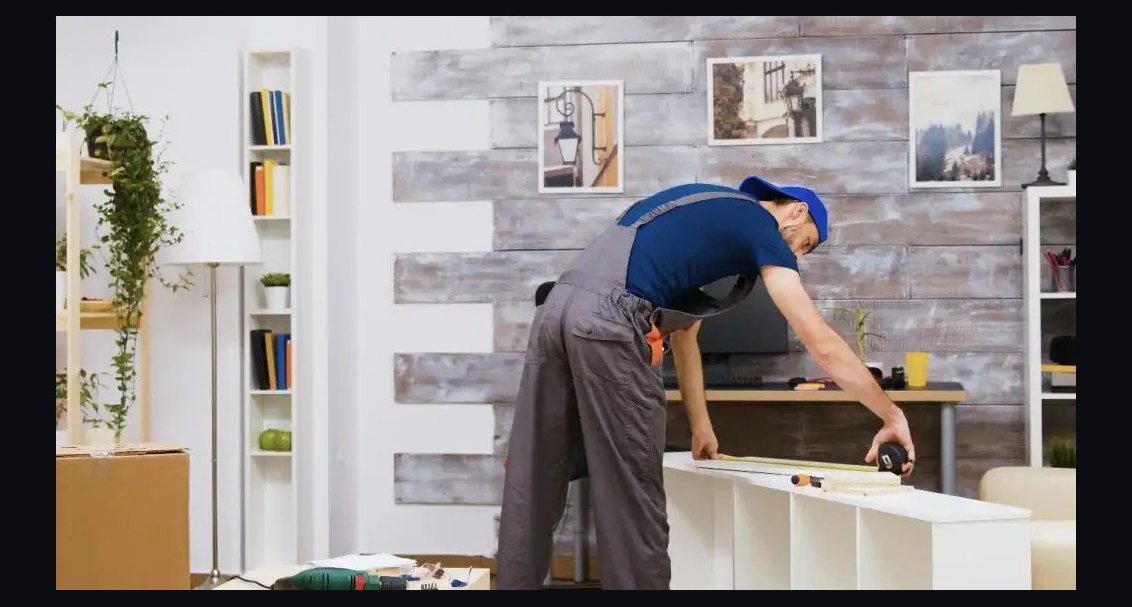 cabinet-refacingHow do you start a cabinet refacing business in 2027?
 post-construction-cleanupHow do you start a post-construction cleanup business in 2027?
 roofingHow do you start a roofing business in 2027?
 veevHow'd you fix Veev's revenue issues in 2026?
 hawthorne-machineryHow'd you fix Hawthorne Machinery's revenue issues in 2026?
 vertical-farmingHow do you start a indoor vertical farming business in 2027?
 ecommerceHow do you start an e-commerce DTC brand in 2027?
 juice-bar-businessHow do you start a juice bar business in 2027?