


How do you start a dental practice in 2027?
Quality
Certified

Starting a dental practice in 2027 means choosing a model — solo general, multi-doctor group, specialty, DSO-employed, or IDSO partial-recap — then funding roughly $300K–$2.5M for build-out or 65–85% of collections for an acquisition, credentialing payers over 60–120 days, and hiring hygienists early, because recall drives 35–55% of cashflow.
The outcome you should expect
A realistic first-year picture for a de novo four-operatory general practice looks nothing like the pro forma most lenders will happily underwrite. You open with zero patients and a fixed cost base of roughly $55K–$95K a month — debt service, lease, payroll for one or two assistants and a front-office person, supplies, software, insurance. Chair time is empty and the phone rings maybe six to fifteen times a week from Google. Most de novos take twenty-four to thirty-six months to reach the $800K–$1M collections mark that makes the owner's take-home competitive with an associate salary. The honest framing: you are buying an asset with a five-to-ten-year payoff, not a job that pays better next year.
An acquisition inverts that curve. Buy an existing practice at 65–85% of trailing twelve-month collections and you inherit an active patient base, a hygiene column already booked out, and a credentialed payer roster. Cashflow starts in month one. The cost is that you are buying someone else's decisions — their PPO contracts, their fee schedule, their aging equipment, their staff's habits, and whatever goodwill walks out the door when the selling dentist leaves. Retention after a transition typically holds if the seller stays sixty to ninety days for introductions and the practice keeps the same phone number, address, and front-desk faces. Change all three at once and attrition gets ugly fast.
What a mature, well-run general practice actually produces: the ADA Survey of Dental Practice puts average general-practice gross collections near $857K, with owner-dentist net commonly landing in the 21–35% band. Top-decile operators run 45–55% net, and the difference is almost never clinical skill. It is payer mix, case acceptance, and hygiene productivity. A dentist producing $1.2M with three PPO contracts and 70% case acceptance takes home more than one producing $1.6M against eight contracts and 35% acceptance. That comparison is the whole game in one sentence, and it is worth pinning above the desk before you sign a single lease.

Expect the ownership decision itself to be contested by the market. DSO market share sat near 28% in 2024 versus under 5% in 2010, per ADA Health Policy Institute, and projections put it above 35% by 2030. That means the corridor you are opening into probably already has two or three corporate offices with a marketing budget you cannot match. It does not mean ownership is dead — independent practices still hold the majority of locations — but it does mean you compete on relationship, continuity of care, and the things a rotating associate roster cannot deliver. Pick a differentiator before you pick a zip code.
What drives that outcome
Four inputs move practice economics more than everything else combined: payer mix, hygiene capacity, case acceptance, and debt structure. Everything else — chair brand, cabinetry, the color of the reception sofa — is noise by comparison.
Payer mix is the largest single lever and the one most new owners get wrong by default. Every PPO contract you sign sets a fee schedule that writes off somewhere between 20% and 50% of your usual fee. A crown you fee at $1,500 might contract at $950 with a given plan — a 37% write-off applied to every crown that patient receives, forever, until you renegotiate or drop. New owners sign every contract offered because empty chairs are terrifying. Three years later they are running eight contracts, doing high volume, and netting 18–22%. Unwinding takes years because patients have been trained to think of you as in-network.

Hygiene capacity determines whether the recall engine spins. Recall hygiene contributes roughly 35–55% of cashflow at a mature general practice, and it is the column that feeds the doctor's diagnosis pipeline — no hygiene visits, no exams, no treatment presented. Lose your only hygienist and the recall column collapses within sixty to ninety days, taking the restorative schedule with it on a lag. Per BLS, the national median hygienist wage sits near $87,530 a year (about $42/hr), but major metros — the Bay Area, Seattle, NYC, Boston, DC — routinely run $58–$78/hr, and the structural shortage means you are competing on schedule flexibility and culture as much as rate.
Case acceptance is the conversion layer. A dentist diagnoses $1,500–$8,000 of treatment at a comprehensive exam; the patient decides whether to proceed. Top practices close 50–70% of presented treatment. Bottom-quartile practices close 20–35%. On identical clinical hours, that spread is the difference between a $650K practice and a $1.5M one. It is a process problem, not a persuasion problem — intraoral camera images, a structured presentation by a trained treatment coordinator rather than the dentist, a clear insurance breakdown, and two or three financing options at the table.
Debt structure sets your margin for error. SBA 7(a) amortization over ten to twenty-five years keeps monthly service manageable; a five-year equipment note on the same principal does not. Layering a practice acquisition loan, an equipment lease, a build-out note, and $300K–$500K of personal student debt on top of each other is how otherwise-viable practices fail — not from lack of patients, but from a debt stack that leaves no cash to survive a slow quarter.
There is a RevOps parallel worth naming here, because it clarifies the thinking. A dental practice is a recurring-revenue business wearing a clinical coat. Hygiene recall is your renewal motion. Case acceptance is your expansion motion. PPO write-offs are your discounting policy. Patient attrition is churn. Practices that instrument these the way a software company instruments pipeline — tracking recall retention rate, treatment-plan acceptance by provider, production per hygiene hour, new-patient cost of acquisition — consistently outperform practices that only watch the monthly deposit total. The tooling is different; the discipline is identical.
Benchmarks and realistic ranges

Capital by model. A lean three-operatory cold start in leased space, no CBCT, refurbished chairs, runs roughly $300K–$650K all-in including working capital. A standard four-to-six-op de novo lands at $500K–$1.2M. A full-digital build with cone-beam CT and chairside CAD/CAM in five-thousand square feet runs $1.2M–$2.5M. Acquisitions price at 65–85% of trailing twelve-month collections, typically $600K–$2M for a four-op practice, with regional spread — Pacific Northwest, Bay Area, and NYC metro can push 80–100%+, while rural Midwest often trades at 55–70%.
Build-out. Tenant improvements run $200–$350 per square foot, among the highest of any small-business category, because every operatory needs compressed air, vacuum, water, and waste lines, plus medical-grade electrical, lead shielding for imaging rooms, a dedicated sterilization suite, and ADA-accessible circulation. Budget six to twelve months from lease signature to first patient: thirty to sixty days design and permitting, ninety to one hundred fifty days construction, thirty to sixty days equipment install, IT, and staff training. Permitting delays are the single most common schedule killer, and they are worse in jurisdictions that treat dental as medical occupancy.
Equipment. Chair, delivery unit, light, and assistant arm run $8K–$15K per operatory new — A-dec, Pelton & Crane, Midmark, and Belmont are the mainstream choices — or $3K–$7K refurbished, which is a legitimate way to save $20K–$40K at launch without any clinical compromise. Oil-free compressor $4K–$8K, vacuum $3K–$7K, autoclave $5K–$10K, ultrasonic cleaner $2K–$5K. Digital intraoral X-ray with sensor: $8K–$15K per op. Panoramic: $25K–$45K. Cone-beam CT: $80K–$180K, and increasingly the difference between placing implants yourself and referring them out. Intraoral scanner $20K–$45K — arguably the highest-ROI digital purchase for a 2027 startup because it eliminates impression remakes, speeds lab turnaround, feeds clear-aligner workflows, and materially improves how patients experience a crown appointment. Chairside CAD/CAM milling runs $90K–$150K end to end and pays back over roughly eighteen to thirty months at eight to fifteen crowns a month, since you capture the full crown fee and drop the $150–$300 lab bill plus the second appointment.

Software and ongoing spend. Practice management software runs $300–$1,500/month depending on platform and location count; the open-source-adjacent options sit dramatically lower, in the tens of dollars per month, which matters when you are pre-revenue. FDA-cleared AI radiograph analysis is the newest line item at roughly $300–$1,500/month, and its argument is case acceptance: patients who see a flagged carious lesion in their own image accept treatment at meaningfully higher rates than patients who hear a description of it. Consumables for a four-op general practice run $45K–$85K a year depending on procedure mix. Marketing in year one commonly runs $5K–$15K a month for a de novo and far less for an acquisition with an existing base.
Labor. Associate dentists commonly start at $130K–$180K base plus production bonus — an offer level directly driven by the $307K–$524K dental school debt loads reported by ADEA for recent graduating classes, which pushes new grads toward whichever employer writes the fastest check. Dental assistants run $18–$35/hr in most markets, higher in coastal metros. Treatment coordinators, where the role exists as a distinct position, earn $55K–$95K including production incentive and frequently pay for themselves several times over.
Exit. A traditional sale to an individual dentist prices around 0.7–1.2x collections. IDSO partial recapitalizations for practices with $250K–$750K of EBITDA have been transacting in the 1.4–2.0x EBITDA range, higher for larger multi-doctor groups, with the owner selling 60–80% for cash and rolling 20–40% into platform equity that may sell again in three to seven years. That second bite is the entire pitch for the model, and it is genuinely valuable — but it is equity in someone else's company, subject to their leverage and their exit timing, not a guaranteed multiple.
Risks, edge cases, and failure modes

Over-signing PPO contracts in year one. The most common and most expensive mistake. Empty chairs create panic; panic creates signatures. Open with two or three carefully chosen contracts covering the largest share of insured lives in your immediate zip codes, and hold the rest in reserve. Add contracts deliberately if utilization stalls; adding is easy, dropping is a multi-year unwind that costs patients.
Under-capitalizing working capital. Owners budget carefully for equipment and build-out, then allocate three months of operating reserve. A de novo commonly needs twelve to eighteen months. The failure mode is not dramatic — it is a slow squeeze where the owner stops taking a draw, defers hiring the second assistant, cuts marketing at the exact moment marketing is the only growth input, and personally works longer to cover the gap. Practices die of cash timing far more often than of insufficient demand.
Hiring hygiene too late. Recruiting a hygienist takes thirty to ninety days in most markets and longer in tight ones. Starting that search after opening day means your recall engine sits idle during the exact window when you are converting new patients into a base. Start the search sixty days before you open. Gig-economy hygiene marketplaces exist and are useful for coverage, but building your schedule around temps is fragile — patients build relationships with a person, and continuity is the product.
Corporate saturation in the trade area. If the two-to-three-mile radius already holds three or four DSO offices, your patient-acquisition cost may run two to three times higher than the same practice a few miles away. Pull the demographics before the lease: household density, median income, insurer concentration, and a physical drive of the corridor counting competing signage. Rural and dental-shortage areas — HRSA designates them, and tens of millions of Americans live in one — have far less competition and often loan-repayment eligibility attached, at the cost of a thinner elective and cosmetic mix.

Buying a practice on collections without reading the mix. Two practices both collecting $900K can be radically different assets. One is 70% hygiene and preventive with a stable base and light PPO exposure. The other leans on a handful of large restorative cases from patients who followed the departing dentist personally, against heavy write-offs. Same headline number, very different value. Demand a procedure-code-level production report by year, a payer-mix breakdown, active-patient counts under a defined eighteen-month window, and the hygiene pre-appointment rate before you price anything.
Compliance drift. HIPAA Privacy, Security, and Breach Notification obligations require an annual risk assessment, a designated officer, business associate agreements with every vendor touching patient data — practice management, imaging, AI analysis, billing, IT, texting — and encrypted transmission and storage. OSHA's Bloodborne Pathogens standard (29 CFR 1910.1030) requires a written exposure control plan, annual training, a sharps injury log, and offered hepatitis B vaccination. The EPA's dental amalgam rule (40 CFR Part 441) requires an ISO 11143-compliant separator for practices handling amalgam, with reporting to the local sewer authority. State radiation programs require registration and periodic inspection of every X-ray unit. None of these are hard individually; all of them are easy to let lapse in year one, and a lapse discovered during an inspection or a breach becomes expensive immediately.
Partnership and associate agreements written casually. An associate who is promised a path to partnership without written terms — valuation method, timeline, financing, restrictive covenant scope — becomes either a departure or a dispute. Both are costly. Papering it at hire, when everyone is optimistic, is dramatically cheaper than papering it at year three when someone feels wronged.
A practical rollout plan
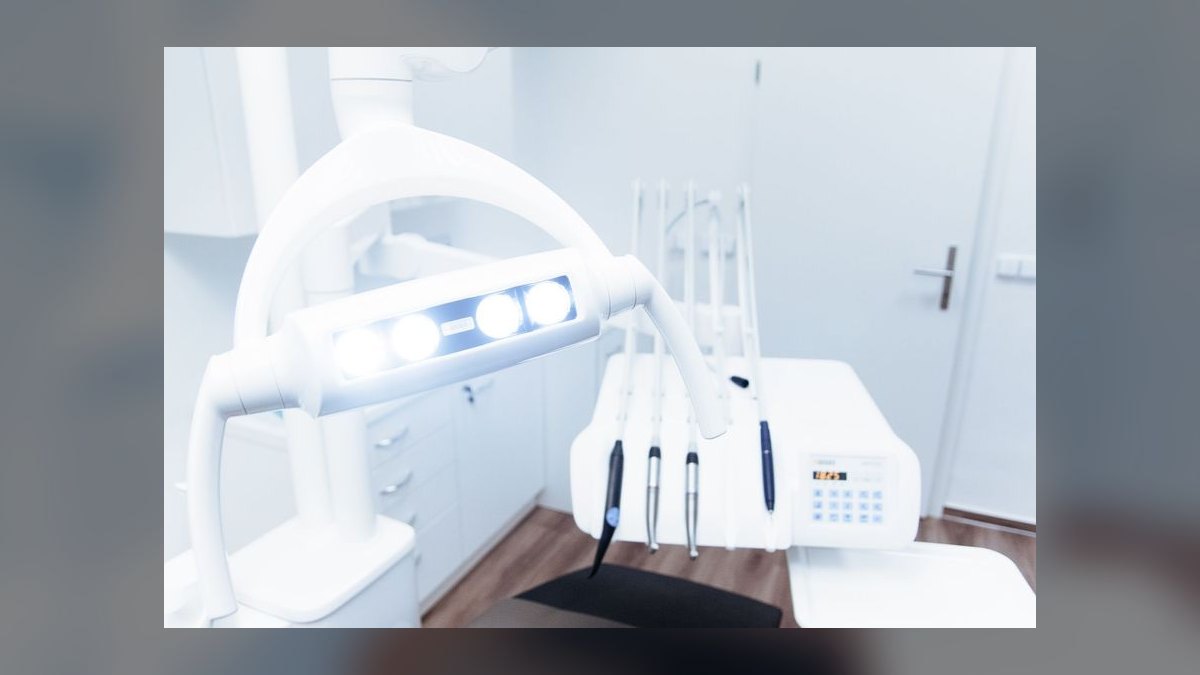
Months −18 to −12: decide the model and get financeable. Settle de novo versus acquisition versus specialty. Pull your credit, clean up anything correctable, and gather two years of tax returns plus a personal financial statement. Talk to three lenders — a dedicated dental SBA lender, a bank practice-solutions group, and a fintech practice lender — before you look at real estate, because your approved amount defines your options. Meanwhile confirm the licensure stack: your board license in the target state, DEA registration for controlled substances, and an NPI for any insurance billing. If you are starting a specialty practice, the residency and board pathway sits upstream of all of this.
Months −12 to −9: demographics and site. Analyze the trade area on household density, median income, age distribution matched to your intended service mix, and competitive saturation including corporate offices. Walk the corridor. Then negotiate the lease with a healthcare-specific tenant rep — dental leases run ten years with options, and the tenant-improvement allowance you negotiate is real money that comes straight off your capital need. Have a dental-experienced attorney read the exclusivity, assignment, and personal-guarantee clauses; assignment matters enormously at exit.
Months −9 to −6: design, permit, and order long-lead items. An architect who has drawn dental space before will save you months on plumbing and shielding revisions. Order chairs, imaging, and any cone-beam or milling unit early — lead times move and installation must be sequenced with construction. Select practice management software now, not at the end, because migrating or reconfiguring after your team has trained on it is painful.
Months −6 to −3: credentialing and hiring. Start payer credentialing immediately; sixty to one hundred twenty days per carrier is normal, and applications submitted late mean you open unable to bill in-network patients you have already scheduled. Simultaneously build the fee schedule, set up merchant processing, and enroll with patient financing partners. Post the hygienist and lead assistant roles now. Claim and populate your Google Business Profile, stand up the website with online scheduling, and start local content — search presence takes months to mature and you want it warm at open.
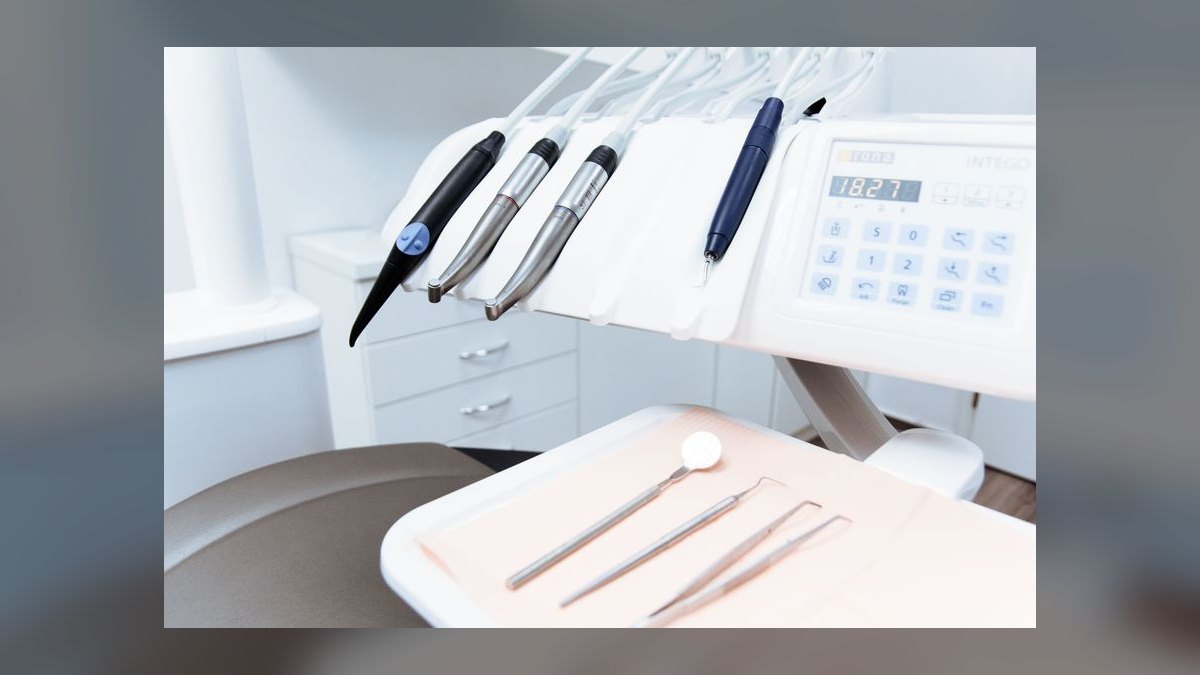
Months −3 to 0: build the operating system. Install equipment, run IT and imaging integration, and do a full soft-open week with staged patients — friends, family, staff — to shake out scheduling, sterilization flow, imaging, and checkout. Write the actual protocols: recall cadence, treatment-plan presentation script, new-patient phone script, emergency triage, morning huddle format. These are the things that get postponed forever if they aren't written before the schedule fills.
Months 0 to 12: pre-appoint everything and measure four numbers. Pre-schedule the next hygiene visit at the end of every single appointment — this is the largest single lever on recall retention and it costs nothing. Run automated reminder cadences at two weeks, one week, and the day before. Track exactly four metrics weekly: new patients, recall retention rate, case acceptance percentage, and collections against production. Everything else is diagnostic detail underneath those four.
Year 2 onward: choose an end state and build toward it. The practices that get underpriced at transaction are the ones that drifted — no clean books, no documented systems, no associate ready to step up, no decision about what the thing was supposed to become. Decide early whether you are building toward an IDSO partial recapitalization, a traditional sale to an individual dentist, a phased associate or family succession, or a multi-generational independent with no exit intent. Each implies different choices about associate hiring, real-estate ownership, second locations, and how aggressively you optimize EBITDA versus owner compensation. Making that choice in year two and building toward it beats discovering at year fifteen that your options narrowed while you weren't looking.
Related questions
Is it better to buy an existing dental practice or start from scratch?
Acquisition generates cashflow in month one and carries lower failure risk, but you inherit the seller's PPO contracts, equipment age, and staff habits. A de novo lets you design payer mix and workflow deliberately, at the cost of twenty-four to thirty-six months to maturity and much higher working-capital need.
How many operatories should a new practice build?
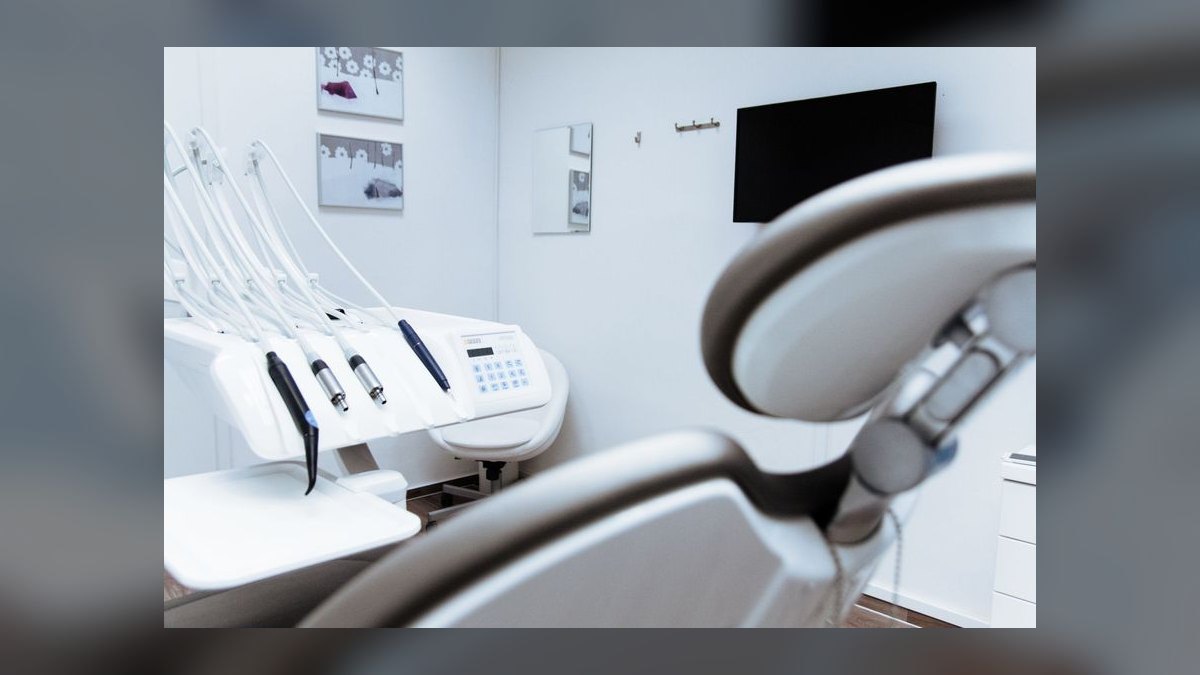
Build three to four and plumb for six. Adding operatories later means reopening walls and re-permitting, which costs several times what stubbing lines during initial construction does. Unused plumbed space is cheap; unplumbed expansion is expensive and disruptive to a live schedule.
Do you need a cone-beam CT scanner to open?
Not on day one. Without it you refer implant placement and complex endodontics out. If implants are central to your intended service mix, budget $80K–$180K and add it once collections stabilize. Many owners add cone-beam in year two or three rather than at launch.
How long does insurance credentialing actually take?
Sixty to one hundred twenty days per carrier, sometimes longer with regional plans. Start before construction finishes. Opening credentialed with zero carriers means either billing patients out-of-network or delaying the schedule — both painful in the first months.
Should the practice own its building?
Many owners buy through a separate entity and lease to the practice, capturing appreciation and separating the two assets at exit. It works well when you are confident in the location for a decade-plus. It concentrates risk and consumes capital that a de novo often needs for working reserve.
FAQ
How much does it cost to open a dental practice in 2027?
A lean three-operatory cold start runs roughly $300K–$650K including working capital. A standard four-to-six-operatory de novo lands at $500K–$1.2M. A full-digital build with cone-beam CT and chairside milling reaches $1.2M–$2.5M. Acquiring an existing practice typically prices at 65–85% of trailing twelve-month collections, commonly $600K–$2M for a four-op location.
How long from decision to opening day?
Plan eighteen to twenty-four months for a de novo. Financing and site selection take six to nine months, design and permitting thirty to sixty days, construction ninety to one hundred fifty days, and equipment installation plus training another thirty to sixty. Payer credentialing runs in parallel at sixty to one hundred twenty days per carrier. Acquisitions compress this to roughly six to twelve months.
What is the single hardest part of starting a practice?
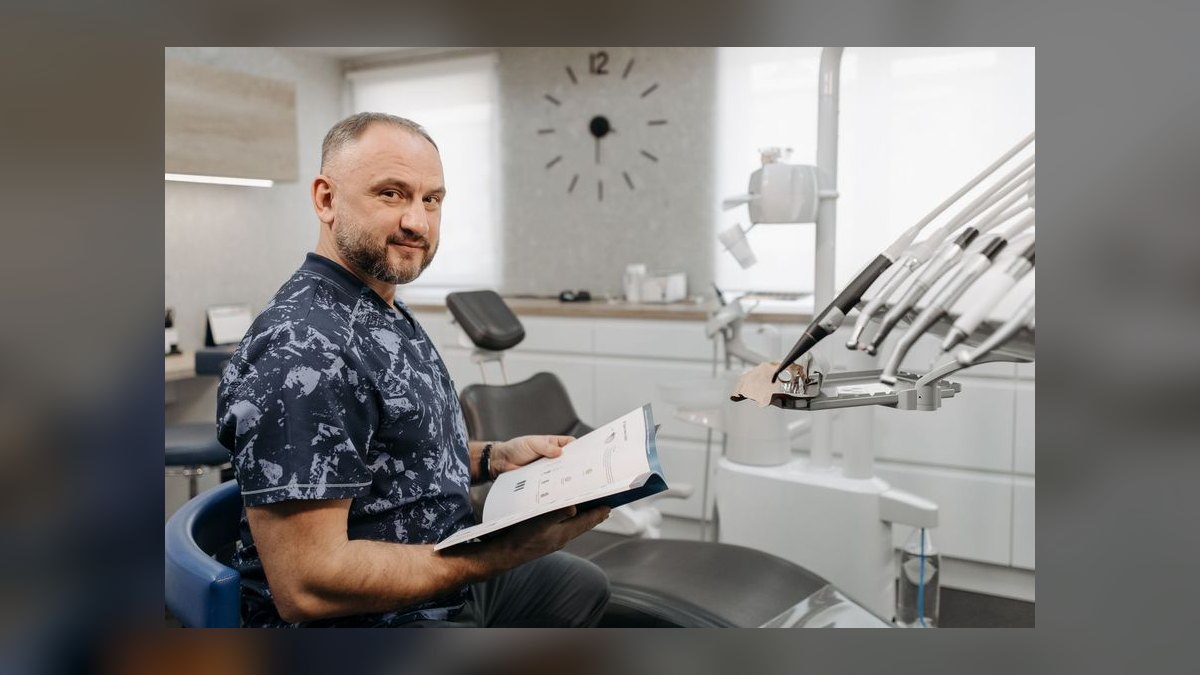
Not capital, and not equipment selection. It is the combination of hygienist recruiting and retention — losing your hygienist collapses the recall column that supplies 35–55% of cashflow — and building a repeatable case-acceptance process. Top practices close 50–70% of presented treatment and bottom-quartile practices close 20–35%, on identical clinical hours.
How do I decide between independent ownership and joining a DSO?
DSO employment offers immediate income, typically $130K–$180K base plus production bonus, with no capital risk and no management burden — genuinely rational when carrying $300K–$500K in student debt. Independent ownership produces substantially better long-term economics and a saleable asset, but demands capital, management attention, and years of patience. Many dentists work as an associate three to five years first, then buy.
What does an IDSO partial recapitalization actually involve?
You sell 60–80% of your practice equity for cash while keeping your brand, clinical autonomy, and team, with back-office functions centralized. You retain 20–40% as platform equity that may sell again when the platform recapitalizes in three to seven years. The retained stake is the main appeal, but it is equity in someone else's company subject to their leverage and timing.
Which technology purchase delivers the best return for a new practice?
For most general practices, the intraoral scanner at $20K–$45K. It eliminates impression remakes, shortens lab turnaround, feeds clear-aligner and same-day-crown workflows, and improves the patient experience immediately. Chairside milling at $90K–$150K pays back over eighteen to thirty months at sufficient crown volume, and cone-beam CT matters mainly if you intend to place implants yourself.
Sources
- ADA Health Policy Institute — dentist supply, practice ownership, and DSO affiliation trends
- ADA Survey of Dental Practice — gross billings and net income benchmarks
- American Dental Association — licensure, specialty recognition, and practice management resources
- Commission on Dental Accreditation (CODA) — accredited dental and residency program standards
- BLS Occupational Outlook Handbook — Dentists — employment and wage data
- BLS Occupational Outlook Handbook — Dental Hygienists — median wage $87,530 and outlook
- American Dental Education Association — educational debt survey and graduate outcomes
- SBA 7(a) Loan Program — loan structure, caps, and eligibility
- EPA Dental Effluent Guidelines — amalgam separator rule, 40 CFR Part 441
- OSHA Bloodborne Pathogens Standard — 29 CFR 1910.1030 requirements
- HHS Office for Civil Rights — HIPAA — Privacy, Security, and Breach Notification Rules
- CDC Infection Prevention in Dental Settings — sterilization and infection control guidance
- HRSA Health Workforce Shortage Areas — dental HPSA designations
Related on PULSE
- How do you start a pediatric dental practice in 2027?
- What Service Fees Should a Dental Practice Charge?
- How Do I Get My Dental Front Desk to Close Treatment Plans?
- How Do I Budget a Medical or Dental Office Buildout?
- How Many Sales Reps Do I Need to Hire for My Dental Support Organization?
- How Many Sales Reps Do I Need to Hire for My Dental Equipment Company?
This page will be disappearing soon. Save it to your device for $1 — or read it free while it is here.
@Kory-White- · if Venmo asks, the last 4 of my number are 2012
This page is gone.
This one is off the shelf now. $1 keeps it on your phone for good — the whole page, pictures and diagrams included.
 starting-a-businessHow do you start a plumbing business in 2027?
 starting-a-businessHow do you start a funeral home business in 2027?
 starting-a-businessHow do you start an auto repair shop in 2027?
 starting-a-businessHow do you start a physical therapy practice in 2027?
 starting-a-businessHow do you start an optometry practice in 2027?
 starting-a-businessHow do you start an urgent care clinic in 2027?
 boat-detailingHow do you start a boat detailing business in 2027?
 starting-a-businessHow do you start an HVAC contracting business in 2027?
 portable-restroom-rentalHow do you start a portable restroom rental business in 2027?
 starting-a-businessHow do you start an electrical contractor business in 2027?