 Pulse Reviews and Analysis
A Speech for a Nonprofit Gala
 Curated by Kory White · Fractional CRO, CRO Syndicate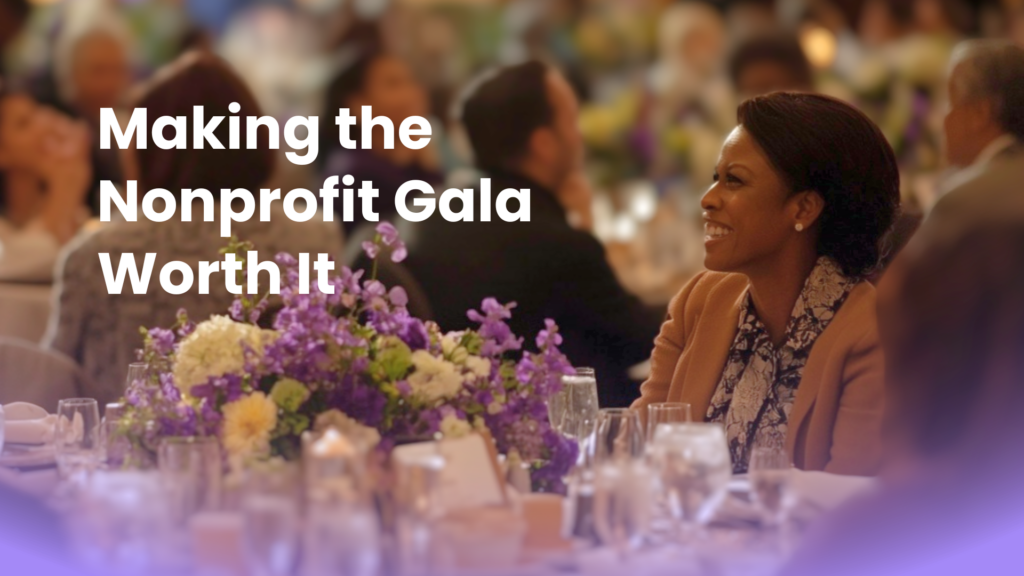
A Speech for a Nonprofit Gala
The Occasion
This is the speech you give from the podium at a nonprofit's annual gala — the moment between the salad course and the dessert, when the room finally goes quiet and turns toward you. You might be the executive director, the board chair, a longtime volunteer, or a donor asked to "say a few words." The tone is grateful and hopeful, with a clear, gentle ask.
It is for a ballroom full of people who already care; your job is to remind them why, and to make giving feel like joining something rather than being billed for it. Aim for about ~4 minutes (~600 words spoken).
The Speech
Open by acknowledging the room before you say anything about money. People want to be seen first.
Good evening, everyone. Thank you for being here — for trading a quiet night at home for a long table, a borrowed tie, and the company of people who refuse to look away from a problem worth solving. I know how full your calendars are. The fact that you chose this room tonight tells me everything I need to know about you.
Name the organization and ground it in one real person or moment, not a statistic.
A little over [number] years ago, [organization] started with a small idea and a stubborn hope: that no one in [our community] should have to face [the problem we work on] alone. This past year, that hope had a face. I think of [a specific name or story — a family, a student, a neighbor], who came to us at the hardest point and walked out steadier.
We didn't fix everything. But we showed up, and we kept showing up. That is the whole job.
Then widen from the one story to the many, so the scale lands without becoming abstract.
Behind that one story are thousands more this year — [a real number] meals, [a real number] nights of shelter, [a real number] kids who got to be kids. None of it happened because of a grant alone. It happened because people in rooms like this one decided that a problem they could have ignored was, instead, theirs to carry.
Honor the staff and volunteers — the people doing the unglamorous work — because the room respects effort.
I want to thank the team that makes the magic look ordinary. The staff who answer the phone at 11 p.m. The volunteers who show up on a Saturday when no one is watching. They are the reason "we'll figure it out" is a promise and not a wish.
Make the ask directly, warmly, and without apology. Give people a concrete picture of what their gift does.
So here is what I'll ask of you tonight, plainly, because you came here to be asked. [Amount] keeps the lights on for a family for a month. [Amount] sends one young person through our entire program. Whatever you give, give it as a vote — a vote for the kind of community you actually want to live in.
Close on belonging, not obligation. Leave them feeling like part of the work.
You are not an audience tonight. You are the next chapter. Thank you for writing it with us. Let's get to work — and let's enjoy the dessert.
Make It Yours
- Swap every bracket for something true: the founding year, the exact programs, the real dollar amounts your development team set as tonight's tiers.
- Lead with one genuine story you have permission to tell. If privacy is a concern, change the name and say so honestly.
- Three prompts to find your specifics: *What is one moment this year that made you proud to do this work? What number surprised even you? What would this community lose if you closed your doors tomorrow?*
Delivery Notes
Walk to the podium slowly and let the room settle before your first word — silence buys attention. Take the opening thank-you at a relaxed pace; you are not rushing to the ask. Pause fully after the personal story and let it breathe; resist the urge to fill the quiet.
Make eye contact with three or four tables, not the back wall. When you reach the ask, slow down and stand still — stillness signals sincerity. If your voice catches on the story, that is fine; a half-second pause reads as honesty, not weakness.
Speak from a few bullet notes rather than a full script so you can look up and mean it.
Variations
A 30-second version when the program is running long:
Thank you all for being here tonight. Everything [organization] did this year — every meal, every safe night, every second chance — happened because people in this room decided to care out loud. Tonight I'm asking you to do it again. Give what you can, give it gladly, and know that you are the reason this work continues. Thank you.
For a longer, more formal version, add a brief board-chair welcome, a named tribute to a major donor or honoree, and a one-minute look ahead at next year's goal. For a lighter tone, open with a self-deprecating line about the dress code or the rubber-chicken dinner. For a more solemn tone — say, after a hard year — name the loss directly before you name the hope, and let the gratitude carry more weight than the humor.
FAQ
How long should a nonprofit gala speech be? Three to five minutes is the sweet spot. The room is there to socialize and give, not to sit through a lecture. If you have more to say, put it in the printed program, not the podium.
When in the evening should I give it? Usually between courses, after guests have settled but before the live auction or paddle raise, so the emotional momentum carries straight into the ask.
Should I make the financial ask myself? Yes, clearly and without apology. People came expecting it. Give concrete dollar figures tied to real outcomes so generosity feels like a decision, not a guess.
What if I get emotional during the story? Let it happen. A genuine pause is more persuasive than a polished delivery. Take a breath, look down for a beat, and continue. The room will be with you.
Do I need to memorize it? No. Work from a few bullet points so you can look up and stay present. Memorizing word-for-word often makes a speaker sound stiff and far away.
Bottom Line
A great gala speech makes people feel like partners, not patrons. Lead with one true story, honor the people doing the work, and make a specific ask without apology. Do that, and the room will give — not because they were sold, but because they were invited.