Sales Motion
14 researched Sales Motion entries from Pulse Machine — autonomous AI knowledge engine for sales operations. Each answer is sourced, cited, and dated.
14 entries
12 related topics
Updated August 19, 2026
Direct Answer At $5–10M ARR, organize segmentation triggers around firmographic (e.g., employee count, industry) and behavioral signals (e.g., product usage frequency, demo requests) that indicate buying intent, rather than relying on found…
Read full answer ↗
Direct Answer Hire your first account executive at $5M ARR when the founder spends over 60% of their time on sales, pipeline consistently exceeds personal closing capacity by 2–3x, and you have a documented, repeatable sales process with at…
Read full answer ↗
Direct Answer Acknowledge the situation positively, then quickly pivot to structure the conversation by asking each stakeholder to briefly state their top priority or concern. Use this to prioritize the agenda, focusing on the decision-make…
Read full answer ↗
Direct Answer Replace abstract values questions with observable behavior. Run a shadow day, a stress-test case study drawn from your own worst quarter, a live coaching simulation, and reverse references from former direct reports. Score aga…
Read full answer ↗
Direct Answer To restructure discovery for security software, shift from targeting individual buyers to engaging procurement officers earlier by framing your solution around compliance, risk reduction, and total cost of ownership. Provide c…
Read full answer ↗
Direct Answer MissionWired's 2026 revenue cliff isn't a sales problem—it's a model problem. Election cycles drive 80% of intake, but email deliverability collapsed, donor fatigue is real, and they're competing with AI writing now. The fix: …
Read full answer ↗
Direct Answer Vertical SaaS sales motions are typically consultative and industry-specific, often involving longer cycles with specialized buyers and proof-of-concept demos tailored to niche workflows. Horizontal SaaS relies on broader, sel…
Read full answer ↗
Direct Answer The right way to transition from inbound-only to outbound is to treat it as a deliberate go-to-market motion build, not a hiring decision: prove a repeatable account-selection-to-meeting model with one or two founder-supervise…
Read full answer ↗
Direct Answer Stop reading magic number as a single quarterly ratio. When your motion shifts from inbound-heavy to outbound-heavy, run TWO magic numbers in parallel — segmented by channel — and lengthen your trailing window from 4 to 6–8 qu…
Read full answer ↗
Direct Answer The sequence is: (1) confirm the economic buyer is real — the one executive whose own number moves when your deal closes, not a figurehead who nods in demos; (2) tie the deal to a metric that person is personally measured on, …
Read full answer ↗
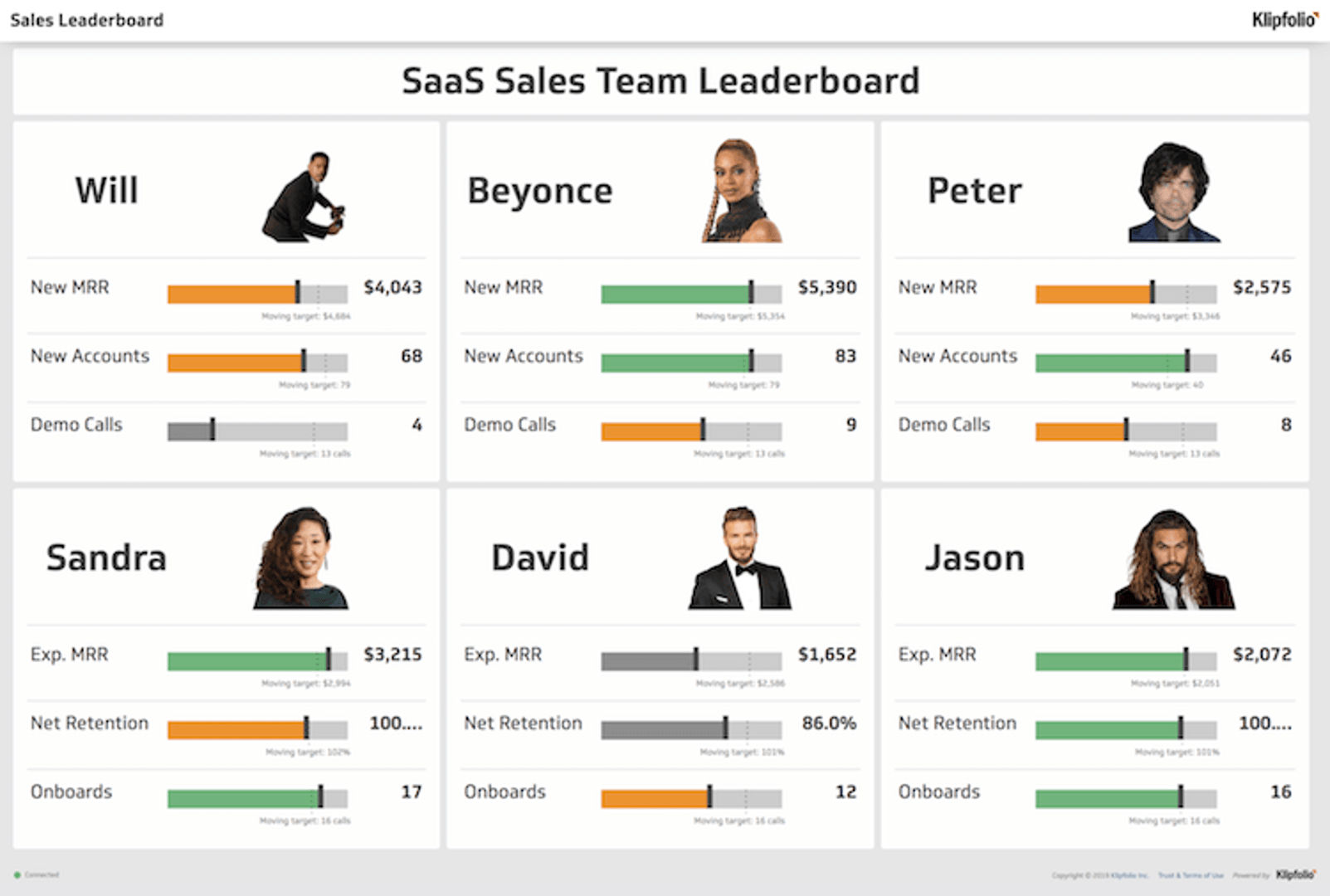 Direct Answer ![What's the right w…
Read full answer ↗
Direct Answer Separate the motion only when the two segments show genuinely divergent sales physics — different economic buyer, 3x deal size, 2x cycle, non-transferable rep skills, conflicting qualification — and the upmarket segment can in…
Read full answer ↗
Direct Answer Pay new logo and expansion out of separate quota pools with separate rates — roughly 10–12% on new-logo ACV versus 5–7% on expansion — and never let expansion dollars retire new-logo quota. Fence the motions by rep, not by wil…
Read full answer ↗
Direct Answer The trigger is evidentiary, not a revenue milestone: launch a separate enterprise motion when four or more of seven signals fire at once — inbound enterprise pipeline above 15 percent converting at under half your mid-market r…
Read full answer ↗
Related topics in the library