 Pulse Reviews and Analysis
Top 10 In-Ear Monitors for Audiophiles in 2027 — Best Overall + Best Value

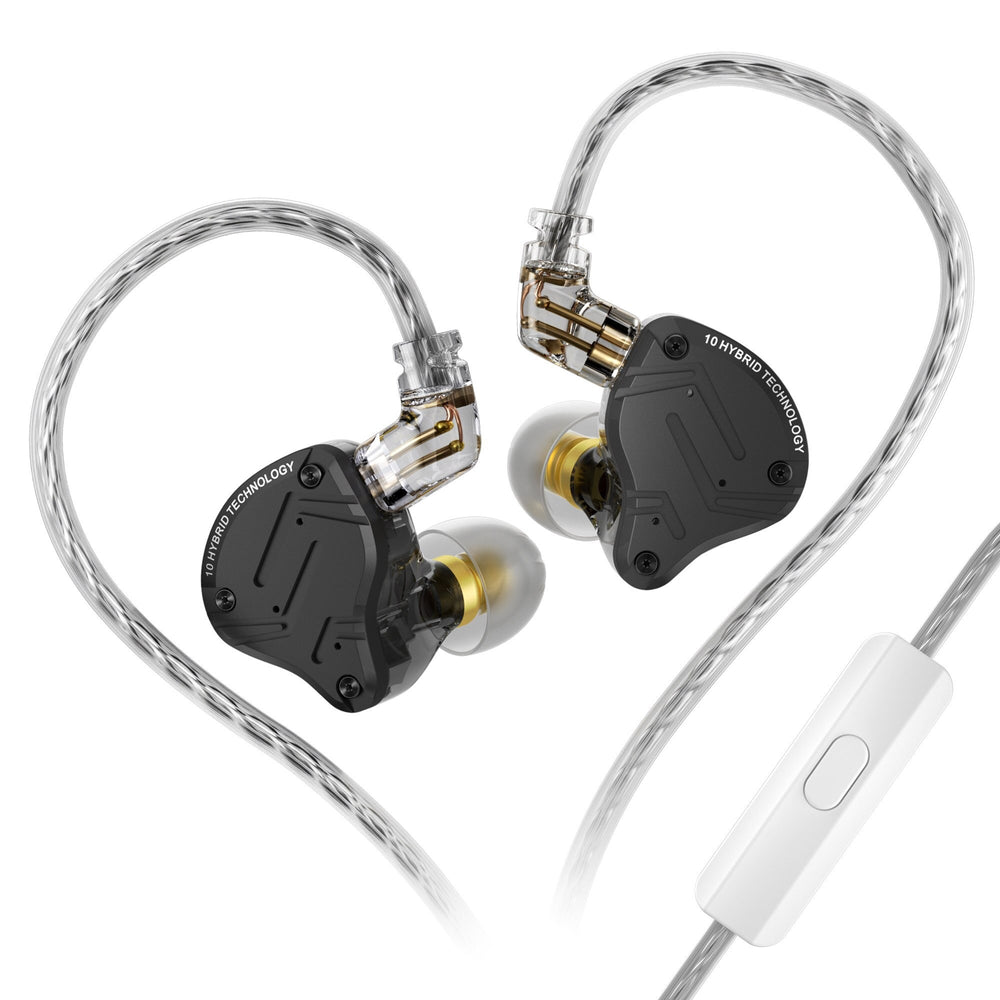
Top 10 In-Ear Monitors for Audiophiles in 2027 — Best Overall + Best Value
*Published June 23, 2026 · Updated June 23, 2026*
For audiophiles in 2027, the Moondrop Blessing 3 is our 🏆 Best Overall in-ear monitor: its 2DD + 4BA hybrid layout delivers a near-reference frequency response with genuine sub-bass slam, and it sits at a price most serious listeners can actually justify. The 🏆 Best Value pick is the Truthear Hexa, a 1DD + 3BA hybrid that copies most of the Blessing 3's tuning for under $100 and remains the cleanest entry into "real" audiophile sound.
Beyond those two, the right IEM depends on what you weigh most. If you want a single-dynamic-driver "endgame" with no crossover seams, the Sennheiser IE 600 is the technical benchmark. If you crave planar speed on a budget, the Letshuoer S12 and 7Hz Timeless 2 are the planar standard-bearers.
For clinical neutrality, the Etymotic ER2SE is unmatched isolation and accuracy. The mermaid below maps the decision.
1. Moondrop Blessing 3 🏆 BEST OVERALL

Drivers: 2DD + 4BA hybrid | Price: ~$320 | Impedance: ~15.2Ω | Best for: reference-neutral listening
The Blessing 3 is the IEM that most reviewers point newcomers and veterans toward when the question is "what's the safest great-sounding set under $400." Its standout trick is the Horizontally Opposed Dual Dynamic bass system, where two dynamic drivers face each other to cancel mechanical distortion, paired with four balanced armatures handling mids and treble.
The result is a tuning that hugs the Harman-adjacent target without sounding clinical, with bass that has real texture rather than a bloated bump.
It is well-built, comfortable for long sessions, and forgiving of source gear. For the price-to-performance ratio in the reference category, it remains the set everything else gets measured against.
Pros:
- Near-reference tuning with genuine sub-bass extension
- Excellent technical resolution for the price
- Comfortable, durable resin shells
- Easy to drive from phones and dongles
Cons:
- Treble can feel slightly polite to treble-heads
- Stock cable and tips are merely adequate
Verdict: The default recommendation for a do-everything audiophile IEM in 2027.
2. Truthear Hexa 💎 BEST VALUE

Drivers: 1DD + 3BA hybrid | Price: ~$90 | Impedance: ~20.5Ω | Best for: first serious audiophile IEM
The Hexa is the clearest answer to "how cheap can real audiophile sound get." It pairs a single dynamic driver with three balanced armatures and lands a frequency response remarkably close to the far pricier Blessing 3. Measurements and listening alike show fewer unpredictable colorations than most sub-$100 rivals, with clean mids and a smooth, non-fatiguing treble.
It does not have the last word in stage size or treble air, but for the money it punches into territory that used to cost three times as much. As a gateway into the hobby — or a beater set you won't worry about — it is hard to argue against.
Pros:
- Tuning close to sets 3x the price
- Clean, neutral midrange
- Strong passive isolation
- Outstanding cost-to-performance
Cons:
- Modest treble air and stage width
- Plain accessory package
Verdict: The best-value audiophile IEM on the market, full stop.
3. Sennheiser IE 600

Drivers: 7mm single dynamic (TrueResponse) | Price: ~$700 | Impedance: 18Ω | Best for: single-DD purists
The IE 600 distills much of the flagship IE 900's character into a more attainable package. A single 7mm extra-wideband TrueResponse dynamic driver means there is no crossover and no driver-integration seams — just coherent, fast, slightly warm-of-neutral sound with standout note weight.
The amorphous zirconium housings are 3D-printed and tank-tough.
It rewards good source gear and clean recordings, and its bass quality is among the best in any single-dynamic IEM. For listeners who distrust multi-driver crossovers, this is the technical benchmark short of the IE 900.
Pros:
- Class-leading single-dynamic coherence
- Excellent bass texture and speed
- Extremely durable zirconium shells
- Detailed yet musical voicing
Cons:
- Thin, ergonomically awkward stock cable
- Treble can show sibilance on bright tracks
Verdict: The single-driver benchmark for listeners who want coherence over driver count.
4. 7Hz Timeless 2

Drivers: 14.2mm planar magnetic | Price: ~$220 | Impedance: ~14.8Ω | Best for: planar speed and detail
The original Timeless kicked off the planar-IEM era, and the Timeless 2 refines that formula. A large planar magnetic diaphragm gives the fast transients, tight bass, and resolving treble that planar fans chase, now with smoother tuning than the somewhat treble-recessed first generation.
The coin-shaped shells are striking and the build is metal-solid.
It scales nicely with power and pairs especially well with electronic and instrumental genres where attack and decay matter. Among sub-$250 planars, it is the set most people land on after auditioning the field.
Pros:
- Fast planar transients and tight bass
- Improved, more even tuning vs. The original
- Solid metal build
- Strong detail retrieval for the price
Cons:
- Disc shells fit some ears awkwardly
- Wants a bit more power to shine
Verdict: The planar standard-bearer in the mid-budget tier.
5. Letshuoer S12

Drivers: 14.8mm planar magnetic | Price: ~$150 | Impedance: ~16Ω | Best for: budget planar with bass weight
The S12 is the Timeless 2's chief rival and often the cheaper way into planar sound. Its 14.8mm planar driver is larger than the dynamic in pricier single-DD sets and delivers planar speed with a slightly warmer, bassier presentation than the 7Hz. Build is a clean machined-aluminum bullet shape that suits most ears.
Where the Timeless leans detail-forward, the S12 trades a touch of treble sparkle for a fuller low end, which many listeners prefer for everyday use. The S12 Pro variant tweaks the tuning further. Either way, it is one of the most replicated success stories in budget audiophile IEMs.
Pros:
- Planar speed at a low price
- Warmer, fuller bass than most planars
- Comfortable aluminum shells
- Excellent value in the category
Cons:
- Treble can spike on some tracks
- Stock tips need swapping for best fit
Verdict: The budget planar to beat when bass weight matters.
6. Thieaudio Monarch MKIII

Drivers: 2DD + 6BA + 2EST tribrid | Price: ~$1,000 | Impedance: ~13Ω | Best for: kilobuck flagship resolution
The Monarch MKIII is the kilobuck darling that repeatedly tops "endgame on a budget" flagship lists. Each shell packs a tribrid array: two 10mm composite dynamic drivers for lows, six balanced armatures for mids and highs, and two electrostatic drivers for the ultra-treble, all behind a 4-way crossover.
The payoff is a wide stage, holographic imaging, and an airy top end that single-tech sets can't replicate.
It is a near-reference-but-engaging tuning that scales with serious sources. For listeners stepping up to flagship territory without spending several thousand, it is the most recommended on-ramp.
Pros:
- Flagship-class resolution and stage
- Airy EST treble extension
- Reference-leaning yet musical tuning
- Strong value among kilobuck tribrids
Cons:
- Needs a capable source to shine
- Large shells challenge small ears
Verdict: The go-to flagship tribrid when you're ready to spend four figures.
7. Sennheiser IE 900

Drivers: 7mm single dynamic (TrueResponse X3R) | Price: ~$1,300 | Impedance: 18Ω | Best for: single-DD endgame
The IE 900 is Sennheiser's flagship and the IE 600's more refined sibling. The same single-dynamic philosophy is taken further with a TrueResponse transducer using X3R technology, three resonator chambers machined into the aluminum nozzle to tame peaks. The voicing is the most neutral and detailed in the family, with the coherence only a crossover-free single driver provides.
It ships with multiple balanced cables and a premium kit befitting the price. For listeners who want a single-dynamic "done" set and can absorb the cost, it is the destination.
Pros:
- Most neutral, detailed single-dynamic tuning available
- Crossover-free coherence
- Premium aluminum build and cable set
- Compact, comfortable shells
Cons:
- Steep price for a single driver
- Bright recordings can edge toward sibilant
Verdict: The single-dynamic endgame for those who value coherence above all.
8. Truthear x Crinacle Zero: Red

Drivers: 10mm + 7.8mm dual dynamic | Price: ~$55 | Impedance: 17.5Ω | Best for: bass-leaning starter set
Co-tuned with reviewer Crinacle, the Zero: Red uses a dual-dynamic setup (a 10mm bass driver plus a 7.8mm) to follow a bass-boosted variant of his target curve. At around $55 it delivers a fun, full low end without muddying the mids, making it an easy crowd-pleaser for newcomers who find strict-neutral sets boring.
It is not the most resolving set here, but its tuning competence at the price is exactly why it became a default sub-$60 recommendation. The "Blue" sibling exists for those who want a more neutral take.
Pros:
- Satisfying, controlled bass boost
- Smooth, inoffensive tuning
- Dirt-cheap entry point
- Easy to drive anywhere
Cons:
- Limited treble air and resolution
- Modest stage depth
Verdict: The fun, bassy starter IEM that won't break $60.
9. Etymotic ER2SE

Drivers: single dynamic (balanced response) | Price: ~$100 | Impedance: ~15Ω | Best for: diffuse-field neutrality and isolation
Etymotic's deep-insertion design is unlike anything else here. The ER2SE ("Studio Edition") is the neutral-tuned variant, following a diffuse-field neutral target that prioritizes accuracy over fun. The triple-flange tips reach far into the ear canal for class-leading passive isolation — often 35–42 dB — making it a stage-monitor and commute favorite.
The presentation is intimate and dead-honest; it will not flatter a poor recording. For listeners who want a reference tool rather than a thrill ride, nothing in this price class matches its accuracy or noise rejection.
Pros:
- Reference-grade neutral tuning
- Best-in-class passive isolation
- Tiny, low-profile shells
- Built for accuracy and monitoring
Cons:
- Deep-insertion fit isn't for everyone
- Lean bass and small stage
Verdict: The accuracy-and-isolation specialist for purists and stage use.
10. Dunu Titan S

Drivers: 11mm single dynamic | Price: ~$80 | Impedance: 16Ω | Best for: clean single-DD neutrality on a budget
The Titan S rounds out the list as a clean single-dynamic option for listeners who want crossover-free coherence without spending IE 600 money. Its 11mm driver delivers a neutral-bright tuning with good midrange clarity and respectable detail, all in a compact metal shell with a quality stock cable that shames many pricier sets.
It is a tidy all-rounder rather than a specialist, and a smart pick for anyone who likes the single-driver concept but is shopping near $80. Dunu's accessory game and build quality remain a strong selling point at this tier.
Pros:
- Coherent single-dynamic sound
- Clean, clear midrange
- Solid metal build and good cable
- Strong value near $80
Cons:
- Treble can read as bright
- Bass quantity is modest
Verdict: A coherent, budget single-dynamic all-rounder.
Frequently Asked Questions
What makes an IEM "audiophile" rather than consumer? Audiophile IEMs prioritize accurate, intentional tuning, high-quality drivers, replaceable cables, and the ability to reveal detail in recordings. Consumer earbuds usually emphasize bass and convenience features like noise cancellation over fidelity.
Every set on this list uses a deliberate target curve rather than a generic "fun" boost.
Do I need an amp or DAC for these? Most of these — the Blessing 3, Hexa, Zero: Red, Titan S — are easy to drive from a phone or a cheap USB dongle. Planars like the S12 and Timeless 2 benefit from a little more clean power. Even a $50 dongle DAC will unlock most of the performance; you don't need a desktop stack.
Hybrid, planar, or single dynamic — which is best? None is universally best. Single dynamics (IE 600, Titan S) offer crossover-free coherence; planars (S12, Timeless 2) give speed and tight bass; hybrids and tribrids (Blessing 3, Monarch MKIII) combine driver types for wide range and resolution.
Match the tech to the traits you value, not the marketing.
Why does tip and cable choice matter? Ear tips change seal, isolation, and frequency response more than almost any other variable — a poor seal kills bass. Cables matter less sonically but affect ergonomics and durability. Budget for aftermarket tips; many listeners keep a set of foam and silicone tips to tune fit.
Is the Truthear Hexa really competitive with $300+ IEMs? Yes, in tuning. The Hexa tracks a reference target closely and resolves cleanly for under $100. It gives up some treble air, stage size, and ultimate resolution to sets like the Blessing 3, but for most listeners the gap is smaller than the price difference suggests.
How important is passive isolation? For commuting, flights, or stage use it is critical — that's where the Etymotic ER2SE's 35–42 dB isolation shines. For quiet home listening it matters less, and you may prefer a shallower, more comfortable fit like the Blessing 3 or Hexa.
Related on PULSE
- See our Top 10 Open-Back Headphones for Audiophiles for at-home reference listening picks.
- Compare with our Top 10 Portable DAC/Amp Dongles to power demanding planar IEMs.
- Building a desk setup? Cross-reference the Pulse Tools gear configurators for source-and-IEM pairings.
Bottom Line
In 2027 the audiophile IEM market is richer and cheaper than ever. The Moondrop Blessing 3 earns Best Overall by combining reference-grade tuning, real bass texture, and a price that doesn't require flagship money. The Truthear Hexa is the Best Value, delivering most of that sound for under $100 and remaining the smartest entry into the hobby.
Climb the ladder only if a specific trait calls to you: single-dynamic coherence (IE 600, IE 900), planar speed (S12, Timeless 2), clinical isolation (ER2SE), or kilobuck tribrid resolution (Monarch MKIII). Match the technology to your priorities, budget for good tips, and you'll land an IEM that outperforms its price.