


The Sandler Rules by David Sandler — Top 10 Key Takeaways for Sales Leaders in 2027
Quality
Certified
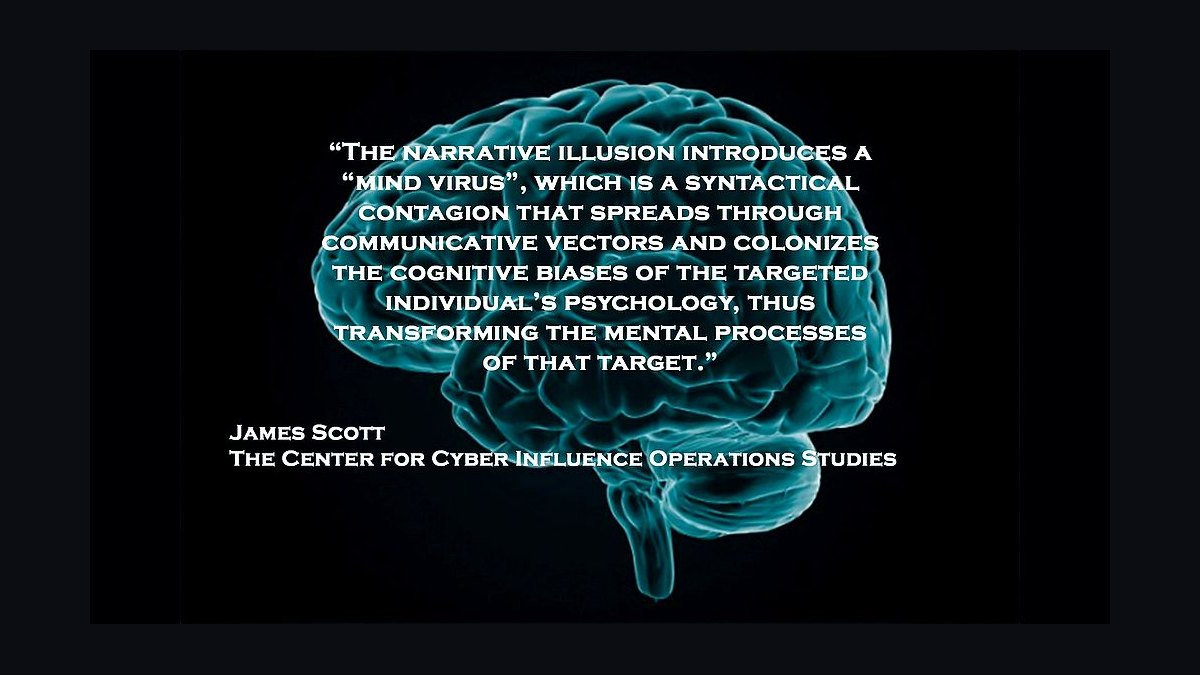
The Sandler Rules distill David Sandler's system into short behavioral laws — no mutual mystification, no free consulting, qualify before you present, and the buyer must invest something. For 2027 sales leaders, the durable takeaways are about disqualification speed, upfront contracts on every meeting, pain-first discovery, and coaching behavior rather than inspecting pipeline volume.
A deal that dies in stage four, every quarter
Picture a $14M ARR B2B software company running a five-stage funnel. Stage one is discovery, stage two is a technical demo, stage three is a business case, stage four is procurement and legal, stage five is closed-won. The board sees a healthy-looking pipeline: 3.8x coverage against a $4.2M quarterly number, average deal size around $62K, an eleven-week average sales cycle. On paper nothing is wrong.
Then look at where deals actually die. Roughly half of everything that enters stage two never reaches stage four, and of what does reach stage four, a meaningful slice sits there for two or three quarters before quietly moving to "closed-lost — no decision." The team is not losing to a competitor. It is losing to inertia, to a buyer who was never funded, never sponsored, and never actually in pain. Reps stay busy. Nothing closes.
This is the exact failure mode David Sandler built his system to prevent, and it is why *The Sandler Rules* — the 49 short behavioral laws compiled from Sandler's teaching and published in book form by David Mattson in 2009 — still lands with sales Leaders in 2027. The book is not a methodology manual. It is a set of blunt one-line Rules with a page or two of explanation each, written to be memorized and used under pressure. "You never have to like prospecting, you only have to do it." "Don't spill your candy in the lobby." "No mutual mystification." "A prospect who is listening to you is not a prospect."
The mechanism behind that funnel failure is diagnosable. Reps are rewarded, implicitly, for advancing deals rather than for qualifying them out. A demo booked feels like progress. A follow-up scheduled feels like progress. A proposal sent feels like enormous progress. None of those are progress if the buyer has no budget, no authority, and no compelling reason to change this fiscal year. Sandler's core insight is that the seller's job is to find the truth fast, including the ugly truth, and that "no" arriving in week one is worth more than "maybe" arriving in month five.

The adjacent problem is a forecasting one, and it is where RevOps gets pulled in. When qualification is loose, stage definitions become opinions. A stage-three deal at one rep's desk is a stage-one deal at another's. Weighted pipeline math built on top of that inconsistency produces a forecast that misses by 20-30% and a leadership team that responds by demanding more activity — more calls, more demos, more pipeline — which is precisely the wrong lever. The Sandler answer is to tighten the definition of what counts as a real opportunity, then let the pipeline shrink.
What makes the framework relevant now, rather than a 1970s artifact, is that the pressure it addresses got worse. Buying committees expanded. Procurement got professionalized. "Do nothing" became the most common competitor in enterprise software. Sandler's insistence on surfacing pain, money, and decision process before investing seller time is more load-bearing in a market where a single enterprise pursuit can consume 80-120 hours of combined seller, SE, and executive time. The strategy shift for a 2027 leader is not adopting new vocabulary — it is changing what gets inspected, praised, and paid.
What the ten most load-bearing rules actually say
The book contains 49 rules. Most sales organizations cannot operationalize 49 of anything. The ten that carry the most weight for Leaders running a team in 2027 are the ones that change rep behavior in the next call, not the ones that change a slide.
You never learn anything while you're talking. The most commonly cited discovery problem is talk-time ratio. Sandler's version is behavioral, not statistical: if you are explaining, you are not diagnosing. In practice this becomes a coaching metric. Conversation-intelligence tools report rep talk ratio on recorded calls; a discovery call where the rep speaks 65% of the time is a rep who presented instead of qualified. The correction is not "talk less" — it is "have more questions prepared than answers."
Don't spill your candy in the lobby. Reps hand over their best insight, their pricing, their differentiators, and their implementation plan before the buyer has committed to anything. Once the value is delivered free, the buyer has no remaining reason to advance. This rule maps directly to the free-consulting problem: an SE spends six hours building a custom demo environment for a prospect who has not confirmed budget, and the prospect uses that demo as leverage with the incumbent vendor.
No mutual mystification. Both sides leave the meeting with different understandings of what happens next and neither says so. The remedy is the Up-Front Contract — an explicit agreement at the start of every meeting covering time, agenda, the buyer's expected outcomes, the seller's expected outcomes, and what a decision at the end looks like, including the right to say no. This is the single highest-leverage Sandler habit for a leader to enforce, because it is observable on a recording and takes ninety seconds.
A prospect who is listening to you is not a prospect. Passive attention is not buying intent. Engagement is measured by the buyer's questions, their willingness to bring others into the room, and their willingness to commit to next steps with dates.
The bottom line of professional selling is going to the bank. Activity, relationships, and "great conversations" are inputs. Revenue is the output. Sandler is unsentimental about this in a way that helps leaders resist metric theater.
When your foot hurts, you're probably standing on your own toe. Most stalled deals trace back to a seller decision — a skipped qualification step, an unasked money question, a proposal sent to someone without authority — not to a mysterious buyer.
You have to learn to fail, to win. Disqualification is a win. Sandler's "negative reverse" and his comfort with hearing no exist to make failure cheap and fast rather than expensive and slow.
Never answer an unasked question. Volunteering objection handling introduces objections the buyer did not have. Reps who preemptively explain why their pricing is higher have just told the buyer that pricing is a problem.

Only decision makers can get others to make decisions. Selling to a champion without access to the economic buyer produces a champion who cannot close internally. This is the rule that most directly predicts stage-four death.
If you don't have a budget conversation early, you will have a discount conversation late. Money is a qualification criterion, not a closing topic. The Sandler pain-budget-decision sequence deliberately puts money before presentation, which is the inverse of how most teams run.
The consistent theme across all ten: the seller controls the process, the buyer controls the decision, and confusing those two produces the stalled funnel described above. Every one of these Takeaways is enforceable through call review and pipeline inspection rather than through a training event.
How the mechanism actually works
The Sandler Submarine — the seven-compartment sequence Sandler used as his central image — is the machinery underneath the rules. Each compartment seals before the next opens, the way a submarine's compartments seal to prevent a single breach from sinking the boat. The stages are bonding and rapport, up-front contract, pain, budget, decision, fulfillment, and post-sell.
The sequencing matters more than the labels. Most teams run bonding → presentation → objection handling → close, which front-loads seller effort and back-loads qualification. Sandler inverts it: two-thirds of the effort goes into pain, budget, and decision, and fulfillment (the demo, the proposal, the presentation) happens only after those three compartments are sealed. That means the demo is not a discovery tool. It is a confirmation tool delivered to a buyer who has already told you what hurts, what they can spend, and how they decide.
Pain, in Sandler terms, is not a problem statement. It is a three-level descent: the surface problem the buyer names ("our reporting is slow"), the business impact underneath it ("the leadership team makes decisions on stale numbers and we misallocated $400K in spend last year"), and the personal stake below that ("I own that number and I got asked about it in a board meeting"). A rep who stops at level one has a feature conversation. A rep who reaches level three has a funded project.

Post-sell is the compartment most teams skip entirely, and it is the one that maps most cleanly onto modern revenue operations. Sandler's post-sell exists to surface second thoughts before they become a rescinded verbal or a stalled signature — asking the buyer directly what could still go wrong, who might object internally, and what would cause them to change their mind. In a 2027 context this extends downstream into onboarding and expansion: the same conversation that prevents a lost signature also sets the expectations that determine whether the account renews.
The up-front contract deserves its own note because it is the cheapest change with the largest measurable effect. A rep opens with: here is what I understand we are covering, here is how long we have, here is what you told me you want out of this, here is what I want, and at the end we will decide together whether this goes forward or stops — and stopping is a completely acceptable outcome. That last clause is the part teams delete, and it is the part that works. Giving the buyer explicit permission to say no removes the pressure dynamic that produces polite non-answers, which is what "let me think about it" almost always is.
Real numbers, ranges, and benchmarks
Adopting these rules changes a specific set of metrics, and leaders should instrument them before rollout so the change is visible rather than anecdotal. Set a 90-day baseline first.
Talk-time ratio on discovery calls. Pull recorded discovery calls from your conversation-intelligence tool and measure rep talk percentage. Teams that have not trained on questioning typically land in the 60-70% range on discovery. A Sandler-aligned discovery call should sit closer to 30-40% rep talk. This is measurable per rep, per week, and it is the leading indicator that moves first — usually within three to four weeks of coaching, because it is a behavior a rep can consciously control mid-call.
Up-front contract compliance. Binary and easy to audit: did the rep set an explicit agenda-and-outcome agreement in the first three minutes, and did they close the meeting by confirming the next step with a date and an owner? Sample ten calls per rep per month. Expect 10-20% compliance at baseline in an untrained team and target 80%+ within a quarter. This is the highest-ROI thing to inspect because it takes under two minutes to score.

Disqualification rate and timing. Track what percentage of opportunities are closed-lost as "disqualified" rather than "no decision," and how many days after creation that happens. The pathology is a low disqualification rate with a long no-decision tail. A healthy shift looks like disqualifications rising as a share of losses while median days-to-disqualify falls — deals dying in week two instead of month five. Expect total opportunity count to drop noticeably in the first quarter. That is the intended effect, and leadership has to be prepared for the pipeline-coverage number to look worse before conversion improves.
Stage-two-to-close conversion. If loose qualification is the problem, this is where it shows. Moving from a demo-first motion to a pain-budget-decision-first motion should raise the conversion rate of demos to closed-won, because fewer unqualified deals are receiving demos at all. Watch this alongside absolute demo count — if demos fall 25% and conversion rises enough to hold revenue flat, you have just recovered a large block of SE and rep hours.
Sales-engineer hours per closed deal. This is the "don't spill your candy" metric and it is badly under-tracked. Have SEs log hours against opportunities for one quarter. In organizations with weak qualification, a large share of SE time goes to deals that never close. Enforcing a rule that no custom demo environment is built before budget and decision-process are documented is a concrete, auditable gate.
Discount depth and timing. If budget is qualified early, discount pressure late should fall. Track average discount percentage and the day-of-cycle when discounting first appears. Late-stage discounting concentrated in the final week of a quarter is the signature of deals where money was never discussed properly.
Forecast accuracy. The compounding benefit. Commit-category accuracy within ±10% is a reasonable target for a mature team; teams with definition drift routinely miss by 20-30%. Tightening entry criteria for late stages — economic buyer met, decision criteria documented, budget confirmed, mutual action plan agreed — is what produces the improvement, and those criteria are Sandler's compartments rendered as CRM required fields.
One honest caveat on ranges: these are operational targets to set and measure inside your own business, not published benchmarks. Baseline your own team for a quarter before declaring a target, because deal size, segment, and sales cycle length move every one of these numbers substantially. A transactional SMB motion with a 21-day cycle and a $9K ACV will not produce the same figures as a 9-month enterprise pursuit, and importing someone else's numbers is how good frameworks get discredited.
Trade-offs, alternatives, and where Sandler is the wrong tool

No methodology is universally correct, and a leader choosing one in 2027 is choosing against alternatives with real strengths.
Sandler versus MEDDIC/MEDDPICC. MEDDIC is a qualification checklist — Metrics, Economic buyer, Decision criteria, Decision process, Identify pain, Champion, plus Paper process and Competition in the extended form. It is superb at forecast hygiene and at giving RevOps auditable CRM fields. What it does not do is tell a rep what to say. Sandler is the opposite: it is strong on in-call behavior, questioning technique, and pressure management, and comparatively light on structured deal documentation. The pragmatic answer for most enterprise teams is both — MEDDPICC as the CRM data model and inspection language, Sandler as the conversational technique that produces the data. Running only MEDDIC gives you reps who fill in fields they guessed at. Running only Sandler gives you good conversations that nobody can inspect at scale.
Sandler versus Challenger. Challenger emphasizes teaching the buyer something they did not know, tailoring to stakeholder economics, and taking control of the conversation. It fits complex, consultative, high-ACV sales where the buyer's understanding of their own problem is incomplete. Sandler is more diagnostic than didactic — it pulls the buyer's pain out rather than reframing it with new insight. Where the buyer genuinely knows their problem and the seller's job is qualification and process control, Sandler wins. Where the buyer misdiagnoses their own situation, Challenger's insight-led opening does work Sandler does not.
Sandler versus SPIN. SPIN Selling's question sequence — Situation, Problem, Implication, Need-payoff — overlaps heavily with Sandler's pain funnel. SPIN is more academic and more explicitly research-derived; Sandler is more prescriptive about the seller's emotional posture and about disqualification. Teams that already run SPIN questioning get less incremental value from Sandler's pain step and more from the up-front contract and the budget/decision compartments.
Sandler versus a pure product-led motion. In PLG, the product does discovery. Usage telemetry replaces the pain conversation, and the seller's job starts after the buyer has already self-qualified through a trial. Sandler's front half is largely redundant there. Its back half — decision process, economic buyer access, post-sell — remains fully relevant for the expansion motion, and PLG companies frequently under-invest in exactly those.

The cost side is real. A methodology rollout is not a one-day event. Budget for initial training, then a sustained coaching cadence — weekly call reviews per rep for at least a quarter — plus CRM changes to encode new stage criteria, plus manager enablement so front-line managers coach the method rather than just quoting it. The most common failure is spending on training and nothing on the coaching cadence, which produces a team that knows the vocabulary and reverts to old behavior within six weeks.
There is also a cultural cost worth naming. Some of Sandler's classic techniques — the negative reverse, the deliberate use of pressure-reversal — can read as manipulative when applied clumsily by a junior rep. In a market where buyers research independently and distrust performative sales technique, a heavy-handed negative reverse damages trust. The defensible reading of the Rules is the diagnostic core: find the truth fast, respect the buyer's time and yours, and make "no" a legitimate outcome. Train that, and leave the theatrical techniques alone.
Common pitfalls and how to avoid them
Treating it as a training event. The single most common failure. A two-day workshop produces a spike in vocabulary and no durable behavior change. The fix is structural: pick three rules to enforce in the first quarter (up-front contract, pain to business impact, no demo without a decision-process conversation), build them into the call-review scorecard, and inspect weekly. Three enforced rules beat 49 memorized ones.
Adopting the vocabulary without changing the CRM. If stage criteria still say "demo completed" rather than "pain documented at business impact level, budget range confirmed, decision process and economic buyer identified," nothing has changed. The methodology has to be encoded where the work happens. Required fields at stage transitions are blunt but effective; the failure mode is making them so heavy that reps enter garbage to advance, so keep them to three or four fields with clear definitions and audit a sample monthly.
Letting the pipeline shrink surprise leadership. Real qualification removes deals. If the CRO has promised the board a coverage ratio and the ratio drops in month two, the rollout gets reversed right before it would have worked. Pre-brief the board or exec team: coverage will fall, conversion should rise, revenue should hold or improve by quarter two. Set that expectation in writing before you start.

Manipulative application of pressure techniques. Covered above; worth repeating because it is the fastest way to lose buyer trust. Negative reverses used to trap a buyer produce short-term compliance and long-term damage. Coach reps to use the diagnostic techniques and skip the theatrical ones, and score calls for buyer sentiment, not just structure.
Skipping post-sell entirely. Reps who get a verbal yes stop working and go to the next deal. Sandler's post-sell exists because the moment after agreement is when buyer's remorse forms and when internal objections you never heard about surface. A five-minute conversation — what could still derail this, who internally might push back, what happens between now and signature — recovers deals that would otherwise silently die in legal. Downstream, the same conversation feeds a cleaner handoff to onboarding, which is where churn risk actually gets set.
Applying the full sequence to transactional deals. A $3K annual subscription with a single decision maker and a two-week cycle does not need seven compartments. Forcing the full submarine onto a velocity motion adds friction and lengthens cycles for no gain. Segment the playbook: full sequence for deals above a threshold you define, an abbreviated up-front-contract-plus-pain version below it.
Coaching outcomes instead of behavior. Reviewing pipeline in a one-on-one and asking "when will this close?" is inspection, not coaching. Sandler-aligned coaching listens to a recorded call and asks what question the rep did not ask, and why. That requires managers who have time and skill to do it, which means a manager span of control that permits weekly call reviews — typically six to eight reps, not twelve.
Buying the tooling before fixing the behavior. Conversation intelligence, forecasting software, and enablement platforms all help, but they measure and reinforce a process; they do not create one. Define what a good call looks like first, then instrument it.
Related questions
Is *The Sandler Rules* the same as the Sandler Selling System?

No. The Sandler Selling System is the full methodology — the seven-compartment submarine, the pain funnel, up-front contracts, and the behavior/attitude/technique model. *The Sandler Rules* is a short book of 49 memorable one-line laws distilled from that system, compiled and written by David Mattson and published in 2009.
Who was David Sandler?
David H. Sandler founded the Sandler Selling System in 1967 and built it into a global sales-training franchise. He died in 1995. His original book, *You Can't Teach a Kid to Ride a Bike at a Seminar*, lays out the underlying methodology; the rules book came later, published by the organization he founded.
Can Sandler and MEDDPICC coexist?
Yes, and it is the most common enterprise configuration. Sandler supplies the conversational technique that surfaces pain, budget, and decision process; MEDDPICC supplies the CRM data model and inspection vocabulary. One produces the information, the other stores and audits it.
How long before a rollout shows results?
Talk-time and up-front-contract compliance move in three to six weeks because they are conscious behaviors. Conversion and forecast accuracy lag by a full sales cycle plus a quarter, so budget six to nine months before judging revenue impact in a mid-market or enterprise motion.
Does Sandler work for inbound and PLG motions?
Partially. The front half — pain discovery, up-front contracts — compresses when the product or the inbound request has already established intent. The back half — decision process, economic buyer access, post-sell — stays fully relevant, especially for expansion and multi-seat conversion.
FAQ
What are the most important Sandler rules for a sales leader to enforce first?
Start with three, not 49: the up-front contract on every meeting, pain qualified to business impact and personal stake before any demo, and explicit confirmation of decision process and economic buyer access before a proposal. These three are observable on a call recording, gradeable in under two minutes, and they address the stall-at-no-decision failure directly. Add more only after these hold at 80%+ compliance.
Why does Sandler emphasize disqualification so heavily?

Because seller time is the scarcest resource in the system and unqualified deals consume it invisibly. A deal that dies in month five has already consumed discovery, demo prep, SE hours, executive sponsorship, and forecast credibility. Sandler's framing — "you have to learn to fail, to win" — makes an early no a positive outcome rather than a personal failure, which is the psychological precondition for reps actually disqualifying.
What is an up-front contract and why does it work?
An explicit agreement set at the start of a meeting covering duration, agenda, what the buyer wants from it, what the seller wants from it, and what decision gets made at the end — including that "no, this isn't a fit" is an acceptable ending. It works because it removes ambiguity, gives the buyer permission to be honest, and converts a vague "let me think about it" into a real answer while you are still in the room.
Does the pain funnel still work with modern, well-researched buyers?
Yes, but the emphasis shifts. Buyers arrive knowing their surface problem and often knowing your product category. What they usually have not articulated is the business impact in numbers and the personal stake for the person driving it. The pain funnel's value in 2027 is less about discovering that a problem exists and more about quantifying it well enough to justify a budget line against competing priorities.
Is Sandler outdated for 2027 enterprise selling?
The diagnostic core is not — disqualification speed, up-front agreements, money-before-presentation, and economic-buyer access have all become more important as buying committees grew and "do nothing" became the default outcome. What has aged poorly are the more theatrical pressure techniques, which read as manipulative to buyers who research independently. Train the diagnostic half; leave the gimmicks.
How do I measure whether a Sandler rollout is working?
Baseline for 90 days first, then track rep talk ratio on discovery, up-front-contract compliance rate, share of losses marked disqualified versus no-decision, median days-to-disqualify, demo-to-close conversion, SE hours per closed deal, and commit-forecast accuracy. Expect the behavioral metrics to move within a month and the outcome metrics to lag by a sales cycle plus a quarter.
Sources
- https://www.sandler.com/ — Sandler's official site, methodology overview and training programs
- https://www.sandler.com/blog/ — ongoing articles on the selling system, up-front contracts, and pain funnel
- https://en.wikipedia.org/wiki/Sandler_Sales — background on David Sandler and the selling system
- https://hbr.org/2012/07/the-end-of-solution-sales — Harvard Business Review on how consultative selling shifted with informed buyers
- https://hbr.org/2015/12/the-new-sales-imperative — HBR on buying-committee complexity and decision paralysis
- https://www.gartner.com/en/sales/insights/b2b-buying-journey — Gartner research on the modern B2B buying journey and committee size
- https://www.mheducation.com/ — McGraw Hill, publisher of *The Sandler Rules* (2009)
- https://www.salesforce.com/resources/articles/sales-methodology/ — overview comparing common sales methodologies
- https://www.forrester.com/blogs/category/sales/ — Forrester analyst commentary on B2B sales process and buyer behavior
Related on PULSE
- MEDDPICC qualification — turning a sales methodology into auditable CRM fields
- The Challenger Sale — when insight-led selling beats diagnostic questioning
- SPIN Selling question sequences and how they map to modern discovery
- Building a call-review scorecard your front-line managers will actually use
- Why pipeline coverage ratios mislead leadership after a qualification tightening
- Post-sell and handoff: the stage most teams skip and why it drives churn
This page will be disappearing soon. Save it to your device for $1 — or read it free while it is here.
@Kory-White- · if Venmo asks, the last 4 of my number are 2012
This page is gone.
This one is off the shelf now. $1 keeps it on your phone for good — the whole page, pictures and diagrams included.
 pulse-recentWhat are the concrete steps in Strategic Selling for building a sales plan in 2027?
 pulse-recentThe Challenger Customer by Brent Adamson — Top 10 Key Takeaways for Sales Leaders in 2027
 pulse-recentSandler Rule #1: What is the first concrete step to build a prospect's trust in a sales conversation in 2027?
 pulse-recentWhat is the second concrete step in Strategic Selling by Miller Heiman for identifying a sales coach in 2027?
 pulse-recentThe Greatest Salesman in the World by Og Mandino — Top 10 Key Takeaways for Sales Leaders in 2027
 pulse-recentThe Sales Acceleration Formula by Mark Roberge — Top 10 Key Takeaways for Sales Leaders in 2027
 pulse-recentThe Collaborative Sale by Keith Eades — Top 10 Key Takeaways for Sales Leaders in 2027
 pulse-recentWhat is the step-by-step process for Strategic Selling by Miller Heiman in 2027?
 pulse-recentWhat are the seven concrete steps to implement the Sandler Submarine technique from The Sandler Rules in 2027?
 pulse-recentSelling Above and Below the Line by Skip Miller — Top 10 Key Takeaways for Sales Leaders in 2027