


The New Solution Selling by Keith Eades — Top 10 Key Takeaways for Sales Leaders in 2027
Quality
Certified
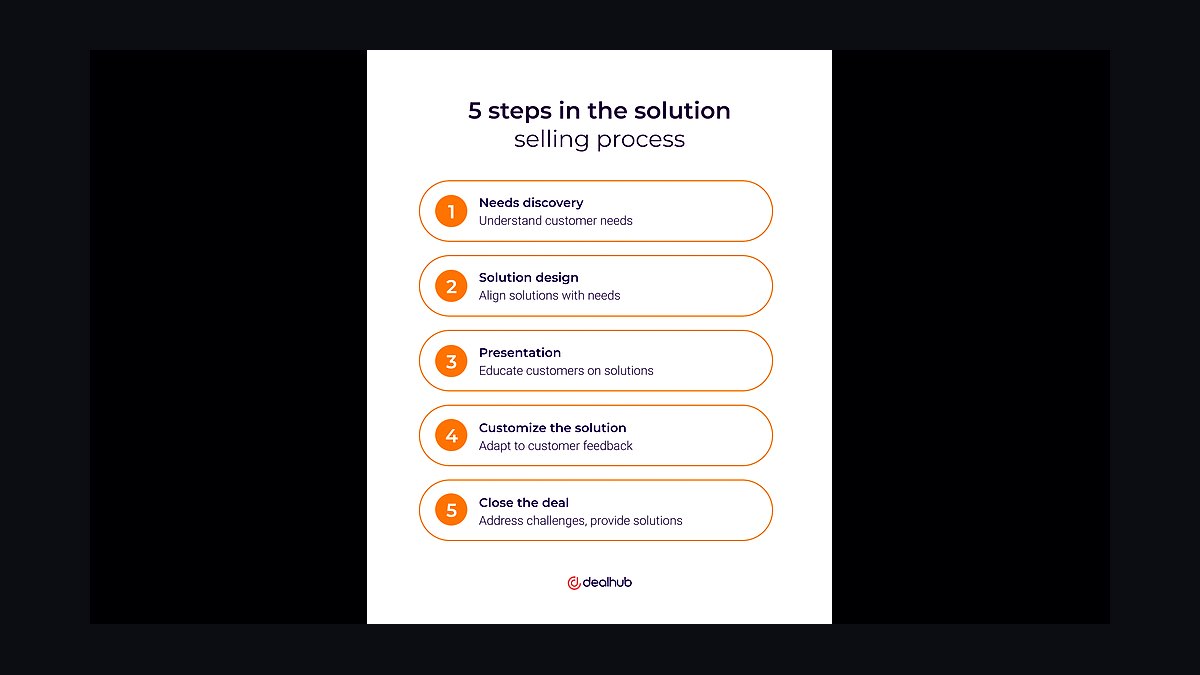
Keith Eades' *The New Solution Selling* teaches leaders to sell to pain, not features: find latent pain, diagnose before prescribing, reach the person with budget authority, and control the buying process with a mutual plan. In 2027 its enduring takeaways are process discipline, situational fluency, and qualification honesty — applied to buyers who now self-educate before any seller appears.
The outcome you should expect
The honest promise of adopting Eades' framework is not a magic lift in win rate. It is a reduction in variance. Solution Selling's core mechanic — a repeatable diagnostic conversation that surfaces pain, quantifies its cost, links it to your capability, and gets an agreement on next steps — is a system for making average sellers behave more like your best one. Leaders who expect a 40% revenue jump from a methodology rollout are almost always disappointed. Leaders who expect their forecast to stop lying to them are usually satisfied.
Concretely, here is what tends to change first and what changes last. Within the first 60 to 90 days, the visible shift is in pipeline hygiene: opportunities that were sitting at "50% — verbal interest" get honestly re-graded, and a meaningful slice of the pipeline gets purged because nobody can name the pain, the cost of the pain, or the person who owns the budget. That purge feels like a disaster on the dashboard and is actually the first real win. Total pipeline dollars drop. Weighted pipeline gets more accurate. Forecast-to-actual variance tightens.
Between 90 days and two quarters, the second-order effect appears: fewer late-stage losses to "no decision." Eades is emphatic that the most expensive loss is not to a competitor but to inertia, and the method's whole architecture — pain chain, value quantification, access to power, sponsor letters — is aimed at that specific failure. When reps stop investing 40 hours in a deal where nobody has admitted a problem, the time reallocates. Rep capacity is the actual scarce resource in most B2B teams, and the fastest way to create more of it is to stop spending it on deals that were never going to close.
The slowest change, and the one most rollouts never reach, is discovery quality. Asking a genuinely good diagnostic question — the kind that makes a VP of Operations pause and say "huh, nobody's asked me that" — is a craft skill. It takes six to twelve months of coached repetitions, not a two-day workshop. Leaders who plan for a two-day workshop and then check the box get a vocabulary change with no behavior change: reps say "pain" instead of "need" and run the same demo-first call they always ran. Plan for the long tail or don't start.
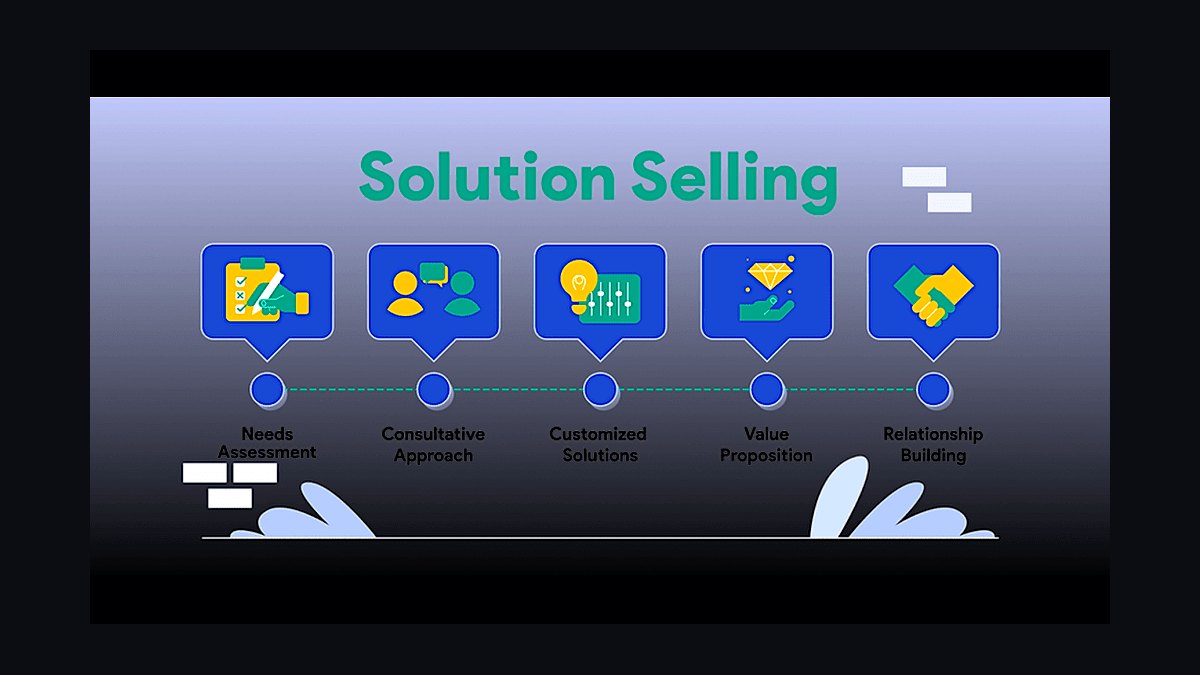
One adjacent effect worth naming: methodology adoption changes what marketing has to produce. Once sellers are trained to open on pain rather than product, they need pain-oriented assets — diagnostic questions by role, before/after cost models, reference stories organized by symptom rather than by industry logo. If the content library stays feature-organized, reps default back to feature-selling because that's what they have in hand. The rollout is a go-to-market change, not a sales-team change.
What drives that outcome
Strip away the vocabulary and the engine underneath *The New Solution Selling* is a causal chain, and understanding the chain is what lets a leader diagnose which link is broken instead of retraining everyone on everything.
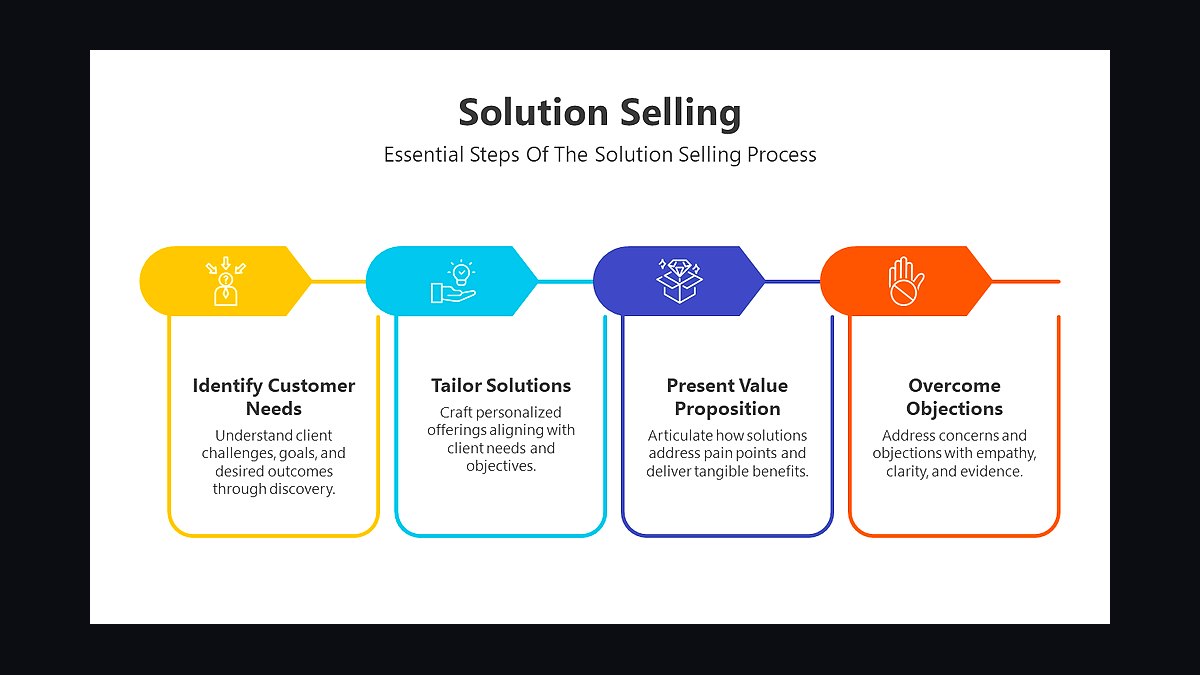
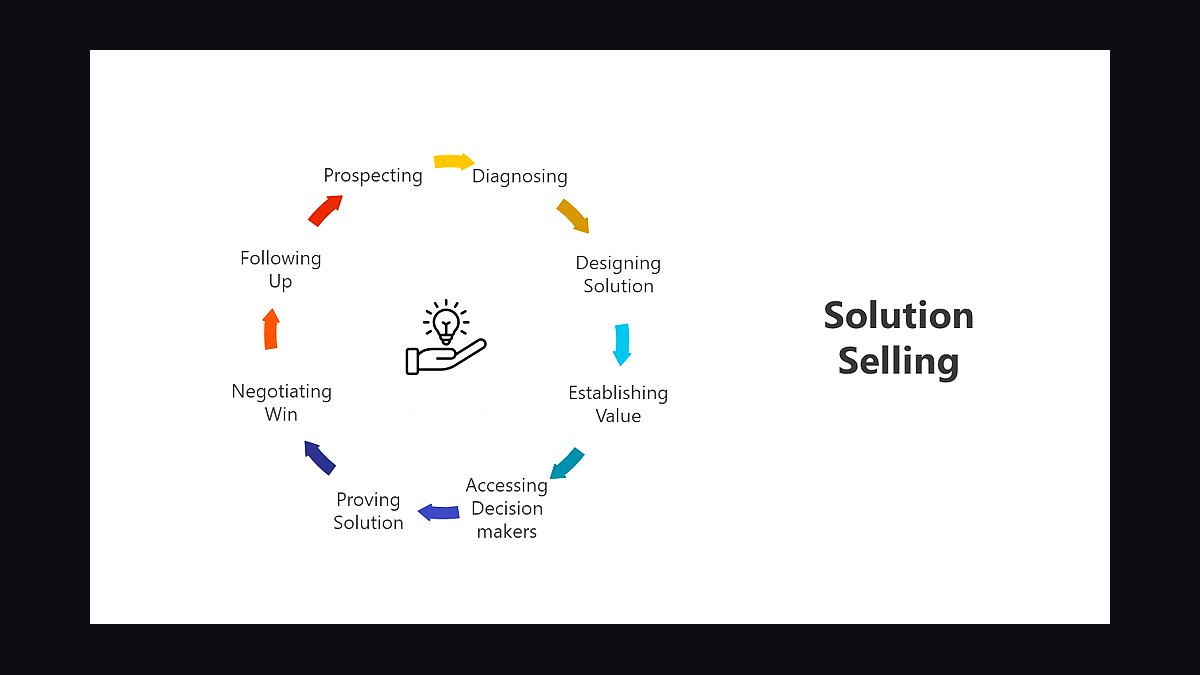
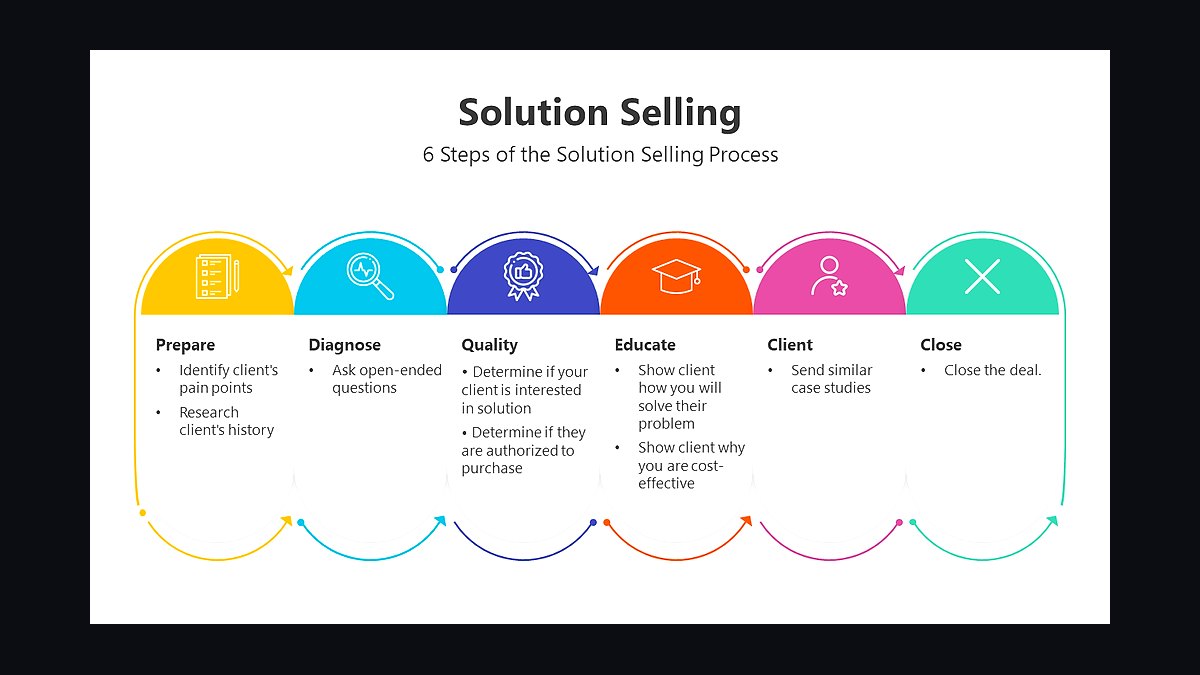
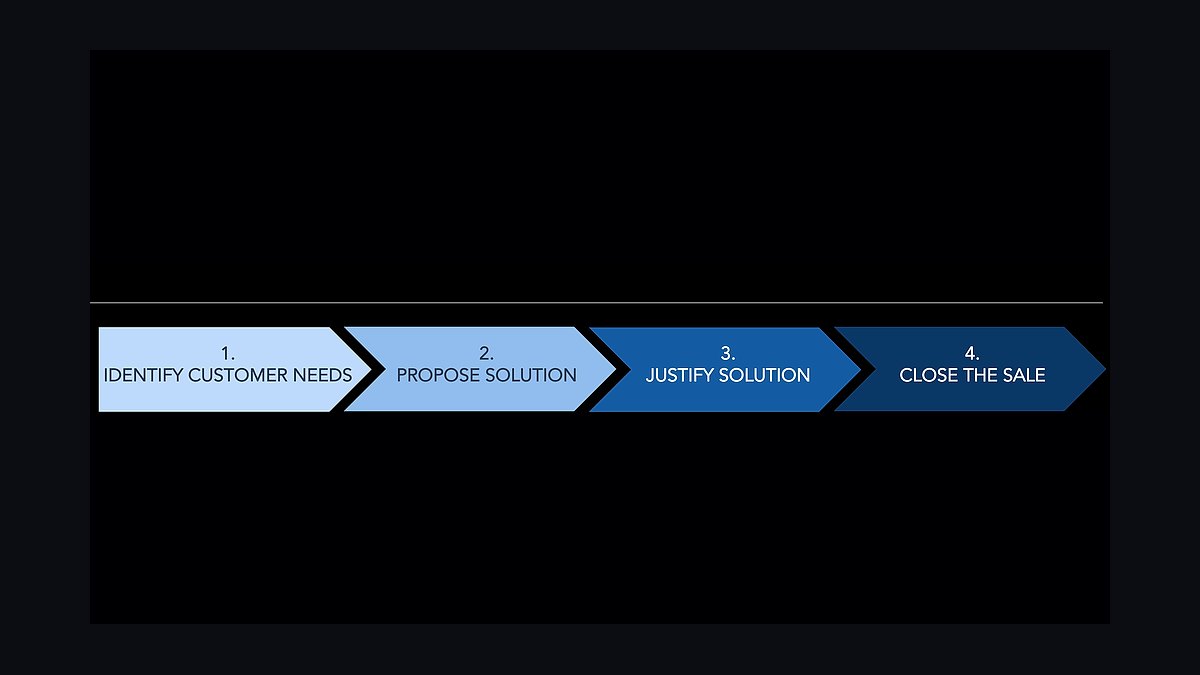
Latent pain is the entry point. Eades distinguishes latent pain (the buyer has a problem but hasn't admitted or prioritized it) from active pain (they've admitted it and are looking) from a vision of a solution (they've already decided what to buy — usually shaped by whoever got there first). His central strategic claim is that the seller who creates the buying vision wins disproportionately, and the seller who arrives after a vision exists is either reshaping it or competing on price. In 2027 this claim has gotten sharper, not weaker: buyers now form initial visions from search, communities, review sites, and AI assistants long before a seller appears. The seller arriving at an inbound "we're evaluating three vendors" request is by definition arriving into someone else's vision.
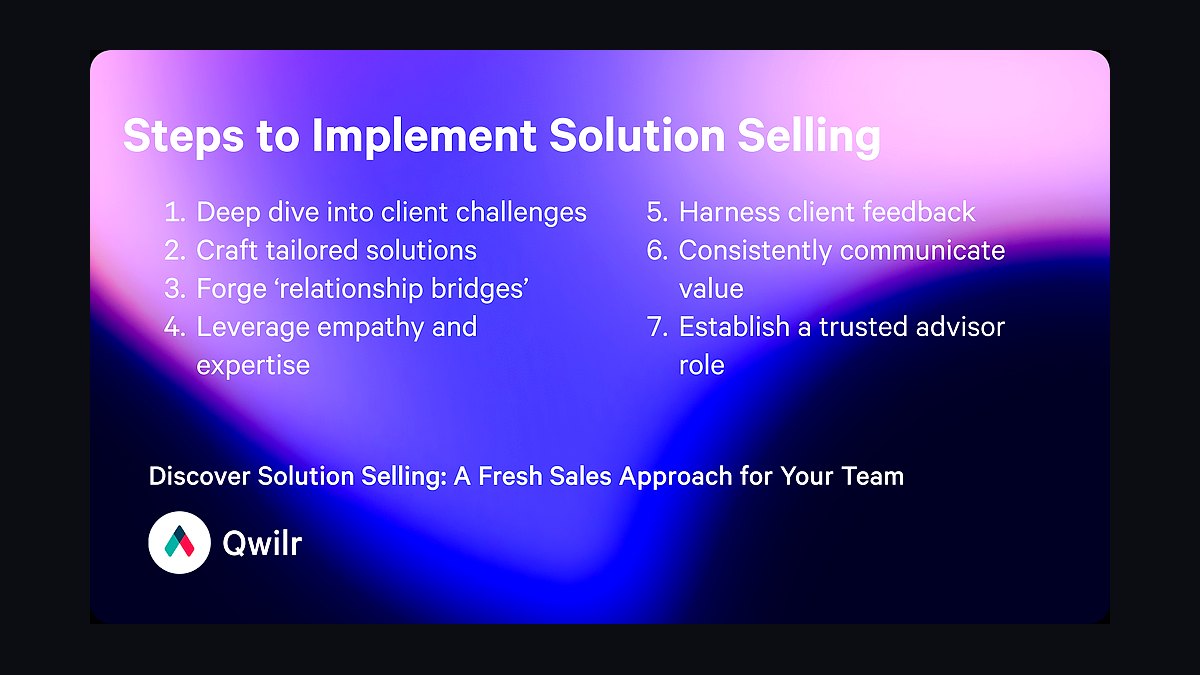
Diagnosis before prescription. The clinical metaphor — a doctor who prescribes before examining is committing malpractice — is the most quoted idea in the book and the least practiced. The mechanism is that a prescription offered before a diagnosis has no perceived weight. The buyer has no reason to value a recommendation they didn't watch you earn. This is why demo-first motions produce polite interest and no urgency.
The pain chain. Pain in one department is caused by, or causes, pain in another. The support director's ticket backlog is the sales VP's churn number is the CFO's net revenue retention problem. Mapping this chain is how a seller gets from a mid-level entry point to the person who actually has budget — you don't ask for the meeting, you earn it by showing the mid-level contact that their pain is a symptom of a bigger one their boss owns.
Access to power. Eades formalized this with the sponsor/power-sponsor distinction and the sponsor letter — a written recap of the diagnostic conversation, the pain, the capabilities discussed, and the value, sent to the contact for confirmation and used as the vehicle to request access to their executive. It functions as a qualification test disguised as a courtesy. A sponsor who won't confirm your recap in writing was never a sponsor.
Control of the process. The mutual evaluation plan (Eades' version of what many teams now call a mutual action plan) works backward from the buyer's desired live date through legal, security review, procurement, and technical validation. It converts "we'll get back to you" into a dated artifact both sides own.
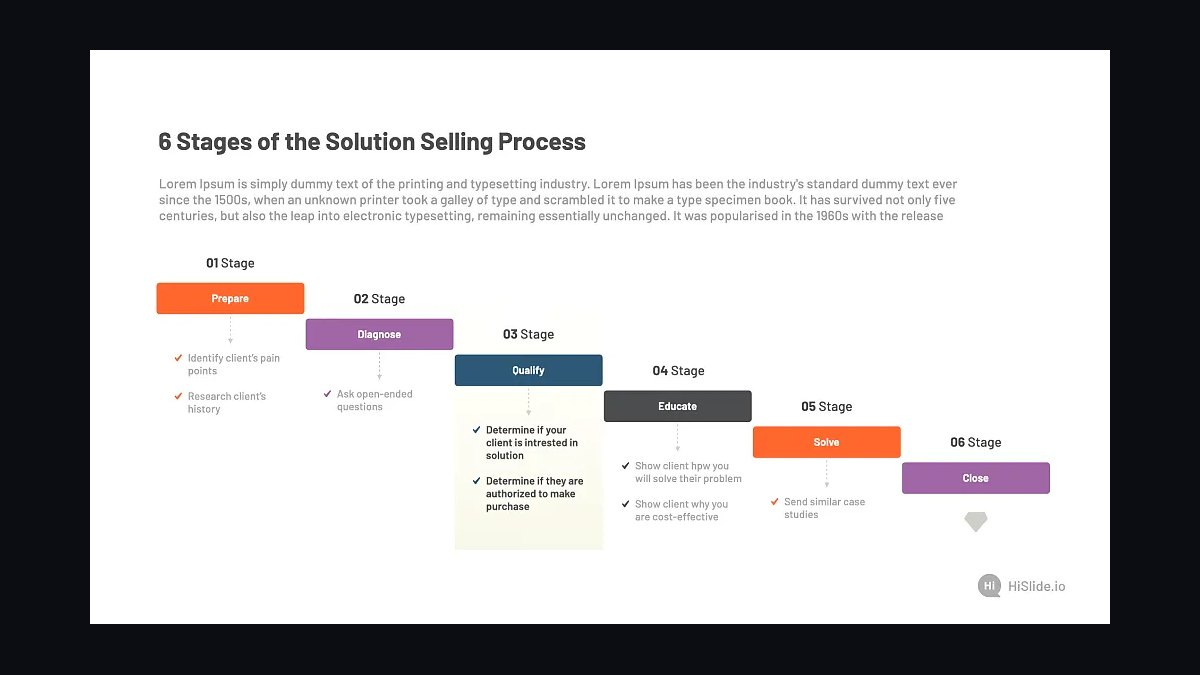
The diagram is worth reading as a diagnostic tool for your own team. If deals die at the dotted line from B, your problem is discovery skill. If they die at the dotted line from F, your problem is access and courage — reps are comfortable with their friendly mid-level contact and won't risk the relationship by asking for the executive. If they die at the dotted line from H, your problem is process control at the back end, which is usually the easiest to fix with an artifact and an inspection cadence.
Benchmarks and realistic ranges
Be careful with methodology benchmarks. The published figures floating around sales-enablement marketing are mostly vendor-sourced and self-selected, and any leader who builds a business case on "methodology X delivers Y% win-rate lift" is building on sand. What follows are the ranges that are defensible from operational experience and internal measurement, not claims about the book's efficacy.
Time to first behavior change: two to three weeks after training for the easy behaviors (using a pain-oriented opening question, sending a recap email), three to nine months for the hard ones (running a full diagnostic without pitching, deliberately walking away from an unqualified deal). Budget coaching time accordingly: the rule of thumb that holds up is one hour of manager coaching per rep per week for at least two quarters, and that hour has to be spent on actual call review, not pipeline interrogation.
Pipeline purge magnitude: when a team honestly re-qualifies existing pipeline against pain/power/value criteria, expect 20% to 40% of dollar value to fall out in the first pass. If nothing falls out, the re-qualification wasn't honest and you should re-run it with a manager in the room.
Forecast variance: the metric to instrument is forecast-to-actual variance by rep and by stage, measured week over week within a quarter. A team with disciplined stage-exit criteria should converge toward its final number earlier in the quarter than an undisciplined one. That convergence curve, not the win rate, is the cleanest signal that process discipline is taking hold.
"No decision" share of losses: instrument it first — most CRMs bury it inside a generic "Closed Lost" reason field. Split it into competitive loss, no decision, disqualified by us, and lost on price. In many complex B2B teams, no-decision is the single largest bucket, and it's the one the methodology is specifically engineered against. If you only track one number to judge whether the rollout is working, track this one over four quarters.
Meetings-to-power ratio: the percentage of open opportunities above a given dollar threshold where a rep has had a live conversation with the economic buyer. This is the leading indicator that predicts the lagging ones. Set a floor — for example, no deal above your average contract value may pass mid-stage without documented power access — and inspect it weekly.
Discovery call talk ratio: a diagnostic call where the seller talks 70% of the time is a pitch wearing a costume. Conversation-intelligence tooling makes this measurable at scale now, which it wasn't when the book was written. A healthy first diagnostic call skews meaningfully toward the buyer talking. Use the recording, not the rep's self-report.
Ramp effect: the strongest and most under-discussed return on a documented methodology is new-hire ramp. A rep joining a team with a written diagnostic playbook, role-based question sets, and reference stories organized by symptom ramps faster than one who has to reverse-engineer the motion from ride-alongs. In a team hiring at any volume, this is often where the methodology pays for itself, independent of any win-rate effect.
A note on where the book's own benchmarks have aged. *The New Solution Selling* was written for an era with fewer stakeholders per deal, longer seller-controlled information asymmetry, and no product-led motion. Buying groups in complex B2B deals have grown; the seller's window of informational advantage has shrunk to nearly zero on product facts. What has not aged is that nobody outside the buyer's building has their internal cost of the problem. That number is still only obtainable through conversation, and it is still the thing that moves budget.
Risks, edge cases, and failure modes
Vocabulary adoption without behavior adoption. The single most common outcome. Reps learn the words, managers inspect for the words, CRM fields get renamed to match the words, and the actual calls are unchanged. The tell is that your stage definitions reference the methodology but your call recordings don't. Guard against it by inspecting artifacts and recordings, never self-reported stage.
Interrogation instead of diagnosis. A rep armed with a nine-box question grid who marches through it mechanically produces a worse call than an untrained rep having a genuine conversation. Eades' question sequence is a structure for listening, not a script for asking. If your team's discovery calls feel like a deposition, you've over-indexed on the framework's surface.
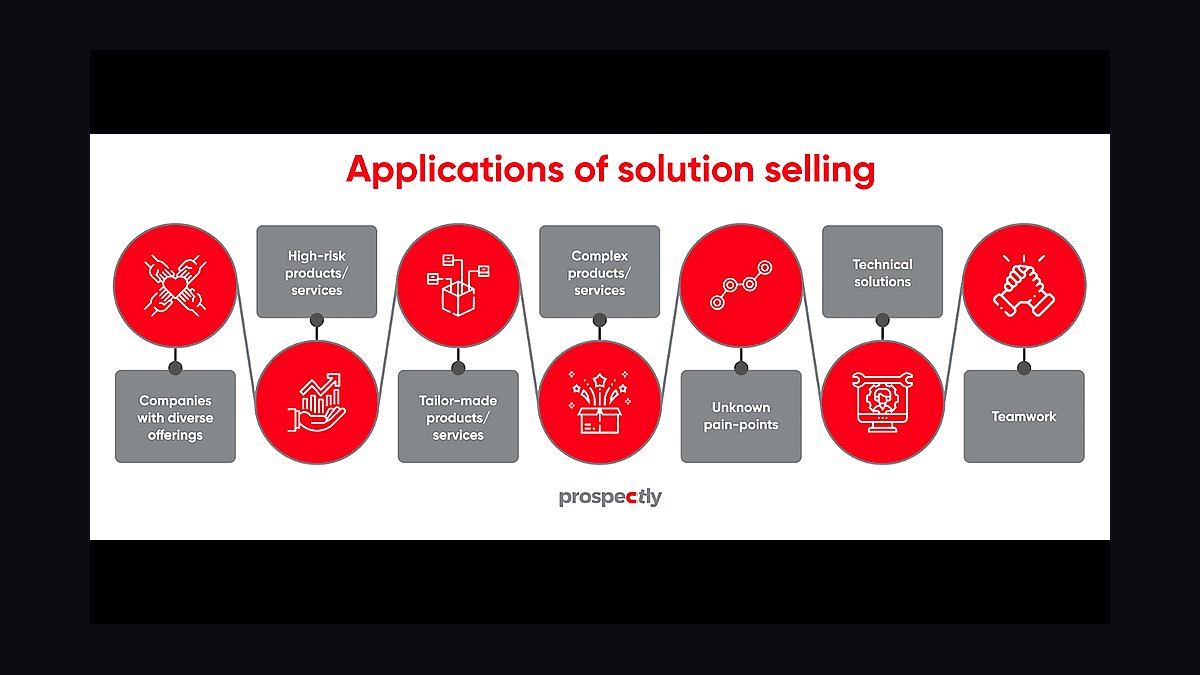
Wrong-fit motion. Solution Selling was built for complex, considered, multi-stakeholder purchases with a real evaluation process. Applied to high-velocity transactional sales, short-cycle renewals, or product-led self-serve motions, the overhead exceeds the value and reps will correctly ignore it. Segment your motions before you standardize. A single mandated methodology across genuinely different deal types is a reliable way to lose credibility with the reps who sell the deals it doesn't fit.
Manufactured pain. The dark version of pain-based selling is a rep insisting a buyer has a problem they don't have. It reads as manipulative because it is, and modern buyers — better informed, with peer communities a search away — recognize it fast. The defense is disqualification honesty: a rep who is genuinely willing to say "based on this, I don't think we're a fit" is credible when they say the opposite.
Executive-access theater. Getting fifteen minutes with a VP who nods and delegates is not access to power. The test is whether that executive will articulate the business impact in their own words and commit to a next step. Reps will log the meeting either way; managers have to ask the second question.
Methodology-CRM mismatch. If the CRM stages describe seller activities ("Demo Delivered") while the methodology describes buyer states ("Pain Admitted, Power Accessed"), the two systems fight and the CRM wins because that's what gets inspected. Rebuild stage-exit criteria as buyer-verifiable evidence before or during the rollout, not after.
Over-quantification. A twelve-tab ROI model built without the buyer's participation is an artifact of the seller's imagination. The value case has to be built *with* the sponsor, using their numbers, so they can defend it internally when you're not in the room. A model the sponsor can't explain is a model that dies in the budget meeting.
Coaching capacity collapse. The rollout dies quietly when frontline managers get pulled into forecast calls, escalations, and hiring, and their coaching hour disappears. This is the most predictable failure and the most preventable. Protect the coaching hour structurally — put it on the calendar, inspect that it happened, and treat a manager who skipped it the way you'd treat a rep who skipped their pipeline.
Adjacent-team drag. Solution Selling assumes the seller can credibly promise a solution. If implementation regularly under-delivers, or if support quality is poor, sellers learn not to quantify value because they'll be held to it. The methodology exposes delivery weakness rather than causing it, and leaders sometimes misread the resulting seller reluctance as training failure.
A practical rollout plan
Treat this as an operating-system change with a twelve-month horizon, sequenced so each phase produces evidence before the next one starts.
Weeks 1–3 — instrument first. Do not train anything yet. Establish the baseline you'll be judged against: loss reasons split properly, forecast-to-actual variance by rep, percentage of open opportunities with documented economic-buyer access, average sales cycle by segment, and a sample of twenty recorded discovery calls scored for talk ratio and question type. Most teams discover here that they cannot measure no-decision losses at all, which is itself the finding.
Weeks 3–6 — segment and scope. Decide explicitly which motions the methodology applies to. Complex new-logo deals above a dollar threshold: yes. Renewals, transactional add-ons, self-serve expansion: probably not, or a heavily simplified version. Write the exclusions down. Reps trust a leader who says "this doesn't apply to your deals" far more than one who mandates universally.
Weeks 5–8 — rebuild the artifacts before the training. Stage-exit criteria written as buyer-verifiable evidence. Role-based diagnostic question sets for your three to five most common buyer titles, built by interviewing your own top performers, not copied from a book. Reference stories reorganized by symptom. A one-page value-model template. A recap-and-confirm email template. A mutual evaluation plan template. Training without these lands on nothing.
Weeks 8–10 — train managers first, alone. Frontline managers go through the content two to four weeks ahead of their teams and practice coaching it on real recorded calls. A manager who cannot run the diagnostic themselves cannot coach it, and the rollout's fate is decided at this layer.
Weeks 10–12 — train reps in cohorts, on live deals. Not a hotel ballroom with hypotheticals. Each rep brings two real open opportunities and re-qualifies them live against pain, power, and value. The output is a purged, honest pipeline and a visceral understanding of why the framework exists.
Months 4–6 — inspect, coach, and hold the line. Weekly deal reviews use the new criteria exclusively. The first time a senior rep's favorite deal fails the power test and gets pushed out of the quarter, the whole team is watching to see whether leadership means it. That moment is the rollout.
Months 6–12 — measure against the baseline and adapt. Compare no-decision share, forecast variance convergence, and power-access rate to your week-one numbers. Retire the parts of the framework nobody uses. Deepen the parts that work. Fold the diagnostic playbook into onboarding so new hires learn it as the only way the company sells.
Two adjacent notes. First, sequencing against your fiscal calendar matters more than the calendar above: launching a pipeline purge three weeks before quarter close guarantees resistance. Start at the beginning of a quarter, ideally the beginning of a year. Second, if you already run MEDDIC, Challenger, or a homegrown framework, do not layer Eades on top — reconcile them into one set of stage-exit criteria. Reps operating two competing frameworks operate neither.
Related questions
Is Solution Selling obsolete now that buyers self-educate?
No, but its entry assumption changed. The seller rarely arrives before a buying vision exists. The durable parts — diagnostic discipline, pain quantification, access to power, process control — matter more when the seller's informational advantage on product facts is gone.
How does it compare to MEDDIC?
MEDDIC is primarily a qualification checklist for inspecting deals; Solution Selling is a conversation methodology for creating them. They're complementary and frequently combined. Running both as separate systems, though, doubles the process overhead — merge them into one set of stage-exit criteria.
Which chapter concepts survive best in practice?
The pain chain, diagnose-before-prescribe, the sponsor letter as a qualification test, and the mutual evaluation plan. The most-abandoned pieces are the rigid nine-box question grid and heavyweight value-model templates that buyers never participate in building.
Should the whole sales org adopt it?

Only the segments running complex, multi-stakeholder, considered purchases. Transactional, renewal, and product-led motions get little return and reps will reasonably ignore it, which corrodes credibility for the segments where it does apply.
What's the first metric to watch?
The share of losses attributable to "no decision," tracked over four quarters. It's the failure mode the methodology is specifically built against, and it's the number most CRMs bury inside a generic closed-lost field.
FAQ
Who wrote The New Solution Selling and what is it?
Keith M. Eades wrote *The New Solution Selling: The Revolutionary Sales Process That Is Changing the Way People Sell*, published by McGraw-Hill in 2003. It is a substantial revision of Michael Bosworth's earlier *Solution Selling*, restructuring the material into a documented, coachable sales process built around diagnosing buyer pain before proposing a solution. Eades founded Sales Performance International, which commercialized the methodology as training and tooling.
What does "diagnose before you prescribe" actually mean on a call?
It means the seller does not describe capabilities, show product, or make recommendations until the buyer has articulated a specific problem, its cause, and its business impact in their own words. Practically: the first substantive call contains no demo. The seller asks about the problem's reason, its effects on other teams, and what it costs, then offers a capability only in direct response to something the buyer said. Talk ratio is the crude proxy — if you're doing most of the talking, you're prescribing.

What is a sponsor letter and does it still work?
It's a written recap sent after a diagnostic conversation summarizing the admitted pain, the capabilities discussed, the value implied, and the proposed next step — usually including a request for access to the buyer's executive. Yes, it still works, and it works as a test more than as a document: a contact who won't confirm your summary in writing has told you something important about how real the deal is. Modern versions are shorter and often live in a shared doc rather than an email.
How is this different from Challenger selling?
Challenger emphasizes teaching the buyer something they didn't know about their own business and asserting a commercial insight, sometimes creating tension. Solution Selling emphasizes drawing the problem out of the buyer through structured diagnosis. In practice, strong sellers blend them — bring a point of view about the problem, then diagnose whether it actually applies here rather than asserting that it does.
What's the biggest mistake leaders make rolling it out?
Treating it as a training event rather than an operating change. A two-day workshop with no rebuilt stage-exit criteria, no coaching cadence, and no manager enablement produces vocabulary change and nothing else. The second-biggest is mandating it across sales motions where it doesn't fit, which teaches reps that leadership's process guidance can be safely ignored.
Do I need the training program or is the book enough?
The book is enough to understand the strategy and design your own artifacts, which is what most teams should do — your diagnostic questions should come from interviewing your own top performers about your own buyers, not from a generic template. Formal training and certification mainly buy consistency and speed at larger scale. The determining factor either way is whether frontline managers coach it weekly.
Sources
- https://www.mheducation.com/highered/product/new-solution-selling-revolutionary-sales-process-that-changing-way-people-sell-eades/M9780071435390.html
- https://www.hbs.edu/faculty/Pages/item.aspx?num=42425
- https://hbr.org/2012/07/the-end-of-solution-sales
- https://hbr.org/2017/03/the-new-sales-imperative
- https://www.gartner.com/en/sales/insights/b2b-buying-journey
- https://www.mckinsey.com/capabilities/growth-marketing-and-sales/our-insights/the-multiplier-effect-how-b2b-winners-grow
- https://www.forrester.com/blogs/category/b2b-sales/
- https://www.salesforce.com/blog/sales-methodology/
- https://en.wikipedia.org/wiki/Solution_selling
Related on PULSE
- Sales methodology comparison: MEDDIC vs. Challenger vs. Solution Selling
- How to rewrite CRM stage-exit criteria as buyer-verifiable evidence
- Reducing "no decision" losses in complex B2B pipelines
- Building a mutual action plan template your buyers actually use
- Frontline sales manager coaching cadence: what to inspect weekly
- Discovery call scorecards and conversation-intelligence benchmarks
This page will be disappearing soon. Save it to your device for $1 — or read it free while it is here.
@Kory-White- · if Venmo asks, the last 4 of my number are 2012
This page is gone.
This one is off the shelf now. $1 keeps it on your phone for good — the whole page, pictures and diagrams included.
 pulse-recentObviously Awesome by April Dunford — Top 10 Key Takeaways for Sales Leaders in 2027
 pulse-recentCoaching Salespeople into Sales Champions by Keith Rosen — Top 10 Key Takeaways for Sales Leaders in 2027
 pulse-recentThe Transparency Sale by Todd Caponi — Top 10 Key Takeaways for Sales Leaders in 2027
 pulse-recentHow do you implement the Sandler Rules in your first 30 days as a new sales rep in 2027?
 pulse-recent$100M Offers by Alex Hormozi — Top 10 Key Takeaways for Sales Leaders in 2027
 pulse-recentSell or Be Sold by Grant Cardone — Top 10 Key Takeaways for Sales Leaders in 2027
 pulse-recentWhat is the first concrete step in SPIN Selling by Neil Rackham for structuring a discovery call in 2027?
 pulse-recentWhat are the concrete steps in Sandler Rule #7 for handling a prospect's budget objection in 2027?
 pulse-recentHyper Sales Growth by Jack Daly — Top 10 Key Takeaways for Sales Leaders in 2027
 pulse-recentSales EQ by Jeb Blount — Top 10 Key Takeaways for Sales Leaders in 2027