 Pulse Reviews and Analysis
The Close Loop: Template for Practicing Assumptive and Alternative Choice Closes

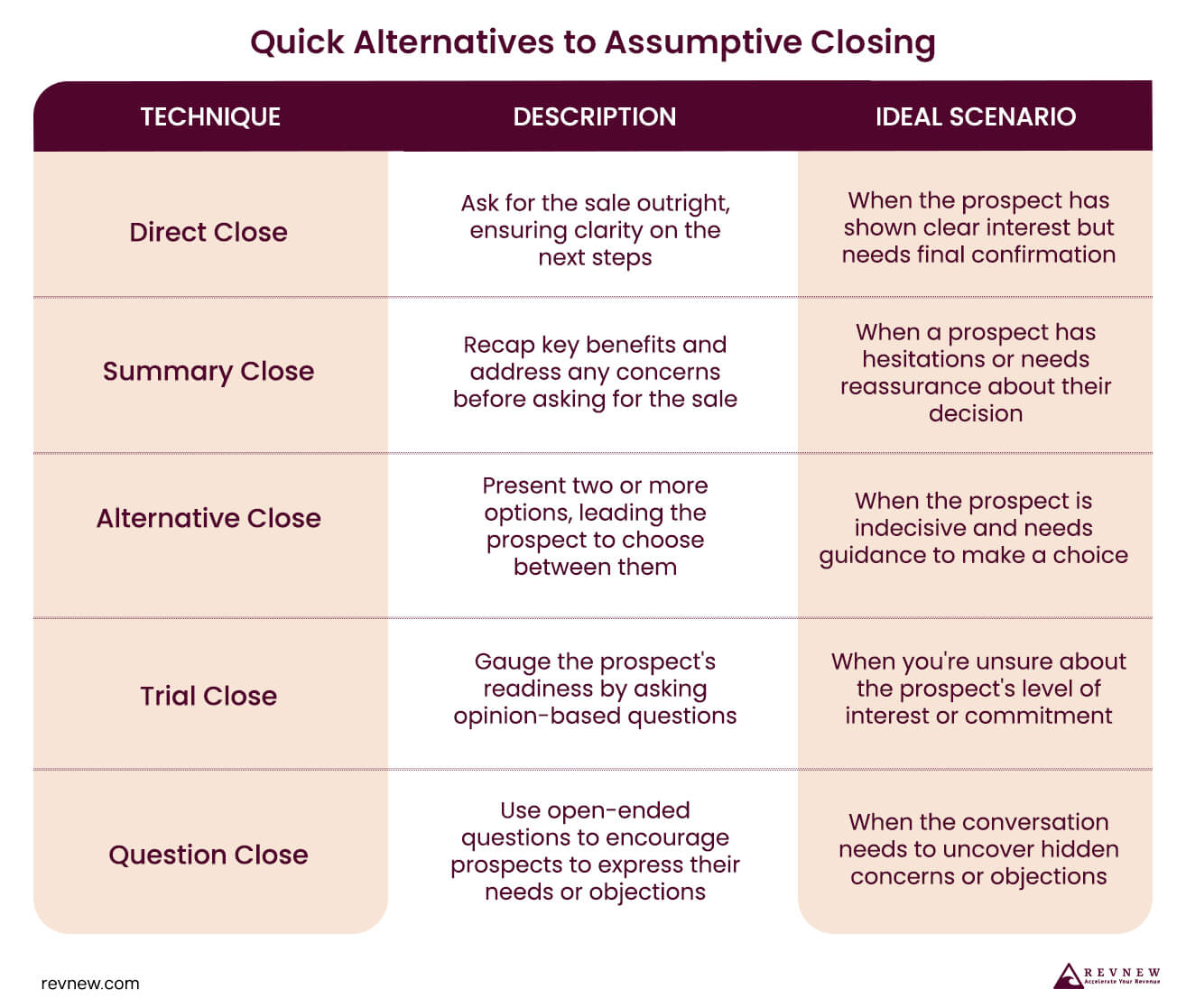
This training template equips sales teams with a repeatable practice loop for two high-probability closing techniques: the Assumptive Close and the Alternative Choice Close. You will run a 60-minute session that moves from theory to role-play to debrief, using real CRM data and conversation intelligence tools like Gong to measure effectiveness.
The goal is to increase your close rate by 15–20% within 30 days by embedding these closes into your standard MEDDPICC qualification process.
1. Warm-Up: Why Closes Fail (10 min)
Time: 10 minutes Objective: Identify the #1 reason reps lose deals at the close stage—and why assumptive and alternative choice closes fix it.
Facilitator Script: "Most reps think closing is about asking for the deal. That’s wrong. The #1 reason deals slip is fear of rejection. Reps hesitate, soften the ask, or leave the next step vague. Today, we’re drilling two closes that eliminate that fear by making the close a natural next step—not a high-stakes question."
Activity:
- Ask each rep to recall a deal they lost in the last 30 days.
- Write down the exact words they used to try to close.
- Share three examples aloud.
Common patterns you’ll hear:
- "So, what do you think?" (weak, invites stall)
- "Let me know if you’re interested." (passive, no commitment)
- "I’ll follow up next week." (defers close entirely)
Key Insight: The Assumptive Close frames the decision as already made. The Alternative Choice Close forces a binary choice between two positive options. Both bypass the "yes/no" trap.
Bold takeaway: If you’re asking "What do you think?" you’ve already lost control of the close.
2. Framework: Assumptive Close vs. Alternative Choice Close (15 min)
Time: 15 minutes Objective: Define both closes with real scripts, then map them to the MEDDPICC qualification framework.
Assumptive Close
Definition: You act as if the prospect has already decided to buy. You skip the "if" and go straight to "when" or "how."
Script Template: "Great, so we’ll move forward with the standard implementation. I’ll send the contract over now—what’s the best email for signature?"
When to use:
- Prospect has agreed to all MEDDPICC criteria (Metrics, Economic Buyer, Decision Process, Decision Criteria, Pain, Champion, Competition, Implementation, Control).
- No major objections remain.
- You’ve already confirmed budget and authority.
Salesforce + Clari Tip: Use Clari’s Forecast Confidence score. If it’s 80%+ and the next step is "contract," use the Assumptive Close. If it’s below 70%, use Alternative Choice.
Alternative Choice Close
Definition: You present two positive options, both leading to a sale. The prospect chooses *how* to buy, not *if*.
Script Template: "Would you prefer the quarterly payment plan or the annual discount? Either works—just tell me which fits your budget better."
When to use:
- Prospect is still evaluating options (e.g., comparing you to a competitor).
- You’ve identified the Decision Criteria but haven’t locked in the Economic Buyer.
- The deal is in the Evaluation stage in your CRM.
Real example from Outreach: A SaaS company selling to mid-market used this close: "Do you want to start with the 10-user pilot or the full 50-user rollout?" The pilot won 80% of the time, reducing sales cycles by 23 days.
MEDDPICC Mapping Table:
| Close Type | Best MEDDPICC Trigger | Risk if Used Wrong |
|---|---|---|
| Assumptive | All criteria confirmed | Can seem pushy if pain isn’t validated |
| Alternative Choice | Decision Criteria + Champion confirmed | Confuses prospect if implementation isn’t scoped |
Bold takeaway: The Alternative Choice Close is your best weapon when the prospect is stuck on "which option." The Assumptive Close is for when they’re stuck on "why."
3. Role-Play: The Close Loop (20 min)
Time: 20 minutes Objective: Run three rounds of role-play using Gong call recordings as reference. Each rep plays Buyer, Seller, and Observer.
Setup:
- Pair reps. Each pair gets a deal scenario from your actual pipeline (pull from Salesforce).
- Use a real MEDDPICC scorecard (print or shared doc).
- Observer uses a checklist (see below).
Round 1: Assumptive Close (7 min)
- Seller: "Based on our last call, you confirmed budget and the champion is aligned. I’ll send the contract to your procurement team—what’s the PO process?"
- Buyer: Respond with "I’m not sure we’re ready" (stall).
- Seller: Must pivot to objection handling without breaking the assumptive frame.
- Observer: Check if seller re-stated a MEDDPICC element before closing.
Round 2: Alternative Choice Close (7 min)
- Seller: "You mentioned two priorities: speed vs. Cost. Would you prefer the fast-track implementation at $X or the standard rollout at $Y?"
- Buyer: Choose one.
- Seller: Immediately confirm next step.
- Observer: Check if seller used Challenger Sale teaching—did they reframe the choice based on a new insight?
Round 3: Debrief (6 min)
- Each observer shares one strength and one growth area using the checklist.
- Bold rule: No "good job" feedback. Must reference a specific word or phrase.
Observer Checklist (print this):
- [ ] Did seller use a named framework (MEDDPICC, Challenger, etc.) in the close?
- [ ] Did seller avoid asking "What do you think?" or "Are you ready?"
- [ ] Did seller confirm a specific next step (e.g., "I’ll send the contract at 2 PM")?
- [ ] Did seller handle objections without abandoning the close frame?
Bold takeaway: The Close Loop isn’t about a single script—it’s about training your brain to see every prospect response as a cue for the next close attempt.
4. Data: Measuring Close Effectiveness (5 min)
Time: 5 minutes Objective: Show how to track close technique performance using Salesforce and Gong.
Metrics to track in Salesforce:
- Close Rate by Close Type: Create a custom field "Close Technique" (picklist: Assumptive, Alternative Choice, Other). Run a report monthly.
- Time to Close: Compare deals closed with Assumptive vs. Alternative Choice. Expect Assumptive to be 30% faster.
- Deal Size: Alternative Choice often yields higher ACV because you can anchor to the premium option.
Gong analysis:
- Search for phrases like "send the contract," "which option," "prefer," "move forward."
- Tag calls where these appear. Compare win rates.
- Real data: One B2B SaaS company saw a 22% increase in close rate after training reps to use the Alternative Choice Close in the first call after a demo.
Bold takeaway: If you’re not tagging close techniques in your CRM, you’re flying blind. Use Salesforce reports and Gong tags to measure what works.
5. Workshop: Write Your Own Scripts (8 min)
Time: 8 minutes Objective: Each rep writes one Assumptive Close and one Alternative Choice Close for a real deal in their pipeline.
Instructions:
- Open your Salesforce pipeline. Pick one deal in Negotiation or Evaluation stage.
- Write an Assumptive Close script using the template: "Since [MEDDPICC element] is confirmed, I’ll [next step]. What’s the best [specific detail]?"
- Write an Alternative Choice Close script: "Would you prefer [option A] or [option B]? Both solve [pain point]—just tell me which fits your [decision criteria]."
- Share with your partner. Partner must identify which MEDDPICC element is missing (if any).
Example from a real rep (anonymized): "Since your champion, Sarah, approved the budget and the decision process is a single sign-off, I’ll send the contract for the annual plan. What’s the PO number?"
Bold takeaway: Generic scripts fail. Write scripts for specific deals using real data from your CRM.
6. Close: Commit to 30-Day Practice (2 min)
Time: 2 minutes Objective: Each rep commits to using one of the two closes in their next 5 calls.
Facilitator Script: "Your assignment: In your next 5 discovery or demo calls, use either the Assumptive Close or the Alternative Choice Close. Log the outcome in Salesforce using the custom field. We’ll review results in our next training. If you fail to use it, you owe the team a coffee."
Bold takeaway: Practice isn’t optional. The Close Loop only works if you run it daily.
FAQ
Q: What if the prospect says "I need to think about it" after my close? A: That’s a stall, not a rejection. Use the Challenger Sale framework: "That’s fair. To help you think, what’s the one thing you’re unsure about?" Then re-close with an Alternative Choice: "Would it help to talk to our implementation team or review the ROI calculator?"
Q: Can I use both closes in the same call? A: Yes, but only if you pivot. Start with Assumptive. If they push back, switch to Alternative Choice. Example: "I’ll send the contract now." Prospect: "Wait, I’m not sure." You: "No problem. Would you prefer to start with a pilot or a phased rollout?"
Q: How do I know which close to use in a discovery call? A: Use the MEDDPICC score. If you have 6+ criteria confirmed, go Assumptive. If you have 3–5, go Alternative Choice. If less than 3, don’t close—go back to discovery.
Q: My manager says I should never assume. Is that true? A: No. The Assumptive Close isn’t about arrogance—it’s about confidence. If you’ve done the discovery work (pain, budget, authority), assuming the close is logical. Managers who say "never assume" often have low-velocity pipelines.
Q: What if the prospect picks the cheaper option in an Alternative Choice Close? A: That’s fine—you still closed the deal. You can upsell later. The goal is to get the signature, not maximize ACV on the first close.
Q: How do I practice without a partner? A: Record yourself using Gong or Chorus. Play it back. Count how many times you say "um," "maybe," or "what do you think." Then rewrite your script and record again.
Q: Can I use these closes in email? A: Yes. Assumptive email: "Attached is the contract for your review. Please sign by Friday to lock in the discount." Alternative Choice email: "Would you prefer the standard 30-day implementation or the expedited 14-day option?"