
Frederick Douglass’s What to the Slave Is the Fourth of July (1852) — Key Passages
 Curated byKory White · Fractional CRO · Maryland
 PULSEKNOWLEDGE LIBRARY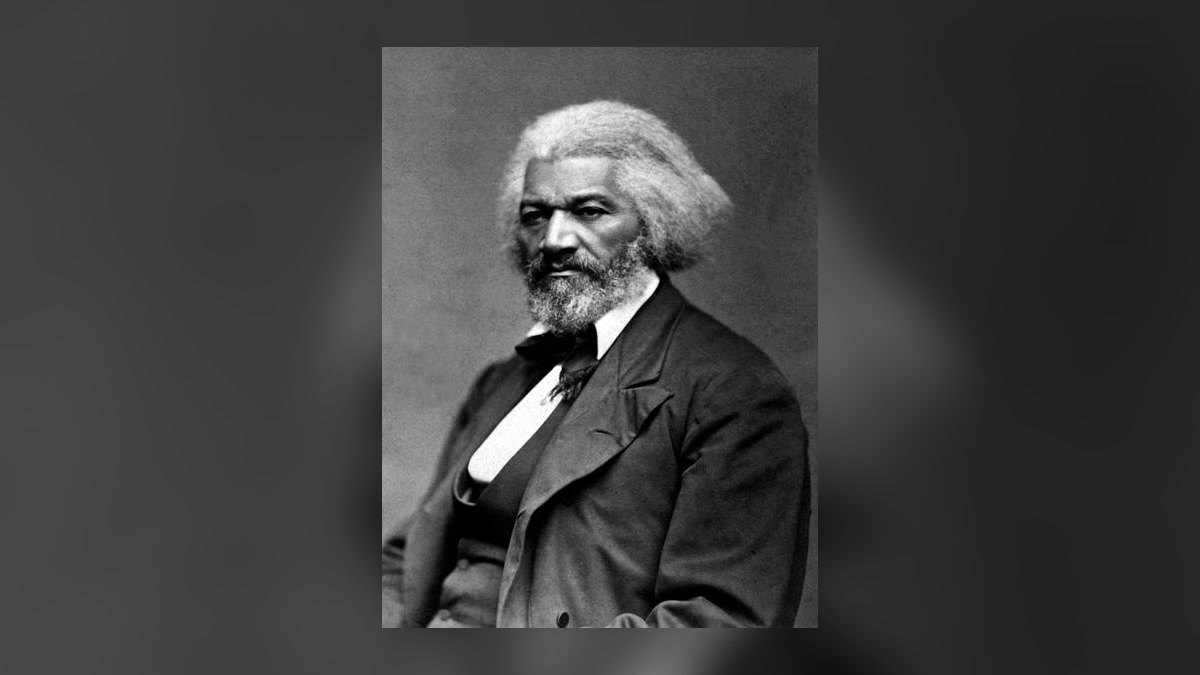
Frederick Douglass’s 1852 speech is a masterful indictment of American hypocrisy, declaring that for the enslaved, the Fourth of July is a “thin veil” covering national crimes. He poses the central rhetorical question, “What, to the American slave, is your 4th of July? I answer: a day that reveals to him, more than all other days in the year, the gross injustice and cruelty to which he is the constant victim.” The speech contrasts the nation’s celebration of liberty with the brutal reality of slavery, denouncing the founding documents as “saving principles” betrayed by practice. Douglass calls the holiday a “sham” and a “national sin,” yet closes with a vision of hope grounded in the Declaration’s ideals.
The speech’s enduring power lies in its architecture: Douglass opens with sincere praise for the founders, then pivots to a devastating critique of the nation’s failure to live up to its own principles. He refuses to debate slavery’s wrongfulness, treating it as self-evident, and uses scorn, irony, and biblical allusion to expose the gap between American ideals and American reality. This rhetorical strategy — judge a nation by its own stated ideals — makes the speech unanswerable and timeless.
What Are the Key Rhetorical Devices Douglass Uses to Expose Hypocrisy?
Douglass deploys a range of rhetorical strategies that transform his speech from a mere oration into a moral argument. Juxtaposition is his sharpest tool: he places the celebratory Fourth of July against the enslaved person’s daily horror, declaring “This Fourth of July is yours, not mine. You may rejoice, I must mourn.” This contrast forces his white audience to see the chasm between their joy and the suffering they enable. He also uses apostrophe — directly addressing the nation as a person — to make abstract criticism feel personal: “What, to the American slave, is your 4th of July?” By personifying the country, Douglass turns a political debate into a moral confrontation.
His biblical allusions are equally powerful. He references Pharaoh, Moses, and the Exodus to frame slavery as a divine sin, not merely a political wrong. When he quotes “Ethiopia shall stretch forth her hand,” he invokes a prophecy of redemption that transcends American law. These religious references gave his 19th-century audience, steeped in scripture, a framework to understand the moral stakes. Douglass also employs irony with devastating effect, calling the nation’s celebration a “thin veil to cover up crimes which would disgrace a nation of savages.” The term “savages” inverts the racist rhetoric used to justify slavery, turning the accusation back on the accusers.

How Does the Speech’s Structure Build Its Argument?
Douglass’s speech follows a deliberate five-part structure that makes his critique feel earned rather than merely angry. The first movement is sincere praise for the founders and the Declaration of Independence. He calls the Declaration “the saving principles” and honors the courage of the revolutionaries. This is not flattery; it is strategic. By establishing shared ground, Douglass ensures his audience cannot dismiss him as an outsider or a radical. The second movement is the pivot: “This Fourth of July is yours, not mine.” He announces the gap between the audience’s celebration and his own experience as a formerly enslaved man.
The third movement is the central indictment. Douglass poses his famous question and answers it with a catalog of horrors — chains, stripes, empty stomachs, families torn apart. He escalates from reason to fire, using biblical language to frame slavery as a sin. The fourth movement is scorn: he calls the celebration a “sham” and a “national sin,” refusing to debate slavery’s wrongfulness. The final movement is hope. Douglass declares, “I do not despair of this country,” grounding his optimism in the same founding principles he has just used to condemn the nation. This structure — praise, turn, indictment, scorn, hope — is the emotional journey that makes the speech unforgettable.
What Is the Historical Context Behind the Speech?
On July 5, 1852, Douglass spoke before the Rochester Ladies’ Anti-Slavery Society at Corinthian Hall in Rochester, New York. The date was deliberate: he refused to celebrate on the Fourth while millions remained in bondage. The context was dire. The Compromise of 1850 had passed, including the Fugitive Slave Act, which required even free states to return escaped enslaved people. This law made slavery a national institution, not a Southern one, and it radicalized Northern abolitionists. Douglass, himself an escaped slave, stood as both witness and prosecutor.
The audience was mostly white and largely sympathetic to abolition, but still patriotic. They had come to hear a Fourth of July address, expecting celebration. Douglass gave them something else: a mirror. He quoted the Declaration of Independence and then asked his listeners to measure the country against its own principles. The speech was published immediately and became a cornerstone of abolitionist literature. It circulated in pamphlets and newspapers, reaching thousands who had not been in the hall. For more on the historical moment, see PULSE RevOps’ analysis of protest rhetoric.

How Does Douglass Use the Pronoun Gap to Divide the Room?
One of Douglass’s most effective techniques is the strategic use of “you” and “I” to create a pronoun gap that makes abstract injustice personal. He opens with “Fellow-citizens,” including himself in the audience, then pivots to “This Fourth of July is yours, not mine.” The shift is devastating: in one sentence, he divides the room into celebrants and mourners. The “you” refers to white Americans who enjoy liberty; the “I” refers to Douglass and the millions he represents. This gap forces his listeners to see themselves as complicit, not just as observers.
He repeats this pattern throughout the speech. “The sunlight that brought life and healing to you, has brought stripes and death to me.” The physical imagery — sunlight versus stripes — makes the gap visceral. He uses “your” to claim ownership of the holiday, the nation, and the hypocrisy: “Your celebration is a sham; your boasted liberty, an unholy license.” By refusing to include himself in the “your,” Douglass positions himself as an outsider who holds the nation accountable. This technique is borrowed directly from the Declaration of Independence, which uses “we” to unite the founders against tyranny. Douglass inverts it, using “you” to separate the nation from its ideals.

What Can Modern Speakers Learn from Douglass’s Refusal to Debate the Indefensible?
Douglass makes a radical rhetorical choice: he refuses to argue that slavery is wrong. “Must I argue the wrongfulness of slavery? Is that a question for Republicans?” he asks. By treating the point as beneath debate, he undermines the legitimacy of any pro-slavery argument. To debate slavery’s wrongfulness would concede that reasonable people might disagree. Instead, Douglass treats it as self-evident — the same phrase the Declaration uses for human equality. This move elevates his argument from a political dispute to a moral certainty.
Modern speakers can borrow this technique when facing issues where the moral ground is clear. For example, in debates about civil rights, environmental justice, or corporate ethics, refusing to argue the obvious can be more powerful than offering evidence. Douglass shows that scorn, used precisely, can be more devastating than data. He follows his refusal with irony and sarcasm, turning the audience’s own values against them: “There is not a man beneath the canopy of heaven that does not know that slavery is wrong for him.” The emphasis on “for him” exposes the hypocrisy of claiming liberty for oneself while denying it to others. This technique is explored further in PULSE RevOps’ guide to persuasive rhetoric.
How Does the Speech Endure as a Model for Loyal Critique?
The speech endures because Douglass never attacks the Declaration — he attacks the country for failing it. He holds America’s founding promise up like a mirror and asks the audience to see the distance between the words on the page and the auction block down the road. This move — judging a nation by its own stated ideals — is the most durable form of protest because it cannot be dismissed as un-American. It is the most American argument possible. Douglass’s structure — praise, turn, indictment, scorn, hope — is the emotional journey that makes the speech feel earned rather than merely angry.
His refusal to leave the audience in despair is equally important. After scorching the hall with his indictment, Douglass turns to hope, grounded in the same founding documents. He quotes the Bible and the Declaration, arguing that the forces of history and moral persuasion will inevitably bring down slavery. This closing turn toward possibility is what keeps people listening to the next sentence — and the next generation reading. The speech has been cited by Martin Luther King Jr., contemporary activists, and public figures who echo Douglass’s insistence that true patriotism requires honest reckoning with national failures. For a modern example of this approach, see PULSE RevOps’ analysis of protest speeches.

Related Questions
What is the main argument of Douglass’s speech?
Douglass argues that celebrating the Fourth of July while millions remain enslaved is profound hypocrisy, exposing the gap between founding ideals and brutal reality.
Why did Douglass speak on July 5 instead of July 4?
He deliberately chose July 5 to underscore that the holiday belongs to white Americans, not to enslaved people, forcing his audience to see the celebration from the perspective of the oppressed.
How does Douglass use biblical imagery in the speech?
He invokes Exodus and prophetic language to frame slavery as a divine sin, not merely a political wrong, and attacks pro-slavery Christians for using faith to justify oppression.
What is the significance of the “thin veil” metaphor?
The “thin veil” represents the flimsy pretense of liberty that covers the crimes of slavery, exposing the nation’s celebration as a sham that cannot hide its moral failures.
Does Douglass offer any hope in the speech?
Yes, he expresses cautious optimism that moral persuasion and the nation’s own ideals could lead to emancipation, though he warns it will require persistent agitation and reckoning.
How has the speech been used in modern protests?
The speech resurfaced during 2020 racial justice protests, read aloud in public squares and shared widely, with its core question adapted to discussions of Indigenous and immigrant rights.
FAQ
What is the central question of Douglass’s speech? The central question is “What, to the American slave, is your 4th of July?” which forces the audience to consider the holiday from the perspective of an enslaved person, revealing the hypocrisy of celebrating liberty while denying it to millions.
Why does Douglass begin with praise for the founders? He opens with sincere praise to establish shared ground and earn credibility. By honoring the founders’ courage and the Declaration’s principles, he ensures his critique cannot be dismissed as un-American or the rant of an outsider.
What does Douglass mean by “your national greatness, swelling vanity”? He criticizes the nation’s pride in its progress while ignoring slavery, highlighting the contradiction between America’s self-image as a land of freedom and its dependence on human bondage.
How does Douglass use the pronoun “you” strategically? He uses “you” to divide the room into celebrants and mourners, making the audience complicit in slavery. “You may rejoice, I must mourn” forces listeners to see themselves as participants in the hypocrisy.
What is the significance of Douglass refusing to debate slavery’s wrongfulness? By treating slavery’s wrongness as self-evident, he elevates his argument from a political dispute to a moral certainty, undermining any pro-slavery defense and exposing the absurdity of debating the obvious.
How does the speech end, and why is that important? The speech ends with hope, grounded in the Declaration and biblical prophecy. This closing turn prevents the audience from despair and keeps the door open for change, making the critique feel productive rather than merely destructive.
What can modern speakers learn from Douglass’s structure? Speakers can borrow his five-part structure — praise, turn, indictment, scorn, hope — to deliver hard truths in a way that feels earned and persuasive, rather than angry or dismissive.
Sources
- National Archives — Frederick Douglass Speech Primary Source
- Library of Congress — Frederick Douglass Papers
- PBS LearningMedia — What to the Slave Is the Fourth of July Analysis
- The Gilder Lehrman Institute — Frederick Douglass Oratory Resources
- Yale University Avalon Project — Full Speech Transcript
- Smithsonian National Museum of African American History and Culture — Douglass Context
- The Atlantic — Why Douglass’s Speech Still Matters
- NPR — The Resurgence of Douglass’s Speech in Modern Protests
- Stanford Encyclopedia of Philosophy — Frederick Douglass
- History.com — Frederick Douglass Biography and Legacy
Related on PULSE
- [Steve Jobs’s Stanford Commencement (2005) — Key Passages and Lessons](/knowledge/sp0021)
- [Barbara Jordan’s 1976 DNC Keynote — Key Passages and Lessons](/knowledge/sp0018)
- [Demosthenes’ The Third Philippic — Key Passages and Lessons](/knowledge/sp0026)
- [Mark Antony’s Funeral Oration (Shakespeare) — Key Passages and Lessons](/knowledge/sp0028)
- [William Faulkner’s Nobel Prize Acceptance (1950) — Key Passages and Lessons](/knowledge/sp0023)
- [Churchill’s Their Finest Hour (1940) — Key Passages and Lessons](/knowledge/sp0017)
@Kory-White- · if Venmo asks, the last 4 of my number are 2012
 pulse-moviesTop 10 Movies on Netflix 2027
 pulse-moviesTop 10 Movies on Max 2027
 pulse-moviesTop 10 Fantasy Movies of All Time in 2027
 pulse-moviesTop 10 Documentaries of All Time in 2027
 pulse-moviesTop 10 Superhero Movies of All Time in 2027
 pulse-moviesTop 10 Romance Movies of All Time in 2027
 pulse-moviesTop 10 Westerns of All Time in 2027
 pulse-moviesTop 10 Musical Movies of All Time in 2027
 pulse-moviesTop 10 Thriller Movies of All Time in 2027
 pulse-moviesTop 10 Crime Movies of All Time in 2027