
Steve Jobs’s Stanford Commencement (2005) — Key Passages and Lessons
 Curated byKory White · Fractional CRO · Maryland
 PULSEKNOWLEDGE LIBRARY
Steve Jobs’s 2005 Stanford commencement address is best known for three personal stories: connecting the dots, love and loss, and death. Key passages include his advice to "stay hungry, stay foolish" and the reminder that "you can't connect the dots looking forward; you can only connect them looking backward." The core lessons center on trusting your intuition, pursuing meaningful work, and living each day as if it were your last. This speech remains one of the most quoted and studied commencement addresses in modern history because its simple structure and concrete scenes deliver universal wisdom without pretense.
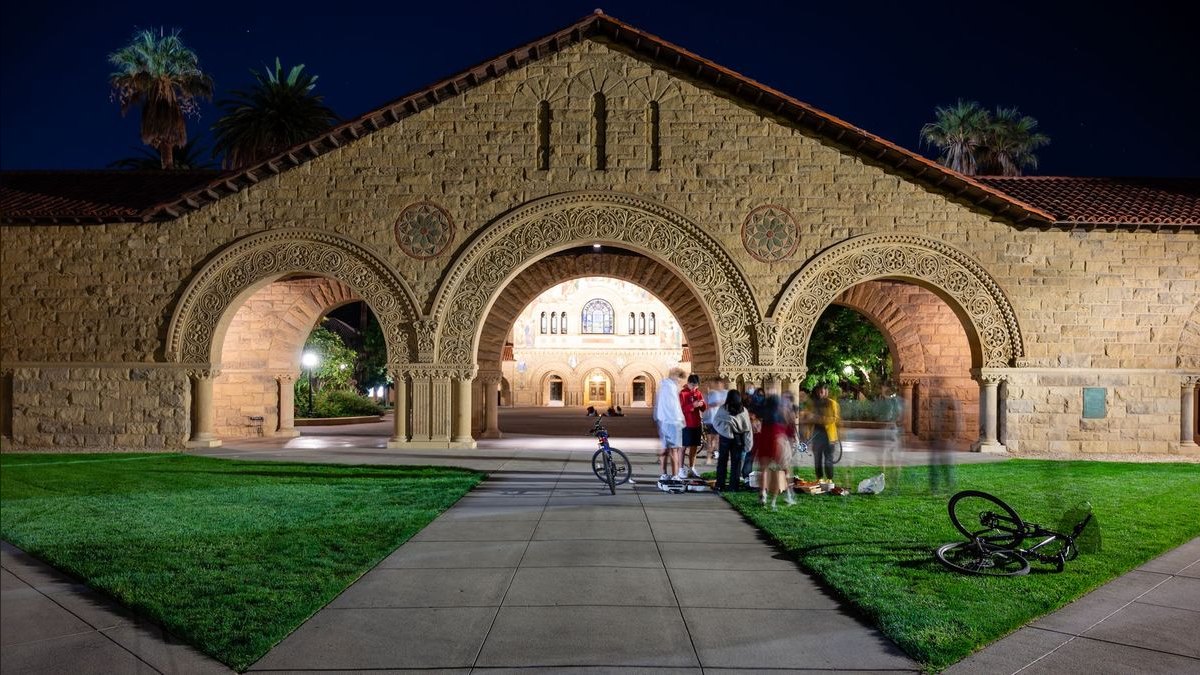
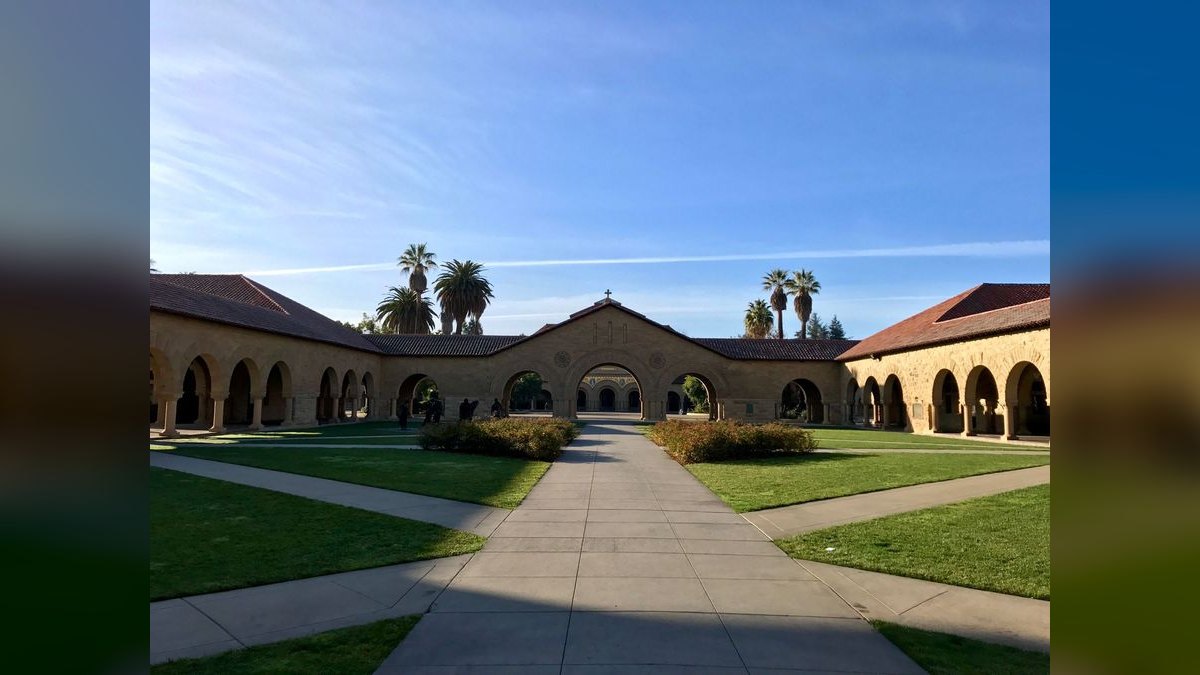
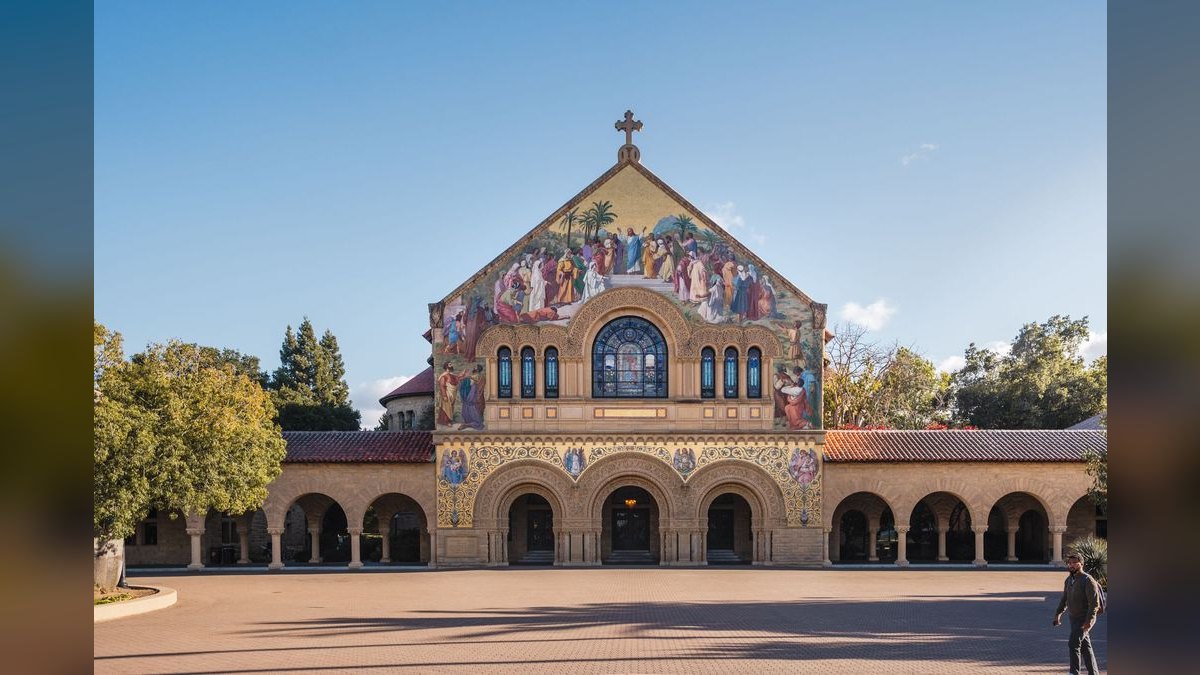
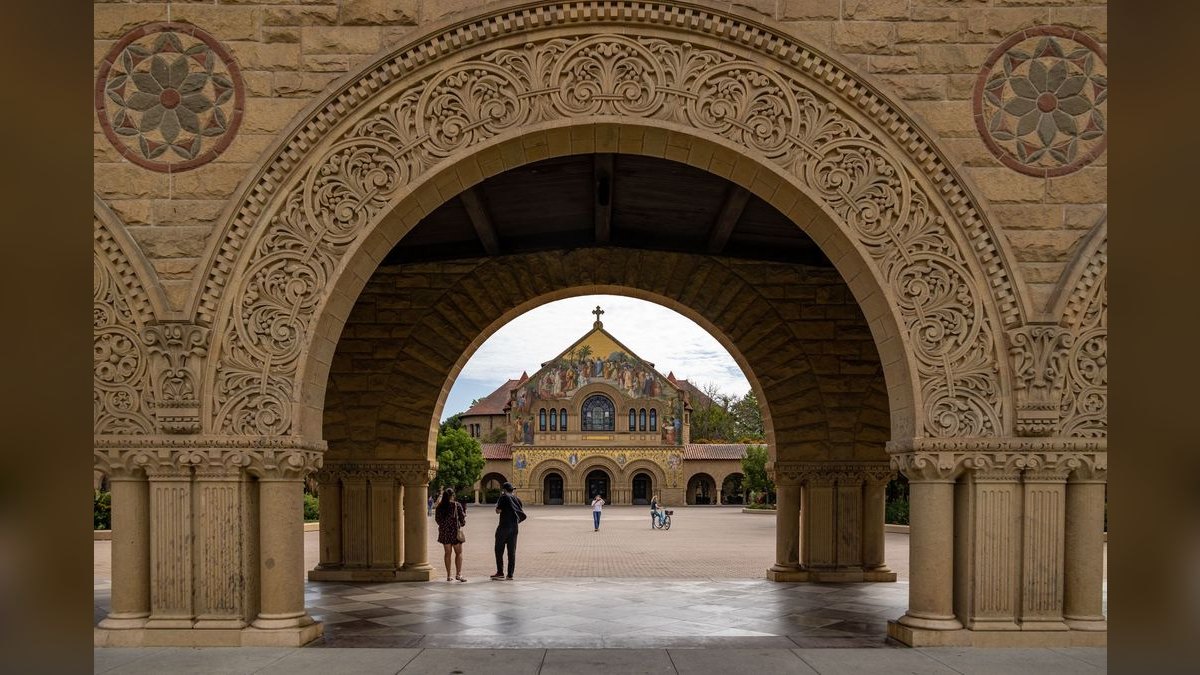
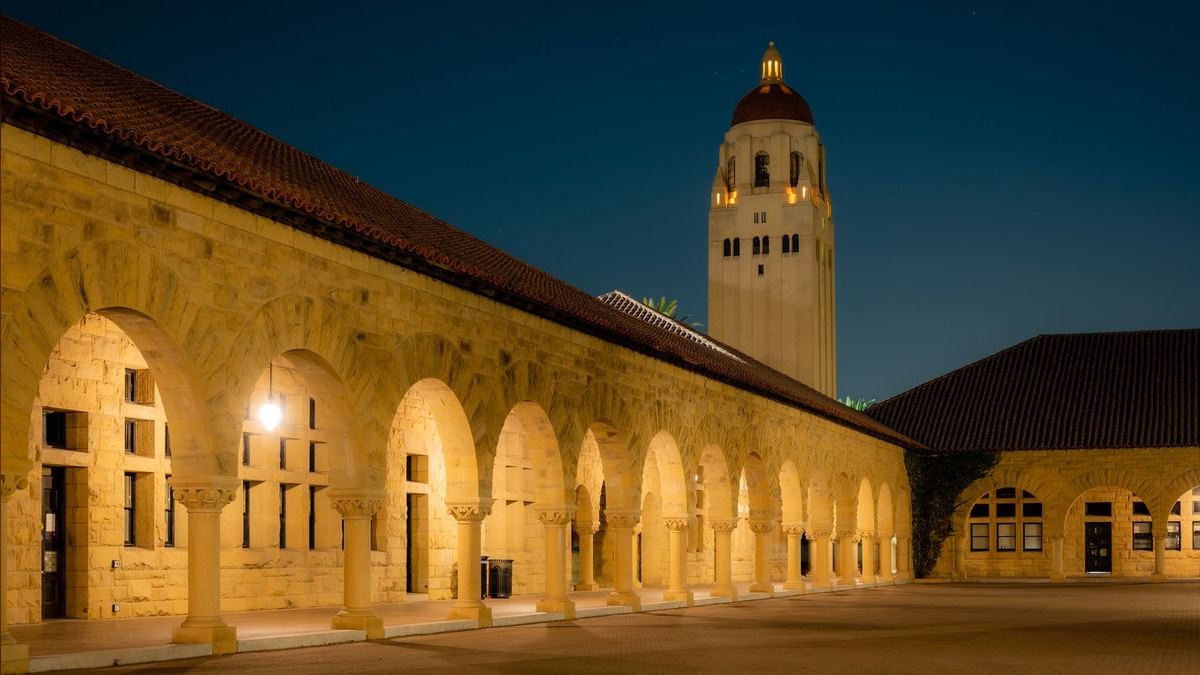
The address was delivered on June 12, 2005, at Stanford University in Palo Alto, California. Jobs, who had been diagnosed with pancreatic cancer the previous year and had undergone surgery, spoke to roughly 23,000 people — graduates, faculty, and guests. The speech runs about 15 minutes and approximately 2,200 words. Because the speech is modern and copyrighted, the analysis below quotes only a few brief, widely known lines and focuses on original analysis of its rhetorical structure and enduring impact.
What makes the "three stories" structure so effective in this speech?
Jobs organized the entire talk around a simple promise: three stories, nothing more. That structure is the first lesson, and it is worth studying before any single line. He opens with "Today I want to tell you three stories from my life. That's it. No big deal. Just three stories." This promise sets a clear expectation and a finish line, which is rare in commencement speeches that usually try to say everything and end up saying nothing memorable.
Each story is built to do exactly one job. The first story, about connecting the dots, addresses the graduate's fear that an unconventional path is a mistake. Jobs recounts dropping out of Reed College and auditing a calligraphy class — knowledge that resurfaced years later in the typography of the first Macintosh. The second story, about love and loss, reframes being fired from Apple in 1985 as the precondition for renewal. He went on to start NeXT and Pixar, and later returned to Apple. The third story, about death, uses his 2004 cancer diagnosis to strip away everything except the question of how to spend a finite life. The arc moves from career to failure to mortality, so the emotional stakes rise with each story rather than staying flat.
The rhetorical device of repetition builds momentum. Jobs says "And why did I drop out? … It was scary at the time, but looking back it was one of the best decisions I ever made." His pauses and deliberate pacing create space for each lesson to land. For anyone studying public speaking, this three-act structure is a masterclass in using personal narrative to deliver universal wisdom without sounding preachy. Audiences remember stories, not bullet points, and Jobs understood that deeply.
How does Jobs use concrete scenes rather than abstractions?
The language in the speech is deliberately ordinary. Jobs avoids grand abstractions and tells small, concrete scenes: a calligraphy class, a cardboard box of belongings carried out of Apple, a doctor's diagnosis delivered in the morning. He says "I didn't have a dorm room, so I slept on the floor in friends' rooms" and "I had been rejected, but I was still in love." Concrete beats abstract, and his refusal to inflate the material is exactly why it lands.

The most powerful scene is the second story, where he describes being fired from Apple at age 30. He says "The heaviness of being successful was replaced by the lightness of being a beginner again. It freed me to enter one of the most creative periods of my life." Instead of lecturing about resilience, he shows a specific moment — carrying a box of personal effects out of the building he founded — and lets the audience feel the weight of that defeat. Specific images carry meaning that abstractions cannot. For writers and speakers, this is the core lesson: show the scene, and the lesson will follow on its own.
This approach is why the speech works for audiences who have no interest in technology. Jobs's stories are about universal human experiences — failure, love, mortality — not about product launches or business strategy. By grounding each idea in a concrete memory, he makes abstract concepts like trust, resilience, and mortality feel tangible and immediate. Any speaker can borrow this technique: instead of telling the audience what to feel, show them a moment that makes them feel it.
What is the origin and meaning of "stay hungry, stay foolish"?
The closing line of Jobs's speech — "Stay hungry, stay foolish" — is one of the most quoted phrases in modern commencement history, but its origins predate Jobs by decades. He explicitly credits the *Whole Earth Catalog*, a counterculture publication from the 1970s that served as a DIY guide for everything from gardening to computer programming. The phrase appeared on the back cover of the catalog's final issue in 1974, accompanied by a photograph of a country road. Jobs, who grew up in the era of the counterculture and the early personal-computer revolution, saw it as a call to maintain curiosity and a willingness to take risks, even in the face of conventional wisdom.
Jobs hands the phrase to the graduates as a farewell wish rather than a command. Its plainness is the point — two short imperatives that resist being over-explained. "Stay hungry" urges continuous learning and a refusal to become complacent, while "stay foolish" encourages the courage to try things that might seem naive or impractical — like starting a computer company in a garage, or dropping out of college to audit calligraphy classes. The phrase endures because it captures a tension at the heart of meaningful work: the need to be driven yet open, focused yet playful.
The legacy of this mantra extends far beyond Silicon Valley. It has been adopted by entrepreneurs, artists, educators, and anyone seeking to balance ambition with humility. In the years since the speech, the phrase has been tattooed, printed on posters, and used as a rallying cry at startups and universities worldwide. The ending works because Jobs does not try to top his own stories. He simply offers a borrowed wish and stops. Knowing when to stop is its own kind of mastery.
How does the speech reframe failure as a turning point?
Jobs's second story — about being fired from Apple at age 30 — is the emotional core of the speech. He describes it as devastating: "I felt that I had let the previous generation of entrepreneurs down — that I had dropped the baton as it was being passed to me." But then he reframes the entire event as the start of his most creative years. He says "Getting fired from Apple was the best thing that could have ever happened to me. It freed me to enter one of the most creative periods of my life."
This reframing is not just rhetorical; it is grounded in real outcomes. After leaving Apple, Jobs founded NeXT, a computer company that never achieved mass-market success but developed the operating system that eventually became the foundation for macOS and iOS. He also bought Pixar from George Lucas for $10 million and turned it into the most successful animation studio in the world, producing *Toy Story*, *Finding Nemo*, and *The Incredibles*. When Apple bought NeXT in 1997 for $429 million, Jobs returned to the company he had founded and led it to become one of the most valuable companies in history.
For professionals, this lesson is direct: a layoff, a failed venture, or a missed promotion can be a catalyst for growth if you treat it as a chance to reset and pursue what you genuinely love. Jobs's story shows that the worst moments often contain the seeds of the best outcomes. Audiences lean in when you show how a defeat became the door to something better. This is not a platitude; it is the operating principle of a man who built one of the most valuable companies in history by refusing to settle for a life lived on others' terms.
What practical lessons can modern professionals take from this speech?
While Jobs's speech is deeply personal, its lessons translate directly into actionable advice for anyone navigating career and life decisions today. The first lesson is about trusting uncertainty. Jobs argued that you cannot connect the dots looking forward — only backward. For a recent graduate facing a non-linear career path, this means trusting that seemingly unrelated experiences (a part-time job, a failed startup, a random course) may later form a coherent whole. It encourages taking risks on passion projects or unconventional roles, even when the payoff isn't immediately clear. For more on this, see How to Structure a Commencement Speech.
The second lesson is about using failure as fuel. Jobs didn't wallow after being fired; he started over with NeXT and Pixar, both of which became foundational to his later success. For professionals, this suggests that a layoff, a failed venture, or a missed promotion can be a catalyst for growth if you treat it as a chance to reset and pursue what you genuinely love. The third lesson is about the clarifying power of mortality. Jobs used the question "If today were the last day of my life, would I want to do what I am about to do today?" as a filter for decisions. In practice, this means asking yourself hard questions — "Am I doing what I truly care about?" — and having the courage to change course if the answer is no.

The speech also offers lessons for public speakers. Promise a structure and keep it. Make each section do exactly one job. Tell scenes, not lessons. Build from small stakes to large. Reframe your worst moment as a turning point. End plain and stop. These principles apply to any speech, presentation, or written communication. For more on the rhetorical genius of this address, see What Makes Steve Jobs' Stanford Commencement a Great Speech.
How does the speech's structure create emotional momentum?
Jobs organizes his three stories in a deliberate order that builds emotional intensity. The first story, about connecting the dots, is relatively light. It addresses career anxiety and the fear of making wrong choices. The second story, about love and loss, is heavier. It deals with public failure, rejection, and the pain of losing something you built. The third story, about death, is the heaviest of all. It confronts mortality directly and asks the audience to consider what really matters.

This progression is not accidental. By moving from career to failure to mortality, Jobs takes the audience on an emotional journey that mirrors the arc of a meaningful life. The stakes rise with each story, so the audience is more invested by the time they reach the final, most profound lesson. If Jobs had started with the death story, it might have felt too heavy too soon. If he had ended with the connecting-the-dots story, the speech would have felt anticlimactic. The order is everything.
The speech also uses the principle of diminishing returns to its advantage. Each story is shorter than the previous one. The first story runs about four minutes, the second about three minutes, and the third about two minutes. This compression creates a sense of urgency and keeps the audience engaged. When the speech ends, it ends abruptly — "Stay hungry, stay foolish" — and then silence. There is no summary, no final flourish, no attempt to top what came before. The audience is left to sit with the weight of what they have heard. This is a masterful use of structure, and it is the primary reason the speech endures.

Related questions
What is the most famous line from Steve Jobs' Stanford speech?
"Stay hungry, stay foolish" is the most quoted line, borrowed from the final issue of the *Whole Earth Catalog* and used as a closing wish for graduates to maintain curiosity and risk-taking.
How long is Steve Jobs' 2005 Stanford commencement speech?
The speech runs approximately 15 minutes and contains about 2,200 words, organized into three distinct stories without any digression or filler.
Why did Steve Jobs talk about death in a commencement speech?
Jobs used his cancer diagnosis to argue that mortality is life's "single best invention" because it forces clarity about what truly matters and strips away fear of failure or embarrassment.
What happened to Steve Jobs after he was fired from Apple?
He founded NeXT, which developed the operating system for future Apple products, and bought Pixar, which became the most successful animation studio in the world, before returning to Apple in 1997.
How did the calligraphy class influence the Macintosh?
The typography of the first Macintosh — including multiple typefaces, proportional fonts, and beautiful spacing — was directly inspired by the calligraphy class Jobs audited at Reed College after dropping out.
What is the structure of Steve Jobs' Stanford speech?
The speech is built around three stories: connecting the dots, love and loss, and death, with each story serving a single purpose and the emotional stakes rising with each narrative.
FAQ
What is the main message of Steve Jobs's 2005 Stanford commencement speech? The speech centers on three personal stories: connecting the dots, love and loss, and death. Jobs emphasizes trusting that the dots will connect in the future, pursuing what you love even through setbacks, and living each day as if it were your last to avoid the trap of complacency.
Did Steve Jobs actually drop out of college? Yes, he dropped out of Reed College after one semester, but he continued auditing classes that interested him, such as calligraphy. He later credited this seemingly impractical decision with influencing the typography of the first Macintosh computer.
How did Jobs connect "the dots" in his own life? He explained that dropping out and following his curiosity led him to take a calligraphy class, which later inspired the Mac's multiple typefaces. He argued that you can only connect the dots looking backward, so you must trust that they will connect in the future.
What did Jobs say about failure and rejection? He described being fired from Apple at age 30 as devastating, but also as freeing him to enter one of the most creative periods of his life. He started NeXT and Pixar, and later returned to Apple, noting that getting fired was "awful tasting medicine" but necessary for his growth.
Why did Jobs talk about death in a commencement speech? He used the reminder "if you live each day as if it was your last, someday you'll most certainly be right" to encourage graduates to avoid living someone else's life. He shared his own cancer diagnosis to illustrate that death is life's "single best invention" and a way to clear out the old and make room for the new.
What is the most famous quote from the speech? "Stay hungry, stay foolish." Jobs used this phrase from the final issue of *The Whole Earth Catalog* to close his address. It encourages lifelong curiosity, risk-taking, and a refusal to settle for the conventional path.
How long did it take Jobs to write the speech? Jobs worked on the speech for several weeks, rewriting it multiple times. He was known for being a perfectionist about his public appearances, and the Stanford address was no exception — he practiced it dozens of times before delivering it.
Where can I watch the full speech today? The full speech is available on Stanford University's official YouTube channel and website, as well as on various educational platforms. It has been viewed tens of millions of times across different platforms since its release.
Sources
- Stanford University — Official transcript and video of the 2005 commencement address
- Walter Isaacson — Steve Jobs biography
- Harvard Business Review — Analysis of Jobs's leadership and communication style
- The New York Times — Coverage and cultural impact of the speech
- Forbes — Business lessons from Jobs's commencement address
- Inc. — Rhetorical analysis of the speech's structure
- Pixar — History of Pixar's founding and Jobs's role
- Reed College — Steve Jobs's calligraphy class and its legacy
- Whole Earth Catalog — History and origin of "stay hungry, stay foolish"
Related on PULSE
- [What Makes Steve Jobs’ Stanford Commencement a Great Speech](/knowledge/sp0234)
- [Barbara Jordan’s 1976 DNC Keynote — Key Passages and Lessons](/knowledge/sp0018)
- [Demosthenes’ The Third Philippic — Key Passages and Lessons](/knowledge/sp0026)
- [Mark Antony’s Funeral Oration (Shakespeare) — Key Passages and Lessons](/knowledge/sp0028)
- [William Faulkner’s Nobel Prize Acceptance (1950) — Key Passages and Lessons](/knowledge/sp0023)
- [Churchill’s Their Finest Hour (1940) — Key Passages and Lessons](/knowledge/sp0017)
@Kory-White- · if Venmo asks, the last 4 of my number are 2012
 pulse-moviesTop 10 Movies on Netflix 2027
 pulse-moviesTop 10 Movies on Max 2027
 pulse-moviesTop 10 Fantasy Movies of All Time in 2027
 pulse-moviesTop 10 Documentaries of All Time in 2027
 pulse-moviesTop 10 Superhero Movies of All Time in 2027
 pulse-moviesTop 10 Romance Movies of All Time in 2027
 pulse-moviesTop 10 Westerns of All Time in 2027
 pulse-moviesTop 10 Musical Movies of All Time in 2027
 pulse-moviesTop 10 Thriller Movies of All Time in 2027
 pulse-moviesTop 10 Crime Movies of All Time in 2027