

An Engagement Party Toast
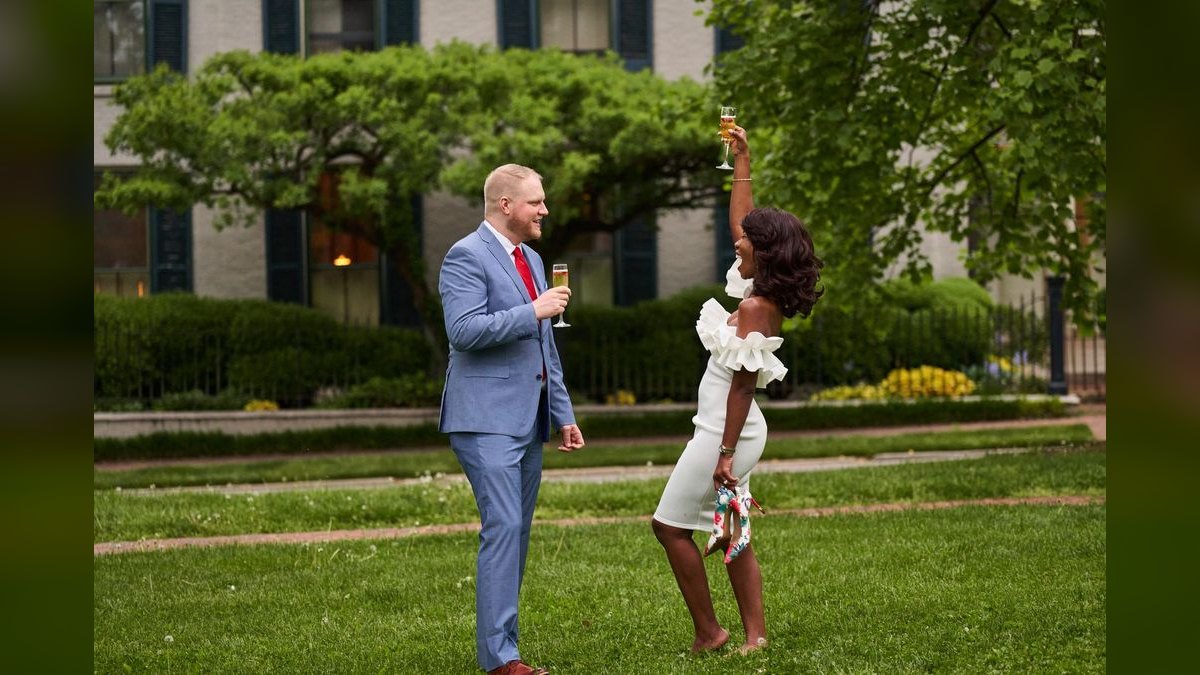
A short, heartfelt toast is all that's needed for an engagement party. Simply raise your glass, congratulate the couple by name, and express your happiness for their future together. Keep it to under two minutes, focusing on genuine warmth rather than formality. The most memorable engagement toasts are those that share a specific, authentic moment that reveals the couple's unique bond, then end with a sincere call to raise glasses.
Giving an engagement party toast is a privilege and a responsibility, but it doesn't require being a professional speaker. The best toasts come from a place of genuine affection and observation — not from a script borrowed from the internet. This guide will walk you through everything you need to deliver a toast that feels natural, heartfelt, and perfectly suited to the occasion.
What Makes an Engagement Party Toast Different from a Wedding Toast?
An engagement party toast celebrates the beginning of a couple's public commitment, not the culmination of their wedding day. This distinction matters because the energy is different — more relaxed, more anticipatory, less formal. At an engagement party, guests are still getting to know the couple as a unit, and the toast should reflect that newness.
The engagement party toast should focus on the couple's potential and the excitement of their journey ahead. Unlike a wedding toast, which often reflects on the ceremony and the vows exchanged, an engagement toast is about the promise of what's to come. You can talk about how you've seen them grow together, the small moments that revealed their compatibility, and the genuine happiness you feel watching them take this step. Avoid any references to wedding planning, stress, or logistics — this is a celebration of their decision to commit, not a preview of the wedding day.

Another key difference is the audience. Engagement parties tend to be smaller and more intimate, often with close friends and family who already know the couple well. This allows for slightly more personal stories and insider references, but still keep them accessible to everyone in the room. The tone should be warm and celebratory, not nostalgic or overly emotional — you're not saying goodbye to their single lives; you're welcoming their future together.
How to Structure an Engagement Party Toast for Maximum Impact
The most effective engagement party toast follows a clear, simple arc that keeps guests engaged from start to finish. Think of it as a three-part journey: the opening that establishes your connection to the couple, the middle that shares one meaningful observation, and the closing that invites everyone to celebrate together.
The Opening (15-20 seconds): Introduce yourself only if you're not obvious to the whole room. Then state your connection to the couple in one sentence: "I've had the joy of being [name]'s sister for 25 years, and in that time I've seen her make some excellent decisions — and [partner's name] is at the very top of that list." This immediately establishes your credibility and sets a warm, slightly humorous tone. Avoid long-winded introductions or multiple sentences about who you are — the room wants to get to the toast itself.
The Middle (60-90 seconds): This is the heart of your toast. Choose one specific moment that illustrates why this couple works. Not their entire love story, not a comprehensive list of their virtues — just one vivid, specific snapshot. Maybe it's the way [name] always saves the last bite of dessert for [partner's name], or how [partner's name] calmly handles [name]'s tendency to overthink travel plans. The key is to show, not tell. Instead of saying "they're so supportive of each other," describe the time [name] stayed up all night helping [partner's name] prepare for a big presentation, even though they had their own early meeting the next day. This specificity makes the toast feel authentic and memorable.
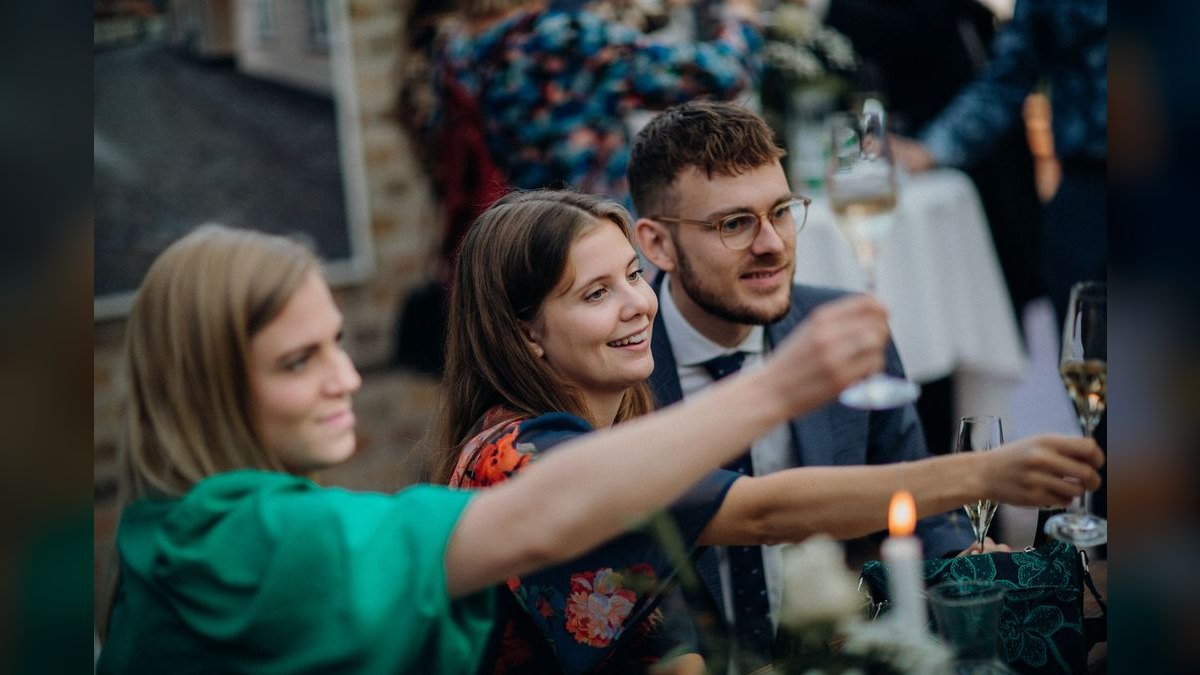
The Closing (15-20 seconds): End with a simple, direct call to raise glasses. Use the couple's names and a single wish: "To [name] and [partner's name] — may your life together be filled with as many late-night laughs and early-morning coffees as you've already shared. Cheers." The closing should feel like a natural conclusion, not a forced punchline. Pause, make eye contact with the couple, and lift your glass. Then stop — don't add another thought or explanation.
What to Avoid When Giving an Engagement Party Toast
Even well-intentioned toasts can go wrong if you step into common pitfalls. The most frequent mistake is making the toast about yourself. While a brief personal anecdote is fine, the focus should always remain on the couple. Avoid stories that center your own relationship, your own wedding, or your own feelings about marriage. The couple is the star, and every sentence should reflect that.
Never bring up sensitive topics, even in jest. Avoid references to ex-partners, past relationships, or any struggles the couple may have faced. An engagement party is a celebration of their choice to be together, not a therapy session. Similarly, avoid any jokes about the cost of the wedding, the stress of planning, or the challenges of married life. Keep the energy positive and forward-looking.
Another common mistake is reading directly from a phone or a full script. While notes are fine — in fact, recommended — reading verbatim from a device feels impersonal and can create a barrier between you and the audience. Instead, jot down a few bullet points on a small card: your opening line, the key moment of your story, and your closing sentence. This allows you to maintain eye contact and speak naturally, while still having a safety net.
Finally, don't drink too much before your toast. It's tempting to take a few sips to calm nerves, but alcohol can impair your judgment and your delivery. One glass of champagne is fine, but more than that risks slurring, rambling, or forgetting your train of thought. You want to be present and clear — not the person everyone remembers for the wrong reasons.
How to Practice and Prepare for Your Engagement Party Toast
Preparation is the secret to a confident, natural-sounding toast. Start by writing your toast out fully, then read it aloud several times to feel the rhythm and flow. This isn't about memorizing it word-for-word — it's about internalizing the structure and the key moments so you can speak from a place of comfort rather than panic.

Practice in front of a mirror or record yourself on your phone. Watch for nervous habits like swaying, fidgeting, or looking down too much. You don't need to be a polished performer, but being aware of your body language can help you project confidence. Practice holding your glass at waist level until the closing line — this creates a visual cue for the room to follow when you finally raise it.
Time yourself. A good engagement toast runs between 90 seconds and two minutes. If you're going over three minutes, cut material. The most common feedback from guests at parties is "the toast was too long," not "I wish they'd talked more." Be ruthless with your editing — every sentence should earn its place by serving the story or the sentiment.
On the day of the party, arrive early enough to get a sense of the room and the energy. If possible, identify where you'll be standing and test the acoustics. Take a deep breath before you begin, and remember that the audience is on your side — they want you to succeed because a good toast elevates the entire evening. If you stumble, laugh it off and keep going. The couple will remember your warmth and sincerity far more than any minor mistake.
How to Adapt Your Toast for Different Relationships
Your relationship to the couple determines the tone and content of your toast. A parent's toast will naturally be more emotional and reflective, while a friend's toast can be more playful and anecdotal. Understanding this distinction helps you strike the right balance.
If you're a parent or family member: Focus on the pride and joy you feel watching your child or sibling find their person. Share a story from their childhood that reveals the qualities that make them a good partner — their kindness, their loyalty, their sense of humor. Then welcome the new partner into the family with genuine warmth. Avoid making the toast about your own hopes for grandchildren or your own marriage — keep it centered on the couple.
If you're a close friend: Lean into the history you share with the couple. Tell a story from before they were together that shows how they've grown as individuals, and then contrast it with how they are now as a couple. Friends can get away with slightly more humor and inside jokes, but still keep it accessible to the whole room. End with a sincere expression of how happy you are to see them at this stage of their lives.
If you're the best man or maid of honor: You have a special role that comes with both responsibility and license. Your toast should be the highlight of the evening — personal, funny, and deeply heartfelt. Share a story that reveals the couple's unique dynamic, but avoid anything too embarrassing or private. Remember that you're representing the couple's inner circle, so your words carry extra weight. End with a toast that feels like a blessing from the people who know them best.
Related questions
What's the best opening line for an engagement party toast?
Start with your connection to the couple in one sentence: "I'm [name], [person]'s college roommate, and I've watched them become the person they are today." This immediately establishes credibility and sets a warm tone.
How long should an engagement party toast be?
Aim for 90 seconds to two minutes maximum. This is long enough to share a meaningful story and a sincere wish, but short enough to keep the room's attention and leave people wanting more.
Should I memorize my engagement party toast?
No — memorization risks forgetting your lines under pressure. Instead, write a few bullet points on a small card: your opening, the key moment of your story, and your closing line. This lets you speak naturally while staying on track.
Can I use humor in an engagement party toast?
Yes, but keep it light and inclusive. Avoid inside jokes that exclude half the room, and never make jokes at the couple's expense. A brief, funny observation about their dynamic works better than a punchline.
Who gives the first toast at an engagement party?
The host — often a parent or close friend — traditionally gives the first toast. After that, the couple's parents, siblings, or best friends may follow. There's no strict order, but the host sets the tone.
FAQ
What if I'm asked to give a toast but don't know the couple well? Keep it brief and focus on what you do know — how you met them, a positive impression they made, or something you admire about their relationship. A short, sincere toast is always better than a long, forced one. You can say, "I haven't known [names] long, but in the short time I've spent with them, I've been struck by how they bring out the best in each other."
Should I include a quote in my engagement party toast? Only if the quote feels genuinely connected to the couple. Avoid generic love quotes from the internet. If you use a quote, make it from a song, book, or movie that holds meaning for the couple — and keep it short. A thematic line like "Love isn't just a feeling; it's a choice" can work if it leads naturally into your own words.
Is it okay to toast with water or juice instead of champagne? Absolutely. Not everyone drinks alcohol, and no one should feel pressured. Hold your glass with the same intention and raise it at the same moment. The gesture matters more than what's in the glass.
How do I handle a toast if I'm the couple's ex? Decline gracefully if you can. If you must speak, keep it extremely brief and positive. Focus on your happiness for them now, not on your shared history. One sentence — "[Names], I'm genuinely happy for you both" — is enough. Then sit down.
What if someone else's toast steals my thunder? Don't worry about it. Toasts aren't a competition. If someone before you told a similar story or used a similar structure, just pivot to your own material. The couple will appreciate your unique perspective, and the room won't compare toasts side by side.
Should I practice my toast in front of someone before the party? Yes, if possible. A trusted friend or family member can give you feedback on timing, clarity, and whether any parts feel awkward. They can also help you gauge if a story is appropriate or too personal.
Sources
- The Emily Post Institute - Toasts and Speeches
- Toastmasters International - How to Give a Toast
- Brides Magazine - Engagement Party Toasts
- The Knot - Engagement Party Speech Tips
- Martha Stewart Weddings - How to Give a Toast
- Modern Manners by Lizzie Post - Toasting Etiquette
- HuffPost - The Art of the Toast
Related on PULSE
 pulse-skillsSkill Drill: Handling Gatekeepers for Solar Sales
 pulse-skillsSkill Drill: Product Demos for Solar Sales
 pulse-skillsSkill Drill: Upselling and Cross-Selling for Promotional Products
 pulse-skillsSkill Drill: Cold Calling for Commercial Real Estate
 pulse-skillsSkill Drill: Product Demos for HVAC
 pulse-skillsSkill Drill: Handling Rejection for Pharmaceutical Sales
 pulse-skillsSkill Drill: Negotiation for Insurance Sales
 pulse-skillsSkill Drill: Delegation for SaaS Sales
 pulse-skillsSkill Drill: Storytelling for Building Materials
 pulse-skillsSkill Drill: Asking for Referrals for Building Materials