
A Speech for an IPO Celebration
 Curated byKory White · Fractional CRO · Maryland
 PULSEKNOWLEDGE LIBRARY
Quality
Certified
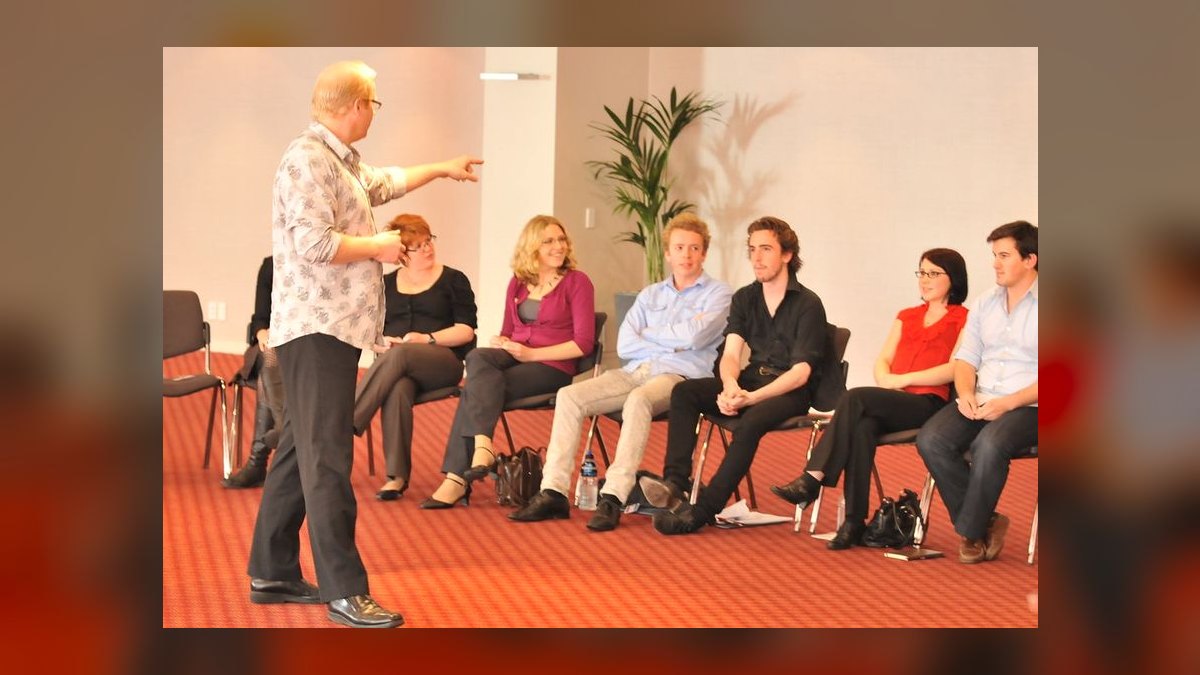
An IPO celebration speech should express genuine gratitude to employees, investors, and partners while acknowledging the collective sacrifice that brought the company to this milestone. It balances humility with confidence, typically lasting 3-5 minutes, and includes a brief reflection on the company's journey along with a forward-looking vision that emphasizes continued mission focus rather than financial triumph. The tone remains celebratory yet professional, avoiding specific financial projections or unverified claims while honoring the emotional truth of the startup experience.
What Makes an IPO Speech Genuinely Powerful?
The most memorable IPO speeches share a common thread: they are honest about the struggle. Every person in the room knows the company didn't arrive here on a straight line. They remember the missed payrolls, the product launches that nearly failed, the investor meetings that went sideways. A speech that pretends otherwise feels hollow and disconnected from the lived experience of the team.
The power comes from naming the disbelief directly. When a founder opens with "a year ago, half of us weren't sure we'd make payroll," the room exhales. That shared recognition of the hard parts creates an emotional bridge between the speaker and the audience. It says: I remember. I was there. I haven't forgotten what it cost.
Great speeches also avoid the trap of sounding like a press release. They use the language of the team, not the language of the prospectus. Instead of "we achieved a significant valuation milestone," they say "we built something that mattered." Instead of "our shareholder value creation strategy," they say "we solved a problem that wouldn't leave us alone." This plain-spoken authenticity is what people remember years later.

How Should You Structure the Emotional Arc of the Speech?
Every IPO celebration speech must honor the emotional truth of the journey, and that truth is rarely a straight line. The most powerful speeches acknowledge the moments of uncertainty that every startup faces. You might reference the quarter when payroll was a genuine question, the product launch that almost failed, or the investor meeting where you walked out thinking it was over. These aren't weaknesses to gloss over; they're the very reasons the celebration matters.
A good structure for this emotional arc moves through three phases. First, the early days — the scrappy, improbable beginning when the idea was just a whiteboard sketch and a prayer. Second, the valley moments — the near-death experiences, the pivots, the all-nighters where the team proved their mettle. Third, the tipping point — the inflection where momentum became undeniable, whether that was a key customer win, a breakthrough product iteration, or simply the day the team realized they might actually pull this off.
When you speak to this arc, use specific, shareable anecdotes. Don't say "we had some tough times." Say "I remember January 2021, when we had seven days of runway and Sarah convinced the landlord to take equity instead of rent." Those details make the story real. They also give the team something to remember and retell — the folklore of the company's founding myth.
The emotional payoff comes when you contrast where you started with where you are. The same people who were coding on folding tables in a co-working space are now ringing the bell. The same engineer who fixed the server at 3 a.m. is now a millionaire on paper. That contrast is the heart of the speech — it turns a financial event into a human story.

Who Should You Thank and in What Order?
A great IPO speech is a masterclass in gratitude — but it must be strategic, not a laundry list. You have limited time and attention, so every name you drop should carry weight. The most effective approach is to group your thanks into concentric circles of impact.
The inner circle — the founding team and earliest employees. These are the people who worked for deferred salary, who believed before there was evidence. Name them individually if you can. Say something specific about each: "Jen, who built our first sales process on a napkin. Marcus, who wrote the first 10,000 lines of code on a commuter train." This personal touch makes the thanks feel earned, not generic.
The middle circle — the later-stage team, the investors who stuck around, the board members who provided counsel during the hard pivots. Here you can group people by function or role. "To the engineering team who shipped 47 releases in a single quarter. To the sales team who closed the first enterprise deal that proved our model." This acknowledges broad contributions without turning the speech into a yearbook.
The outer circle — the families, the partners, the support system. This is often the most emotional part of the speech. The spouse who carried the household during the lean years. The children who understood why mom or dad was always on calls. The parents who believed even when they didn't fully understand what you were building. This section grounds the celebration in something universal — everyone in the room has someone who supported them.

A tactical note: prepare your list in advance and practice it. The adrenaline of the moment can make you forget names. Have a written card in your pocket, but don't read from it — use it as a safety net. The best thanks feel spontaneous, even when they're carefully planned.
What Should You Say About the Future After the IPO?
The final section of your speech should answer the question everyone is thinking: *What happens now?* An IPO is not the finish line — it's a new starting line with different rules. Your speech should acknowledge this shift without dampening the celebration.
Frame the IPO as fuel for the mission, not the mission itself. If your company exists to democratize access to healthcare, or to make renewable energy affordable, or to connect small businesses globally — that mission hasn't changed. What's changed is your ability to pursue it. The capital from the IPO gives you resources: more engineers, more market reach, more R&D. The public market gives you credibility: customers and partners will take you more seriously. The liquidity gives your team financial freedom, which should translate into even bolder thinking.
Be honest about the new responsibilities. You now have public shareholders, quarterly reporting, and regulatory scrutiny. That's not a downer — it's a sign that you've graduated. Frame it as a challenge the team is ready for. "We've navigated harder things than Sarbanes-Oxley compliance," you might say. "We've survived the startup gauntlet. We can handle this."
End with a call to action that's specific to your next chapter. Maybe it's a product milestone you're targeting. Maybe it's a geographic expansion. Maybe it's a commitment to double down on your company values now that you're under a brighter spotlight. Whatever it is, make it concrete and make it ambitious. The IPO celebration is the moment to set the bar for what comes next — and to invite everyone in the room to help you reach it.

The final line should land like a bell. Something that ties back to your opening, that brings the arc full circle. "We started in a garage with a dream and a spreadsheet. Today we ring this bell. Tomorrow, we build the next chapter — together." Then raise your glass, let the applause wash over you, and remember to breathe. You've earned this moment.
How Do You Deliver the Speech with Impact?
Delivery matters as much as content. An IPO speech read from a script feels flat. A speech delivered from memory, with eye contact and natural pauses, feels like a conversation — and that's what the room needs.
The pacing should be slower than feels natural. The room is excited, and adrenaline will push you to rush. Let the opening line about disbelief breathe before you move on. Pause after "we couldn't watch it stay broken" — it's the emotional core of the speech, and it deserves a beat of silence.
Eye contact is your most powerful tool. During the loyalty section, make eye contact with the early team members. Name them with your eyes, even if you don't name them out loud. They'll feel seen, and that's worth more than a verbal mention.

If you tear up, stop and let it happen. Nobody in that room wants a polished robot today. A founder who is moved is the whole point. The tears, the cracked voice, the moment you have to pause and collect yourself — those are the moments the room will remember longest.
Memorize the opening and closing lines cold. You can hold notes for the middle, but the bookends carry the emotion. Knowing the first and last lines by heart frees you to connect with the room.
How Do You Adapt the Speech for Different Audiences?
The same IPO speech can take different forms depending on the audience and setting. The morning-of speech at the exchange is one thing. The evening party with the full team is another. The board dinner or analyst-facing event requires a different tone entirely.
For the morning bell ceremony, keep it tight and energetic. The cameras are rolling, the excitement is high, and you have roughly 60-90 seconds. Hit the key notes: gratitude, the journey, the mission. Save the personal stories for the party later.

For the evening celebration, you have more time and more emotional range. This is where the personal anecdotes land. This is where you name names and share the moments that didn't make the press release. The room is full of people who lived those moments, and they'll appreciate being acknowledged.
For a longer, formal version — board dinner or analyst-facing event — add a paragraph on the company's mandate to long-term shareholders and the discipline that comes with public scrutiny. Keep it measured, forward-looking, and less personal. This audience cares about strategy, not sentiment.
For a lighter tone, lean into the absurdity: the spreadsheet that predicted bankruptcy, the office dog that survived three rounds of layoffs, the founder who pitched in a borrowed blazer. Humor disarms the room and makes the celebration feel human.
For a solemn tone, slow everything down and center the sacrifice and the trust. Fewer jokes, longer pauses, more weight on the families and the supporters who made the journey possible. This works well when the company has a mission that feels weighty — healthcare, education, climate.
Related questions
What is the ideal length for an IPO celebration speech?
Most IPO celebration speeches run between 3 to 7 minutes, with 3-5 minutes being ideal for the main event. This allows enough time to thank key stakeholders, share a brief company story, and express excitement for the future without losing the audience's attention.
Who typically delivers the speech at an IPO celebration?
The CEO or founder usually gives the main address, as they represent the company's vision and journey. In some cases, the board chair or a co-founder may share the stage, especially if they played a pivotal role in the IPO process.
Should an IPO speech include specific financial metrics?
It's best to avoid specific numbers like the exact stock price or revenue figures, as they can fluctuate and may not reflect the celebration's tone. Instead, use broad terms like "strong investor confidence" or "a milestone valuation" to keep the message positive and timeless.
How can a speaker manage nerves during an IPO speech?
Practicing the speech aloud several times, focusing on key messages rather than memorizing every word, and taking deep breaths before starting can help. Many speakers also keep a printed copy or bullet points on stage as a safety net.
FAQ
What is the typical length of an IPO celebration speech? Most IPO celebration speeches run between 3 to 7 minutes. This allows enough time to thank key stakeholders, share a brief company story, and express excitement for the future without losing the audience's attention.
Who should deliver the speech at an IPO celebration? Usually the CEO or founder gives the main address, as they represent the company's vision and journey. In some cases, the board chair or a co-founder may share the stage, especially if they played a pivotal role in the IPO process.
What are the essential elements to include in the speech? A strong speech typically includes gratitude to employees, early investors, and partners; a short reflection on the company's origins and growth; acknowledgment of the hard work behind the IPO; and a forward-looking statement about the company's mission. Avoid overly technical financial details—focus on people and purpose.
Should the speech mention specific financial metrics or stock price? It's best to avoid specific numbers like the exact stock price or revenue figures, as they can fluctuate and may not reflect the celebration's tone. Instead, use broad terms like "strong investor confidence" or "a milestone valuation" to keep the message positive and timeless.
How can the speaker manage nerves during the speech? Practicing the speech aloud several times, focusing on key messages rather than memorizing every word, and taking deep breaths before starting can help. Many speakers also keep a printed copy or bullet points on stage as a safety net.
Is it appropriate to include humor or personal anecdotes? Yes, light humor and short personal stories can make the speech more relatable and memorable, as long as they don't distract from the gravity of the occasion. Keep anecdotes brief and relevant—like a funny early challenge the team overcame—to reinforce the company's resilience.
What should you avoid saying in an IPO speech? Avoid making forward-looking financial projections, promising specific stock performance, or mentioning unverified claims about the company's market position. These can create legal liability and undermine credibility.
How do you handle tears or strong emotion during the speech? Let the emotion happen naturally. Pause, breathe, and continue when you're ready. A founder who is moved by the moment is more authentic than one who stays perfectly composed. The room will appreciate the genuine feeling.
Should you thank competitors or industry peers? It's generally not necessary, but a brief acknowledgment of the broader industry can be gracious. Focus your gratitude on the people who directly contributed to the company's success.
How do you close an IPO speech effectively? End with a call to action that looks forward, not backward. Tie back to your opening theme, raise your glass, and invite the room to join you in the next chapter. The final line should be memorable and quotable.
Sources
- U.S. Securities and Exchange Commission (SEC) — official regulations and filing requirements for initial public offerings
- Nasdaq — listing standards, market data, and IPO process guides
- Harvard Business Review — articles on corporate leadership, IPO strategy, and organizational culture
- The Wall Street Journal — financial news, market trends, and IPO performance analysis
- PwC IPO Centre — IPO readiness reports and valuation methodologies
- Investopedia — educational content on IPO mechanics, terminology, and investor perspectives
- Deloitte Center for Controllership — IPO accounting considerations and readiness guides
- Ernst & Young IPO Hub — global IPO trends and issuer resources
- Stanford Graduate School of Business — case studies on startup growth and IPO experiences
- Forbes — coverage of high-profile IPOs and founder stories
Related on PULSE
This page will be disappearing soon. Save it to your device for $1 — or read it free while it is here.
@Kory-White- · if Venmo asks, the last 4 of my number are 2012
This page is gone.
This one is off the shelf now. $1 keeps it on your phone for good — the whole page, pictures and diagrams included.
 pulse-speechesA Speech for a Customer Appreciation Event
 pulse-speechesA Speech for a Memorial Day Ceremony
 pulse-speechesHow to Write a Heartfelt Eulogy When You're Grieving in 2027
 pulse-speechesA Wedding Speech for a Maid of Honor
 pulse-speechesWhat Makes Patrick Henry’s “Give Me Liberty” a Great Speech in 2027
 pulse-speechesWhat Makes Maya Angelou’s “On the Pulse of Morning” a Great Speech in 2027
 pulse-speechesA Speech for a PTA Meeting
 pulse-speechesA Retirement Speech for a Doctor
 pulse-speechesA Speech for a Layoff Announcement with Compassion
 pulse-speechesA Graduation Speech for a Valedictorian