
A Eulogy for a Grandparent
 Curated byKory White · Fractional CRO · Maryland
 PULSEKNOWLEDGE LIBRARY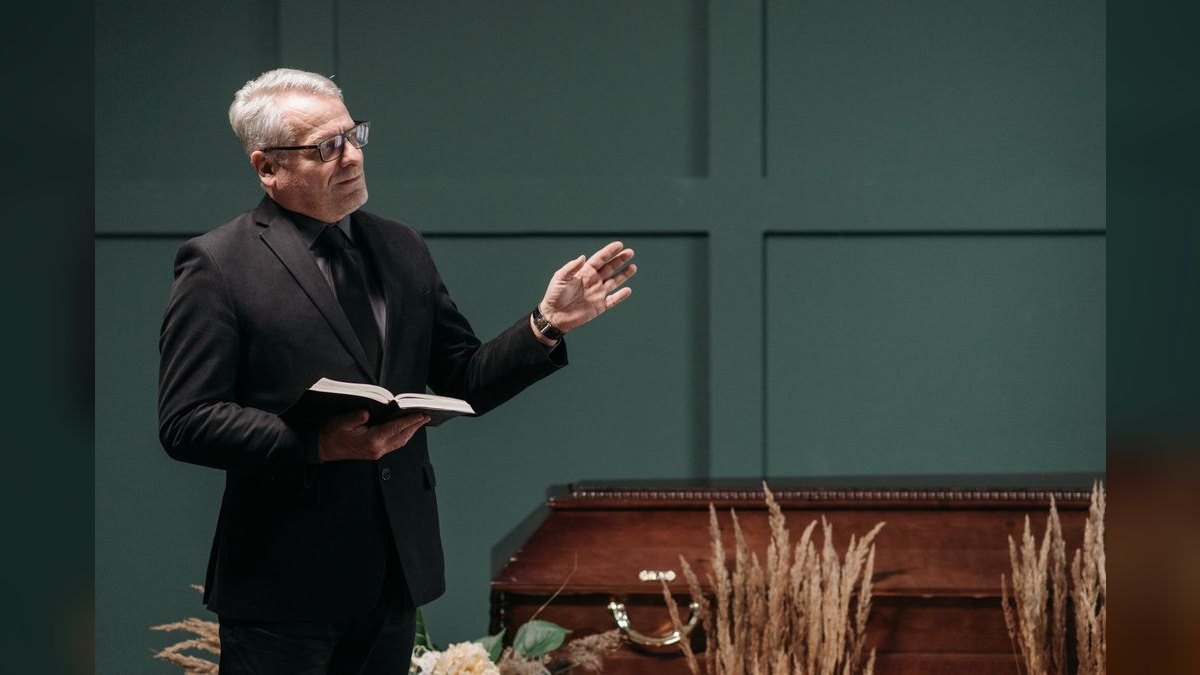
A eulogy for a grandparent is a deeply personal tribute that honors their life, legacy, and the unique bond you shared. The most powerful eulogies balance genuine emotion with specific, sensory memories that capture who they truly were, moving beyond generic praise to reveal the person behind the title. To write one that feels authentic and resonates with grieving family and friends, focus on concrete details—their laugh, a favorite saying, a lesson they taught without words—rather than broad statements about their goodness. The goal is not perfection but presence: a heartfelt, honest reflection that lets the room remember alongside you.
Writing and delivering a eulogy for a grandparent can feel overwhelming, especially while you're navigating your own grief. The key is to remember that you're not performing; you're sharing a piece of someone you loved. The people listening already knew your grandparent—they're there to honor them, not to judge your words. By focusing on specific memories and letting your authentic voice guide you, you can create a tribute that feels true to your relationship and comforting to those who mourn.
What Makes a Eulogy for a Grandparent Different from Other Eulogies?
A eulogy for a grandparent occupies a unique space in the landscape of funeral tributes. Unlike a eulogy for a parent, which often carries the weight of direct lineage and daily presence, or a eulogy for a friend, which might emphasize shared adventures, a grandparent eulogy typically celebrates a relationship defined by unconditional love, gentle wisdom, and the joy of being spoiled without parental consequences. Grandparents often represent a safe harbor—someone who loved you without the day-to-day responsibilities of raising you, who could offer perspective without pressure, and who left behind a legacy of stories, recipes, and traditions that ripple through generations.
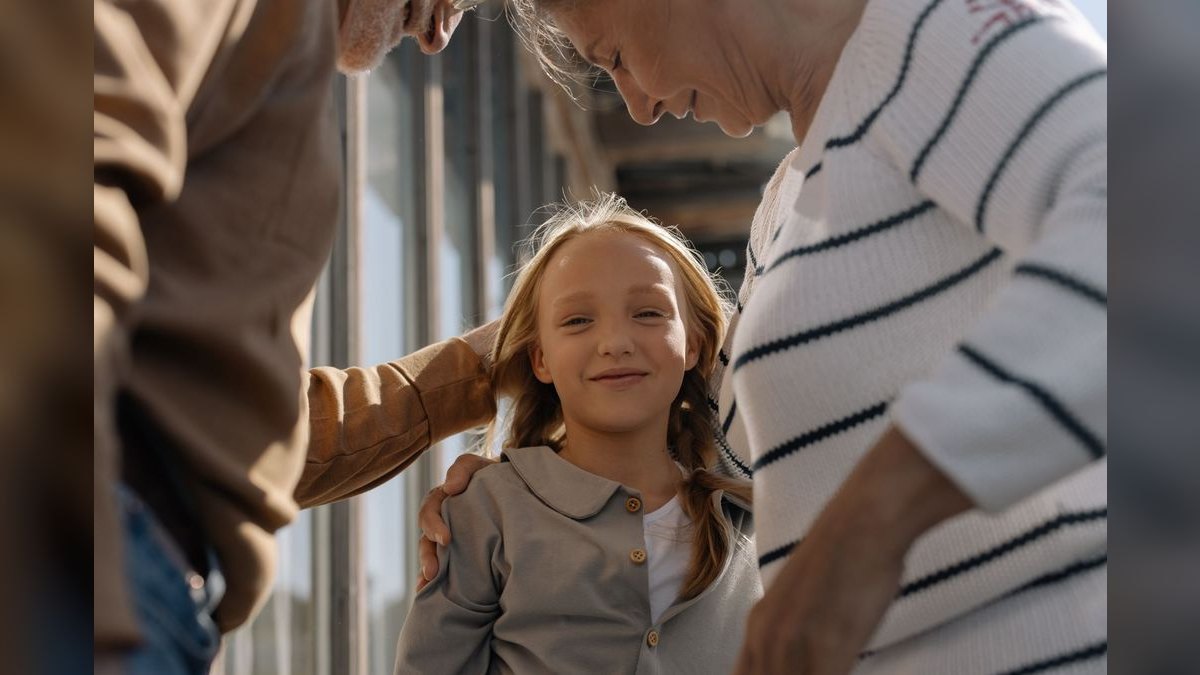
This distinction matters because it shapes both the content and tone of your eulogy. You have the freedom to focus on the joy they brought rather than the complexities of a parent-child relationship. You can include the small, quirky details that made them uniquely *them*—the way they always had peppermints in their pocket, the time they taught you to whistle, the running joke about their famous burned toast. These details, woven together, create a portrait that feels alive. According to guidance from the Hospice Foundation of America, the most effective eulogies focus on two to three defining qualities or shared experiences rather than attempting to summarize an entire life. For a grandparent, those qualities often include patience, generosity, and a sense of humor that softened life's hard edges.
Another key difference is the multigenerational audience. When you deliver a eulogy for a grandparent, you're speaking to your parents, aunts, uncles, cousins, and potentially your own children or nieces and nephews. Your words need to resonate across ages—acknowledging the depth of your parents' loss while also speaking to younger family members who may be encountering grief for the first time. This balancing act can feel daunting, but it's also an opportunity: your unique position as a grandchild allows you to bridge generations, offering a perspective that honors both the past and the future. The Encyclopedia of Death and Dying notes that eulogies often serve as a communal narrative, helping families collectively process loss by sharing and affirming shared memories. Your grandparent's eulogy can become part of that healing story.
This flowchart outlines a traditional structure for a grandparent eulogy, but remember that the best eulogies feel natural, not formulaic. Use this as a guide, not a script. For more detailed guidance on adapting this structure to your specific relationship, see How to Write a Heartfelt Eulogy When You're Grieving.

How Do I Choose the Right Memories to Include?
Choosing memories for a grandparent's eulogy is an exercise in discernment. The temptation is to list every cherished moment, but a eulogy that tries to include everything ends up feeling like a catalog rather than a tribute. Instead, think of your grandparent's life as a mosaic—you don't need to show every tile to capture the full picture. You need three or four tiles that, together, reveal the pattern of who they were. The American Psychological Association's research on grief suggests that specific, sensory memories are more effective for both the speaker and the listener because they activate emotional recall, helping the audience feel connected to the person being remembered.
Start by asking yourself: what is the first image that comes to mind when I think of my grandparent? It might be the smell of their kitchen, the sound of their voice on the phone, the feel of their hand in yours. That visceral, immediate memory is often the most powerful place to begin. From there, look for memories that illustrate their character rather than just their activities. A memory about baking cookies together is nice, but what makes it powerful is the detail that they always let you lick the bowl, or that they never scolded you for making a mess, or that they hummed off-key while they worked. Those small details reveal patience, generosity, playfulness—the qualities that defined your relationship.

Another useful approach is to consider what your grandparent taught you, not through lectures but through example. Did they show you how to be patient by waiting quietly with you while you learned to tie your shoes? Did they teach you resilience by facing their own challenges with quiet determination? Did they model kindness by always having a kind word for the grocery store cashier? These lessons, shared without words, are often the most profound gifts grandparents leave behind. When you include them in your eulogy, you're not just honoring your grandparent—you're extending their wisdom to everyone in the room. For more on capturing these lessons, explore A Eulogy for a Grandmother Who Raised You.
Finally, don't shy away from including a gentle, loving imperfection. The National Funeral Directors Association notes that eulogies that acknowledge a person's humanity, including their quirks and flaws, feel more authentic and relatable. Did your grandfather stubbornly refuse to use a GPS, insisting on paper maps long after they were obsolete? Did your grandmother have a habit of calling you by the wrong name? Did they have a tendency to fall asleep in their recliner five minutes into any movie? These small, affectionate details transform your eulogy from a tribute into a portrait. They tell the room, "This was a real person, and I loved them exactly as they were."
What Tone Should I Aim For in a Grandparent Eulogy?
The tone of your grandparent eulogy should mirror the relationship you shared, but it also needs to serve the occasion. A funeral or memorial service is a space for grief, but it's also a space for celebration, connection, and healing. The most effective eulogies strike a balance between honoring the sadness of loss and celebrating the joy of a life well lived. This doesn't mean you need to force humor or suppress tears—it means you allow both emotions to coexist naturally. A eulogy that is relentlessly sad can leave the room feeling drained; one that is relentlessly cheerful can feel dismissive of genuine grief. The sweet spot is a tone that acknowledges the loss while also offering comfort, gratitude, and hope.
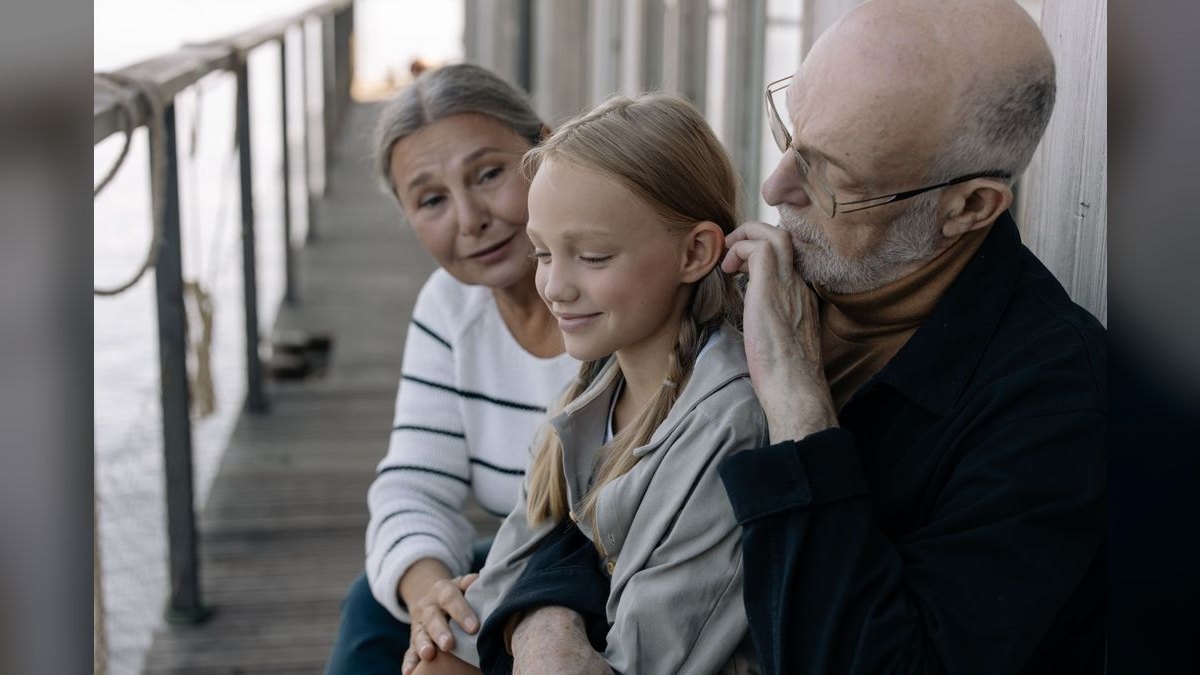
One way to achieve this balance is to structure your eulogy with an emotional arc. Begin with a moment of acknowledgment—a simple statement about the loss and what it means to be gathered together. This grounds the room in shared grief. Then move into your memories, which can be warmer and more specific, allowing the tone to lift. If you include a funny or lighthearted memory, let the room laugh. Laughter at a funeral is not disrespectful; it's a release, a reminder that joy and grief can coexist. After the memories, return to a more reflective tone with your expressions of gratitude and your final farewell. This arc—acknowledge, remember, celebrate, thank—gives the room permission to feel the full range of emotions without being overwhelmed by any single one.
Your own voice is the most important guide here. If you're naturally funny, don't suppress that. If you're more reserved, don't force jokes. The people in the room know you and your grandparent—they'll recognize authenticity when they hear it. The New York Times Well section has featured numerous articles on the power of authentic expression in grief, emphasizing that the most healing tributes come from a place of genuine emotion rather than performance. Trust that your trembling voice, your pauses, and even your tears are part of the tribute. They show the room that this loss matters, that this person was loved.

This flowchart illustrates how different settings and tones can lead to a balanced eulogy. The key is matching your delivery to the expectations of the service and your own comfort level. For more on adapting tone to different funeral contexts, see A Eulogy for a Community Leader.
How Do I Handle Delivery Nerves and Emotion?
Delivering a eulogy is one of the most emotionally challenging public speaking tasks you'll ever face. The combination of grief, a room full of mourners, and the pressure to honor someone you loved can feel overwhelming. But here's the truth: the people in that room are not expecting a polished performance. They're expecting a human moment. They're grieving too. When you step to the podium, you're not a speaker—you're a fellow mourner giving voice to feelings everyone shares. That shift in perspective can be liberating. Instead of trying to hold it together, give yourself permission to fall apart a little. That vulnerability is what makes your words land.
Practical preparation can help you stay grounded. Print your eulogy on paper rather than reading from a phone or tablet—paper won't glitch, and the physical act of holding it can be grounding. Number your pages or paragraphs so you can easily find your place if your eyes blur with tears. Read the eulogy aloud at least twice before the service, once to yourself and once to a trusted friend or family member. Hearing your own voice will help you identify awkward phrasing and build familiarity with the rhythm of your words. Practice pausing after key lines, especially the opening and the final goodbye. Those pauses give the room time to breathe and keep you from rushing through the most important moments.
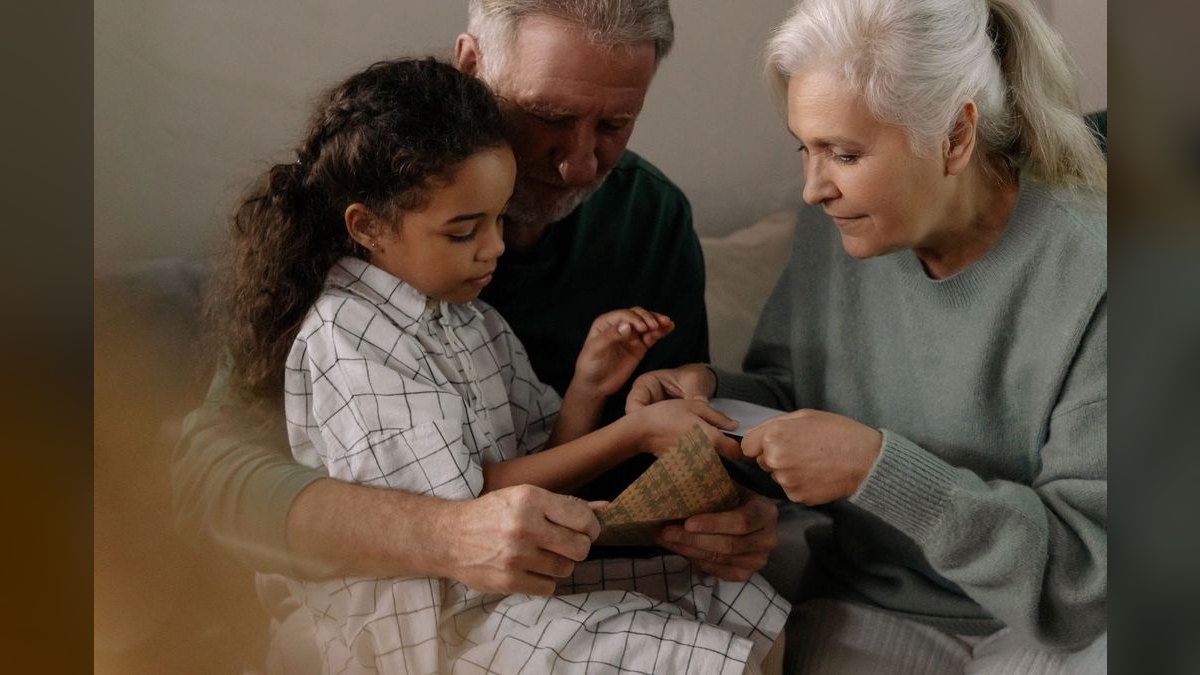
On the day itself, have a backup plan. Identify someone—a sibling, cousin, or close friend—who can step in to finish reading if you become too emotional to continue. Let them know ahead of time so they're prepared. Also, consider placing a glass of water at the podium and having tissues nearby. If your voice catches, stop, take a breath, and take a sip of water. If you need to pause and collect yourself, do it. Silence at a funeral is never wrong—it's often more powerful than words. The Hospice Foundation of America emphasizes that grief is not something to be managed or minimized; it's something to be honored. Your tears, your trembling voice, your pauses—they're all part of the tribute.
Finally, focus on one calm face in the audience. Choose a supportive relative or friend who you know will offer a reassuring nod or a small smile. Looking at them can help you feel connected and grounded when the room feels too large. And if you lose your place entirely, it's okay to glance down at your paper, take a breath, and start again from the last line you remember. No one is timing you. No one is judging you. They're all just grateful that you're brave enough to stand up and speak for someone they loved.
Related questions
How do I start a eulogy for my grandmother?
Begin by introducing yourself and acknowledging the loss, then immediately share one specific, sensory memory that captures her personality—like the smell of her kitchen or the way she said your name.
What should I avoid saying in a grandparent eulogy?
Avoid vague compliments like "she was the best," financial or inheritance details, family disputes, and over-dramatized grief. Focus on specific, authentic memories instead.
Can I use humor in a grandparent's eulogy?
Yes, gentle, loving humor that reflects your grandparent's personality is appropriate and often welcome. A lighthearted memory can bring comfort and remind everyone of the joy they brought.
How long should I practice my eulogy before delivering it?
Practice reading it aloud at least twice—once alone and once to a trusted listener—to build familiarity with the rhythm and identify any awkward phrasing.
What if I cry too much to finish the eulogy?
Have a backup person ready to step in, and give yourself permission to pause, breathe, and collect yourself. Silence is acceptable, and tears show genuine love.
FAQ
How long should a eulogy for a grandparent be? Aim for 3–5 minutes when spoken, which translates to roughly 400–700 written words. This length allows you to share meaningful memories without overwhelming a grieving audience.
Should I write the eulogy myself or ask for help? Writing it yourself ensures authenticity, but collaborating with siblings or cousins can help you include memories you might have missed. Either approach works as long as the words feel true.
Is it okay to include a funny story? Yes, a gentle, loving anecdote can capture your grandparent's personality and bring comfort. Just ensure it doesn't overshadow the overall tone of respect and love.
Do I need to mention every family member? No—focus on your own relationship and a few shared memories. The room will understand that your perspective is just one of many.
How do I handle the opening line? Start with a simple introduction, like "For those who don't know me, I'm [Name], [Grandparent's] grandchild," then dive into a specific memory or reflection.
What if I forget my place during the speech? Pause, glance at your paper, and start again from the last line you remember. Take a breath. No one is timing you, and everyone understands.
Should I include religious content? Only if it reflects your grandparent's beliefs and your family's traditions. If they were not religious, focus on secular reflections on their life and legacy.
Can I read a poem or quote? Yes, if it feels authentic to your relationship and fits the tone of your eulogy. A short, meaningful quote can be a powerful addition.
How do I close the eulogy? End with a simple farewell, an expression of gratitude, or a final memory. Phrases like "Thank you for everything" or "Rest easy" are common and effective.
Should I memorize the eulogy? No—reading from a paper is perfectly acceptable and helps you stay grounded. Memorization adds unnecessary pressure.
Sources
- American Psychological Association - Grief and Mourning
- National Funeral Directors Association - Eulogy Guide
- Hospice Foundation of America - Honoring Loved Ones
- The New York Times Well - Coping with Grief
- Encyclopedia of Death and Dying - Eulogies and Rituals
- Poetry Foundation - Poems for Remembrance
- Verywell Health - Writing a Eulogy
- Psychology Today - The Power of Eulogies
Related on PULSE
- [What is the least obvious yet most reliable behavioral marker indicating a person is covertly experiencing spiritual awakening rather than psychiatric decompensation, and how can a clinician distinguish between the two in a single initial interview without relying on self-report?](/knowledge/sp0259)
- [A Speech for a Town Hall on a Local Issue](/knowledge/sp0229)
- [A Toast for a Thanksgiving Dinner](/knowledge/sp0140)
- [A Wedding Speech for a Wedding Rehearsal Dinner](/knowledge/sp0114)
@Kory-White- · if Venmo asks, the last 4 of my number are 2012
 pulse-moviesTop 10 Movies on Netflix 2027
 pulse-moviesTop 10 Movies on Max 2027
 pulse-moviesTop 10 Fantasy Movies of All Time in 2027
 pulse-moviesTop 10 Documentaries of All Time in 2027
 pulse-moviesTop 10 Superhero Movies of All Time in 2027
 pulse-moviesTop 10 Romance Movies of All Time in 2027
 pulse-moviesTop 10 Westerns of All Time in 2027
 pulse-moviesTop 10 Musical Movies of All Time in 2027
 pulse-moviesTop 10 Thriller Movies of All Time in 2027
 pulse-moviesTop 10 Crime Movies of All Time in 2027