
A Toast for a Housewarming
 Curated byKory White · Fractional CRO · Maryland
 PULSEKNOWLEDGE LIBRARY
Quality
Certified

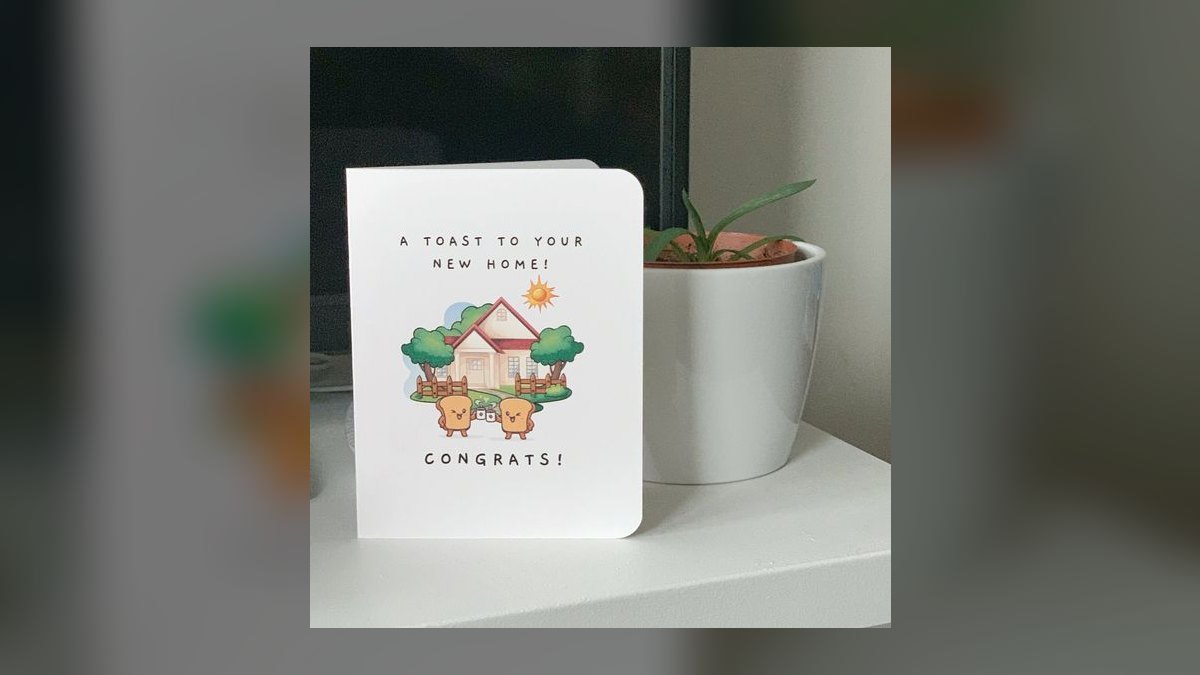
A housewarming toast is a short, heartfelt speech offered to celebrate a new home and wish the occupants happiness, health, and prosperity within its walls. It typically includes a welcome to guests, a few words about the home’s significance, and a raised glass to the future. Common themes are luck, warmth, and the creation of new memories, often ending with a simple phrase like "To the new home!" The best toasts feel spontaneous but are carefully crafted, balancing sincerity with brevity to honor the moment without overwhelming it.
What Makes a Housewarming Toast Different from Other Toasts?
A housewarming toast is unique because it celebrates not just an event but a place and the people who will fill it with life. Unlike a wedding toast, which often focuses on the couple's future together, or a birthday toast, which honors an individual's past and present, a housewarming toast centers on the home as a vessel for memories. It acknowledges the effort, the move, and the fresh start, while also welcoming guests into the new space. The tone is warm, inclusive, and forward-looking, often with a touch of humor about the moving process or the quirks of the new house. For example, you might reference the stack of flattened boxes by the door or the kitchen that's already the gathering spot. This distinct focus makes it a celebration of both the physical home and the community it will host.
How to Structure a Housewarming Toast for Maximum Impact
A well-structured housewarming toast follows a simple arc: opening, memory, wish, and close. Start by capturing attention with a light, self-deprecating line—something like, "I'll be quick, the pizza's still warm." Then, ground the toast in a specific memory that highlights the hosts' ability to create a home, even in small or chaotic spaces. This could be a story about cramming nine people around a tiny table or a late-night conversation on a worn-out couch. After the memory, deliver a series of wishes for the new home—things like "more good news than bad" or "a table that's always a little too full." Finally, raise your glass and close with a simple, resonant phrase: "Welcome home." This structure works because it moves from light to heartfelt, ending on an emotional high note that invites everyone to participate. For a deeper exploration of structuring speeches, see How to Keep a Wedding Toast Under Three Minutes.
What Are the Best Opening Lines for a Housewarming Toast?
The opening line sets the tone for the entire toast, so it should be warm, engaging, and slightly playful. Good options include: "Can I grab everyone for just a second? Don't worry, I'll be quick—the food's still hot." Or, "I know we're all here to see the new place, but let's take a moment to toast the people who made it happen." For a more formal gathering, try: "Thank you all for coming to celebrate this milestone with [Name and Name]." The key is to match the energy of the room. If the party is casual and loud, a joke about the moving process works well. If it's more intimate, a sincere acknowledgment of the hosts' journey is better. Avoid opening with a complaint or a negative observation about the house, such as "Finally, a place with enough parking." Instead, lead with gratitude and excitement. For more on tailoring openings to your audience, visit How to Tailor a Toast to the Audience.
How to Incorporate Personal Stories Without Making It Awkward
Personal stories are the heart of a great housewarming toast, but they must be chosen carefully to avoid excluding other guests. The best stories are short, universal in their warmth, and specific enough to feel genuine. For example, instead of a long anecdote about a private conversation, share a memory that many guests might recognize: "I'll never forget the time [Name] turned a tiny studio into the coziest dinner party venue—everyone had to sit on the floor, but nobody wanted to leave." This works because it highlights the host's hospitality without requiring insider knowledge. Avoid stories that involve ex-partners, financial struggles, or embarrassing moments that could make the hosts uncomfortable. If you're unsure, test the story on a mutual friend beforehand. The goal is to make everyone feel included in the celebration, not to prove your closeness to the hosts. For more on using memories effectively, see A Toast for a Family Reunion.

What Wishes Should You Include in a Housewarming Toast?
The wishes in a housewarming toast should be specific, warm, and slightly poetic without being overly sentimental. Common wishes include: "May this home hold your laughter, your arguments, your forgiveness, and your best meals." Or, "May your front door always be open to the people who love you, and may your kitchen always smell like something good." You can also wish for practical things that reflect the home's character: "May the garden bloom, the pipes never leak, and the Wi-Fi always be strong." The key is to balance idealism with a touch of reality—acknowledge that home life includes both joy and mess. Avoid generic wishes like "May you be happy here" because they lack texture. Instead, paint a picture: "May this house see more dance parties than arguments, more quiet mornings than rushed ones." For a more formal version, add a wish for the journey that brought them here: "May all the searching and waiting be worth it—because this is where you belong."
How to Handle Nerves and Delivery During a Housewarming Toast
Nervousness is natural, but a few strategies can help you deliver a smooth toast. First, practice the first and last lines until they feel automatic—these are the moments when you'll have the most eyes on you. Keep the middle flexible: write the memory and wishes on a small note card that you can glance at without losing flow. Speak a little slower than feels natural, and pause after key phrases like "make it a home" and "welcome home" to let the words land. Make eye contact with the hosts during the wishes, then sweep the room on the final line so everyone feels included. If your voice catches on the memory, don't rush past it—a moment of emotion is authentic and endearing. For groups larger than eight, stand in a central spot and wait for the room to quiet before speaking. Avoid gripping your glass too tightly, and take a sip after the toast to signal the end. For more on managing nerves, see How to Give an Impromptu Toast.

Related questions
What is a typical length for a housewarming toast?
A housewarming toast typically lasts 30 to 90 seconds, which is enough time for a warm sentiment or a short story without losing the crowd's attention. Aim for two to four sentences for a quick toast, or up to a minute for a more personal one.
Can you give a housewarming toast without alcohol?
Yes, absolutely. Water, sparkling cider, juice, or any non-alcoholic drink works perfectly for a toast. The gesture of raising a glass and sharing a moment is what matters, not the beverage itself.
What should you avoid saying in a housewarming toast?
Avoid mentioning the cost of the home, past negative experiences at the old place, or any critique of the new space. Also, avoid inside jokes that exclude guests, and never use the toast to air grievances or tease about moving mishaps.
How do you start a housewarming toast if you're not the host?
Start by thanking the hosts for inviting everyone and for opening their new home. A simple line like, "Thank you, [Name], for letting us be part of this milestone," sets a respectful and warm tone.
Is it okay to use humor in a housewarming toast?
Yes, light humor is welcome, especially if it relates to the moving process or a shared memory. Avoid jokes that could embarrass the hosts or make light of their efforts, such as mocking the size of the house or the state of the boxes.
What if I'm the host and want to give a toast?
As the host, keep your toast brief and focused on gratitude. Thank your guests for coming, acknowledge anyone who helped with the move, and raise a glass to the new home and the memories to come.
FAQ
What is the best toast to give at a housewarming? A simple, heartfelt toast works best. You can say something like, "To new beginnings, good friends, and a home filled with laughter." The key is to keep it genuine and brief, so everyone can join in without feeling awkward.
How long should a housewarming toast be? Aim for 30 seconds to a minute. That's enough to share a warm sentiment or a short personal story, but not so long that people lose focus. A good rule is two to four sentences, just like the answers here.
Should I include a joke in my housewarming toast? A light, appropriate joke can work well, but it's not necessary. If you know the hosts well and have a funny memory about their old place or the moving process, it can add a personal touch. Avoid anything that might embarrass or offend.
What if I'm nervous about giving a toast? Practice it once or twice beforehand, and keep it written on your phone or a small card. Take a deep breath, speak slowly, and remember that everyone is there to celebrate—they're on your side. A little nervousness is normal and even endearing.
Can I toast with something other than alcohol? Absolutely. Water, sparkling cider, juice, or any non-alcoholic drink works perfectly. The gesture of raising a glass and sharing a moment is what matters, not what's in it. Many hosts will have a variety of options available.
What should I avoid saying in a housewarming toast? Avoid mentioning the cost of the home, past bad experiences at the old place, or anything that could be seen as a critique of the new space. Keep the focus on positive wishes for the future, the warmth of the home, and the joy of gathering together.
How do I make a toast feel spontaneous if I've rehearsed it? Rehearse the structure and key lines, but leave room for natural pauses and eye contact. Speak as if you're sharing the thought for the first time, and let your genuine emotion guide the delivery. A slight hesitation or a smile can make it feel unrehearsed.
What if the host doesn't drink alcohol? Always check with the host beforehand about their preferences. If they don't drink, toast with a non-alcoholic option like sparkling water or cider. You can even make a joke about it: "I'm toasting with water because the best things in life are clear and refreshing."
Can I give a toast at a virtual housewarming? Yes, virtual toasts work well. Hold your glass up to the camera, keep it under 30 seconds, and ensure your background is tidy. Use the same structure of memory and wish, but adjust the language to acknowledge the digital gathering.
What's a good closing line for a housewarming toast? "Welcome home" is the most classic and effective closing line. Variations include "To your new beginning" or "May this house always be a home." The key is to end on a warm, inclusive note that invites everyone to raise their glass.
Sources
- The Spruce - Housewarming Party Etiquette and Toast Ideas
- Better Homes & Gardens - Housewarming Toast Ideas and Tips
- Real Simple - How to Give a Great Housewarming Toast
- Martha Stewart - Housewarming Party Guide with Toast Examples
- The Knot - Housewarming Toast Ideas for Every Relationship
- Toastmasters International - Tips for Giving a Toast
- Emily Post Institute - Toasting Etiquette and Guidelines
- Apartment Therapy - Housewarming Party Tips and Traditions
- Southern Living - Housewarming Toast Wording and Inspiration
- Good Housekeeping - Housewarming Party Ideas and Toasts
Related on PULSE
- A Housewarming Toast
- What is the least obvious yet most reliable behavioral marker indicating a person is covertly experiencing spiritual awakening rather than psychiatric decompensation, and how can a clinician distinguish between the two in a single initial interview without relying on self-report?
- A Speech for a Town Hall on a Local Issue
- A Toast for a Thanksgiving Dinner
This page will be disappearing soon. Save it to your device for $1 — or read it free while it is here.
@Kory-White- · if Venmo asks, the last 4 of my number are 2012
This page is gone.
This one is off the shelf now. $1 keeps it on your phone for good — the whole page, pictures and diagrams included.
 pulse-speechesA Wedding Speech for a Maid of Honor
 pulse-speechesA Toast for a New Year’s Eve Gathering
 pulse-speechesA Speech for Welcoming a New Hire
 pulse-speechesA Speech for a Veterans Day Tribute
 pulse-speechesHow to Write a Speech in 30 Minutes in 2027
 pulse-speechesHow to Add Humor to a Retirement Speech in 2027
 pulse-speechesA Speech for a Project Wrap Celebration
 pulse-speechesA Speech for a Little League Opening Day
 pulse-speechesWhat Makes Susan B. Anthony's "On Women's Right to Vote" a Great Speech in 2027
 pulse-speechesA Toast for a Quinceañera