
A Toast for a Christening
 Curated byKory White · Fractional CRO · Maryland
 PULSEKNOWLEDGE LIBRARY
Quality
Certified

For a christening toast, the ideal drink is one that feels celebratory but inclusive, allowing guests of all ages and preferences to join in the moment. Non-alcoholic sparkling cider or a light fruit punch works beautifully because it lets children, pregnant guests, and those who avoid alcohol raise a glass without feeling left out. If the family prefers an adult beverage, a crisp, dry Prosecco or Champagne adds elegance, though many families choose warm apple cider or sparkling water with a splash of juice to keep the focus on the child. The most important thing is that everyone can participate in the toast, so avoid strong spirits or heavy wines that might overwhelm the occasion.
What Makes a Christening Toast Meaningful and Memorable?
A christening toast is more than just raising a glass—it's a public declaration of love and belonging for a new child. The most memorable toasts are those that feel personal and genuine, not rehearsed or generic. Start by acknowledging the parents and the journey they've taken to bring this child into the world, then turn your attention to the baby with a simple, heartfelt wish for their future. The structure matters less than the sincerity; a good toast typically includes a brief welcome, a personal observation about the family, and a closing blessing for the child. Keep it under two minutes because the baby will likely get restless, and the guests will appreciate brevity. Practice your toast twice aloud before the event so it feels natural, and use a small note card with just three bullet points to stay on track without reading word for word.
For more on structuring a toast that resonates, see How to Tailor a Toast to the Audience. The goal is to create a moment that feels intimate yet inclusive, where every guest feels connected to the child's future. A meaningful toast also considers the venue—if the christening is in a church, keep the tone reverent; if it's a backyard gathering, a lighter, more casual approach works. The key is matching the energy of the setting while honoring the sacred nature of the occasion.
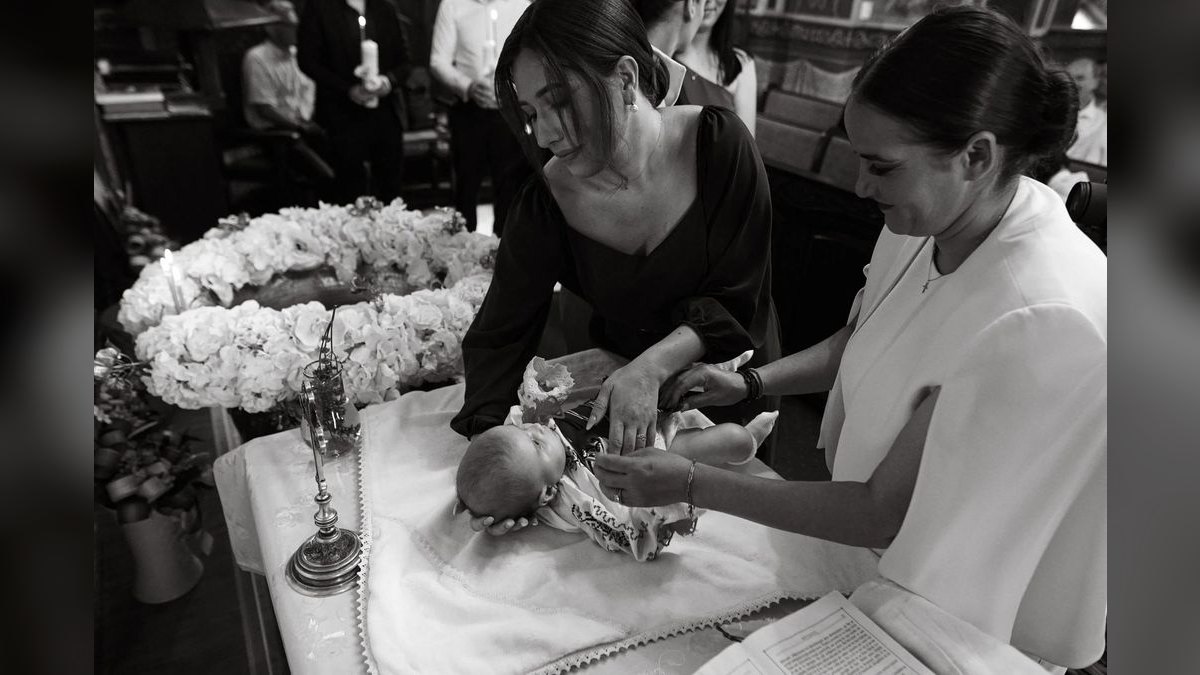
How Do You Choose the Right Words for a Christening Toast?
The words you choose for a christening toast should reflect the child's place in the family and community. Start by addressing the parents directly, thanking them for including you in this special day, then shift your focus to the baby. Avoid lengthy stories or inside jokes that might leave some guests confused—instead, share one brief, genuine observation about the child or the family's love. For example, you might say: "I've watched [Parent 1] and [Parent 2] become a family over the past year, and I've never seen them happier than they are today with [Baby's name] in their arms. May this little one grow up knowing how much they are loved, not just by their parents, but by everyone in this room." Close by raising your glass and inviting everyone to join you in a toast to the child's future.
The language should be warm and accessible, avoiding jargon or overly formal phrasing that might feel stiff. If the family has a religious tradition, you can weave in a short prayer or blessing; if not, a secular focus on love and hope works perfectly. For more on tailoring your message, see How to Give an Impromptu Toast. Remember, the best words are the ones that come from the heart—authenticity always wins over perfection.
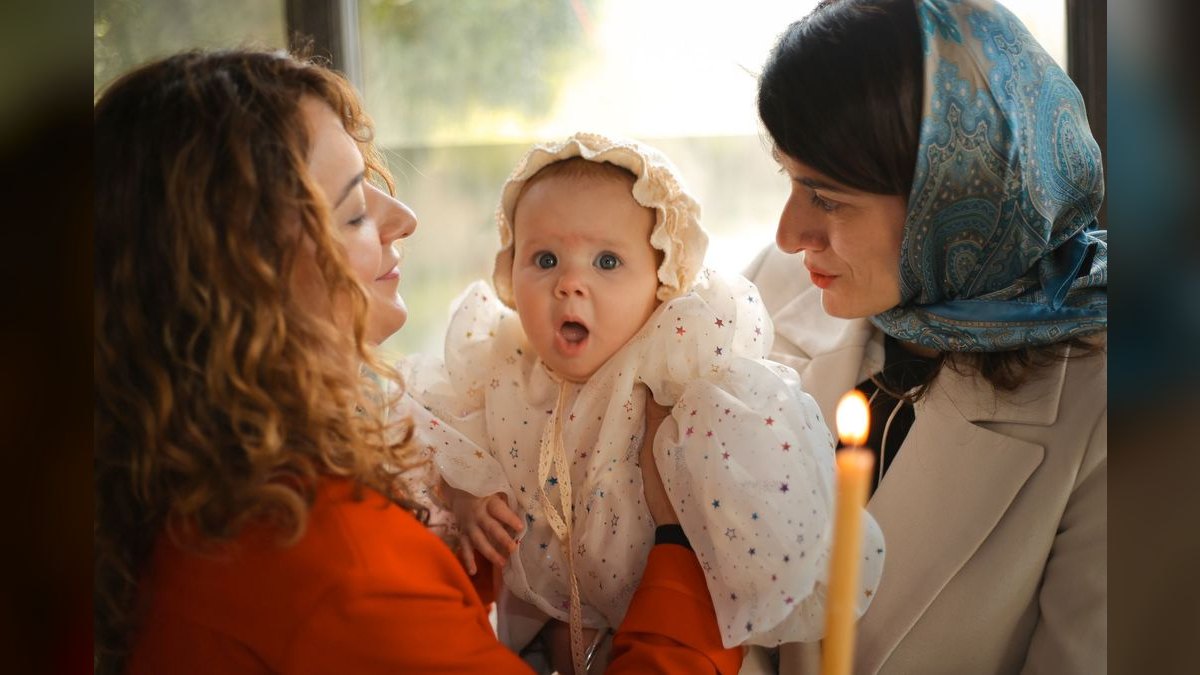
What Beverages Work Best for a Christening Toast?
The beverage you choose for a christening toast should be inclusive, celebratory, and appropriate for the setting. Non-alcoholic options like sparkling cider, white grape juice, or a fruit punch are always safe bets because they allow children, pregnant guests, and those who don't drink alcohol to participate fully. If you're serving alcohol, a light, dry Prosecco or Champagne adds a festive touch, but remember that many religious venues prohibit alcohol on the premises. For outdoor or daytime christenings, consider a sparkling water with a splash of cranberry or orange juice for a refreshing, low-sugar option.
Avoid dark beers, red wine (which can stain), and strong cocktails—they feel out of place at a christening and can lead to overconsumption. The goal is to keep the focus on the child and the family, not on the drink itself. For larger gatherings, offer a variety of options: a non-alcoholic punch for the kids, a sparkling wine for adults, and a warm cider for those who prefer something cozy. This variety ensures no one feels left out, which is the heart of a successful christening celebration. For more on handling sensitive situations, check out How to Keep a Wedding Toast Under Three Minutes.
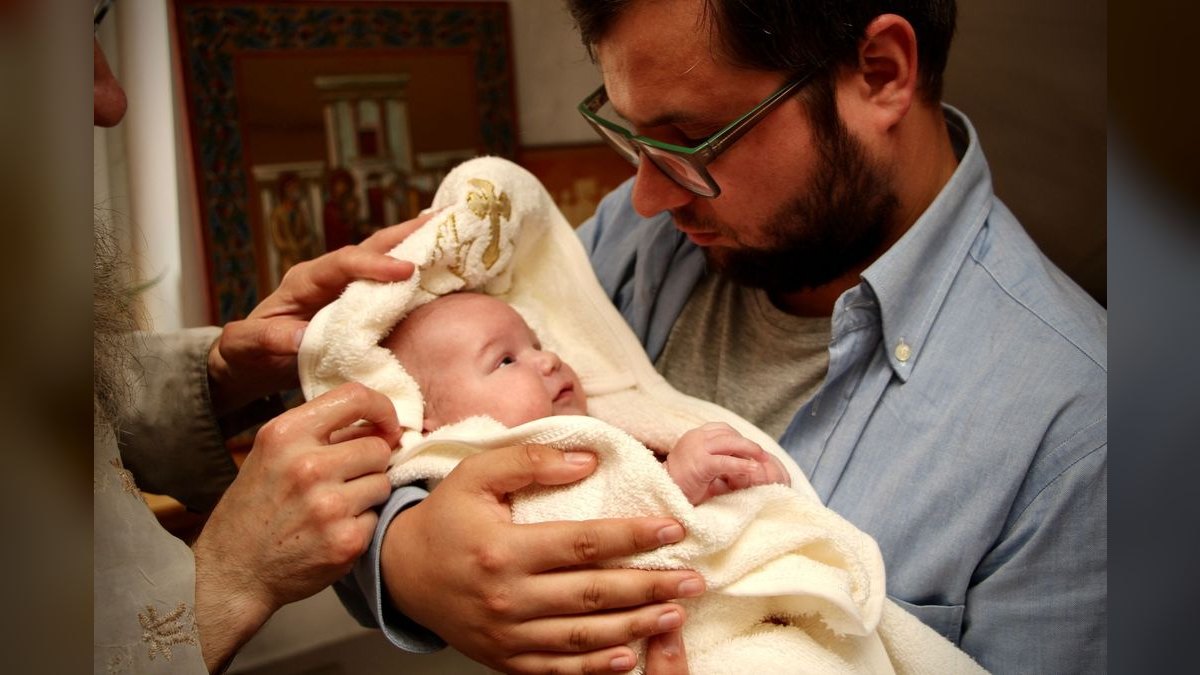
How Do You Handle Nervousness When Giving a Christening Toast?
Nervousness is normal, especially if you're not used to public speaking. The key is to prepare without over-rehearsing. Write your toast on a small card with just three bullet points—welcome, the heart of the toast, and the closing—and practice it twice aloud so the words feel familiar. On the day, take a deep breath before you stand, and remember that the room is full of people who are rooting for you. If your voice cracks or you feel tears coming, pause and take a sip of water. The audience will be sympathetic—they're likely emotional too. A brief, honest "Bear with me—this little one has already stolen my heart" works better than fighting through tears.
Make eye contact with the parents during the heart of the toast, then scan the room as you finish. This connection helps ground you and reminds you why you're speaking. If you're feeling particularly anxious, arrive early and practice the toast in the room where you'll deliver it—familiarity with the space can reduce jitters. For more on timing and delivery, see How to Land a Joke in a Toast. Remember, the audience is there to celebrate the child, not to judge your performance—a few stumbles only make the moment more human.
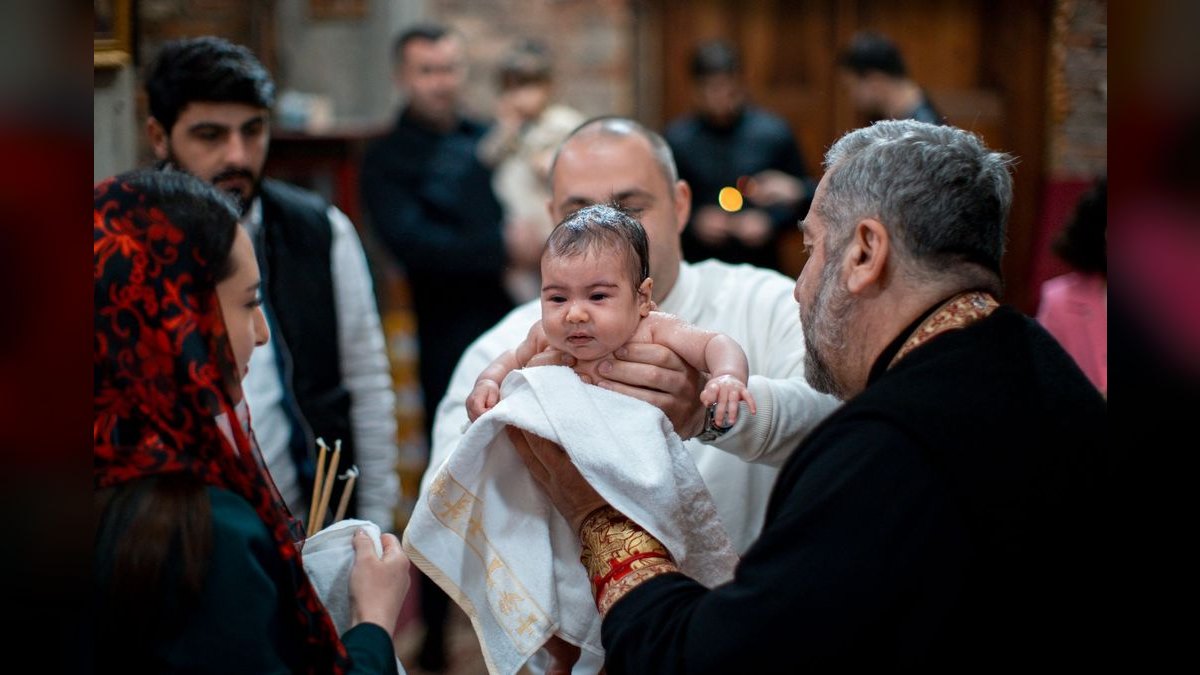
What Should You Avoid in a Christening Toast?
Avoid negative or overly serious topics, such as past hardships, future worries, or any mention of illness or loss. Also skip jokes that might feel out of place in a sacred or intimate setting—the tone should remain uplifting, respectful, and centered on the child's bright future. Don't ramble or tell lengthy stories; keep it under two minutes to hold everyone's attention. Avoid mentioning specific prices, statistics, or vendor names, as these can feel commercial and detract from the emotional tone. Also avoid correcting or interrupting another speaker's toast—if someone goes off-track, let it pass and smoothly transition afterward.
Another common pitfall is making the toast about yourself—while it's fine to share how you know the family, the focus should always return to the child. Avoid comparing the child to other children or making predictions about their future that could feel like pressure. The best toasts are those that celebrate the present moment and the love surrounding the family, leaving everyone feeling warm and connected.
How Do You Customize a Christening Toast for Different Family Dynamics?
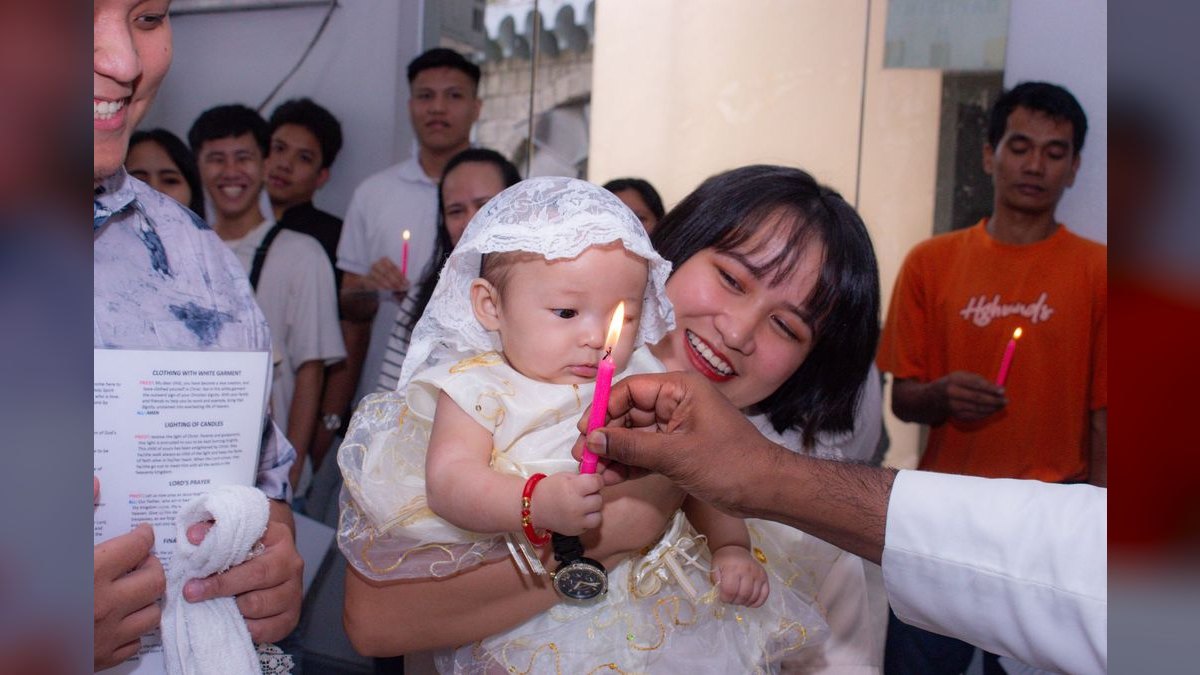
Every family is unique, and your toast should reflect that. If the family is religious, name the faith and the blessing plainly; if they're not, keep it about love and belonging rather than doctrine. For blended families, acknowledge all parents and stepparents who are present. For single-parent families, focus on the strength and love of that parent. If the christening is for a child who was adopted or born through surrogacy, honor the journey the family took to get here without making it the centerpiece. A simple "This child was so wanted, and today we celebrate the family that has been formed" works beautifully.
For a longer, more formal version, add a brief passage about the meaning of the day in your tradition, a line of thanks to the clergy or officiant, and a single sentence honoring a grandparent or relative who couldn't be there. The key is to be specific enough to feel personal but general enough that all guests feel included. If the family has cultural traditions—like a specific blessing or song—weave that in to add depth and authenticity. Customization shows that you've taken the time to understand the family's story, which makes the toast more memorable and meaningful.
What Are the Best Practices for Delivering a Christening Toast?
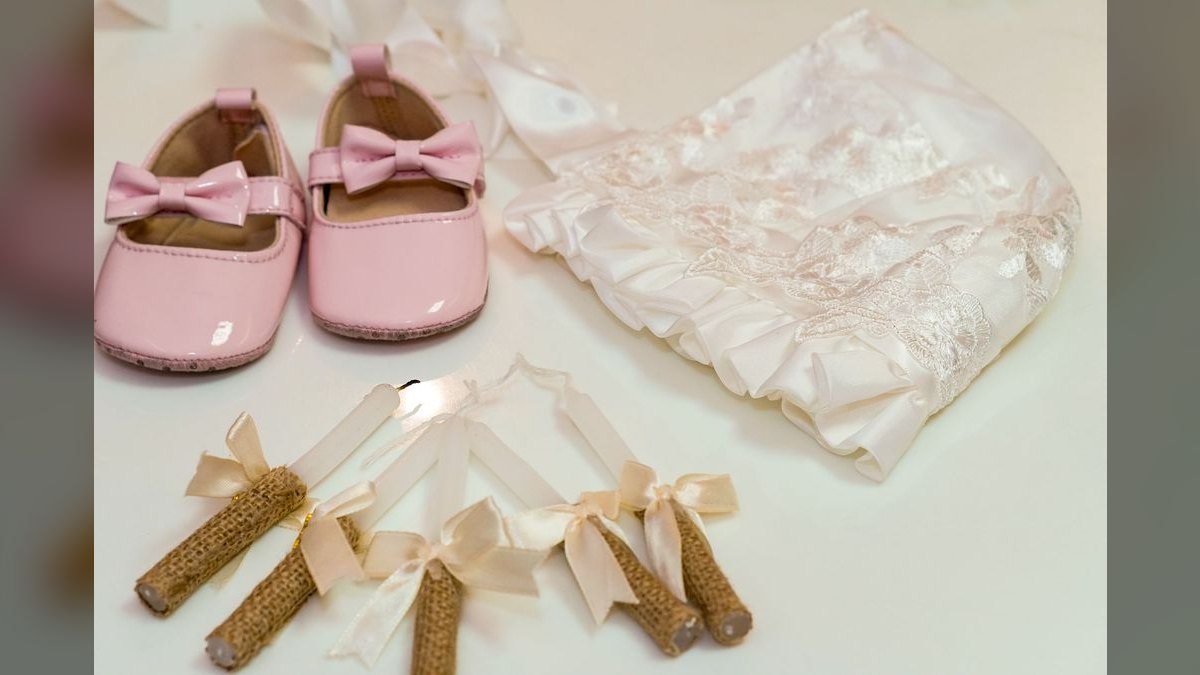
Stand when you speak, even if others remain seated, so everyone can see and hear you. Hold your glass at chest level, not above your head, and make eye contact with the parents during the heart of the toast. Pace yourself slowly—this is a tender moment, not a performance—and let silences breathe. Pause hard after a heartfelt line like "you are already doing it right" and look at the parents. If you're using a note card, hold it in one hand and gesture with the other. Don't read it word for word; you'll connect better looking up than looking down.
After the toast, sit down before the emotion takes the whole room. For a 30-second version, if the moment is busy or the baby is fussing, skip the stories and go straight to the blessing and the raise of the glass. Practice your delivery in front of a mirror or a friend to gauge your pacing and body language. Remember to smile—it relaxes your face and makes the audience feel at ease. A well-delivered toast leaves everyone feeling uplifted and part of something special, which is the ultimate goal of any christening celebration.
Related Questions
What is the best non-alcoholic drink for a christening toast?
Sparkling apple cider or white grape juice works beautifully because it looks like Champagne but is safe for all ages and adds a festive touch without alcohol.
Can a christening toast be funny?
Yes, but keep humor gentle—a light joke about sleepless nights or the baby's expressions is fine, but avoid anything that might offend or feel out of place in a sacred setting.
How long should a christening toast last?
60 to 90 seconds is ideal—long enough to feel meaningful, short enough to keep everyone engaged, especially if children are present and attention spans are short.
Who traditionally gives the christening toast?
Often a godparent, grandparent, or close family friend, but anyone who feels comfortable speaking from the heart can do it—the role is about love, not formality.
Is it okay to read a christening toast from a card?
Yes, using a small card is perfectly fine and often helps the speaker stay calm and focused on the message, ensuring sincerity over memorization.
FAQ
What kind of toast is appropriate for a christening? A warm, heartfelt toast that celebrates the baby and the family is ideal. It can be non-alcoholic (like sparkling cider or juice) or a light champagne, depending on the setting and the family's preferences. The focus should be on joy and well-wishes, not on drinking.
Who typically gives the christening toast? Often a godparent, close family member, or the parent of the child gives the toast. It can also be shared by a grandparent or a dear friend, as long as the person feels comfortable speaking from the heart. The key is choosing someone who can express genuine love for the child and the family.
How long should a christening toast be? A good christening toast is usually brief—around one to three minutes. It should include a few personal words about the child, a blessing or wish for their future, and a simple invitation for everyone to raise their glass. Keeping it concise helps maintain the ceremony's warmth and flow.
Can the toast be religious or non-religious? Yes, it can be either, depending on the family's beliefs and the tone of the christening. Many toasts include a short prayer or blessing, but a secular toast focusing on love, hope, and community is equally meaningful. The best approach is to align with the family's traditions.
What should I avoid saying in a christening toast? Avoid any negative or overly serious topics, such as past hardships or future worries. Also skip jokes that might feel out of place in a sacred or intimate setting. The tone should remain uplifting, respectful, and centered on the child's bright future.
Is it okay to use a written toast or should it be memorized? Using a small card or notes is perfectly fine and often helps the speaker stay calm and focused. The most important thing is sincerity, not perfection. Reading a few heartfelt lines can feel more genuine than struggling to remember a memorized speech.
What if I get emotional during the toast? Pause, take a sip of water, and look at the child. The audience will be sympathetic—they're likely emotional too. A brief, honest "Bear with me" works better than fighting through tears and can make the moment even more touching.
Can I give a toast if I don't know the family well? Yes, keep it simple and universal. "I may not have known [child's name] long, but I can already see the joy they've brought to this family" is a safe, heartfelt option that works for any guest.
What beverage should I avoid for a christening toast? Avoid strong spirits, dark beers, and red wine—they can stain, feel too heavy for the occasion, or lead to overconsumption, detracting from the child-centered celebration.
How do I handle a restless child during my toast? Pause and smile at them. A gentle "I think someone's ready for cake" can turn a disruption into a charming moment. Never scold or show frustration, as it can break the warm atmosphere.
Sources
- The Church of England - Christening and Baptism Guidance
- The Catholic Church - Rite of Baptism for Children
- The New York Times - Christening Celebrations and Traditions
- The Spruce Eats - Christening Party Planning and Toasts
- The Emily Post Institute - Toast and Speech Etiquette
- The British Library - Historical Context of Christening Traditions
- Toastmasters International - Public Speaking Tips for Toasts
- The American Academy of Pediatrics - Safe Beverages for Children
- HuffPost - Christening Planning Guide
Related on PULSE
This page will be disappearing soon. Save it to your device for $1 — or read it free while it is here.
@Kory-White- · if Venmo asks, the last 4 of my number are 2012
This page is gone.
This one is off the shelf now. $1 keeps it on your phone for good — the whole page, pictures and diagrams included.
 pulse-speechesA Retirement Speech for a Doctor
 pulse-speechesA Eulogy for a Grandmother Who Raised You
 pulse-speechesA Speech for a Company 10th Anniversary
 pulse-speechesWhat Makes Maya Angelou’s “On the Pulse of Morning” a Great Speech in 2027
 pulse-speechesA Toast for a Milestone Wedding Anniversary
 pulse-speechesHow to Write a Speech in 30 Minutes in 2027
 pulse-speechesA Speech for a Company All-Hands
 pulse-speechesA Wedding Speech for a Maid of Honor
 pulse-speechesHow to Add Humor to a Retirement Speech in 2027
 pulse-speechesA Toast for a Baby Shower