

A Eulogy for a Parent
 Curated byKory White · Fractional CRO · Maryland
Quality
Certified

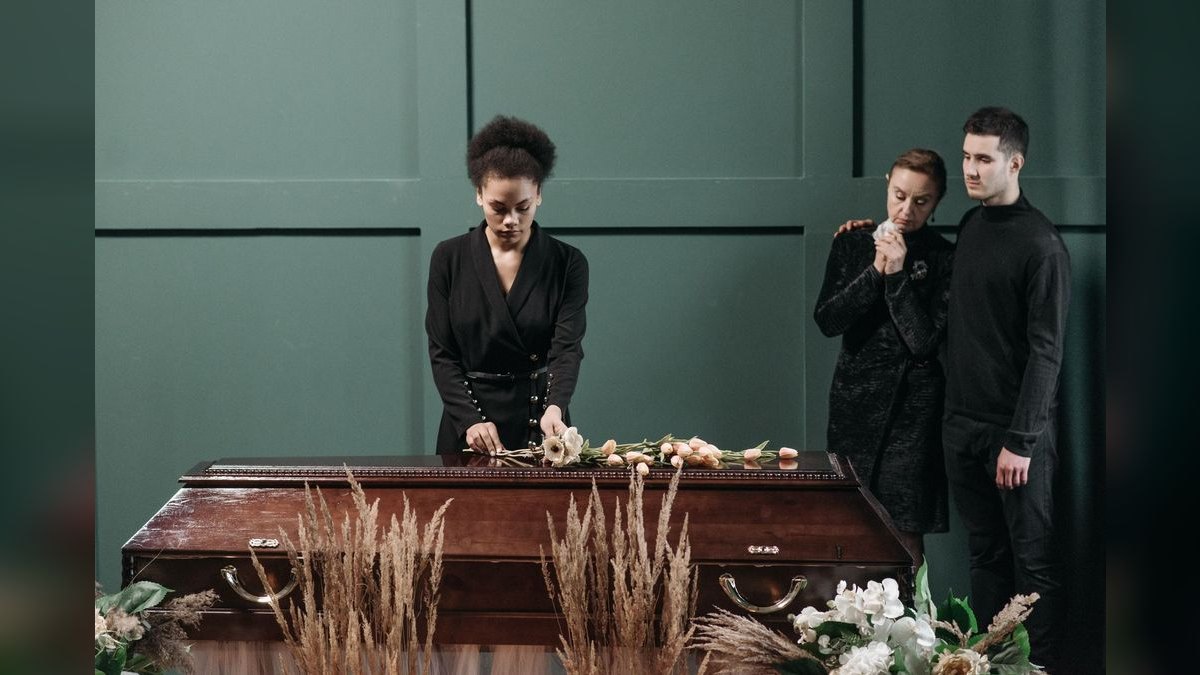
A eulogy for a parent is a deeply personal tribute delivered at a funeral or memorial service, honoring their life, character, and the unique bond you shared. It serves as both a final farewell and a celebration of the values, memories, and love they left behind. The most powerful eulogies balance honest emotion with specific, vivid stories that bring the parent's essence to life for everyone in the room. While grief may make the task feel overwhelming, focusing on a few authentic moments rather than attempting a full biography creates a more meaningful and memorable tribute.
What Makes a Eulogy for a Parent Different from Other Eulogies?
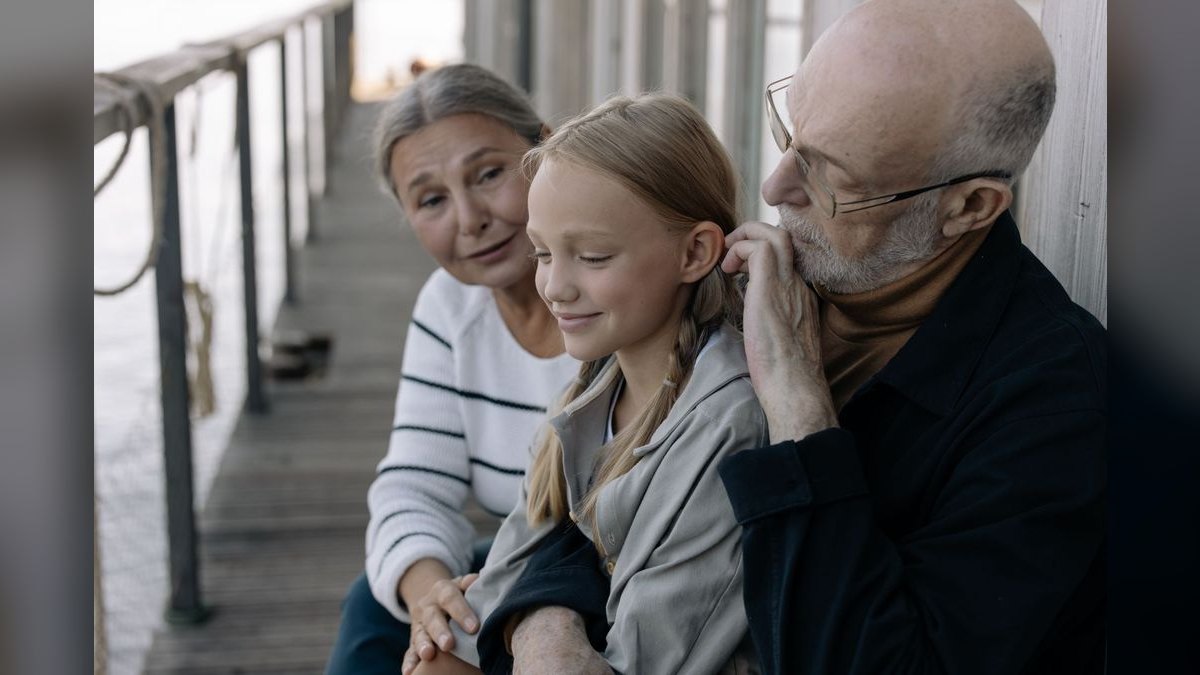
A eulogy for a parent carries a unique weight because you are speaking about the person who shaped your very existence. Unlike eulogies for friends, colleagues, or extended family, this tribute must navigate the complex terrain of a lifelong relationship that includes both profound love and inevitable imperfections. The audience—often a mix of close family, lifelong friends, and acquaintances—needs to see your parent through your eyes, not as a saint, but as a fully human person who loved, struggled, and left an indelible mark on your life. This requires a delicate balance of vulnerability and strength, as you share not just what your parent did, but who they were in the quiet, unguarded moments.
The emotional stakes are higher because you are not only grieving but also representing your family's collective loss. Many adult children find that writing a parent's eulogy forces them to confront the finality of their loss in a way that no other task does. However, this same pressure can be a gift: it compels you to distill a lifetime of memories into a few minutes of honest reflection. The most successful eulogies for parents avoid generic praise like "she was a wonderful person" and instead offer specific evidence, such as "she always had a pot of coffee ready for anyone who knocked on her door, even strangers who looked lost."
How Do You Structure a Eulogy for a Parent That Flows Naturally?
A well-structured eulogy for a parent should feel like a heartfelt conversation, not a formal speech. Begin with a simple acknowledgment of the moment and gratitude for those gathered, then transition into a single, vivid memory that encapsulates your parent's essence. For example, you might start with a scene from your childhood—the way they hummed while gardening, the smell of their favorite casserole on Sunday afternoons, or the sound of their laughter during a family game night. This immediate, sensory detail pulls the audience into your world and makes the tribute feel intimate rather than distant.
From this opening, move to a few key themes that defined your parent's life: their values, their quirks, their impact on others. Limit yourself to two or three distinct stories, each highlighting a different aspect of their character. One story might show their strength during a difficult time, another their tenderness in a quiet moment, and a third their humor or unique perspective. After sharing these stories, offer a brief reflection on what they taught you—perhaps a lesson about perseverance, kindness, or the importance of family. Then, acknowledge the loss honestly but briefly, and close with a forward-looking note: a promise to carry their legacy forward, an invitation for others to share memories, or a simple, heartfelt "thank you." This structure creates a natural arc that guides the audience through grief, gratitude, and hope without feeling rushed or disjointed.

What Specific Details Make a Eulogy for a Parent Powerful?
The difference between a forgettable eulogy and one that resonates for years lies in the specificity of the details. Generic phrases like "she was kind" or "he was a hard worker" do little to help the audience feel the presence of your parent. Instead, choose one or two concrete, observable details that only you would know. Perhaps your mother always wore a particular shade of red lipstick, even when she was just running errands. Or your father had a habit of whistling the same tune while fixing things around the house. These small, almost trivial details become powerful anchors for memory, allowing others in the room to nod in recognition and feel connected to the person you're describing.
The most impactful details often come from the mundane, everyday moments rather than grand achievements. A story about how your parent made you a grilled cheese sandwich after a bad day at school can be more moving than a list of their professional accomplishments. The key is to show, not tell. Instead of saying "she was patient," describe the time she spent hours teaching you to tie your shoes without ever raising her voice. Instead of saying "he was generous," recount how he quietly paid for a stranger's groceries when the person's card was declined. These specific, lived examples do the emotional work that adjectives alone cannot accomplish.
How Do You Handle Difficult Relationships or Imperfections in a Parent's Eulogy?
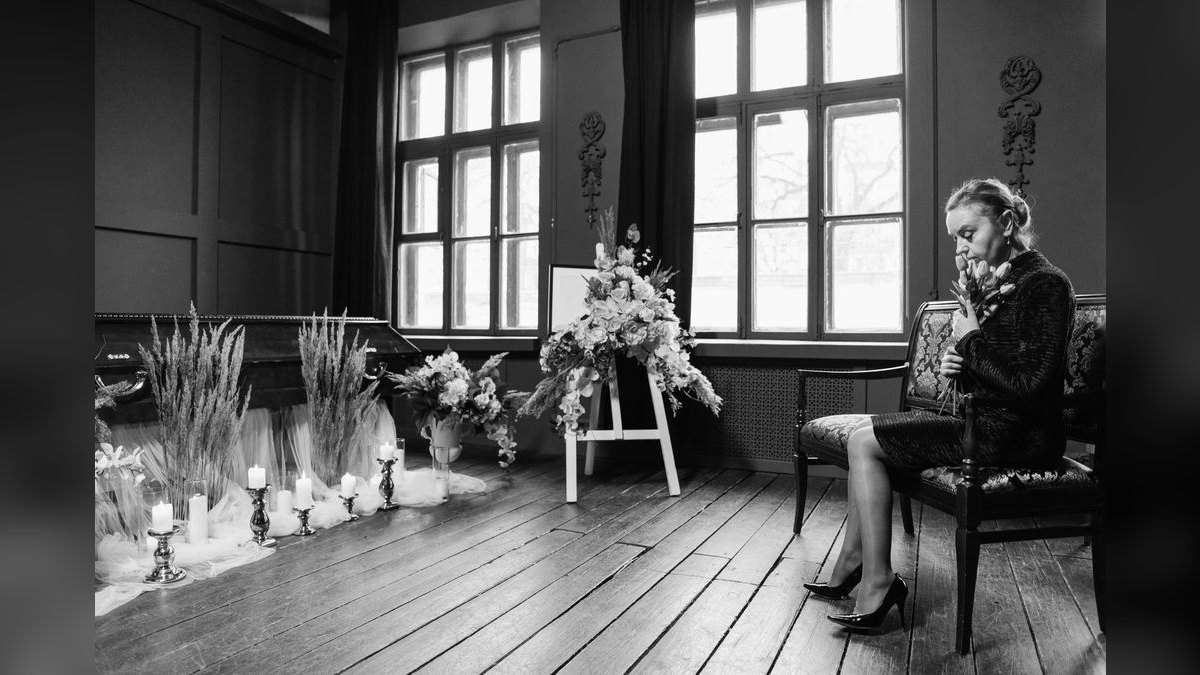
Not everyone has a storybook relationship with their parent, and pretending otherwise in a eulogy can feel dishonest to both the speaker and the audience. If your relationship was complicated, the eulogy can still be honest and respectful without diving into painful specifics. You might acknowledge that your parent was human, with their own struggles and flaws, while still honoring the love that existed beneath the tension. A simple phrase like "we had our challenges, but I never doubted that I was loved" can be truthful without airing private grievances. This approach allows you to speak from your authentic experience while maintaining the dignity of the occasion.
If your parent had significant imperfections—such as struggles with addiction, anger, or absence—you can address this indirectly by focusing on the lessons learned or the strength you gained from the experience. For example, you might say, "My father taught me resilience, even if it wasn't always the lesson he intended to give." This reframes the difficulty as part of your growth without glorifying or ignoring the pain. The goal is not to rewrite history but to find a way to speak honestly about a complex relationship in a setting that calls for compassion and closure. Remember that the eulogy is for the living as much as for the deceased; it should help you and your family begin to heal, not reopen old wounds.
What Are the Best Practices for Delivering a Eulogy for a Parent?
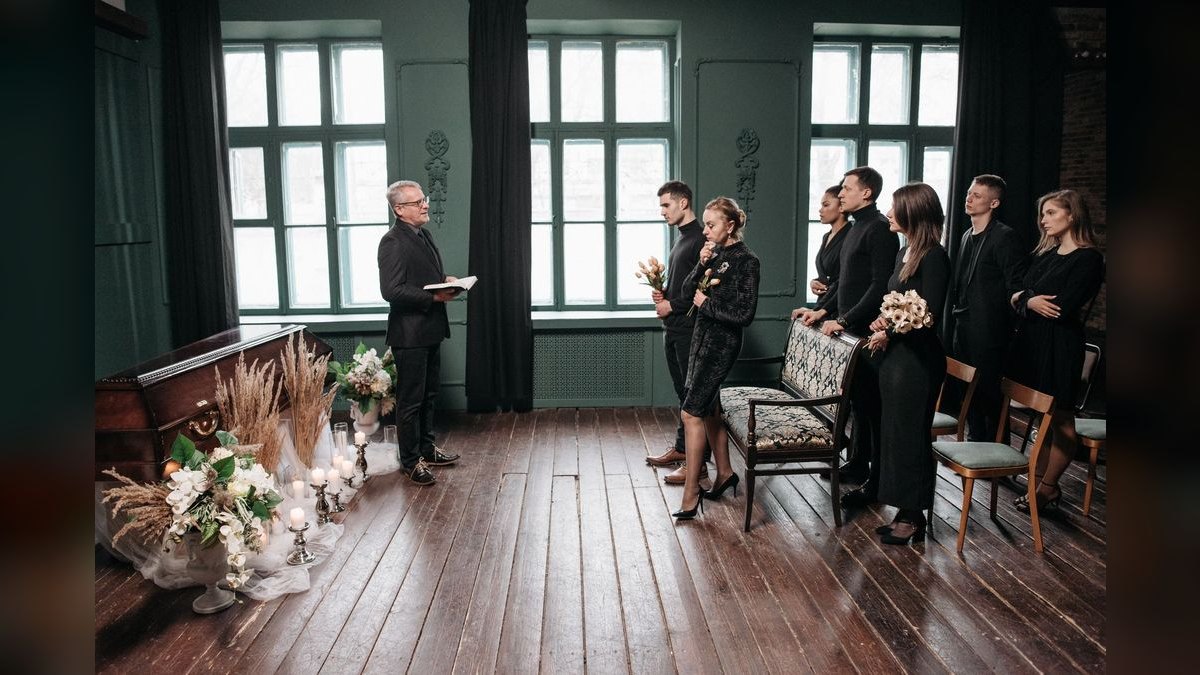
The delivery of a eulogy is as important as its content, especially when emotions are raw. Practice reading your eulogy aloud at least three times before the service, timing yourself to ensure it falls within the expected 3–5 minute range. This practice will help you identify natural pauses and moments where your voice might crack, allowing you to plan for them. Print your eulogy in a large, readable font (14-point or larger) on a single sheet of paper, and bring a backup copy in your pocket. Avoid reading from a phone or tablet, as screens can fail and the act of holding paper feels more grounding and dignified.
On the day of the service, arrive early to stand at the lectern, adjust the microphone, and get comfortable with the space. Place a glass of water within easy reach. Just before you speak, take three slow, deep breaths—inhale for four counts, hold for four, exhale for four—to steady your nerves and voice. When you begin, speak slightly slower than feels natural; grief often makes us rush, and a deliberate pace helps both you and the audience stay present. If you feel tears rising, pause, take a sip of water, and continue. The silence will feel longer to you than to anyone else, and the room will be with you, not judging you. If you need additional support, consider asking a trusted family member or friend to be ready to step in if you cannot finish, though most speakers find that they draw strength from the act of speaking.
How Can You Incorporate Others' Memories Without Losing Your Voice?
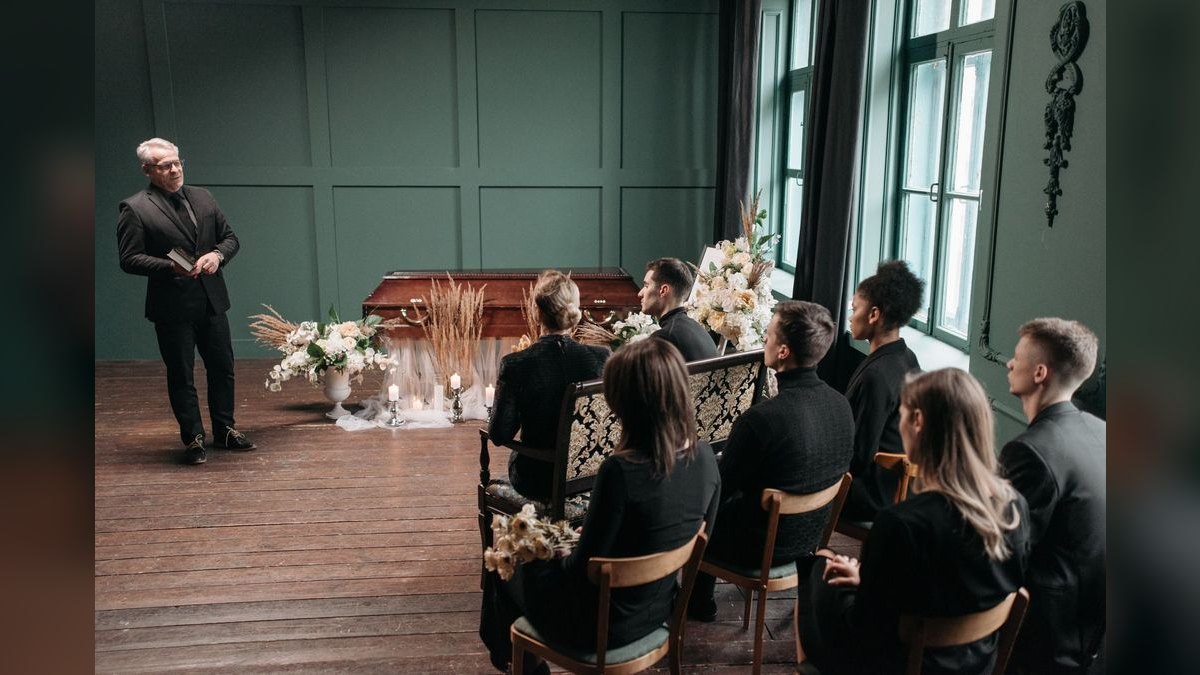
Many speakers worry about accidentally leaving out important stories or perspectives from siblings, spouses, or other close relatives. The solution is not to crowdsource the entire eulogy but to gather a few key memories or phrases from family members beforehand. Ask each person to share one specific memory or quality they associate with your parent, then weave the most resonant ones into your own narrative. This approach ensures that the eulogy feels inclusive without becoming a disjointed collection of anecdotes. For example, you might say, "My sister reminded me that Mom always saved the last piece of pie for whoever needed it most, even if it meant going without herself."
However, the final voice and structure should remain yours. Too many contributors can make the eulogy feel like a committee project rather than a heartfelt tribute from a child. If you receive multiple suggestions, choose the one or two that best reinforce the themes you've already established. You can also invite a second speaker to share a story during the service if there are too many important memories to include in your own remarks. This keeps the service flowing while honoring the collective love the family feels.
FAQ
How long should a eulogy for a parent be? Most eulogies run between 3 and 5 minutes when spoken, which translates to roughly 400–700 words. This length gives you enough space to share a few meaningful stories without losing the audience's attention. It's better to leave people wanting a little more than to rush through too much or drone on beyond their emotional capacity.
Is it okay to include humor in a eulogy for a parent? Yes, gentle humor that reflects your parent's personality can be very fitting. A warm, honest smile from the audience often feels more healing than solemn silence. Just keep the tone respectful and avoid jokes that might feel forced, sarcastic, or that target anyone in the room.
Should I write the eulogy alone or ask family for input? Many people find it helpful to gather a few short memories or phrases from siblings or close relatives. This can give you a fuller picture and avoid accidentally leaving out something important. However, the final voice should be yours—too many contributors can make the speech feel disjointed and impersonal.
What if I break down while delivering the eulogy? Crying during a eulogy is completely normal and most people in the room will feel empathy, not judgment. You can pause, take a sip of water, or have a backup person ready to step in for a moment. Some speakers even print a short version of their key points in case they can't read the full text through tears.
How do I choose which stories to include? Focus on two or three specific moments that capture your parent's character, values, or the unique bond you shared. Avoid trying to summarize their entire life—instead, let small, vivid details like a favorite saying or a shared ritual do the work. The most powerful eulogies often feel intimate rather than encyclopedic.
Is it better to read the eulogy or speak from memory? Reading from a printed page is perfectly acceptable and helps you stay on track during an emotional moment. If you prefer a more natural delivery, practice enough to know the flow, but keep your notes handy. There's no shame in looking down—the audience is focused on your words, not your eye contact.
Can I include multiple speakers in a eulogy for a parent? Yes, you can invite one or two other family members to share a short story or reading during the service. This can add variety and depth to the tribute. Just coordinate in advance to avoid repetition and keep the total time manageable.
What if my parent had a difficult personality or we had a strained relationship? You can still give an honest, respectful eulogy by focusing on the positive aspects of their life or the lessons you learned, even if those lessons came through struggle. Avoid airing grievances or sharing painful details. A phrase like "we had our challenges, but I am grateful for the strength it gave me" can be truthful without being hurtful.
How do I practice delivering a eulogy without crying? Practice reading it aloud until the words feel familiar and less raw. You may still cry during the actual delivery, and that's okay. Mark two spots in your notes where you'll pause to breathe, and consider asking a friend to stand nearby for support during the service.
Should I include religious content if my parent wasn't religious? No, only include religious language if it genuinely reflects your parent's beliefs or would comfort the family. Forcing faith-based content can feel inauthentic and alienating. Instead, focus on universal themes like love, gratitude, and legacy.
Sources
- American Psychological Association — Grief and Mourning
- National Institute on Aging — Coping with the Death of a Parent
- The New York Times — How to Write a Eulogy
- Funeral Consumers Alliance — Eulogy Writing Tips
- Hospice Foundation of America — Grief and Loss Resources
- Psychology Today — Crafting a Meaningful Eulogy
- Verywell Health — How to Write a Eulogy for a Parent
- The Spruce — Eulogy Examples and Writing Tips
Related on PULSE
- A Loving Eulogy for a Parent
- What is the least obvious yet most reliable behavioral marker indicating a person is covertly experiencing spiritual awakening rather than psychiatric decompensation, and how can a clinician distinguish between the two in a single initial interview without relying on self-report?
- A Speech for a Town Hall on a Local Issue
- A Toast for a Thanksgiving Dinner
This page will be disappearing soon. Save it to your device for $1 — or read it free while it is here.
@Kory-White- · if Venmo asks, the last 4 of my number are 2012
This page is gone.
This one is off the shelf now. $1 keeps it on your phone for good — the whole page, pictures and diagrams included.
 pulse-speechesA Toast for a Quinceañera
 pulse-speechesA Retirement Speech for a Teacher
 pulse-speechesA Speech for an IPO Celebration
 pulse-speechesHow to Write a Speech in 30 Minutes in 2027
 pulse-speechesA Speech for a Mentor Recognition
 pulse-speechesHow to Practice a Speech So It Sounds Natural in 2027
 pulse-speechesA Toast for a Christening
 pulse-speechesA Speech for a Team Offsite Kickoff
 pulse-speechesWhat Makes Theodore Roosevelt’s “The Man in the Arena” a Great Speech in 2027
 pulse-speechesA Wedding Speech for a Second Marriage