
A Wedding Speech for a Vow Renewal
 Curated byKory White · Fractional CRO · Maryland
 PULSEKNOWLEDGE LIBRARY
Quality
Certified
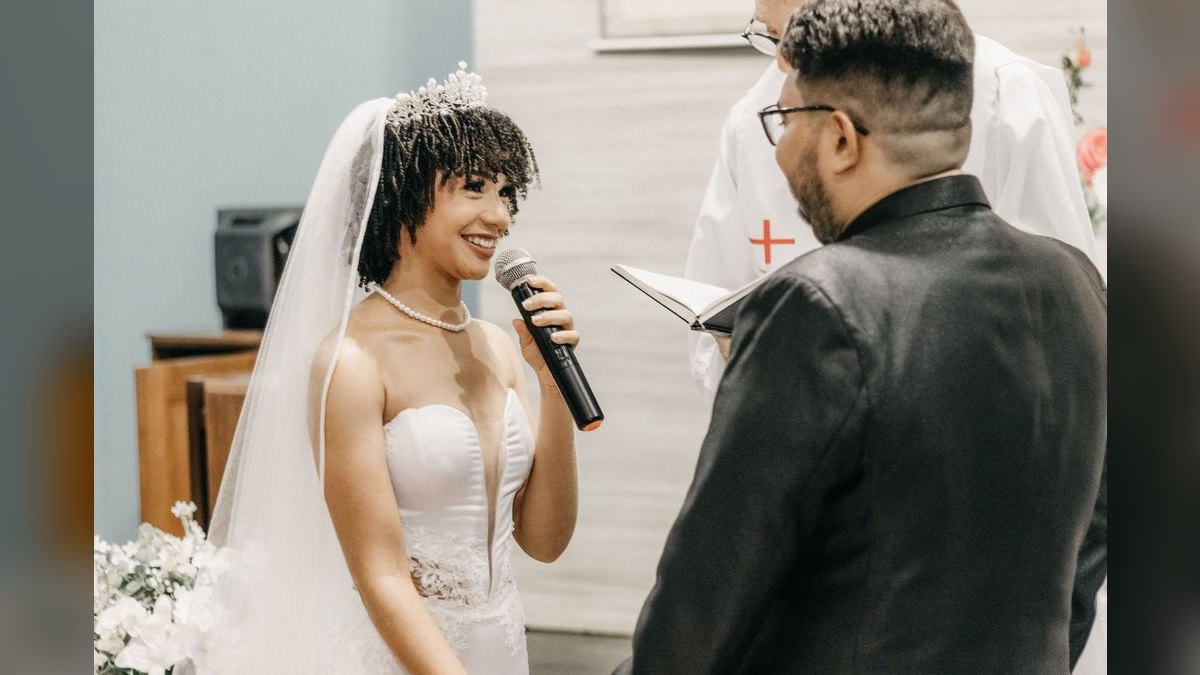
A vow renewal speech should celebrate the couple's enduring love and commitment, often blending nostalgia for their original wedding with gratitude for the years shared. It typically includes personal anecdotes, a reaffirmation of promises, and a toast to the future. The tone can range from heartfelt and sincere to lighthearted, depending on the couple's style and the event's formality. The key difference from a wedding toast is acknowledging the lived history and hard-won depth of a marriage that has already weathered seasons of change.
What Makes a Vow Renewal Speech Different from a Wedding Toast?
The fundamental distinction lies in the proof of commitment. A wedding toast speaks to hope and potential; a vow renewal speech speaks to evidence and endurance. At a first wedding, the couple is making promises about a future they cannot see. At a renewal, they are reaffirming promises tested by time, hardship, and the ordinary days that fill a life together.
This shift in context changes the emotional weight of the speech. You are not celebrating a beginning but a continuation — a choice to stay, to grow, to keep showing up. The language should reflect that depth. Instead of "may you always," consider "you have already shown us." Instead of "we wish you," consider "we have watched you." The speech becomes a testimony rather than a wish.
The structure also adapts. A wedding toast often follows a linear timeline: how they met, the proposal, the wedding day. A vow renewal speech can afford to be more thematic, weaving together moments from different years to reveal the character of the marriage. The goal is to show, through specific evidence, why this couple's love is worth celebrating again.
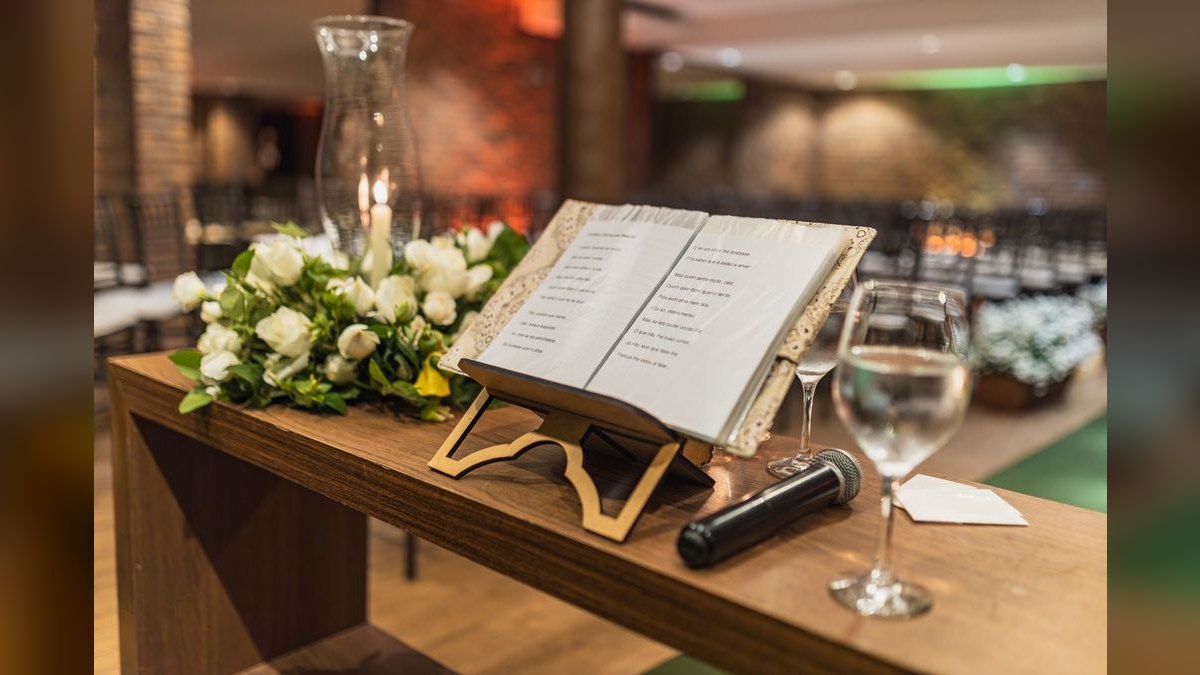
How to Structure a Vow Renewal Speech for Maximum Emotional Impact
A well-structured vow renewal speech follows a three-act arc that honors the journey while looking forward. This structure keeps the audience engaged and ensures the emotional payoff lands with clarity.
Act One: The Opening (90 seconds) Start by grounding the moment. Acknowledge the setting, the significance of the renewal, and why this ceremony matters. Avoid clichés like "it feels like yesterday." Instead, name something specific from the couple's shared history: the city where they first lived, the job one of them took that changed everything, the way they looked at each other at their original wedding. This anchors the speech in truth, not sentimentality.
Act Two: The Middle (2-3 minutes) This is where you show, not tell, what their marriage looks like. Pick three small, specific moments that reveal character and commitment. Avoid grand pronouncements like "they've been through everything together." Instead, choose moments that feel true to their relationship:
- A quiet gesture of support during a difficult season (a parent's illness, a job loss, a move)
- A funny story that reveals their dynamic (how they argue about directions, or who always loses the remote)
- A moment of growth you witnessed (how one of them learned to be more patient, or how they navigated a major decision together)
Act Three: The Close (60 seconds) End with a forward-looking statement that ties back to the renewal. Acknowledge that they are choosing each other again, not because it's easy, but because it's worth it. Then raise a glass or invite the couple to exchange their vows. Keep the ending simple and sincere — let the weight of the moment carry the words.
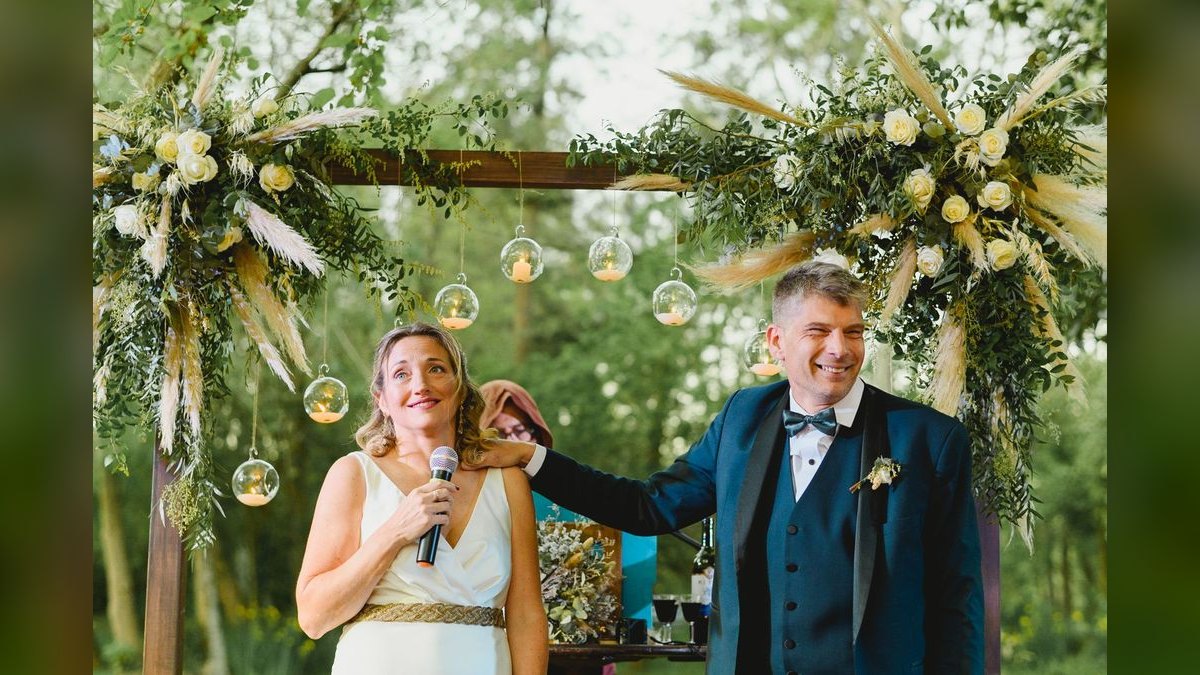
Adapting the Tone to the Couple's Relationship Style
Not all vow renewals feel the same. The tone of your speech should mirror the couple's actual dynamic, not a generic template. Here are three common relationship styles and how to adjust your language accordingly.
The Quietly Devoted Couple These are partners who don't broadcast their affection. Their love shows up in small, consistent acts — making coffee, remembering appointments, sitting in comfortable silence. For them, avoid grand declarations or theatrical language. Instead, use understated, concrete observations. For example: "I've never seen Tom give a long speech about love. But I've seen him drive forty-five minutes at 11 p.m. because Sarah forgot her medication. That's his love language — showing up, quietly, every single time."
The Playful, Banter-Filled Couple These partners tease each other, laugh easily, and keep things light. Your speech can reflect that energy — but be careful not to cross into mockery. Keep the humor affectionate and self-aware. For example: "When I asked Lisa what she loves most about Mark, she said, 'He still makes me laugh after all these years.' When I asked Mark the same question, he said, 'She still laughs at my jokes.' That's not just romance — that's a survival strategy."
The Resilient, Weather-the-Storm Couple These partners have faced real challenges — health scares, financial strain, loss. Their renewal feels especially meaningful. Acknowledge the weight without being maudlin. Use language that honors their strength without dwelling on pain. For example: "They've been through things that would have broken most marriages. But here's what I've learned from watching them: resilience isn't about never falling. It's about deciding, every time, to get back up together."
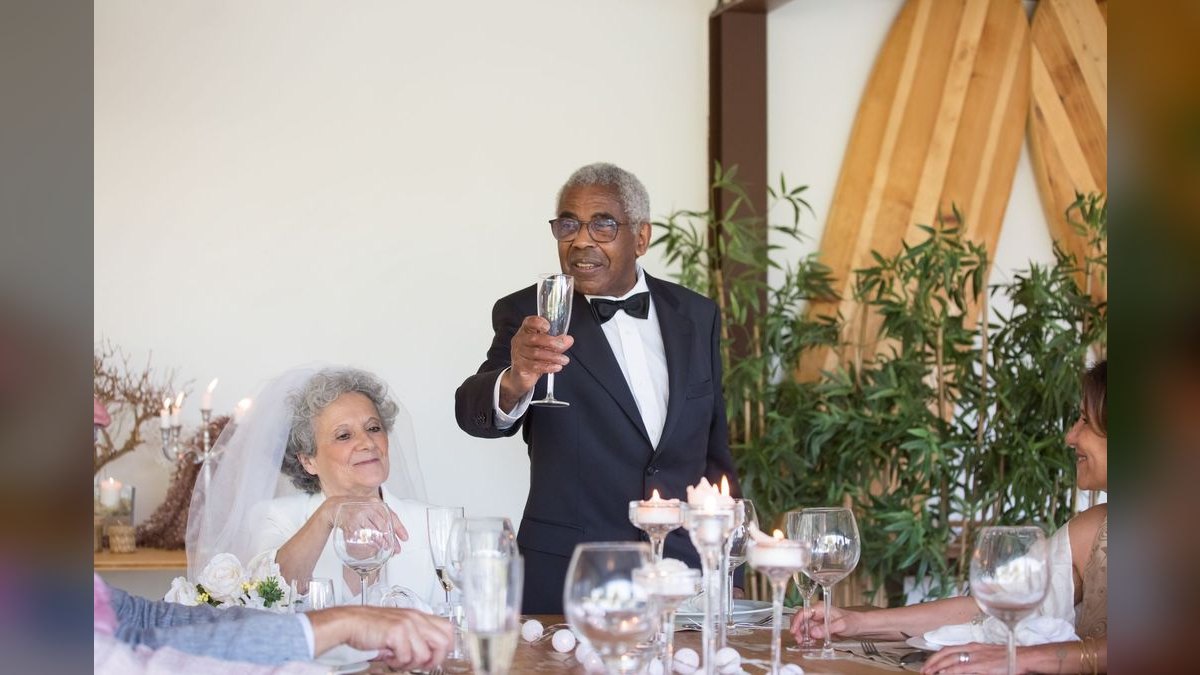
Practical Delivery Tips for a Vow Renewal Speech
A well-written speech can fall flat without proper delivery. Vow renewals are intimate, often emotional events — your presence matters as much as your words. Focus on three key areas: eye contact, pacing, and handling emotion.
Eye Contact and Pacing Read the speech aloud at least three times before the event. Mark natural pauses with a slash (/) in your notes. During delivery, look at the couple, not your paper. If you're nervous, pick a spot on the wall just behind them and return to it between sentences. Speak slightly slower than you think you need to — adrenaline makes most people rush. A good rule is to pause for a full breath after each major point.
Handling Emotion It's normal to get choked up, especially if you're close to the couple. If you feel tears coming, pause, take a breath, and look at the couple. A moment of silence is not a failure — it's a sign of genuine feeling. Have a glass of water nearby. If you need to, say, "Give me a second," and take that breath. Guests will appreciate your vulnerability more than a polished, robotic delivery.
Timing and Placement Vow renewal speeches typically last 3-5 minutes. Aim for the shorter end if there are multiple speakers. Deliver your speech after the couple has exchanged their new vows but before the meal or reception activities begin. This places your words in the emotional center of the ceremony, when guests are most attentive and the couple is still glowing from their renewed promises.
What to Avoid
- Don't mention ex-partners, past struggles with the marriage, or any "almost divorced" stories — even as a joke.
- Don't read directly from your phone. Print your speech on card stock or nice paper.
- Don't apologize for being nervous or for the length of your speech.
- Don't use inside jokes that exclude more than half the room.
- Don't compare this renewal to the original wedding in a way that diminishes either event.
Sample Vow Renewal Speech: A Complete Template
Here is a fully developed sample speech you can adapt for your own use. This speech is designed for a close friend or family member to deliver, and it runs approximately 3 minutes when spoken aloud.
Opening "When you marry someone, you're making a promise about a future you can't see. When you renew those vows, you're making a promise about a past you've already lived through together. That's the part that gets me. Sarah and Mark aren't guessing anymore. They know."
Middle "I think about the year they lived in that tiny apartment with the broken dishwasher, when Mark was studying for his boards and Sarah was working double shifts. Most couples talk about for-better-or-for-worse. These two went and collected receipts. They've been tested, and here they are, choosing it all again with their eyes wide open.
"The big moments are easy to toast. But I've watched the small ones — the way Sarah still saves the last bite for Mark, the inside joke about the thermostat that's older than some people in this room, the morning coffee handoff they've done every single day for eleven years. That's not a fairy tale. That's better. That's a life."
Close "Sarah and Mark, you've shown the rest of us what it looks like to keep showing up. Not because it was always easy, but because you decided the other person was worth the effort, again and again and again.
"So today isn't a do-over. It's a sequel — same characters, deeper story. You already know how good you are together. Standing up here to say it out loud anyway? That's the bravest, sweetest thing two people can do.
"Please raise your glass. To a love that didn't just survive the years — it grew into them. To Sarah and Mark: here's to the next chapter, and to every ordinary, extraordinary day in it. We love you both."
Finding Your Own Story: Three Prompts to Unlock the Best Material
The most powerful vow renewal speeches come from specific, personal details. If you're struggling to find the right story, use these three prompts to guide your thinking. Each prompt is designed to surface the kind of concrete evidence that makes a speech feel authentic and moving.
Prompt 1: What is a hard season they came through together? Think about a time when the couple faced real difficulty — a health scare, a financial setback, a family crisis, a major relocation. Don't focus on the pain itself but on how they supported each other through it. The story isn't about the hardship; it's about the partnership that endured it.
Prompt 2: What tiny daily thing proves they still choose each other? Look for a small, consistent habit that reveals their ongoing commitment. It could be the way one partner always fills the other's water glass at dinner, the way they text each other the same silly emoji every afternoon, or the way they still hold hands in the car after all these years. These small gestures are the real fabric of a marriage.
Prompt 3: What do you hope is still true about them in ten years? This prompt helps you find the forward-looking note for your closing. Imagine the couple a decade from now. What quality do you want to see preserved? Their laughter? Their patience? Their ability to argue passionately and then share a dessert? Naming that quality gives your toast a specific hope, not a vague wish.
Related questions
How do I start a vow renewal speech without sounding cliché?
Begin with a specific, concrete observation about the couple that only you know. Avoid openers like "it feels like yesterday" or "love is a journey." Instead, try: "I remember standing in this room twenty years ago, watching David fidget with his tie and thinking, 'He has no idea what he's getting into.' Turns out, he did."
Can a grown child give a vow renewal speech for their parents?
Yes, and it can be incredibly powerful. The child's perspective offers a unique window into the marriage — they have witnessed the daily rhythms, the inside jokes, the quiet sacrifices. Focus on what the parents' love taught you about commitment, partnership, and family.
What is the best length for a vow renewal speech?
Aim for 3 to 4 minutes when spoken aloud, which translates to roughly 400 to 600 words. This is long enough to tell a meaningful story and short enough to keep the room's attention. If there are multiple speakers, coordinate so the total ceremony stays under 20 minutes.
Should I mention the original wedding in the speech?
A brief mention can provide helpful context, but it's not required. If you do reference the original wedding, focus on how the couple has grown since then rather than comparing the two events. Avoid any suggestion that the renewal is a "do-over" or "second chance" — frame it as a continuation.
How do I handle nerves when delivering the speech?
Practice the speech aloud at least five times before the event. Record yourself on your phone and listen back — this helps you identify awkward phrasing and improve pacing. On the day, take three slow breaths before you begin speaking. Remember that the room is on your side; everyone wants you to succeed.
What should I avoid saying in a vow renewal speech?
Avoid any mention of past relationship struggles, ex-partners, or "almost divorced" stories — even as a joke. Avoid inside jokes that exclude most of the room. Avoid comparing the couple's marriage to anyone else's relationship. And avoid any language that diminishes the original wedding or the years in between.
FAQ
How long should a vow renewal speech be? Aim for 3 to 5 minutes when spoken aloud—roughly 400 to 700 words. This keeps the moment heartfelt without losing the room's attention, and leaves time for the couple's own exchange.
Should the speech focus on past memories or future promises? A balanced mix works best. Start with a brief, warm memory that highlights the couple's journey, then pivot to a sincere wish or hope for their next chapter. Too much past can feel like a eulogy; too much future can feel vague.
Who typically gives the speech at a vow renewal? Often a close friend, adult child, or the couple's original officiant. Unlike a wedding, there's no strict tradition — so the person who knows the couple's story well and can speak with genuine affection is the right choice.
Is it okay to include humor in a vow renewal speech? Yes, but keep it gentle and respectful. A light, loving joke about a shared quirk or early challenge can warm the room, but avoid anything that might embarrass or date the couple. The tone should feel like a toast, not a roast.
Do I need to mention the original wedding or marriage milestones? Mentioning the original wedding briefly can add context, but it's not required. If you do, focus on how the couple has grown since then — mentioning years of marriage or a key milestone (like a 10th or 25th anniversary) can ground the speech in their unique timeline.
How do I end a vow renewal speech gracefully? Close with a simple, direct toast to the couple's renewed commitment. For example: "To Sarah and Mark — may your next chapter be even richer than the last." Avoid long quotes or dramatic pauses; a sincere, short finish leaves the strongest impression.
Can I use note cards during the speech? Absolutely. Print your speech on card stock or nice paper — avoid reading from your phone. Number your cards so you can recover if you drop them. Mark natural pauses with a slash (/) to remind yourself to slow down.
What if I start crying during the speech? Pause, take a breath, and look at the couple. A moment of silence is not a failure — it's a sign of genuine feeling. Have a glass of water nearby. If you need to, say, "Give me a second," and take that breath. Guests will appreciate your vulnerability.
Should I practice the speech beforehand? Yes, at least five times aloud. Practice in front of a mirror or record yourself on your phone. Listen for pacing, clarity, and emotional tone. Practice the pauses as much as the words themselves.
Is it okay to personalize the speech with inside jokes? Use inside jokes sparingly — they should be understandable to at least 80% of the room. If a joke requires explanation, cut it. The goal is to include everyone in the celebration, not to create a private moment between you and the couple.
Sources
- The Knot - Vow Renewal Speeches
- Brides Magazine - Writing a Vow Renewal Speech
- Toastmasters International - Speech Structure
- The Spruce - Vow Renewal Ceremony Tips
- WeddingWire - Sample Speeches for Vow Renewals
- Emily Post Institute - Wedding Speech Etiquette
- Psychology Today - The Power of Public Speaking
- Harvard Business Review - How to Tell a Great Story
Related on PULSE
This page will be disappearing soon. Save it to your device for $1 — or read it free while it is here.
@Kory-White- · if Venmo asks, the last 4 of my number are 2012
This page is gone.
This one is off the shelf now. $1 keeps it on your phone for good — the whole page, pictures and diagrams included.
 pulse-speechesA Toast for a Baby Shower
 pulse-speechesWhat Makes Theodore Roosevelt’s “The Man in the Arena” a Great Speech in 2027
 pulse-speechesA Graduation Speech for a Graduate as the Class President
 pulse-speechesA Speech for Welcoming a New Hire
 pulse-speechesHow to Practice a Speech So It Sounds Natural in 2027
 pulse-speechesA Toast for a 30th Birthday
 pulse-speechesA Graduation Speech for a Kindergarten Graduation
 pulse-speechesA Speech for a Mentor Recognition
 pulse-speechesHow to Write a Speech in 30 Minutes in 2027
 pulse-speechesA Speech for an IPO Celebration