

A Speech for a Farewell to a Departing Colleague
 Curated byKory White · Fractional CRO · Maryland
Quality
Certified

A farewell speech for a departing colleague should express genuine appreciation for their contributions and the positive impact they've had on the team. It typically includes a specific, warm memory or shared experience, followed by best wishes for their future endeavors. The tone should be sincere and professional, avoiding overly personal or negative remarks, and can range from lighthearted to heartfelt depending on the workplace culture. The most effective speeches balance emotion with professionalism, using concrete anecdotes to illustrate why the person mattered to the team.
Crafting a memorable farewell speech requires more than just listing accomplishments—it demands a narrative that honors the colleague's legacy while inspiring those who remain. By following a clear structure, tailoring the tone to the audience, and delivering with authenticity, you can create a send-off that feels both meaningful and appropriate for the occasion.
What Is the Ideal Structure for a Farewell Speech?
A well-structured farewell speech follows a clear narrative arc that guides the audience through emotional highs and lows while maintaining coherence. The most effective speeches use a three-part framework: an opening that establishes warmth, a middle section that builds through shared history, and a closing that looks forward with hope.
Opening (30–45 seconds): Begin by acknowledging the occasion directly. A simple line like "We're gathered today to celebrate Sarah's time with us" sets the context without overcomplicating it. Avoid jumping straight into humor or inside jokes, as not everyone in the room may share the same familiarity. Instead, use this moment to establish a tone of gratitude and respect, making it clear that the speech is about honoring the colleague, not just filling time.

Middle (2–3 minutes): This section is the heart of the speech, where you weave together specific memories and contributions. The "three-pillar" technique works well here: choose three distinct qualities or contributions that defined the person's impact—such as their mentorship, problem-solving skills, or ability to boost team morale. For each pillar, offer one concrete anecdote. For example, instead of saying "She was always helpful," say "I'll never forget when she stayed until 11 PM to help me prep for the investor presentation, calmly walking me through each slide until I felt confident." These specific stories create lasting emotional resonance and make the speech feel authentic rather than generic.
Closing (45–60 seconds): End with a clear expression of gratitude and a forward-looking wish. Thank the person for their contributions, then briefly acknowledge their next chapter—whether it's a new job, retirement, or personal pursuit. Close with a simple, warm statement like "We'll miss you, but we're excited to see what you do next," and invite the room to join in applause or a toast. If appropriate, a short, meaningful quote from a book, movie, or company value can provide a memorable final note.
How Do You Tailor a Farewell Speech to Different Audiences and Settings?
The same farewell speech will not work for every situation—you must adapt it based on the size of the audience, the nature of the relationship, and the workplace culture. Using structured templates for workplace speeches can help you quickly adjust the tone and length to fit the occasion.

For a close-knit small team (5–15 people): You can be more personal and emotional. Mention nicknames, inside jokes, and specific moments that only the team would understand. It's appropriate to show visible emotion—tearing up is fine, even welcomed. The speech can run 4–5 minutes because the intimacy allows for deeper reflection. For example, if the departing colleague always made coffee for everyone during late-night deadlines, mention that small ritual—it will mean more than any formal praise.
For a large department or all-hands setting (20+ people): Keep it to 2–3 minutes maximum. Focus on professional contributions and team-wide impact rather than personal stories that exclude most listeners. Use inclusive language like "All of us in marketing have benefited from..." instead of "I personally..." Maintain a professional but warm tone; save the tearful goodbye for the smaller gathering afterward. If you're unsure about the tone, err on the side of professionalism—it's better to be slightly formal than to alienate part of the audience.

For a remote or hybrid team: The speech needs extra intentionality. If you're delivering it on video, look directly into the camera, not at the screen. Pause briefly after key points to allow for lag in reactions. Consider sharing your screen with a few photos or a short video montage during the middle section—visual elements help bridge the distance. End by explicitly inviting remote colleagues to share their own messages in the chat. For more guidance on adapting speeches for different formats, see tips for a 2-minute retirement speech.
Handling unexpected emotions: If you feel yourself getting choked up, pause, take a breath, and take a sip of water. It's better to have a 5-second silence than to rush through the speech while crying. If someone else in the room starts crying, don't draw attention to it—just continue with warmth. The goal is to create a space where genuine emotion is welcome but not overwhelming.
What Specific Memories and Stories Work Best in a Farewell Speech?
The most powerful farewell speeches are built on specific, concrete anecdotes rather than generic praise. People remember stories—especially those that reveal character through action—far longer than they remember adjectives like "hardworking" or "dedicated." When choosing what to share, focus on moments that illustrate the colleague's unique impact on the team.

The "crisis" story: A moment when the team faced a significant challenge—a missed deadline, a client emergency, or a technical failure—and the departing colleague stepped up. This type of story shows resilience, problem-solving, and reliability. For example: "I'll never forget when the server crashed at 2 AM before our biggest launch. While everyone else panicked, Maria calmly walked us through the recovery plan, staying on the phone with IT until 6 AM. That's who she is—the person you want in the room when things go wrong."
The "small kindness" story: A seemingly minor gesture that made a big difference to someone's day or career. This could be staying late to help a new hire learn the ropes, sending a thoughtful note after a tough meeting, or remembering everyone's coffee order. These stories humanize the colleague and show that their impact was felt on a personal level, not just through professional achievements.

The "transformation" story: A moment that shows how the colleague grew during their time at the company—and how they helped others grow too. For instance, "When James joined us, he was nervous about public speaking. But he took every opportunity to present, sought feedback, and eventually became the person we all turned to for presentation advice. His growth inspired the rest of us to push beyond our comfort zones."
What to avoid: Don't share stories that embarrass the colleague, involve sensitive information, or require extensive backstory. Avoid inside jokes that only two or three people will understand, as they can make others feel excluded. Also, skip stories that focus on failure or mistakes, even if the outcome was positive—the speech should celebrate their strengths, not their struggles.
How Do You Deliver a Farewell Speech with Confidence and Authenticity?
Even the best-written speech can fall flat if delivered poorly. The key is to balance preparation with naturalness, allowing your genuine feelings to come through while maintaining enough structure to stay on track. For additional delivery techniques, review lessons from historical farewell addresses that emphasize pacing and emotional resonance.

Practice out loud, not in your head. Reading a speech silently gives you a false sense of fluency. Stand up, speak at your normal volume, and time yourself. You'll discover which phrases trip you up, where you need to breathe, and whether the speech fits the allotted time. Do this at least three times before the actual event.
Use cue cards, not a full script. A full page of text creates a barrier between you and the audience. Instead, write bullet points on 3×5 index cards—one card for the opening, one for each pillar of the middle, and one for the closing. This forces you to speak naturally rather than read, and it allows you to make eye contact with the departing colleague and the room. Number the cards in case you drop them.

Control your pacing. Nervous speakers tend to speed up. Consciously slow down—aim for about 140–160 words per minute, which is slightly slower than conversational speech. After each major point, pause for two full seconds. This gives the audience time to absorb what you've said and signals confidence. If you're on video, slight pauses also help with audio clarity.
Match your body language to your words. Stand with your feet shoulder-width apart, hands at your sides or lightly gesturing. Avoid crossing your arms, putting hands in pockets, or leaning on a podium—these signal discomfort. When you mention the departing colleague, turn your body and look directly at them. When you address the team, scan the room. If you're sitting at a table, lean slightly forward to show engagement.
Have a backup plan for technical issues. If you're using slides or video and the tech fails, have a printed copy of any quotes or key points. If you're speaking in a large room and the microphone cuts out, project your voice from your diaphragm (not your throat) and move closer to the audience. The most professional response to a glitch is a calm, "Let me just continue without the visual"—then pick up where you left off.

End with a clear signal. Don't trail off or say "So, yeah." Instead, use a definitive closing line like "Please join me in raising a glass to Sarah" or "Let's give Maria one last round of applause." This gives the audience a clear cue to respond, creating a natural, celebratory finish.
What Are Common Mistakes to Avoid in a Farewell Speech?
Understanding what not to do is as important as knowing what to include. Even well-intentioned speakers can make errors that undermine the speech's impact or cause discomfort. By avoiding these common pitfalls, you can ensure your farewell speech is remembered for the right reasons.

Making it about yourself: The speech is about the departing colleague, not your relationship with them or your own feelings about their departure. Avoid phrases like "I'm really going to miss having someone to complain about Mondays with" that center your experience rather than theirs. Keep the focus on their contributions and qualities.
Using vague or generic praise: "She was a great team player" or "He always did good work" are forgettable. Instead, be specific: "She was the person who always volunteered to take notes during meetings, then sent them out within an hour—making sure everyone had what they needed to move forward." Specificity makes the praise feel genuine and memorable.
Bringing up negative or sensitive topics: Even if you're trying to be funny or relatable, avoid mentioning the colleague's mistakes, difficult projects they struggled with, or reasons they might be leaving. The farewell speech is a celebration, not a critique. If you're unsure whether something is appropriate, err on the side of omission.

Going too long: A speech that drags on loses its emotional impact and can make the audience uncomfortable. Stick to 3–5 minutes for most settings. If you have more to say, save it for a private conversation or a written note. Remember that the best farewell speeches leave people wanting a little more, not checking their watches.
Forgetting to practice transitions: The flow between sections should feel natural, not jarring. Practice the transitions—from opening to memories, from memories to gratitude, from gratitude to closing—so they sound conversational. A sudden shift like "Anyway, moving on..." can break the emotional spell you've created.
Related questions
How long should a farewell speech typically be?
Aim for 3 to 5 minutes when spoken, which equals roughly 450–750 words. This gives you enough time to share a personal story, express gratitude, and offer best wishes without losing the audience's attention. For informal settings, even 2 minutes can feel right.
Should I include humor in a farewell speech?
Only if it feels natural to your relationship with the departing colleague. A light, genuine joke about a shared memory can warm the room, but forced humor can fall flat. When in doubt, lean on sincerity over laughs—authenticity always resonates more than attempted comedy.
Who should deliver the farewell speech?
Typically a direct manager, a close teammate, or a long-standing colleague. The speaker should have worked with the person long enough to share a meaningful story or observation. If multiple people want to speak, consider a short group tribute or a single representative to keep the event flowing smoothly.
Can I read from notes during a farewell speech?
Yes, especially if you're nervous. Reading a short, bullet-point outline or a full script is fine—just make eye contact often. The most memorable speeches feel conversational, so keep your tone warm and natural rather than recited. Cue cards work better than full pages.
What if I get emotional while speaking?
That's completely normal and often appreciated. Pause, take a breath, and continue. Most audiences will feel empathy, not discomfort. If you're worried about breaking down, practice the speech a few times so the key points feel automatic, and keep a glass of water nearby for a natural pause.
FAQ
How long should a farewell speech be? Aim for 3 to 5 minutes when spoken. That gives you enough time to share a personal story, express gratitude, and offer best wishes without losing the audience's attention. If the event is informal, even 2 minutes can feel right.
Do I need to include humor in the speech? Only if it feels natural to your relationship with the departing colleague. A light, genuine joke about a shared memory can warm the room, but forced humor can fall flat. When in doubt, lean on sincerity over laughs.
Should I mention the colleague’s new job or next steps? Yes, briefly and positively. Acknowledge their new opportunity as a well-earned next chapter, but avoid comparing it to the current workplace or giving specific details you're unsure about. A simple "We're excited for what's ahead" works well.
What if I get emotional while speaking? That's completely normal and often appreciated. Pause, take a breath, and continue. Most audiences will feel empathy, not discomfort. If you're worried, practice the speech a few times so the key points feel automatic.
Who should deliver the farewell speech? Typically a direct manager, a close teammate, or a long-standing colleague. The speaker should have worked with the person long enough to share a meaningful story or observation. If multiple people want to speak, consider a short group tribute or a single representative.
Can I use a written template or read from notes? Yes, especially if you're nervous. Reading a short, bullet-point outline or a full script is fine—just make eye contact often. The most memorable speeches feel conversational, so keep your tone warm and natural rather than recited.
What should I avoid saying in a farewell speech? Avoid negative comments about the company, gossip, inside jokes that exclude most listeners, and overly personal details the colleague might find embarrassing. Focus on positive contributions and shared respect.
How do I end a farewell speech effectively? End with a clear closing signal, such as "Please join me in raising a glass to [Name]" or "Let's give [Name] one last round of applause." This gives the audience a clear cue to respond, creating a natural, celebratory finish.
Is it okay to give a farewell speech for a colleague I don't know well? It's better to decline and let someone closer to them speak. A generic, impersonal speech can feel hollow. If no one else is available, keep it brief and focus on the colleague's visible contributions rather than personal anecdotes.
Can I use a quote in a farewell speech? Yes, a short, meaningful quote can provide a memorable final note. Choose something relevant to the colleague's character or the team's values, and keep it to one or two sentences. Avoid clichés like "Every ending is a new beginning."
Sources
- Toastmasters International — Public Speaking and Speech-Writing Techniques
- Harvard Business Review — Workplace Communication and Professional Etiquette
- The Balance Careers — Career Advice and Templates for Workplace Speeches
- Forbes — Leadership and Workplace Culture Articles
- Society for Human Resource Management (SHRM) — HR Best Practices for Employee Farewells
- Purdue Online Writing Lab (OWL) — Speech Structure, Tone, and Delivery Guidelines
- Inc. — Tips for Public Speaking and Business Communication
Related on PULSE
- A 2-Minute Retirement Speech for a Beloved Colleague
- A Gracious Farewell Speech When You Leave a Job
- What is the least obvious yet most reliable behavioral marker indicating a person is covertly experiencing spiritual awakening rather than psychiatric decompensation, and how can a clinician distinguish between the two in a single initial interview without relying on self-report?
- A Speech for a Town Hall on a Local Issue
This page will be disappearing soon. Save it to your device for $1 — or read it free while it is here.
@Kory-White- · if Venmo asks, the last 4 of my number are 2012
This page is gone.
This one is off the shelf now. $1 keeps it on your phone for good — the whole page, pictures and diagrams included.
 pulse-speechesA Toast for a Christening
 pulse-speechesA Speech for a Project Wrap Celebration
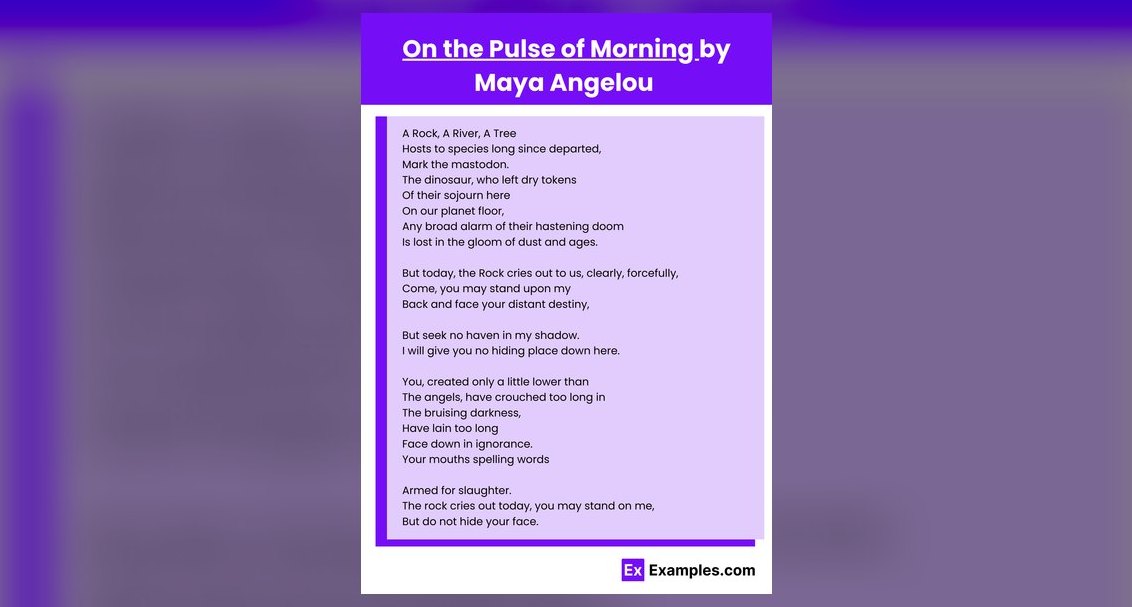 pulse-speechesWhat Makes Maya Angelou’s “On the Pulse of Morning” a Great Speech in 2027
 pulse-speechesA Speech for a Church Anniversary
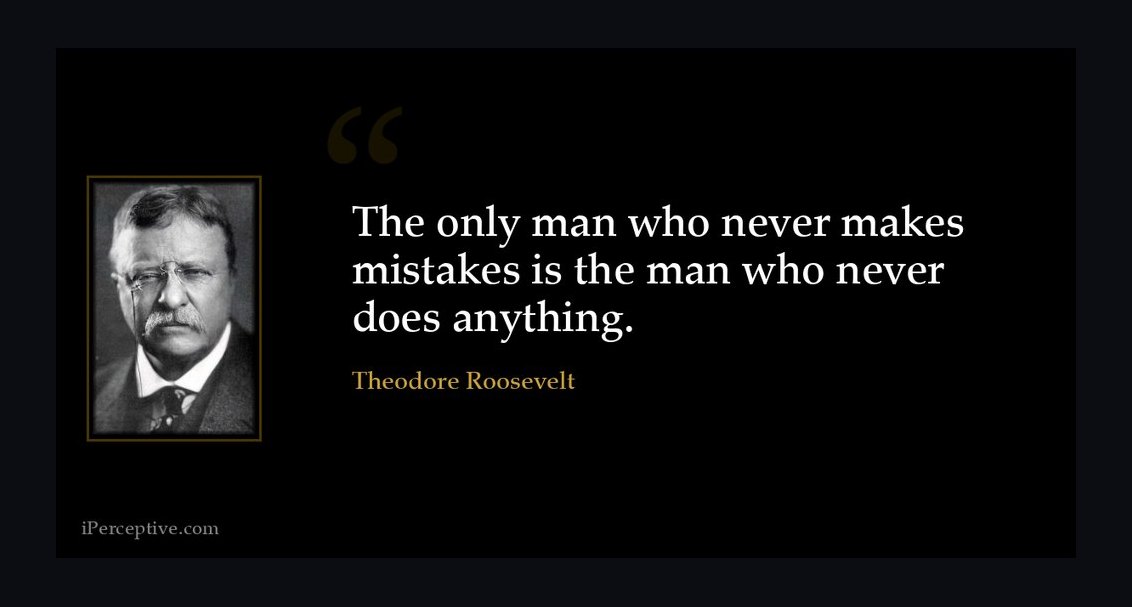 pulse-speechesWhat Makes Theodore Roosevelt’s “The Man in the Arena” a Great Speech in 2027
 pulse-speechesA Toast for a Quinceañera
 pulse-speechesA Speech for Welcoming a New Hire
 pulse-speechesHow to Practice a Speech So It Sounds Natural in 2027
 pulse-speechesA Wedding Speech for a Maid of Honor
 pulse-speechesA Toast for a 30th Birthday