
A Speech for a Youth Sports Banquet
 Curated byKory White · Fractional CRO · Maryland
 PULSEKNOWLEDGE LIBRARY
Quality
Certified
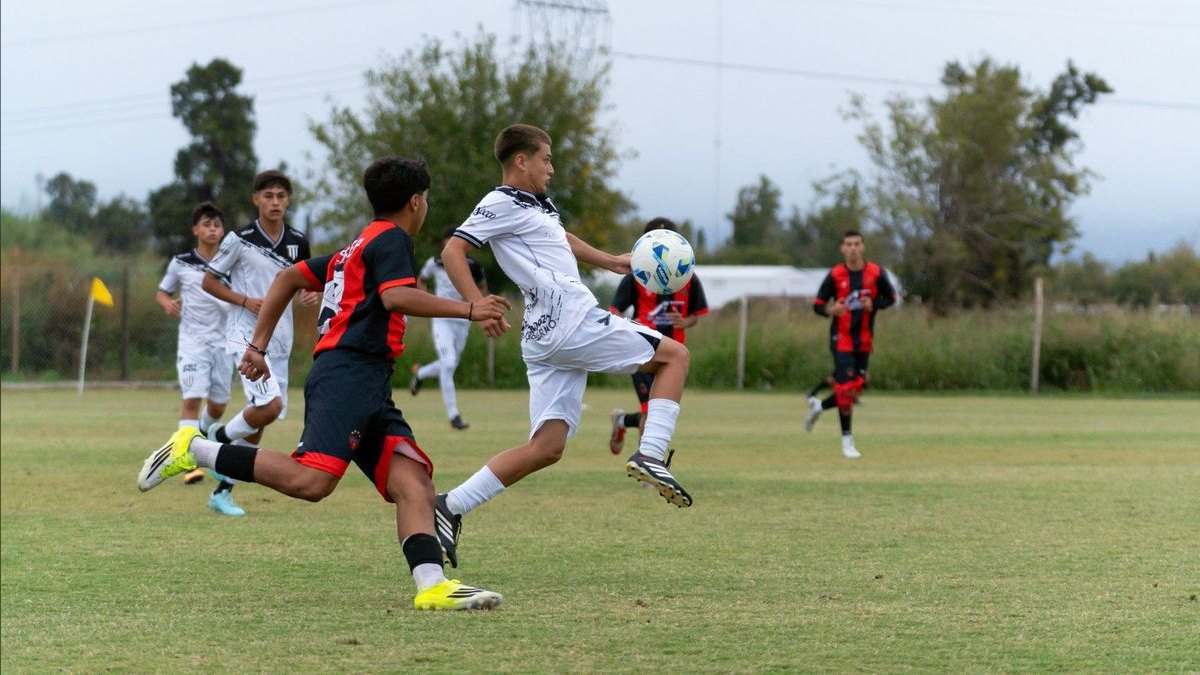
A speech for a youth sports banquet should celebrate effort, teamwork, and personal growth over wins or losses. It typically lasts 3–5 minutes and focuses on thanking coaches, volunteers, and families while encouraging young athletes to carry lessons like resilience and sportsmanship into life. The tone is warm, inclusive, and motivational, avoiding any focus on specific statistics or rankings. The best speeches weave together specific anecdotes, genuine gratitude, and a forward-looking message that resonates with both restless kids and appreciative parents.
The key to a memorable youth sports banquet speech is balancing sincerity with brevity, ensuring every child in the room feels seen and valued regardless of their playing time or performance.
What Makes a Youth Sports Banquet Speech Different from Other Speeches?
A youth sports banquet speech occupies a unique space between formal address and casual conversation. Unlike a corporate keynote or a wedding toast, this speech must hold the attention of children ranging from elementary to high school age while also resonating with parents who have invested countless hours in practices, games, and travel. The primary difference lies in its dual audience: the young athletes who are still forming their relationship with competition and teamwork, and the adults who want to see their children recognized for character rather than just athletic achievement.
The speech should avoid jargon, complex metaphors, or references that only adults would understand. Instead, it should use concrete language and vivid imagery that children can grasp immediately. For example, rather than saying "the team demonstrated resilience," you might say "I remember when we were down by six points and you all just kept passing the ball like it was the most important thing in the world." This approach makes the message accessible and memorable for everyone in the room.
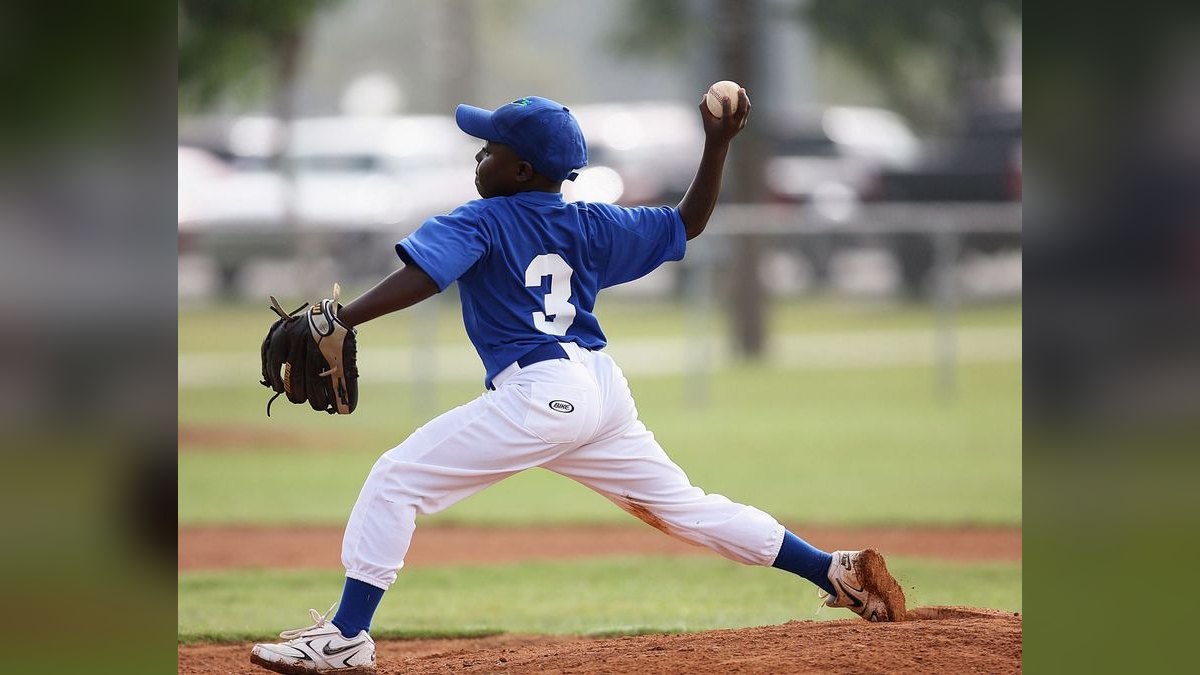
Additionally, youth sports banquet speeches must strike a careful balance between individual recognition and team celebration. While it's important to highlight specific players, over-emphasizing star athletes can alienate bench players or those who struggled. The best speeches rotate through examples that include players who showed up early, helped clean up, or encouraged teammates during tough moments. This inclusive approach reinforces that every role on the team matters and that contribution comes in many forms beyond scoring points.
How Should You Structure a Youth Sports Banquet Speech for Different Age Groups?
The structure of your speech should adapt to the developmental stage of your audience, as what works for six-year-olds will fall flat with teenagers. For elementary-age athletes (ages 6-10), the speech should be short—no more than three minutes—and follow a simple pattern: welcome, one specific positive memory, thank you to parents, and a quick closing. Use physical movement to keep their attention, such as asking them to stand up or raise their hands when you mention something they did during the season. Avoid abstract concepts like "character development" and instead talk about "being a good friend on the field" or "sharing the ball like sharing a favorite snack."

For middle school athletes (ages 11-13), you can extend the speech to four or five minutes and introduce slightly more nuanced ideas like leadership and perseverance. However, ground these concepts in specific examples from the season. Mention how a player stepped up when a teammate was injured, or how the team handled a difficult loss with grace. This age group is developing their identity and responds well to recognition that feels authentic and earned. Avoid sarcasm or jokes that might be misinterpreted, as young teens often take things literally.
For high school athletes (ages 14-18), the speech can run five to seven minutes and address more mature themes like accountability, transition to the next chapter, and the lifelong value of teamwork. This audience appreciates directness and authenticity—they can spot insincerity from across the room. Frame lessons through stories they can see themselves in, such as how a player who struggled with confidence early in the season became a leader by the playoffs. Acknowledge the seniors specifically and connect their growth to the foundation they leave for younger players. Across all age groups, aim to mention at least one specific action or quality for every player, either by name or by describing a moment that involved them.
What Specific Elements Should You Include to Make the Speech Personal and Memorable?
The most impactful youth sports banquet speeches are built on specific, authentic details that transform generic praise into genuine recognition. Start by identifying two or three concrete moments from the season that illustrate the team's character—a comeback victory, a player helping an opponent up, a funny practice incident that became an inside joke. These moments serve as anchors for your speech, giving the audience something to visualize and connect with emotionally. Avoid vague statements like "everyone worked hard" and instead say "I'll never forget how Sarah stayed after practice every Tuesday to work on her free throws, even when she was exhausted."
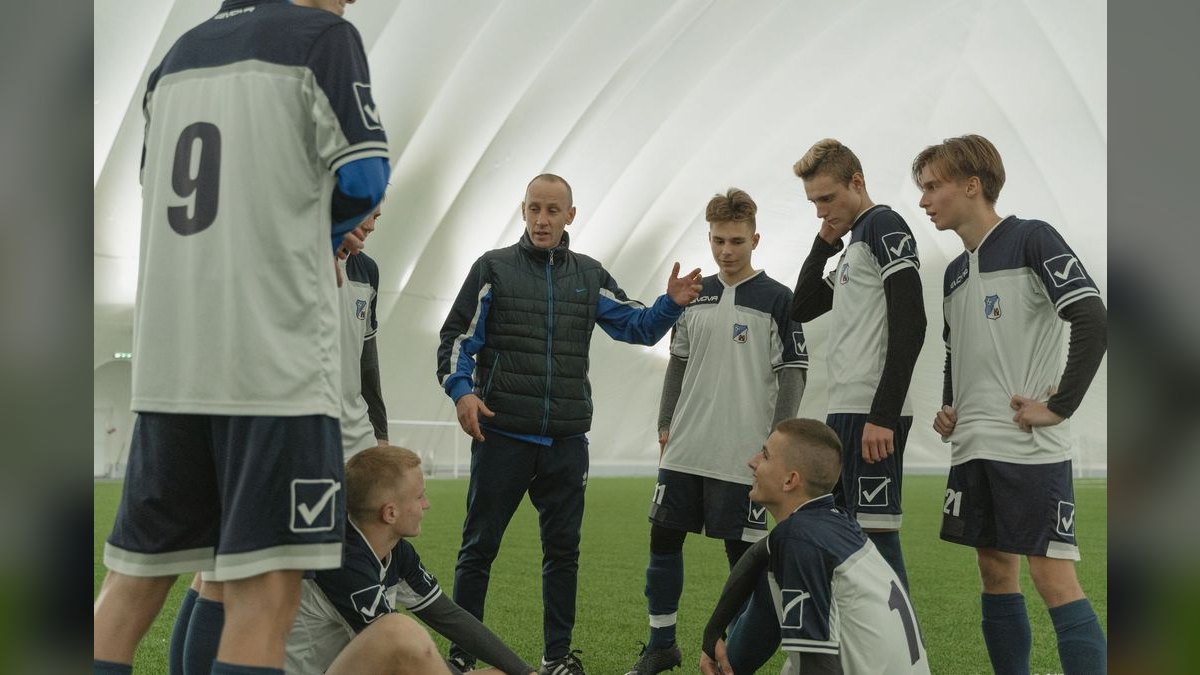
Naming players by name is crucial, but do so strategically and inclusively. Rather than only highlighting the leading scorer, mention the player who always arrived early to set up equipment, the one who cheered loudest from the bench, and the one who showed the most improvement from the first game to the last. This approach ensures that every child in the room can see themselves in your words. For younger teams, consider creating a "moment of the season" for each player—a brief, positive observation that makes them feel individually seen. You can write these down on note cards and reference them naturally during the speech.
Humor should be used sparingly and only if it comes naturally to you. A light, self-deprecating joke about your own coaching mishaps or a funny team tradition can break the ice and make you more relatable. However, avoid jokes that target specific players or rely on inside knowledge that parents won't understand. The goal is to create a warm, inclusive atmosphere where everyone feels like they're part of the celebration. If you're not naturally funny, don't force it—sincerity and warmth will always land better than awkward attempts at humor.
How Can You Handle Nervousness and Unexpected Moments During the Speech?
Even experienced speakers feel nervous before a youth sports banquet speech, but preparation can transform that anxiety into positive energy. Practice your speech aloud at least three times before the event, timing yourself to ensure you stay within your target length. Record yourself on your phone to hear how you sound—this helps identify awkward phrasing or spots where you rush. On the day of the banquet, arrive early so you can test the microphone, stand at the podium, and get comfortable with the room layout. Take three slow, deep breaths before you begin to lower your heart rate and steady your voice.

Common unexpected moments include microphone feedback, a restless child in the front row, or getting emotional while speaking. For technical issues, pause naturally and wait for the problem to be resolved—the room will wait with you. If a child interrupts or starts crying, acknowledge it briefly with a smile and a simple comment like "Looks like someone's already excited for cake," then return to your speech. Getting emotional is actually a strength in this context—it shows you genuinely care. If you feel tears coming, pause, take a sip of water, and continue. The audience will appreciate your authenticity and often find these moments the most moving.
Keep your speech notes on a single index card or small piece of paper with large, bold font (at least 16-point) so you can read them easily without squinting. Use bullet points rather than full sentences to prevent reading word-for-word. If you lose your place, take a slow sip of water while scanning your notes—the pause feels longer to you than to the audience. Remember that the room is on your side; they want you to succeed because they're there to celebrate their children, not to critique your delivery. A small stumble or forgotten line won't ruin the evening, and recovering with grace often makes the speech more memorable for the right reasons.
What Common Mistakes Should You Avoid When Writing the Speech?
Several pitfalls can undermine even the most heartfelt youth sports banquet speech, and avoiding them is essential for a successful delivery. The most common mistake is focusing too heavily on the win-loss record or individual statistics. While it's natural to want to celebrate achievements, over-emphasizing the scoreboard sends the message that winning is the only thing that matters. Instead, frame the season's record as just one part of the story, and spend more time on growth, effort, and teamwork. For example, say "We finished with a winning record, but I'm prouder of how you all handled that three-game losing streak without giving up."
Another frequent error is singling out one or two star players while ignoring the rest of the team. Even if you're giving specific awards, make sure your speech acknowledges the contributions of players who may not have scored many points but showed up to every practice, encouraged teammates, or handled equipment. Children are acutely aware of fairness, and a speech that feels exclusive can leave lasting negative feelings. Similarly, avoid comparing this season to past seasons—saying "last year's team was better" or "we struggled more than the team before us" diminishes the current group's accomplishments and creates unnecessary hierarchy.
Inside jokes and references that only a few people understand can alienate the majority of the audience. While it's fine to include one brief, widely understood team moment, avoid long stories about incidents that only involved a handful of players. The speech should be accessible to everyone in the room, including grandparents, younger siblings, and new families. Finally, never use the speech as an opportunity to criticize or lecture. Even if the season had challenges, keep the tone positive and forward-looking. Save any constructive feedback for private conversations with individual players or parents.
Related questions
How do you start a youth sports banquet speech?
Open with a brief, specific moment from the season or a warm thank-you that connects instantly. Avoid long introductions; jump right into the heart of the message with a concrete example that makes everyone feel included.
What should you avoid saying in a youth sports banquet speech?
Avoid focusing on wins and losses, singling out only star players, comparing the team to past seasons, using inside jokes, or delivering any criticism. Keep the tone entirely positive and inclusive.
How long should a youth sports banquet speech be?
Aim for 3 to 5 minutes for most age groups, with shorter speeches for younger children and slightly longer ones for teenagers. Practicing aloud helps you hit the right length.
Can you use humor in a youth sports banquet speech?
Yes, but keep it light, self-deprecating, and accessible to everyone. Avoid jokes that target specific players or rely on inside knowledge. When in doubt, sincerity beats humor.
Should you mention specific players by name?
Yes, but balance recognition across the team. Mention players for effort, improvement, and teamwork—not just for scoring points. This makes every child feel valued and seen.
FAQ
How do I keep kids engaged during the speech? Use short sentences, ask them to stand or raise hands, and make eye contact with the children rather than just the parents. Keep the speech under five minutes and include specific stories they can relate to.
What if I forget my lines during the speech? Take a slow sip of water while scanning your notes, then continue from the last point you remember. The pause feels longer to you than to the audience, and they will appreciate your composure.
Is it okay to get emotional during the speech? Absolutely. Showing genuine emotion makes you relatable and demonstrates that you care deeply about the team. Pause, breathe, and continue—the room will support you.
How do I thank volunteers without making the speech too long? Thank volunteers in one or two sentences that highlight their specific contributions, such as "To Sarah, who ran the snack schedule like a military operation—we couldn't have done it without you." Keep it concise and meaningful.
Can I read the speech word-for-word from a page? It's better to use bullet points on a note card to maintain eye contact and natural delivery. Reading word-for-word can feel stiff and disconnected from the audience.
What tone should I use for a team that had a losing season? Focus entirely on effort, growth, and the lessons learned from adversity. Celebrate the players who kept showing up and the moments of improvement. The tone should be proud and encouraging, not apologetic.
How do I handle a speech for a team with multiple age groups? Address the common themes that apply to everyone—showing up, teamwork, and having fun—and then add brief, specific recognition for each age group. Keep the overall message universal.
Should I include statistics from the season? Avoid specific statistics like points per game or rankings. Instead, use qualitative descriptions like "you all improved so much from the first game" or "your defense got stronger every week."
Sources
- Positive Coaching Alliance
- American Academy of Pediatrics - Youth Sports Safety
- National Federation of State High School Associations
- Aspen Institute Project Play
- Centers for Disease Control and Prevention - Youth Physical Activity
- National Alliance for Youth Sports
- SHAPE America - National Standards for Sport Coaches
- TrueSport - Youth Sports Resources
Related on PULSE
- What is the least obvious yet most reliable behavioral marker indicating a person is covertly experiencing spiritual awakening rather than psychiatric decompensation, and how can a clinician distinguish between the two in a single initial interview without relying on self-report?
- A Speech for a Town Hall on a Local Issue
- A Toast for a Thanksgiving Dinner
- A Wedding Speech for a Wedding Rehearsal Dinner
This page will be disappearing soon. Save it to your device for $1 — or read it free while it is here.
@Kory-White- · if Venmo asks, the last 4 of my number are 2012
This page is gone.
This one is off the shelf now. $1 keeps it on your phone for good — the whole page, pictures and diagrams included.
 pulse-speechesA Graduation Speech for a Valedictorian
 pulse-speechesA Toast for a Housewarming
 pulse-speechesHow to Write a Speech in 30 Minutes in 2027
 pulse-speechesA Graduation Speech for a Kindergarten Graduation
 pulse-speechesA Toast for a 30th Birthday
 pulse-speechesHow to Practice a Speech So It Sounds Natural in 2027
 pulse-speechesA Graduation Speech for a Graduate as the Class President
 pulse-speechesA Speech for a Team Offsite Kickoff
 pulse-speechesWhat Makes Theodore Roosevelt’s “The Man in the Arena” a Great Speech in 2027
 pulse-speechesA Eulogy for a Colleague