
A Retirement Speech for a Firefighter
 Curated byKory White · Fractional CRO · Maryland
 PULSEKNOWLEDGE LIBRARY
Quality
Certified

A retirement speech for a firefighter should honor decades of courage, sacrifice, and brotherhood while balancing heartfelt gratitude with the unique camaraderie of the firehouse. The best speeches weave together specific memories, acknowledge the family's hidden service, and close with a toast that celebrates the retiree's lasting legacy. Whether delivered by a captain, a fellow firefighter, or a family member, the speech must feel authentic and personal — not a template.
Crafting a memorable retirement speech for a firefighter requires understanding the culture of the fire service and the deep bonds formed through shared danger and daily life at the station. This guide will help you structure a speech that resonates, navigate the emotional weight of the occasion, and include the people who made the career possible — from family to mentors to the community.
What Are the Key Elements of a Firefighter Retirement Speech?
A powerful firefighter retirement speech rests on four pillars: authenticity, specificity, emotional resonance, and a clear arc. Authenticity means speaking from genuine experience — if you weren't on the truck with them, don't pretend you were. Specificity involves naming the station, the engine, the badge number, and one vivid story that captures their character. Emotional resonance comes from acknowledging the cost of the job — the missed birthdays, the sleepless nights, the weight of every call. The arc should move from welcome to remembrance to gratitude to a forward-looking toast.
The opening should immediately ground the audience in the firefighter's world. Instead of "We're here to honor John," try "For 25 years, when the tones dropped at Station 12, John was the first one on the rig." This sets the tone and shows you understand the rhythm of their life. The body of the speech should include a specific memory — a rescue, a firehouse tradition, or a moment of mentorship — that reveals who they are beyond the uniform. Avoid generic praise like "John was a great firefighter" and instead say "I remember the night of the Mill Street fire, when John carried out two residents before the rest of us even had our gear on."
The closing should honor the bond that doesn't end with retirement. A common tradition is the final radio call — a sign-off from dispatch that marks the end of their active service. If your department does this, coordinate ahead of time and let the speech build to that moment. Otherwise, close with a toast that acknowledges their past and wishes them well in the future: "May your next chapter be filled with less smoke and more sunsets. You've earned it."
How Do You Structure a Retirement Speech for a Firefighter?
The structure of a firefighter retirement speech should feel natural and unhurried, with clear transitions between sections. Most speakers find a 5-to-7 minute speech strikes the right balance — long enough to honor the occasion, short enough to keep listeners engaged. Here's a proven structure:
- Opening (30-45 seconds): Start with a brief, warm acknowledgment of the retiree's years of service. Avoid diving straight into jokes — let the room settle. Example: "We're here today to honor [Name], who has spent [X] years running toward danger while the rest of us ran away."
- Core stories (3-4 minutes): Pick 2-3 specific, vivid moments that capture the firefighter's character. Think of a call that showed their courage, a station prank that revealed their humor, or a quiet act of mentorship that changed someone's career. Avoid generic praise like "he was a great firefighter" — instead, say "I remember the night of the Mill Street fire, when he carried out two residents before the rest of us even had our gear on."
- Reflection on legacy (1-2 minutes): Talk about what the retiree leaves behind — not just in equipment or protocols, but in the people they trained, the morale they built, and the standard they set. This is where you can mention how they shaped the department's culture.
- Closing (30-45 seconds): End with a sincere thank-you and a forward-looking wish. Something like: "May your next chapter be filled with less smoke and more sunsets. You've earned it."
A common mistake is trying to cover every career highlight. Resist that urge — a few well-chosen stories will resonate far more than a laundry list of dates and stations. For more guidance on structuring speeches, see How to Add Humor to a Retirement Speech.
How Do You Handle Emotion During a Firefighter Retirement Speech?
Firefighters are trained to stay composed under pressure, but retirement speeches hit differently. It's normal for the speaker — and the retiree — to get emotional. Here's how to handle it gracefully:
- Pause, don't panic. If your voice cracks or you tear up, take a slow breath and a sip of water. The audience will be with you — they feel the weight of the moment too. A brief silence is far better than rushing through a choked sentence.
- Have a backup moment. If you know the retiree is particularly emotional, ask a colleague or family member to stand nearby. A simple hand on the shoulder can steady them — and you.
- Use humor as a release valve. A well-placed, affectionate joke can break tension without undermining the sincerity. For example: "I promised myself I wouldn't cry — and I'm sticking to that, mostly because [Retiree] would never let me live it down."
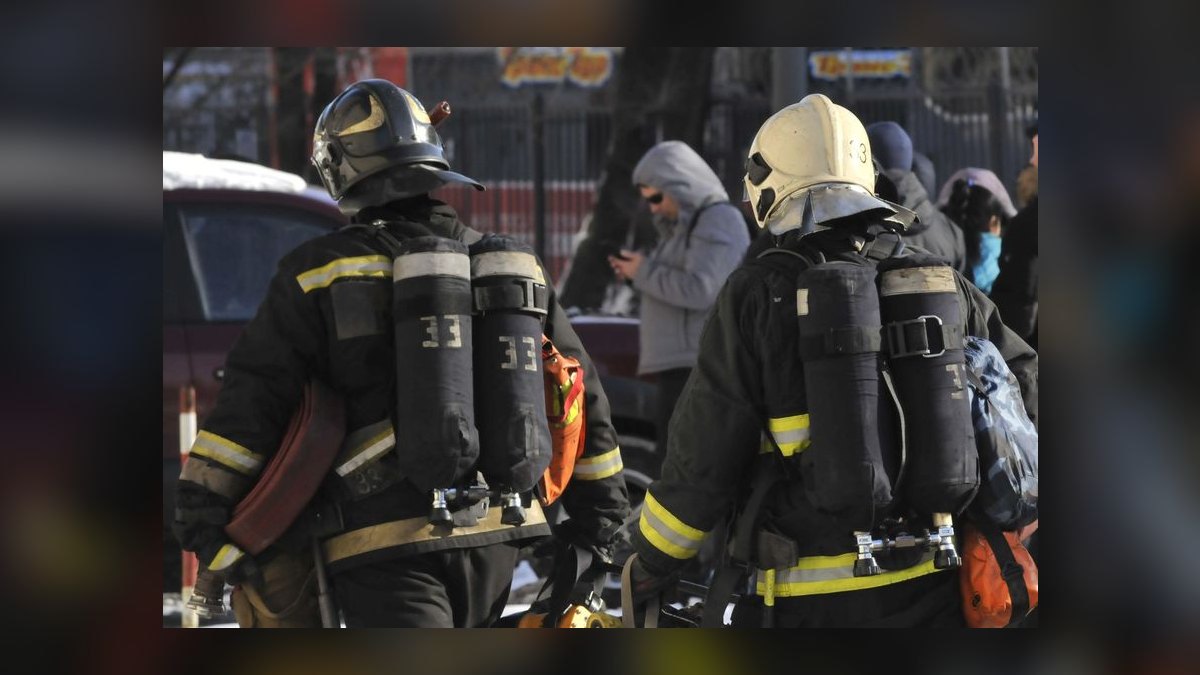
- Prepare for the retiree's response. Some retirees will want to say a few words after the speech. If that's the case, keep your closing brief and leave room for them. A simple "And now, I'd like to ask [Name] to share a few words if they're up for it" works perfectly.
Remember: emotion is a sign of genuine connection, not weakness. The best retirement speeches are the ones where the speaker's voice wavers because they mean every word. If you're looking for more tips on delivery, check out A Retirement Speech for a Long-Serving Employee for additional insights on pacing and presence.
How Do You Include Family, Mentors, and the Community in the Speech?
A firefighter's career is never a solo journey. A powerful retirement speech acknowledges the people who supported them behind the scenes:
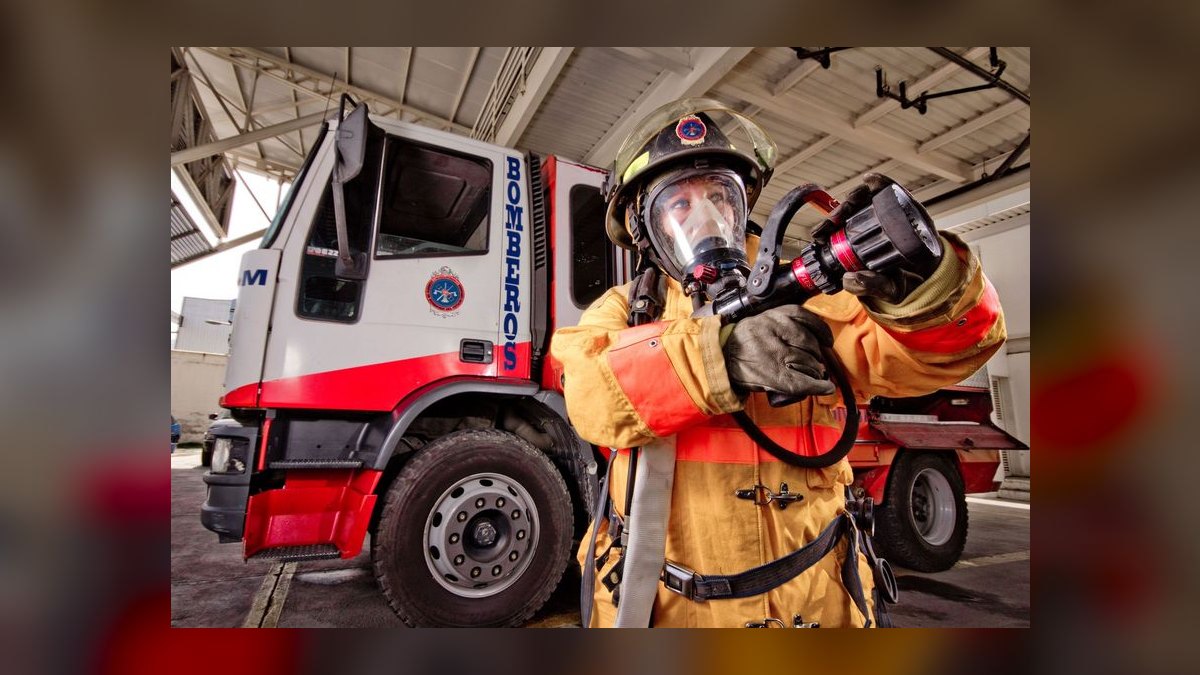
- Family sacrifices: Mention the spouse who handled late-night calls alone, the kids who learned to wave goodbye at a moment's notice, or the parents who worried every shift. A line like "We all know [Name] ran into burning buildings — but [Spouse's Name] ran the household, and that took just as much courage" can mean the world to a family member.
- Mentors and mentorships: If the retiree was shaped by a senior firefighter early in their career, name that person. Likewise, if they mentored others, highlight one or two firefighters who credit them for their growth. This shows the ripple effect of their service.
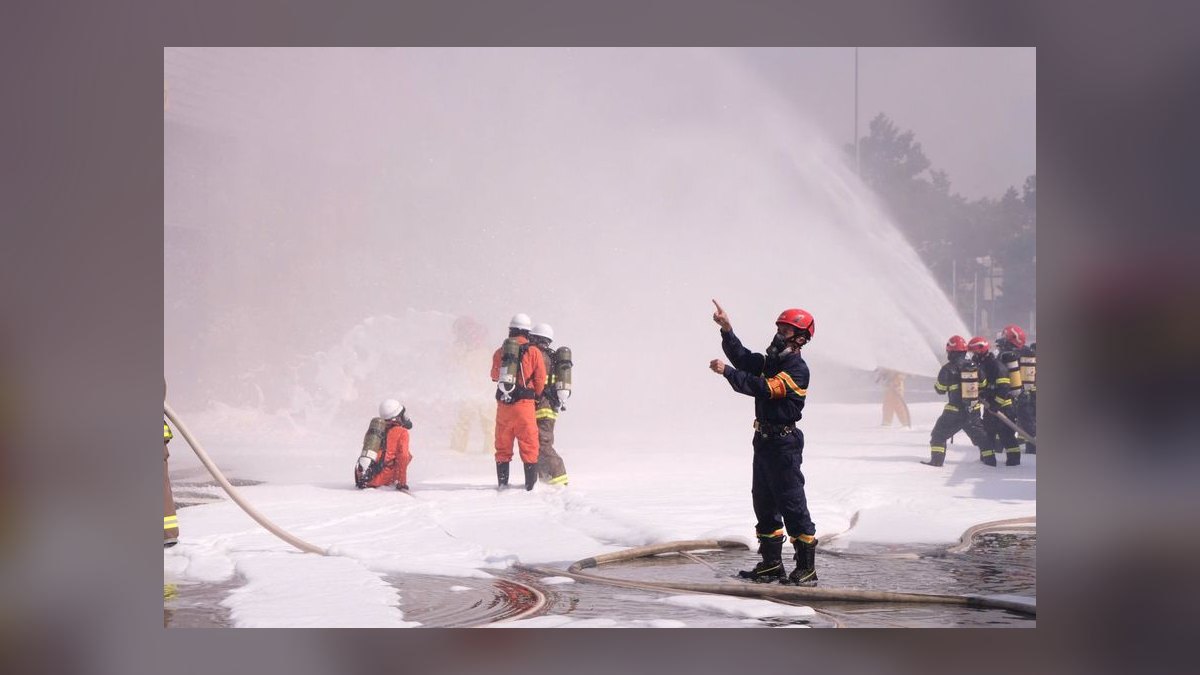
- The community they served: Firefighters often form deep bonds with the neighborhoods they protect. Mention a local business that always brought coffee to the station, or a school where the retiree gave fire safety talks. It grounds the speech in the real-world impact of their work.
- The department's extended family: Don't forget dispatchers, EMS crews, and administrative staff who worked alongside them. Acknowledging these roles shows you see the full picture of their career.
When you include these voices, the speech becomes more than a biography — it becomes a collective thank-you from everyone whose life was touched by the retiree's service. For a similar approach tailored to different careers, see A Retirement Speech for a Union Member.
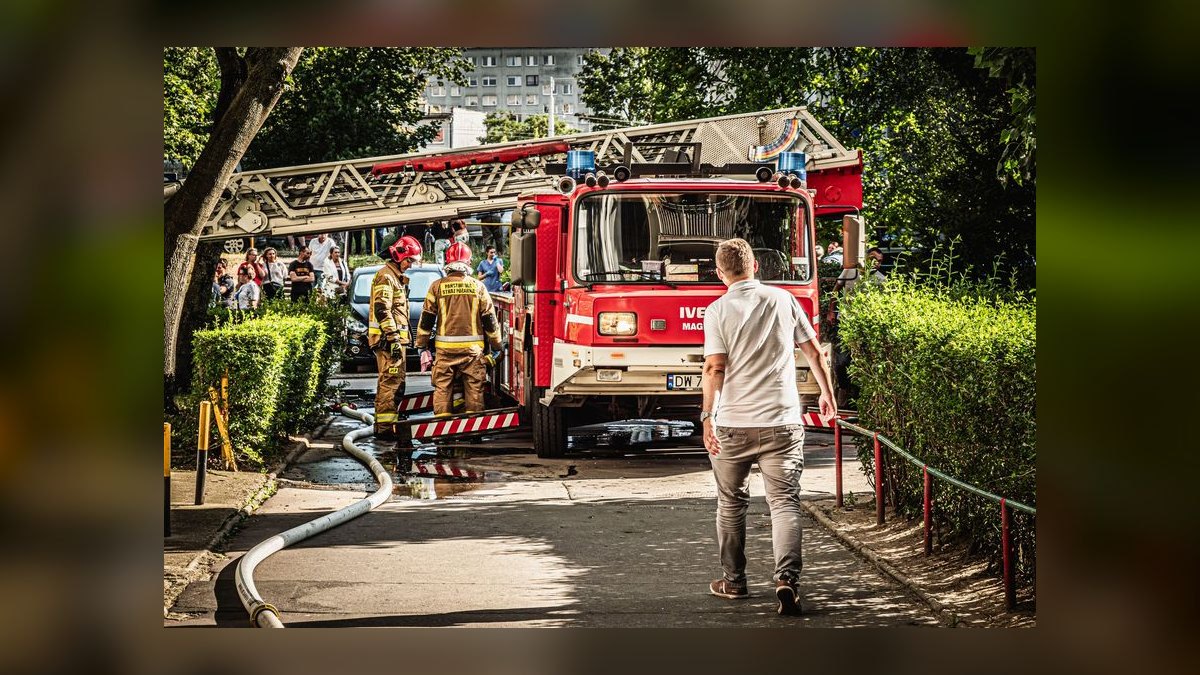
What Are Common Mistakes to Avoid in a Firefighter Retirement Speech?
Even well-intentioned speakers can stumble. Here are the most common pitfalls and how to avoid them:
- Being too generic: Avoid phrases like "John was a dedicated firefighter." Instead, show the dedication through a story. "John never missed a shift in 20 years — not even when his daughter was born. He showed up the next morning, tired but smiling."
- Forgetting the family: The spouse and children have sacrificed too. If you don't acknowledge them, the speech feels incomplete. A simple "To Mary and the kids — thank you for sharing him with us" goes a long way.
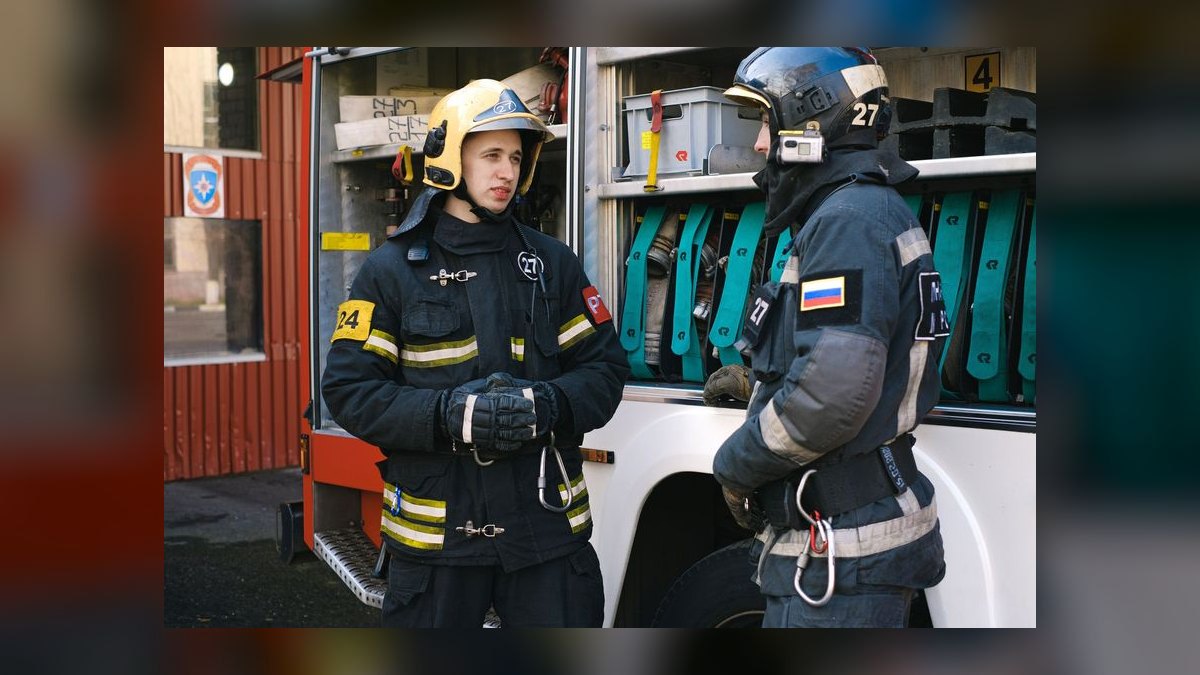
- Using inside jokes that exclude others: If the audience includes family members, community leaders, or retirees from other departments, avoid jokes only the current crew understands. Keep humor universal and affectionate.
- Rambling or going too long: Stick to 5-7 minutes. Practice with a timer. If you start to drift, return to your core stories and close strong.
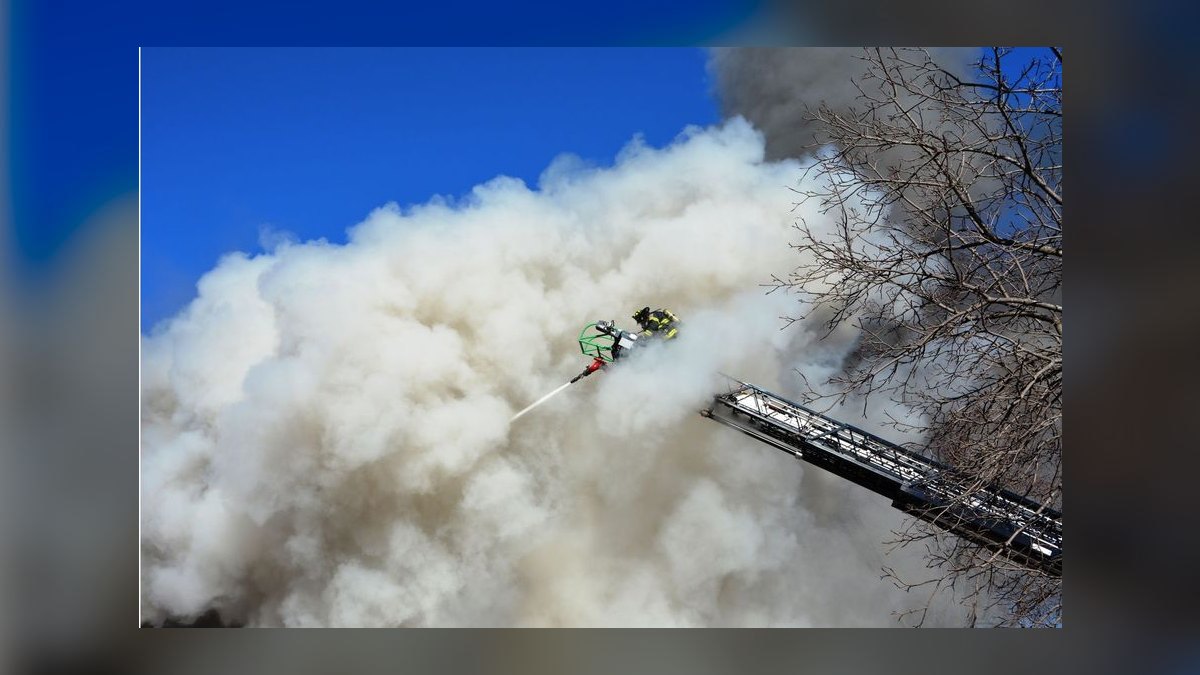
- Neglecting the closing: A weak ending leaves the room flat. Plan your final line and practice it until it feels natural. Whether it's a toast, a sign-off, or a simple "thank you," make sure it lands.
- Failing to coordinate with the retiree: Ask ahead of time if there's anything they'd prefer you not mention — a difficult call, a personal loss, or a sensitive family situation. Respect their wishes.
By avoiding these mistakes, you ensure the speech honors the retiree and leaves everyone in the room feeling the weight of the moment.
Related questions
What is the ideal length for a firefighter retirement speech?
Aim for 3-5 minutes when spoken, roughly 400-700 words. This keeps the audience engaged while allowing you to share meaningful stories and thanks without rushing.
Should I include humor in a firefighter retirement speech?
Yes, but keep it respectful and universal. Lighthearted stories from the station — like legendary bad cooking or rookie pranks — work well, but avoid inside jokes that exclude non-firefighter guests.
How do I handle a firefighter who was injured on the job?
If the retiree consents, a brief, respectful acknowledgment of their injury can be powerful. Focus on their resilience and recovery, not the graphic details of the incident.
Can a family member deliver the retirement speech?
Absolutely. A family member can offer a unique perspective on the firefighter's life outside the station. Just ensure they practice and feel comfortable speaking in front of a crowd.
What is a final radio call sign-off?
A tradition where dispatch makes a final radio call to the retiring firefighter, often ending with "end of watch." It's a deeply emotional moment that marks the formal end of their service.
How do I start a firefighter retirement speech?
Open with a specific, grounded statement about their service — like the number of years, the station they served at, or a defining moment. Avoid generic openings like "We're here to honor."
FAQ
How long should a retirement speech for a firefighter be? Aim for 3–5 minutes when spoken, which translates to roughly 400–700 words. This keeps the audience engaged while allowing you to share meaningful stories and thanks.
What tone works best for a firefighter’s retirement speech? A mix of heartfelt gratitude and light humor is ideal. You can acknowledge the serious nature of the job while celebrating camaraderie and memorable calls — just avoid inside jokes that exclude non-firefighter guests.
Should I include specific stories from the firefighter’s career? Yes, but keep them brief and positive. Choose one or two anecdotes that highlight bravery, teamwork, or a funny moment — steer clear of graphic details or any incident that could be upsetting to family members.
Who should deliver the speech? Typically a close colleague, the fire chief, or a family member with strong public speaking skills. The speaker should have firsthand knowledge of the firefighter’s service and be comfortable at the podium.
Is it appropriate to mention challenges or injuries from the job? Only if done with respect and the firefighter’s consent. A brief nod to sacrifices made can be powerful, but the focus should remain on their dedication and the positive impact they’ve had.
What should be included in the closing of the speech? End with a sincere thank-you to the retiree for their service, a toast to their future, and a symbolic gesture — like presenting a helmet or badge. This provides a memorable finish that honors their career.
How do I practice for a firefighter retirement speech? Read the speech aloud multiple times, timing yourself each time. Practice in front of a mirror or a trusted friend. Focus on pacing — speak slower than feels natural — and on making eye contact with the audience.
What if I get emotional during the speech? That's completely normal. Pause briefly, take a breath, and continue. The audience will understand and appreciate your sincerity. Having a glass of water nearby can help.
Should I coordinate with the retiree before the speech? Yes. Ask them if there are any topics they'd prefer you avoid, and confirm details like years of service, station numbers, and family names. This ensures accuracy and respect.
Can I use notes during the speech? Absolutely. Use note cards with key points, names, and dates. Avoid reading the entire speech from a page — maintain eye contact and speak naturally.
Sources
- National Fire Protection Association (NFPA)
- International Association of Fire Fighters (IAFF)
- U.S. Bureau of Labor Statistics (BLS) - Firefighters
- Fire Engineering Magazine
- U.S. Fire Administration (USFA)
- The National Fallen Firefighters Foundation (NFFF)
- Toastmasters International - Speech Writing
Related on PULSE
This page will be disappearing soon. Save it to your device for $1 — or read it free while it is here.
@Kory-White- · if Venmo asks, the last 4 of my number are 2012
This page is gone.
This one is off the shelf now. $1 keeps it on your phone for good — the whole page, pictures and diagrams included.
 pulse-speechesA Retirement Speech for a CEO
 pulse-speechesA Wedding Speech for a Groomsman
 pulse-speechesA Speech for a Little League Opening Day
 pulse-speechesA Eulogy for a Colleague
 pulse-speechesA Speech for a Project Wrap Celebration
 pulse-speechesWhat Makes JFK’s Inaugural Address a Great Speech in 2027
 pulse-speechesA Retirement Speech for a Military Officer
 pulse-speechesHow to Structure a Best Man Speech in 2027
 pulse-speechesA Toast for a Gender Reveal
 pulse-speechesA Speech for a Company 10th Anniversary