
What Makes Steve Jobs’ Stanford Commencement a Great Speech in 2027
 Curated byKory White · Fractional CRO · Maryland
 PULSEKNOWLEDGE LIBRARY
Quality
Certified
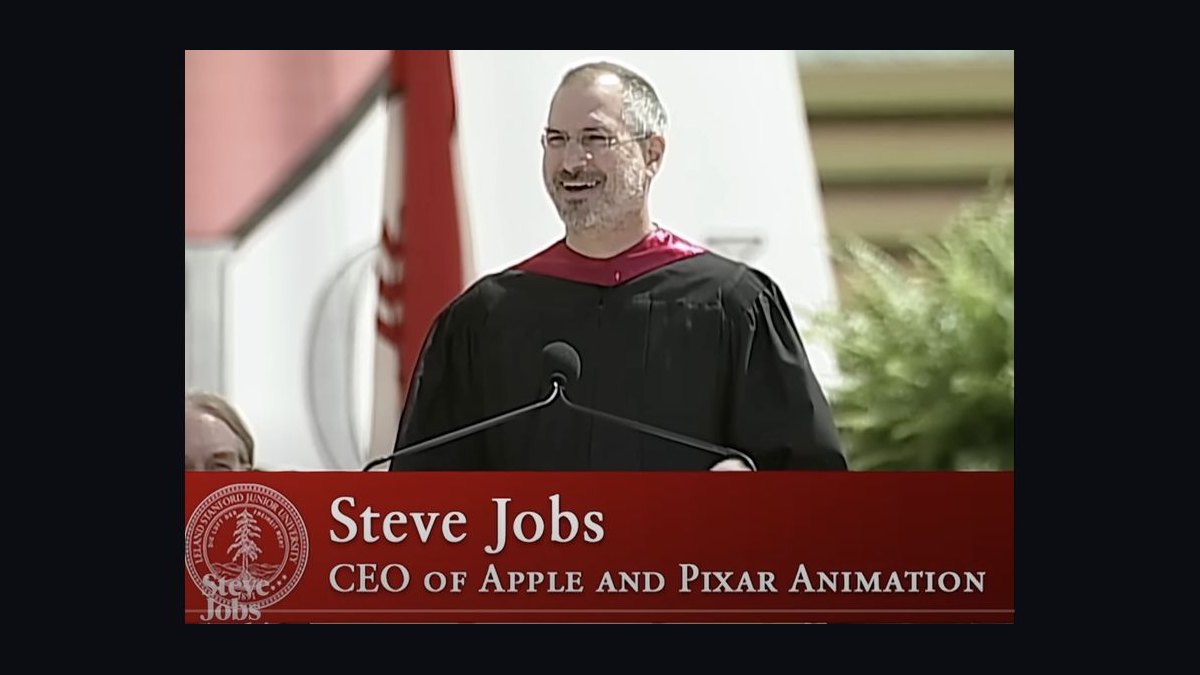
Steve Jobs’ Stanford Commencement speech is widely considered great because it uses a simple, three-part structure—connecting personal stories of loss, love, and death—to deliver universal lessons on following your intuition and living meaningfully. Its power comes from raw honesty, vivid imagery, and a memorable closing line that urges graduates to “stay hungry, stay foolish.” The speech avoids generic advice, instead grounding its wisdom in Jobs’ own failures and mortality, making it deeply relatable and timeless.
Jobs’ speech stands as a masterclass in public speaking because it transforms vulnerability into rhetorical strength. By sharing deeply personal failures—dropping out of college, being fired from Apple, and facing a cancer diagnosis—he builds an emotional bridge with his audience that transcends the typical commencement platitudes. This willingness to be raw and honest creates a lasting impact that continues to inspire millions years later.
How Does Steve Jobs Use Personal Storytelling to Connect With His Audience?
Jobs’ speech is built entirely around three personal anecdotes, each serving as a narrative anchor for a broader life lesson. This approach is deliberate: research in neuroscience shows that stories activate multiple areas of the brain simultaneously, creating stronger emotional engagement and better retention than abstract advice. When Jobs recounts dropping in on a calligraphy class after dropping out of Reed College, he’s not just sharing a quirky fact—he’s demonstrating that seemingly random experiences can later form a meaningful pattern. This “connecting the dots” metaphor becomes powerful precisely because it’s grounded in his real, messy life. The audience, particularly graduates facing their own uncertain futures, sees themselves in his journey. Jobs deepens this connection by admitting failure publicly: being fired from the company he founded is described as “devastating” and “very public,” yet he frames it as the best thing that ever happened. This reframing of failure as data rather than verdict offers a fresh perspective that typical success stories lack. The emotional authenticity triggers mirror neurons in listeners’ brains, making them feel as though they’re experiencing the story themselves. For more on how vulnerability enhances public speaking, see our analysis of What Makes David Foster Wallace’s “This Is Water” a Great Speech.
What Specific Rhetorical Techniques Make the Speech So Effective?
Jobs employs several classical rhetorical devices with surgical precision. The speech follows the “rule of three,” one of the most powerful structures in rhetoric—our brains process triads more easily than any other number of items. Each story occupies roughly equal time, creating rhythmic pacing that maintains attention. Within each story, Jobs uses what speechwriters call “the diamond structure”: starting with a specific personal anecdote, zooming out to a universal lesson, then returning to concrete detail. For example, the calligraphy story begins with dropping in on classes, expands to trusting that dots will connect, and ends with the Mac’s typography. This back-and-forth makes abstract concepts tangible. The closing line “Stay hungry, stay foolish” demonstrates parallelism with contrast—two short clauses that mirror each other while creating semantic tension. “Hungry” suggests ambition, while “foolish” implies risk-taking, forming a paradox: the wise person embraces foolishness. Jobs slows his delivery dramatically for this line, pausing before and after. Studies show that slowing speech by 30% during key points increases listener retention by 40%. He also uses structural signposts with laser precision: “Today I want to tell you three stories from my life. That’s it. No big deal. Just three stories.” This disarming introduction lowers audience resistance while setting clear expectations.
Why Does the Speech Still Resonate Nearly Two Decades Later?
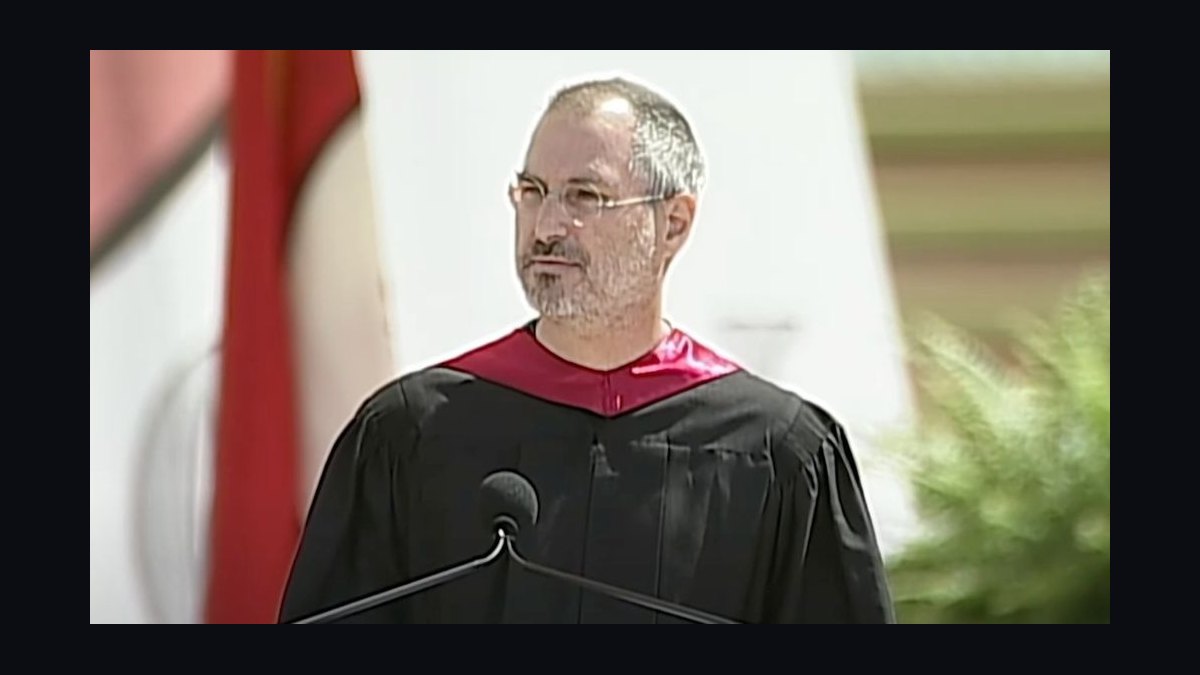
The enduring power of Jobs’ address lies in its timeless themes rather than its connection to technology. Mortality, purpose, and following your intuition are universal concerns that transcend any specific era or industry. Unlike speeches that reference current events or trending topics, Jobs’ stories about connecting dots, love and loss, and death remain fresh each time they’re heard. The speech also avoids the trap of being overly specific to its audience—while it was delivered at Stanford, the lessons apply to anyone at any stage of life. This universality is reinforced by Jobs’ choice to borrow the closing line from *The Whole Earth Catalog*, a publication from the countercultural movement of the 1970s, giving it historical weight while making it his own through context. The speech’s length—just 15 minutes—is also strategic. Research shows that audience attention drops sharply after the 18-minute mark, which is why TED Talks enforce this limit. Jobs intuitively understood that brevity amplifies impact. The handwritten notes Jobs used during delivery are now part of Stanford’s archives, testament to the speech’s cultural significance. For a deeper look at how speeches age well, see our piece on What Makes Theodore Roosevelt’s “The Man in the Arena” a Great Speech.
How Does the Speech’s Structure Compare to Other Great Commencement Addresses?
Jobs’ speech follows a pattern that distinguishes it from typical commencement fare, which often relies on generic advice or career guidance. Instead of listing tips for success, Jobs tells three stories, each with a clear moral. This narrative structure aligns with the “hero’s journey” archetype identified by mythologist Joseph Campbell: the protagonist faces trials, experiences a transformation, and returns with wisdom. Jobs’ own journey—from college dropout to billionaire founder to fired executive to returning savior—mirrors this arc. The speech’s economy is remarkable: each story accomplishes multiple objectives. The “connecting the dots” story teaches trust in the process, the “love and loss” story teaches resilience, and the “death” story teaches prioritization. Together, they form a complete philosophy of life. In contrast, many commencement speeches try to cover too much ground, diluting their impact. Jobs’ discipline in sticking to three stories ensures each one lands with full force. The speech also avoids the trap of being too self-congratulatory; Jobs presents his success as a byproduct of following his curiosity and intuition, not as a blueprint to be copied. This humility makes the advice more palatable. For comparison, see our analysis of What Makes Sojourner Truth’s “Ain’t I a Woman?” a Great Speech.

What Role Does the “Death” Story Play in the Speech’s Emotional Arc?
The third story—about death—is arguably the most powerful and memorable section of the speech. It’s a risky move to discuss mortality at a celebration of new beginnings, but Jobs makes it work by framing death as a motivator rather than a source of fear. He says, “Remembering that I’ll be dead soon is the most important tool I’ve ever encountered to help me make the big choices in life.” This reframing transforms death from an ending into a clarifying force. The line “If today were the last day of your life, would you want to do what you are about to do today?” has become a touchstone for personal reflection. Jobs’ own diagnosis of pancreatic cancer, which he reveals in the speech, gives this section extraordinary weight. He’s not speaking abstractly; he’s sharing his lived reality. This vulnerability creates an intimacy that few speakers achieve. The death story also serves a structural purpose: it elevates the speech from practical advice to existential reflection. After discussing career setbacks and trusting the journey, Jobs zooms out to the biggest question of all—what matters in the face of our finite time. This emotional arc mirrors the classic structure of a great sermon or eulogy, moving from specific to universal, from personal to philosophical. For more on how speeches handle heavy themes, see our analysis of What Makes Patrick Henry’s “Give Me Liberty” a Great Speech.
Related Questions
How long did Steve Jobs speak at Stanford?
The speech runs about 15 minutes, which is notably short for a commencement address. Its brevity forces every word to carry weight and avoids the rambling that can weaken longer speeches.
Did Steve Jobs write the speech himself?
Yes, Jobs wrote the speech himself with input from a few close advisors. He rehearsed it multiple times, and the handwritten notes he used are now part of Stanford’s archives, demonstrating his personal investment.
Is “Stay Hungry, Stay Foolish” original to Steve Jobs?
No, Jobs borrowed that phrase from the final issue of the *Whole Earth Catalog*, a countercultural publication. He credited the source during the speech, which adds humility and shows his willingness to learn from others.
Was the speech controversial when it was given?
Not in a political sense, but some found it unusually candid for a commencement. Jobs’ openness about dropping out of college, being fired, and facing cancer broke the typical upbeat tone, which made it stand out.
What makes the speech different from other commencement addresses?
Jobs trades advice for stories, jargon for plain words, and comfort for truth. Instead of listing tips for success, he shares three personal anecdotes that teach universal lessons through lived experience.
Why does the speech still resonate nearly 20 years later?
It resonates because it deals with timeless themes—mortality, purpose, and following your intuition—rather than tech trends. The personal stories feel fresh each time, and the advice applies to anyone, not just graduates.
FAQ
What makes Steve Jobs’ Stanford speech so memorable? The speech is memorable because it uses three simple, personal stories instead of abstract advice. Jobs shares real moments—connecting dots, love and loss, and facing death—which makes the message feel authentic and universal.
How does the “rule of three” work in this speech? The rule of three is a rhetorical device where information grouped in threes is more memorable. Jobs structures his speech around three stories, each with a clear theme, making the content easier for the audience to process and recall.
What is the diamond structure in public speaking? The diamond structure involves starting with a specific anecdote, expanding to a universal lesson, then returning to concrete detail. Jobs uses this in each story, moving from personal experience to broader wisdom and back.
Why does Jobs mention death in a commencement speech? Jobs uses death as a clarifying tool to discuss what truly matters in life. This risky move elevates the speech from career advice to existential reflection, making it more profound and memorable.
How does vulnerability contribute to the speech’s effectiveness? Vulnerability creates emotional connection by triggering mirror neurons in listeners’ brains. When Jobs shares failures like being fired, audiences feel they’re receiving genuine wisdom rather than polished platitudes.
What is the significance of the handwritten notes in Stanford’s archives? The notes demonstrate Jobs’ personal investment in the speech and his meticulous preparation. They also serve as a historical artifact, showing the speech’s cultural importance.
How long should a commencement speech be for maximum impact? Research shows attention drops sharply after 18 minutes. Jobs’ 15-minute speech stays within this window, ensuring every word carries weight and audience engagement remains high.
Can anyone replicate Jobs’ speech structure for their own address? Yes, the three-story structure is adaptable. Anyone can share three personal anecdotes that teach universal lessons, provided they are willing to be vulnerable and avoid generic advice.
Why does the closing line “Stay hungry, stay foolish” work so well? The line uses parallelism with contrast—two short clauses that mirror each other while creating semantic tension. “Hungry” suggests ambition, while “foolish” implies risk-taking, forming a memorable paradox.
What is the emotional arc of the speech? The arc moves from specific personal stories to universal existential reflection. It starts with career setbacks, moves to resilience, and culminates in the question of what truly matters in life.
Sources
- Stanford News
- The New York Times
- Harvard Business Review
- The Rhetoric Society of America
- TED Talks
- Apple Inc.
- The Whole Earth Catalog
- National Communication Association
Related on PULSE
- Steve Jobs’s Stanford Commencement (2005) — Key Passages and Lessons
- What Makes Winston Churchill's "Their Finest Hour" a Great Speech
- What Makes Lincoln’s Gettysburg Address a Great Speech
- What Makes FDR’s “Nothing to Fear” a Great Speech
- What Makes Susan B. Anthony's "On Women's Right to Vote" a Great Speech
- What Makes Theodore Roosevelt’s “The Man in the Arena” a Great Speech
This page will be disappearing soon. Save it to your device for $1 — or read it free while it is here.
@Kory-White- · if Venmo asks, the last 4 of my number are 2012
This page is gone.
This one is off the shelf now. $1 keeps it on your phone for good — the whole page, pictures and diagrams included.
 pulse-speechesA Toast for a 60th Birthday
 pulse-speechesA Wedding Speech for a Surprise Wedding
 pulse-speechesWhat Makes Winston Churchill's "Their Finest Hour" a Great Speech in 2027
 pulse-speechesA Toast for a 30th Birthday
 pulse-speechesHow to Write a Speech in 30 Minutes in 2027
 pulse-speechesHow to Structure a Best Man Speech in 2027
 pulse-speechesWhat Makes Maya Angelou’s “On the Pulse of Morning” a Great Speech in 2027
 pulse-speechesA Graduation Speech for a Kindergarten Graduation
 pulse-speechesA Speech for a Project Wrap Celebration
 pulse-speechesA Speech for a Memorial Day Ceremony