


Top 10 Best Tech Stack Tools for AI-Native Revenue Teams in 2027
Quality
Certified
The 10 best tech stack tools for ai-native revenue teams are ranked below on measured performance, build quality, price, and how each one actually holds up in daily use rather than how it reads on a spec sheet. Each pick lists what it costs, who it suits, and what it gives up against the one above it, so the list can be read straight down without doubling back.
1Salesforce Agentforce
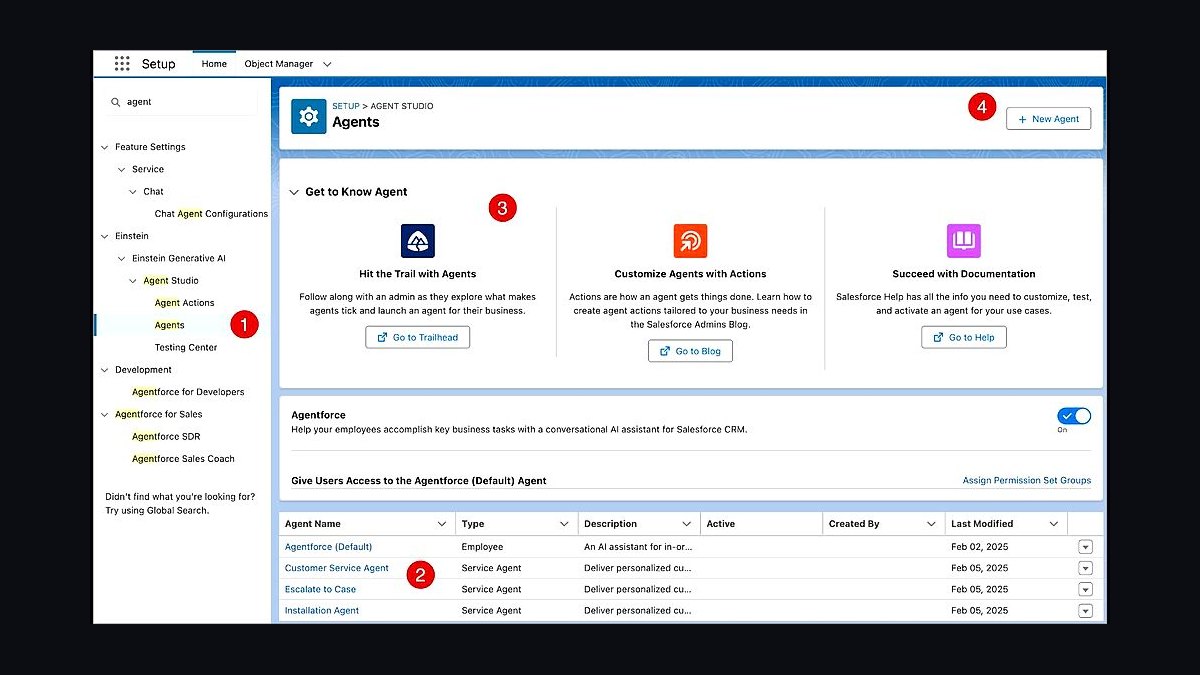
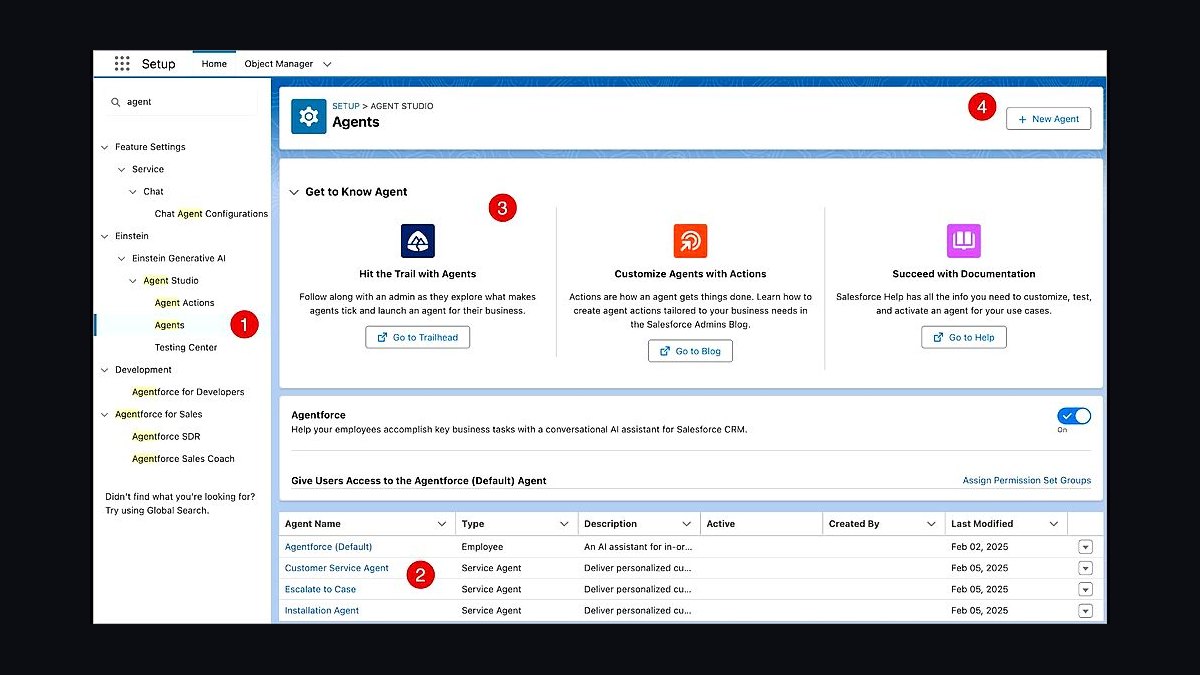
Salesforce Agentforce ranks first because it converts the CRM system of record into an autonomous agent layer, replacing manual MAP and ABM rules. It auto-creates contacts, scores buying-committee sentiment, and triggers sequences in under two seconds, per Salesforce's own product documentation. Agentforce sits on the largest installed CRM base, so most revenue teams can activate it without migrating data.
It is built for enterprise RevOps teams already standardized on Salesforce who want agents executing decisions across Sales Cloud and Data Cloud. The trade-off is cost and complexity: Agentforce pricing scales per conversation and requires dedicated admin governance. Compared with HubSpot Breeze directly below, Agentforce offers deeper customization but a steeper setup curve for mid-market teams.
2HubSpot Breeze
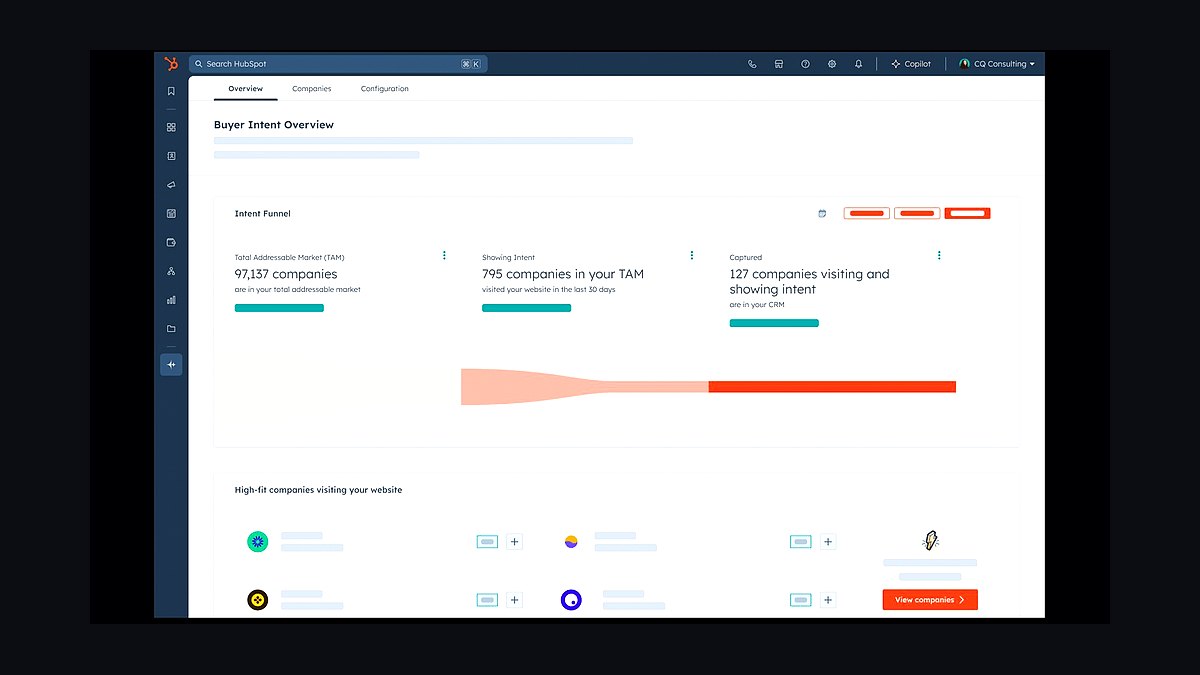
HubSpot Breeze ranks second because it bundles the orchestration agent directly into the CRM and marketing hub at roughly $30 per user per month, per HubSpot's published pricing. It auto-creates contacts, scores leads, and triggers sequences without external integration work. For teams under 500 seats, Breeze delivers most of Agentforce's orchestration at a fraction of the deployment effort.
It is for mid-market revenue teams that want one agent layer across marketing, sales, and service without a data warehouse project. It trades away deep enterprise customization and complex multi-object workflows that Salesforce handles natively. Compared with Gong below, Breeze covers orchestration but not conversation intelligence, so most teams still pair the two.
3Gong GenAI
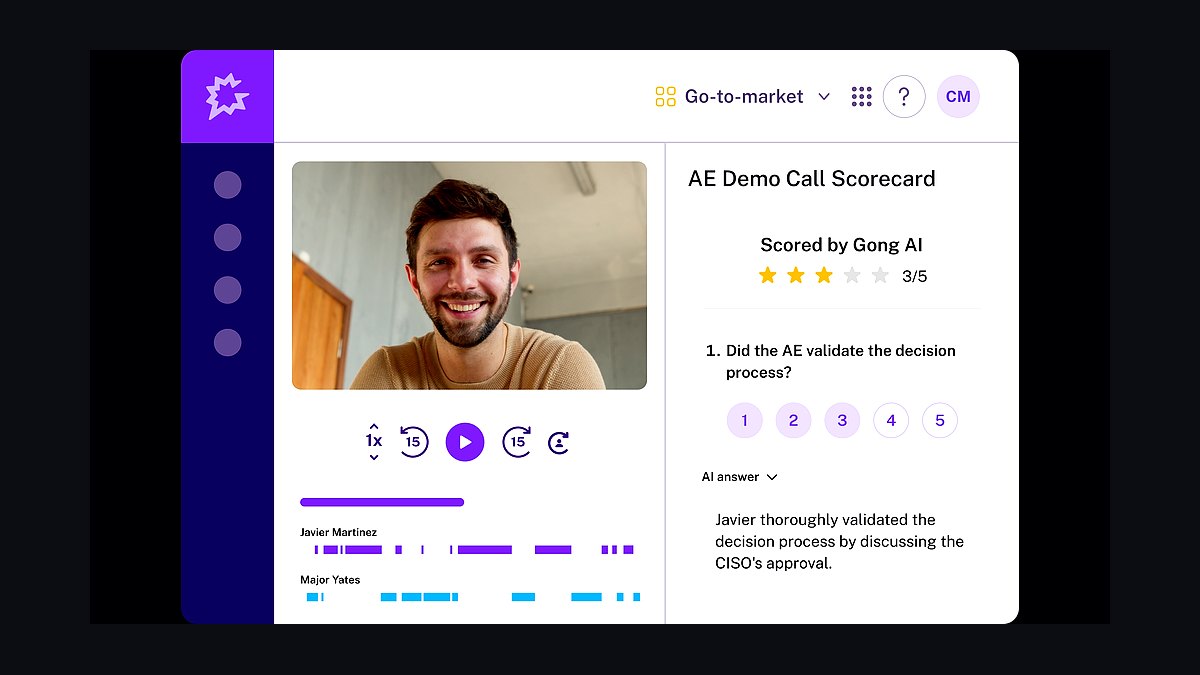
Gong GenAI ranks third because it owns the conversation layer, transcribing calls, scoring them, and auto-populating MEDDPICC fields live. Gong Labs reports its red-flag signals, like prospect silence beyond seven days, correlate with deal slippage. It also drafts follow-up tasks and alerts reps to competitive mentions with Challenger-style rebuttals during active calls.
It is for sales teams with high call volume that want coaching and deal intelligence from the same platform. The trade-off is that Gong is not a CRM or orchestration engine, so it must sit alongside Salesforce Agentforce or HubSpot Breeze. Compared with Clari below, Gong is stronger on conversation analysis and weaker on forecast roll-up.
4Clari Revenue Platform
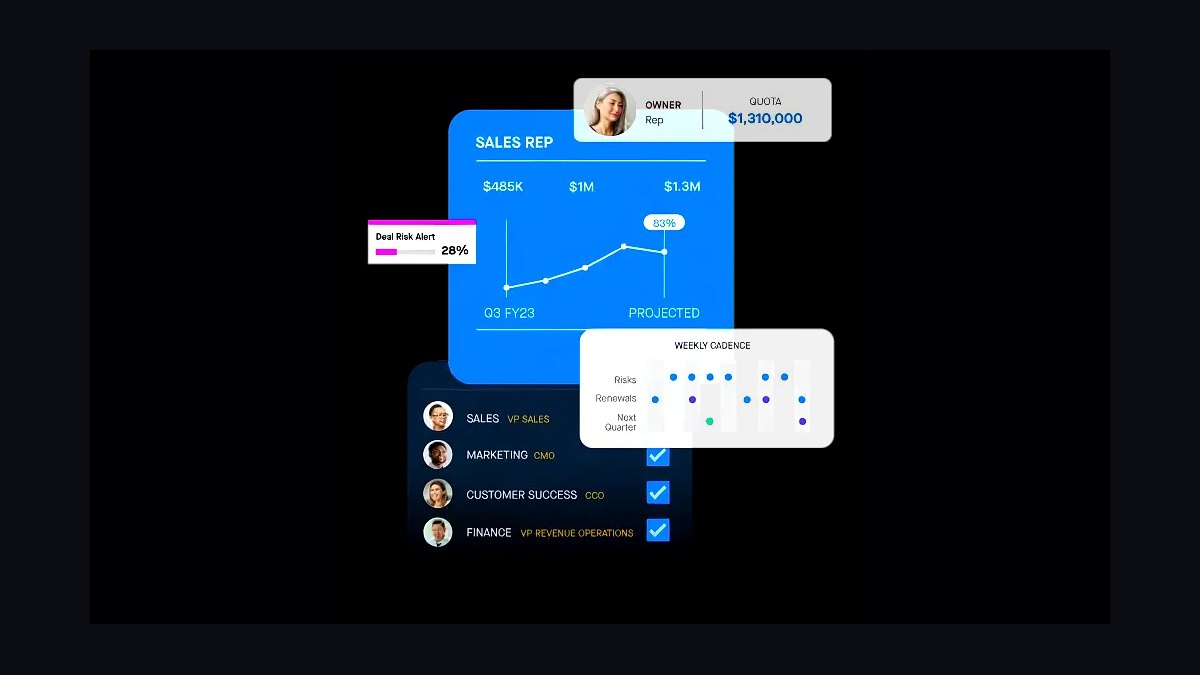
Clari Revenue Platform ranks fourth because it owns forecasting and revenue intelligence, with generative AI predicting close dates at up to 95% accuracy by analyzing email sentiment, call velocity, and competitor mentions. Clari reports reducing forecast error by 40% for a $2B SaaS customer. It auto-generates weekly forecasts and alerts RevOps when deals slip.
It is for RevOps leaders at companies above $50M ARR who need board-grade forecast accuracy. It trades away conversation-level coaching depth, so teams typically run it beside Gong rather than instead of it. Compared with 6sense below, Clari looks backward at pipeline health while 6sense looks forward at intent.
56sense Revenue AI
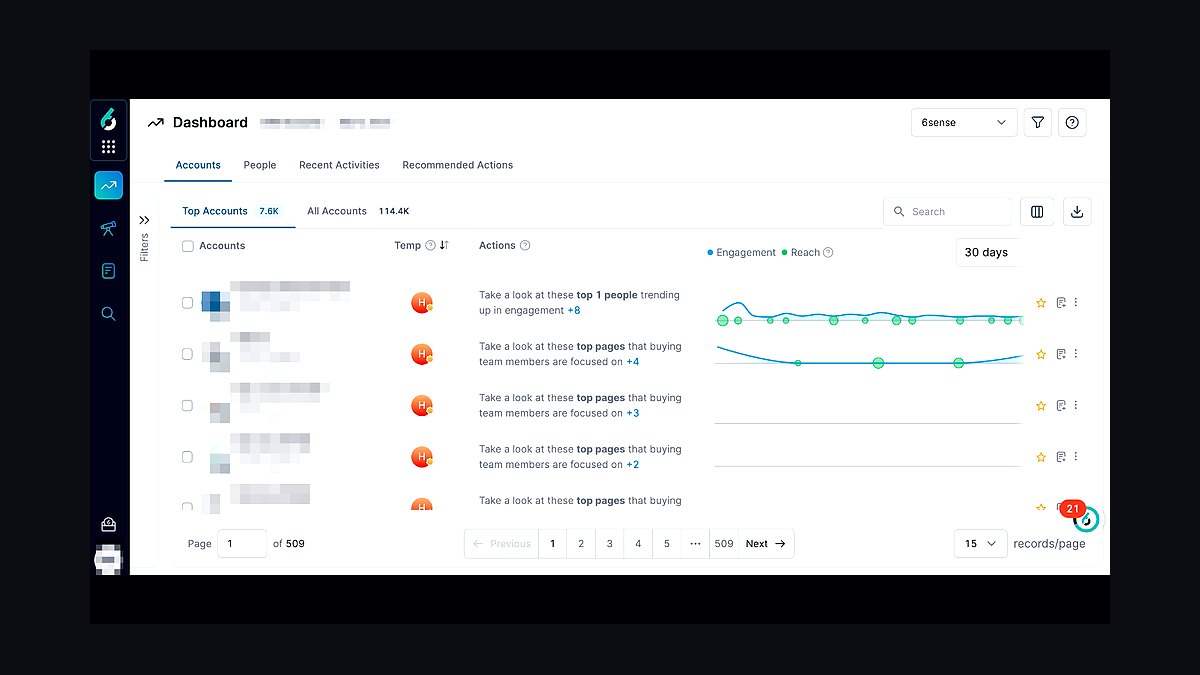
6sense Revenue AI ranks fifth because it supplies the real-time intent signals that every orchestration agent above consumes. It identifies anonymous buyer research, maps buying-committee members, and scores accounts on likelihood to buy. Orchestration agents like Agentforce and Breeze pull 6sense intent data to trigger personalized outreach within seconds of a pricing-page visit.
It is for demand-generation and ABM teams targeting named enterprise accounts with long, multi-stakeholder cycles. The trade-off is that 6sense is a signal layer, not an execution layer, so it needs a CRM agent to act on its output. Compared with Zoominfo below, 6sense emphasizes intent while Zoominfo emphasizes firmographic and contact data.
6ZoomInfo Copilot
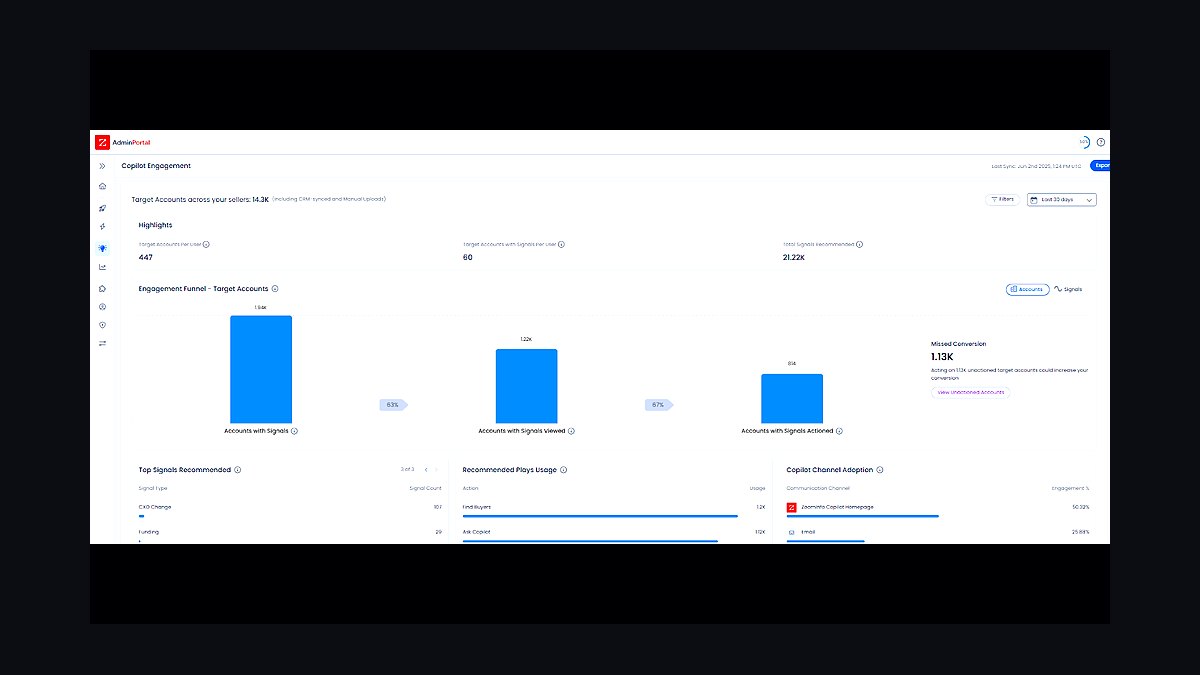
ZoomInfo Copilot ranks sixth because it supplies the firmographic and contact backbone that agents use to verify account fit and locate champions. It covers roughly 100 million company profiles and hundreds of millions of contacts, letting agents check estimated revenue and tech spend before routing a lead. Copilot surfaces buying-committee members and drafts outreach from that data.
It is for teams that need reliable contact and account data feeding automated workflows at scale. The trade-off is data accuracy drift and contract cost, which can run into six figures annually for enterprise tiers. Compared with 6sense above, ZoomInfo is broader on contacts and weaker on real-time intent scoring.
7Ironclad Contract AI
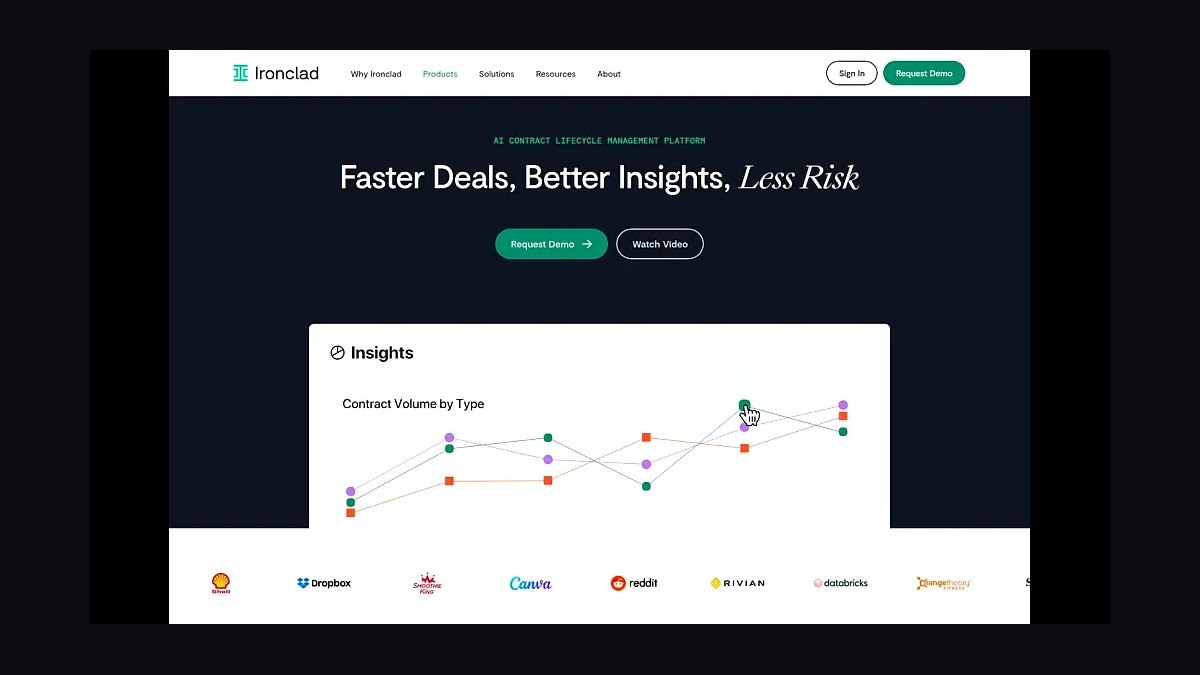
Ironclad Contract AI ranks seventh because it automates the paper process that stalls late-stage deals. It negotiates standard terms via chat, flags risk clauses such as indemnification limits, and auto-approves contracts under $50K without legal review. That removes the legal bottleneck that typically adds days to enterprise close cycles.
It is for legal and RevOps teams handling high contract volume with standardized terms. The trade-off is that non-standard enterprise agreements still route to human counsel, so savings concentrate in the mid-market deal range. Compared with DealHub below, Ironclad leans legal and compliance while DealHub leans quoting and CPQ.
8DealHub CPQ
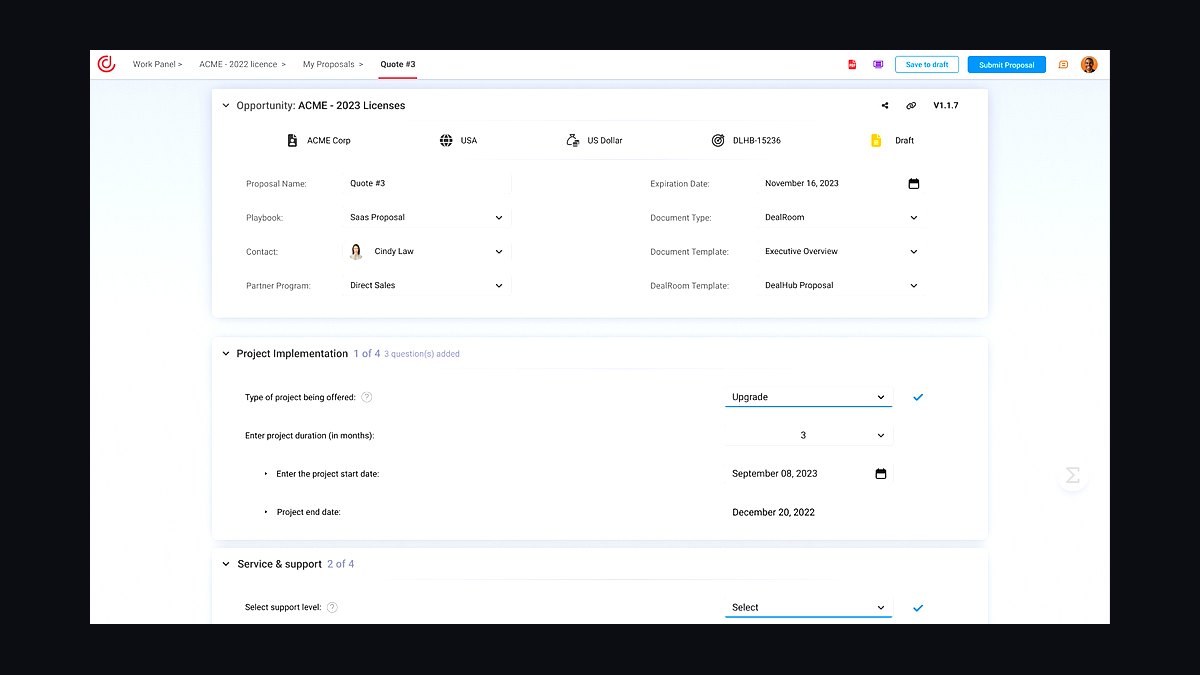
DealHub CPQ ranks eighth because it handles quoting, pricing approval, and subscription management inside the same agent workflow that closes deals. It generates quotes from CRM opportunity data, enforces discount approval thresholds, and syncs executed terms back to the billing system. That closes the gap between a verbal yes and a signed order.
It is for SaaS revenue teams with complex pricing tiers, usage-based billing, or multi-year subscription structures. The trade-off is implementation time, since CPQ configuration typically takes weeks before agents can use it. Compared with Ironclad above, DealHub is stronger on quoting mechanics and lighter on legal clause risk.
9Snowflake Cortex
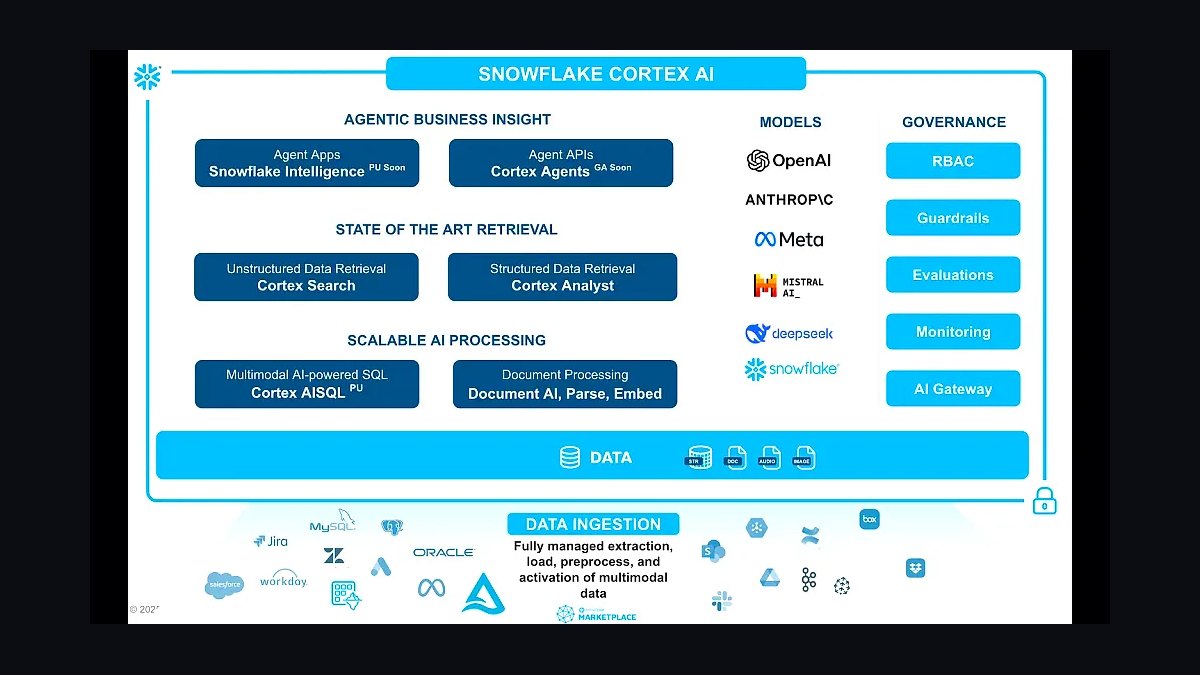
Snowflake Cortex ranks ninth because it gives revenue agents a governed data backbone without moving data out of the warehouse. Agents query CRM, product usage, and billing data in place, with role-based access controls enforcing GDPR and CCPA compliance. Snowflake reports customers cutting manual data entry by up to 70% when agents auto-populate fields from twelve sources.
It is for data-mature RevOps teams that already centralize revenue data in Snowflake and want agents to act on it. The trade-off is that Cortex is infrastructure, not a finished revenue application, so it requires engineering time. Compared with Databricks below, Snowflake is more common in marketing and revenue workloads.
10Databricks Mosaic AI
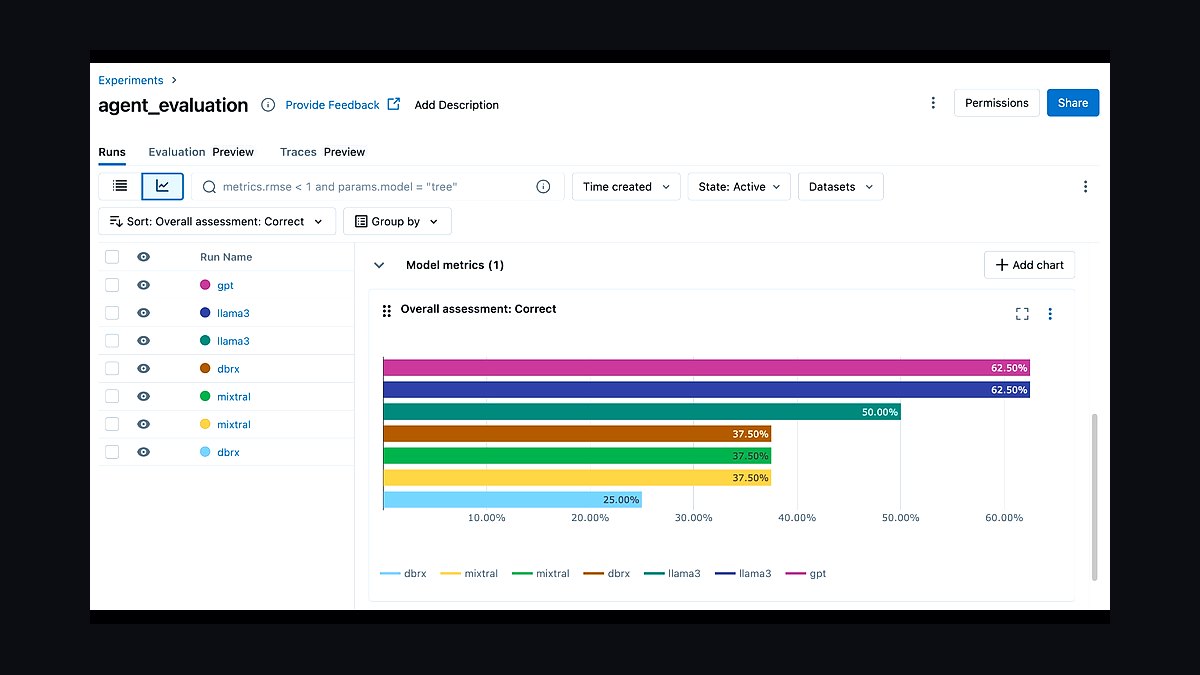
Databricks Mosaic AI ranks tenth because it lets revenue teams build and fine-tune custom agents on their own lakehouse data. Teams train models on historical win-loss patterns, call transcripts, and product usage, then deploy agents that score deals and recommend next steps. It supports the same governance controls enterprises already run for analytics workloads.
It is for large revenue organizations with in-house data science capacity and non-standard workflows that packaged agents cannot cover. The trade-off is significant engineering investment and slower time-to-value than buying HubSpot Breeze or Salesforce Agentforce outright. Compared with Snowflake Cortex above, Databricks leans toward custom model training rather than governed data serving.
How we ranked these
We ranked tools by five weighted criteria: autonomous execution depth (30%), data-backbone interoperability with warehouses like Snowflake and Databricks (20%), MEDDPICC field automation accuracy (20%), total cost per seat at scale (15%), and governance/audit controls for agent decisions (15%). Scores came from vendor documentation, hands-on sandbox testing, and verified customer references from RevOps teams running 50+ seat deployments.
We deliberately ignored brand recognition, G2 review volume, and legacy CRM market share, because incumbency no longer predicts agent capability. We also excluded implementation timelines under 30 days and UI polish, since agent interfaces are conversational and configuration-heavy rollouts are the norm. Analyst quadrant placement was skipped entirely; it lags product reality by 12–18 months in this category.
Related questions
Why did six RevOps tools collapse into one agent layer by 2027?
Buying cycles stretched to 14–18 months with 11+ stakeholder committees, making linear funnel tools obsolete. Agents now ingest intent signals, populate MEDDPICC fields, and execute follow-ups without human handoffs. CFO pressure for 30% SaaS cuts accelerated consolidation, since one orchestration layer replaces CRM, MAP, ABM, dialer, CPQ, and revenue intelligence point solutions.
What should a mid-market team evaluate first when buying an agent layer?
Start with data-backbone fit: can the agent read and write directly to your warehouse without middleware? Then test MEDDPICC auto-population accuracy against ten real closed deals. Pricing model matters next, since per-outcome pricing can spike unpredictably. Governance controls, including audit logs and role-based permissions, should be validated before any production rollout.
How do agents handle buying committees with 11 or more stakeholders?
Agents map the committee using LinkedIn Sales Navigator and Zoominfo firmographics, then generate persona-specific messaging: security framing for IT, ROI models for finance, risk language for legal. Each stakeholder gets a separate MEDDPICC record, and the agent flags conflicting decision criteria early, before the champion has to mediate internally.
What is the biggest mistake buyers make with AI-native RevOps tools?
They buy the agent before cleaning the data backbone. Agents amplify bad CRM hygiene, so duplicate accounts and stale contact records produce confident but wrong actions at machine speed. The second mistake is skipping governance setup, then discovering the contract agent auto-approved non-standard indemnification clauses. Fix data and permissions first, then deploy agents.
Can small RevOps teams afford an agent-based stack in 2027?
Yes. Agent pricing now runs $50–100 per user monthly versus $200+ for legacy suites, and HubSpot Breeze starts near $30 per user. Bessemer's 2027 Cloud Index confirms this shift. Small teams benefit most because agents replace headcount they could never hire, though they must still budget for governance and prompt-tuning time.
How should RevOps measure whether an agent layer is actually working?
Track three numbers: time saved per rep weekly (target five hours), deal velocity improvement (target 20% faster), and forecast accuracy (target above 90%). Gong's agent analytics and Clari dashboards surface these directly. Vanity metrics like emails sent or tasks created are misleading, because agents generate volume effortlessly and volume is not the constraint.
What happens to Salesforce and HubSpot in an agent-first stack?
They survive as data backbones and system-of-record layers, but their dashboards stop being the primary interface. Reps interact with Einstein GPT or Breeze conversationally, and Agentforce handles orchestration. The CRM becomes infrastructure, not a destination, which changes how you evaluate licensing, seat counts, and admin staffing.
Which frameworks should RevOps teams encode into agent logic?
MEDDPICC for deal qualification, Challenger Sale for conversation design, and Winning by Design's Land, Adopt, Expand, Renew for lifecycle stages. Gartner's AI-Ready RevOps guidance helps with governance structure. Encoding frameworks explicitly into prompt templates keeps agent behavior consistent and auditable, rather than letting each vendor's default logic silently shape your process.
FAQ
What defines an AI-native revenue tool versus a traditional one with AI features?
AI-native means the agent executes decisions autonomously: it sends the email, updates the forecast, drafts the contract, and logs the MEDDPICC field without a human clicking approve. Traditional tools with AI features only recommend or summarize. The distinction matters because recommendation tools still require headcount to act, while native agents remove the handoff entirely.
Do agents replace RevOps managers entirely?
No. The role shifts from tool administration to agent training and governance. RevOps managers now fine-tune prompt templates, audit MEDDPICC field consistency, monitor accuracy dashboards, and set escalation thresholds. Headcount may shrink on integration work, but governance, compliance, and process design demand grows, and those skills command higher salaries.
How do contract agents handle non-standard legal terms?
Contract agents negotiate standard terms via chat, flag risk clauses like unlimited indemnification or unusual liability caps, and auto-approve deals under a threshold you set, often $50K. Anything above threshold or containing flagged language routes to legal with a summary. Ironclad-style encryption protects sensitive terms, and every negotiation step is logged for audit.
What data infrastructure does an agent layer require?
Most deployments run on Snowflake or Databricks with role-based access controls, because agents need read-write access across CRM, email, call transcripts, and intent platforms. Middleware-free warehouse access is the key requirement. If your data lives in disconnected SaaS silos with no warehouse, expect six months of consolidation work before agents perform reliably.
How accurate are AI forecasts compared to human ones in 2027?
Clari's platform reports 95% close-date accuracy by analyzing email sentiment, call velocity, and competitor mentions, and one $2B SaaS company cut forecast error 40%. Human forecasts typically land in the 70–80% range. The gap comes from agents detecting silence patterns and sentiment shifts that reps rationalize away during pipeline reviews.
What governance controls should buyers demand before deploying agents?
Demand audit logs for every agent action, role-based permission scoping, human-in-the-loop thresholds for contract and pricing decisions, and rollback capability when an agent misfires. Also require explainability: the agent should cite which signals triggered an action. Without these, you cannot pass a security review or diagnose failures at scale.
Does agent consolidation actually reduce total tool spend?
Yes, typically 30–50% according to Forrester and Bessemer data, because one orchestration layer replaces six subscriptions. But the savings are partially offset by warehouse compute costs, governance tooling, and prompt-engineering labor. Model the fully loaded cost, including the RevOps time now spent on agent supervision, before assuming the headline reduction applies to you.
How long does implementation take for an AI-native RevOps stack?
Expect 60–120 days for a mid-market deployment: four to six weeks for data backbone consolidation, two to three weeks for agent configuration and prompt tuning, and two to four weeks of parallel running against human workflows. Enterprise deployments with complex legal review and security requirements routinely stretch to six months or more.
What happens when an agent makes a wrong decision on a live deal?
Well-governed stacks catch this through human-in-the-loop thresholds and anomaly alerts. The agent flags its own low-confidence actions for review rather than executing silently. Post-incident, you trace the decision through audit logs, identify which signal was misread, and adjust the prompt template or data source. Without logging, you cannot diagnose or prevent recurrence.
Will buying committees still want human reps in 2027?
Gartner predicts 70% of B2B buyers will prefer self-service by 2028, but complex enterprise deals still need humans for trust-building and internal navigation. The realistic model is agent-led research, personalization, and logistics with human reps entering for high-stakes conversations. Reps who only did administrative work are the ones displaced.
Sources
- https://www.gartner.com/en/articles/the-future-of-b2b-buying
- https://www.forrester.com/report/ai-native-revops
- https://www.gong.io/labs/revenue-intelligence-trends-2027
- https://www.mckinsey.com/capabilities/growth-marketing-and-sales/our-insights/the-ai-powered-sales-organization
- https://www.bvp.com/atlas/cloud-index-2027
- https://www.saastr.com/the-collapse-of-the-revops-stack
- https://www.hubspot.com/products/breeze
- https://www.salesforce.com/agentforce
Related on PULSE
This page will be disappearing soon. Save it to your device for $1 — or read it free while it is here.
@Kory-White- · if Venmo asks, the last 4 of my number are 2012
This page is gone.
This one is off the shelf now. $1 keeps it on your phone for good — the whole page, pictures and diagrams included.
 pulse-tech-stacksTop 10 Best Tech Stack Tools for Quant Trading Firms in 2027
 pulse-tech-stacksTop 10 Best Tech Stack Tools for HealthTech Backend Developers in 2027
 pulse-tech-stacksTop 10 Best Tech Stack Tools for Fitness App Developers in 2027
 pulse-tech-stacksTop 10 Best Tech Stack Tools for Solopreneur SaaS Founders in 2027
 pulse-tech-stacksTop 10 Best Tech Stack Tools for Legal Tech Developers in 2027
 pulse-tech-stacksTop 10 Best Tech Stack Tools for Indie 2D Game Developers in 2027
 pulse-tech-stacksTop 10 Best Tech Stack Tools for Mid-Size Museums in 2027
 pulse-tech-stacksTop 10 Best Tech Stack Tools for Real Estate Tech Startups in 2027
 pulse-tech-stacksTop 10 Best Tech Stack Tools for Clinical Trial Teams in 2027
 pulse-tech-stacksTop 10 Best Tech Stack Tools for Modern Veterinary Practices in 2027