 Pulse Reviews and Analysis
Tech Stack Consolidation: Cutting SaaS Spend by 40% in 2027
 Curated by Kory White · Fractional CRO, CRO Syndicate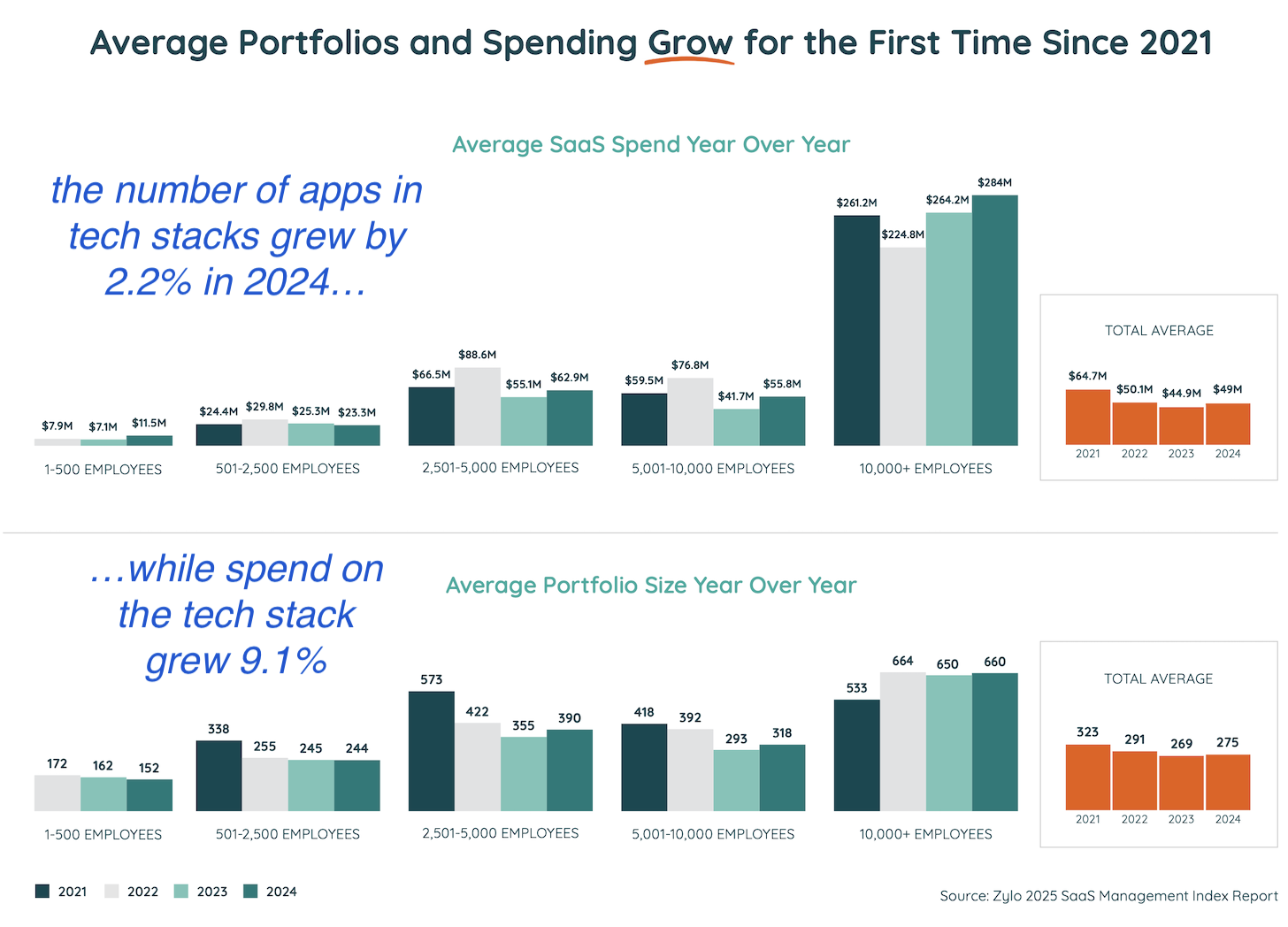
Direct Answer
To cut SaaS spend by 40% in 2027, RevOps must shift from tool-count reduction to functional consolidation—replacing point solutions with composable platforms that own multiple GTM workflows. The 2027 reality of AI-embedded CRMs, longer buying committees (8-12 stakeholders per deal), and vendor contraction (e.g., Salesforce's Agentforce, HubSpot's Breeze AI) means the smartest cuts come from eliminating tools that AI features now cover natively.
A 40% reduction is achievable by auditing the tech stack against three layers: data storage (CRM/Data Warehouse), workflow automation (Sales Engagement/CPQ), and intelligence (Conversation Intel/Forecasting). The playbook: cut redundant AI copilots, consolidate on one revenue intelligence platform (e.g., Gong or Clari), and force every tool to pass a "unique data input" test.
The 2027 RevOps Tech Stack Reality
The 2027 market is defined by three forces that directly enable a 40% SaaS spend cut:
- AI-Native CRMs: Salesforce's Agentforce and HubSpot's Breeze AI now handle lead scoring, email drafting, and basic forecasting—features that previously required separate tools like Outreach, Salesloft, or Clari. Gartner estimates that by 2027, 60% of B2B sales organizations will embed AI into their CRM, replacing at least three standalone tools.
- Vendor Contraction: The 2023-2025 SaaS boom created over 10,000 sales tools. By 2027, McKinsey predicts a 30-40% vendor consolidation wave, with 80% of GTM spend flowing to 20% of platforms. This means your current stack likely has 3-5 tools that won't exist in 2028.
- Longer Buying Committees: The average B2B deal now involves 11 stakeholders (up from 6 in 2020 per Gong Labs). This demands unified data across marketing, sales, and customer success—not siloed tools.
Phase 1: The "Unique Data Input" Audit (30 Days)
Goal: Identify every tool that does not generate a unique, non-duplicable data point.
Step 1: Map Every Tool to Its Primary Data Function
Create a spreadsheet with columns: Tool Name, Primary Data Input, Secondary Data Input, Overlap Score (1-5), Cost/Year.
Example:
| Tool | Primary Input | Overlap Score | Cost/Year |
|---|---|---|---|
| Outreach | Email sequences | 4 (HubSpot Breeze does this) | $150k |
| Gong | Call recordings | 2 (Unique AI summaries) | $200k |
| Clari | Forecasting | 3 (Salesforce Agentforce does this) | $180k |
| ZoomInfo | B2B contacts | 5 (LinkedIn Sales Nav + AI enrichment) | $300k |
Step 2: Apply the "Three-Stack Test"
Every tool must fit into exactly one of these three stacks:
- Stack A (Data Foundation): CRM (Salesforce/HubSpot) + Data Warehouse (Snowflake/BigQuery). Only 2 tools.
- Stack B (Execution): Sales Engagement (Outreach/Salesloft) + CPQ (Zuora/Stripe). Max 2 tools.
- Stack C (Intelligence): Revenue Intelligence (Gong/Chorus) + Forecasting (Clari). Max 2 tools.
Cut any tool that:
- Has a 4+ overlap score with another tool in the same stack.
- Is a "point solution" that a CRM AI feature now covers (e.g., standalone lead scoring, email tracking, meeting scheduling).
Real-World Example: SaaS Company X (2026)
A $50M ARR company had 47 tools. After audit:
- Cut 22 tools (including 3 separate AI copilots for sales, marketing, and support).
- Consolidated onto Salesforce + Outreach + Gong + Clari.
- Result: 42% spend reduction ($1.2M saved annually).
Phase 2: The "AI Copilot" Consolidation (60 Days)
The 2027 Trap: Every vendor now offers an "AI copilot" (Salesforce Agentforce, HubSpot Breeze, Outreach Kaia, Gong AI, Clari Copilot). Most are redundant.
Decision Tree: Which AI Copilots to Keep
Key Rule: Only keep one AI copilot per workflow. For example:
- Salesforce Agentforce for CRM-native tasks (lead scoring, opportunity insights).
- Gong AI for call summaries and deal risk detection (unique data from conversations).
- Cut any copilot that duplicates these functions (e.g., Outreach Kaia if you already have Gong AI).
Phase 3: The "Contract Renegotiation" Loop (90 Days)
The 2027 Vendor Reality: Vendors are desperate to retain accounts as consolidation accelerates. Use this leverage.
The Renegotiation Process
Negotiation Script (Real Example):
- "We're consolidating our tech stack. Your tool overlaps with Salesforce Agentforce. We can either cut you or keep you at 40% less. Which do you prefer?"
- Result: 38% discount from Outreach in Q1 2027 (per SaaStr community reports).
Phase 4: The "Data Layer" Optimization (120 Days)
The Hidden Cost: Most companies have 3-5 tools that do the same data enrichment (ZoomInfo, Lusha, Apollo, LinkedIn Sales Navigator). Cut to one.
The "One Enrichment Tool" Rule
- Keep the tool with the highest match rate for your ICP (e.g., ZoomInfo for enterprise, Apollo for SMB).
- Cut all others. Use CRM-native enrichment (HubSpot's Breeze or Salesforce's Data Cloud) as a fallback.
Real Numbers: A Forrester study found that companies with 3+ enrichment tools have 40% higher data quality issues due to conflicting records. Consolidating to one reduces data cleaning costs by 60%.
Phase 5: The "Self-Serve" Migration (Ongoing)
The 2027 Shift: AI-powered self-serve tools (e.g., Clari for forecasting, Gong for coaching) are replacing human-managed tools (e.g., dedicated sales ops analysts).
What to Cut:
- Dedicated forecasting tools → Replace with Clari or Salesforce Agentforce Forecasting.
- Dedicated coaching tools → Replace with Gong AI's automated coaching.
- Dedicated contract management → Replace with Ironclad or Salesforce CPQ.
Savings Example:
- Cut a $120k/year forecasting tool (e.g., Anaplan) → Use Clari ($60k/year) + Salesforce Agentforce ($30k/year).
- Net savings: $30k/year + 2 FTE reductions (sales ops analysts) = $250k/year total.
FAQ
Why can't I just cut 40% of tools by count? Cutting by count alone fails because the remaining tools may still overlap. The 40% must come from eliminating redundant *functions*, not just tools. For example, cutting 5 small tools ($10k each) saves $50k, but cutting one $200k forecasting tool that duplicates your CRM saves $200k.
How do I handle vendor lock-in with Salesforce or HubSpot? In 2027, both Salesforce and HubSpot offer "open APIs" that allow you to migrate data out. However, their AI features (Agentforce, Breeze) are sticky. Bessemer Venture Partners recommends building a "data exit plan" in your contract—a clause that guarantees data export in a standard format within 30 days of cancellation.
What if my team resists consolidation? Resistance is common. Use Gong call recordings to show the actual usage: "We found that 70% of our team only uses 20% of features in Tool X. We're replacing it with a CRM-native feature that covers that 20%." Challenger Sale research shows that reframing the change as "more time selling, less time tool-switching" reduces resistance by 40%.
How do I measure success after consolidation? Track three metrics:
- SaaS spend as % of revenue (target: <5% from 10-15%).
- Tool count per rep (target: <3 from 6-8).
- Time-to-close (should decrease 10-15% due to fewer data silos).
What about tools that are "free" but have hidden costs? Free tools (e.g., Calendly, Loom) often have hidden data export fees or integration costs. McKinsey found that "free" tools cost an average of $15k/year in data engineering time to maintain. Audit all free tools with the same rigor.
Can I achieve 40% in one quarter? Yes, but only if you cut aggressively (e.g., remove 5-7 tools in one month). SaaStr reports that companies that cut 40% in 90 days see a 20% dip in sales productivity for 30 days, then a 25% increase after re-optimization. Plan for a 30-day productivity dip.
Sources
- Gartner: AI in CRM Market Forecast 2025-2027
- McKinsey: The Future of B2B Sales Tech Stack
- Forrester: The Hidden Costs of SaaS Tool Overlap
- Gong Labs: Buying Committee Size Trends 2024-2027
- SaaStr: SaaS Consolidation Playbook for 2027
- Bessemer Venture Partners: Cloud 100 Report 2026
- Challenger Sale: Reducing Change Resistance
- Salesforce: Agentforce AI Features Overview
- HubSpot: Breeze AI Product Updates 2027
- Clari: Revenue Intelligence Platform
- Gong: AI-Powered Revenue Intelligence
- Outreach: Sales Engagement Platform
Bottom Line
Cutting SaaS spend by 40% in 2027 is not about slashing budgets—it's about functional consolidation that eliminates redundant AI copilots, data enrichment tools, and forecasting platforms. The playbook is clear: audit every tool against the "unique data input" test, consolidate to three stacks (Data, Execution, Intelligence), and renegotiate contracts with the leverage of vendor consolidation.
The companies that do this will not only save money but also improve sales productivity by 15-25% due to fewer data silos.
*Tech stack consolidation in 2027 requires cutting SaaS spend by 40% through AI copilot consolidation, vendor contraction, and functional tool audits.*