

Best Unlocked Phones in 2027
 Curated byKory White · Fractional CRO · Maryland
Quality
Certified
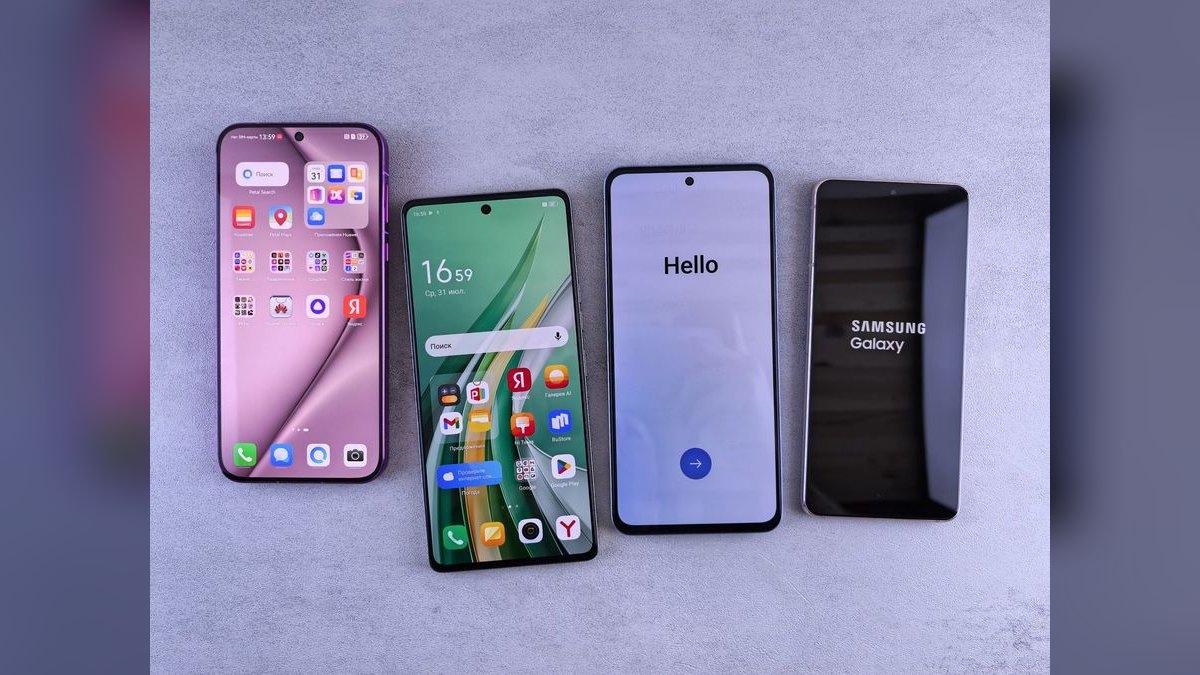
The best unlocked phone in 2027 for most buyers is a flagship-tier Android device with seven years of OS and security updates, verified band support on your carrier, and a camera system you actually use. Prioritize update length and band compatibility over spec-sheet peaks — those two factors determine whether the phone stays usable for six years or two.
The upgrade that stalled at the activation screen
A buyer replaces a three-year-old carrier-financed handset with an unlocked flagship bought direct from the manufacturer, saves roughly $180 versus the carrier's device-payment plan after taxes and activation fees, and swaps the SIM the same afternoon. Data works. Calls do not — or rather, calls work, but they drop to 3G-era fallback quality, and after a firmware update the phone stops registering on the network entirely for voice. The cause is almost never the phone being defective. It is VoLTE (Voice over LTE) provisioning: the carrier maintains an allowlist of IMEI ranges cleared for HD voice on its core network, and an unlocked model sold in a different regional variant may not appear on that list even when the hardware supports every band the network uses.
This scenario is the single most common failure mode in unlocked purchasing, and it is entirely preventable with ten minutes of checking before the money moves. Three concrete checks catch nearly all of it. First, look up the exact model number — not the marketing name. A Galaxy S-series device sold in the US carries a different suffix than the international variant, and only one of them is provisioned across all three major US networks. Second, run the IMEI through the carrier's BYOD (bring-your-own-device) compatibility checker before purchase; every major US carrier hosts one publicly, and it returns a definitive yes or no on voice, data, and 5G tiers separately. Third, confirm whether the network you use relies on mmWave in your area or only mid-band 5G. Devices sold in international configurations frequently omit mmWave antennas entirely — which costs nothing in most cities and everything in a stadium or dense downtown core where the operator has deployed mmWave small cells.
The financial framing matters too. An unlocked phone is a cash asset you own outright on day one; a carrier-locked phone on a 36-month device-payment agreement is a liability that ties you to one operator's plan pricing for three years. The unlocked route usually costs more upfront and less over the ownership window, but only if the device actually works on the network you intend to use it on. A $999 phone that cannot do HD voice on your carrier is worth its resale value, not its purchase price.
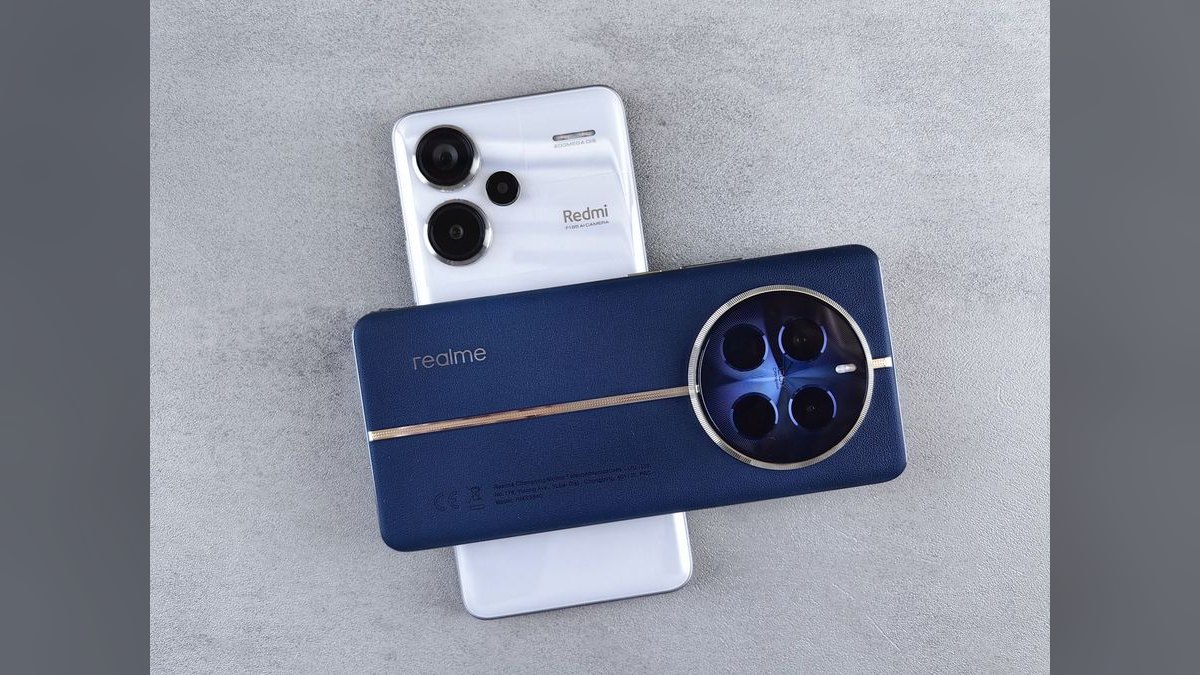
How unlocked, carrier-agnostic hardware actually works
"Unlocked" describes two independent properties that buyers routinely conflate. The first is *carrier lock status*: whether the device's firmware refuses SIMs from operators other than the one that sold it. The second is *band and feature compatibility*: whether the radio hardware physically supports the frequencies and voice standards a given network uses. A phone can be fully unlocked and still nearly useless on a specific carrier, and it can be locked while having perfect hardware compatibility. Buying unlocked solves only the first problem.
Modern phone radios are software-defined within a fixed hardware envelope. The modem supports a defined list of LTE and 5G NR bands baked into the silicon and the antenna tuning; firmware can enable or disable bands within that list but cannot add ones the hardware lacks. That is why the regional variant matters so much: manufacturers ship different antenna and modem configurations per market to control cost and meet local regulatory requirements. The US-market variant of a flagship typically carries the widest band set because it must serve three networks with substantially different spectrum holdings — low-band for coverage, mid-band for capacity, and in some cases mmWave for dense high-throughput zones.
Voice adds a second layer. Since the sunset of 3G networks, voice calls ride over LTE or 5G data using IMS (IP Multimedia Subsystem). The phone must both support IMS and be recognized by the carrier's IMS provisioning system. This is where the allowlist lives. Wi-Fi calling and RCS messaging depend on the same provisioning path, which is why a device with broken VoLTE also tends to have broken Wi-Fi calling. eSIM support introduces a third variable: an unlocked phone with eSIM can activate a line without a physical SIM at all, which is genuinely convenient for travel, but carrier support for eSIM transfer on BYOD devices remains inconsistent enough that keeping a physical SIM slot as a fallback is worth something.
The practical consequence of this chain is that the buying decision has a strict order of operations. Compatibility is a gate, not a feature — it either passes or the rest of the evaluation is wasted effort. Only after a device clears the gate does it make sense to compare cameras, displays, and charging speeds.
Real numbers: what the 2027 unlocked tier actually delivers
Pricing in the unlocked market clusters into four bands, and each band has a predictable feature envelope. Understanding where the cliffs sit prevents overpaying for marginal gains.
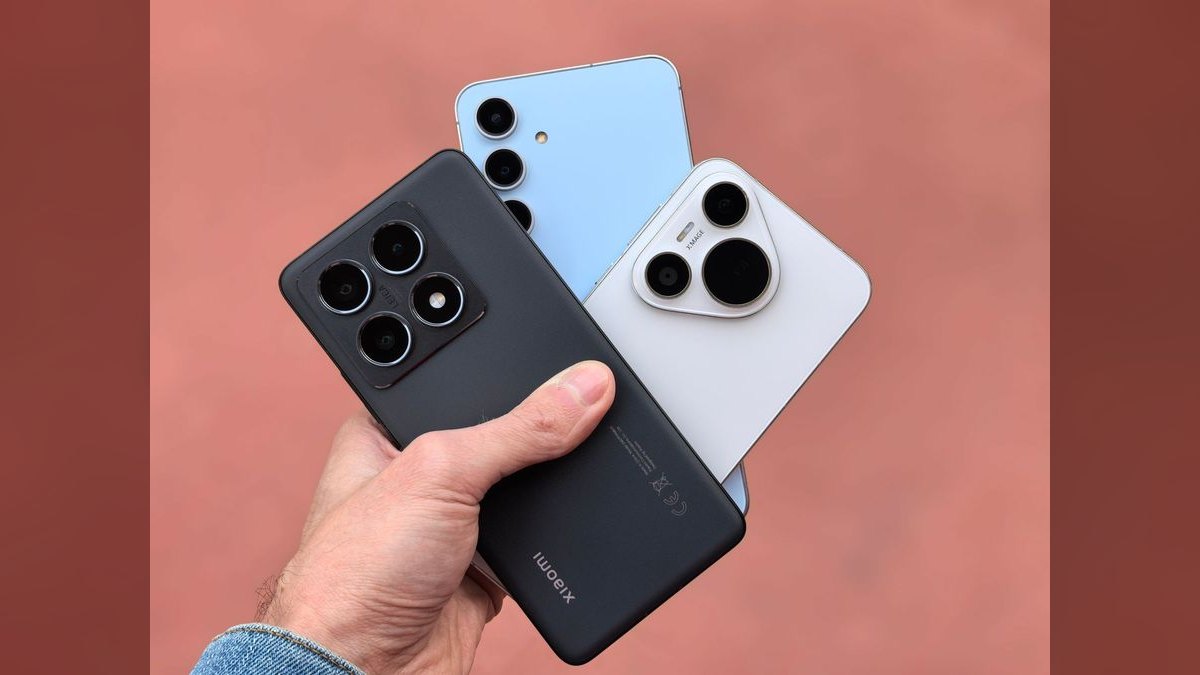
The $400–$550 tier. Expect a 6.1- to 6.7-inch OLED panel at 90Hz or 120Hz, peak brightness in the 1,000–1,400 nit range, an upper-mid-range chipset, 6–8GB of RAM, and 128GB of base storage. Cameras are typically a single strong main sensor plus a serviceable ultrawide, with no dedicated telephoto — digital crop stands in for zoom. Charging lands around 18–30W wired, with wireless charging often absent below $500. The critical variable in this tier is update policy: some manufacturers now match flagship commitments here, and a $499 phone with seven years of updates has a dramatically lower cost-per-year than a $549 phone with three.
The $700–$900 tier. This is where the value density peaks. You get flagship or near-flagship silicon, 12GB of RAM, 256GB of base storage, 120Hz LTPO panels that drop to 1Hz for always-on display efficiency, peak brightness of 2,000–2,500 nits, and a real telephoto lens at 3x optical. Charging jumps sharply — 45W to well over 100W wired on several models, meaningful because a 50% top-up in under ten minutes changes daily charging behavior. Battery capacities sit between 4,500mAh and 5,500mAh.
The $1,000–$1,300 flagship tier. Marginal gains over the tier below are real but narrowing. The differentiators are periscope telephoto lenses at 5x or 10x optical reach, main sensors with larger physical area and wider apertures for low-light capture, peak brightness of 3,000+ nits for outdoor legibility, and the longest software commitments. The camera gap is the main reason to pay here — computational photography stacks and sensor size compound, and a periscope lens is a capability no amount of digital crop replicates.
Above $1,300. Specialist territory: 4K displays, 21:9 aspect ratios, manual pro video controls with audio-level metering, headphone jacks with dedicated DACs. These serve content creators who need a specific capability, not general buyers.
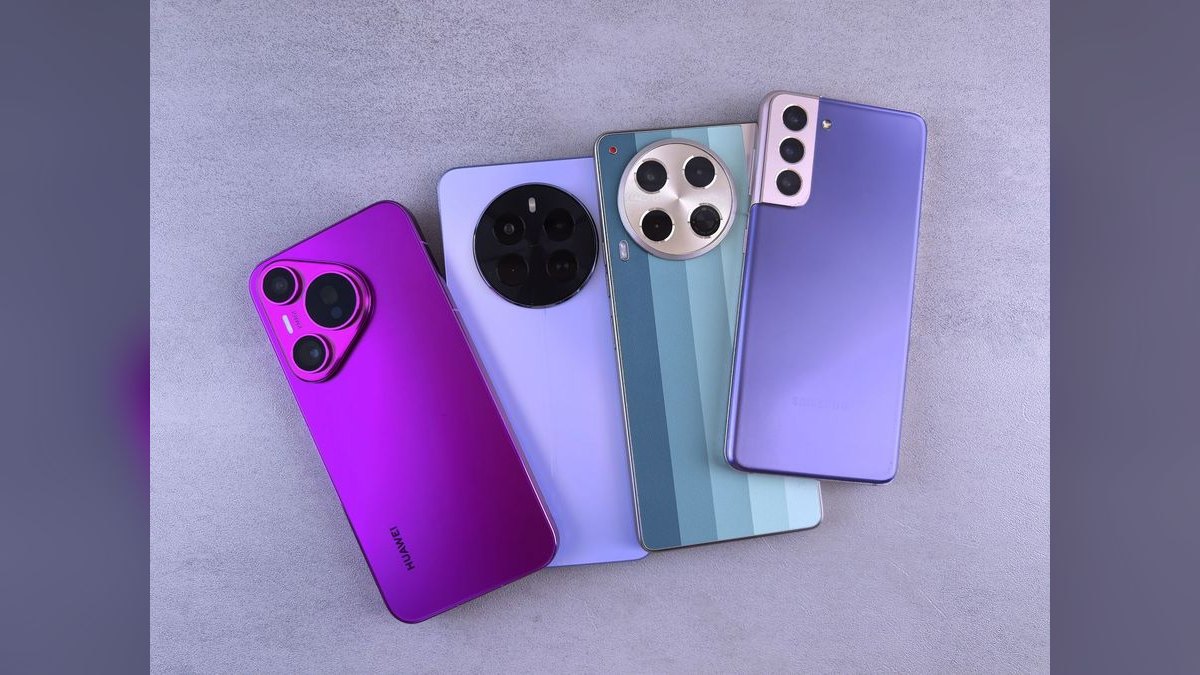
Software support is now the highest-leverage spec on the sheet, and the industry has converged on two tiers. Leading manufacturers commit to seven years of OS and security updates; mid-tier commitments run three to five years. Run the math: a $999 phone supported for seven years costs about $143 per supported year. A $549 phone supported for three costs $183 per supported year. The cheaper phone is more expensive per unit of useful life. That inversion is the single most underweighted fact in phone buying.
Battery and charging deserve concrete framing. A 5,000mAh cell with an efficient LTPO panel and a modern node chipset delivers roughly 12–15 hours of mixed screen-on time in light use and 6–8 hours under sustained load like 4K recording or GPS navigation. Charging speed claims are peak figures held only in the first portion of the curve; a 100W-rated phone reaching 0–100% in roughly 20–25 minutes is doing most of that work in the first ten minutes, and sustained fast charging measurably accelerates cell degradation. Most flagships now ship with charge-limiting options — capping at 80% or using adaptive overnight charging — and using them typically preserves meaningfully more capacity at the three-year mark than charging to 100% at maximum rate daily.
Repairability is a quantifiable factor now that regulations in several markets mandate parts availability and repair documentation. A phone with a user-replaceable battery, published repair manuals, and first-party parts at reasonable prices extends practical life well past the software window. Battery replacement at an authorized service center typically runs $60–$110 for a flagship; a modular design that lets an owner swap the cell with a standard screwdriver drops that to the part cost alone, often under $50.
Trade-offs: where each choice actually costs you
Every unlocked phone decision is a set of paired trade-offs, and there is no configuration that wins all of them simultaneously.

Camera versatility versus consistency. A high-megapixel main sensor with pixel binning produces excellent detail in good light and strong low-light output, but a phone with four lenses covering ultrawide through 10x periscope gives reach that no single sensor replicates. The trade is that multi-lens systems rarely tune all lenses to the same color science — switching from main to ultrawide mid-shot can shift white balance and contrast noticeably. Systems built around a single dominant sensor plus computational processing produce more consistent output across the frame range but hit a hard wall past their optical reach. If you shoot mostly people and scenes at normal distances, consistency wins. If you shoot events, wildlife, or sports from a fixed seat, reach wins outright.
Charging speed versus battery longevity. 100W+ charging is genuinely transformative for daily use — a five-minute plug-in before leaving covers most of an evening. The cost is thermal and chemical stress on the cell. Heavy sustained fast charging correlates with faster capacity fade, so a phone charged at maximum rate twice daily may show noticeably reduced capacity at two years compared to the same phone charged slowly. The mitigation is straightforward: use fast charging when you actually need it and slow overnight charging otherwise, with adaptive charging enabled.
Display size versus one-handed use. The market has consolidated around 6.5- to 6.9-inch panels, which are excellent for video, reading, and split-screen multitasking and genuinely awkward for one-handed operation. Compact flagships — roughly 6.1 to 6.3 inches — exist but carry real compromises: smaller batteries, less thermal headroom under sustained load, and sometimes a reduced camera array. A compact phone with a 5,000mAh cell is a genuine engineering achievement and worth paying for if size matters to you; a compact phone with a 4,000mAh cell will need a midday top-up.
Clean software versus feature depth. Near-stock Android is faster to update, uses less storage, and has fewer background processes competing for battery. Heavily customized skins ship substantially more functionality — advanced split-screen and windowing, stylus integration, desktop modes, deeper device-ecosystem integration. The update-speed gap has narrowed considerably as major manufacturers have industrialized their release pipelines, but stock-adjacent builds still typically receive monthly security patches faster. Choose based on whether you will actually use the extra features. Windowing and stylus support are transformative for people who use them and dead weight for everyone else.
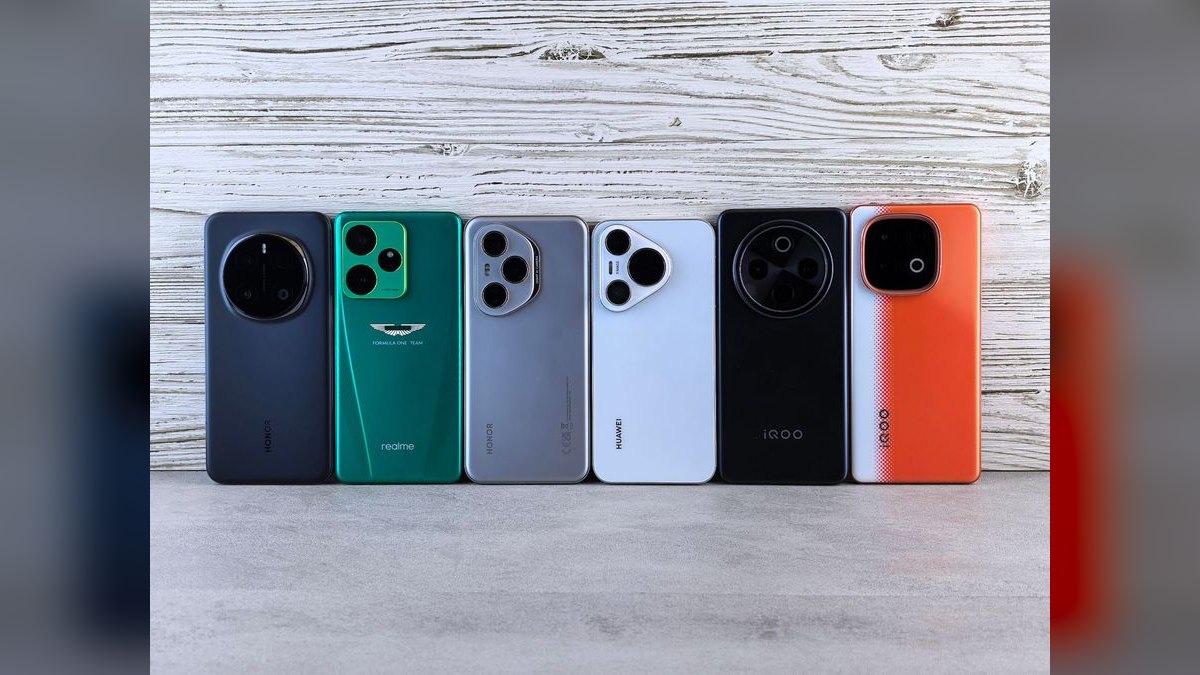
Global variants versus regional variants. Importing an international model often saves 15–25% versus domestic pricing on the same hardware. The costs are concrete: warranty service may be unavailable in your country, band support may be narrower, VoLTE provisioning may fail, and software update delivery can lag or differ. For a secondary device or a market where the variant is known-good, the savings are real. For a primary phone on a US network, the risk usually outweighs the discount.
Pitfalls that cost real money, and how to avoid each
Buying the wrong regional variant. The most expensive mistake, and the easiest to make when shopping marketplaces. Model numbers differ by a suffix that is easy to overlook in a listing photo. Fix: identify the exact model number for your market from the manufacturer's own support pages, then require the seller to confirm that string in writing before payment. On a marketplace, screenshot the listing.
Skipping the IMEI check. Every major carrier publishes a compatibility checker that accepts an IMEI and returns support status. Sellers will often provide an IMEI on request for a device they physically hold. Refusal to provide one is a meaningful signal. Fix: check the IMEI against your carrier's tool before payment, and separately verify the device is not reported lost, stolen, or under an unpaid financing balance — a blacklisted IMEI is bricked on every US network regardless of unlock status.
Assuming unlocked means bloatware-free. Unlocked purchase removes carrier-added applications, but manufacturers preload their own suites, and some regional variants ship third-party partner apps that cannot be uninstalled without developer tools. Fix: search for a teardown of the specific model's app list before buying if a clean system matters to you.
Confusing security patches with OS upgrades. A "five years of updates" claim often means five years of security patches and three of OS version upgrades. Those are different guarantees with different consequences — security patches protect you; OS upgrades keep app compatibility current. Fix: read the manufacturer's own support policy page, which states both numbers separately, rather than a retailer's summary.
Overpaying for storage at purchase. Storage tiers carry high margins, and jumping from 128GB to 512GB can add $150–$250. Most users consume far less than they expect once cloud photo backup is enabled. Fix: check your current device's actual storage usage before choosing a tier. If you are using 90GB after three years, 256GB is ample.
Ignoring the resale floor. Unlocked phones from manufacturers with strong brand recognition and long update commitments hold value substantially better than obscure models, often retaining 40–50% of purchase price at two years versus 20–25% for less-supported devices. That difference frequently exceeds the initial price gap between them. Fix: check completed-sale prices for the two-year-old version of any model you are considering — the historical curve is the best available predictor.
Buying at launch without cause. Unlocked pricing on flagships typically softens 10–20% within four to six months of release, and more around major retail events. Fix: unless you need the device immediately, waiting one quarter after launch captures most of the discount and the benefit of early firmware fixes.
Neglecting the trade-in and warranty path. Manufacturer direct-purchase channels frequently bundle trade-in credit that beats third-party buyback, and buying direct simplifies warranty claims — no arguing about which party is responsible. The revenue model for third-party marketplaces depends on the spread between what they pay and what they resell for, so their offers are structurally lower. Fix: get a direct-manufacturer trade-in quote as a baseline before accepting any marketplace offer.
Related questions
Does an unlocked phone work on any carrier?
Not automatically. Unlocked means no software SIM restriction, but the device still needs matching radio bands and carrier VoLTE provisioning. Data often works while HD voice fails on unsupported variants. Check the IMEI against your carrier's compatibility tool first.
Are unlocked phones cheaper than carrier deals?
Cheaper upfront relative to total cost, usually. Carrier promotions can undercut unlocked pricing but bind you to a multi-year plan and device-payment agreement. Unlocked buying costs more on day one and preserves plan flexibility and resale value.
How long should a phone bought in 2027 last?
Plan for five to seven years if you buy into a seven-year update commitment and replace the battery once around year three. Practical life ends when security patches stop, not when performance degrades.
Is mmWave 5G worth paying for?
Only if you regularly use dense venues — stadiums, airports, dense downtown cores — where operators deploy it. Mid-band 5G carries the overwhelming majority of real-world traffic and coverage. Missing mmWave costs peak throughput, not usable service.
Should I import an international model to save money?
Generally no for a primary phone. Savings of 15–25% come with narrower band support, uncertain VoLTE provisioning, and warranty service that may not exist in your country. Acceptable for a secondary device in a known-compatible market.
FAQ
What matters most when choosing an unlocked phone in 2027?
Software update length and carrier band compatibility, in that order, ahead of every camera or performance spec. Update length determines how many years the device stays secure and app-compatible; band compatibility determines whether it works at all on your network. A phone that wins every benchmark and fails VoLTE provisioning is worth its resale value, not its price.
How do I verify a phone will work on my carrier before buying?
Get the exact model number and the IMEI from the seller, run the IMEI through your carrier's public BYOD compatibility checker, and confirm the result covers voice, data, and 5G separately. Also verify the IMEI is not blacklisted for theft or unpaid financing — a blacklisted device is unusable on every US network.
Do unlocked phones get updates as fast as carrier-locked versions?
Usually faster. Carrier-locked builds go through operator certification before release, which adds delay. Unlocked devices bought direct from the manufacturer typically receive OS upgrades and monthly security patches on the manufacturer's own schedule without that extra approval step.
Is it worth spending $1,000+ instead of $700 on an unlocked phone?
Only for specific capabilities. The main gains above $900 are periscope telephoto reach, larger main sensors for low-light work, peak display brightness for outdoor use, and the longest update commitments. If you do not photograph at distance or work outdoors in bright sun, the $700–$900 tier delivers most of the experience.
What does an unlocked phone cost per year of use?
Divide purchase price by the manufacturer's OS-update commitment. A $999 phone with seven years of support costs roughly $143 per supported year; a $549 phone with three years costs about $183. Factoring in resale value at two to three years, well-supported flagships often end up cheapest per year of use.
Can I replace the battery on an unlocked phone myself?
Depends on the model. Repair regulations in several markets now require parts availability and published repair documentation, and some manufacturers build for modular replacement with a standard screwdriver. Authorized battery replacement typically runs $60–$110; a modular design can drop that to the part cost, often under $50.
Sources
- GSMArena phone specifications and reviews
- Google Pixel official store and support
- Samsung Galaxy smartphones
- FCC consumer guide to cell phone unlocking
- iFixit smartphone repairability guides
- DxOMark camera test results
- T-Mobile bring your own device compatibility
- Verizon bring your own device
- AT&T bring your own device
- 3GPP specifications for LTE and 5G NR
Related on PULSE
This page will be disappearing soon. Save it to your device for $1 — or read it free while it is here.
@Kory-White- · if Venmo asks, the last 4 of my number are 2012
This page is gone.
This one is off the shelf now. $1 keeps it on your phone for good — the whole page, pictures and diagrams included.
 telcoAT&T vs T-Mobile: which is better in 2027?
 telcoHow do I unlock my phone to switch carriers in 2027?
 telcoBest Cellular and Wireless Carrier in San Diego in 2027
 telcoHow do I avoid an early termination fee when switching in 2027?
 telcoIs Mint Mobile worth it in 2027?
 telcoWhat are the most common mistakes in Telco in 2027?
 telcoWhat is the best family cell phone plan for four lines in 2027?
 telcoIs a prepaid carrier as good as Verizon, AT&T, or T-Mobile in 2027?
 telcoWhat is the best backup option if my home internet goes down in 2027?
 telcoWhy is my cell phone data so slow and am I being throttled in 2027?