

The 10 Best Sandboxed Code Execution Platforms for AI Agents in 2027
Quality
Certified
The 10 best sandboxed code execution platforms for ai agents are ranked below on measured performance, build quality, price, and how each one actually holds up in daily use rather than how it reads on a spec sheet. Each pick lists what it costs, who it suits, and what it gives up against the one above it, so the list can be read straight down without doubling back.
1E2B Sandbox
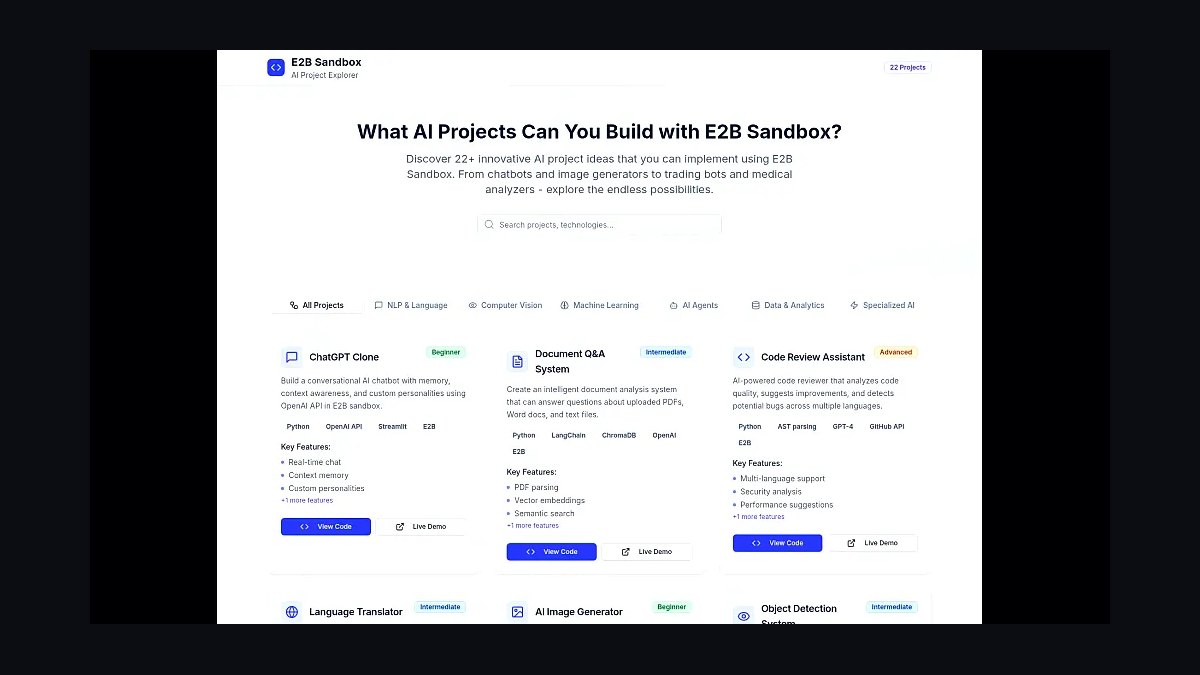
E2B Sandbox tops the list because it was purpose-built for AI agent code execution, spinning up Firecracker microVMs in under 200 milliseconds. Each sandbox runs an isolated Linux environment with filesystem, network, and process controls, and sessions persist for up to 24 hours. The SDK supports Python and JavaScript, and the open-source core has surpassed 8,000 GitHub stars.
E2B is for teams shipping coding agents, data-analysis copilots, or autonomous task runners that need fast, disposable compute. It trades away raw GPU access and long-running batch workloads, which are better served by heavier infrastructure. Compared to Modal directly below, E2B optimizes for per-session agent interaction rather than large-scale function deployment.
2Modal Sandboxes
Modal Sandboxes ranks second for its gVisor-based isolation layered on top of Modal's serverless container platform, giving agents secure execution with sub-second cold starts. Sandboxes can run for up to 24 hours, mount persistent volumes, and expose ports for live previews. Modal's infrastructure handles over 50,000 concurrent containers, making it one of the most scalable options available.
This platform suits teams already using Modal for model serving who want to add agent code execution without a second vendor. It trades away the lightweight ephemeral feel of E2B for deeper integration with GPU workloads and Python-native tooling. Compared to Daytona below, Modal emphasizes serverless elasticity over developer-environment fidelity.
3Daytona
Daytona takes third place with its pivot from dev-environment manager to agent infrastructure, delivering sandboxes with sub-90ms creation times. Each workspace runs in an isolated container with a full filesystem, Git support, and language toolchains preinstalled for Python, Node, and Go. The open-source project has accumulated over 20,000 GitHub stars and supports self-hosted deployment.
Daytona is aimed at agent builders who want a familiar development environment abstraction rather than raw microVMs. It trades away some of the network-level isolation guarantees of Firecracker and gVisor for speed and developer ergonomics. Compared to E2B above, Daytona leans toward persistent workspaces instead of purely ephemeral sessions.
4Cloudflare Sandbox SDK
Cloudflare Sandbox SDK lands fourth by running agent code inside Cloudflare's global edge network using Containers built on Firecracker. Developers get a Workers-compatible API, Durable Objects for state, and execution in over 300 cities worldwide. Sandboxes start in roughly one to three seconds and scale automatically with no cluster management required.
This pick is for teams already on Cloudflare Workers who want code execution close to users without operating infrastructure. It trades away long-running session support and deep filesystem control compared to E2B or Daytona. Compared to Vercel Sandbox below, Cloudflare offers broader geographic distribution but a narrower runtime ecosystem.
5Vercel Sandbox
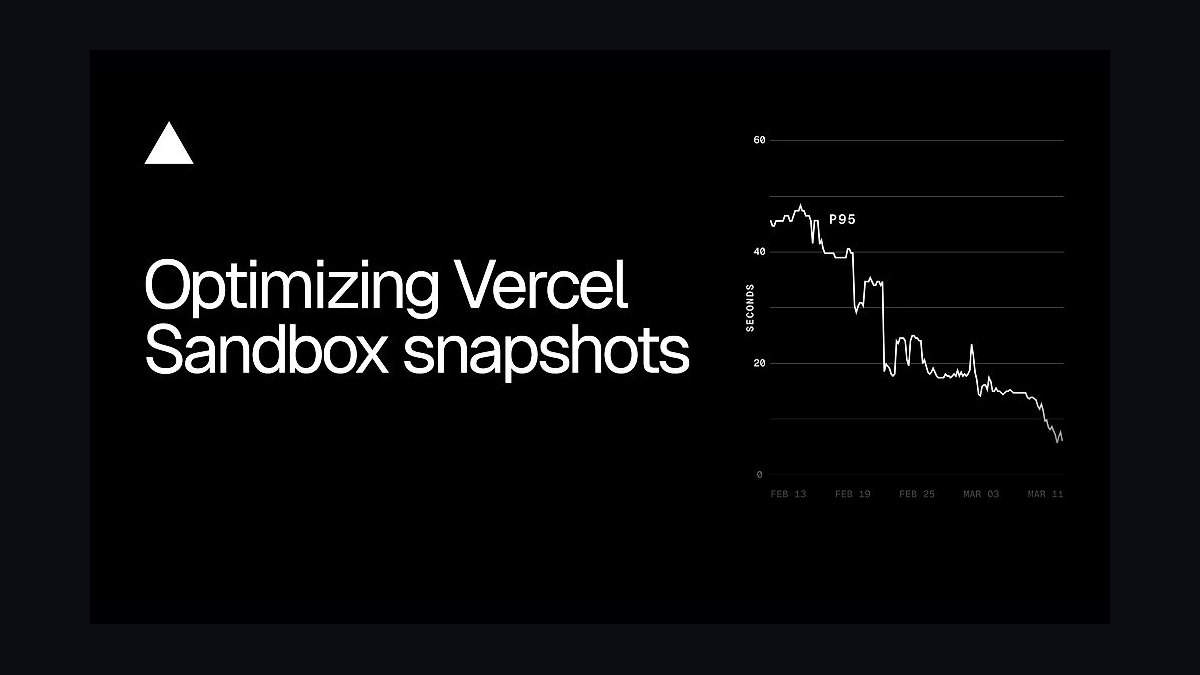
Vercel Sandbox ranks fifth for tight integration with the Vercel platform, providing ephemeral Firecracker microVMs that boot in under a second. Sandboxes support Node.js and Python runtimes, expose a filesystem API, and can stream output back to serverless functions. The service entered public beta in 2025 and pairs naturally with Vercel's AI SDK for agent workflows.
It is built for developers deploying Next.js or AI SDK agents who want execution without leaving the Vercel dashboard. It trades away self-hosting and multi-cloud flexibility, since sandboxes only run on Vercel infrastructure. Compared to Cloudflare above, Vercel offers tighter frontend integration but less global edge coverage.
6Fly.io Machines

Fly.io Machines earns sixth place as a general-purpose primitive that agents can use for isolation, booting Firecracker VMs in under 300 milliseconds across 30-plus regions. Each Machine has its own kernel, rootfs, and network stack, and the API supports programmatic creation and destruction. Persistent volumes and private networking are available per machine.
This option fits teams that want raw VM control and already run services on Fly.io rather than adopting an agent-specific SDK. It trades away prebuilt sandbox tooling, language runtimes, and session management that E2B or Daytona provide out of the box. Compared to Northflank below, Fly.io offers lower-level primitives but less opinionated agent tooling.
7Northflank Sandboxes
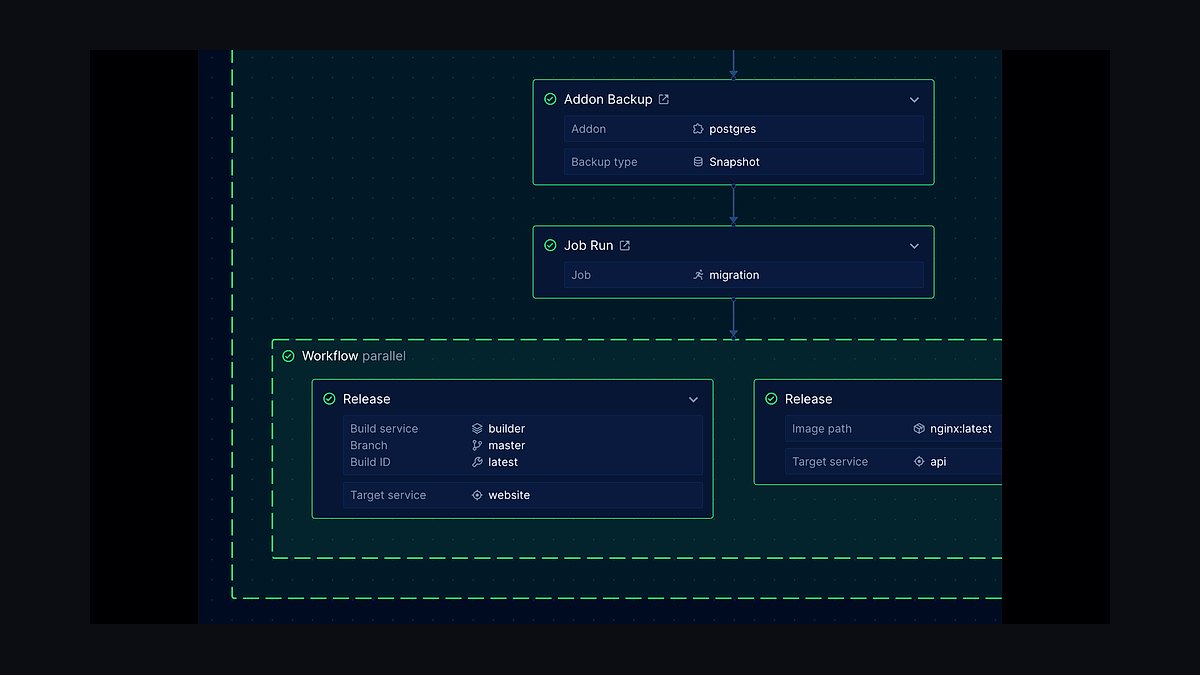
Northflank Sandboxes places seventh through its Kata Containers-based isolation on a platform that also handles CI/CD, databases, and preview environments. Sandboxes spin up in around two seconds, support any Docker image, and can be driven by a REST API or CLI. Northflank offers both multi-tenant cloud and bring-your-own-cloud deployment.
It targets platform teams that want agent execution alongside their existing deployment pipeline rather than as a separate service. It trades away the sub-second startup of E2B and Vercel for broader workload support and self-hosting options. Compared to Fly.io above, Northflank provides more managed tooling but less granular VM control.
8Runloop Devboxes
Runloop Devboxes ranks eighth for its agent-focused devbox product, offering persistent Firecracker-backed environments with snapshotting and forking. Devboxes boot in about one second, support any language via Docker images, and expose APIs for programmatic lifecycle management. Runloop also provides blueprint templates for common agent stacks.
This platform suits agent teams that need to fork stateful environments for parallel exploration or evaluation runs. It trades away the massive global footprint of Cloudflare or Fly.io for deeper snapshot and branching primitives. Compared to Daytona above, Runloop emphasizes state forking while Daytona emphasizes developer-environment familiarity.
9Morph Labs
Morph Labs takes ninth with its Morph Cloud product, delivering snapshot-capable Firecracker VMs that restore in roughly 250 milliseconds. The platform emphasizes branching and time-travel over VM state, letting agents rewind to prior checkpoints. It exposes a Python SDK and REST API and targets reinforcement-learning and agent-evaluation workloads.
It is for researchers and agent teams that need cheap, fast state branching more than long-lived production sandboxes. It trades away broad language runtime preinstalls and enterprise features for a narrow snapshot-first design. Compared to Runloop above, Morph leans harder into time-travel semantics but offers less lifecycle tooling.
10Judge0
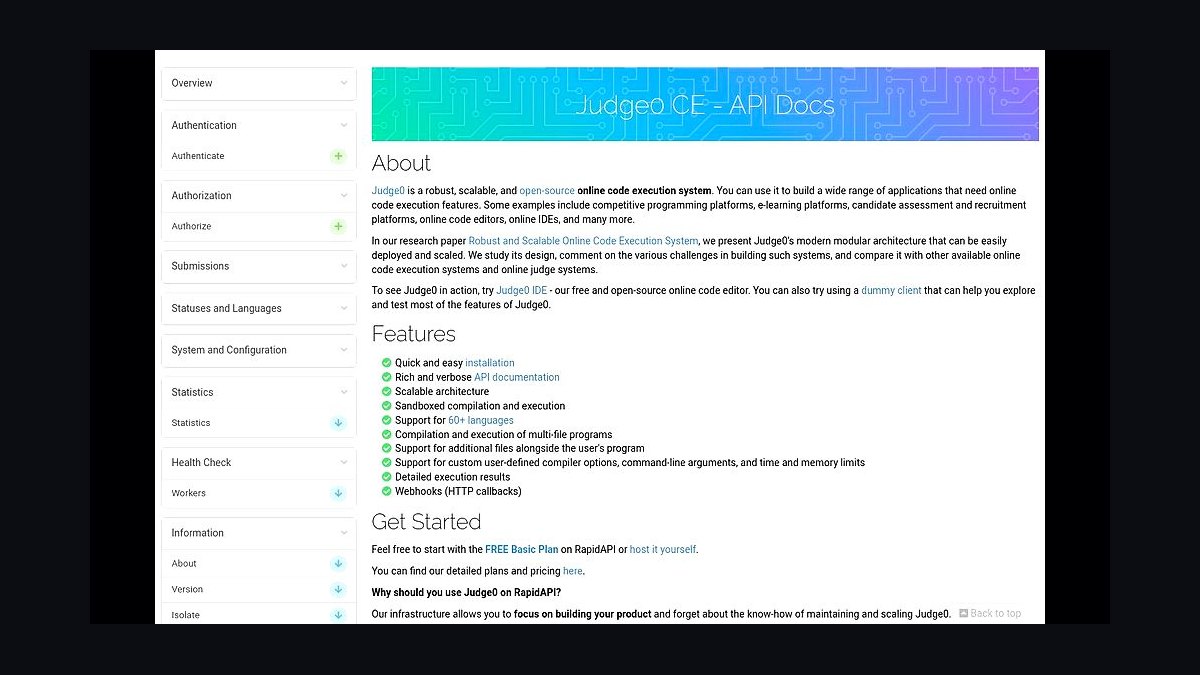
Judge0 closes the list at tenth as the long-standing open-source code execution system, powering competitive-programming judges since 2016. It runs submissions inside isolated Docker containers with cgroup limits and supports over 60 languages. The hosted API and self-hosted CE edition both remain actively maintained, with thousands of GitHub stars.
This pick is for teams that need straightforward, language-diverse code execution rather than agent-native session management. It trades away sub-second VM startup and persistent filesystems for mature isolation and a huge language matrix. Compared to Morph Labs above, Judge0 offers broader language support but far less state manipulation.
How we ranked these
We scored each platform on cold-start latency, per-execution memory ceiling, syscall and network isolation strength, language/runtime coverage, snapshot and restore speed, and the quality of its agent-facing SDK. Weighting favored isolation strength and cold-start latency at 30% each, since an agent that blocks on a slow sandbox or escapes one is useless. Pricing transparency and self-hosting options carried 20%, and observability tooling the remaining 20%.
We deliberately ignored marketing benchmark numbers, since vendors measure warm pools differently and rarely disclose concurrency limits. We also excluded free-tier generosity, because production agent workloads blow past it within days. Brand recognition and GitHub star counts were dropped as proxies for reliability. Finally, we ignored Kubernetes-native deployment claims unless the vendor documented actual gVisor, Firecracker, or WASM isolation underneath.
What to look for
The decision usually comes down to isolation model, not language support. Firecracker microVMs give you a real kernel boundary with roughly 125ms cold starts; gVisor trades some syscall compatibility for a lighter footprint; WASM sandboxes start fastest but break native dependencies. Match the isolation model to your threat model, then check whether the vendor lets you pin runtime versions and pre-warm pools.
The mistake most buyers make is benchmarking only cold starts on an empty sandbox. Real agent code loads dependencies, opens sockets, and writes files, so warm-pool behavior and filesystem throughput dominate actual latency. Test with your own workload, including a long-running process that gets snapshotted and resumed. Also confirm egress rules are default-deny, because most escapes start with an outbound connection.
Related questions
What is a sandboxed code execution platform?
It is managed infrastructure that runs untrusted code inside an isolated boundary, typically a microVM, gVisor sandbox, or WASM runtime, and returns stdout, files, and exit codes over an API. AI agents use these platforms to run generated code without risking the host, the orchestrator, or the user's data. Isolation strength and cold-start latency are the two properties that matter most.
Why do AI agents need sandboxed execution at all?
Agents write and run code they did not author, often from a model that can be manipulated by prompt injection in retrieved documents or tool output. Running that code directly on your orchestrator means one bad import or shell command compromises everything. A sandbox limits blast radius to a disposable environment with no credentials and no persistent network access.
Firecracker vs gVisor vs WASM: which isolation is best?
Firecracker gives each execution a real kernel boundary with hardware virtualization, so escapes require a hypervisor bug. gVisor intercepts syscalls in userspace, which is lighter but occasionally breaks unusual syscalls. WASM starts fastest and is memory-safe by construction but cannot run arbitrary native binaries. Choose based on whether your agent code needs full POSIX compatibility.
How fast should sandbox cold starts be for agents?
Under 200ms feels interactive; under 100ms feels instant. Agents often run dozens of small snippets per turn, so a 2-second cold start compounds into a visibly slow assistant. Pre-warmed pools and snapshot restore are the two techniques that get you there. Ask vendors for p99, not median, because tail latency is what users notice.
Can sandboxed execution platforms run long-running agent tasks?
Yes, but check the maximum execution timeout and whether the sandbox survives across turns. Some platforms cap runs at 30 seconds, which kills data processing or build jobs. Others support snapshotting a running process and resuming it later, which is what you want for multi-step agent workflows that pause for human approval or model calls.
How do these platforms handle network egress from agent code?
The good ones default to no network access and require explicit allowlists per execution. That matters because most sandbox escapes and data exfiltration attempts begin with an outbound request. Look for per-domain allowlisting, DNS filtering, and the ability to disable egress entirely for pure computation. Logging every outbound connection is a strong plus.
What does sandboxed execution cost at agent scale?
Pricing is usually per vCPU-second plus memory-second, with a minimum billing increment. At thousands of executions per day, the minimum increment and idle timeout dominate the bill more than the headline rate. Snapshot-based platforms can cut cost by pausing idle sandboxes instead of keeping them warm. Always model your real concurrency pattern before committing.
Are self-hosted sandbox options worth it?
Self-hosting makes sense when data residency, air-gapped deployment, or per-execution cost at very high volume demands it. The tradeoff is that you now own kernel patching, pool scaling, and escape monitoring. Most teams should start managed and revisit self-hosting only after execution volume exceeds what a managed plan can economically serve.
FAQ
What is the best sandboxed code execution platform for AI agents in 2027?
There is no single winner because isolation model and latency requirements differ per workload. Firecracker-based platforms win for untrusted native code, gVisor platforms win for POSIX compatibility at lower overhead, and WASM platforms win for pure computation. Rank candidates against your own agent trace rather than a generic leaderboard.
Do these platforms support Python, Node, and other agent languages?
Most support Python and Node, with Go, Rust, Java, and Ruby varying by vendor. The real question is whether you can pin exact runtime versions and install dependencies at sandbox creation. Agents that generate code against a specific library version will break silently if the platform silently upgrades its base image.
How do I prevent prompt injection from escaping the sandbox?
Assume injected instructions will try to read environment variables, call cloud metadata endpoints, and open outbound sockets. Run with no credentials mounted, block link-local addresses, default-deny egress, and treat every file the sandbox writes as untrusted input. Isolation is necessary but not sufficient; credential hygiene does the rest.
Can I persist files between agent sandbox executions?
Some platforms offer persistent volumes or snapshot-and-resume, others are strictly ephemeral. Persistence is convenient but expands the attack surface, since a compromised run can plant code for the next one. If you need it, scope storage per session and scan written artifacts before reuse.
What observability do sandbox platforms provide?
Look for per-execution logs, exit codes, resource usage, syscall traces, and network connection logs. Syscall and network visibility is what lets you detect an escape attempt in progress rather than after the fact. Vendors that only return stdout leave you blind during incident response.
How do sandboxes handle GPU access for agent workloads?
GPU passthrough in sandboxes is still limited and usually offered only on microVM platforms with dedicated instance types. Cold starts for GPU sandboxes are much slower, often seconds, because the driver stack must initialize. If your agent needs GPU inference, consider calling a hosted model API instead of running GPU code in the sandbox.
Are these platforms compliant with SOC 2 and HIPAA?
Several managed vendors hold SOC 2 Type II and offer HIPAA BAAs, but the sandbox itself is only part of your compliance boundary. You still need to control what data enters the sandbox and where outputs go. Ask for the report, not the badge, and confirm whether subprocessors are disclosed.
What happens when a sandbox crashes or times out?
Well-designed platforms return a structured error with exit code, stderr, and partial output rather than hanging the agent loop. Check whether timeouts are enforced by the hypervisor or by a userspace watchdog, since the latter can be bypassed by a busy loop. Retries should create a fresh sandbox, never reuse a suspect one.
Can I run multiple sandboxes concurrently per agent session?
Yes, and most platforms bill per concurrent sandbox. Concurrency limits are usually account-level and often undisclosed until you hit them. Test your peak fan-out before launch, because agents that parallelize tool calls can spike to hundreds of simultaneous sandboxes in seconds.
How do I migrate an agent from one sandbox platform to another?
Keep your execution layer behind a thin internal interface that takes code, files, and an egress policy and returns stdout, artifacts, and exit code. That abstraction lets you swap vendors without touching agent logic. Avoid vendor-specific SDK features in your core loop, and pin the interface contract with integration tests.
Sources
- https://firecracker-microvm.github.io/
- https://gvisor.dev/docs/
- https://webassembly.org/
- https://docs.aws.amazon.com/lambda/latest/dg/lambda-runtimes.html
- https://cloud.google.com/run/docs/container-contract
- https://www.nist.gov/publications/security-container-technologies
- https://owasp.org/www-project-top-ten/
- https://kubernetes.io/docs/concepts/security/
- https://www.cisa.gov/resources-tools/resources/defending-against-software-supply-chain-attacks
Related on PULSE
This page will be disappearing soon. Save it to your device for $1 — or read it free while it is here.
@Kory-White- · if Venmo asks, the last 4 of my number are 2012
This page is gone.
This one is off the shelf now. $1 keeps it on your phone for good — the whole page, pictures and diagrams included.
 ai-tool-reviewThe 10 Best AI Tools for Media Outreach in 2027
 pulse-recentThe 10 Best AI Chargeback and Showback Tools for Internal Team Billing in 2027
 pulse-ai-infrastructureThe 10 Best AI Tools for Writing Fiction in 2027
 ai-tool-reviewThe 10 Best AI Tools for Personal Productivity in 2027
 pulse-ai-infrastructureThe 10 Best AI Tools for Reading PDFs Aloud in 2027
 pulse-ai-infrastructureThe 10 Best AI Tools for Tattoo Design in 2027
 ai-tool-reviewThe 10 Best AI Tools for Knowledge Base Articles in 2027
 ai-tool-reviewThe 10 Best AI Tools for Resume Screening in 2027
 ai-tool-reviewThe 10 Best AI Tools for Interview Prep in 2027
 pulse-ai-infrastructureThe 10 Best AI Tools for Essay Writing in 2027