
How Do I Budget a Pickleball Facility Buildout?
 Curated byKory White · Fractional CRO · Maryland
 PULSEKNOWLEDGE LIBRARY
Budget $45–$110 per square foot of leased space for an indoor pickleball buildout — on a typical 20,000–30,000 sq ft box that lands all-in between roughly $1.1M and $3.3M. The biggest lever is negotiating a warm shell: make the landlord deliver HVAC, a level slab, and tenant-improvement dollars.
What actually drives the number
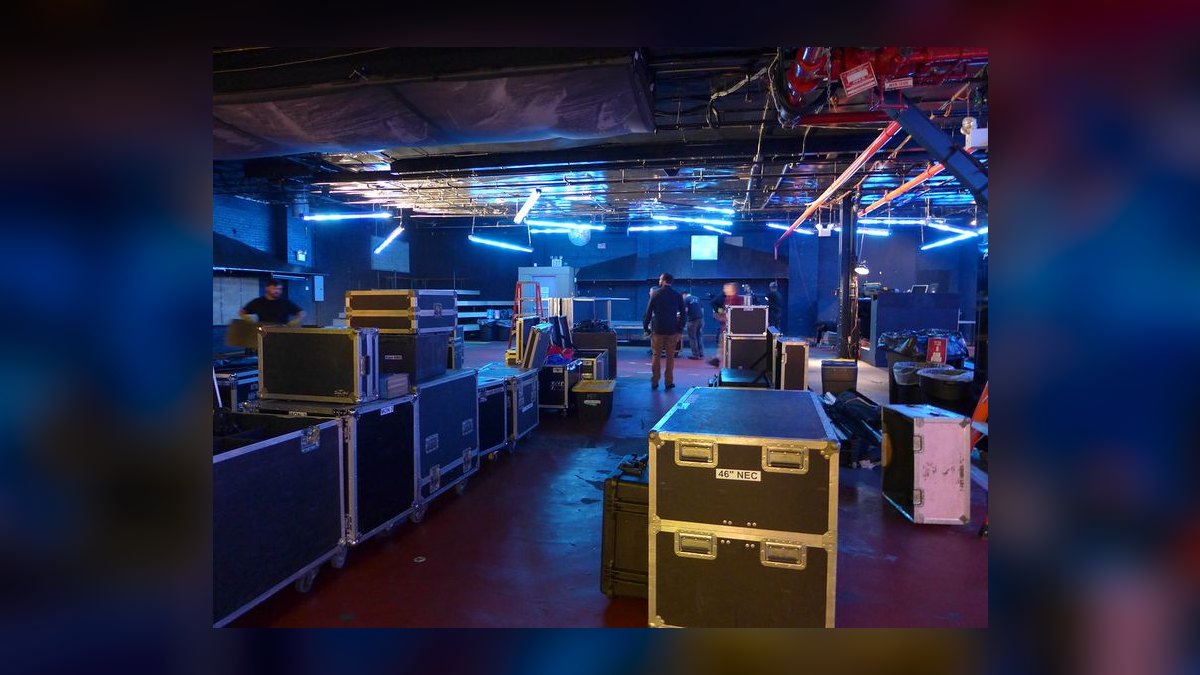
Pickleball buildouts live and die on a handful of expensive physical realities, and if you get any one of them wrong the whole pro forma collapses. Start with ceiling height, because it is the gatekeeper that decides whether a building is even usable. USA Pickleball guidance points to roughly 18–20 feet of minimum clearance over the court, and competitive or tournament play really wants 24–30 feet. A regulation court surface is 20 feet by 44 feet, but you cannot build to the painted lines — you need safety run-off around every side, so the true footprint a single court occupies is closer to a 34-foot by 64-foot clear zone. A warehouse with low steel forces you to either walk away from the deal or relocate ductwork, sprinkler lines, and lighting to claw back headroom, and that rework alone can add $3–$8 per square foot before you have surfaced a single court.
Court count and spacing is the second driver, and it is where operators talk themselves into trouble. Once you account for run-off, shared walkways, and net buffers, plan on roughly 2,200–2,800 sq ft per court. Cramming courts tighter to squeeze in a seventh where six belong creates a genuine collision hazard, invites injury claims, and quietly wrecks your insurance rate. Build to the spec, not to the rent check — the extra court you jam in is the one that gets you sued or shut down.
The third driver is the playing surface itself, which is the line item people consistently underestimate because they assume it is "just paint." It is not. A proper indoor court is a multi-layer system installed over a smooth, flat slab, and the system you choose has cost, feel, and ownership consequences that ripple through the entire lease. Get the surface wrong and you are either regrinding a slab in year one or ripping out cracked coating that never should have been specified.
The surfacing decision
You realistically have three surfacing paths, and each carries a different price, a different player feel, and — critically — a different answer to the question "who owns this when the lease ends?"
Poured or coated acrylic on slab runs about $8,000–$18,000 per court installed, including color coats, texture, and line striping. It delivers the best true feel and the lowest cost, but it demands a near-perfect, flat, crack-free slab underneath, and because it is bonded to the landlord's floor you forfeit it entirely when you leave. Modular polypropylene tile — the snap-together systems from vendors like Sport Court, SnapSports, and similar — runs about $12,000–$25,000 per court. It is forgiving over minor slab imperfections and installs in days rather than weeks, but the biggest advantage is legal, not physical: tile is *portable*, which means it can be structured as your trade fixture rather than the landlord's permanent improvement. Cushioned multilayer systems (a rubber or foam base under acrylic) run about $15,000–$30,000 per court. That premium buys joint protection for players and is what serious high-volume clubs install to reduce fatigue and injury complaints.
For a six-court facility, that means budgeting roughly $70,000–$140,000 for playing surfaces alone, and possibly more if you go cushioned across the board. Whatever you pick, do not cheap out with thin paint or an asphalt base — those crack and delaminate within two to three seasons and cost far more to remediate than they ever saved. Round the surfacing decision out with LED sport lighting designed to deliver 50–75 foot-candles uniformly across the court, budgeting $2,500–$5,000 per court for fixtures, mounting, and controls. Glare and shadow are the single most common player complaint, so spec the photometrics correctly the first time rather than rehanging fixtures after opening.

The hidden costs that wreck pro formas
The number on a contractor's first bid is almost never the number you actually pay, because the expensive surprises are hiding in the shell, the code, and the neighbors. Pad your budget for every one of these.
Slab remediation is the classic ambush. Warehouse slabs are poured for forklifts, not sport, and they are rarely flat enough out of the box. If the floor is out of level by more than roughly 1/8 inch over 10 feet, you are grinding, shot-blasting, or pouring a self-leveling underlayment at $2–$6 per square foot — a five- or six-figure line nobody warned you about. Insist on a slab delivered to FF50 or better and confirm it with a structural engineer before you sign.
HVAC and ventilation is the item most likely to sink you after opening. A packed court full of moving bodies generates serious heat and humidity, and an under-cooled facility bleeds members fast. Right-sizing or replacing rooftop units for a high-bay box costs $12–$22 per square foot, and on a 20,000–30,000 sq ft space that easily runs $150,000–$350,000. You want a system that can move enough air — on the order of 20–30 air changes per hour across a busy court floor — and most landlords will not volunteer to pay for it unless you make them.
Restrooms and ADA compliance catch operators who inherit a box with a single warehouse toilet. Adding fixtures, an accessible route, and code-compliant locker or changing space runs $25,000–$60,000+, and richer finishes with locker rooms push that toward $75,000–$150,000. Acoustics are the complaint that can literally get you shut down — pickleball's signature *pop* travels, and neighbors and municipalities notice. Acoustic baffles and wall panels to tame the echo and contain sound run $15,000–$50,000 and are not optional in a mixed-use or residential-adjacent area. Sprinkler relocation triggered by net poles or high racking can add $3–$8 per square foot if the fire marshal requires it, and permits, design, and MEP engineering typically land at 6–10% of hard costs plus municipal impact fees that vary wildly by jurisdiction — often $15,000–$40,000 on their own. Finally, carry a 10–15% contingency on top of everything, because older warehouses reliably surprise you with structural, electrical, or fire-suppression retrofits mid-project.
Make the landlord pay — without getting screwed
This is where the money is genuinely won or lost, more than in any surfacing or lighting choice. A pickleball use is a magnet tenant that drives foot traffic and re-tenants a struggling flex box, and sophisticated landlords know it — so make them invest alongside you.
Push for a turnkey or warm shell. In a soft industrial-flex market you have real leverage to demand the landlord deliver a level slab, working HVAC, base power, fire and life-safety systems, and ADA restrooms before you spend a dollar of your own capital. Every unit of base-building condition you negotiate is a unit you do not have to borrow. Get a real TI allowance and amortize the rest. A typical sport-use tenant-improvement allowance runs $40–$80 per square foot in a warm-shell deal, and even thinner "vanilla box" deals should yield $15–$35 per square foot. If you need more than the allowance, ask the landlord to fund the overage and amortize it into rent at a stated rate — often 6–9% — rather than putting buildout costs on expensive short-term debt.
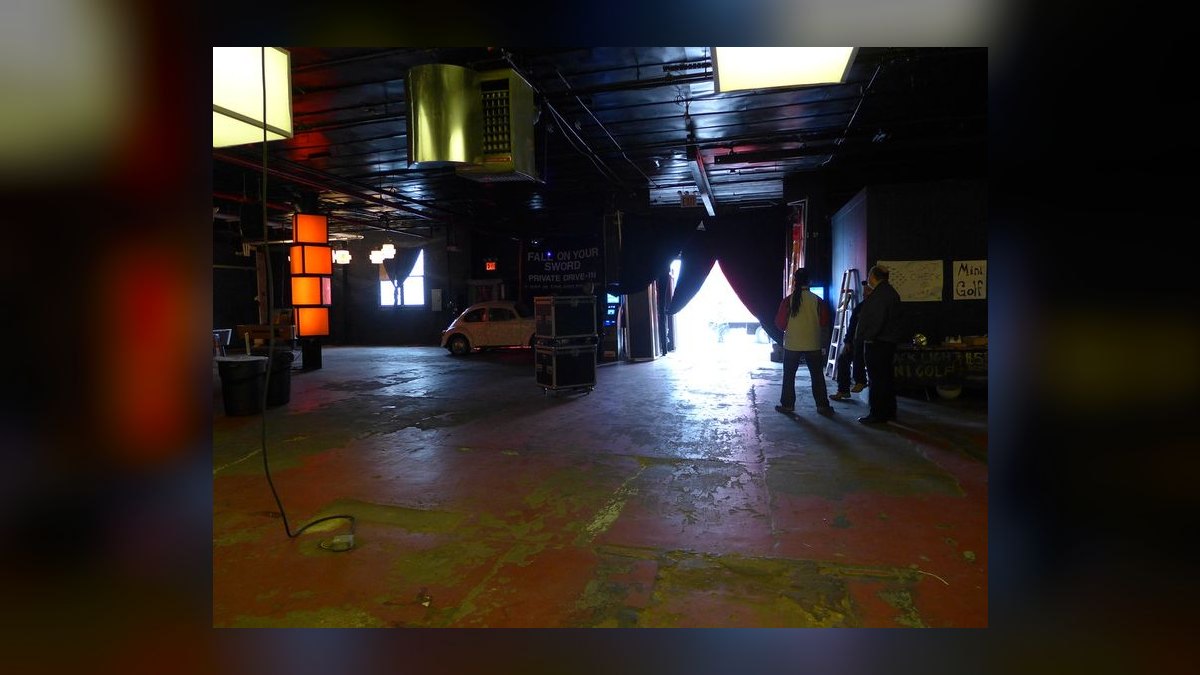
Cap your CAM and reserve an audit right. Pickleball facilities get hammered on common area maintenance because a 25,000 sq ft tenant carries a large pro-rata share. Negotiate a cap on controllable CAM increases of 3–5% annually, explicitly exclude capital expenses like a new roof or a repaved parking lot, and keep an audit right so you can verify the landlord's arithmetic. Make ownership of improvements explicit. Your modular court tile and net systems should be documented as trade fixtures — your property to remove at lease end — or the landlord will happily claim your $100,000+ in courts as their building improvement. Negotiate free rent during buildout. A pickleball buildout runs three to six months, and you should never pay rent on a space you cannot yet operate; ask for three to six months of abatement covering construction. And watch the restoration clause — if the lease requires you to return the space to original condition, court removal and slab patching on the way out can cost $30,000–$80,000. Strike it or cap it before you sign.
A realistic six-court budget
Numbers are easier to trust when they are itemized, so here is a defensible all-in budget for a 25,000 sq ft box converted to six courts plus a lobby, pro shop, and restrooms. Treat these as planning ranges, not quotes — your shell condition swings the total more than any other single factor.
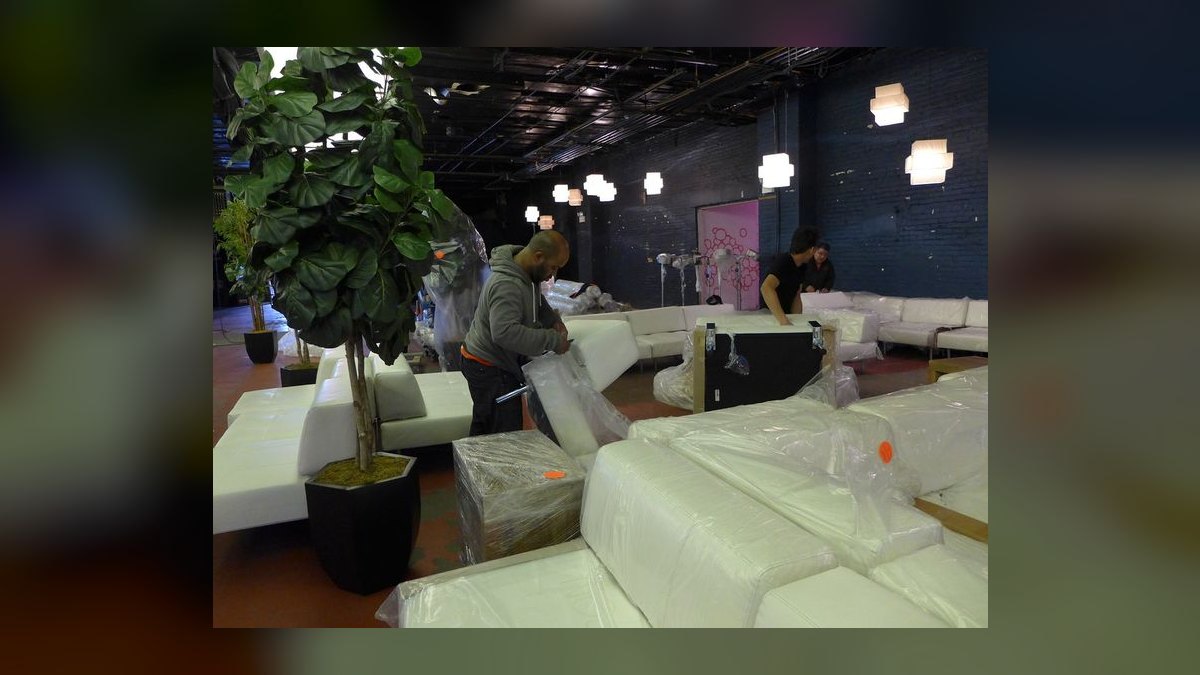
Surfacing for six courts lands at $70,000–$140,000, and LED sport lighting adds $18,000–$30,000. The HVAC upgrade or right-size is the heavyweight at $150,000–$350,000, followed by slab prep and leveling at $50,000–$150,000. Acoustic treatment runs $25,000–$50,000, restrooms and ADA work $60,000–$120,000, and lobby, pro shop, and general finishes $80,000–$200,000. Nets, posts, fencing, and wall padding add $25,000–$50,000, while design, engineering, and permits total $90,000–$180,000. Layer a 10–15% contingency of $60,000–$140,000 on top, and the whole thing pencils to roughly $625,000 to $1.4M depending on how much of the shell the landlord delivers. That spread — a factor of more than two — is exactly why the warm-shell negotiation deserves more of your attention than any finish selection.
Phasing to reduce risk
Rather than dropping the full construction budget at once, many operators build in two phases to protect cash and test demand. Phase one finishes four to six courts in half the space at roughly $600,000–$1.2M, leaving the remainder as unfinished shell. That lets you validate demand, refine operations, and generate revenue before committing the rest. Phase two then costs less per court because the shared infrastructure — HVAC, restrooms, main electrical service — was already sized for the full footprint; expect $400,000–$800,000 to complete the remaining courts.
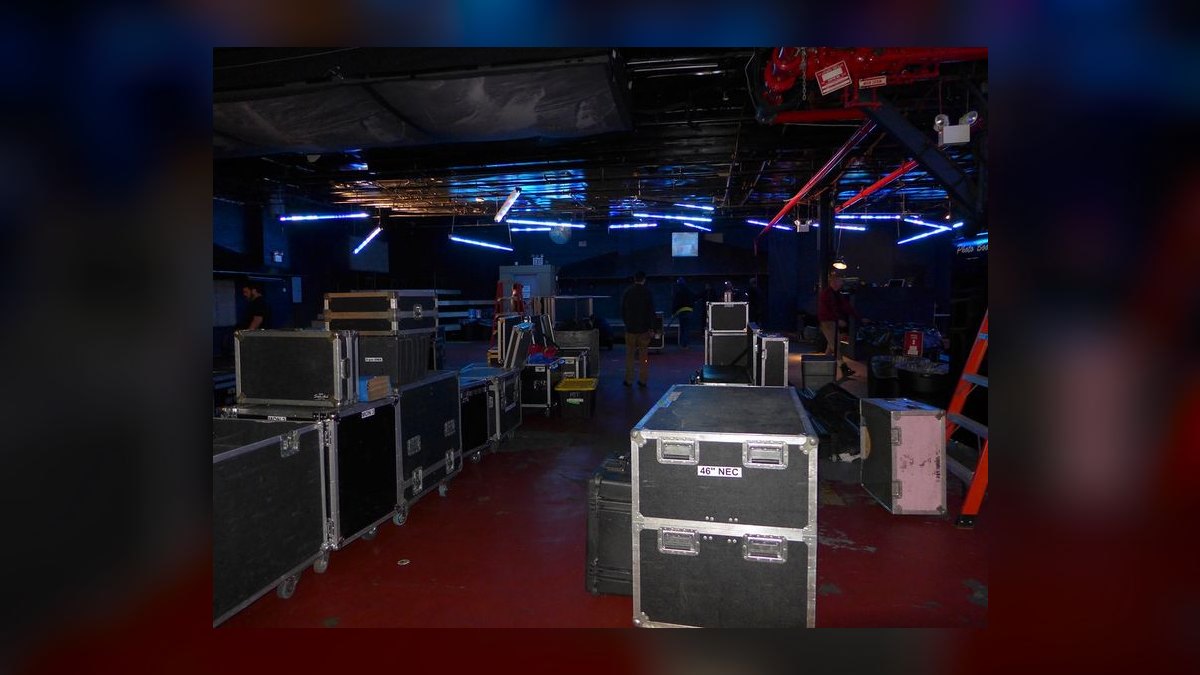
The deeper reason to phase is cash preservation. A common failure mode is spending every available dollar on construction and having nothing left to actually open — no working capital for pro-shop inventory, no payroll runway, no marketing budget to fill the courts you just built. Phasing keeps reserves in the bank for the operating side of the business, which is where a facility actually lives or dies. Keep at least a few months of fixed operating costs liquid on day one, independent of your contingency line, because empty courts still owe rent.
Related questions
Do I need a structural engineer before I sign?
Yes, always. Before signing, have a structural engineer confirm the roof structure can safely hang lighting and net systems and that the slab is flat and thick enough for sport surfacing. A single site visit is cheap insurance against a five- or six-figure remediation surprise after you are already on the hook for rent.
Is outdoor construction cheaper than indoor?
Substantially — outdoor courts can run 40–60% less per court, sometimes $30,000–$60,000 versus $80,000–$150,000 indoors. But you lose year-round, weather-independent revenue and the higher rates covered indoor play commands. Indoor facilities typically recoup the extra buildout cost within a few years through consistent utilization.
How long does a buildout take?
Plan on three to six months from lease signing to opening for a typical multi-court conversion, longer if permitting is slow or the shell needs heavy HVAC and slab work. Negotiate rent abatement covering the full construction window so you are never paying for a space you cannot operate.
What surface should a serious club choose?
Higher-volume competitive clubs generally choose a cushioned multilayer system at $15,000–$30,000 per court for joint protection, while budget-conscious or short-lease operators favor modular tile because it installs fast and stays your property. Reserve poured acrylic for near-perfect slabs where you plan to stay long term.
FAQ
What's the biggest single cost driver in a pickleball buildout?
Usually the shell systems, not the courts. HVAC to handle player heat and humidity in a high-bay box can run $150,000–$350,000, and slab remediation to reach sport-grade flatness adds $2–$6 per square foot. The visible court surfacing is often smaller than the invisible infrastructure it sits on.
How much should I budget for lighting?
Target 50–75 foot-candles of uniform, glare-controlled LED light per court, budgeting roughly $2,500–$5,000 per court for fixtures, mounting at 20–30 feet, and controls. A six-court room lands around $18,000–$30,000 all in. Do not undersize it — uneven or glaring light is the top player complaint.
Do pickleball courts need special HVAC compared to a normal warehouse?
Yes. Bodies in motion generate significant heat and moisture, so you need a system that moves far more air — on the order of 20–30 air changes per hour across a busy floor. That can cost $12–$22 per square foot, and under-cooling a facility drives members away faster than almost any other mistake.
Is the court surface really just paint?
No. A proper indoor court is a multi-layer acrylic or cushioned system over a smooth, flat slab, costing $8,000–$30,000 per court depending on the system, including color coats, texture, and striping. Thin paint or asphalt cracks and wears out within two to three seasons and costs more to fix than it ever saved.
How much do permits and professional fees add?
Typically 6–15% of hard costs, covering architecture, MEP engineering, structural review, fire-code compliance, and accessibility work, plus municipal impact fees of roughly $15,000–$40,000 that vary widely by jurisdiction. On a $1.5M project that can mean $120,000–$225,000. Skipping proper permitting risks months of opening delays.
How much contingency should I carry?
Carry 10–15% on top of hard costs. Older warehouse conversions routinely surprise you with structural issues, electrical upgrades, sprinkler relocation, or slab problems that no one flagged during due diligence. Keep that contingency separate from your operating reserves so a construction overrun never eats your opening-day working capital.
Sources
- USA Pickleball — Construction & Facility Guidelines (court dimensions, run-off, clearance, and lighting standards): https://usapickleball.org/
- CBRE — Industrial & Logistics research (flex/high-bay lease conditions and TI norms): https://www.cbre.com/insights
- JLL — Industrial market outlook (warm-shell delivery standards and TI allowances): https://www.us.jll.com/en/trends-and-insights
- Cushman & Wakefield — industrial and tenant-improvement research: https://www.cushmanwakefield.com/en/united-states/insights
- NAIOP — office/flex tenant-improvement and amortization trends: https://www.naiop.org/research-and-publications/
- BOMA International — operating-expense and CAM standards: https://www.boma.org/
- Gordian RSMeans — building construction cost data (unit costs for slab, HVAC, restrooms, finishes): https://www.rsmeansonline.com/
- International Code Council — accessibility and building-code references: https://www.iccsafe.org/
Related on PULSE
- [How Do I Budget and Site a Self-Storage Facility?](/knowledge/bo0141)
- [How Do I Budget a Funeral Home Buildout?](/knowledge/bo0220)
- [How Do I Budget an Ambulatory Surgery Center Buildout?](/knowledge/bo0219)
- [How Do I Budget an Imaging Center (MRI/CT) Buildout?](/knowledge/bo0218)
- [How Do I Budget a Dialysis or Infusion Center Buildout?](/knowledge/bo0217)
- [How Do I Budget a Physical Therapy Clinic Buildout?](/knowledge/bo0216)
This page will be disappearing soon. Save it to your device for $1 — or read it free while it is here.
@Kory-White- · if Venmo asks, the last 4 of my number are 2012
 buildoutsHow Do I Get Utilities Delivered Before My Rent Clock Starts?
 buildoutsHow Do I Negotiate a Lease and Buildout for Cannabis Cultivation?
 buildoutsHow Do I Budget a Warehouse or Industrial Buildout?
 buildoutsHow Do I Budget an IV Therapy or Wellness Clinic Buildout?
 buildoutsHow Do I Negotiate a Lease and Buildout for a Cigar or Hookah Lounge?
 buildoutsSBA 504 vs Conventional Loan: How Do I Pay Less to Buy My Building?
 buildoutsHow Do I Avoid Paying for Vacant-Space Costs in CAM?
 buildoutsHow Do I Budget a Light Manufacturing Buildout?
 buildoutsHow Do I Budget a Butcher Shop or Meat Market Buildout?
 buildoutsHow Do I Budget an Imaging Center (MRI/CT) Buildout?