
How Do I Budget a Makerspace or Woodworking Shop Buildout?
 Curated byKory White · Fractional CRO · Maryland
 PULSEKNOWLEDGE LIBRARY
Budget a makerspace or woodworking shop as a power-and-air infrastructure buildout, not a finish-out. Expect $40–$110 per square foot all-in — roughly $80,000–$300,000 for a 3,000–6,000 sq ft space. Electrical, three-phase power, and central dust collection dominate the spend, so lease flex or industrial space that already carries adequate power.
What actually drives the number
A shop budget is an infrastructure budget: power, air, dust, fire, and a floor that will not crack under a machine. Finishes barely register, which is the opposite of a retail or restaurant buildout where flooring, casework, and lighting carry the cost. Your money flows into the systems an inspector and an insurer scrutinize long before anyone looks at the paint, so price those systems honestly at the start.
Break a working shop into buckets and the shape becomes clear. Electrical is usually the single largest line at $20,000–$70,000, covering a 200–400 amp panel or upgrade ($3,000–$15,000), three-phase service where needed, and dedicated 220V circuits at $400–$1,200 each for table saws, jointers, planers, CNC routers, and the dust collector itself. Central dust collection runs $8,000–$30,000 for a cyclone with ducted drops to every station and filtration that meets combustible-dust rules. Ventilation and make-up air for finishing rooms, lasers, welding, and resin work add $6,000–$25,000. Compressed air — a compressor plus hard-piped lines and drops — runs $3,000–$12,000. The concrete slab ranges from nothing, if it is already load-rated, up to $25,000 if it needs reinforcing, with epoxy or sealer at $3–$8 per square foot to protect it.
On top of those systems sit fire suppression, hazmat storage, restrooms, a small classroom or retail counter, permits, and a contingency of 12–15%. A modest community woodshop in an already-equipped flex box can open near $80,000–$120,000. A full makerspace with CNC, laser, welding, a finishing booth, and a fresh three-phase upgrade climbs to $200,000–$300,000 or more. The single variable that moves your total most is not any one tool — it is whether the building already carries the power and the slab you need. Solve that before you sign, and the rest of the budget behaves.
Electrical and three-phase power
Most serious woodworking and metalworking machines are built to run on three-phase 240V or 480V power, which delivers smoother, more efficient motor performance than the single-phase service most retail and office buildings carry. This is the line item that can quietly double your electrical budget, so resolve it before you commit to a space rather than discovering it after move-in.
If the building already has three-phase service at the panel, you are in good shape and only need to run circuits. If it is single-phase only, you have two paths. The first is asking the utility to bring three-phase to the building, which runs $10,000–$50,000 or more depending on how far you sit from the nearest transformer and how the local utility prices the work. The second is a rotary phase converter at $1,500–$4,000, which synthesizes a third leg from single-phase input — a legitimate stopgap for a small shop, though it introduces some inefficiency and sizing limits for very large motors.
Size the panel for everything that can run simultaneously, not one machine at a time. A shop where the dust collector, air compressor, CNC, and two saws all draw at once needs headroom, which is why 200–400 amp service is typical. Each machine wants its own dedicated 220V circuit at $400–$1,200 installed, and pulling conduit and wire across a large open shop adds up quickly. Have a licensed electrician confirm the available amperage in writing before you sign, because a surprise transformer upgrade discovered after move-in is one of the most expensive ways to blow a shop budget. Treat the electrical scope as permitted, inspected work — it is exactly where DIY shortcuts turn into failed inspections and voided insurance.
Dust collection is a fire code issue, not just cleanliness
The most common and most dangerous mistake first-time shop builders make is treating dust collection as a housekeeping convenience. Fine wood, MDF, and metal dust are combustible, and suspended in the air at the right concentration they can deflagrate. Combustible-dust handling is governed by fire codes such as NFPA 652 and NFPA 664, and an inspector or insurer who sees an undersized setup will fail you or decline coverage. This is a safety-and-compliance system first and a tidiness perk second.
The safe baseline is a central dust-collection system: a cyclone separator, ducted drops to every machine station, and filtration rated to trap the fine particles that a shop vac would blow straight back into the air. Expect $8,000–$30,000 for a multi-station shop, less for a single-station hobby setup. The cost scales with the number of drops, the length and diameter of ductwork, and the horsepower of the collector needed to maintain airflow across a spread-out floor. Undersize the collector and every added machine starves the system, so plan the ductwork for the shop you intend to grow into.
Ventilation and finishing work sit right alongside dust. Spray finishing, lasers, welding, and resin casting all require dedicated exhaust plus fresh make-up air to replace what you pull out — often a code-rated spray booth or fume-extraction system at $6,000–$25,000. Skipping this fails air-quality permitting and endangers the people using the space. Fire suppression and hazmat storage round out the safety spend: solvents, finishes, and accumulated dust can push you into a higher hazard-occupancy classification, triggering commercial sprinklers, flammable-storage cabinets, and rated separation walls. Budget for these deliberately at the outset rather than absorbing them as a shock at final inspection, and expect insurers to ask specifically about your dust and fire systems before they quote a premium.
Negotiating a lease that shifts infrastructure to the landlord
A shop is a heavy-power, dust-generating, machinery-loaded industrial use, and the lease has to put base-building infrastructure where it belongs — on the landlord — or you will fund the building's bones out of your own equipment budget. Lease flex or industrial space, never retail, and treat this negotiation as the highest-leverage cost decision you make.
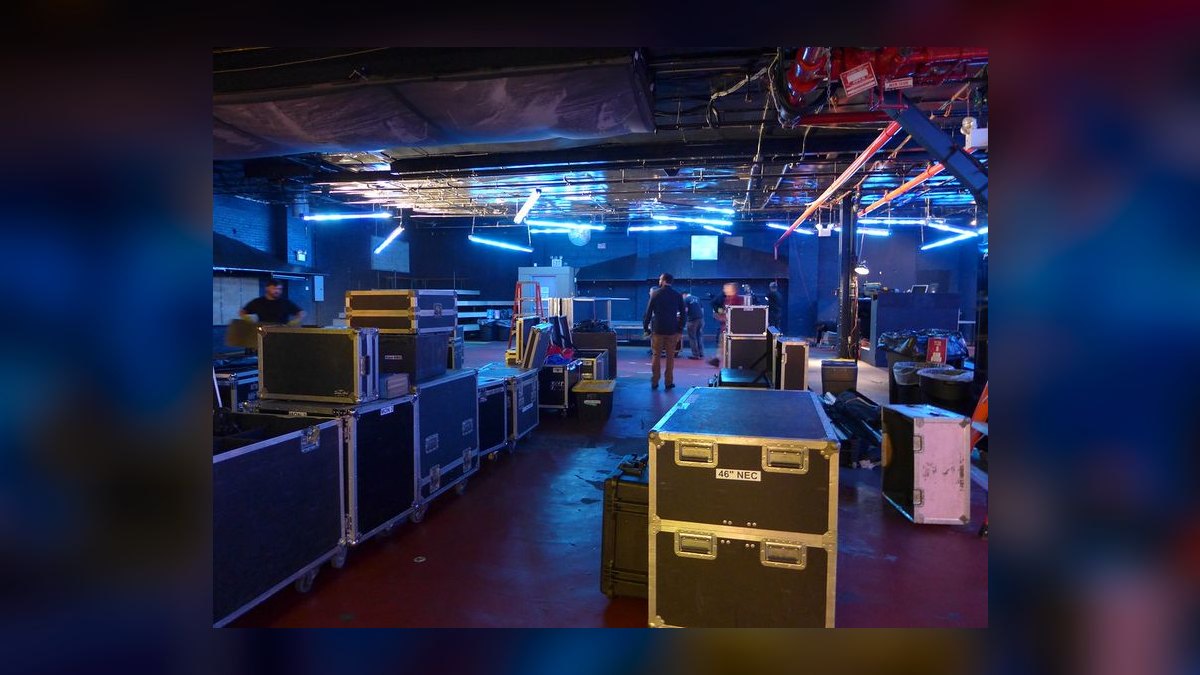
Push for a tenant improvement (TI) allowance aimed at infrastructure. On a five-year-plus industrial lease, ask for $10–$35 per square foot; on 5,000 sq ft that is $50,000–$175,000 the landlord funds. Industrial landlords expect this for a credible long-term tenant, and if they will not provide cash, trade for extended free rent instead. Make power capacity a written contingency: the deal should be void unless the landlord delivers documented adequate amperage and either existing three-phase or a funded upgrade, so a five-figure utility cost never lands on you by default.
Confirm zoning and fire compliance up front — that the space is zoned for light manufacturing or maker use, and that base-building sprinklers meet your hazard classification, with the NFPA combustible-dust split spelled out in writing. Secure roof and HVAC rights, because dust-collection exhaust and make-up-air units need roof penetrations; confirm you can penetrate without voiding the warranty and that the landlord owns roof and structural-HVAC repair. Verify the slab load rating and clear height for heavy machines and overhead ducting. Finally, strip or cap the restoration clause — do not agree to rip out three-phase wiring, ducting, air lines, and a booth at move-out, which can run $20,000–$60,000; negotiate to leave the infrastructure for the next industrial tenant or cap removal to movable equipment. Lock in loading-dock access, confirm usable versus rentable square footage, and negotiate 3–6 months of free rent to cover the long buildout.
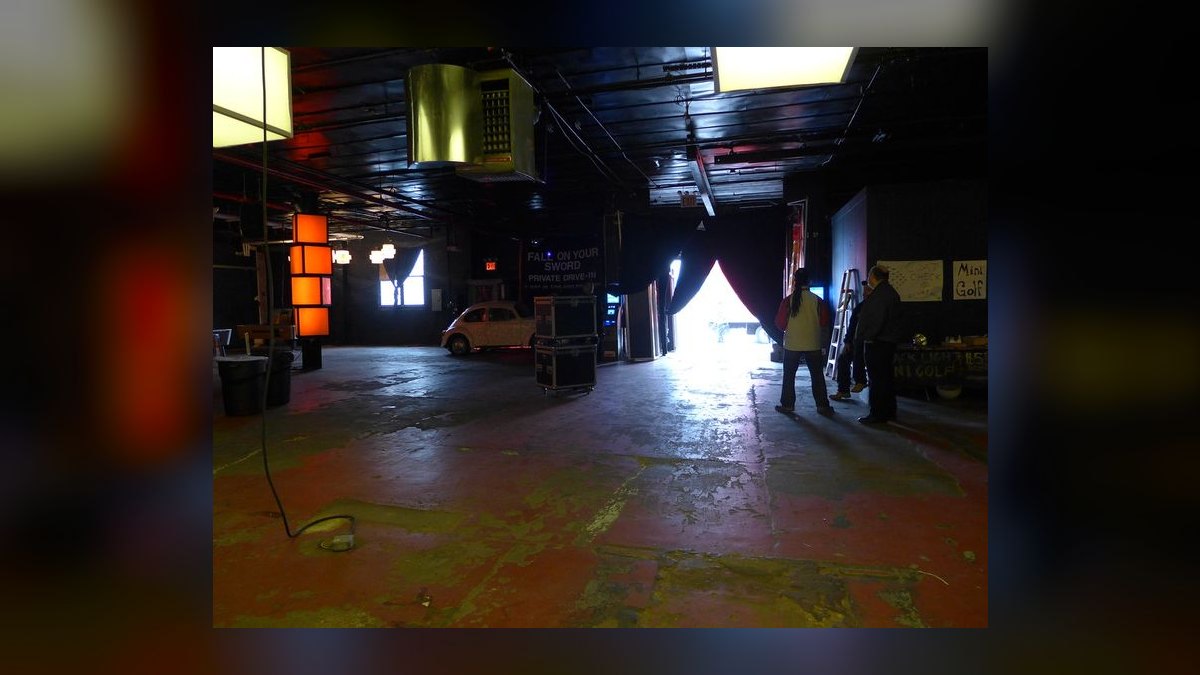
Phasing the buildout so revenue funds the next stage
Do not build the dream shop on day one. Phasing lets you open sooner, prove demand, and let membership and class revenue fund the next stage instead of borrowing against a $300,000 vision that has not yet earned a dollar. It also spreads the long-lead infrastructure risk across a schedule you can actually finance.
Phase 1 ($30,000–$80,000, roughly 1,500–2,500 sq ft): the core stations members will pay to use — a few table saws, a jointer and planer, a basic dust collector with one or two drops, compressed air, the electrical to run them, and a small classroom for revenue-generating classes. Phase 2 ($20,000–$50,000): add a CNC router, a dedicated finishing room with explosion-proof ventilation, and the additional 220V circuits and dust drops each new machine demands. Phase 3 ($15,000–$40,000): specialty gear — a wide-belt sander, panel saw, laser cutter, welding bay, and any three-phase-hungry machines you deferred. Structured this way, opening capital stays near $80,000–$120,000 rather than the full $300,000, and each phase is justified by demand you have already measured.
Order long-lead infrastructure early regardless of phase. Three-phase utility upgrades can take 8–16 weeks of utility scheduling, and a phase converter or a full dust system carries 4–8 week lead times — these are the items that push an opening date, not the tools. To stretch cash, many equipment vendors finance machinery over roughly $5,000, and makerspaces in underserved areas may qualify for small-business or local economic-development grants. Hold a 12–15% contingency specifically for power and fire-code surprises; in an industrial shell, something is almost always hiding in the panel or the slab, and the contingency is what keeps a single inspection finding from derailing the whole opening.
Hidden costs that ambush first-time shop builders
Beyond the headline electrical and dust-collection numbers, three quieter line items regularly ambush first-time shop builders, and each is far cheaper to plan for than to discover at inspection. The through-line is the same as the whole budget: the expensive parts of a shop are the systems that keep people safe and machines running.
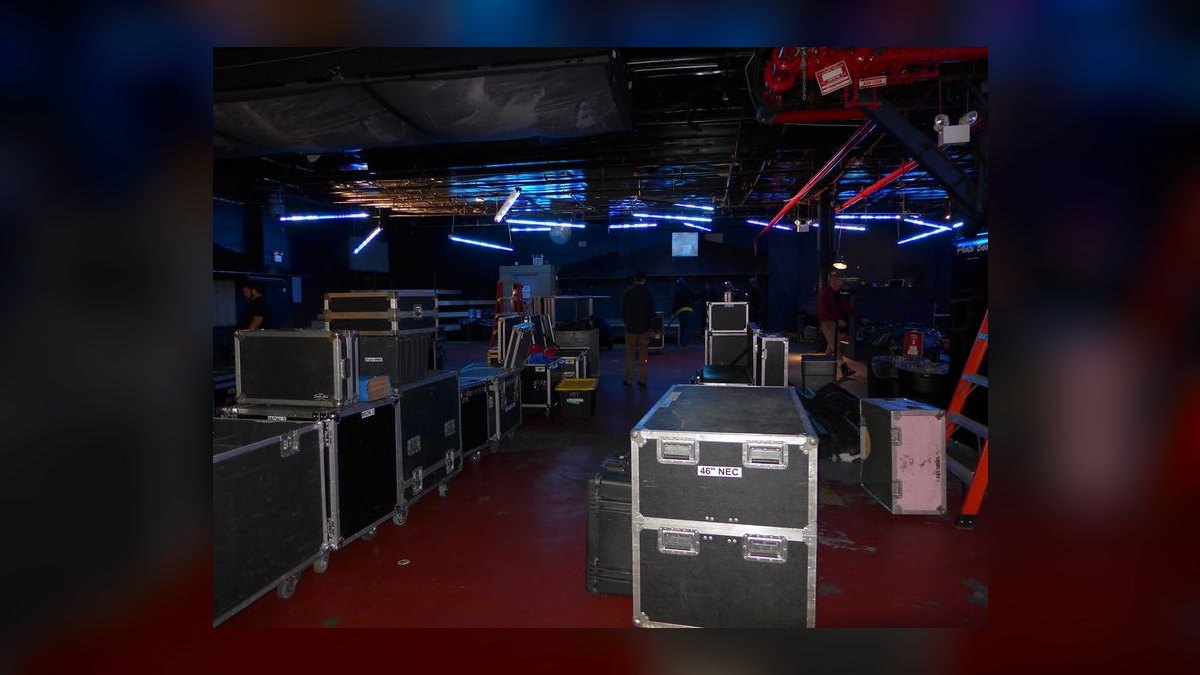
Flooring reinforcement. A single 1,000-pound planer or a heavy CNC router can crack a standard four-inch slab. Machine zones often need a six-inch reinforced slab, adding $3–$6 per square foot in those areas. Confirm the existing slab's thickness and load rating during lease due diligence rather than assuming a bare concrete floor is adequate — retrofitting a slab under installed machinery is dramatically more expensive than pouring it right before the equipment arrives.
Fire suppression upgrades. A woodworking shop typically earns a higher fire and hazard rating, which can mean adding a commercial sprinkler system at $2–$5 per square foot or a fire-rated separation wall at $10–$20 per linear foot to isolate finishing or storage areas. These are triggered by your occupancy classification, so nail down the classification with the local fire marshal early instead of guessing.
Permit and engineering fees. Structural, electrical, and mechanical plan stamps from licensed professionals can run $3,000–$12,000, and permitting for a change-of-use to light manufacturing takes time you should build into the schedule. Roughly 10–20% of a total budget goes to permits, inspections, and plan stamps regardless of how much labor you self-perform. Keep all three of these hidden buckets inside the same 12–15% contingency you set aside for power and code surprises, and price them honestly at the start instead of meeting them at the final inspection.
Related questions
Should I buy or lease space for a workshop?
Lease first unless you have strong capital and a permanent location. Leasing an existing flex or industrial space with three-phase power and a heavy slab avoids a huge upfront infrastructure spend, and a well-negotiated TI allowance shifts base-building costs to the landlord. Buy only once demand and cash flow are proven.
How long does a shop buildout take?
Plan on three to six months once you sign, driven mostly by long-lead items. Three-phase utility upgrades run 8–16 weeks and dust systems 4–8 weeks, and permitting for a change-of-use adds time. Negotiate 3–6 months of free rent so you are not paying for an empty, unusable space.
Do I need a licensed electrician for the whole job?
For three-phase service, the panel, and dedicated 220V circuits, yes — this work must be permitted and inspected, and mistakes are dangerous and costly. You can self-perform some assembly and non-electrical ductwork, but electrical and combustible-dust systems are exactly where DIY savings turn into failed inspections and voided insurance.
What insurance do I need for a makerspace?
Expect general liability, commercial property coverage, and often a specific rider for the combustible-dust and machinery risk. Insurers will ask about your dust-collection system, fire suppression, and member-safety practices; an undersized or non-compliant dust setup can raise premiums or make coverage unavailable, another reason to build the safety systems correctly.
FAQ
What is the biggest cost in a makerspace or woodworking shop buildout? The electrical system is usually the largest single expense — especially bringing in three-phase power if the building lacks it — followed by dust collection and ventilation. These utility-heavy systems often account for 40–60% of the total budget, far exceeding finishes like flooring or paint.
How much should I budget per square foot? Plan on $40–$110 per square foot all-in, including machinery, for a working shop. If you are pricing only leasehold improvements — electrical drops, dust ductwork, ventilation, and lighting, excluding equipment and permits — that slice alone runs closer to $15–$40 per square foot.
Do I need three-phase power, and what does it cost to install? Many woodworking and metal machines want three-phase power, but it is not always available. Having the utility bring it to a single-phase building runs $10,000–$50,000 or more depending on distance from the transformer; a rotary phase converter is a cheaper stopgap at $1,500–$4,000. Check with the landlord first — some industrial spaces already have it.
How much should I set aside for dust collection and ventilation? A central dust-collection system with ductwork and a cyclone separator runs $8,000–$30,000 for a multi-station shop, less for a single station. Dedicated exhaust and make-up air for fumes and fine particles adds $6,000–$25,000. Both are non-negotiable for safety, insurance, and code compliance.
Can I save money by doing the buildout myself? DIY assembly and non-electrical ductwork can trim labor, but electrical and combustible-dust work must follow local codes and be permitted. Hiring a licensed electrician for three-phase and panel work is almost always worth it, and roughly 10–20% of your budget will go to permits, inspections, and plan stamps regardless.
Is it cheaper to lease a space that is already a workshop? Yes. A space with existing three-phase power, dust collection, or heavy-duty electrical can cut $40,000–$100,000 off your buildout. Such spaces are rarer and may carry higher rent or longer terms, so always inspect the electrical panel, slab, and ductwork — and confirm power capacity in writing — before signing.
Sources
- https://www.cbre.com/insights — CBRE U.S. industrial and flex construction cost and market research.
- https://www.us.jll.com/en/trends-and-insights — JLL industrial and light-manufacturing tenant fit-out cost guides.
- https://www.cushmanwakefield.com/en/insights — Cushman & Wakefield industrial and flex real estate advisory.
- https://www.rsmeans.com/ — RSMeans (Gordian) commercial and industrial construction unit cost data.
- https://www.naiop.org/research-and-publications/ — NAIOP industrial lease economics and tenant improvement research.
- https://www.boma.org/ — BOMA International floor-area measurement and occupancy standards.
- https://www.nfpa.org/ — National Fire Protection Association (NFPA 652 and 664) combustible-dust and woodworking fire-safety standards.
- https://www.osha.gov/wood-dust — OSHA workshop ventilation, wood dust, and machine-safety requirements.
Related on PULSE
- [How Do I Budget a Florist Shop With a Walk-In Cooler Buildout?](/knowledge/bo0201)
- [How Do I Budget a Print or Sign Shop Buildout?](/knowledge/bo0171)
- [How Do I Budget a Pizza Shop Buildout?](/knowledge/bo0164)
- [How Do I Budget an Ice Cream or Gelato Shop Buildout?](/knowledge/bo0162)
- [How Do I Budget a Butcher Shop or Meat Market Buildout?](/knowledge/bo0161)
- [How Do I Budget a Coffee Shop or Cafe Buildout?](/knowledge/bo0109)
This page will be disappearing soon. Save it to your device for $1 — or read it free while it is here.
@Kory-White- · if Venmo asks, the last 4 of my number are 2012
 buildoutsHow Do I Budget a Bookstore-Cafe Buildout?
 buildoutsHow Do I Budget a Print or Sign Shop Buildout?
 buildoutsHow Do I Budget a Church or Worship Space Buildout?
 buildoutsHow Do I Budget a Gas Station or Convenience Store Buildout?
 buildoutsHow Do I Budget an Indoor Golf or Golf-Simulator Buildout?
 buildoutsHow Do I Budget an Optometry Office With an On-Site Lab?
 buildoutsHow Do I Budget an Orthodontics or Oral-Surgery Office Buildout?
 buildoutsHow Do I Budget a Gym or Fitness Studio Buildout?
 buildoutsHow Do I Budget an Ice Cream or Gelato Shop Buildout?
 buildoutsHow Do I Budget an Escape Room Buildout?