
How Do I Budget a Martial Arts Dojo Buildout?
 Curated byKory White · Fractional CRO · Maryland
 PULSEKNOWLEDGE LIBRARY
Budget a martial arts dojo at $30–$90 per square foot in a vanilla-box space, putting most dojos at $45,000–$160,000 all-in for 2,000–3,500 square feet. Concentrate spending on mats, subfloor, HVAC, and mirrors — not premium finishes. A dojo is a clean open room, so keep the build simple and never pay retail-buildout prices.
Where the money actually clusters
A dojo budget is unusually simple because the dollars pile up in just a few line items, and the entire discipline of budgeting one well is refusing to spend anywhere else. Over-finishing an open training room is the single most common way first-time owners burn capital, so the goal is to know exactly where money concentrates and starve every other line.
The largest line is mats and subfloor at $3–$18 per square foot. Striking arts like karate, taekwondo, and Muay Thai perform fine on interlocking foam at $3–$8 per square foot, while grappling arts — BJJ, judo, wrestling — need a shock-absorbing subfloor beneath a rolled mat at $8–$18 per square foot to protect joints on throws. On 2,000 square feet of training area, that single line runs $6,000–$36,000, and it is the one place you should never economize.
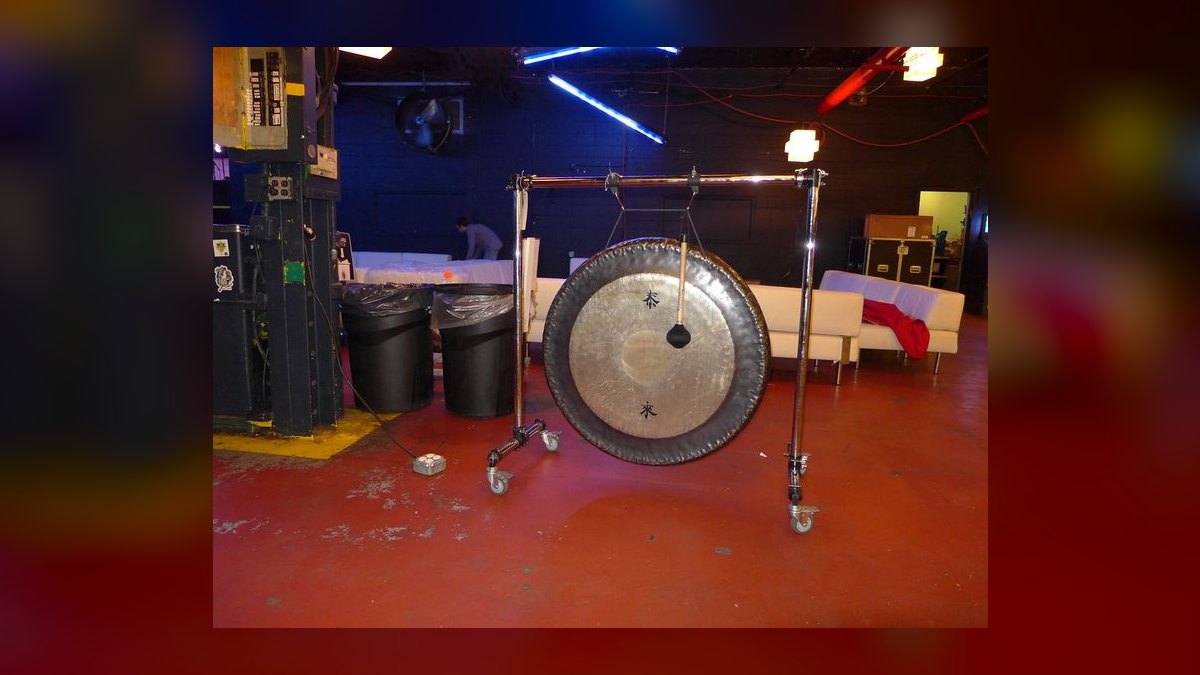
Climate control is the next heavy hitter. HVAC typically runs $8,000–$30,000 because a room holding 20–40 people moving hard generates heat and humidity fast. Strong fresh-air exchange matters more than fancy ductwork, and an undersized system quietly drives members out the door — hot, stuffy classes are a retention problem disguised as a comfort problem. Mirror walls cost $7–$15 per square foot of glass, so a 40-foot mirror run lands around $3,000–$7,000 in safety-backed, floor-anchored glass.
Rounding out the build are bag and equipment infrastructure at $1,500–$6,000 for wall-mounted heavy-bag racks and reinforced anchors, plus restrooms, changing areas, a small front desk or retail nook, basic finishes, permits, and a mandatory 12–15% contingency. A no-frills striking dojo in a flex or warehouse box can open near $45,000–$70,000, while a full grappling academy with a sprung floor, showers, and a finished lobby climbs to $120,000–$160,000 or more.

Match the mat to the art you teach
The mat is the dojo. It is where students spend every minute, where injuries happen or don't, and where the bulk of your smart spending should land. Get the flooring right and the rest of the build stays genuinely cheap; cut corners here and you invite injuries, lawsuits, and the most expensive "savings" a new owner can make.
For striking arts and kids' classes, foam jigsaw or puzzle mats at $3–$8 per square foot are appropriate and easy to install over a clean, level slab. For grappling the calculus changes entirely: throwing bodies onto a thin mat over bare concrete causes real injuries, so you need a shock-absorbing subfloor — either a puzzle-foam underlay or a true sprung deck — beneath a rolled competition mat, pushing the combined cost to $8–$18 per square foot across the training area. If you teach a mix, budget for the grappling standard on at least part of the floor rather than pretending striking mats will keep judo players safe.
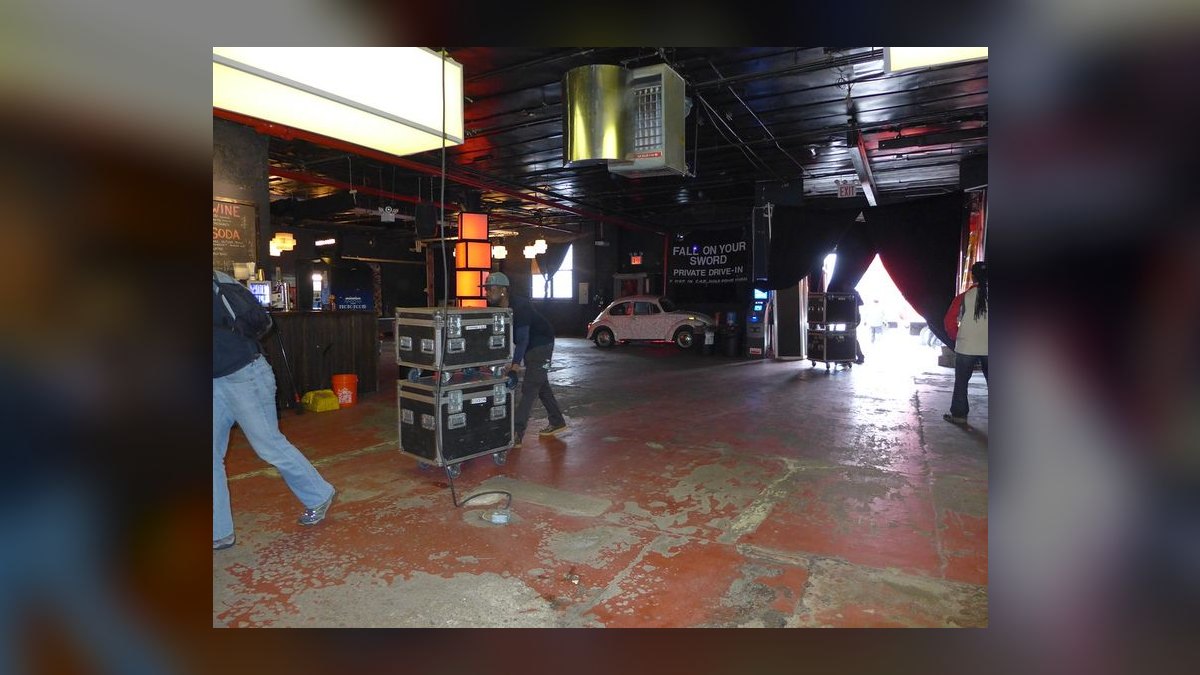
Before you order a single roll, confirm the slab is flat. Rolled mats telegraph every dip and high spot in a bad slab, and if you skip the inspection, floor leveling or self-leveling compound can add $2–$5 per square foot you never budgeted. Walk the space with a long level and, ideally, have it checked professionally. Grinding and pouring a level base is far cheaper to schedule up front than to discover after the mats are down and buckling, when re-doing the work means tearing out material you already paid to install.
Order flooring early. Large grappling-mat orders can carry 3–6 week lead times, and a delayed mat delivery is a delayed opening, which means delayed tuition. Treat mats and HVAC as your two long-lead items and get purchase orders in before the trades finish rough work, so the floor is ready the day the space is.
The code items people forget until permitting
The quiet budget-eaters in a dojo are almost never the mirrors or the mats — they're the code-driven line items that never show up on a mood board and surface only when you pull a permit. Pricing them before you sign a lease is the difference between a predictable buildout and a six-figure surprise.
The biggest is assembly occupancy. Once a room is designed to hold roughly 50 or more people, code often reclassifies it as an assembly space, and that reclassification can demand additional exits, panic hardware on doors, restroom fixtures scaled to headcount, and in some cases a sprinkler system. Discovered during permitting, these surprises commonly run $10,000–$40,000, which is why they belong in your due diligence and your contingency, not your post-signing regrets. Ask your architect to confirm the occupant load your layout implies before you commit to a headcount that trips assembly classification.
ADA compliance is the next trap: accessible restrooms, compliant door widths, and a clear path of travel can trigger required upgrades the moment you pull a permit for a change of use. Restroom and plumbing work is one of the priciest single moves in any buildout — adding or relocating a bathroom means opening the slab and running new supply and waste lines, easily a five-figure line by itself. And permits, drawings, and a tenant-improvement architect typically consume 3–8% of hard costs and are non-negotiable in most jurisdictions when you change a space's use.
The theme is consistent: anchor heavy bags to steel or framed structure, never drywall, and have any suspended rig engineered — a failed anchor is an injury and a liability claim, not a cosmetic issue. Get every one of these items priced before you sign, because they are far harder to negotiate away once the lease locks you into a specific building's limitations.
How not to get squeezed by the landlord
A dojo is a loud, high-impact, high-headcount tenant, and a standard retail lease rarely accounts for the noise, vibration, occupancy, and hours a training facility generates. If the lease doesn't address those realities, you end up paying for the landlord's gaps — so negotiate the terms below into the agreement before you sign anything.
Push for a tenant-improvement (TI) allowance on any lease of five years or longer. A common range is $15–$40 per square foot, which on 3,000 square feet means $45,000–$120,000 the landlord funds toward your buildout. TI contributions often scale with lease term, so weigh more years of contribution against the risk of being locked into a location that may underperform. Warehouse and flex landlords frequently resist TI outright, in which case trade for extended free rent — typically 2–4 months — to cover the buildout and ramp while you're laying subfloor and earning zero revenue.
Make occupancy and zoning a lease contingency, not an assumption. Get it in writing that the space is zoned and permittable for assembly or recreation use and that the building can meet exit, restroom, and sprinkler requirements for your intended headcount. If it can't, that's the landlord's disclosure failure rather than your surprise. Equally, nail down noise and vibration: bag impacts and bodies hitting the mat transmit through floors and shared walls, so secure a clause permitting your use and hours, and push floor isolation or base-building soundproofing onto the landlord where neighbors are adjacent.
Finally, protect the exit. Confirm HVAC and restroom capacity in writing as base-building work if your headcount demands it, and strip or cap the restoration clause so you aren't forced to rip out mats, mirrors, and racks at move-out — a job that can cost $8,000–$25,000. Negotiate to leave the improvements in place or cap removal to movable items only, so your last month in the space isn't a surprise demolition bill.
A phased plan to open cheap
A dojo's greatest financial advantage is how little you actually need to open the doors. You don't need a finished facility to start collecting tuition — you need a safe, legal, clean training floor. Splitting the budget into a Day-One core and a Phase-Two polish funded by early revenue is what keeps your opening loan small and your break-even enrollment low.
Phase One is everything required to legally and safely run a class: mats, mirrors, basic lighting, working HVAC, code-required restrooms and exits, and a simple front desk. That is a complete revenue room, and it keeps opening capital in the $45,000–$70,000 range for a striking-focused dojo. Nothing in Phase One is cosmetic; every dollar either keeps students safe or keeps you compliant, which is exactly the spending you can defend to a lender.
Phase Two is the polish you reinvest profits into once tuition is flowing: branded paint and signage, a pro-grade sound system, a parent viewing area, a retail pro-shop, locker rooms, and specialty equipment like heavy bags, hanging rigs, and cage panels. Funding this from cash flow instead of your opening loan keeps your break-even enrollment dramatically lower — and a lower break-even is exactly what carries a new dojo through its first slow winter, when enrollment dips and fixed costs don't.
Sequence the spending deliberately. Order mats and HVAC early because of their lead times, buy bags as you fill classes rather than all at once, and hold a 12–15% contingency earmarked specifically for occupancy-code surprises. Those code surprises are the true dojo killer, and a reserve set aside for them is far cheaper than the emergency financing you'd scramble for when the fire marshal asks for a second exit two weeks before opening.

The hidden money most owners miss
Most first-time owners budget the mat and the mirrors, then get blindsided by items that never appear on a design board. Beyond HVAC — already the usual top surprise — the quiet budget-eaters cluster around code and infrastructure. ADA compliance can force accessible restrooms, wider doors, and a clear path of travel the moment you pull a permit. Restroom and plumbing changes are among the most expensive single moves in any buildout. Permits, drawings, and a TI architect run 3–8% of hard costs and are non-negotiable for a change of use.
Fire and occupancy load deserve their own reserve. Assembly-use classification can demand extra exits, panic hardware, or sprinkler work, any of which can appear late in permitting when it's hardest to absorb. Insurance is another line owners under-price: a contact-sport facility carries higher general-liability premiums, and waivers do not eliminate the coverage you need. Price all of these before you sign, because a landlord has far less incentive to help once your name is on the lease and your options have narrowed to one building.
Related questions
Do I need special ceiling height for a dojo?
Ceiling height matters most if you teach weapons forms, jumping techniques, or throwing, where you need vertical clearance and swing room. For standard striking and grappling, typical commercial ceilings work fine. Confirm clearance before signing so you aren't surprised by low ductwork or sprinkler heads over the mat.
Is a warehouse or flex space really cheaper than retail?
Usually yes — flex and warehouse space rents for less per square foot and gives you the open floor a dojo needs without paying for premium retail finish. The trade-offs are visibility, parking, and whether the landlord will fund the HVAC and restroom upgrades an active dojo requires.
How much should I hold in contingency?
Budget 12–15% of the total buildout as contingency, earmarked specifically for occupancy-code and permitting surprises. Assembly-use requirements — extra exits, restroom fixtures by headcount, sprinklers — are the most common overruns, and they surface late when they're hardest to negotiate or absorb.
Can I open with a smaller budget and expand later?
Yes. A dojo's core need is safe mat space and a legal, usable entrance. Many owners open with just the essentials — mats, mirrors, HVAC, code-required restrooms — and add a pro shop, viewing area, or locker rooms as revenue grows. Just confirm phasing won't violate code or your lease's occupancy terms.
What's the biggest budget mistake new owners make?
Paying retail-buildout prices to over-finish what is essentially a clean open room. Money sunk into elaborate walls, custom millwork, or excess offices is money not earning on the mat. Keep the build simple and concentrate spending where students actually feel it — the floor and the air.
FAQ
Do I really need a hard subfloor under the mats, or can I lay tatami over what's there? It depends on the existing slab and your striking-versus-grappling mix. A level, clean concrete slab is usually the cheapest sound base for puzzle mats or tatami, but uneven slabs may need leveling first. Grappling arts specifically need shock absorption underneath. Walk the floor with a level before assuming it's "mat-ready," because grinding or self-leveling can be a real line item.
Should I sign a longer lease to get more landlord buildout money? A landlord's tenant-improvement allowance often scales with lease length, so more years can mean more contribution. The trade-off is being locked in longer if the location underperforms. Weigh the TI dollars against that risk — and remember a dojo's simple buildout means you may not need much TI to begin with, so don't over-commit for money you won't fully use.
Do I need special HVAC for a martial arts space? HVAC matters more for a dojo than most tenants realize, because a room full of moving bodies generates significant heat and humidity fast. Strong fresh-air exchange keeps classes comfortable and members enrolled. Ask about the existing system's capacity before signing rather than assuming, and get any needed upgrade funded as base-building work if the headcount demands it.
Is NNN (triple net) or a gross lease better for a dojo? Neither is automatically better — it changes what you're responsible for. Under NNN you typically pay your share of taxes, insurance, and common-area maintenance on top of base rent, which can swing your real monthly cost meaningfully. Get the estimated NNN figure in writing so you're budgeting the true occupancy cost, not just the headline base rent.
How do I keep bag work and sparring from generating noise complaints? Bag impacts and bodies hitting the mat transmit through floors and shared walls, so address it in the lease. Secure a clause permitting your use and hours, and push floor isolation or base-building soundproofing onto the landlord where neighbors are adjacent. A retail-strip neighbor complaining about thuds can end your evening classes and your best revenue block.
What should I do before signing to avoid a code surprise? Make occupancy, zoning, and code compliance explicit lease contingencies. Get written confirmation the space is permittable for assembly or recreation use and can meet exit, restroom, and sprinkler requirements for your headcount. Price ADA, plumbing, and permit costs up front, because they're far harder to negotiate after your name is on the lease.
Sources
- CBRE — U.S. construction cost and real estate research
- JLL — Tenant build-out and fit-out cost guides
- Cushman & Wakefield — Commercial real estate insights
- RSMeans / Gordian — Commercial construction cost data
- NAIOP — Commercial Real Estate Development Association
- BOMA International — Floor-area measurement standards
- International Code Council — Assembly occupancy and egress codes
- Health & Fitness Association (formerly IHRSA)
- U.S. Access Board — ADA accessibility standards
Related on PULSE
- [How Do I Budget a Funeral Home Buildout?](/knowledge/bo0220)
- [How Do I Budget an Ambulatory Surgery Center Buildout?](/knowledge/bo0219)
- [How Do I Budget an Imaging Center (MRI/CT) Buildout?](/knowledge/bo0218)
- [How Do I Budget a Dialysis or Infusion Center Buildout?](/knowledge/bo0217)
- [How Do I Budget a Physical Therapy Clinic Buildout?](/knowledge/bo0216)
- [How Do I Budget a Chiropractic Clinic Buildout?](/knowledge/bo0215)
This page will be disappearing soon. Save it to your device for $1 — or read it free while it is here.
@Kory-White- · if Venmo asks, the last 4 of my number are 2012
 buildoutsHow Do I Budget an Escape Room Buildout?
 buildoutsHow Do I Budget a Comedy Club or Live-Music Venue Buildout?
 buildoutsHow Do I Negotiate a Lease and Buildout for a Private or Charter School?
 buildoutsHow Do I Budget an Ice Cream or Gelato Shop Buildout?
 buildoutsWhat Is a Go-Dark Clause and Should I Fight for One?
 buildoutsHow Do I Negotiate a Lease and Buildout for an Auto Repair Shop?
 buildoutsHow Do I Negotiate a Lease and Buildout for a Pharmacy?
 buildoutsHow Do I Budget a Dialysis or Infusion Center Buildout?
 buildoutsHow Do I Budget a Vertical Farm or Indoor Ag Buildout?
 buildoutsHow Do I Budget a Med Spa Buildout?