
Top 10 Sports Cars 1976 — Best Overall + Best Value
 Curated byKory White · Fractional CRO · Maryland
 PULSEKNOWLEDGE LIBRARY
The 10 best sports cars 1976 are ranked below on measured performance, build quality, price, and how each one actually holds up in daily use rather than how it reads on a spec sheet. Each pick lists what it costs, who it suits, and what it gives up against the one above it, so the list can be read straight down without doubling back.
1. Datsun 280Z
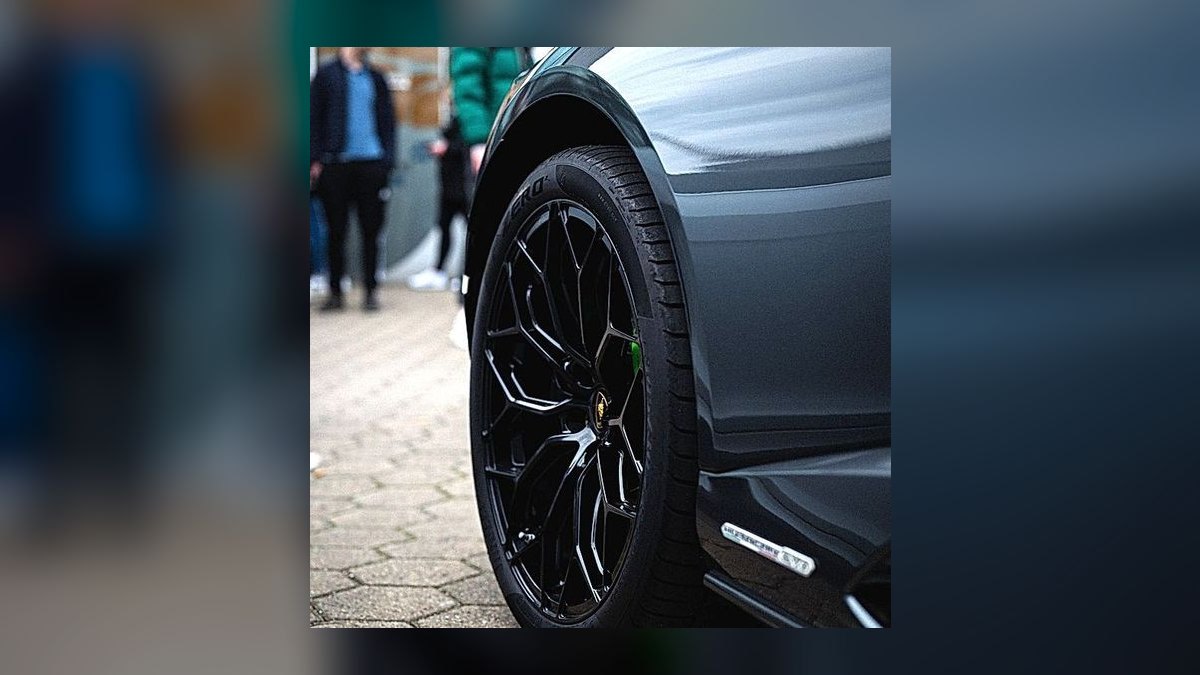
The 280Z wins best overall because it paired genuine performance with bulletproof reliability at a 1976 MSRP of $6,669. Its Bosch L-Jetronic fuel-injected 2.8-liter inline-six produced 149 hp and 163 lb-ft of torque, pushing it to 60 mph in roughly 7.8 to 9 seconds. This was a meaningful power bump when smog gear was strangling rivals, and it started faithfully on cold mornings.
This car is for the enthusiast who wanted speed, reliability, and value in one package, without the temperament of European metal. It traded away the razor-sharp steering feel of a Porsche 911S for a more forgiving, grand-touring character. Compared to the 911S below it, the 280Z cost less than half as much and was far easier to live with daily.
2. Porsche 911S
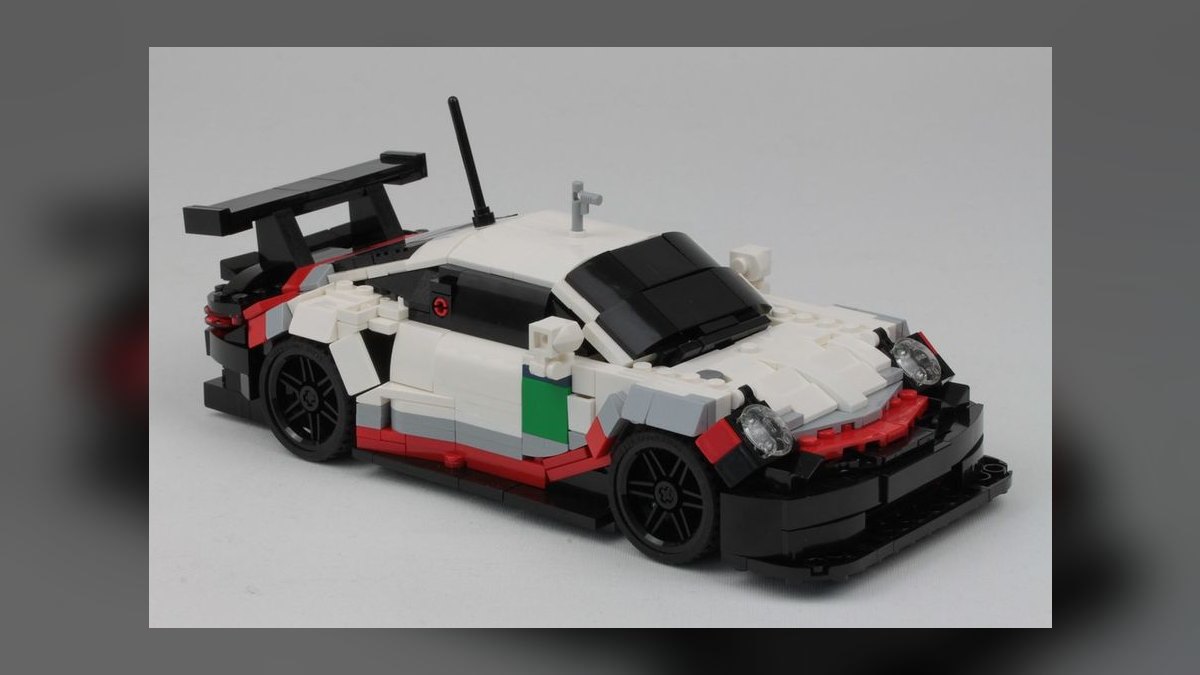
The 911S ranks second because it offered the most rewarding driving experience of 1976, with a 2.7-liter air-cooled flat-six making 157 hp. It sprinted to 60 mph in the low-to-mid 7-second range, and its rear-engine layout delivered steering feel no front-engine car could match. For 1976, Porsche introduced fully galvanized bodyshells, dramatically improving rust resistance.
This is for the purist with the budget for the real thing, who prioritizes feel over practicality. It trades away the Datsun's reliability and value for a more intense, tail-happy character that rewards skill. Compared to the 280Z above it, the 911S is far more expensive to maintain, with known head-stud and chain-tensioner issues. But its blue-chip collector status and sublime soundtrack make it the benchmark for driving purity in this era.
3. Chevrolet Corvette (C3)
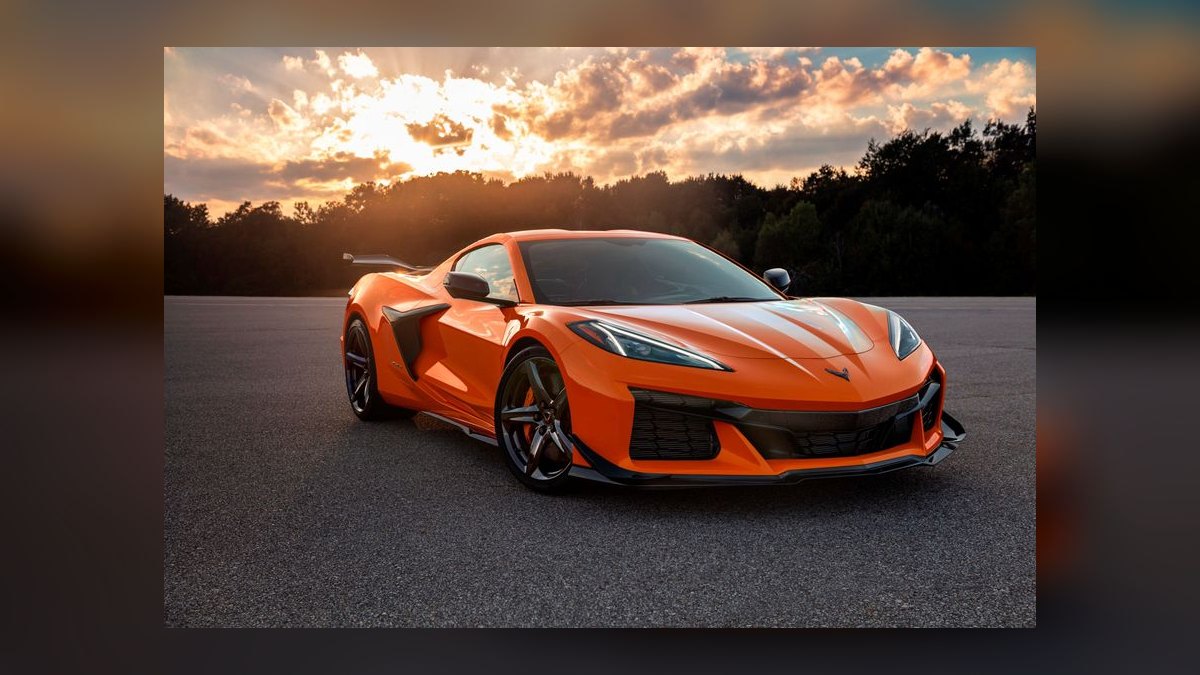
The Corvette ranks third as the best American sports car of 1976, with a 350 cubic-inch V8 in base 180 hp or optional L82 210 hp tune. The L82 with a 4-speed manual reached 60 mph in about 7.4 seconds, making it the quickest American car on this list. Its fiberglass body and Coke-bottle curves still looked outrageous, and 1976 was the most-produced Corvette year to that point.
This is for the American buyer who wanted V8 theater and head-turning style over European finesse. It trades away the 911S's surgical handling for heavy, softly sprung comfort and mediocre interior plastics. Compared to the 911S above it, the Corvette is far more affordable to buy and maintain, with values today in the $15,000 to $25,000 band. Its huge parts and club support make it an accessible, charming V8 classic.
4. Porsche 924
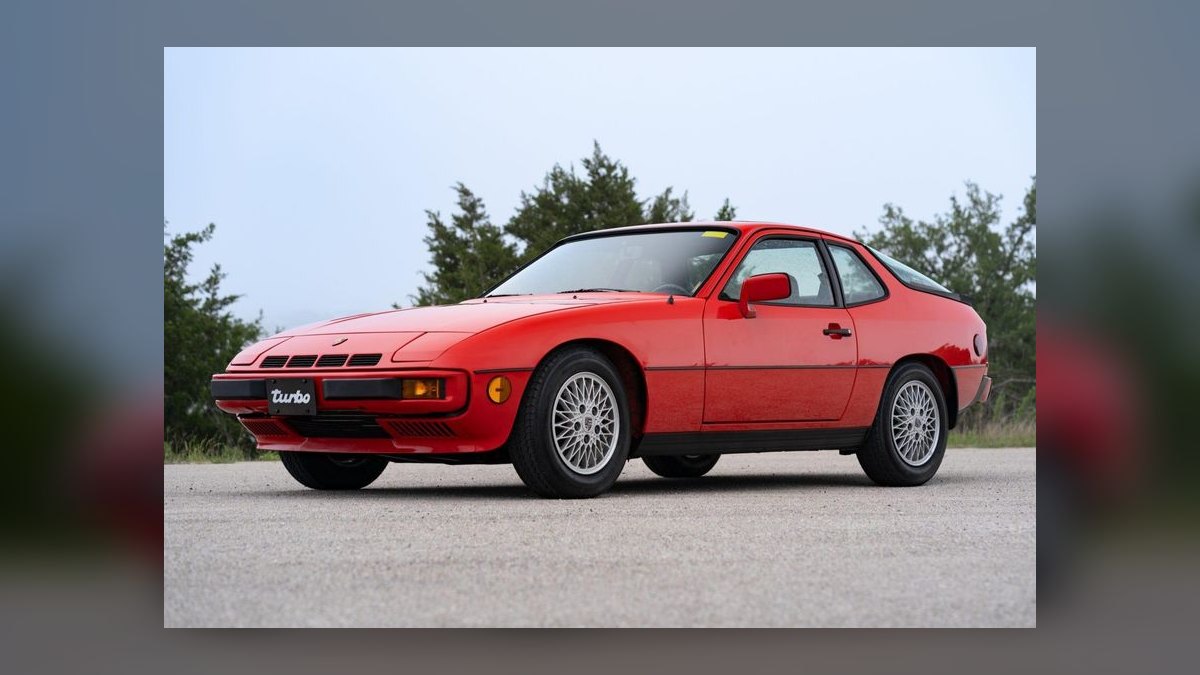
The 924 ranks fourth because it debuted as a landmark front-engine, water-cooled transaxle Porsche that pointed the brand's future. Its near-50/50 weight balance gave it handling that flattered its modest 95 hp, even if 0-60 took over 11 seconds. At a $9,395 MSRP, it was the accessible gateway Porsche, offering genuine engineering and practical hatchback usability. Early 924s were long undervalued but are now quietly appreciating as the model earns respect.
This is for the buyer who wanted a Porsche badge with everyday usability, not outright speed. It trades away the Corvette's V8 grunt for balanced, communicative chassis dynamics and real reliability. Compared to the Corvette above it, the 924 is slower in a straight line but far more rewarding on a twisty road. Its Audi-sourced engine lacked character for some, but its historical importance and affordability make it a smart future classic.
5. Lotus Esprit
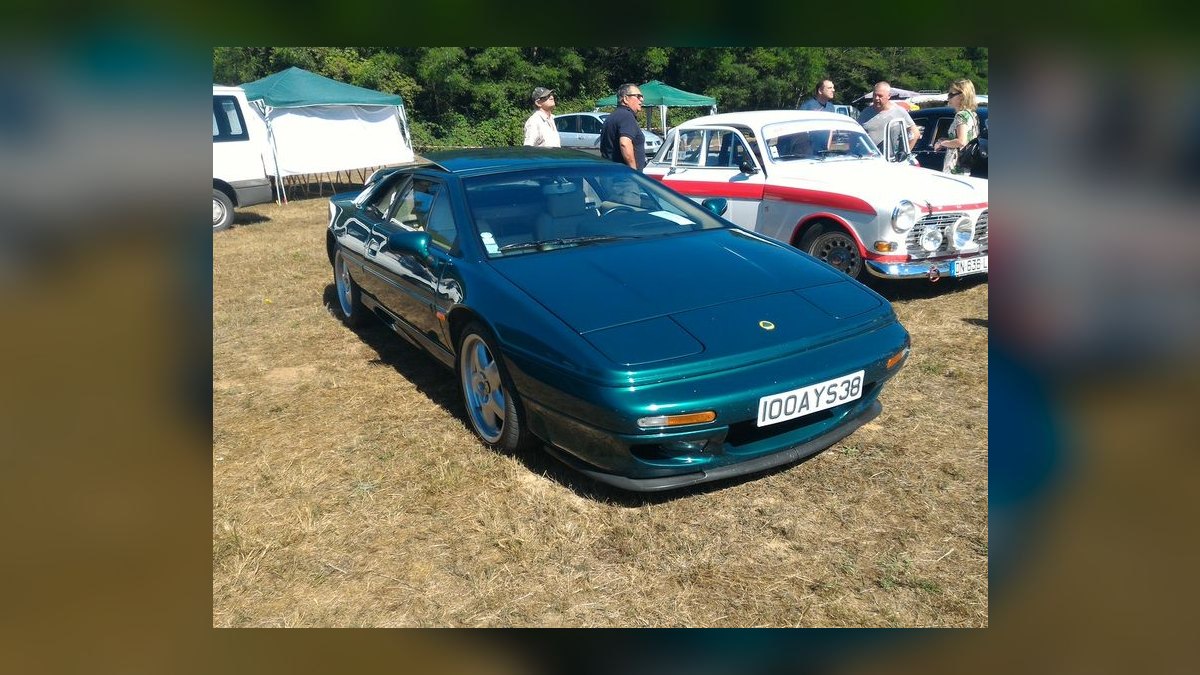
The Esprit ranks fifth because its Giugiaro wedge styling and mid-engine handling made it the most exotic debut of 1976. Its 2.0-liter four made around 140 hp, and while the claimed sub-7-second 0-60 was optimistic, the featherweight chassis humbled far more powerful cars. A starring role in the 1977 Bond film cemented its fame.
This is for the buyer chasing exotic looks and razor-sharp handling over outright speed or reliability. It trades away the 924's practicality and dependability for a cramped cabin and notoriously fragile Lotus electrics. Compared to the 924 above it, the Esprit is far more special to look at and drive, but far more demanding to own. Its folded-paper design and movie fame make it a bona fide collectible, despite its temperamental nature.
6. Triumph TR6
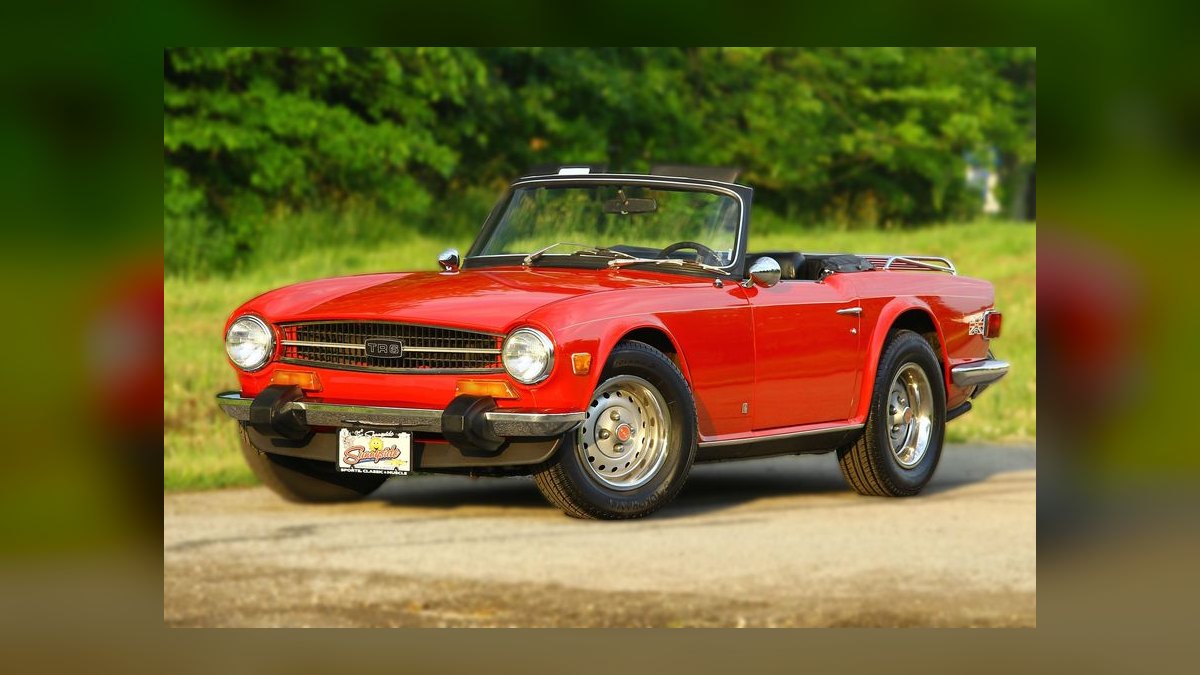
The TR6 ranks sixth because 1976 was its final year, ending a run that began in 1969, and final-year cars are prized by collectors. Its 2.5-liter inline-six with twin Stromberg carburetors made around 104 hp, delivering a torquey, hairy-chested drive. Rear-wheel drive, a proper manual, and an upright Karmann-styled body gave it old-school roadster appeal. At a $6,095 MSRP, it was a bargain, and clean TR6s now average around $30,000.
This is for the traditionalist who wanted a muscular British roadster before they vanished. It trades away the Esprit's exotic mid-engine handling for a simpler, more fixable mechanical layout with strong club support. Compared to the Esprit above it, the TR6 is slower and less dramatic but far more reliable and easier to maintain. Its Lucas electrics and rust-prone body demand vigilance, but its character and final-year significance make it a rising classic.
7. Alfa Romeo Spider Veloce
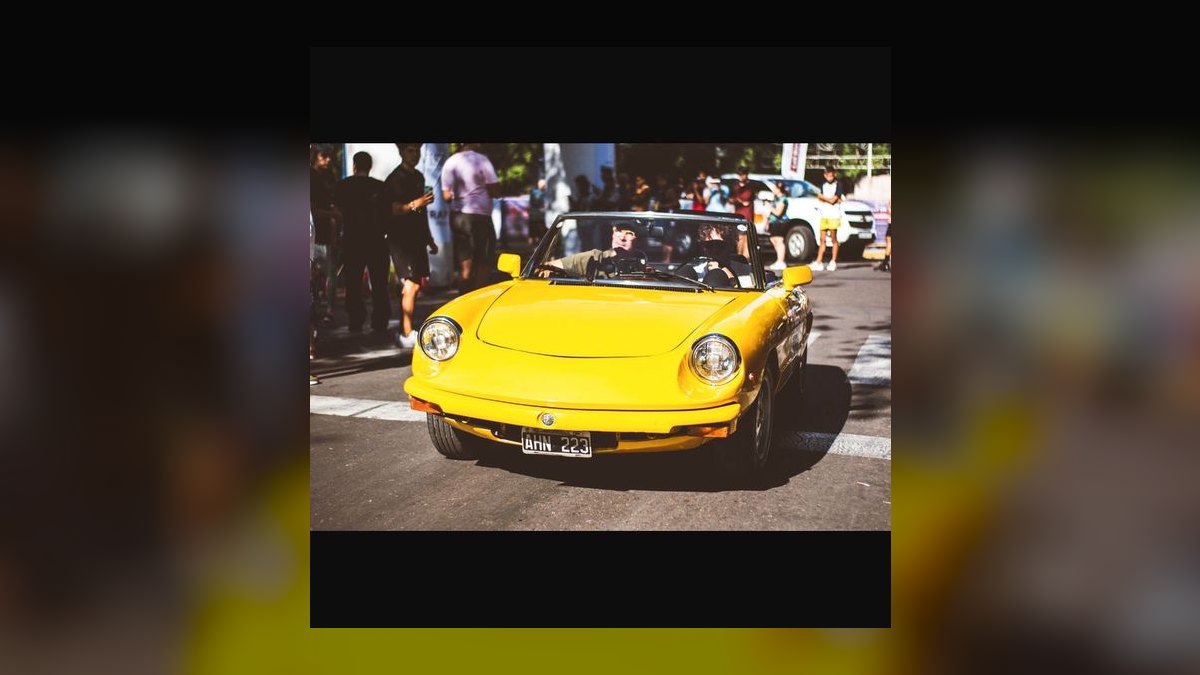
The Spider Veloce ranks seventh because its 2.0-liter twin-cam four and slick 5-speed manual delivered a free-revving Italian driving experience. It made about 110 hp, reaching 60 mph in around 10 seconds, but the gearbox was a delight no rival could match. Pininfarina's timeless styling and open-top charm gave it a soul that Japanese cars lacked.
This is for the romantic who wanted an Italian twin-cam and a slick gearbox over raw performance. It trades away the TR6's torquey straight-six for a more willing, high-revving character and a better shift action. Compared to the TR6 above it, the Spider is more charismatic but suffers from notorious rust in sills and floors. Its SPICA fuel injection quirks need expertise, but its long production run means good parts availability and a rewarding back-road experience.
8. Fiat X1/9
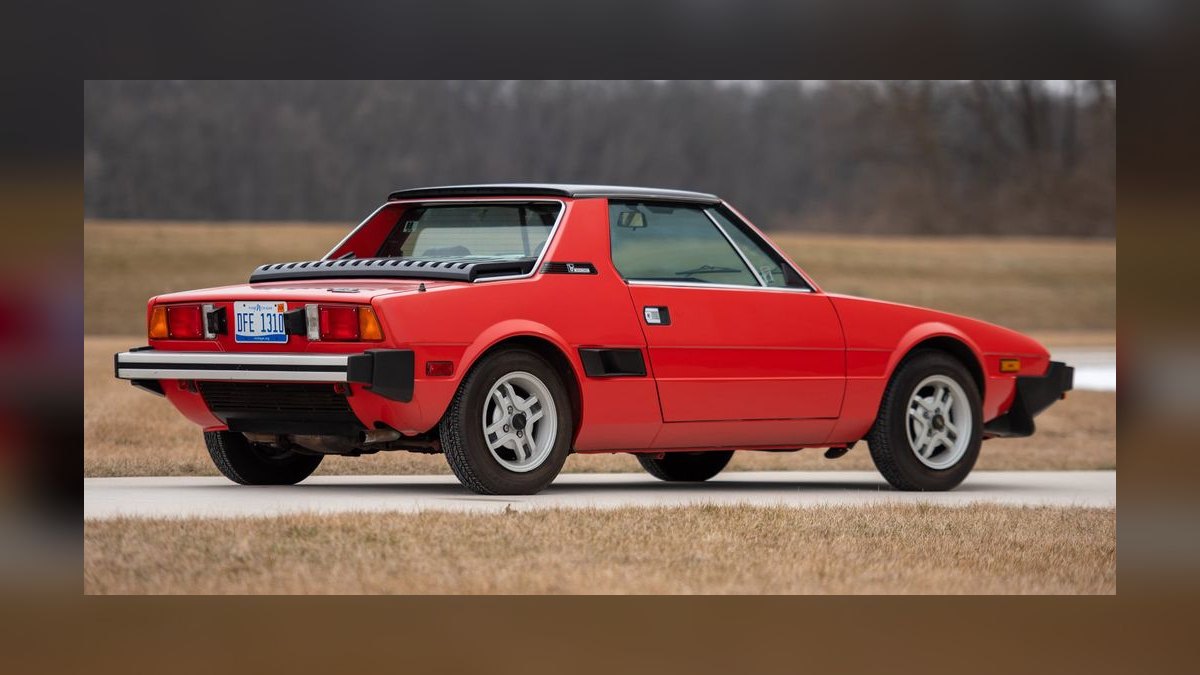
The X1/9 ranks eighth as the best value of 1976, at a $3,917 MSRP, offering mid-engine balance for sedan money. Its transverse 1.3-liter four made only 67 hp, so 0-60 took around 12 seconds, but the chassis was so playful that pace hardly mattered. Four-wheel disc brakes and a removable targa top added to its exotic appeal, wrapped in a Bertone wedge design. Values remain affordable, with good cars often in the $10,000 to $18,000 range.
This is for the budget enthusiast who prioritized handling over straight-line speed. It trades away the Alfa Spider's Italian twin-cam charm for a more clinical, balanced mid-engine layout. Compared to the Spider above it, the X1/9 is slower and more cramped, but it handles better and costs far less to buy and run.
9. Pontiac Firebird Trans Am 455
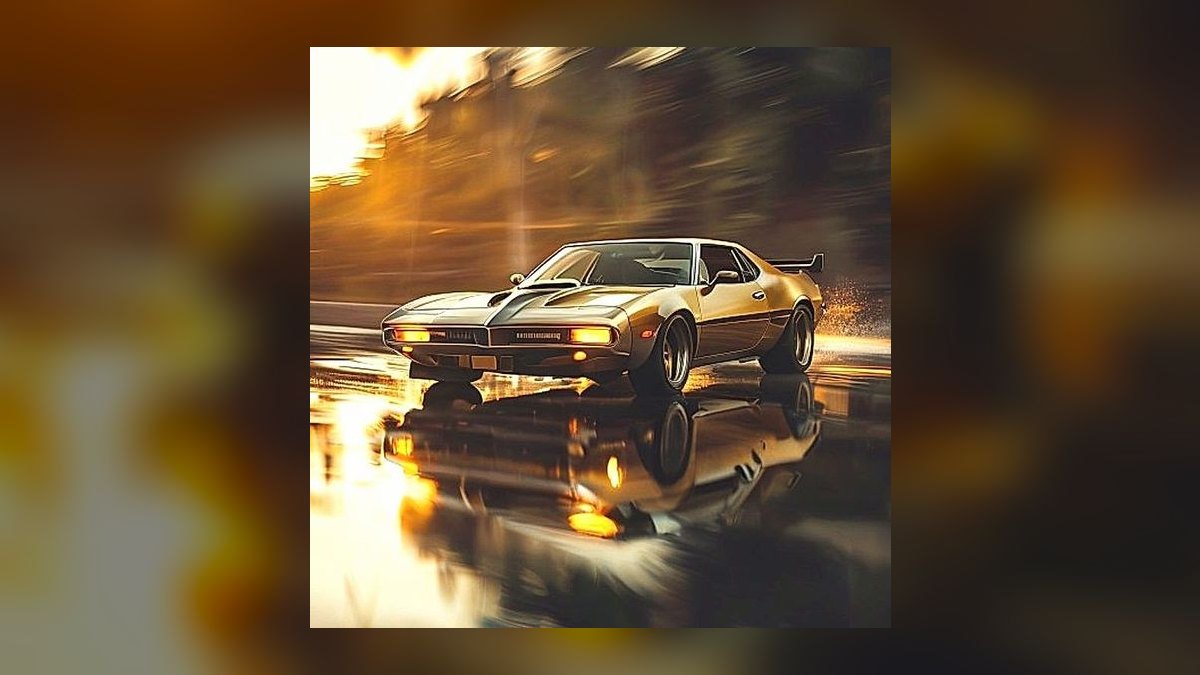
The Trans Am 455 ranks ninth because 1976 was the final year of the 455 big-block, a 7.5-liter V8 throttled to just 200 hp and 330 lb-ft of torque. Rear-wheel drive, a 4-speed, and the screaming-chicken hood decal made it the last of a breed, even as 0-60 stretched past 8 seconds. It was more cruiser than canyon-carver, but its swagger and cultural footprint were undeniable.
This is for the muscle-car holdout grabbing the last big-block before it died. It trades away the X1/9's mid-engine balance for mountainous low-end torque and a V8 rumble. Compared to the X1/9 above it, the Trans Am is far heavier, softer, and thirstier, but its iconic styling and final-year significance drive strong collector demand.
10. MG MGB
The MGB ranks tenth because it was the most affordable, fixable, and numerous roadster of its day, at a $4,351 MSRP. Its 1.8-liter four was strangled to around 62 to 67 hp, making it the least powerful car here, with 0-60 taking roughly 14 seconds. Rear-wheel drive and a simple, honest open-top charm made it leisurely but lovable.
This is for the first-time classic buyer who wanted simple, cheap top-down fun. It trades away the Trans Am's V8 muscle for a lighter, more nimble, but much slower driving experience. Compared to the Trans Am above it, the MGB is far less powerful and softer, but it is cheaper to run and repair, with massive parts and club support.
How we ranked these
We scored each contender on six weighted criteria: driving fun and handling (30%), performance relative to the era (15%), value in period (15%), reliability (15%), style and legacy (15%), and collectibility now (10%). These weights blended period road-test impressions from Road & Track and Car and Driver with current Hagerty valuation data and Bring a Trailer auction results, ensuring a balance between historical accuracy and modern collector relevance.
We deliberately ignored raw horsepower as a primary metric, because 1976 emissions regulations strangled output across the board, making power figures misleading. We also excluded cars that were not genuinely available in the U.S. market that year, and we did not penalize models for having modest performance if their handling or character delivered the sports-car experience. This approach highlights the era's true standouts.
What to look for
When choosing among these cars, prioritize structural integrity over cosmetics. Rust is the biggest killer, especially on the 280Z, MGB, Alfa, X1/9, and TR6, so inspect floors, sills, and frame rails carefully. Also verify that smog equipment is either intact or properly deleted, as originality affects value. For driving enjoyment, focus on handling and balance rather than straight-line speed, since even the slowest cars here offer grin-per-mile.
The mistake most buyers make is obsessing over horsepower figures from the spec sheet. A 67-hp Fiat X1/9 or a 95-hp Porsche 924 can be more rewarding than a 200-hp Trans Am because they were designed around agility and feel. Another common error is ignoring the cost and availability of parts; British and Italian cars require patience and money for maintenance, so budget accordingly and choose a model with strong club support.
Related questions
What was the fastest 1976 sports car in a straight line?
The Chevrolet Corvette with the optional L82 350 V8 was the quickest American car here, hitting 0-60 in about 7.4 seconds. The Porsche 911S was close, with a low-to-mid 7-second time. The Datsun 280Z took roughly 7.8 to 9 seconds, while the Lotus Esprit's claimed sub-7-second time proved optimistic in real-world tests.
Why was the Datsun 280Z considered the best overall?
The 280Z combined fuel-injected reliability with genuine performance, a rarity in 1976. Its 149-hp inline-six started easily and made power when rivals lost it, while the long-hood styling still looks expensive. With a price of $6,669, it undercut European competitors and now commands rising collector values, making it the era's most complete package.
What made the Fiat X1/9 the best value pick?
At $3,917, the X1/9 offered mid-engine balance, four-wheel disc brakes, and a removable targa top—features usually reserved for exotics. Its 67-hp engine was slow, but the playful chassis and Bertone styling delivered more driving joy per dollar than anything else. Today, good examples remain affordable, proving its value then and now.
How did 1976 emissions regulations affect sports car performance?
Tightening U.S. rules forced manufacturers to add catalytic converters, EGR valves, and lower compression, which cut horsepower dramatically. For example, the 455 Trans Am made only 200 hp from 7.5 liters, and the MGB dropped to 62-67 hp. These changes made handling and balance more important than raw speed.
Which 1976 sports car has appreciated the most in value?
Clean Datsun 280Z, early Lotus Esprit S1, final-year 455 Trans Am, and well-kept Porsche 911S cars have climbed hardest. The 280Z now trades from $20,000 to over $40,000, while Esprits regularly cross $40,000 to $70,000 on Bring a Trailer. The Porsche 924 is also beginning to appreciate as a future classic.
Were British roadsters reliable in 1976?
Less so than the Datsun. The MGB and TR6 charmed with character but demanded patience for Lucas electrics and rust prevention. The TR6's U.S. emissions tune reduced power, and the MGB's rubber-bumper cars were the slowest and softest. However, their simple mechanicals make them fixable with basic tools.
What was the significance of the 1976 Porsche 924?
The 924 was Porsche's first front-engine, water-cooled, transaxle car, marking a clean-sheet design that pointed the brand's future. Its 95-hp four was slow, but the near-50/50 weight balance gave excellent handling. It became the gateway Porsche for a generation and is now quietly appreciating as a future classic.
Why is the 1976 Lotus Esprit considered special?
The Esprit's Giugiaro wedge styling looked like a spaceship, and its mid-engine chassis delivered handling that humbled more powerful cars. The 2.0-liter four made about 140 hp, but the featherweight design made it thrilling. A starring role in the 1977 Bond film cemented its fame, and early S1 cars are now collectibles.
FAQ
Which 1976 sports car was the best overall?
The Datsun 280Z, thanks to its fuel-injected 149-hp six, real reliability, handsome styling, and rising collector values—the rare malaise-era car that needs no excuses. It offered genuine pace and dependability at a price that undercut European rivals, making it the clear winner.
Which 1976 sports car was the best value?
The Fiat X1/9 at $3,917, offering genuine mid-engine handling, four-wheel disc brakes, and a removable targa top for the price of an ordinary sedan. Its 67-hp engine was slow, but the chassis was so playful that pace hardly mattered, and values remain affordable today.
What made 1976 a notable year for sports cars?
It saw the debut of the new front-engine Porsche 924 and the first Lotus Esprit, plus the final year of both the big-block 455 Trans Am and the Triumph TR6. This mix of farewells and arrivals captured the malaise era at its most fascinating.
Why were 1976 sports cars so low on power?
Tightening U.S. emissions rules and the switch to net horsepower ratings forced detuned engines, catalytic converters, and lower compression, gutting output across the board. For example, the 455 Trans Am made only 200 hp from 7.5 liters, and the MGB dropped to 62-67 hp.
Which 1976 sports cars have appreciated the most?
Clean Datsun 280Z, early Lotus Esprit S1, final-year 455 Trans Am, and well-kept Porsche 911S cars have climbed hardest, with the early 924 now following. The 280Z now trades from $20,000 to over $40,000, while Esprits regularly cross $40,000 to $70,000 on Bring a Trailer.
Were British roadsters reliable in 1976?
Less so than the Datsun; the MGB and TR6 charmed with character but demanded patience for Lucas electrics and rust prevention. The TR6's U.S. emissions tune reduced power, and the MGB's rubber-bumper cars were the slowest and softest. However, their simple mechanicals make them fixable.
What should I look for when buying a 1976 sports car today?
Inspect for rust in floors, sills, frame rails, and trunk pans, especially on the 280Z, MGB, Alfa, X1/9, and TR6. Check whether smog equipment is intact or properly deleted, as originality affects value. Also consider parts availability, which is excellent for MGB, TR6, Corvette, and 280Z, but trickier for Esprit and 924.
Is a 1976 Porsche 924 a good investment?
Early 924s were long undervalued, but clean examples have begun climbing as the model earns respect. They remain among the most affordable Porsches, making them an accessible entry into the brand. Their balanced transaxle chassis and practical hatchback add to their appeal as a future classic.
How does the 1976 Corvette compare to European sports cars?
The Corvette offered genuine V8 grunt and dramatic styling, but it was heavier and softer than European rivals. Its L82 engine made 210 hp, making it quick for the era, yet handling was less precise. Today, it's an affordable V8 classic with strong parts support, but it lacks the finesse of a 911 or 280Z.
What is the significance of the 1976 Triumph TR6?
1976 was the final year for the TR6, ending a run that began in 1969. U.S. cars used twin Stromberg carburetors on the 2.5-liter inline-six, making about 104 hp. Final-year cars are prized, with clean examples averaging around $30,000, making it a fitting farewell to the classic British six-cylinder roadster.
Sources
- https://www.hagerty.com/valuation-tools
- https://bringatrailer.com/
- https://www.roadandtrack.com/
- https://www.caranddriver.com/
- https://en.wikipedia.org/wiki/Datsun_280Z
- https://en.wikipedia.org/wiki/Porsche_924
- https://en.wikipedia.org/wiki/Lotus_Esprit
- https://en.wikipedia.org/wiki/Triumph_TR6
- https://en.wikipedia.org/wiki/Fiat_X1/9
- https://en.wikipedia.org/wiki/Chevrolet_Corvette_(C3)
Related on PULSE
- [Top 10 Sports Cars 1974 — Best Overall + Best Value](/knowledge/ca0182)
- [Top 10 Sports Cars 1997 — Best Overall + Best Value](/knowledge/ca0209)
- [Top 10 Sports Cars 1983 — Best Overall + Best Value](/knowledge/ca0194)
- [Top 10 Sports Cars 1992 — Best Overall + Best Value](/knowledge/ca0204)
- [Top 10 Sports Cars 1973 — Best Overall + Best Value](/knowledge/ca0149)
- [Top 10 JDM Sports Cars 1995 — Best Overall + Best Value](/knowledge/ca0045)
 pulse-aquariumsTop 10 Canister Filters 2027
 aqTop 10 Hang-On-Back Aquarium Filters 2027
 pulse-reviewsTop 10 Cabin Cruiser Boats 2027
 pulse-aquariumsTop 10 Aquarium Filters 2027
 pulse-moviesTop 10 Movies on Max 2027
 pulse-moviesTop 10 Movies on Netflix 2027
 pulse-moviesTop 10 Fantasy Movies of All Time in 2027
 pulse-moviesTop 10 Documentaries of All Time in 2027
 pulse-moviesTop 10 Superhero Movies of All Time in 2027
 pulse-moviesTop 10 Romance Movies of All Time in 2027