
Best EVs Under $40,000 in 2027
 Curated byKory White · Fractional CRO · Maryland
 PULSEKNOWLEDGE LIBRARY
The best EVs under $40,000 in 2027 are the Hyundai Ioniq 6 for range and charging speed, the Chevrolet Equinox EV for value and family space, and the Nissan Leaf or Chevrolet Bolt EV near $30,000 for budget buyers. Every credible option in this bracket now clears 200 miles of EPA-rated range.
The moment the shopper actually gets stuck
Picture the real scenario, because it explains everything about how this segment should be shopped. A two-car household has one gas commuter with 140,000 miles on it and a repair bill coming. They drive roughly 40 miles a day, take four highway trips a year of 300 to 500 miles, and have a driveway with a 200-amp panel in the garage. They have decided electric makes sense. They open a browser, type "best EV under $40,000," and immediately drown — because the answer everyone gives them is a spec sheet, and a spec sheet does not tell you which of these cars fits a life.
Here is what actually happens next. They fixate on range, because range is the number that gets printed in headlines and the number their brother-in-law warned them about. So they filter for the longest range they can get under the price cap and land on the Ioniq 6 at roughly $38,000 with an EPA-estimated figure up to 360 miles in its long-range rear-drive form. That is a defensible pick. But it is defensible for the wrong reason, and the wrong reason will cost them either money or satisfaction.
The reason is this: for a household that charges at home, daily range is a solved problem at 200 miles, let alone 300. Forty miles a day against a 250-mile battery means plugging in twice a week and never thinking about it. The 360-mile number is doing nothing on 361 days of the year. It earns its keep on exactly the four road trips — and on those four trips, what actually determines how long the day takes is not how big the battery is but how fast it refills. That is a different spec entirely, and it is the one buried at the bottom of the comparison table.
Flip the same household's constraint and the answer flips with it. Suppose instead of a driveway they have street parking or an apartment garage with no outlet. Now every charge is a public charge, the car spends real time on a DC fast charger every week rather than four times a year, and charging architecture stops being a road-trip nicety and becomes the central fact of ownership. In that world, the 800-volt cars — Ioniq 6 and Ioniq 5 — go from "nice for trips" to "the only sane choice," because a 10-to-80-percent stop of roughly 18 minutes versus 40 minutes is the difference between an errand and a chore, fifty times a year.

Or flip it the other way: suppose the household needs to fit two car seats, a stroller, and a weekly grocery run, and the second car is already a minivan handling the long hauls. Now the EV never leaves a 60-mile radius, road-trip charging is irrelevant, and the correct move is to spend the money on cabin space and stop paying for battery. That is the Equinox EV at roughly $34,000, or honestly the Leaf or Bolt near $30,000, with the $8,000 saved going toward the home charger, a set of winter tires, and the rest into the account that will eventually replace the minivan.
Three households, three different right answers, and the spec sheet ranked them identically. That is the whole problem with how this segment gets covered. The list below gives you the real figures — but the figures are inputs to a decision, not the decision itself. Before reading another range number, write down four things: where the car sleeps, how many miles a typical day is, how many trips over 250 miles you take in a year, and how many humans plus how much cargo need to fit. Those four answers do more sorting than every review you will read.
How the mechanism actually works
The reason charging speed dominates range on a long drive is arithmetic, and once you see it you cannot unsee it.
A road trip is not a single discharge. It is a sequence of partial charges, and the useful portion of the battery on the road is not zero to 100 — it is roughly 10 to 80 percent. Below 10 percent you are gambling on charger availability. Above 80 percent the charge curve tapers hard, and the last 20 percent can take as long as the first 60. So the practical highway increment for a car with a 250-mile EPA rating is not 250 miles. Derate for highway speed, which typically costs 10 to 15 percent against the EPA figure, and take 70 percent of the pack, and the real leg is closer to 150 miles. On a 400-mile drive that is two stops.

Now the second variable. What refills that 70 percent is peak DC power and how well the car holds it. An 800-volt architecture like the one under the Ioniq 6 and Ioniq 5 sustains high power across a wide state-of-charge band, which is why the 10-to-80 window lands around 18 to 20 minutes. A 400-volt car with a similar-size pack commonly takes 30 to 45 minutes for the same window. Same battery, same miles added, roughly twice the time on the clock.
Run the 400-mile trip: two stops at 18 minutes is 36 minutes of charging. Two stops at 40 minutes is 80 minutes. Forty-four minutes of difference on a single drive, times four trips a year, is close to three hours annually — and it recurs every year you own the car.
Now do the range comparison instead. Upgrade from a 250-mile car to a 360-mile car and you might drop from two stops to one on that same 400-mile route. That saves one stop's worth of time, but the remaining stop is longer because you are refilling a bigger share of a bigger pack. Net saving: real, but smaller than most people assume, and it costs several thousand dollars up front to buy the bigger battery, plus the weight penalty that battery carries on every other day of the year.
The third variable nobody prices in is where the electrons come from. Home Level 2 charging adds roughly 25 to 30 miles of range per hour, so an overnight plug-in refills far more than a typical day's driving. Residential electricity is dramatically cheaper per mile than DC fast charging, which carries a premium for the hardware and the demand charges behind it. A household that does 90 percent of its charging at home and 10 percent on the road has a running-cost profile that looks nothing like a household forced to do the reverse — and the second household should weight charging speed and charging-network access far more heavily when choosing among these cars.

There is one more downstream effect worth naming, because it shows up in year three rather than year one: charge habits interact with battery health. Manufacturers publish recommended daily charge limits, commonly around 80 percent for routine use with 100 percent reserved for trip days, and the reason is that sustained time at high state of charge is harder on the cells than time in the middle band. A driver who home-charges to 80 percent nightly and only tops to full before a trip is running the pack in its comfortable range essentially always. A driver who relies on DC fast charging to full, repeatedly, is doing the opposite. This does not make the second car fail — warranties are typically 8 years or 100,000 miles, and real-world fleet data has generally shown batteries retaining a large majority of capacity well past that mark — but it does mean the ownership experience diverges over time in ways the window sticker never mentions.
Real numbers, ranges, and benchmarks
Here is the segment as it actually stands, with representative figures. Treat every price as approximate: trim, options, destination, regional incentives, and dealer behavior move the real transaction number by thousands in either direction.
Hyundai Ioniq 6 — around $38,000, EPA-estimated up to 360 miles. The range-and-charging leader of the bracket. The low-drag sedan shape is doing most of the work on that range figure — aerodynamics matter more at highway speed than almost anything else, which is why a sedan beats crossovers with similar batteries. The 800-volt architecture delivers roughly 18-minute 10-to-80 charging. The trade is body style: it is a sedan, with a sedan's trunk opening and a sloping roofline that costs rear headroom.
Chevrolet Equinox EV — around $34,000, EPA-estimated up to 319 miles. The value benchmark. Front-drive LT with roughly an 85-kWh pack, a genuinely family-sized cabin, and a 17.7-inch touchscreen. On a dollars-per-EPA-mile basis it is the hardest car here to argue against, and the fact that it clears 300 miles at that price is the single biggest reason this segment is now recommendable without caveats.

Nissan Leaf — around $30,000, EPA-estimated up to 300 miles in longer-range form. The floor of the market and the longest-running mass-market EV nameplate. The current generation moved to a crossover body on a modern platform and adopted a faster, more standardized charging port than the old car — which addresses the single largest complaint about every previous Leaf.
Chevrolet Bolt EV — around $30,000, EPA-estimated above 250 miles. Relaunched on GM's modern battery platform, keeping the friendly hatchback packaging that made the original a cult favorite while fixing its worst flaw: charging speed. Tidy dimensions, cheap to run, ideal for dense cities where parking geometry matters more than cargo volume.
Hyundai Kona Electric — around $33,000, EPA-estimated up to 261 miles. Roughly a 65-kWh pack in a small crossover footprint. More interior room than the exterior suggests, twin-screen layout, easy to park. The sweet spot for a single-driver commuter who wants a slightly raised seating position without paying compact-SUV money.
Kia EV3 — around $36,000, EPA-estimated around 300 miles. Roughly an 81-kWh pack in a small SUV body, which is an unusually large battery for the footprint and the reason it posts a 300-mile figure at this size. Wide curved display, clever storage, distinctive styling. One of the strongest new entries in the class.

Toyota bZ — around $38,000, EPA-estimated around 290 miles. The updated version finally delivers competitive range and adopts the increasingly standard fast-charging port. Roomy, comfortable, built to Toyota's usual standard, backed by the largest dealer network in the group. Chosen for reliability and service access rather than excitement, and that is a legitimate reason to choose a car.
Kia Niro EV — around $39,000, EPA-estimated 253 miles. The efficiency standout: 253 miles from roughly a 65-kWh pack means low cost per mile and a small, cheap-to-fill battery. Efficiency is the underrated spec here — it lowers your electricity bill every single day, whereas range only matters on the days you exceed it.
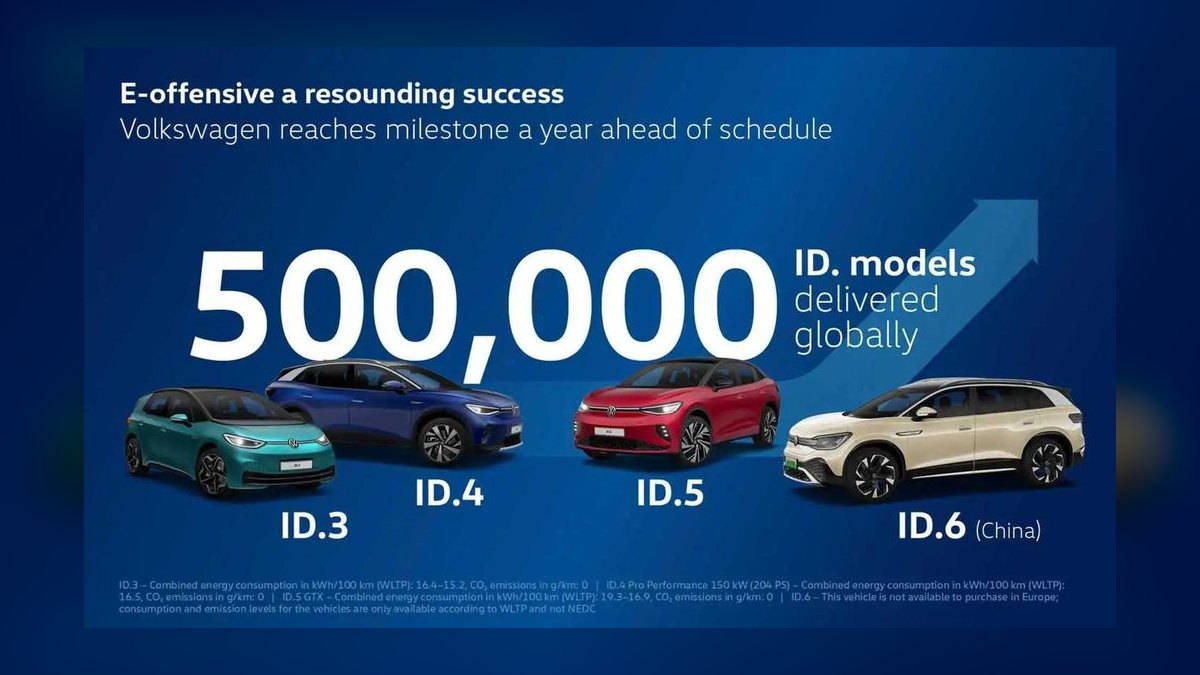
Volkswagen ID.4 — around $39,000, EPA-estimated around 290 miles. Rear-drive form squeaks under the cap. Roughly an 82-kWh pack, spacious cabin, large cargo area, settled highway ride, quiet interior. The most interior space of anything on this list, which matters if the car's job is hauling people and gear.
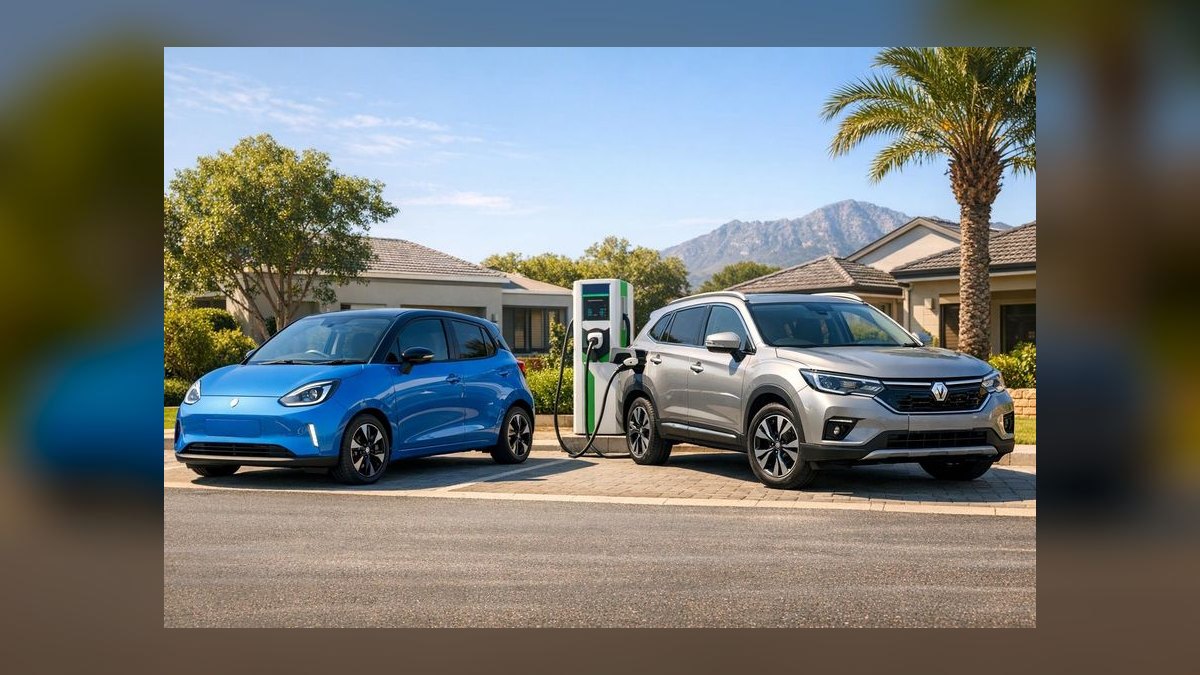
Hyundai Ioniq 5 — around $39,000 for qualifying trims, EPA-estimated around 245 to 290 miles depending on configuration. Sneaks under the ceiling in standard-range and entry long-range trims and brings the same 800-volt fast charging as the Ioniq 6. Flat floor, sliding rear bench, retro-modern cabin. The most flexible interior in the group for the money.
A few benchmarks to hold against those figures. Cold weather commonly reduces usable range by 20 to 30 percent, and the penalty is worst on short trips where cabin heating dominates — a car rated at 250 miles can behave like a 180-mile car in a hard January. Sustained 70-plus mph highway driving typically costs 10 to 15 percent against the EPA number, because aerodynamic drag rises with the square of speed. Home Level 2 installation commonly runs $500 to $2,000 depending on panel capacity and the run length to the garage, with some utilities offering rebates that materially cut it. Federal credits of up to $7,500 may apply depending on battery sourcing and final assembly, and state programs commonly add $1,500 to $5,000 — but eligibility rules change, so verify against current program terms rather than a review's assumptions. Maintenance runs lower than a comparable gas car — no oil changes, no exhaust, no transmission service — with five-year savings often estimated in the low thousands, partially offset by faster tire wear from the extra mass.
Trade-offs, alternatives, and the paths just outside this list
The honest framing is that this segment forces four trades, and most buyers only notice one of them.
Range versus body style. Aerodynamics is why the Ioniq 6 tops the range chart. A sedan pushes a smaller, cleaner hole through the air than a crossover with a similar pack, so it converts kilowatt-hours into highway miles more efficiently. If you want maximum range for the dollar, you are being pushed toward a sedan whether or not a sedan is what you want. Buyers who need a tall hatch and a wide opening pay a range tax for that shape, and no amount of shopping avoids it.

Battery size versus everything else. A bigger pack costs money, adds mass, wears tires faster, and takes longer to fill from empty. It buys you fewer stops on trips you take four times a year. Under-buying range is a recoverable mistake for a home charger — you add a stop on a long drive. Over-buying is a permanent one: you paid the money, and you carry the weight every day.
Charging architecture versus purchase price. The 800-volt cars command a premium in this bracket. For a home-charging household with rare trips, that premium is close to unrecoverable. For an apartment dweller charging publicly every week, it is the highest-value money in the whole configuration.
Reliability and service versus product excitement. The Toyota bZ is not the most thrilling car here and does not pretend to be. It comes with a service network and a reputation. For a household that keeps cars ten years and lives an hour from the nearest specialist, that is worth more than a faster charge curve.
Three alternatives sit just outside this list and deserve a serious look before you sign.
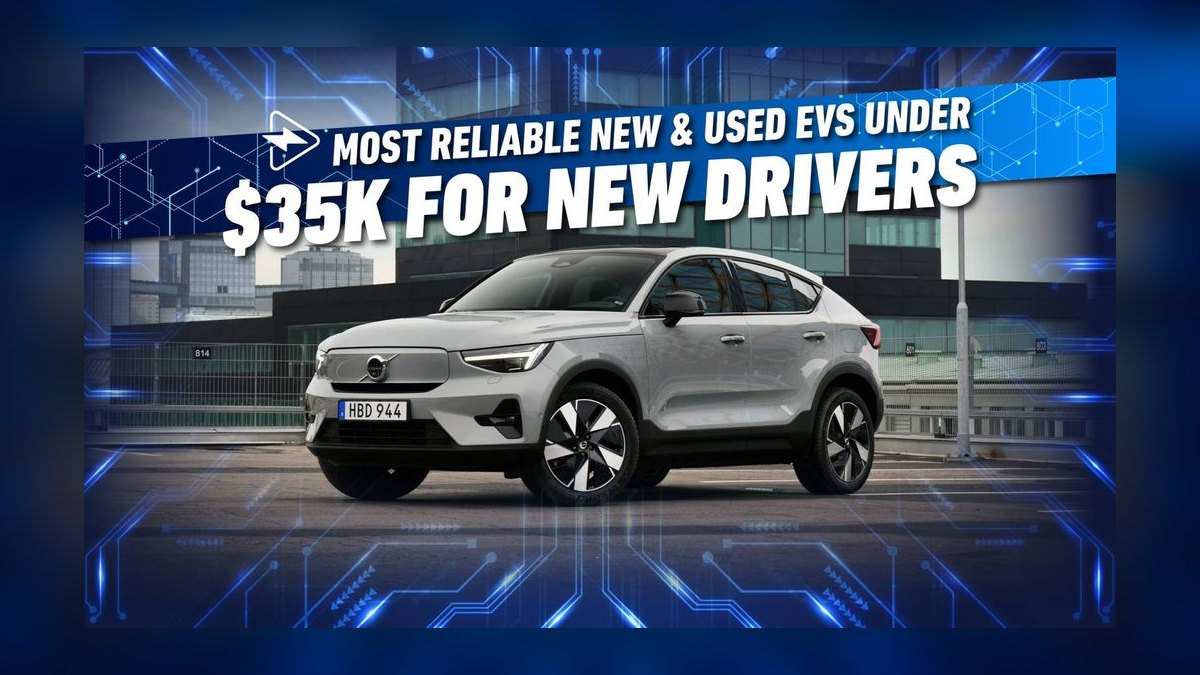
A lightly used long-range EV often lands under $40,000 with more range and more equipment than anything new at that price, because EVs have depreciated steeply as the new-car segment improved. The risks are battery history and remaining warranty coverage — ask for a state-of-health readout, not just a mileage number, and confirm how much of the typical 8-year/100,000-mile battery warranty transfers.
A plug-in hybrid is the right answer for a specific household: no home charging, unpredictable long drives, one car doing every job. It covers a commute on electricity and removes charging from the road-trip equation entirely. It also carries two powertrains to maintain, which erases part of the maintenance advantage.
Leasing is genuinely worth modeling in this segment rather than dismissed as throwing money away. Charging standards, battery chemistry, and pricing are all moving fast. A lease caps your exposure to residual-value risk and to buying into a charging port that becomes the minority standard, and lease structures have sometimes passed through incentives that a cash purchase could not capture. If you would be irritated to own a three-year-old car with the wrong plug, price the lease.
One adjacent effect worth planning for: the home electrical panel. If you have a full 200-amp panel with a modern load center, a Level 2 circuit is routine. If you have a 100-amp panel already carrying electric heat, a range, and a dryer, you may need a load-management device or a service upgrade, and a panel upgrade can rival the cost of the charger itself. Get an electrician to look before you finalize the car budget — that quote belongs in the same spreadsheet as the purchase price.
Common pitfalls and how to avoid them
Buying range you will never spend. The most common and most expensive error. Track your actual daily mileage for two weeks before shopping. If the typical day is under 50 miles and you charge at home, a 250-mile car is generously sized. Put the difference toward the charger installation and winter tires.
Ignoring the charge curve. Peak charging power is a marketing number; sustained power across the 10-to-80 band is the one that determines how long you stand at a charger. Look for the 10-to-80 time, not the peak kW figure. The 18-minute versus 40-minute gap is real and it repeats every trip.
Treating the EPA figure as a promise. It is a standardized comparison, not a forecast for your commute. Derate 10 to 15 percent for sustained highway speed and 20 to 30 percent for hard cold, then ask whether the number still works. If a car only clears your longest regular drive using the EPA figure at face value, it does not actually clear it.
Skipping the panel and charger quote. People budget the car to the dollar and treat the home charger as an afterthought, then discover a service upgrade. Get the electrician's number before you commit.
Assuming an incentive without verifying it. Federal eligibility depends on battery sourcing and final assembly rules that change, and state programs have funding caps and waiting lists. Confirm eligibility against the current official program terms for the specific trim and build you intend to order, and treat any credit as unconfirmed until the paperwork says otherwise.
Not verifying charging near the places you actually go. National network maps are reassuring in aggregate and irrelevant in the specific. Map the chargers on your two most common long routes and along your daily corridor if you cannot charge at home. Check which networks are represented, what plug they use, and whether your candidate cars can use them without an adapter.
Test-driving one car. Seat comfort, software responsiveness, one-pedal-driving behavior, visibility, and ride quality vary far more between these cars than the spec sheets suggest, and those are the things you interact with daily. Drive at least two — ideally the value pick and the charging pick — back to back on the same day. The one that annoys you least is usually the correct answer.
Forgetting tires and insurance in the running-cost math. EVs are heavier and deliver instant torque, so tires wear faster and replacement rubber is often a specific low-rolling-resistance spec that costs more. Insurance premiums can also run higher on some EVs. Get a quote before you buy — it is a five-minute call that occasionally changes the ranking.
Related questions
Is 250 miles of range enough?
For a household that charges at home and drives under 50 miles a day, yes — comfortably. Two hundred fifty miles becomes marginal only if you regularly drive 200-plus miles between charging opportunities, or you live somewhere with hard winters and no garage, where cold can cut usable range 20 to 30 percent.
Does fast charging damage the battery?
Occasional DC fast charging is fine and is what the system is designed for. The wear factors are heat and sustained time at high state of charge, so exclusive reliance on fast charging to 100 percent is harder on a pack than nightly Level 2 charging to 80 percent. Most warranties run 8 years or 100,000 miles.
Should I buy new or used at this budget?
A lightly used long-range EV often delivers more car per dollar than anything new under $40,000, because early EVs depreciated steeply. The trade is battery history and warranty remainder. Ask for a state-of-health reading and confirm how much battery coverage transfers to you.
What if I cannot charge at home?
Weight charging architecture heavily and prioritize the 800-volt cars, where a 10-to-80 stop runs roughly 18 minutes instead of 40. Also verify which fast-charging networks operate near your home and work. If neither is convenient, a plug-in hybrid may genuinely serve you better.
How much does a home charger really cost?
Level 2 installation commonly runs $500 to $2,000, driven by panel capacity and the wiring run to the parking spot. Older or heavily loaded panels may need load management or a service upgrade, which can cost as much as the charger. Many utilities offer rebates worth checking first.
FAQ
What is real-world range like on these EVs?
Real-world range depends on temperature, speed, and terrain. Most cars in this bracket deliver somewhere between 200 and 360 miles depending on model and configuration. Expect roughly a 10 to 15 percent reduction from the EPA figure at sustained 70 mph, and 20 to 30 percent in hard cold weather, with the cold penalty worst on short trips where cabin heating dominates the energy draw.
How fast do these cars charge on a road trip?
It depends on architecture. The 800-volt cars, including the Hyundai Ioniq 6 and Ioniq 5, can go from 10 to 80 percent in roughly 18 to 20 minutes. Most 400-volt cars in this bracket take 30 to 45 minutes for the same window. That gap compounds across every stop of a long drive, which is why it matters more than raw range on trips.
Do federal or state incentives still apply?
Credits of up to $7,500 may apply at the federal level, but eligibility hinges on battery sourcing and final assembly rules that change over time. Many states add rebates commonly in the $1,500 to $5,000 range, sometimes with income caps or limited funding. Verify eligibility for your specific trim and build against current official program terms before assuming any discount.
How do maintenance costs compare with a gas car?
Lower, generally. There are no oil changes, no exhaust system, and no conventional transmission service, and regenerative braking extends brake life significantly. Five-year savings are often estimated in the low thousands versus a comparable gas car. The main offset is tires: the extra battery weight and instant torque wear them faster, and replacements are often a pricier low-rolling-resistance spec.
How long do the batteries last and what is covered?
Manufacturers typically warrant the battery for 8 years or 100,000 miles against excessive capacity loss, and some states require longer coverage. Real-world fleet data has generally shown packs retaining a large majority of their original capacity well past that mark, with degradation heaviest in the first year or two and then flattening. Charging habits and climate are the biggest variables.
Which of these is the best pick for a first EV?
If you charge at home and want maximum space per dollar, the Chevrolet Equinox EV around $34,000 with up to 319 miles is the easiest recommendation. If your budget is tighter, the Nissan Leaf or Chevrolet Bolt EV near $30,000 do the job. If you cannot charge at home or take frequent long trips, stretch to an 800-volt Hyundai for the faster charging.
Sources
- https://www.fueleconomy.gov
- https://www.caranddriver.com
- https://www.motortrend.com
- https://www.edmunds.com
- https://www.kbb.com
- https://www.consumerreports.org/cars/
- https://www.epa.gov/greenvehicles
- https://afdc.energy.gov/fuels/electricity-locations
- https://www.energy.gov/energysaver/electric-vehicles
Related on PULSE
- [Best Long-Range EVs in 2027](/knowledge/ca0382)
- [Best EVs for Families in 2027](/knowledge/ca0387)
- [Best Used EVs in 2027](/knowledge/ca0386)
- [Best EVs for Cold Weather in 2027](/knowledge/ca0385)
- [Best Performance EVs in 2027](/knowledge/ca0384)
- [Top 10 Affordable EVs 2026 — Best Overall + Best Value](/knowledge/ca0254)
This page will be disappearing soon. Save it to your device for $1 — or read it free while it is here.
@Kory-White- · if Venmo asks, the last 4 of my number are 2012
 pulse-carsBest Volkswagen GTI Generations (Ranked) in 2027
 pulse-carsTop 10 Hybrid Minivans 2027 — Best Overall + Best Value
 pulse-carsBest EVs for Cold Weather in 2027
 pulse-carsBest Ford EcoSport Model Years (Ranked) in 2027
 pulse-carsBest Honda Crosstour Model Years (Ranked) in 2027
 pulse-carsTop 10 Full-Size SUVs 2027 — Best Overall + Best Value
 pulse-carsBest Cadillac XT5 Model Years (Ranked) in 2027
 pulse-carsTop 10 Hybrid Trucks 2027 — Best Overall + Best Value
 pulse-carsTop 10 SUVs 2010 — Best Overall + Best Value
 pulse-carsTop 10 Muscle Cars 1968 — Best Overall + Best Value