


Best Noise-Cancelling Earbuds for Sales Reps in 2027: Top 10 Ranked
Quality
Certified
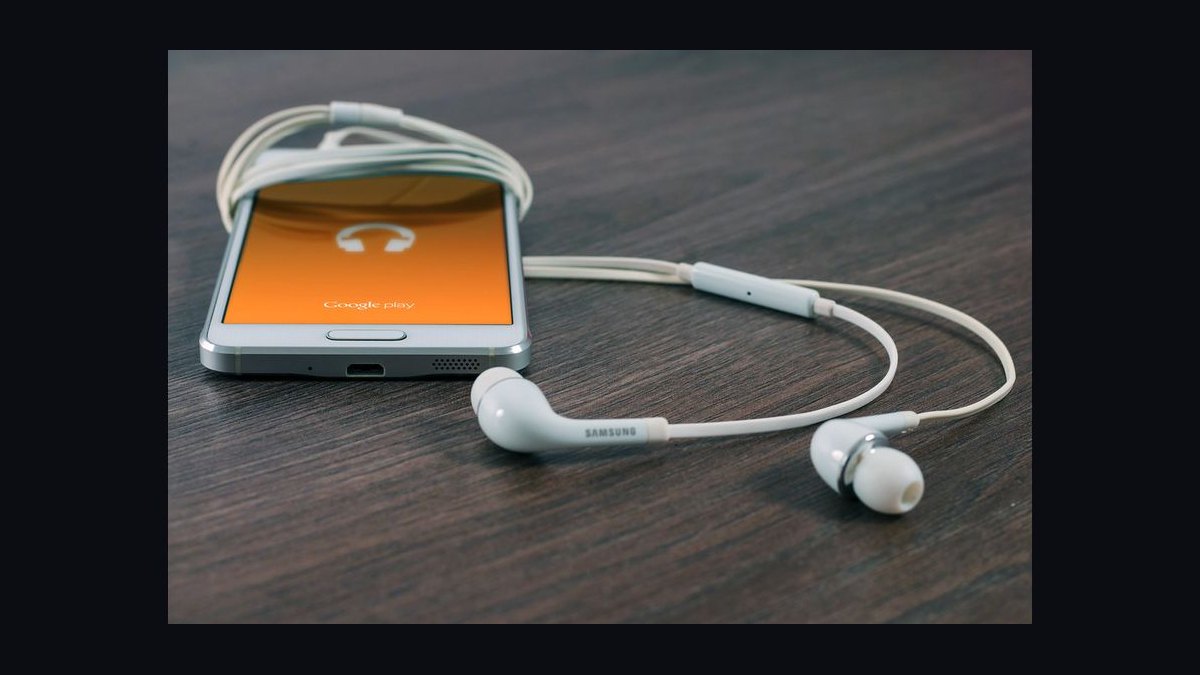
The best noise-cancelling earbuds for sales reps in 2027 win on microphone clarity first, active noise cancellation second, then comfort, battery, and multipoint pairing. Apple's AirPods Pro 3 fit Apple-ecosystem reps best; Jabra's Elite 10 Gen 2 delivers business-grade call quality across mixed devices at a lower price. Heavy travelers should choose Sony or Bose.
The two front-runners, compared head to head
Every ranked list of sales earbuds eventually collapses into one real decision: Apple AirPods Pro 3 or Jabra Elite 10 Gen 2. The rest of the field — Sony, Bose, Sennheiser, Technics, Samsung, Google, Anker — are specialists that win a specific slot, and I'll cover those, but the two front-runners cover roughly eight out of ten sales seats.
The AirPods Pro 3 sit around $249 street. What you are buying at that price is not raw audio superiority; it's the ecosystem behavior. If your rep carries an iPhone, works on a MacBook, and occasionally joins a call from an iPad, the buds follow the audio automatically. There's no menu, no re-pair, no "hang on, my earbuds are still connected to my phone." That sounds small until you count how many times a day a rep switches surfaces: a Teams call on the laptop, a callback dialed from the mobile softphone, a voice memo after a site visit, then a Zoom demo back on the laptop. Twenty-plus switches a day is normal for a field seller. Apple's handoff removes twenty small frictions, and the call microphone in the Pro 3 generation is materially better than it was two generations back — prospects stop asking "are you in a tunnel?"
The Jabra Elite 10 Gen 2 runs closer to $180–$199. Jabra's advantage is that the company has been building business headsets for contact centers for decades, and that lineage is audible on the far end of the call. The multipoint implementation — holding a laptop and a phone connection simultaneously and switching between them — is the most reliable in this price band, and critically it is not platform-locked. A Windows laptop plus an Android phone is a first-class configuration for Jabra, whereas it's a compromise for AirPods. If your team is mixed-device, or if you buy in bulk and can't guarantee what hardware each rep carries, Jabra removes a support burden.

The honest trade-off: AirPods Pro 3 have the smoother experience and the better ANC-plus-transparency blend; Jabra has the better far-end voice pickup, longer battery, and roughly $60 lower cost per seat. On a 40-rep team that difference is about $2,400 — real money, but not decisive if half your reps already live on iPhones and would otherwise fight the hardware.
Two adjacent points worth flagging, because they shape the decision more than spec sheets do. First, earbuds are not the only form factor competing for this budget. A UC-certified over-ear headset still beats every earbud on pure microphone quality and on wearing comfort across a six-hour dial block, and it costs about the same. Inside-sales pods that never leave the building are often better served by headsets, with earbuds as the travel backup. Second, the buying decision usually sits with a RevOps or enablement lead, not the rep, and that means it interacts with your existing device management and expense policy — a topic I'll return to under sequencing.
How to decide between them
The decision tree below is the one I'd hand to an enablement lead running a refresh. It resolves in three questions, and the ordering matters: environment first, ecosystem second, budget third. People instinctively start with budget, which is why so many teams end up with cheap buds that reps quietly stop using.
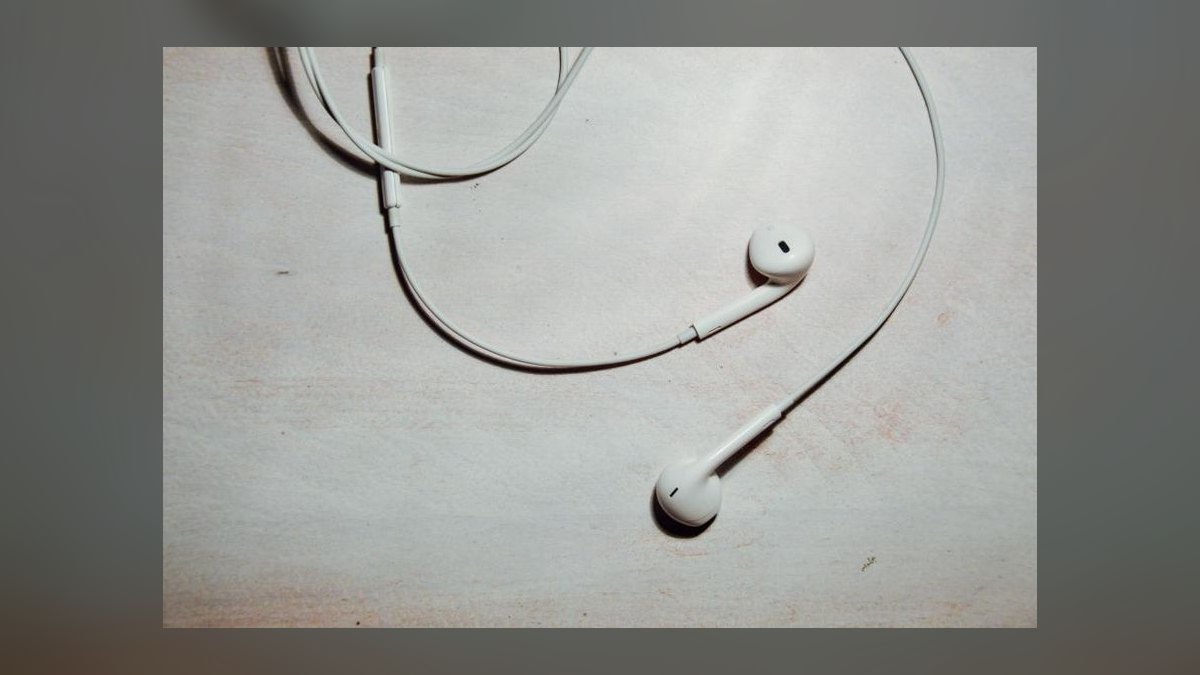
Start with environment because it sets the floor on ANC. A rep who flies weekly is fighting 75–85 dB of cabin noise for hours at a stretch; the difference between excellent and merely good noise cancellation is the difference between arriving able to work and arriving fried. A rep in a private home office is fighting an HVAC hum and an occasional dog. Paying a $100 premium for class-leading ANC in the second case is waste — that money is better spent on a better microphone or a second charging case.
Ecosystem comes second because it determines whether the buds cause daily friction or disappear. Mixed-device reps need genuine multipoint. Apple-only reps get something better than multipoint from Apple's automatic switching, but they get it *only* inside Apple.
Budget comes last, and it should be expressed as a per-seat range, not a hard cap. Under $150 you're in Anker Soundcore Liberty 4 Pro territory (around $130) — respectable ANC, decent calls, long battery, and genuinely fine for an SDR pod doing internal and cold-call work. The $150–$250 band is where the front-runners live and where most reps should land. Above $250 you're buying specialist strengths: Sony WF-1000XM5 (~$280) for the quietest possible cabin, Bose QuietComfort Ultra (~$300) for all-day comfort plus near-equal quiet, Sennheiser Momentum True Wireless 4 (~$300) for the best music listening, Technics EAH-AZ100 (~$300) when voice pickup is the single most important attribute.
One refinement worth adding to that tree in practice: run it per-segment, not per-company. A 60-person revenue org typically has three distinct segments — field AEs, inside AEs, and SDRs — with genuinely different needs. Buying one SKU for all three is the single most common procurement mistake I see. It produces a spec that is simultaneously too expensive for the SDR pod and not good enough for the field team.
The concrete numbers behind each option
Spec sheets quote battery in the friendliest possible condition: music playback, moderate volume, ANC on, room temperature. Voice calls are harder on a battery than music because the microphones and the noise-suppression DSP run continuously. Budget roughly a 15–25% haircut off the quoted figure for call-heavy use.
Apple AirPods Pro 3 — about $249. Quoted around 6 hours with ANC on for listening; expect roughly 5–5.5 hours in mixed use with moderate volume and occasional calls. The case carries about 24 hours of total charge. Fast charge is the real feature here: a few minutes in the case buys back roughly an hour of talk time, which is enough to rescue an afternoon call block. Strengths: ANC quality, transparency mode, automatic device switching, a call mic that finally holds up in a moving car. Weakness: it is an Apple-first product and the experience degrades noticeably on Android.
Jabra Elite 10 Gen 2 — about $180–$199. Quoted around 8 hours, realistically 6.5–7 hours when a big share of that time is voice calls. The case adds roughly 28 hours. Strengths: far-end voice clarity, reliable multipoint across laptop and phone, comfortable semi-open fit that many people can wear longer than a sealed tip. Weakness: ANC is strong but not class-leading — on a long-haul flight you will hear more of the engine than a Sony or Bose owner does.
Sony WF-1000XM5 — about $280. Quoted around 8 hours, realistically about 7 hours listening and closer to 5.5 hours when calls dominate. This is the ANC benchmark in the earbud category: low-frequency cancellation is exceptional, which is exactly what airplane cabins, train carriages, and HVAC systems produce. Call mic is solid rather than best-in-class. Buy it for reps who fly.
Bose QuietComfort Ultra Earbuds — about $300. Quoted around 6 hours, realistically near 5 with ANC plus calls — the smallest practical battery in the premium tier. What you get in exchange is the most comfortable long-wear fit in the group and ANC that trades blows with Sony. If your rep wears buds four-plus hours a day, comfort stops being a luxury spec and becomes the reason they keep them in.
Jabra Engage UC earbuds — about $250. These are the contact-center answer: UC-certified, tuned specifically for softphone integration with Teams and Zoom, with a convertible earhook option for stability. Not the buds you'd choose for a flight, absolutely the buds you'd choose for eight hours of back-to-back dials.
Samsung Galaxy Buds3 Pro — about $250. Strong ANC, good calls, and the same seamless-switching magic Apple offers, except inside the Samsung/Android ecosystem. If your team is standardized on Galaxy phones, this is the AirPods-equivalent answer.
Sennheiser Momentum True Wireless 4 — about $300. Excellent sound, long battery, solid ANC, good call mic. This is the pick for the rep who also uses these buds as their primary music and podcast device and cares about it.
Technics EAH-AZ100 — about $300. Consistently praised for voice pickup and call quality. If your single biggest complaint is "prospects can't hear me clearly," this is the targeted fix.
Google Pixel Buds Pro 2 — about $229. Good ANC, clear calls, tight Google-services integration. The right call for Pixel-standardized teams.
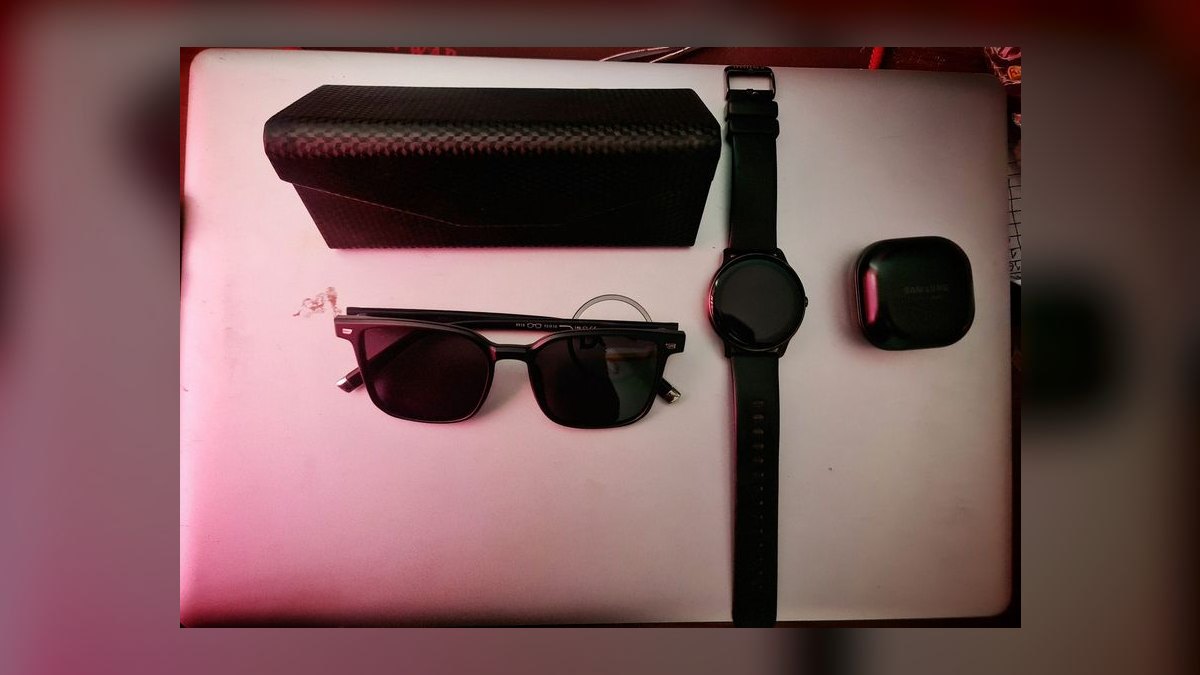
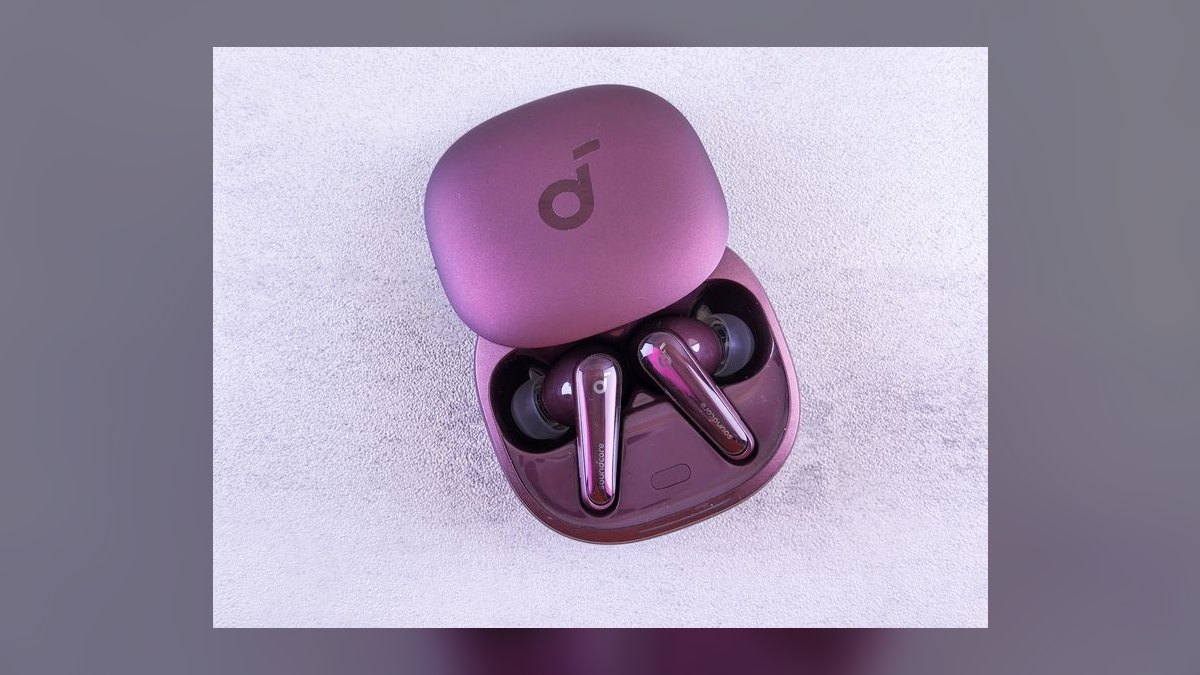
Anker Soundcore Liberty 4 Pro — about $130. Respectable ANC, decent call quality, long battery, at a price that lets you equip an entire SDR pod for what four premium pairs cost. Mic clarity won't match the premium tier, but for internal standups and high-volume cold calling it is entirely adequate.
Run the per-seat math before you commit. Twenty SDRs at $130 is $2,600; the same twenty at $300 is $6,000. That $3,400 delta buys a lot of dialer seats or a conversation-intelligence license. Conversely, ten field AEs at $130 will generate support tickets, re-buys, and at least a few calls where a prospect couldn't hear a pricing number clearly — which costs more than the $1,700 you saved.
Note the replacement cycle too, because it's the number most teams forget. Earbud batteries are consumables. Real-world usable life on a heavily-used pair is roughly 18–30 months before the per-charge runtime drops enough to annoy the rep. Amortize accordingly: a $250 pair replaced every two years is about $10.40 a month per rep — trivial next to fully-loaded rep cost, which is the argument that usually unlocks the budget.
Implementation, rollout, and the workflows around it
Buying is the easy half. The rollout is where teams lose the value, and the sequencing below is what actually works.
Pilot before you standardize. Buy three to five pairs of your two finalists and put them on real reps for two weeks — one field seller, one inside seller, one SDR, and ideally one person with an unusual ear shape or who wears glasses. Fit is not universal, and a bud that seals perfectly for one rep will fall out of another's ear on a walk across a parking lot. Two weeks is long enough to surface the failures that a 20-minute desk test hides.
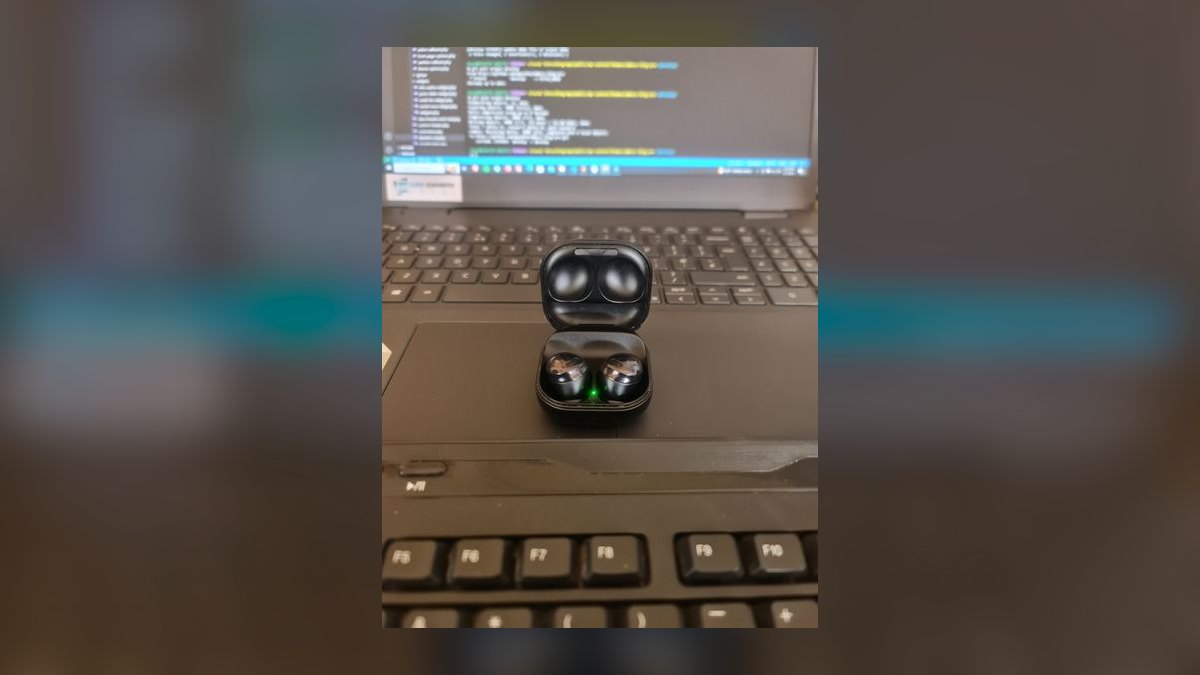
Test the microphone the way prospects will hear it, not the way you hear it. Three tests, each takes five minutes. First, the wind test: stand outside in a moderate breeze and record a voice memo, then listen back for buffeting and thinness. Buds with mesh wind screens and bone-conduction voice assist handle this far better than those without. Second, the background-noise test: play a busy-café recording out loud, call a colleague, and ask them directly whether they hear the café or just you — do not judge this yourself, since your own ears are compensating. Third, the handoff test: start a call on the laptop, then move it to the phone mid-conversation and count the dead-air seconds. Under a second is good; two to five seconds is the thing that produces "sorry, say that again" in front of a buyer.
Decide the ownership and expense model up front. Three viable models. Company-purchased and company-owned means IT tracks the asset and reclaims it at offboarding — cleanest for finance, most friction at the moment a rep needs a replacement fast. A stipend (commonly $150–$250 per rep on a two-year cycle) pushes the choice to the rep, which raises satisfaction and kills your ability to standardize. A hybrid — company buys a default SKU, rep may pay the difference to upgrade — gets you most of both, and it is what I'd recommend for teams over about 25 reps.
Wire it into onboarding. New-hire day-one kit should include the buds, the charging cable, and a one-page card with the pairing steps for your specific softphone. Reps who pair their buds correctly on day one keep using them; reps who fight it for a week fall back to their phone's speakerphone and never come back.
Watch the downstream effect on your call data. This is the part RevOps cares about and hardware reviews never mention. If you run conversation intelligence — Gong, Chorus, or similar — audio quality on the rep's side directly affects transcription accuracy, which affects talk-ratio metrics, keyword tracking, and any coaching score derived from them. A team on poor microphones generates noisier transcripts and therefore noisier coaching data. When you upgrade hardware mid-quarter, expect a small discontinuity in those metrics and annotate it, or someone will read a transcription-quality improvement as a behavior change and coach against a ghost.
Sequencing note on replacement. Don't refresh the whole fleet at once. Stagger by cohort so you always have a working control group and so a bad SKU choice doesn't strand the entire team. Refreshing a third of the fleet each year also smooths the budget line, which makes it far easier to defend.
Adjacent gear that changes the answer
Earbuds don't operate alone, and two neighboring purchases materially shift which pair is right.
The headset question. For a rep who sits in one place and dials for six hours, a UC-certified over-ear or on-ear headset is the better tool: bigger drivers, a boom mic positioned close to the mouth, no in-ear fatigue, and a mute button you can find without looking. The boom mic is the decisive advantage — physical proximity to your mouth beats any amount of DSP. Many teams get this exactly right by issuing a headset as the primary device and earbuds as the mobile secondary, at a combined cost that's often less than one premium earbud plus the productivity loss from a bad fit.
The laptop and webcam question. If your reps run video demos, microphone quality is one of three inputs to how professional they appear; camera and lighting are the others, and they're usually the cheaper fix. A rep with excellent earbuds on a five-year-old laptop webcam still looks worse than a rep with mid-tier buds and a decent external camera. If you have one budget line and both problems, fix the camera first and the microphone second — buyers forgive mediocre audio more readily than they forgive a dark, grainy face, right up until the audio is bad enough to force a repeat.
The phone and softphone stack. Multipoint only matters if the rep genuinely works across two devices. Teams that run a browser-based dialer on the laptop and route mobile calls through the same softphone effectively collapse to one audio endpoint, and the multipoint premium stops earning its keep. Check how your stack actually routes audio before you pay for a feature your workflow doesn't use.
Transparency mode is underrated for field reps. A seller walking through a client's facility, a trade-show floor, or an airport needs to hear announcements and the person next to them without pulling a bud out. Good transparency — which Apple and Bose do best — is a safety and etiquette feature, not an audio one. It's also the thing that keeps a rep from being the person who walks into a client site visibly wearing sound-blocking hardware, which reads as disengaged whether or not it is.
Related questions
Do sales reps actually need ANC, or is it a nice-to-have?
It depends on environment. For weekly flyers and open-office reps, ANC directly improves call focus and reduces end-of-day fatigue. For a quiet home office, it's a modest comfort upgrade and the money is better spent on microphone quality.
Should we buy earbuds or headsets for an inside-sales team?
Headsets, primarily. A boom mic near the mouth beats in-ear microphones on far-end clarity, and over-ear comfort holds up better across long dial blocks. Issue earbuds as the mobile secondary device for travel and quick calls.
How often should we replace rep earbuds?
Plan on 18–30 months. Batteries are consumables and per-charge runtime degrades steadily. Stagger replacement by cohort — roughly a third of the fleet per year — to smooth budget and avoid stranding everyone on a bad SKU.
Does earbud quality affect conversation-intelligence data?
Yes. Cleaner rep-side audio improves transcription accuracy, which flows into talk ratios, keyword tracking, and coaching scores. Annotate hardware cutovers in your CI tool so a transcription improvement isn't misread as a behavior change.
What's a reasonable per-seat budget?
$130–$150 for SDR pods, $180–$250 for most AEs, and $280–$300 only for reps who travel weekly or whose call clarity is a known problem. Express it as a range per segment, not one company-wide cap.
FAQ
Are these earbuds compatible with both iPhone and Android?
Most of the field works well on both. Jabra, Sony, Bose, Sennheiser, and Technics are all platform-neutral, with companion apps on iOS and Android for EQ and ANC control. AirPods Pro 3 function on Android as ordinary Bluetooth earbuds but lose automatic device switching and most of the app-level control, so buy them only for Apple-carrying reps. Galaxy Buds3 Pro and Pixel Buds Pro 2 are the mirror image — best inside their own ecosystems.
How long do the batteries actually last for a full workday?
Expect 5–7 hours per charge in real call-heavy use, against quoted figures of 6–8 hours, with cases adding 24–28 hours total. That covers a normal day with one mid-day case drop. Fast charging typically returns one to two hours of talk time in ten to fifteen minutes, which is enough to bridge from a lunch break to the end of an afternoon block.
Do they hold up in genuinely noisy environments like airports?
Sony and Bose lead on low-frequency cancellation, which is exactly the engine hum and HVAC rumble that airports and cabins produce. Apple and Jabra perform well but leave more of that low end audible. No earbud eliminates sharp nearby voices — for a gate-area call, the microphone's voice isolation matters more than the ANC does.
Can I stay connected to my laptop and phone at the same time?
Yes, through multipoint, which most of the top picks support. Jabra and Sony implement it most reliably across mixed hardware. Apple achieves the same outcome differently — automatic switching driven by your iCloud account — which is smoother when everything is Apple and unavailable when it isn't. Test the handoff delay before standardizing; anything over two seconds becomes noticeable on a live call.
What's the realistic price range across this list?
Roughly $130 at the budget end to about $300 at the premium end, with the mainstream picks clustering at $180–$250. Prices move with retailer promotions and generational transitions, so verify current street pricing before a bulk order and ask about volume terms — many business channels discount meaningfully at 25-plus units.
How do I choose the right pair for my specific sales role?
Rank the microphone first, since it determines what the prospect experiences. Then weight ANC by how noisy your actual environment is, multipoint by whether you truly work across two devices, and comfort by how many consecutive hours you wear them. Budget last, expressed per segment — field, inside, and SDR seats justify genuinely different spend.
Sources
- https://support.apple.com/en-us/guide/airpods/welcome/web
- https://www.jabra.com/business
- https://electronics.sony.com/audio/headphones/all-headphones
- https://www.bose.com/c/headphones
- https://www.soundguys.com/
- https://www.rtings.com/headphones
- https://www.pcmag.com/picks/the-best-true-wireless-earbuds
- https://www.nytimes.com/wirecutter/reviews/best-wireless-earbuds/
- https://www.sennheiser-hearing.com/
- https://www.soundcore.com/
Related on PULSE
- Best Business Laptops for Sales Reps in 2027: Top 10 Ranked
- Top 10 Noise-Cancelling Earbuds in 2027 — Best Overall + Best Value
- Best Webcams for Sales Demos in 2027: Top 10 Ranked
- Best Headsets for Sales Teams in 2027: Top 10 Ranked
- Top 10 Noise-Cancelling Headphones for Sales Reps on Phone Calls in 2027
- Top 10 Noise-Cancelling Headphones in 2027 — Best Overall + Best Value
This page will be disappearing soon. Save it to your device for $1 — or read it free while it is here.
@Kory-White- · if Venmo asks, the last 4 of my number are 2012
This page is gone.
This one is off the shelf now. $1 keeps it on your phone for good — the whole page, pictures and diagrams included.
 pulse-reviewsTop 10 Bluetooth Transmitters for TV — Best Overall + Best Value in 2027
 pulse-reviewsTop 10 Posture Correctors — Best Overall + Best Value in 2027
 pulse-reviewsTop 10 Clothes Steamers — Best Overall + Best Value in 2027
 pulse-reviewsHow do I set up a reliable home office network for video calls in 2027?
 pulse-reviewsTop 10 Blue Light Glasses for Sales Reps in 2027
 pulse-reviewsTop 10 Mirrorless Cameras — Best Overall + Best Value in 2027
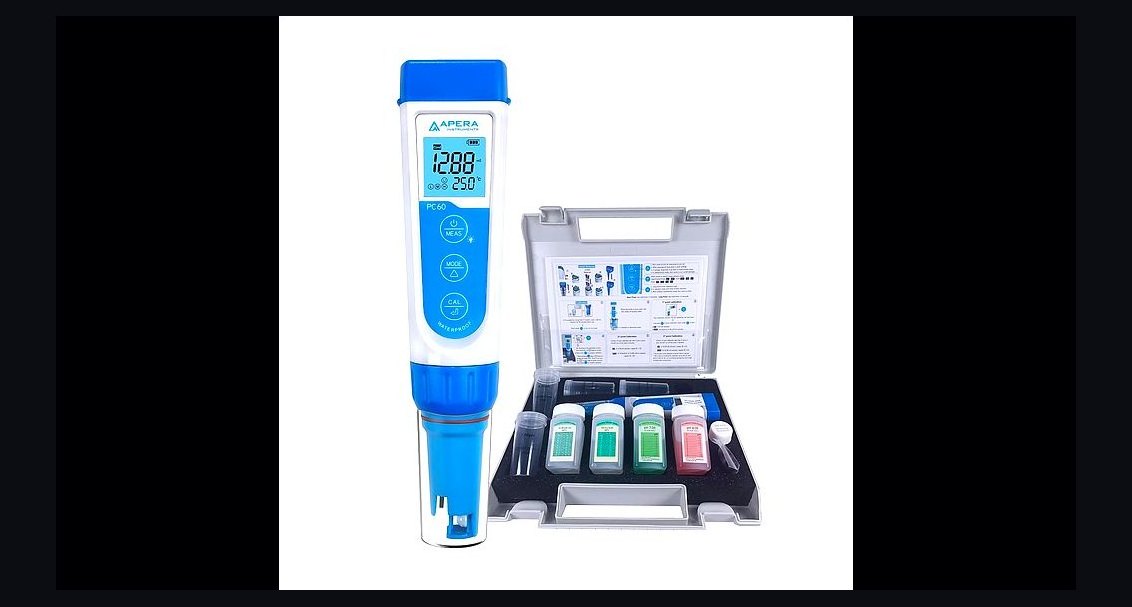 pulse-reviewsTop 10 TDS Water Testers — Best Overall + Best Value in 2027
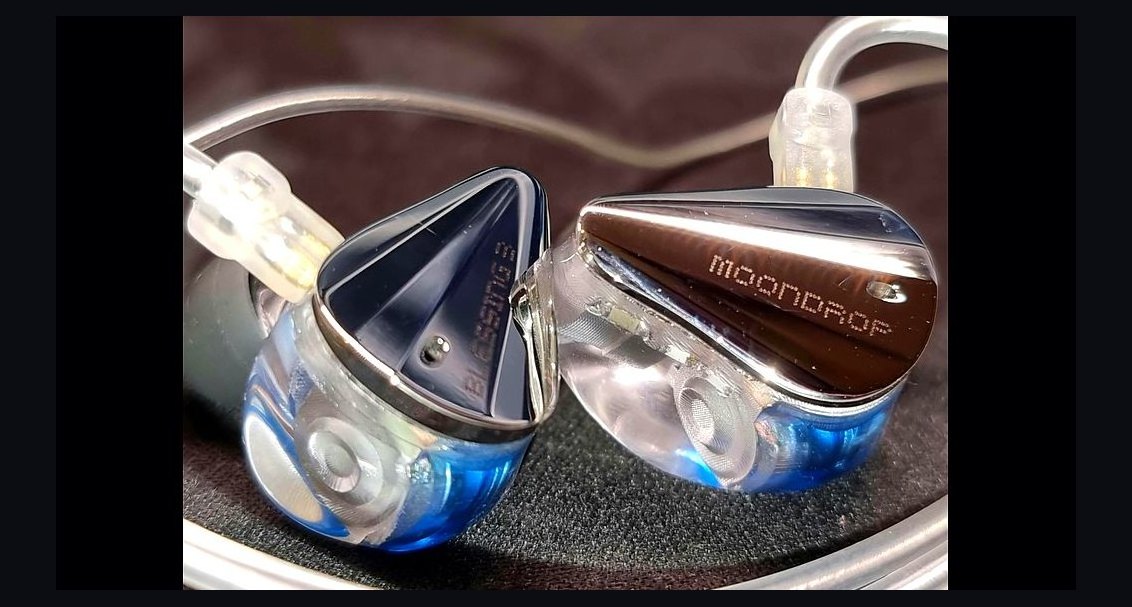 pulse-reviewsTop 10 In-Ear Monitors for Audiophiles — Best Overall + Best Value in 2027
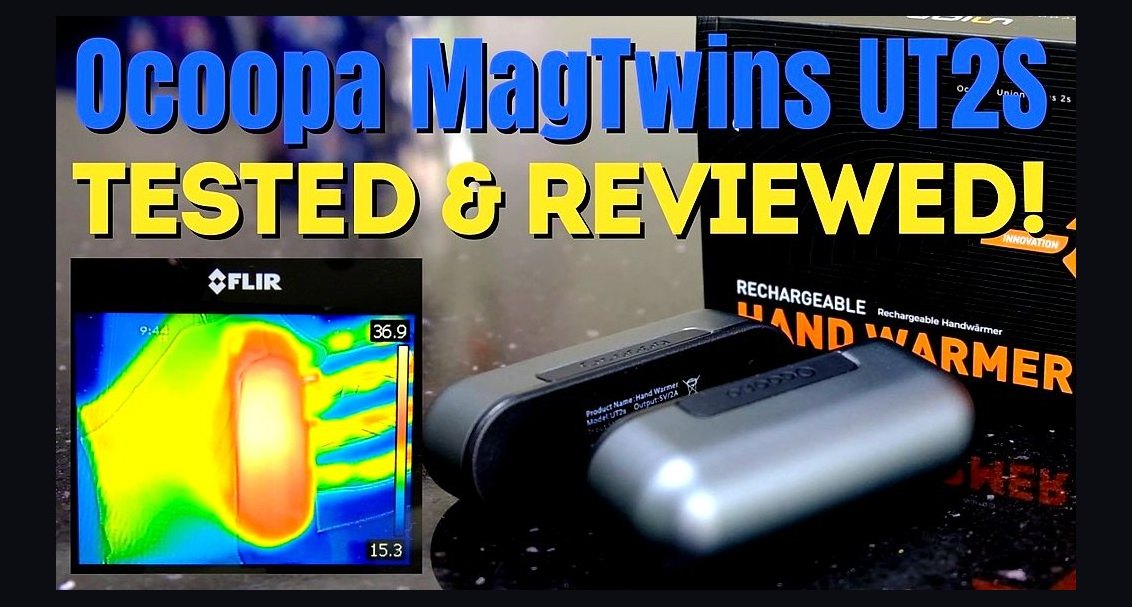 pulse-reviewsTop 10 Rechargeable Hand Warmers — Best Overall + Best Value in 2027
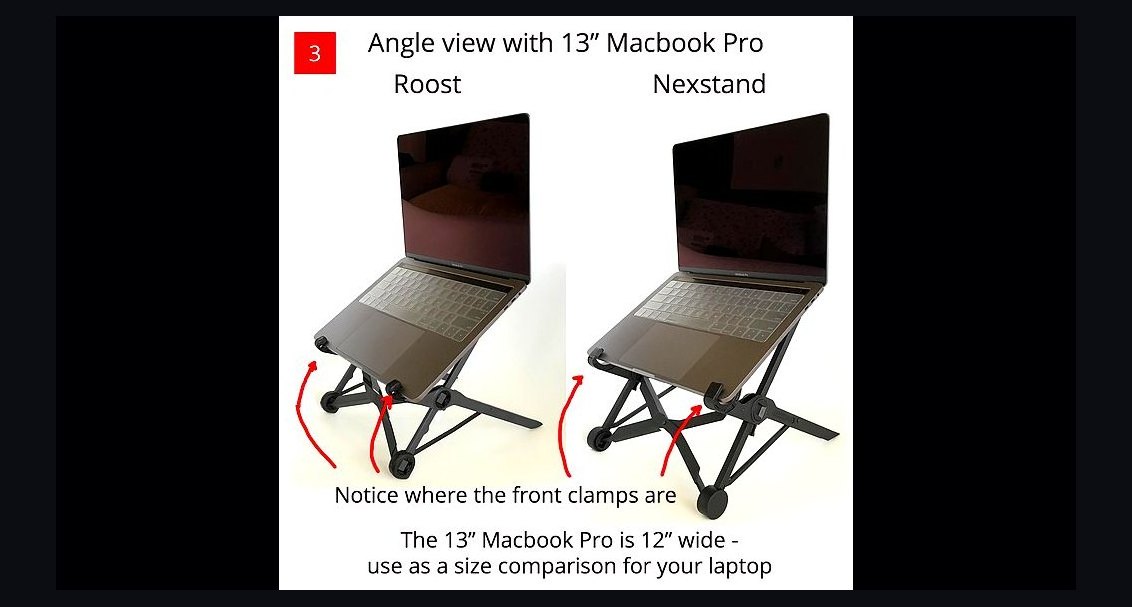 pulse-reviewsTop 10 Laptop Stands for Field Sales Travel in 2027