


How much does it cost to replace the battery in a Bluetooth speaker in 2027?
Quality
Certified
Replacing the battery in a Bluetooth speaker in 2027 typically costs between $15 and $60 in parts if you do it yourself, or $40 to $120 if you pay a repair shop, with total cost depending on speaker size, battery type, and how hard the enclosure is to open. Premium or waterproof speakers with glued shells push toward $80–$150 professionally. Many owners find that once labor is added, replacing an aging budget speaker's battery costs more than buying a new one outright.
The two (or more) options compared
When a Bluetooth speaker's battery starts holding less charge, owners generally face three real paths, not two: replace the battery yourself, pay a repair shop to replace it, or retire the speaker and buy a new one. Each path carries a different cost profile, a different time commitment, and a different risk of damaging the speaker beyond repair, so the "best" choice depends heavily on what the speaker is worth to the owner and how it was built.
DIY replacement means ordering a compatible lithium-ion or lithium-polymer pack — usually by matching the voltage, capacity in mAh, and connector type printed on the original cell — then opening the housing, desoldering or unclipping the old battery, wiring in the new one, and reassembling the unit. This route is cheapest in dollars but demands patience, a heat gun or plastic spudgers for glued seams, a soldering iron for speakers that hard-wire the battery rather than using a connector, and a tolerance for voiding whatever warranty remains. It works best on speakers designed with a few visible screws and a battery that plugs into a JST connector, which is common on mid-range and hobbyist-friendly models.
Professional replacement shifts the labor risk to someone else. A local electronics repair shop or a mail-in repair service will source the battery, open the enclosure safely, and test the speaker afterward, generally with a short warranty on the work. This costs more but avoids the two most common DIY failures: cracking a glued waterproof seal so the speaker is no longer water-resistant, and nicking the flexible ribbon cables that connect the battery board to the amplifier board, which can brick the whole unit.
The third path, buying a new speaker instead of paying to replace a battery, is worth comparing side by side with repair cost rather than treated as a last resort. For any speaker that originally cost under $60, a battery replacement in the $40–$70 range frequently no longer makes economic sense, especially once newer models in that price bracket typically ship with better battery life, updated Bluetooth codecs, and improved water resistance ratings than a three- or four-year-old unit had when new.
How to decide between them (mermaid)
The decision mostly comes down to three questions: how much did the speaker originally cost, how accessible is its battery, and how attached is the owner to that specific unit (a gifted speaker, a discontinued model with a sound signature they like, or one paired with a specific ecosystem). Mapping those questions onto a simple decision flow makes the choice concrete rather than emotional.
Reading the flow left to right, a budget speaker with a screw-down back panel is the clearest DIY candidate, since the parts cost is low and the risk of ruining a $30 speaker is tolerable even if the repair fails. A premium speaker still inside its manufacturer warranty period should almost always go back to the manufacturer, because most brands treat battery degradation as a covered defect if it occurs within one to two years, and attempting a DIY fix voids that coverage immediately. The harder call is the sealed, glued, waterproof speaker outside of warranty: that's where getting an actual repair-shop quote before committing to anything matters most, because the labor to safely open a glued IPX7-rated shell without breaking the seal is the single biggest cost driver in the entire decision.
Concrete numbers behind each option
Parts cost for the battery itself is the most predictable number in this whole process. A generic 18650-style lithium-ion cell used in many mid-size Bluetooth speakers runs $8 to $18 depending on capacity, while a shaped lithium-polymer pack custom-molded to fit a specific speaker model — the kind that comes with the correct connector pre-attached — typically runs $15 to $35. Speakers with unusually large batteries built for 20+ hours of playback, common in party-speaker and boombox-style products, can use packs in the $30 to $60 range because they pack more watt-hours into the same footprint.
Tools add a small but real cost for a first-time DIYer: a basic spudger and opening-tool kit runs $8 to $15, a temperature-controlled soldering iron suitable for battery leads runs $25 to $50 if not already owned, and a heat gun or hair dryer for softening adhesive seals is often already in the house. Factoring in tools on a first repair, total DIY cost for someone starting from zero often lands closer to $50 to $90 even though the battery itself was under $30 — a detail that changes the DIY-versus-shop math for anyone who doesn't already own basic tools.
Professional labor is where the range widens the most. A straightforward battery swap on a speaker with a screw-accessible compartment typically runs $30 to $50 in labor on top of the parts, for a total of $45 to $80. A sealed or waterproof speaker requiring careful re-gluing and a water-resistance re-test after reassembly runs $60 to $100 in labor, pushing total professional cost to $80 to $150. Mail-in manufacturer repair centers, when a speaker is out of warranty but the brand still offers paid repair service, often quote a flat fee in the $50 to $90 range that includes return shipping, which can beat a local shop for less common speaker models a local technician has never opened before.
Comparing those numbers against new-speaker pricing is the step people skip. In 2027, a genuinely comparable replacement in the sub-$60 tier generally offers longer battery life and a newer Bluetooth version than a speaker bought four or five years earlier, which is why a $60–$70 professional repair on an old budget speaker rarely beats simply buying new. That math flips for $150–$400 speakers, where even a $120 professional battery replacement is a fraction of replacement cost and preserves a sound quality tier that would cost hundreds more to rebuy.
Implementation details and sequencing (mermaid)
Whichever path is chosen, skipping steps is what turns a $20 battery replacement into a $0 dead speaker. The sequence below reflects how a careful replacement — DIY or professional — actually proceeds, because the order matters: draining the old battery and confirming the replacement's specs before opening the case prevents the two most common failure points.
Identifying the exact battery specification comes first because ordering the wrong voltage pack is the single most common DIY mistake — a battery rated for the wrong voltage can damage the amplifier board even if it physically fits the connector. The original battery usually has its voltage, capacity, and sometimes a model number printed directly on the wrapper, which is worth photographing before removal in case the label gets damaged during extraction.
Discharging the old battery to near-empty before prying open the case is a safety step that's easy to skip but shouldn't be: puncturing or flexing a swollen or damaged lithium battery while it still holds significant charge is a real fire risk, and speaker batteries that have degraded enough to need replacement are exactly the ones most likely to have some physical swelling. Once the case is open, the disconnect-and-reconnect step benefits from taking a photo of the wiring before pulling the connector, since polarity mistakes on hard-wired (non-connector) batteries can instantly fail the new pack.
Resealing matters most for any speaker that was originally rated water-resistant or waterproof — reusing the original adhesive gasket rarely restores the same IPX rating, so a speaker that goes back outside or near water after a DIY battery swap should be treated as no longer waterproof unless the repair specifically re-sealed it with fresh adhesive designed for that purpose. The final full-charge test-cycle step also catches connector issues early: a battery that charges but won't hold charge past a day usually indicates a bad connection rather than a bad new battery, and it's far easier to reopen the case immediately than after everything has been fully reassembled and used for a week.
Related questions
Is it cheaper to replace a Bluetooth speaker battery or buy a new speaker?
For speakers originally under $60, buying new is usually cheaper once labor or DIY tool costs are counted, since newer budget speakers often outperform older ones on battery life anyway. For $150+ speakers, professional battery replacement in the $80–$150 range is almost always cheaper than replacing the whole unit.
Can any Bluetooth speaker battery be replaced?
Most can, but sealed or fully glued speakers with no visible screws are significantly harder and riskier to open, and a few ultra-compact models glue the battery directly to the circuit board, making replacement impractical without specialized tools.
How long does a Bluetooth speaker battery last before needing replacement?
Most lithium-ion speaker batteries hold meaningful charge for 2 to 4 years of regular use, or roughly 300 to 500 full charge cycles, before capacity drops noticeably enough that replacement becomes worth considering.
Does replacing the battery void a Bluetooth speaker's warranty?
Yes, in almost all cases opening the enclosure yourself voids any remaining manufacturer warranty, which is why a speaker still under warranty should go back to the manufacturer rather than being opened at home.
What tools are needed to replace a Bluetooth speaker battery at home?
A basic plastic spudger or prying-tool kit, a small screwdriver set with security bits, a soldering iron for speakers without a plug-in connector, and often a heat gun to soften adhesive seals on sealed or waterproof models.
FAQ
How much does a replacement battery for a Bluetooth speaker cost by itself? The battery alone typically costs $8 to $35 depending on size and capacity, with unusually large party-speaker batteries running as high as $60. This is separate from labor or tool costs if a shop does the work or the owner needs to buy tools first.
Is it safe to replace a Bluetooth speaker battery myself?
It's generally safe if the old battery is discharged before opening the case and basic precautions against puncturing the cell are followed, but swollen batteries carry real fire risk and should be handled carefully or left to a professional if there's visible bulging.
Do all Bluetooth speakers use the same type of battery? No — most use lithium-ion or lithium-polymer cells, but the shape, capacity, voltage, and connector type vary significantly by brand and model, so a replacement battery has to be matched to the specific speaker rather than assumed interchangeable.
How do I know if my Bluetooth speaker needs a new battery versus a repair? If the speaker won't hold a charge for more than an hour or two, won't power on unless plugged in, or the charge percentage drops unusually fast, the battery is the likely culprit rather than the amplifier or Bluetooth module.
Will replacing the battery restore a waterproof Bluetooth speaker's water resistance? Not automatically — reusing the original adhesive gasket rarely fully restores the original IPX rating, so a DIY repair on a waterproof speaker should be treated as no longer fully water-resistant unless specifically resealed with the right adhesive.
Can a repair shop replace a Bluetooth speaker battery if I don't know the exact model? Yes, a competent shop can usually identify the battery once the case is open, though bringing the original model number speeds up sourcing the correct replacement and avoids a return trip if the wrong part arrives.
Sources
- https://www.ifixit.com/Device/Bluetooth_Speaker
- https://www.batteryuniversity.com/article/bu-808-how-to-prolong-lithium-based-batteries
- https://www.consumerreports.org/electronics/bluetooth-speakers/
- https://www.rtings.com/speaker
- https://www.pcmag.com/picks/the-best-bluetooth-speakers
- https://www.cnet.com/tech/mobile/bluetooth-speaker-buying-guide/
- https://www.epa.gov/recycle/used-lithium-ion-batteries
Related on PULSE
This page will be disappearing soon. Save it to your device for $1 — or read it free while it is here.
@Kory-White- · if Venmo asks, the last 4 of my number are 2012
This page is gone.
This one is off the shelf now. $1 keeps it on your phone for good — the whole page, pictures and diagrams included.
 pulse-reviewsTop 10 4K TVs — Best Overall + Best Value in 2027
 pulse-reviewsTop 10 Drone Cases — Best Overall + Best Value in 2027
 pulse-reviewsTop 10 Wireless Earbuds for Quick Sales Calls in 2027
 pulse-reviewsTop 10 Electric Snow Shovels — Best Overall + Best Value in 2027
 pulse-reviewsTop 10 RV Surge Protectors — Best Overall + Best Value in 2027
 pulse-reviewsTop 10 Smart Microwaves — Best Overall + Best Value in 2027
 pulse-reviewsTop 10 Circular Saws — Best Overall + Best Value in 2027
 pulse-reviewsTop 10 Radar Detectors — Best Overall + Best Value in 2027
 pulse-reviewsTop 10 Blue Light Glasses for Sales Reps in 2027
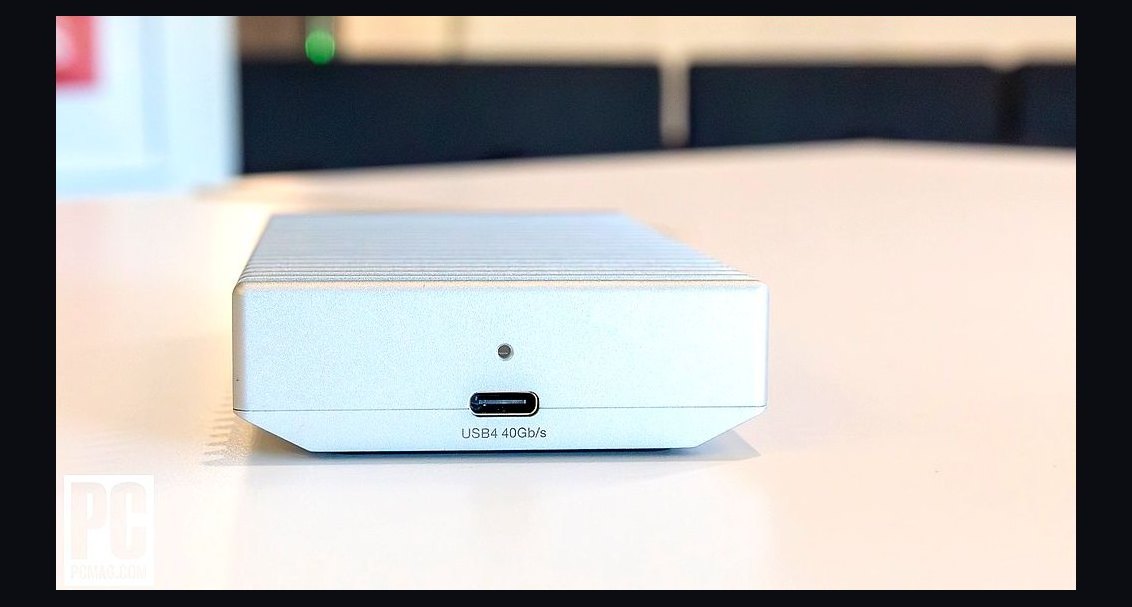 pulse-reviewsTop 10 NVMe SSD Enclosures — Best Overall + Best Value in 2027