


Should I open or buy a Cinnabon franchise in 2027?
Quality
Certified
Probably not as a standalone mall bakery. Cinnabon's enclosed-mall format is structurally declining, and parent GoTo Foods is steering growth toward co-branded and travel-channel sites. A Cinnabon franchise makes sense in 2027 only if you can open a co-brand or airport unit with roughly $400,000 liquid and accept a multi-year payback.
What a Cinnabon franchise actually is in 2027 and why the format matters more than the brand
Cinnabon is a bakery-snack concept owned by GoTo Foods, the multi-brand platform formerly called Focus Brands that also holds Auntie Anne's, Carvel, Jamba, Moe's Southwest Grill, McAlister's Deli, and Schlotzsky's. That ownership structure is not trivia — it is the single most important fact in any 2027 investment decision, because it explains why the brand's development pipeline has shifted away from the format most prospective franchisees picture when they think "Cinnabon."
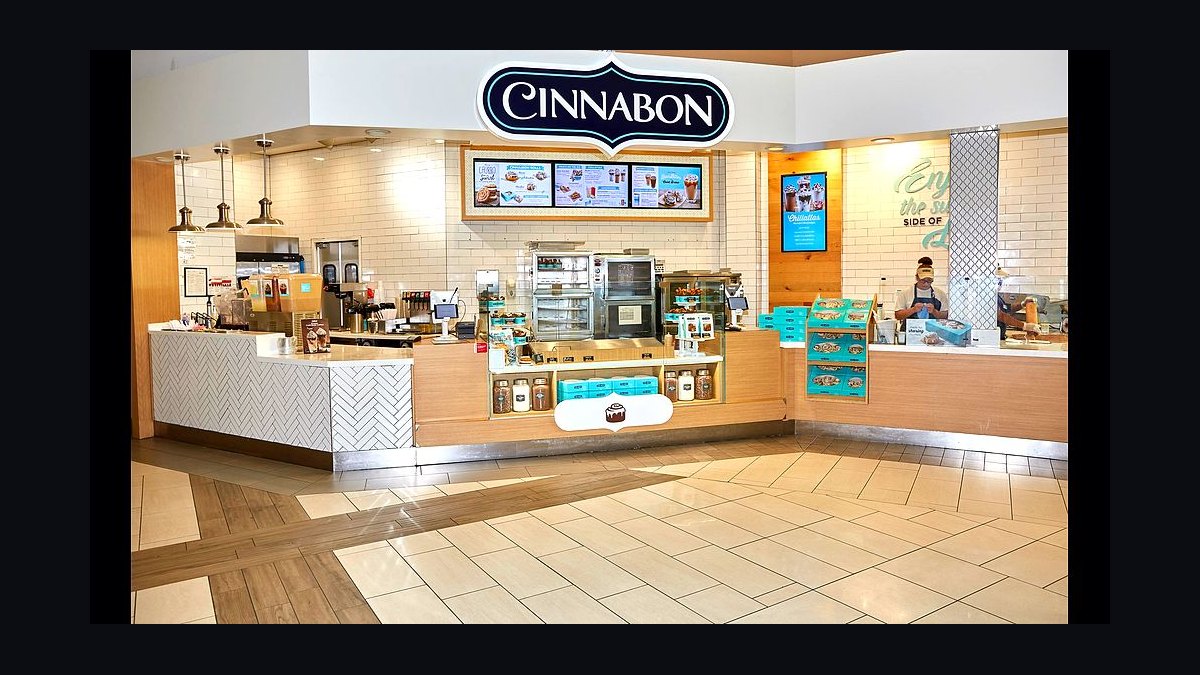
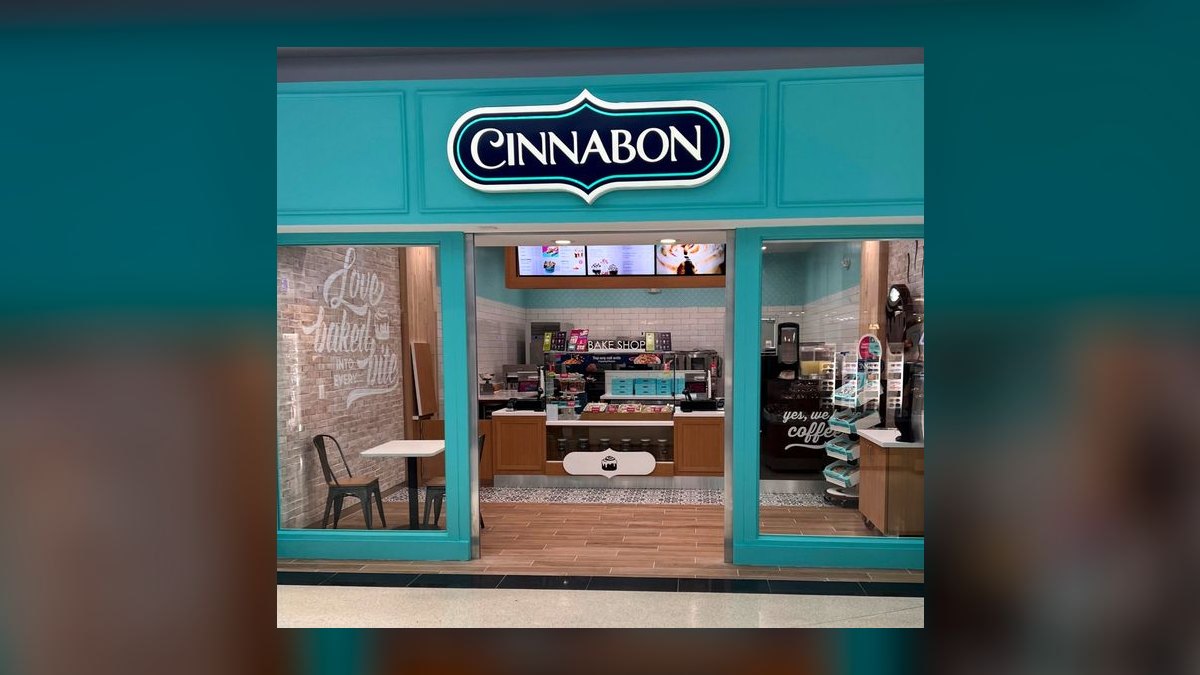
The classic Cinnabon is an enclosed-mall bakery: a small footprint, often 400 to 800 square feet, sometimes an inline store and sometimes a kiosk, selling Classic Rolls, MiniBons, BonBites, Chillattas, and coffee. The business model is aroma-driven impulse purchase. You are not a destination; you are an interception. Foot traffic walks past, smells cinnamon and margarine baking, and converts. That model is exquisitely leveraged to one variable: how many people walk past your oven every day.
That variable has been deteriorating for a decade. Enclosed-mall traffic in the United States has been in secular decline since well before the pandemic, accelerated through it, and has not recovered to prior levels in most B and C class centers. A-class malls in dense metros still perform. The long tail does not. Because Cinnabon's traditional real estate is disproportionately concentrated in exactly that long tail, the brand's US unit count has contracted rather than grown, and GoTo Foods has been closing underperforming mall units rather than backfilling them.
The company's stated growth answer is co-branding — most commonly Auntie Anne's plus Cinnabon in a single unit, sharing one lease, one labor pool, one point-of-sale system, and one buildout. GoTo Foods has publicly pushed this as its primary unit-growth vehicle, signing co-brand agreements across dozens of states and moving those units out of malls and into streetside endcaps, strip centers, travel plazas, and airports. Restaurant Business, Franchise Times, and FranchiseWire have all covered the pivot in similar terms: outside the mall, the future of these two brands is together.

Why does the co-brand work when the single brand does not? Daypart coverage and labor absorption. A standalone Cinnabon has a brutal sales curve — a mid-morning bump, a strong afternoon-snack window, and dead zones on either side. You still staff the dead zones. Adding Auntie Anne's pretzels puts a savory, lunch-capable product into the same box, which flattens the curve and spreads fixed labor and rent across more transactions per hour. The second brand does not double your costs; it materially raises your ceiling on revenue per labor hour. That is the entire economic thesis, and if you cannot access it, the deal usually does not pencil.
The travel channel works for the opposite reason: captive, high-density, low-price-sensitivity traffic. Airport and turnpike-plaza units routinely post far higher average unit volumes than mall units because the passerby count is enormous, dwell time is high, and travelers are in a treat-yourself posture. The catch is that these sites are rarely available to a first-time franchisee directly. Concession space is typically controlled by large operators — the HMSHosts and SSPs of the world — through master concession agreements with airport authorities, and you enter as a sub-franchisee or through a partnership rather than by signing a standard franchise agreement and picking a spot.
So the honest framing of the question is not "is Cinnabon a good brand?" The product is genuinely strong, the name recognition is national, and the trademark carries into grocery, coffee creamer, and licensing deals that keep the brand culturally alive. The framing is: can you get access to the two formats where the unit economics still work? If yes, this is a real business worth underwriting. If your only realistic option is a mall inline space in a declining center, the brand's strength will not save the P&L.
The step-by-step process from first inquiry to open doors
The path from "I'm interested" to serving a first roll runs roughly nine to fifteen months for a greenfield unit, and the sequencing matters because several steps have long lead times that you want running in parallel rather than in series.

Step one: qualify yourself honestly before you inquire. Franchisors screen on liquid capital and net worth before anything else. Cinnabon's published requirements sit in the range of several hundred thousand dollars liquid with a meaningful net worth minimum, and multi-unit development deals require materially more. If you are below the threshold, no amount of enthusiasm in a discovery call will move you forward, and you will have spent two months learning that. Pull a personal financial statement, mark what is genuinely liquid — cash, marketable securities, not home equity you have not tapped — and compare it to the requirement first.
Step two: request and actually read the Franchise Disclosure Document. The FDD is a federally mandated disclosure delivered at least fourteen calendar days before you sign anything or pay any money. It is long, dull, and the single highest-return document you will read. Item 5 gives the initial franchise fee. Item 6 lists every ongoing fee — royalty, brand fund, technology, transfer, renewal, audit, late charges. Item 7 gives the estimated initial investment range, broken into buildout, equipment, inventory, and working capital. Item 19 is the financial performance representation, which franchisors are permitted but not required to make; if it is thin or absent, you must build your revenue assumptions from franchisee interviews instead. Item 20 gives unit counts by state over three years, plus the contact list for current and former franchisees. Item 21 gives the franchisor's audited financials.
Read Item 20 with particular care. The three-year table showing openings, closures, terminations, non-renewals, and transfers is the least spinnable data in the document. If closures exceed openings year over year, that is the growth story, regardless of what the development brochure says.
Step three: call franchisees — many of them, and the right ones. The Item 20 list includes former franchisees, and those calls are the most valuable ones you will make. Aim for a dozen conversations minimum, weighted toward operators running the format you intend to open. Ask specific questions: actual annual sales, actual food cost as a percentage, actual labor percentage, actual occupancy cost, how long until positive cash flow, whether the franchisor's estimated buildout number matched reality, what the required remodel cycle cost them, and whether they would sign again. A mall operator's numbers tell you almost nothing about a co-brand streetside unit and vice versa.
Step four: real estate, in parallel with everything else. This is the long pole. For a co-brand, you are hunting endcap space in a strip center with strong daily traffic — grocery-anchored is a common target — with adequate parking, visibility from the road, and a landlord willing to contribute tenant improvement allowance. For travel, you are pursuing an RFP through an airport authority or a sublease from an incumbent concessionaire, and those cycles run on the authority's timeline, not yours. Get third-party traffic data rather than trusting the landlord's count; commercial foot-traffic analytics products can pull mobile-location-derived counts for a candidate site for a modest per-report fee.
Step five: financing. SBA 7(a) is the workhorse for franchise acquisition and buildout in this size range. Expect the lender to want a meaningful equity injection from the borrower, personal guarantees, and often a lien on available collateral including a primary residence. Rates are typically quoted as a spread over Prime and reset with it, so model a rate-shock scenario. Franchise brands with an established lending history are easier to underwrite because the lender has loss data on the concept.
Step six: franchise application, approval, and signing. After the application and personal financial statement, the franchisor's approval committee reviews. Expect several weeks. Once approved and past the mandatory FDD waiting period, you sign the franchise agreement — typically a ten-year initial term with renewal options at then-current terms — and pay the franchise fee.
Step seven: buildout and training. Permitting is the most common source of delay and the one you control least. Grease interceptors, hood and ventilation requirements, ADA compliance, and health department plan review can each add weeks. Training runs at the franchisor's facility and in a certified store, covering dough handling, proofing, oven timing, frosting technique, waste tracking, and POS. Send your general manager through it too, not just yourself.
Step eight: open, then survive the first ninety days. Grand-opening volume is not run-rate volume. Plan for a sales fade after the opening bump and hold working capital in reserve for it.
Costs, timelines, and the ranges you should actually underwrite
Treat every published number as a range with a wide standard deviation, because the FDD's own investment estimates are exactly that — estimates, disclosed as low-to-high spreads precisely because outcomes vary enormously by market and format.
Initial franchise fee. A single mid-five-figure payment for a standard single unit, paid at signing. Co-brand deals sometimes carry a reduced or waived fee on the second brand, which is one of the reasons adding Cinnabon to an existing Auntie Anne's is cheaper than opening either from scratch. Multi-unit development agreements carry per-unit fees plus a development fee for the territory rights.
Total initial investment. The FDD Item 7 range for a traditional bakery spans roughly the mid-two-hundred-thousands at the low end to the high-six-hundred-thousands at the top. Co-brand and travel formats sit meaningfully higher because the box is bigger and the equipment package doubles in part. The low end of any Item 7 range assumes a favorable landlord contribution, an existing food-service space needing minimal conversion, and a low-cost labor market. Do not underwrite to the low end. Underwrite to the upper-middle of the range and treat any savings as upside.
The major line items, roughly in order of size:
- Leasehold improvements and buildout. Usually the largest single item. Highly variable by whether the space was previously food service, what the landlord contributes as tenant improvement allowance, and local construction costs. Converting a vanilla-shell retail bay into a permitted commercial bakery is materially more expensive than taking over a former restaurant space with hood, grease trap, and three-phase power in place.
- Equipment. Ovens, proofers, mixers, refrigeration, walk-in or reach-in cold storage, display cases, frozen-beverage machines, and the POS package. Leasing equipment rather than buying preserves working capital at the cost of a higher lifetime spend; for a first unit with thin cash reserves, leasing the big-ticket items is often the right trade.
- Signage, furniture, and smallwares. Modest individually, easy to underestimate collectively.
- Opening inventory. Low five figures for a single unit.
- Working capital. The line everyone shortchanges and the one that kills the most units. Budget at minimum three months of full operating expense — rent, payroll, food, utilities, insurance, debt service — with zero revenue assumed. Six months is safer.
- Professional fees. Franchise attorney review of the FDD and lease, an accountant to structure the entity, and possibly a lease broker. Skimping here is a false economy; a bad lease clause outlives every other decision you make.
Ongoing fees. The royalty is a percentage of net sales, in the mid-single digits, and the brand or advertising fund is a further couple of percentage points on top — with mall locations historically carrying a slightly higher marketing contribution than non-mall. Combined, plan on roughly eight to nine cents of every sales dollar leaving as franchisor fees before you have paid for a single pound of flour. Add technology and POS fees billed monthly, plus periodic mandatory remodel obligations tied to the agreement's refresh cycle, and the effective franchisor take runs somewhat higher than the headline royalty.

The operating cost stack. In a bakery-snack QSR, food and paper cost typically lands in the high-twenties to low-thirties as a percentage of sales, and labor in the mid-to-high twenties, though labor swings hard by state minimum wage. Occupancy is the wildcard: mall leases frequently carry high per-square-foot base rents plus common-area maintenance, marketing fund contributions, and percentage-rent kickers above a breakpoint. Streetside strip-center rent per square foot is usually far lower, which is a second, quieter reason the non-mall formats produce better margins.
Commodity exposure. Your two signature inputs — sugar and cinnamon — are both globally traded and both have seen significant price volatility in recent years, with cassia cinnamon supply concentrated in a small number of exporting countries. You have limited ability to hedge as a single-unit operator, and menu pricing is set within franchisor guardrails. Model a scenario with input costs meaningfully above today's and see whether the unit still services debt.
Timelines. From signed franchise agreement to open doors, nine to fifteen months is a realistic band for a greenfield build, with site control and permitting consuming the majority of it. Buying an existing unit compresses this to sixty to ninety days from letter of intent to close, subject to franchisor approval of the transfer and landlord consent on the lease assignment.
Payback. A mall unit generating modest cash flow against a several-hundred-thousand-dollar investment implies a long payback measured in many years — often long enough that the remaining lease term and the franchise agreement's renewal cycle become the binding constraint rather than the math. Co-brand and travel units, with materially higher volumes against a moderately higher investment, compress that considerably. Any deal where your realistic payback exceeds the remaining lease term plus one renewal option is not a deal.
Where buyers get this decision wrong
They underwrite to the average, not to their site. A brand-wide average unit volume is a mixture of A-mall units, dying C-mall units, high-volume airports, and streetside co-brands. Your specific site is not the average of those; it is one draw from a wide distribution. Build the pro forma from the twenty-fifth percentile of what comparable-format franchisees told you on the phone, not from the mean of a national figure.
They fall in love with the brand instead of the format. Cinnabon has extraordinary consumer affection. That affection does not pay rent in a mall that lost two anchors. Brand strength determines your conversion rate on people who walk past. Real estate determines how many people walk past. The second number is bigger.
They skip Item 19's absence rather than solving for it. When a franchisor makes no financial performance representation, franchisees are prohibited from receiving revenue projections from the franchisor or its brokers. Some prospects treat that silence as "the numbers must be fine." It means you have to do the work yourself via franchisee interviews. Do it, and weight former franchisees heavily.
They sign a mall lease structured like a retail lease. Percentage-rent-only or heavily percentage-weighted structures transfer traffic risk back to the landlord, which is exactly what you want in a declining center. A high fixed base rent in a mall losing traffic is a fixed cost attached to a shrinking revenue line — the single most common way these units die. Negotiate co-tenancy clauses that reduce or abate rent if anchors go dark, and get a kick-out right tied to a sales threshold.
They undercapitalize working capital to hit the low end of Item 7. Opening with just enough cash to unlock the doors means the first slow quarter is fatal. Bakery-snack volume is seasonal, with a soft post-holiday stretch in many markets. If your reserve cannot cover a weak first quarter, you will be personally funding payroll from a credit card by March.

They assume it runs itself. The recipe execution is genuinely demanding — dough handling, proofing windows, oven timing, frosting temperature, and hold times all move product quality and waste. A poorly trained shift lead can push food cost several points in a week. Owner presence is heavy in months one through six and only tapers once a competent general manager is trained and retained — and that general manager is a real salary line you must budget from day one, not a someday expense.
They ignore transfer economics on the way in. Ask before you sign: what does the franchisor charge on transfer, does it hold a right of first refusal, and what does the market pay for a unit like yours? Buyers of small food-service businesses typically pay a modest multiple of seller's discretionary earnings, and a mall unit with a short remaining lease may be effectively unsellable. Your exit is part of your entry decision.
They chase automation savings before mastering fundamentals. Labor-scheduling and waste-prediction tooling helps operators who already run tight; it does not rescue an operator who has not fixed throughput and training. Get the basics right, then layer the tech.
Decision framework: when to open, when to buy, and when to pass
Three genuinely different transactions hide inside this one question, and they have different risk profiles.
Opening a new unit gives you site selection, a fresh buildout, a clean equipment package, and full control of hiring culture. It costs you twelve-plus months of pre-revenue time, full construction risk, permitting risk, and the uncertainty of an unproven location. Greenfield is defensible when — and mostly only when — you have already secured real estate that you believe is genuinely strong, in a format the brand is actively growing.
Buying an existing unit replaces projection with history. You underwrite from real profit-and-loss statements, real sales tax filings, real labor schedules. You skip the opening period. You inherit whatever the seller built, good and bad: staff, equipment condition, local reputation, and the remaining lease term. Demand three years of P&Ls reconciled to tax returns and POS exports, verify the lease has substantial remaining term with renewal options, and confirm the franchisor will approve the transfer and how much it costs. Price on a multiple of seller's discretionary earnings, and discount hard for short lease tenure, deferred equipment maintenance, or an imminent mandatory remodel.
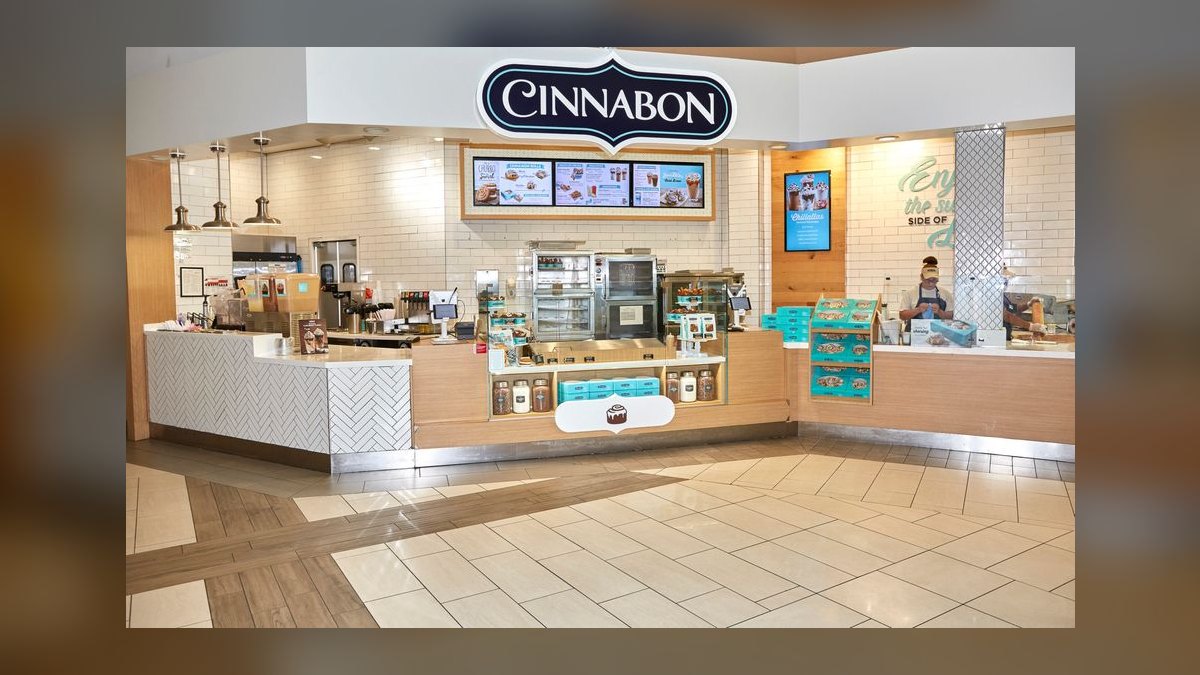
Adding Cinnabon to an existing operation is the cheapest path and the one the franchisor most wants to sell. If you already run an Auntie Anne's or another GoTo Foods brand with adequate square footage and back-of-house capacity, the incremental capital to co-brand is a fraction of greenfield, and the incremental revenue lands on an existing fixed-cost base. For qualified existing operators, this is usually the highest-return version of the decision.
When to pass outright: the only site you can get is a mall inline space in a center losing anchors; your liquid capital sits at or below the franchisor's minimum with no reserve behind it; you have never run a food-service P&L and cannot hire a general manager who has; the lease demands high fixed rent with no co-tenancy protection; or your honest pro forma at conservative volume does not cover debt service plus a market-rate manager salary plus a return on your equity. Passing costs you nothing but time. A bad unit costs years.
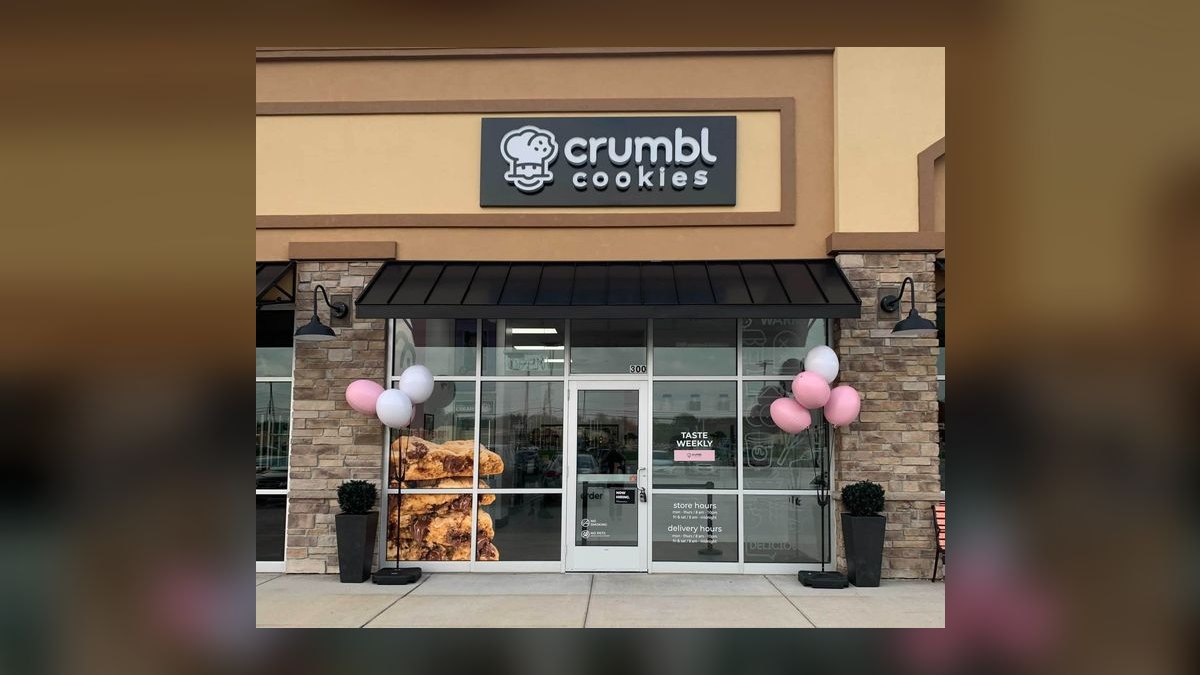
Comparables worth modeling before you commit. Run the same underwriting on Auntie Anne's standalone, which shares the parent and the travel-channel upside with a lighter equipment load; on streetside-native dessert concepts like Nothing Bundt Cakes or Crumbl, whose real estate strategies are built for strip centers rather than malls; and on broader-daypart streetside QSRs such as Tropical Smoothie Cafe or Jersey Mike's, which spread fixed cost across more hours. Pull each brand's FDD and compare Item 7 investment, Item 6 fees, and Item 20 unit trajectory side by side. If a comparable brand shows net unit growth while Cinnabon's traditional format shows net contraction, that difference should move your decision more than any single-year revenue figure.
Related questions
Is Cinnabon growing or shrinking in the United States?
Total US unit count has contracted from its earlier peak as GoTo Foods closes underperforming enclosed-mall locations. Growth is concentrated in co-branded Auntie Anne's plus Cinnabon units and travel-channel sites, which is where the franchisor's development pipeline is now directed.
Can I get an airport Cinnabon location as a first-time franchisee?
Rarely and not directly. Airport concession space is generally controlled by large concessionaires holding master agreements with airport authorities. Most operators enter as sub-franchisees or partners of those incumbents, which requires relationships and bonding capacity a first-time single-unit buyer usually lacks.
How much does the co-brand format actually change the economics?
It raises revenue per labor hour by adding a savory, lunch-capable daypart to a snack-only sales curve, spreading fixed rent and labor across more transactions. Incremental capital is well below a second greenfield build, which is why the parent company pushes it as the growth vehicle.
Should I buy an existing Cinnabon instead of building one?
Usually yes, if the unit is a co-brand or travel location with three years of verifiable financials and substantial remaining lease term. Buying replaces projection with history and skips a year of pre-revenue build risk. Avoid inheriting a short-lease mall unit at any price.
What is the biggest single risk in a 2027 Cinnabon deal?
Real estate. A high fixed rent in a declining enclosed mall attaches a fixed cost to a shrinking revenue line. Commodity inflation and wage pressure hurt, but they are survivable. A bad ten-year lease in the wrong center is not.
FAQ
How much liquid capital do I need to be approved?
Cinnabon publishes minimum liquid capital and net worth thresholds, and both sit well into six figures, with materially higher requirements for multi-unit development agreements. Confirm the current numbers directly in the FDD rather than relying on secondhand summaries, since qualification standards get revised. Practically, you want a cushion above the stated minimum — the franchisor's floor is a screening tool, not a budget. Applicants at exactly the minimum with no reserve behind it are the most likely to be declined and the most likely to struggle if approved.
What are the royalty and marketing fees?
The royalty is a mid-single-digit percentage of net sales, with a brand or advertising fund contribution of a couple of additional points, historically slightly higher for mall locations than non-mall ones. Layered on top are recurring technology and POS fees billed monthly, plus mandatory remodel obligations on the agreement's refresh cycle. Read Item 6 of the FDD line by line and total every recurring charge, then express the sum as a percentage of your projected sales. That number, not the headline royalty, is what leaves your bank account.
How long does it take to open a new Cinnabon franchise?
Nine to fifteen months from signed franchise agreement to opening day is a realistic band for a new build. Site control and municipal permitting consume most of that; construction itself is comparatively fast once permits issue. Converting an existing food-service space is meaningfully quicker than building out a vanilla shell that needs a hood, grease interceptor, and upgraded electrical. Buying an existing unit collapses the timeline to roughly sixty to ninety days, subject to franchisor transfer approval and landlord consent on the lease assignment.
Does Cinnabon disclose average unit revenue?
Franchisors may make a financial performance representation in Item 19 but are not required to, and Cinnabon has not consistently published one for current formats. When Item 19 is absent, neither the franchisor nor its brokers may legally give you revenue projections. The substitute is franchisee interviews from the Item 20 list — a dozen or more, weighted toward operators in your intended format, and including former franchisees whose experience is not filtered by an ongoing relationship with the brand.
Is a mall Cinnabon ever the right call?
Occasionally, under narrow conditions: an A-class mall in a dense metro with stable or growing traffic, a lease structured as percentage rent or with a low fixed base plus co-tenancy protection and a sales-threshold kick-out right, and an operator with prior QSR experience. That combination exists but is uncommon. Absent it, the fixed-cost-against-declining-traffic dynamic is the dominant risk, and the brand's national recognition does not offset it.
What financing do most franchisees use?
SBA 7(a) is the standard vehicle for franchise buildout and acquisition in this size range, with the borrower contributing a meaningful equity injection and signing personal guarantees. Rates typically float over Prime, so stress-test the pro forma against a higher rate. Equipment leasing on ovens, proofers, and refrigeration preserves working capital. Some buyers use a ROBS structure to deploy retirement funds as the equity injection — get tax counsel before doing so. Merchant cash advances are inappropriate for these margins.
Sources
- https://www.ftc.gov/business-guidance/resources/franchise-rule-compliance-guide
- https://www.ftc.gov/business-guidance/industry/franchises
- https://www.sba.gov/funding-programs/loans/7a-loans
- https://www.restaurantbusinessonline.com/
- https://www.franchisetimes.com/
- https://www.gotofoods.com/
- https://www.cinnabon.com/
- https://www.icsc.com/
- https://www.nrf.com/
- https://www.ibisworld.com/united-states/
Related on PULSE
This page will be disappearing soon. Save it to your device for $1 — or read it free while it is here.
@Kory-White- · if Venmo asks, the last 4 of my number are 2012
This page is gone.
This one is off the shelf now. $1 keeps it on your phone for good — the whole page, pictures and diagrams included.
 franchiseShould I open or buy a Dunkin' franchise in 2027?
 franchiseShould I open or buy a Bojangles franchise in 2027?
 franchiseShould I open or buy a Big O Tires franchise in 2027?
 franchiseShould I open or buy a Panera Bread franchise in 2027?
 franchiseShould I open or buy a Great Clips franchise in 2027?
 franchiseShould I open or buy a Bruster's Real Ice Cream franchise in 2027?
 franchiseShould I open or buy a Subway franchise in 2027?
 franchiseShould I open or buy a Roto-Rooter franchise in 2027?
 franchiseShould I open or buy a Dairy Queen franchise in 2027?
 franchiseShould I open or buy a Rita's Italian Ice franchise in 2027?