


Should I open or buy a Bojangles franchise in 2027?
Quality
Certified
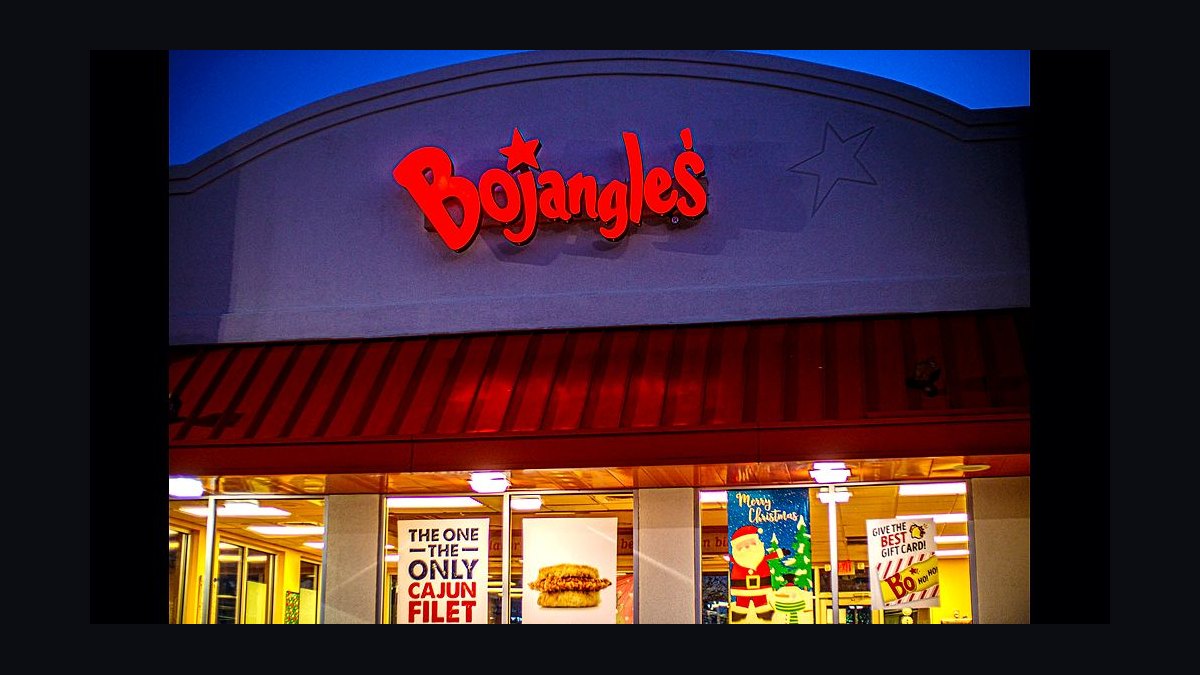
Probably not — unless you have $2.5M-$3.6M in liquid capital, multi-unit QSR operating experience, and conviction that Bojangles' Southeast biscuit-and-chicken niche can travel. A traditional Bojangles unit costs $2,265,500 to $3,647,200 to open per the 2026 FDD Item 7, with a $35,000 franchise fee, 4% royalty, and 4% combined marketing spend (1% MDF + 3% local). System AUV sits at $2.16M (Item 19, 2024) with franchisee-level four-wall EBITDA margins of 12-15% in mature Carolina markets — yielding ~$258K-$324K Year-1 cash flow on a single-unit pro forma. Payback runs 8-12 years, longer than Chick-fil-A operator economics and longer than Raising Cane's. Buy an existing high-AUV Carolina unit if you want quicker payback; open new in Vegas, Houston, or NYC only if you already operate 5+ QSR units.
The Real Numbers
Bojangles' 2026 Franchise Disclosure Document breaks initial investment into two restaurant formats. The traditional freestanding drive-thru is the dominant model; the Express format targets non-traditional venues like airports and travel plazas. Below is the Item 7 capital stack for a traditional unit, paired with Item 19 unit-level economics and a conservative Year-1 cash-flow model built on $2.16M AUV.
| Line item | Low end | High end | Notes |
|---|---|---|---|
| Initial franchise fee | $35,000 | $35,000 | Item 5; non-refundable |
| Land/lease deposits | $35,000 | $250,000 | Varies by metro |
| Site work, building, leaseholds | $1,250,000 | $2,000,000 | Largest line; build-cost inflation 2024-26 |
| Equipment, signage, POS, drive-thru | $475,000 | $700,000 | Henny Penny fryers, dual drive-thru hardware |
| Smallwares, uniforms, supplies | $35,000 | $65,000 | |
| Training, opening team travel | $40,000 | $90,000 | 6-8 weeks at certified training restaurant |
| Grand opening marketing | $25,000 | $50,000 | Minimum spend per Item 11 |
| Additional funds (3 months) | $75,000 | $200,000 | Working capital |
| Insurance, licenses, professional fees | $50,000 | $120,000 | |
| Royalty (ongoing) | 4.0% of gross | 4.0% of gross | Item 6 |
| Marketing Development Fund (MDF) | 1.0% of gross | 1.0% of gross | National brand fund |
| Local marketing spend | 3.0% of gross | 3.0% of gross | Franchisee-controlled local spend |
| Total initial investment | $2,265,500 | $3,647,200 | Item 7 range, 2026 FDD |
| System AUV (Item 19, 2024) | $2,157,821 | $2,157,821 | Reported in 2025/2026 FDD |
| Estimated four-wall EBITDA | $258,939 | $323,673 | 12-15% margin on AUV |
| Royalty + marketing drag | $172,626 | $172,626 | 8% of gross, every month, forever |
| Cash-on-cash payback (single unit) | 8 years | 12 years | Longer than Cane's or Chick-fil-A |
Liquid capital required: $1,000,000. Net worth required: $2,000,000 per the Bojangles franchising portal. Bojangles will not approve a single-unit operator — the brand wants multi-unit operators committing to 5+ stores in a defined territory.
Who Wins With This Business
Multi-unit Carolina operators buying existing high-AUV units win first. A Charlotte or Raleigh restaurant doing $2.5M-$3.2M AUV with seasoned crew throws off $350K-$500K of owner cash flow with a known sales floor. Existing QSR multi-unit franchisees — especially Popeyes, KFC, Wendy's, or Hardee's operators — win because they already understand drive-thru throughput, hood-line equipment maintenance, and 8% comp-store labor management. Real estate developers with outparcel retail portfolios in the Southeast capture a captive tenant plus equity participation. Multi-unit operators in NYC, NJ, and OH signing 15-35 unit development agreements in 2025-2026 win because first-mover brand awareness in those markets correlates with 20-30% AUV premiums during the first three years.
Operators who win share four traits: they own real estate or negotiate $35-$45/sqft NNN rents, they run 28-30% food cost through Bojangles' approved Sysco distribution, they staff at 27-29% labor by paying $1-$2 above market for shift leaders, and they execute the breakfast daypart — which drives 35-40% of Bojangles' system sales versus 15-20% at most chicken QSR competitors.
Who Loses With This Business
Single-unit operators lose. Bojangles no longer signs single-unit deals outside Southeast core markets, and even there the brand prefers 3-5 unit commitments. A single unit cannot absorb the field marketing, GM benching, and supply-chain risk that a small portfolio spreads. Operators relying on lender 80/20 leverage lose because 2026 SBA 7(a) rates at 11.0-11.5% create $200K-$280K annual debt service that eats most of the $258K-$324K projected EBITDA — meaning negative cash flow for years 1-3 in a new build.
Out-of-region operators entering NYC, Vegas, or Houston without local QSR experience lose. Bojangles' brand is regional — 75% unaided awareness in the Carolinas, under 20% in Las Vegas. Year-1 AUVs in greenfield markets run $1.4M-$1.8M, 20-35% below the system average, which breaks the pro forma if you modeled at $2.16M. Passive investors who cannot run the daypart themselves lose because morning biscuit execution is the brand's moat — fail to staff the 4:30 AM biscuit make and you become a mediocre chicken store competing against Chick-fil-A.
2027 Market Conditions
Chicken QSR is the single hottest segment in restaurants, but the competitive gap is widening, not narrowing. Chick-fil-A AUVs sit at $6-$8M, Raising Cane's at $6.6M, Wingstop at $2.1M, Bojangles at $2.16M — meaning Bojangles is now mid-pack, not the regional leader by economics. Dave's Hot Chicken opened 200+ units in 2025 and is leasing the same outparcels Bojangles wants. Popeyes owns the value tier with $1.6M AUV at $1.5M build cost.
Three 2026 catalysts shape 2027 economics. First, Bojangles signed Thunderly in June 2026 to drive franchise development — a signal the brand needs better lead generation because organic prospect flow softened in 2025. Second, the brand committed to NYC (20 units), NJ (35 units), Vegas, Houston, San Antonio, Oklahoma, Michigan — meaning 2027 will test whether the brand travels outside the Southeast. Third, CEO Jose Armario (appointed late 2023, McDonald's and Subway veteran) is pushing operational consistency and multi-unit operator quality over raw unit count.
Commodity and labor headwinds matter. Chicken thigh prices ran 18% above 5-year averages through Q1 2026. Southeast restaurant wages climbed 6.2% year-over-year per BLS QCEW. Build costs stayed 15-20% elevated versus pre-2022. The franchisee who underwrites at 2019 economics loses.
The 90-Day Decision Tree
- Days 1-7. Pull the Bojangles 2026 FDD directly from the franchisor (request via bojanglesfranchising.com). Read Items 5, 6, 7, 11, 19, 20, 21 front-to-back. Compare Item 20 exhibit data (unit closures, transfers, terminations) against the 2024 and 2025 FDDs to spot trend lines.
- Days 8-21. Call 15-20 franchisees from the Item 20 exhibit. Focus on operators with 3+ units, 2+ years tenure, mixed-tenure markets. Ask: actual Year-1 AUV vs pro forma, four-wall EBITDA at maturity, biggest surprise expense, would you do it again.
- Days 22-35. Visit 6 restaurants unannounced — 3 corporate, 3 franchisee — at 6:30 AM, 12:30 PM, 6:30 PM to observe breakfast biscuit execution, lunch throughput, dinner staffing.
- Days 36-50. Site selection. If you target an existing market, work with a CRE broker who has done 3+ QSR deals there. If greenfield, commission a Buxton or eSite trade-area study ($15K-$25K) modeling against existing chicken QSR competition.
- Days 51-65. Financing. Pull SBA 7(a) quotes from at least 3 lenders (Live Oak, Wells Fargo, Byline). Target 65% LTV, 10-year amortization, rate cap negotiation. Run debt service coverage ratio (DSCR) at $1.6M AUV stress case.
- Days 66-80. Talk to the discovery day cohort. Ask Bojangles development team about territory protection, ADA flexibility, build-cost reimbursement, opening incentives. Negotiate the development schedule — never accept the franchisor's first draft.
- Days 81-90. Decide. Sign or walk — do not let franchise development teams drag you into a third discovery day without a yes or no. If yes, wire the deposit and start site work. If no, revisit Wingstop, Crisp & Green, or buy a 3-unit Popeyes resale.
Alternative Plays
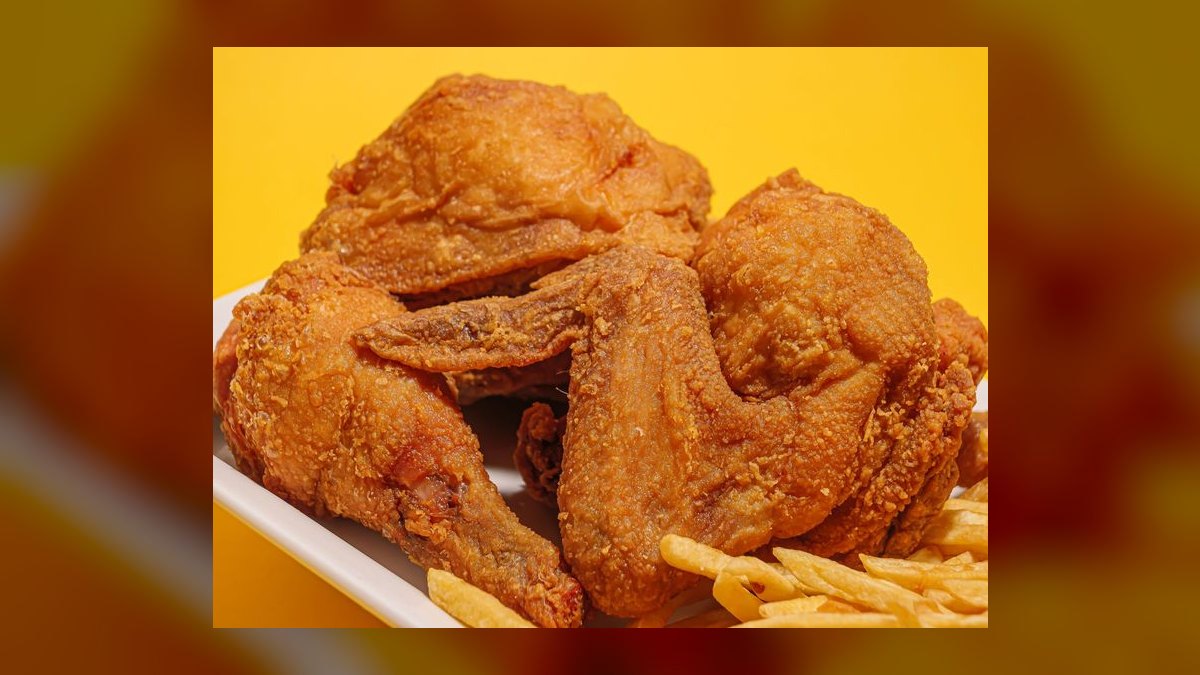
Buy an existing high-AUV Bojangles unit instead of building new. Resales in Carolina trade at 3.5-4.5x SDE, which is 30-40% cheaper on a cash-on-cash basis than greenfield and eliminates the 18-month J-curve. Watch bizbuysell.com and Restaurant Brokers International for listings.
Raising Cane's beats Bojangles on AUV ($6.6M vs $2.16M) but does not franchise — corporate-owned only. Chick-fil-A beats on AUV but takes 50% of profits and approves <1% of operator applicants. Wingstop offers lower build cost ($430K-$1M), comparable AUV ($2.1M), and 6% royalty + 5% marketing — better cash-on-cash for new operators.
Popeyes offers $1.6M build cost and $1.6M AUV with 5% royalty + 4% marketing — better for value-tier multi-unit plays. Dave's Hot Chicken is the fastest-growing chicken concept, but 2026 FDD royalty is 7% and AUV is unproven outside California. Crisp & Green or Salad and Go offer lower capex ($800K-$1.2M) for operators who want a chicken-adjacent better-for-you concept with 30%+ EBITDA margins.
FAQ
How much money do I need to open a Bojangles franchise? You’ll need $2.5M to $3.6M in liquid capital. The total investment per unit ranges from about $2.3M to $3.6M, including a $35,000 franchise fee.
What are the ongoing fees I’ll pay to Bojangles? You’ll pay a 4% royalty on gross sales and a combined 4% marketing fee (1% to the national marketing fund and 3% for local advertising).
How much revenue can a typical Bojangles franchise expect? System-wide average unit volume (AUV) is around $2.16 million per year, based on 2024 data. Individual results vary widely by location and market maturity.
What’s the typical profit margin for a Bojangles franchise? Mature Carolina stores often see four-wall EBITDA margins of 12–15%. That translates to roughly $260,000 to $325,000 in annual cash flow for a single unit.
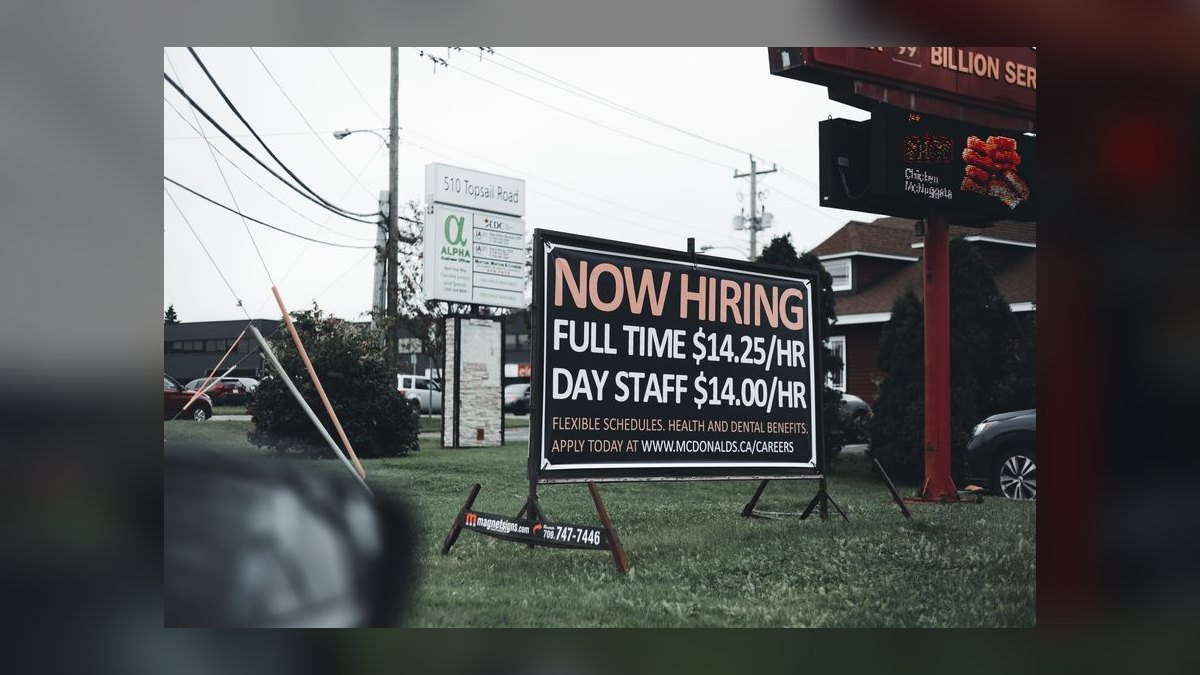
How long does it take to recoup my investment? Payback periods typically run 8 to 12 years. This is longer than some competitors like Chick-fil-A or Raising Cane’s, especially for new builds.
Is it better to buy an existing franchise or open a new one? Buying an existing high-AUV unit in the Southeast usually offers quicker payback. Opening new in expanding markets like Vegas, Houston, or NYC is riskier and best suited for operators with 5+ existing QSR units.
Bottom Line
Bojangles is a viable franchise for multi-unit Southeast QSR operators with $1M+ liquid capital and patience for an 8-12 year payback. It is not a viable franchise for first-time operators, single-unit buyers, or anyone underwriting at the $2.16M system AUV in a greenfield market. The 2026 FDD numbers ($2.27M-$3.65M Item 7, $2.16M Item 19, 4% royalty + 4% marketing) only work if you (1) buy existing in core markets or (2) commit to 5+ units with multi-unit QSR experience and $2-$3M liquidity. The smartest 2027 play: acquire a 3-unit Carolina portfolio at 3.5-4.5x SDE, run it for 24 months, then decide whether to expand based on actual P&L — not the franchisor's pro forma.
Sources
- Bojangles 2026 FDD via FranchiseChatter — https://www.franchisechatter.com/2026/01/31/bojangles-franchise-review-2026-costs-fees-news-average-revenues-and-or-profits/
- Bojangles 2025 FDD review (FranchiseChatter) — https://www.franchisechatter.com/2025/02/01/fdd-talk-bojangles-franchise-costs-fees-average-revenues-and-or-profits-2024-review-2/
- Bojangles FDD costs & fees 2026 (FranchisePayback) — https://www.franchisepayback.com/franchise/bojangles
- Bojangles franchise development portal — https://bojanglesfranchising.com
- International Franchise Association — Bojangles selects Thunderly — https://www.franchise.org/2026/06/bojangles-selects-thunderly-to-drive-franchise-development-and-digital-growth/
- QSR Magazine — Bojangles VP of franchise sales on growth balance — https://www.qsrmagazine.com/story/how-to-balance-corporate-growth-and-guest-demand-from-bojangles-vp-of-franchise-sales/
- Bojangles NYC multi-unit franchise announcement — https://www.bojangles.com/news-and-community/bojangles-brings-a-flavorful-return-to-the-big-apple-with-multi-unit-franchise-agreement/
- 1851 Franchise — Bojangles deep dive 2026 — https://1851franchise.com/franchise-deep-dive-bojangles-franchise-costs-fees-profit-and-data-2721551
- VettedBiz — QSR affordability crisis 2026 — https://www.vettedbiz.com/resources/qsr-affordability-crisis-franchise-investor
- MMCG Invest — fast-food chicken industry analysis — https://www.mmcginvest.com/post/chicken-chains-spread-their-wings-a-new-era-for-fast-food-chicken
- JackInTheBox Franchising — chicken franchise comparison 2026 — https://www.jackintheboxfranchising.com/blog/which-chicken-franchise-makes-the-most-money
- Sharpsheets — Bojangles franchise profits & costs — https://sharpsheets.io/blog/bojangles-franchise-costs-profits/
Related on PULSE
This page will be disappearing soon. Save it to your device for $1 — or read it free while it is here.
@Kory-White- · if Venmo asks, the last 4 of my number are 2012
This page is gone.
This one is off the shelf now. $1 keeps it on your phone for good — the whole page, pictures and diagrams included.
 franchiseShould I open or buy a Kumon franchise in 2027?
 franchiseShould I open or buy a Crumbl Cookies franchise in 2027?
 franchiseShould I open or buy a Jamba franchise in 2027?
 franchiseShould I open or buy a Drybar franchise in 2027?
 franchiseShould I open or buy a Stanley Steemer franchise in 2027?
 franchiseShould I open or buy a Take 5 Oil Change franchise in 2027?
 franchiseShould I open or buy a Bruster's Real Ice Cream franchise in 2027?
 franchiseShould I open or buy a Marco's Pizza franchise in 2027?
 franchiseShould I open or buy a Supercuts franchise in 2027?
 franchiseShould I open or buy a Mac Tools franchise in 2027?