


Should I open a home inspection business in 2027?
Quality
Certified
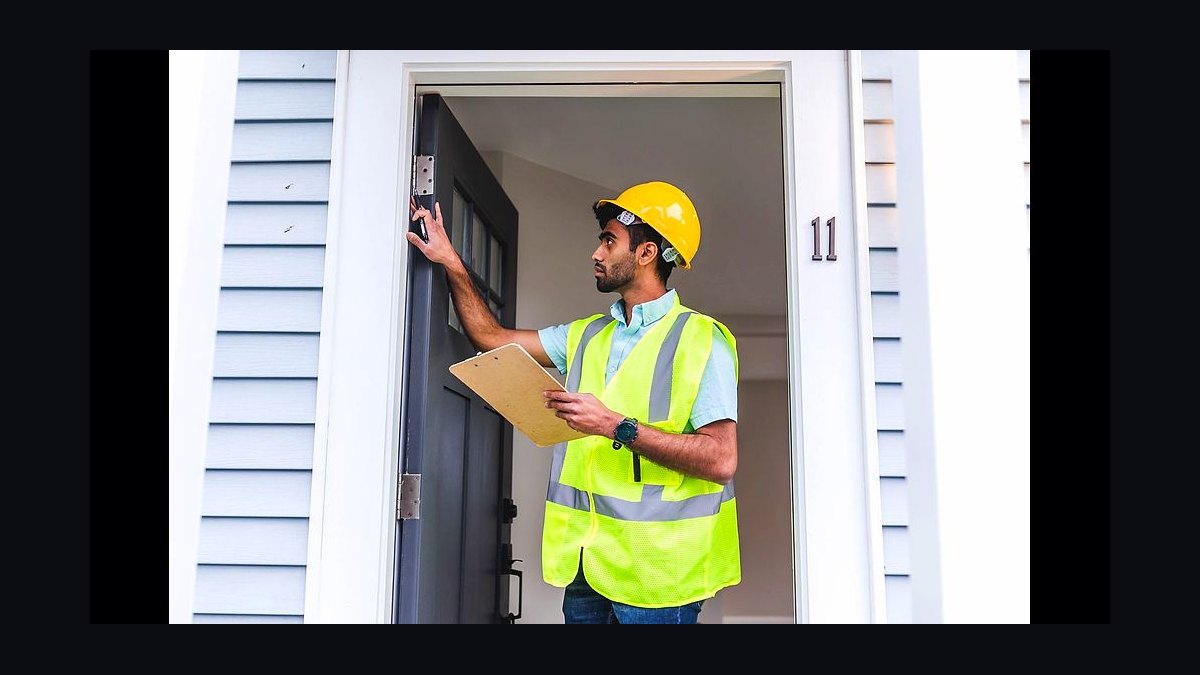
Yes, open a home inspection business in 2027 if you hold or can earn a state license within 60-90 days, can self-fund $15,000-$45,000 independently (or $50,000-$135,000 for a top franchise), and already have relationships with 20+ local real estate agents in a market doing 5,000+ existing-home sales yearly. Waived inspection contingencies are falling and first-time buyers are rising — both favor new inspectors. Independents typically reach breakeven in 6-9 months.
A Concrete Scenario That Frames The Problem
Picture a licensed electrician in Greenville, South Carolina with fifteen years pulling wire in crawlspaces and attics. He knows what a Federal Pacific Stab-Lok panel looks like from across a basement, he's seen polybutylene pipe fail twice on job sites, and he's tired of subcontracting for general contractors who take 20% off the top. He's watched three friends open home inspection practices in the last two years and all three are now turning down work. That's the real starting position for most people who ask whether to open a home inspection business in 2027 — not a blank slate, but an adjacent trade with transferable diagnostic skill and no outlet for it yet.
The honest version of his decision isn't "should I start a business," it's "should I spend $18,000 and four months converting a skill I already have into a license that lets me bill $425 a visit." His market, Greenville-Spartanburg, closed roughly 14,000 existing homes last year. If even 60% of those buyers order an inspection (the 2026 national rate is closer to 62%), that's 8,400 inspection assignments splitting across however many licensed inspectors operate in the metro. If there are 60 inspectors already working that market, each one's theoretical share is 140 jobs a year — enough to hit the "150 inspections per year" breakeven threshold independents need, but only if he can actually capture a normal share, which depends entirely on whether agents already have inspectors they trust.
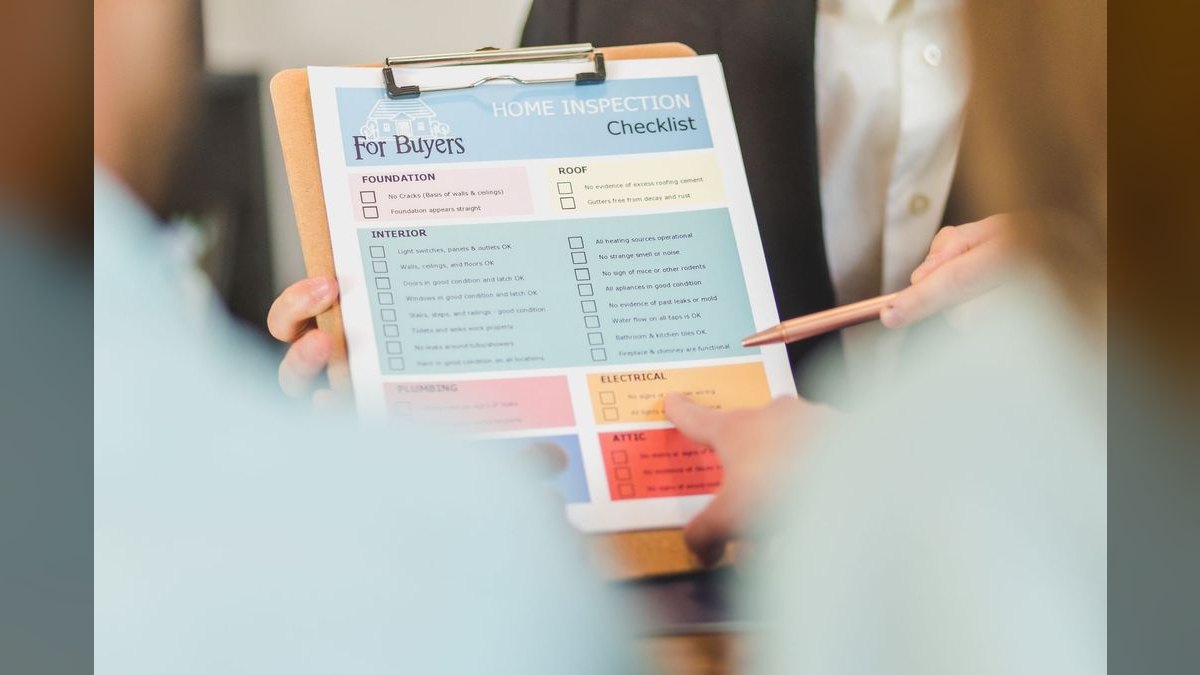
This scenario generalizes: the question is never really "is home inspection a good industry," it's "does my specific market have transaction volume that outpaces inspector supply, and do I have — or can I build in 90 days — the referral relationships that convert that volume into billable jobs." A tradesperson converting an existing skill answers that differently than someone starting cold with zero industry contacts, which is why the same 2027 market conditions produce opposite answers for different people asking the identical question.
How The Referral-To-Revenue Mechanism Actually Works (mermaid)
A home inspection business doesn't generate its own demand — it intercepts demand that real estate transactions create. The mechanical chain runs from a signed purchase contract, through an inspection contingency clause, to a buyer's agent recommending (or a buyer Googling) an inspector, to a scheduled visit, to a report, to either a renegotiation or a clear path to closing. Every step in that chain is a place the business can lose the job: if the buyer waives the contingency outright (happening less often in 2026-2027 than it did during the bidding-war years), there's no job at all; if the agent already has a go-to inspector, a new entrant never gets the call; if the report turnaround exceeds the closing timeline, the client books someone faster next time.
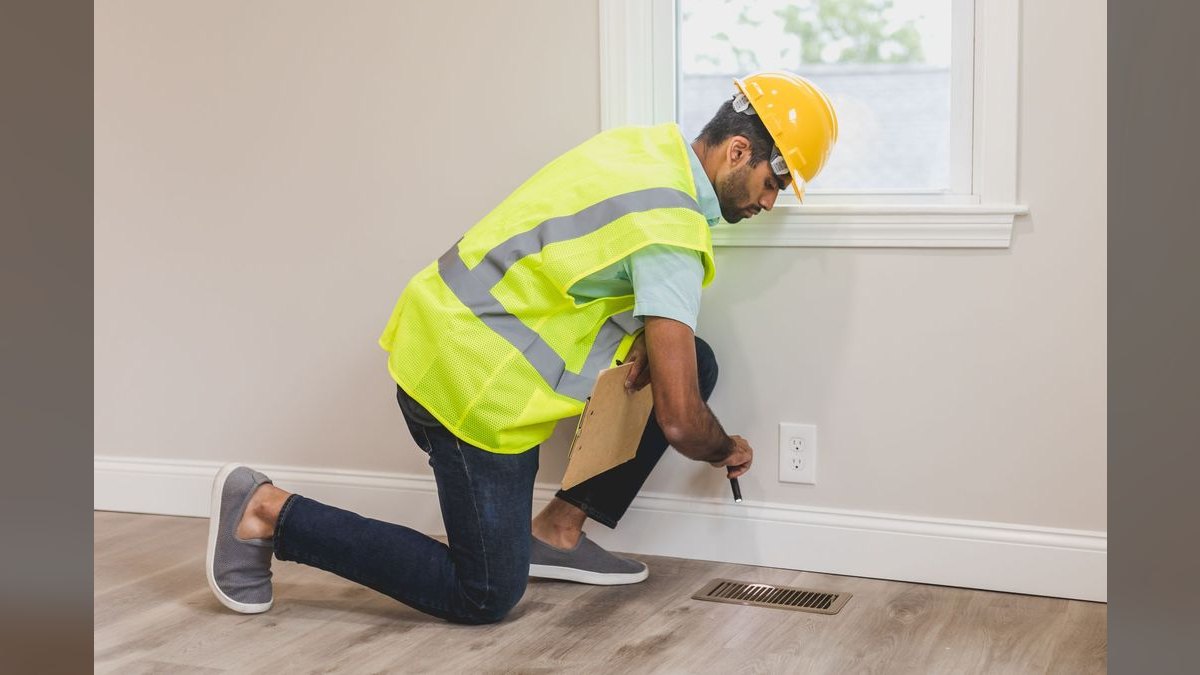
This is why agent relationships function as the actual sales engine of the business, not marketing in the traditional sense. An inspector who's visited thirty brokerage offices, dropped rate cards, and taught one continuing-education class on pre-listing defects has planted himself at the top of that chain, where the agent's recommendation happens before the buyer ever searches independently. Once a referral source exists, the mechanism becomes a volume-and-turnaround game: more agents sending leads, faster report delivery, more ancillary services (radon, sewer scope, mold, termite) attached to each visit to lift the average ticket past the base inspection fee.
The diagram's branch point at "waived" matters more in 2027 than it did a few years earlier: NAR data shows contingency waivers falling from roughly 25% in 2024 to around 17% in 2026, meaning the chain completes successfully far more often than it used to. That single shift is the structural tailwind every other number in this answer rests on — more contracts are running the full chain from contingency to paid inspection instead of skipping straight to closing.
Real Numbers, Ranges, And Benchmarks

Two structurally different paths exist for someone deciding to open a home inspection business: build independently or buy into a franchise system. The independent path runs $15,000-$45,000 in total startup cost — state licensing and training ($1,500-$4,500), equipment like thermal cameras and moisture meters ($3,500-$8,000), insurance ($1,800-$3,500 per year for E&O and general liability), inspection-reporting software subscriptions ($99-$199 a month), a marked vehicle, and roughly three months of working capital. There's no franchise fee and no ongoing royalty, so essentially all gross revenue after direct costs stays with the owner.
The franchise path trades a larger upfront check and a perpetual royalty for a faster ramp and brand recognition. Mid-market systems run $37,000-$55,000 initial investment with roughly a 7% royalty plus a 4% marketing fund contribution, reporting average gross revenue in the low-to-mid $200,000s per unit annually. Larger systems run $76,000-$134,000 initial investment with similar or slightly lower royalty structures (6-7%) and average unit revenue climbing toward $350,000-$600,000, the higher figure typically reflecting multi-inspector operations rather than a single owner-operator. The trade-off is consistent across every system: independents keep more of a smaller number, franchisees keep less of a larger number, and the franchise premium buys a faster path to that larger number through established training, lead-generation support, and brand recognition with agents who already trust the name.
On a per-job basis, the typical home inspection fee nationally runs $343-$414, with luxury-market inspections clearing $600-$800. A solo operator running four inspections a week at a roughly $425 average ticket is looking at somewhere near $85,000-$90,000 in annual revenue before accounting for which weeks get skipped for holidays, illness, or slow season — and after insurance, software, fuel, and equipment depreciation, net profit commonly lands in the $55,000-$65,000 range for a lean, one-person operation. Inspectors who push volume to eight or ten jobs a week and consistently attach ancillary services can push gross revenue into the $180,000-$240,000 band, though that pace requires either exceptional time management or a second inspector.
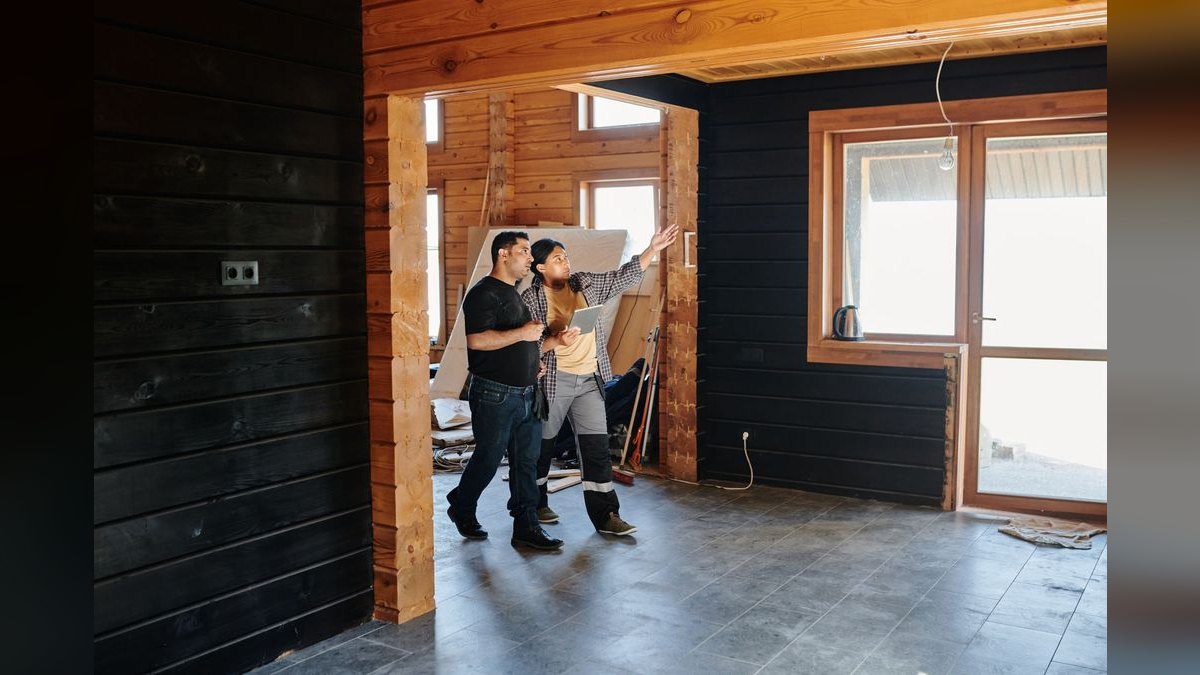
Breakeven timing differs sharply by path: independents who hit roughly 150 inspections in their first year typically reach breakeven in 6-9 months, while franchisees — carrying higher fixed costs and royalty obligations from day one — more commonly take 12-18 months to reach the same point, even though their eventual revenue ceiling is higher. Neither path is "faster" in an absolute sense; independents break even sooner on a smaller number, franchisees break even later on a path toward a bigger number.
Trade-Offs And Alternatives (mermaid)
The independent-versus-franchise decision isn't the only fork in the road. A home inspection business doesn't have to mean general residential purchase inspections at all — several adjacent paths use the same license and the same diagnostic skill against a different referral source and a different fee structure.
Insurance-driven inspections — four-point inspections, wind mitigation reports, and roof certifications ordered by carriers before binding a policy — run a lower ticket ($95-$185) but pull from an entirely different referral source: insurance agents and carriers instead of real estate agents. In states where carriers are tightening underwriting requirements, this lane can run parallel to purchase-inspection work rather than compete with it, smoothing out the seasonality of a purely transaction-driven calendar. Commercial property inspection charges by square footage rather than per visit (commonly $0.10-$0.20 per square foot) and carries a higher ticket on a single job but far fewer jobs per month, better suited to someone with commercial-building background than someone coming from residential trades.

Niche specialization is the other lever: historic-home inspections, luxury inspections above $2M in property value, and multi-visit new-construction phase inspections all escape the ticket compression that hits generalist inspectors in saturated metros, because fewer competitors are willing or qualified to do them. And for someone who already owns an adjacent trade business — electrical, HVAC, general contracting — adding inspection as a secondary service line during slow season is a genuinely different trade-off than opening inspection as a standalone business: the licensing cost is the same, but there's no need to build a client base from zero, because the existing trade relationships and reputation carry over.
Each branch trades referral-source diversity for either lower per-job revenue or a narrower addressable market — there's no option on this map that avoids a trade-off entirely, which is exactly why the right answer depends on what the person already owns going into the decision: capital, an existing trade reputation, or neither.
Common Pitfalls And How To Avoid Them

The single most common failure mode is opening in a market that's already saturated without checking first. Metro areas with hundreds of competing licensed inspectors chasing the same pool of agent referrals see ticket compression and agents who simply never need a new name in their contacts. Before committing capital, count the metro's annual existing-home transaction volume and divide by the number of currently licensed inspectors serving it; a market with fewer than roughly one inspector per 80 annual transactions has room, one well above that ratio does not.
A second pitfall is underestimating how long the construction-knowledge learning curve actually takes for someone without a trades background. Spotting a cracked foundation, failing flashing, or an undersized electrical panel in a 30-minute walkthrough is a skill built over years on job sites, not weeks in a licensing course — and a missed defect that later costs a buyer tens of thousands of dollars is exactly the scenario that generates an errors-and-omissions claim. E&O claims commonly run into the tens of thousands of dollars per incident, and a handful of claims within a few years can make the business uninsurable at any reasonable premium. Carrying adequate E&O coverage from day one, and genuinely closing any construction-knowledge gap before taking paying clients, isn't optional risk management — it's the difference between a sustainable practice and a business that can't get re-insured in year three.
A third pitfall is single-source dependency: building the entire referral pipeline around one broker or one team. When that relationship ends — the broker retires, changes firms, or just starts favoring a different inspector — a large share of the pipeline can evaporate within a single quarter. Spreading referral relationships across a genuine roster of agents, not just one or two, insulates the business from exactly that kind of single-point failure.

Finally, treating ancillary services as optional upsells rather than core revenue leaves real money on the table. Radon testing, sewer scope, mold assessment, and termite inspection each add a meaningful fee on top of the base inspection, and inspectors who routinely decline to offer them are quietly capping their own revenue per visit well below what the same time investment could produce. None of these pitfalls require a different business model to avoid — they require treating market research, technical competence, referral diversification, and service breadth as prerequisites rather than afterthoughts before the first paying client is booked.
Related questions
How long does it take to get a home inspector license?
Most states require 60-90 days to complete pre-licensure training hours and pass a qualifying exam. Some states have no licensing requirement at all, while others require up to 120 training hours plus continuing education to maintain the license afterward.
Is a home inspection franchise worth the royalty?
It depends on whether you already have agent relationships. Franchises trade a 6-7% ongoing royalty for training, brand recognition, and faster credibility with agents — valuable if you're starting with zero industry contacts, less valuable if you already have a referral network.
What ancillary services should a new inspector offer?
Radon testing, sewer scope camera inspections, mold assessment, and termite/WDO inspections are the four most common add-ons. Each has its own certification requirement but meaningfully raises revenue per visit once added to the base inspection.
Can I run a home inspection business alongside my existing trade business?

Yes — electricians, plumbers, and HVAC contractors commonly add inspection as a secondary service line during slower seasons, using existing trade credibility rather than building a client base from scratch.
Does the housing market slowdown hurt new home inspection businesses?
Not as directly as it hurts real estate brokerages. Inspection demand tracks the share of buyers who order inspections, not just raw transaction volume, and that share has been rising even as overall transaction counts soften.
FAQ
Do I need a license to open a home inspection business? In most states, yes — you need a valid home inspector license or certification before taking paying clients. Licensing timelines run 60-90 days in most states, though a handful of states have no licensing requirement at all. Check your specific state's regulatory board before planning a launch date.
How much capital do I need to open an independent home inspection business? Plan on $15,000-$45,000 for an independent launch, covering licensing, equipment, insurance, software, and marketing. A top franchise system runs $50,000-$135,000 depending on the brand, with that higher cost buying training, an established system, and brand recognition with agents.

How soon can a new home inspection business become profitable? Independents who complete around 150 inspections in their first year typically reach breakeven in 6-9 months. Franchisees, carrying higher fixed costs and royalty payments, more commonly take 12-18 months, though their revenue ceiling tends to be higher once established.
What income can I realistically expect running my own inspection business? A solo independent owner-operator commonly nets $55,000-$75,000 in annual cash flow after expenses, scaling toward $180,000-$240,000 in gross revenue for top performers running higher volume with ancillary services attached. Franchise owners report higher average gross revenue, though net income still depends heavily on local market conditions.
Do I need real estate agent relationships before I open? Having relationships with 20 or more local agents is a major advantage, since agent referrals remain the primary source of inspection business in most markets. Without an existing network, expect your first several months to be spent building those relationships rather than generating revenue.
Is home inspection still a resilient business to open given the broader housing slowdown? Yes, relative to many housing-adjacent businesses. Inspection contingency waivers have been falling, first-time buyers (who order inspections at a higher rate than repeat buyers) make up a growing share of transactions, and insurance-driven inspection demand is adding a second, non-purchase revenue stream in several states.
Sources
- National Association of Realtors — Existing-Home Sales Reports and transaction forecasts (nar.realtor)
- InterNACHI — State licensing requirements and National Home Inspector Examination information (nachi.org)
- American Society of Home Inspectors — Certification standards and membership data (homeinspector.org)
- Angi — Home inspection cost data (angi.com)
- HomeGuide — Home inspection cost breakdown (homeguide.com)
- Bureau of Labor Statistics — Construction and Building Inspectors occupational data (bls.gov/ooh)
- IBISWorld — Building Inspectors industry analysis (ibisworld.com)
- Fannie Mae — Housing forecast and mortgage rate outlook (fanniemae.com)
- InspectorPro Insurance — E&O claims and industry risk data (inspectorpro.com)
Related on PULSE
- Should I open a home staging business in 2027?
- Should I open a home baking business in 2027?
- Best home services franchises to buy in 2027
- Should I open or buy a Griswold Home Care franchise in 2027?
- Should I open or buy a Home Helpers Home Care franchise in 2027?
- Should I open or buy a FirstLight Home Care franchise in 2027?
This page will be disappearing soon. Save it to your device for $1 — or read it free while it is here.
@Kory-White- · if Venmo asks, the last 4 of my number are 2012
This page is gone.
This one is off the shelf now. $1 keeps it on your phone for good — the whole page, pictures and diagrams included.
 franchiseShould I open or buy a Wingstop franchise in 2027?
 franchiseShould I open or buy a Planet Fitness franchise in 2027?
 franchiseShould I open or buy a KinderCare franchise in 2027?
 franchiseShould I open or buy a Whataburger franchise in 2027?
 franchiseShould I open or buy a Jeremiah's Italian Ice franchise in 2027?
 franchiseShould I open or buy a Jiffy Lube franchise in 2027?
 franchiseShould I open or buy a Taco Bell franchise in 2027?
 franchiseShould I open or buy a Mathnasium franchise in 2027?
 franchiseShould I open or buy a Dunkin' franchise in 2027?
 franchiseShould I open or buy a Hand and Stone Massage franchise in 2027?