


Should I open or buy a Sky Zone franchise in 2027?
Quality
Certified
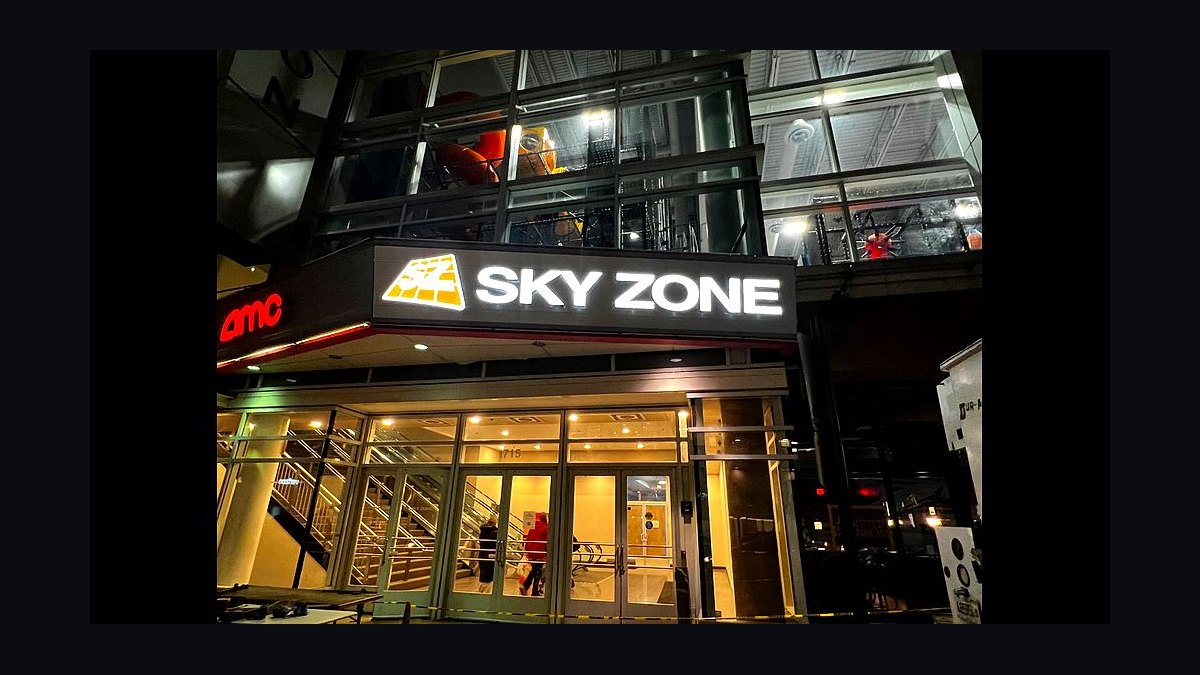
Yes, if you're well-capitalized and entertainment-minded: opening a Sky Zone franchise in 2027 makes sense for operators who can fund $1.5M-$4.5M in total investment, secure a large family-dense trade area, and manage safety, insurance, and staffing at scale. Buying an existing location can shortcut the ramp; going independent trades brand recognition for lower fees and full control.
Franchise vs. Independent Park: The Two Paths Compared
The core decision behind any Sky Zone franchise question isn't just "should I open a trampoline park" — it's "which structure gets me there." Buying into Sky Zone as a franchisee means paying a franchise fee of roughly $50,000-$75,000, then following a proven blueprint: approved equipment vendors, a tested layout for open jump, dodgeball, foam pits, and ninja courses, a national brand parents already recognize from decades of birthday parties, and an operations manual that covers everything from waiver systems to shift scheduling. In exchange, you owe a royalty near 6% of gross revenue plus a marketing fee around 2-3%, and you're locked into Sky Zone's approved insurance carriers, safety protocols, and remodel cycles whether or not you think they're the best use of capital that year.
Going independent flips every one of those trade-offs. You design your own layout, choose your own equipment suppliers (often at 15-25% lower cost since you're not restricted to an approved vendor list), set your own pricing and membership structure, and keep 100% of gross revenue with no royalty or marketing fee draining 8-9% off the top every month. The catch is that you're building brand awareness from zero in a category where Sky Zone, Urban Air, and Altitude already have regional name recognition, and you're writing your own safety protocols, insurance program, and staff training from scratch rather than inheriting a system that's been refined across hundreds of locations.

This isn't a hypothetical trade-off — it's the single biggest variable in how fast a new park breaks even. A Sky Zone opening in a market where the brand already has recognition (even from a nearby location a family visited on vacation) tends to hit its first-90-day attendance targets more reliably than an unbranded independent park in the same demographic footprint, simply because parents already trust the safety reputation and know what the experience looks like before they book a party. An independent park can close that gap, but it takes deliberate local marketing investment — often 1.5-2x what a franchise budgets for grand-opening marketing — and a longer runway before word-of-mouth and local reviews do the work that national brand recognition does for free on day one.
A middle path — buying an existing Sky Zone location as a resale rather than building new — deserves real consideration for 2027. A resale skips the 12-18 month construction and permitting timeline, comes with an established customer base, trained staff, and known trailing revenue, and lets you evaluate three years of actual P&L instead of a franchisor's Item 19 projections. Resale pricing typically reflects a multiple of trailing EBITDA (commonly 3-5x in the FEC space) rather than the full replacement cost of buildout and equipment, so a resale can sometimes be acquired for less than half of what a ground-up build would cost — though you inherit whatever deferred maintenance, lease terms, and local reputation come with it.
The honest comparison: Sky Zone wins on speed-to-revenue (a known brand fills seats faster on day one), risk reduction (a documented playbook and franchisor support reduce the odds of the operational mistakes that sink new entertainment venues), and access to negotiated vendor and insurance rates. Independent wins on margin (no royalty ceiling on your upside), flexibility (you can pivot attractions, pricing, or hours without franchisor approval), and total control over brand identity. For most operators evaluating this in 2027, the franchise route is the safer bet specifically because trampoline parks carry outsized insurance and safety exposure — a category where an established brand's risk-management infrastructure is worth more than it would be in a lower-liability business like a coffee shop or a fitness studio.

Both structures live or die on the same multi-stream revenue model: admissions, recurring jump memberships, birthday parties, corporate and school group bookings, and concessions. Parties are the highest-margin line in either model, commonly running 40-60% gross margin once you account for staff time and food/beverage cost, and a well-run park books parties 3-4 weekends deep during peak season. The franchise difference shows up in how fast you fill that calendar: Sky Zone's national marketing fund and party-booking systems tend to ramp group and party revenue faster in year one, while an independent park typically needs 12-18 months of local marketing spend and word-of-mouth before party bookings reach a comparable run-rate. Memberships matter more than most first-time buyers expect — a base of 500-1,500 recurring jump members smooths the attendance cyclicality that hits every trampoline park during slow months, and franchise systems generally arrive with a tested membership pricing ladder, while independents have to test and iterate their own.
Franchise training and support systems are the other piece worth pricing into the comparison, since they're not free even though they're bundled into the franchise fee and royalty. Sky Zone's onboarding typically covers pre-opening operations training for the owner and management team, an opening-support team on-site for the first weeks of operation, ongoing safety-certification updates as equipment and liability standards evolve, and access to a network of existing franchisees who've already solved problems like seasonal staffing swings or local permitting snags. An independent operator either has to build that knowledge base themselves — often by hiring a consultant with FEC operating experience at a day rate that can run $1,500-$3,000 — or learn it the expensive way through trial and error during the critical first 12 months when a new park's reputation is being set. For an owner with no prior entertainment-venue experience, that support system is frequently worth more than the royalty percentage it costs, which is the core argument for franchising in a high-liability category like trampoline parks even when the pure economics of an independent park look better on paper.
How to Decide Between Franchise and Independent

The decision hinges less on "which is better" in the abstract and more on where you personally sit on three axes: available capital, risk tolerance for safety/insurance exposure, and how much you value speed-to-open over long-run margin. An operator with $2M+ liquid, no prior FEC experience, and a preference for a tested system should lean franchise. An operator with hands-on entertainment or facilities management experience, a strong local network for vendor relationships, and a desire to keep every dollar of margin should seriously model the independent route — but only after pricing out insurance quotes independently first, since that's the line item most likely to surprise a first-time operator outside a franchise system.
Run this test before signing anything: call five independent trampoline park operators (not Sky Zone franchisees) and ask what their actual annual insurance premium and claims history look like. If the number surprises you, that's a strong signal the franchise's negotiated carrier relationships and risk-management training are worth the royalty. If you already have a facilities or insurance background and the number doesn't scare you, independent starts to look more attractive because you keep the 6% royalty and 2-3% marketing fee as pure margin instead.
Territory protection is a second decision factor that gets overlooked. A Sky Zone franchise agreement includes a protected territory, meaning the franchisor won't place another Sky Zone inside your radius — but that protection doesn't extend to competing brands. An independent operator has zero contractual protection from any competitor, franchised or not, but also faces no franchisor approval process if they want to add a second location nearby later. Weigh this against the lease-versus-build decision too: leasing an existing big-box shell (former grocery store, gym, or warehouse) cuts total investment 20-35% versus ground-up construction and is the more common path in both the franchise and independent world, while ground-up building costs an extra $500,000-$1,200,000 in site work but delivers the ceiling height and layout that maximize attraction density. If your trade-area analysis turns up a strong site with no existing big-box shell available, that alone can tip the decision toward whichever structure gets you open faster, since a 6-12 month delay in a competitive trade area can mean a rival FEC opens first and claims the family membership base you were counting on.

A third factor that should weigh into the decision, and one first-time buyers routinely underweight, is your own appetite for being the person who writes the safety manual versus the person who follows one. Trampoline parks are a category where a single bad incident — a serious injury during open jump, a slip on a wet foam-pit deck, an equipment failure during a birthday party — can end a business overnight regardless of insurance coverage, through reputational damage, a spike in premiums, or a wrongful-death or serious-injury lawsuit that outpaces coverage limits. Sky Zone's safety protocols, approved equipment specifications, and incident-response training exist because the brand has accumulated years of claims data across hundreds of locations; an independent operator building that same body of knowledge from a standing start is, in effect, self-insuring against mistakes the franchise system has already made and corrected elsewhere. If you're not prepared to hire a dedicated risk-management consultant and rebuild that institutional knowledge yourself, the franchise route isn't just the easier path — it's the materially safer one for your balance sheet.
The Concrete Numbers Behind Each Option
Sky Zone franchise, per the 2026 FDD: franchise fee $50,000-$75,000; total Item 7 investment $1,500,000-$4,500,000, broken down roughly as buildout/leasehold $900,000-$2,500,000, equipment and attractions $400,000-$1,200,000, signage and decor $50,000-$150,000, initial inventory $25,000-$70,000, initial marketing $40,000-$120,000, training and travel $20,000-$60,000, and working capital $120,000-$350,000. Ongoing fees run a royalty near 6% of gross plus a marketing fee around 2-3%. Mature parks gross $1.5M-$4.0M+ annually, with owner earnings commonly landing between $150,000 and $600,000 depending on trade-area strength, party/group mix, and how tightly labor and insurance costs are managed.

Independent trampoline park, modeled from the same cost categories minus franchise fees and royalties: expect equipment costs 15-25% lower than Sky Zone's approved-vendor pricing since you can competitively bid attractions and safety padding; buildout costs are roughly comparable since square footage, ceiling height, and code requirements don't change based on brand. You'll spend more up front on marketing (often 1.5-2x a franchise's initial marketing budget) to build awareness a recognized brand already carries, and you'll need a standalone safety/risk-management consultant at $10,000-$25,000 annually — a cost Sky Zone folds partially into its training and support systems. Net effect: total independent investment often lands within 10-15% of the franchise range, but the ongoing royalty and marketing fee (8-9% of gross combined) disappear entirely, which on a $2.5M-revenue park is $200,000-$225,000 a year kept in-house instead of sent to the franchisor.
Resale acquisition: pricing commonly reflects 3-5x trailing EBITDA in the FEC category. A location generating $400,000 in annual owner earnings might trade for $1.2M-$2M — well under the $1.5M-$4.5M ground-up range — plus you inherit the existing royalty and marketing-fee obligations if it's a Sky Zone resale, or none of them if it's an independent park changing hands. Financing for resales is often easier to underwrite than new construction since a lender can evaluate trailing cash flow rather than projections.
Financing considerations that differ by structure: SBA 7(a) loans are commonly used for both franchise and independent FEC financing, and lenders generally view a recognized franchise brand as lower-risk collateral than an unproven independent concept, which can translate into better loan terms or a lower required down payment — often 10-20% of total project cost for a franchise versus 20-30% for an independent build where the lender has less brand data to underwrite against. Expect a 3.5-5x total-investment-to-projected-EBITDA ratio to be the rough threshold most SBA lenders and franchise-focused banks use when deciding whether a deal pencils, and bring your own 3-year pro forma to the table even when leaning on a franchisor's Item 19, since lenders increasingly want to see the buyer's own underwriting rather than franchisor projections alone.
Insurance across all structures: annual liability premiums for a single trampoline park location run $60,000-$150,000+ depending on claims history, location, and coverage limits ($2M-$5M per occurrence), consuming 5-8% of gross revenue in higher-risk states regardless of whether you're franchised or independent. A single serious injury can spike premiums 30-50% or trigger non-renewal — budget for that volatility in either model. Layer on $10,000-$25,000 a year in legal/risk consulting beyond the premium itself, and many operators add $15,000-$30,000 in video surveillance systems plus 1-2 extra floor monitors per shift specifically to reduce incident rates and strengthen claims defense.
Staffing and labor economics, same across both structures: a single location typically runs 15-35 employees between part-time and full-time — floor monitors, party hosts, front-desk, maintenance, and management — with labor costs running 30-40% of gross revenue. Entry-level hourly wages range $12-$18 depending on market, and peak periods (school breaks, summer, weekends) require 2-3x the weekday headcount, which is why most operators lean on high school and college students for flexible scheduling despite entry-level turnover running 50-100% annually. A full-time general manager typically earns $55,000-$85,000 in base salary plus bonuses tied to revenue or EBITDA targets, and successful operators budget $5,000-$15,000 annually on training systems (safety certifications, customer-service protocols) plus $100-$300 employee referral bonuses to fight the turnover problem. None of this labor math changes whether you're a franchisee or independent — it's a function of the FEC category itself, not the brand on the door.
Revenue-stream breakdown for a mature $2.5M-gross park, useful as a planning baseline regardless of structure: admissions and open-jump typically contribute 35-45% of gross ($875,000-$1,125,000), birthday parties 25-30% ($625,000-$750,000) at the highest margin of any line, corporate and school group bookings 10-15% ($250,000-$375,000), memberships 10-15% ($250,000-$375,000) as the steadiest and most predictable stream, and concessions/retail the remaining 5-10% ($125,000-$250,000). A park that's badly skewed toward admissions alone — say, 60%+ of revenue from single-visit tickets — is more exposed to weather and seasonal swings than one with a healthy party and membership mix, which is exactly why the franchise system's party-booking infrastructure and membership pricing ladder matter more than the royalty percentage suggests on its own. Run your own park's actual mix against this baseline quarterly; a party-and-membership share meaningfully below these ranges is the clearest early signal that marketing spend or staff booking discipline needs attention before it shows up in the bottom line.
Sequencing the Decision and Build-Out

Whichever path you choose, the sequence that protects your capital looks the same. Spend day 1-30 reading the Sky Zone FDD (if evaluating the franchise route) alongside Item 19 financial performance representations, and in parallel, get real insurance quotes for an independent build so you have an apples-to-apples cost comparison rather than a franchisor's numbers alone. Day 31-60 is for interviews: call 10+ current operators (franchise and independent if you can find them) and ask specifically about attendance patterns, party/group revenue mix, actual insurance costs, seasonal cyclicality, and net profit after debt service — not just top-line revenue, which is the number most FDDs and pitch decks lead with.
Day 61-90 is real estate validation: Sky Zone parks need 25,000-45,000+ square feet of clear-span space with minimum 24-foot ceilings (30+ feet is better if you want climbing walls or ropes courses), typically in a former big-box retail or warehouse space rather than ground-up construction. Leasing an existing shell cuts total investment by 20-35% versus building from scratch, but you inherit whatever column spacing, ceiling constraints, and parking limits the building already has; ground-up construction adds 6-12 months and $500,000-$1,200,000 in site work but gets you the ideal layout. Target a site within 15-20 minutes of 200,000+ households, median income $70,000+, with 30%+ of households having kids ages 5-14 — and check how many competing FECs (Urban Air, Altitude, Rockin' Jump, or a Sky Zone already in the market) sit within a 10-mile radius, since markets with three or more competing parks in that radius have shown roughly 18% lower per-visit revenue than less-saturated trade areas.
Day 91-180 is build-out and staffing simultaneously: budget $800,000-$2,000,000 in leasehold improvements beyond the base franchise or independent investment, and start hiring your 15-35 person staff early — floor monitors, party hosts, front-desk, and a general manager ($55,000-$85,000 base plus performance bonuses) — since trampoline parks see 50-100% annual turnover in entry-level roles and a trained safety culture takes months to establish, not weeks. During this window, negotiate lease terms carefully: most operators land 10-15 year leases with two 5-year options, and landlords in retail corridors hungry for an anchor tenant will often contribute tenant-improvement allowances to a creditworthy franchisee or independent operator with a solid business plan — money that directly offsets the $800,000-$2,000,000 leasehold-improvement line.
Day 181-210 is opening and driving attendance hard through the first two quarters, when brand awareness (or lack of it, if you went independent) determines whether you hit the revenue run-rate your Item 19 or your own pro forma projected. Safety culture becomes a competitive lever right here, not later: parks that hold onto fewer than 60% of their team annually tend to see 15-25% higher incident rates and lower guest-satisfaction scores, so building a dedicated safety-manager role and running weekly jump-monitor drills from week one pays back both in lower claims and in the parent-facing marketing advantage of a visibly safe park. After opening, the operating discipline that separates a $150,000-profit year from a $600,000-profit year is the same regardless of structure: maximize high-margin birthday parties and group bookings, build a recurring membership base, keep labor at 30-40% of revenue without starving safety staffing, and treat insurance and risk management as a marketing asset — parents increasingly check safety reputation and staff qualifications before booking a party — rather than a pure cost center.
Plan for the first full year separately from the opening quarter, because the two ramp on different curves. Attendance and party bookings typically build through month six as local awareness spreads, then hit a first real seasonal test over the following summer and school-break cycles — the period where the difference between a franchise's marketing fund and an independent's local-only marketing spend shows up most clearly in the numbers. Revisit your insurance program at the 12-month mark once you have a full year of claims history; many operators find premiums adjust meaningfully (up or down) once the carrier has real data instead of projections. And build a standing cadence — monthly at minimum — of reviewing party/group mix against admissions and membership revenue, since a park that's over-indexed on admissions alone is leaving the highest-margin revenue line on the table and is also the most exposed to the attendance cyclicality that hits every trampoline park during slow winter and back-to-school weeks. Whether you got there by franchising with Sky Zone, buying a resale, or building independent, this ongoing discipline — not the structure you chose on day one — is what ultimately separates the parks clearing $600,000 a year from the ones barely covering debt service.
Related questions
Is a Sky Zone franchise resale cheaper than building new?
Often, yes — resales commonly trade at 3-5x trailing EBITDA, which can land well under the $1.5M-$4.5M ground-up range, though you inherit existing lease terms, deferred maintenance, and local reputation along with the trailing cash flow.
How much does trampoline park insurance actually cost per year?
Expect $60,000-$150,000+ annually for a single location, or 5-8% of gross revenue in higher-risk states, with $2M-$5M per-occurrence coverage — a cost that applies whether you franchise or go independent.
Can I open an independent trampoline park instead of franchising with Sky Zone?
Yes — independent operators skip the 6% royalty and 2-3% marketing fee, often at equipment costs 15-25% lower, but must build brand awareness, safety protocols, and insurance relationships from scratch instead of inheriting a franchisor's system.
How many competing family entertainment centers is too many in one trade area?
Markets with three or more competing FECs within a 10-mile radius have shown roughly 18% lower per-visit revenue, so verify local saturation before signing a lease regardless of which structure you choose.
What's the biggest hidden cost when opening a trampoline park in 2027?
Insurance volatility — a single serious injury claim can spike premiums 30-50% or trigger non-renewal, so budget contingency capital beyond the stated $60,000-$150,000 annual premium range.
FAQ
How much does it cost to open a Sky Zone franchise in 2027? Total investment typically ranges from $1.5 million to $4.5 million, including a franchise fee of $50,000-$75,000. This covers real estate, construction, equipment, and initial working capital, but actual costs vary by park size and market.
Is it cheaper to buy an existing Sky Zone location than to build one? Usually — resale pricing often reflects 3-5x trailing EBITDA rather than full replacement cost, which can put an established, cash-flowing location well under the cost of a ground-up build, though you inherit its lease and existing condition.
What ongoing fees does a Sky Zone franchisee pay? A royalty of about 6% of gross sales plus a marketing fee around 2-3%, combined roughly 8-9% of gross revenue every month, in exchange for brand recognition, vendor relationships, and a documented safety/operations system.
Is an independent trampoline park a realistic alternative to franchising? Yes, for operators with facilities or entertainment-industry experience — you keep the 8-9% combined franchise fees as margin, but must build brand awareness, insurance relationships, and safety protocols without a franchisor's existing playbook.
How much can a Sky Zone franchise owner earn per year? Mature parks often generate $1.5 million to $4 million in annual revenue, with owner earnings ranging $150,000 to $600,000 depending on trade-area strength, party/group mix, and how well labor and insurance costs are managed.
How long does it take to open a Sky Zone franchise from signing to opening day? Typically 12-18 months, covering real estate selection, permitting, a 6-12 month build-out (longer for ground-up construction), staffing, and training, with resales able to shortcut most of that timeline.
Sources
- Sky Zone Franchise Disclosure Document (2026 filing) — Items 5, 6, 7, 19, 20
- Sky Zone official franchise site — investment range and trampoline-park model
- Entrepreneur.com Franchise listings — Sky Zone
- IBISWorld — Trampoline & Family Entertainment Centers in the US, industry report
- Statista — US family-entertainment and trampoline-park market data
- Franchise Business Review — entertainment-franchise satisfaction data
- International Franchise Association (IFA) — Franchise Economic Outlook
- BizBuySell — franchise resale and business-for-sale listings
- Insurance Journal — liability insurance trends for amusement and trampoline facilities
- U.S. Small Business Administration — franchise financing and SBA loan guidelines
Related on PULSE
This page will be disappearing soon. Save it to your device for $1 — or read it free while it is here.
@Kory-White- · if Venmo asks, the last 4 of my number are 2012
This page is gone.
This one is off the shelf now. $1 keeps it on your phone for good — the whole page, pictures and diagrams included.
 frShould I open or buy a McDonald's franchise in 2027?
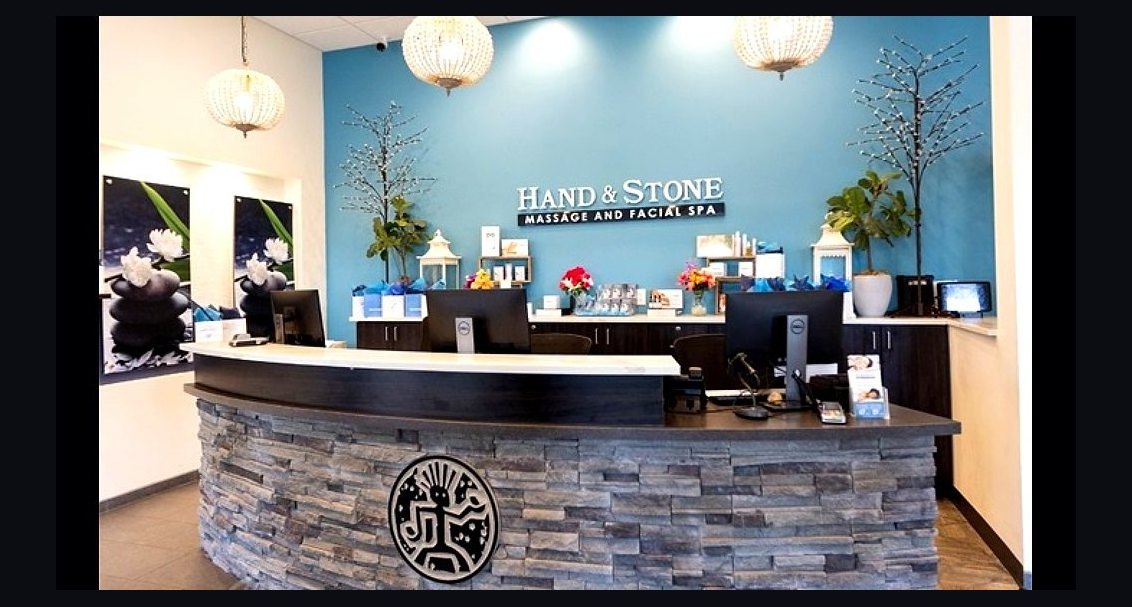 franchiseShould I open or buy a Hand and Stone Massage franchise in 2027?
 franchiseShould I open or buy a Domino's franchise in 2027?
 franchiseShould I open or buy a Big O Tires franchise in 2027?
 franchiseShould I open or buy an Auntie Anne's franchise in 2027?
 franchiseShould I open or buy a Firehouse Subs franchise in 2027?
 franchiseShould I open or buy a Wendy's franchise in 2027?
 franchiseShould I open or buy a Wingstop franchise in 2027?
 franchiseShould I open or buy a Supercuts franchise in 2027?
 franchiseShould I open or buy a Smoothie King franchise in 2027?