


Should I open or buy a Sneaker Politics franchise in 2027?
Quality
Certified
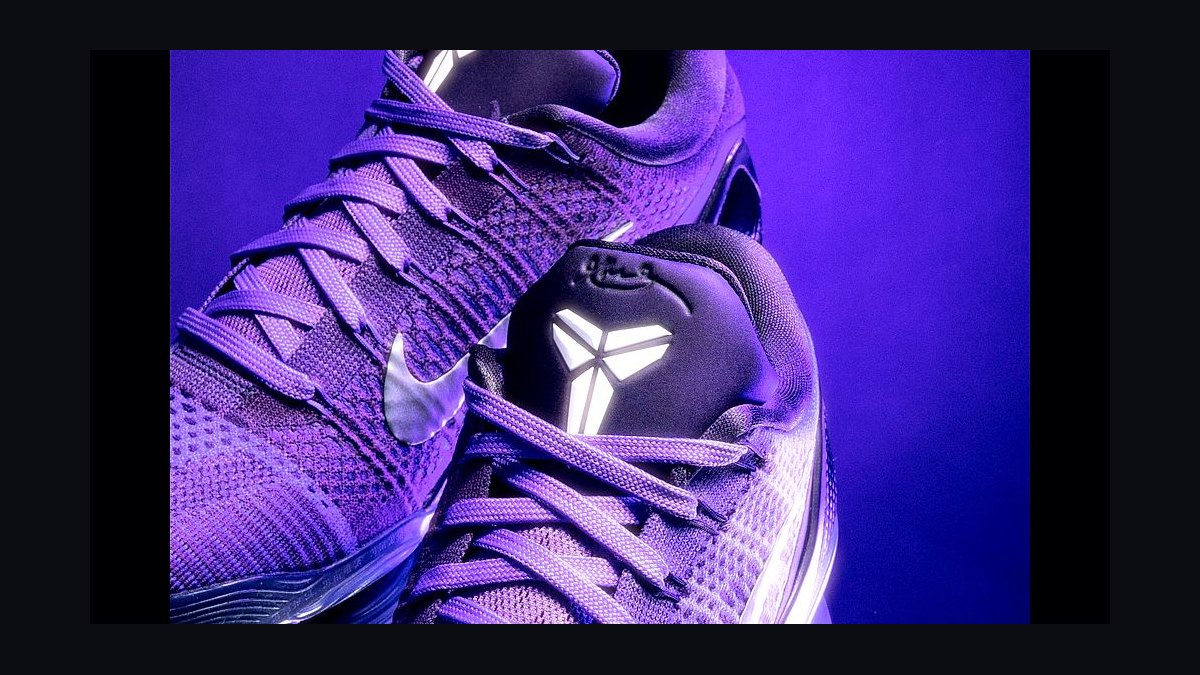
Neither, as stated: Sneaker Politics is a company-owned boutique chain, not a franchise system, so there is no franchise to buy in 2027. Your real options are acquiring an existing independent sneaker shop, opening your own store, or choosing a concept that actually sells franchises with a registered disclosure document.
The outcome you should expect
The first thing that happens when you seriously pursue this is that the deal you imagined dissolves and a different, harder deal takes its place. Sneaker Politics grew out of Louisiana as an independently owned boutique group that expanded store by store across the Gulf South and into Texas. That growth pattern — corporate leases, corporate staff, corporate buying accounts — is the opposite of a franchise pattern. Franchisors expand by selling territory rights to third parties and collecting fees; boutique groups like this expand by signing their own leases and hiring their own managers, because the entire business model depends on controlling how the brand looks, who gets served, and how allocated product is distributed. Handing that control to a franchisee would undermine the exact asset that makes the chain valuable to its vendors.
So the practical outcome is one of four paths, and you should decide which one you are actually on before you spend another dollar.
Path one: you contact them anyway and ask. This is cheap and worth doing. Send a short, serious inquiry to corporate — not a DM, not a store-level ask — describing your market, your capital, and your retail background. The realistic response is no, or no response. The unrealistic-but-possible response is a conversation about a partnership, a licensed shop-in-shop, or a market-entry deal where you fund and operate a location under their brand with their buying authority. Those structures exist in specialty retail, but they are negotiated one-off, they are not sold from a website, and they typically go to operators who already run successful stores the brand respects.

Path two: you buy an existing independent sneaker boutique. This is the closest real analog to "buying a franchise" and it is genuinely available. Independent boutiques change hands constantly, usually quietly, through brokers, landlords, sales reps, and word of mouth. What you're buying is inventory, fixtures, a lease, a customer list, and — the only part that matters — vendor accounts. Whether those accounts survive a change of ownership is the entire deal.
Path three: you open your own store from scratch. Fully controllable, fully unprotected. You get no brand recognition, no vendor relationships, and no playbook, but you also pay no royalty and own 100% of whatever you build. This is how Sneaker Politics itself started, and how nearly every boutique you admire started.
Path four: you buy an actual franchise in an adjacent category. If what you want is a franchise structure — a proven system, training, a territory, a manual — then buy one that is genuinely for sale. Franchised resale and consignment concepts exist in the secondhand apparel and sporting-goods space, and they publish disclosure documents you can read before signing. The trade-off is honest: you get structure and support, you give up the cultural credibility that makes a sneaker boutique work.
The version of this decision that ruins people is the one where they spend a year chasing path one, treat the silence as "still in progress," and never commit to two, three, or four. Give the inquiry thirty days. Then move.
What drives that outcome

Three forces decide whether a sneaker retail concept franchises, and none of them are about your capital.
Allocation is the real product. A sneaker boutique's economics are not driven by the shoes anyone can buy. They're driven by limited releases that arrive in small quantities and sell through instantly at full price. Those allocations are granted by brands to specific accounts, at specific doors, based on how that door merchandises, how it handles releases, whether it sells to bots and resellers, and how it represents the brand locally. An allocation is a relationship, not an asset — it does not transfer with a bill of sale, and it does not survive a franchisee who decides to run a raffle differently or sell the whole size run to one buyer. That single fact explains why brands like this stay company-owned: the moment you franchise, you've handed your vendor relationships to someone whose incentives are volume, not brand-building.
Brand control compounds. Boutique retail sells a point of view. The buy, the store build, the staff, the events, the collaborations — those are the product. Franchising introduces variance, and variance in a taste-driven business reads as decline. A quick-service restaurant can tolerate a mediocre franchisee because the product is standardized; a boutique cannot, because the product is judgment.
Capital doesn't need franchising. Franchising is fundamentally a financing strategy — a way to expand using other people's money when you can't fund growth yourself. A chain that expands at a measured pace with strong sell-through and vendor support has less reason to accept the governance cost of franchisees.
Understanding these forces also tells you what to ask for if you do get a corporate conversation. Don't ask for "a franchise." Ask whether they would consider a partner-operated location in a market they don't serve, with you funding buildout and working capital, them controlling buying and brand standards, and a defined split. That's a proposal a retailer can actually evaluate.
Benchmarks and realistic ranges

Treat every number below as a planning range to test against your own market, not a quote. Sneaker retail costs vary enormously between a 1,200-square-foot secondary-market storefront and a 3,000-square-foot mall inline space.
Buildout and opening capital. A small-format specialty apparel and footwear store typically runs into the low-to-mid six figures before you've bought a single pair to sell. That covers leasehold improvements, fixtures and slatwall, lighting, point-of-sale hardware and software, security, signage, permits, and a design allowance. Landlords sometimes contribute a tenant improvement allowance, more often in malls than in street retail, and that allowance is usually amortized back into your rent. Second-generation space — a former retail box with usable HVAC, restrooms, and floors — is the single biggest cost lever available to you.
Opening inventory. This is where sneaker retail diverges from most small businesses. Footwear carries deep size runs, so a modest wall of sixty styles can represent several hundred units. Plan for opening inventory to be comparable to or larger than your buildout, and expect vendors to require prepayment or a credit application with limited terms for a new account. Undercapitalized opening inventory is the most common self-inflicted wound in this category: a thin wall reads as a struggling store, which suppresses traffic, which suppresses reorders.
Occupancy. Rent as a percentage of sales is the discipline metric. Specialty retail generally targets occupancy in the high single digits to low teens as a share of revenue. If your pro forma pushes occupancy above the mid-teens, you either need more sales volume than the location will produce or a smaller footprint.

Margins. Full-price athletic footwear carries thinner gross margins than apparel or accessories. Boutiques improve blended margin by mixing in apparel, headwear, accessories, and their own house brand, which typically carry meaningfully higher markup. A store that is 100% sneakers is a store with structurally weak margins and no defense against a bad markdown season.
Franchise fee comparisons. If you go the adjacent-franchise route, the disclosure document will lay out costs in a standard format. Initial franchise fees in retail concepts commonly sit in the tens of thousands, with ongoing royalties as a percentage of gross sales plus a separate advertising or brand-fund contribution. Item 7 of the FDD gives the estimated total initial investment range, and Item 6 lists every recurring fee. Read both before you fall in love with a brand.
Timeline. From signed lease to open doors, six to twelve months is realistic once you account for permitting, buildout, vendor account approval, and hiring. Vendor accounts are the long pole — some brands want to see a completed store, or even photos of a finished buildout, before approving an account, which creates a genuine chicken-and-egg problem you should plan cash for.
Buying an existing store. Small retail businesses commonly trade on a multiple of seller's discretionary earnings, with inventory valued separately at cost or a negotiated discount. Sneaker boutiques often trade at a discount to that norm, because so much of the value sits in relationships that may not transfer. Price the business as if the accounts do not transfer, then treat any that do as upside — and structure a meaningful portion of the purchase price as an earnout tied to accounts surviving twelve months post-close.
Staffing. A single-store boutique typically runs an owner-operator or manager plus three to six part-time associates, scaling up for release days. Release days are not normal retail days; they are events, with queues, security considerations, and a raffle or app-based distribution system.
Risks, edge cases, and failure modes

The "franchise" that isn't one. If anyone offers you a Sneaker Politics franchise, or any franchise, without giving you a Franchise Disclosure Document, walk away and report it. In the United States, the FTC Franchise Rule requires franchisors to deliver an FDD at least 14 calendar days before you sign anything or pay any money, and roughly a dozen states add their own registration requirements on top. A "master license" or "area development opportunity" sold over a phone call with no disclosure is either a legally deficient franchise offering or a scam. This is the single highest-severity risk in the entire question, because the fraud version of it targets exactly the person who searched for this topic.
Vendor accounts that die at closing. You buy a boutique, the deal closes, and three months later the brand rep informs you the account was tied to the previous owner and is under review. Now you own a store with a wall you cannot fill. Mitigation: make brand-account confirmation a closing condition, get the seller to introduce you to every rep during diligence, and hold back purchase price against account continuity.
Resale exposure. Some boutiques quietly depend on secondary-market margin — buying limited product and selling above retail. That revenue is real, it is also volatile and vendor-hostile. If a target's earnings lean on resale, the multiple should reflect a business with a fragile, non-recurring income stream, and you should model what happens the year hype cools on a given silhouette.

Direct-to-consumer squeeze. Major athletic brands have spent recent years pulling volume into their own apps and stores and periodically pruning wholesale accounts, then partially reversing course. Whichever way the pendulum is swinging in 2027, the structural lesson holds: your access to product is set by someone else's strategy, and it can change without warning. A store whose survival depends on one brand's allocation is a store with a single point of failure.
Bots, raffles, and reputation. Release-day distribution is a reputational minefield. Accusations of back-dooring product to friends or resellers destroy local credibility fast, and brands do notice. Whatever system you use — in-store raffle, app entry, first-come line — publish the rules, follow them exactly, and keep records.
Mall lease traps. Percentage rent, co-tenancy clauses, kick-out clauses, and mandatory operating hours can quietly reshape your economics. Negotiate a co-tenancy protection if you're taking mall space, and understand exactly what happens to your rent if the anchor leaves.
Inventory aging. Footwear does not age gracefully. Broken size runs are dead weight. Build a markdown cadence into your plan from day one — most boutiques mark down far too late, then take a much bigger hit.
Personal guarantees. Nearly every small retail lease and most vendor credit lines will require a personal guarantee. Understand that you are betting personal assets, and negotiate a good-guy clause that caps your exposure if you surrender the space in good condition.
The politics of local retail. There is a real, unglamorous layer of local politics in retail siting: zoning variances, signage ordinances, business improvement district assessments, parking rules, and municipal incentive programs for downtown corridors. These are not footnotes. A signage restriction on a historic-district facade or a parking minimum can change a location's viability entirely. Talk to the city planning office before you sign, not after.
A practical rollout plan

Work the plan in sequence and let each stage kill the deal cheaply if it should be killed.
Weeks 1–2: settle the franchise question permanently. Search the FTC and state franchise registration databases for the brand. If no filing exists, there is no franchise, and you can stop paying for that hope. In parallel, send one professional inquiry to corporate proposing a partner-operated location, and set a hard 30-day clock on it.
Weeks 2–4: define the market before the concept. Pick a trade area and prove it. Count the competing doors within a 20-minute drive, including mall athletic retailers, other boutiques, and the local secondhand and consignment shops. Look at daytime population, the presence of a university or a downtown employment core, and where local sneaker culture already congregates — barbershops, streetwear shops, skate shops, local basketball leagues. A market with zero competing boutiques is more often an unserved-demand signal than an untapped goldmine; verify which.
Weeks 4–8: run both acquisition and greenfield tracks in parallel. On the acquisition side, contact business brokers, retail landlords, and brand sales reps in your region and ask who's selling. On the greenfield side, tour second-generation retail space and get preliminary numbers from a contractor. You will learn more from four landlord conversations than from four weeks of spreadsheets.
Weeks 8–14: diligence or design. If you're buying, request three years of financials, a full inventory list with aging, the lease and all amendments, and a written list of every vendor account with contact names. Verify accounts directly. If you're building, finalize the floor plan, order long-lead fixtures, and start vendor applications immediately — they take longer than you think.

Weeks 14–26: buildout, buying, and hiring. Place your opening buy with a deliberate mix: core inventory that always sells, seasonal apparel, accessories for margin, and whatever limited product you can secure. Hire your manager early enough to help you merchandise the store, not after it's finished.
Launch and the first 90 days. Open with an event, not a soft open. Local partnerships — a barbershop, a gym, a high school team, a local artist — build the community credibility that a franchise agreement would have tried to sell you. Then measure weekly: sell-through by category, gross margin return on inventory investment, conversion rate, average transaction value, and units per transaction. If sell-through on any category runs cold for six straight weeks, mark it down and reallocate the cash.
One last strategic note. The reason people want to buy into an established sneaker brand is that they want the allocation without the apprenticeship. There is no shortcut for that. The operators who eventually get real allocation are the ones who ran clean releases, paid invoices on time, merchandised well, and built a local following for two or three years first. Budget for that runway, or buy a franchise in a category where the system genuinely substitutes for reputation.
Related questions
Does Sneaker Politics offer franchises?
There is no publicly offered franchise program. The chain expanded through company-owned stores across Louisiana and neighboring markets. Any franchise offering would require a registered Franchise Disclosure Document; check FTC and state franchise registries before believing a claim otherwise.
What sneaker or apparel franchises actually exist?

Franchised opportunities cluster in secondhand, consignment, and sporting-goods resale rather than in hype-driven boutiques. Those concepts publish disclosure documents, charge an initial fee plus ongoing royalty, and provide training and buying systems in exchange for brand control.
Is buying an existing sneaker boutique safer than opening one?
Only if the vendor accounts transfer. Otherwise you have bought inventory, fixtures, and a lease at a premium price. Make account continuity a closing condition and structure part of the price as an earnout tied to accounts surviving a full year.
How much capital do I need to open a sneaker store?
Plan for buildout in the low-to-mid six figures plus a comparable or larger opening inventory investment, plus six months of operating reserve. Second-generation space and a disciplined opening buy are the two biggest levers on that total.
Can I get Nike or Adidas accounts as a brand-new store?
Not immediately, and not reliably. Brands evaluate the physical store, the market, and the operator's track record. Most new boutiques open with accessible brands and smaller labels, then earn access to allocated product over eighteen to thirty-six months of clean operation.
FAQ
Is Sneaker Politics a franchise?
No. It operates as a company-owned specialty retail chain that grew from Louisiana into a multi-store Gulf South and Texas footprint. Company-owned expansion is standard for taste-driven boutiques, because brand consistency and vendor allocations are the core assets and franchising introduces variance in both. Absent a registered Franchise Disclosure Document, there is nothing to buy.
What should I do if someone offers to sell me one anyway?
Ask for the FDD in writing and check the FTC and state franchise registration databases. Federal rules require disclosure at least fourteen days before you sign or pay anything. If no document appears, or the seller pressures you for a deposit first, treat it as fraud, walk away, and file a complaint with the FTC and your state attorney general.
Should I open my own store or buy an existing one?
Buy if the target has transferable vendor accounts, a below-market lease, and clean books. Open if you have a strong location, patience for a slow vendor ramp, and enough capital to fund eighteen months of relationship-building. The deciding factor is almost never the buildout cost — it is whether product access comes with the deal.
How long before a new sneaker boutique gets limited releases?
Realistically eighteen to thirty-six months of consistent, clean operation. Brands watch how you merchandise, whether you pay on time, how you handle release-day distribution, and whether product ends up with resellers. There is no way to purchase that history; you accumulate it.
What margin should I plan for?
Athletic footwear at full price carries thinner gross margin than apparel or accessories, so a sneakers-only assortment is structurally fragile. Blend in apparel, headwear, accessories, and eventually house-brand product to lift the blended margin, and build a markdown calendar so aging size runs get cleared before they become dead capital.
Does the local political and permitting environment really matter?
Yes, more than most first-time operators expect. Zoning, signage ordinances, historic-district rules, parking minimums, and business improvement district assessments can each change a location's viability. Talk to the city planning office and read the full lease — including co-tenancy and kick-out clauses — before you commit to a space.
Sources
- https://www.ftc.gov/business-guidance/resources/franchise-rule-compliance-guide
- https://consumer.ftc.gov/articles/buying-franchise-consumer-guide
- https://www.sba.gov/business-guide/plan-your-business/buy-existing-business-or-franchise
- https://www.franchise.org/
- https://www.census.gov/retail/index.html
- https://www.bls.gov/oes/current/naics4_448200.htm
- https://sneakerpolitics.com/
- https://www.sec.gov/edgar/search/
- https://www.nike.com/investors
- https://www.icsc.com/
Related on PULSE
This page will be disappearing soon. Save it to your device for $1 — or read it free while it is here.
@Kory-White- · if Venmo asks, the last 4 of my number are 2012
This page is gone.
This one is off the shelf now. $1 keeps it on your phone for good — the whole page, pictures and diagrams included.
 franchiseShould I open or buy a Taco Bell franchise in 2027?
 franchiseShould I open or buy a Hand and Stone Massage franchise in 2027?
 franchiseShould I open or buy a Cinnabon franchise in 2027?
 franchiseShould I open or buy a Wendy's franchise in 2027?
 franchiseShould I open or buy a Stanley Steemer franchise in 2027?
 franchiseShould I open or buy a Take 5 Oil Change franchise in 2027?
 franchiseShould I open or buy an F45 Training franchise in 2027?
 franchiseShould I open or buy a Bojangles franchise in 2027?
 frShould I open or buy a McDonald's franchise in 2027?
 franchiseShould I open or buy a Smoothie King franchise in 2027?