


Should I open or buy a Shake Shack franchise or open an independent sandwich shop in 2027?
Quality
Certified
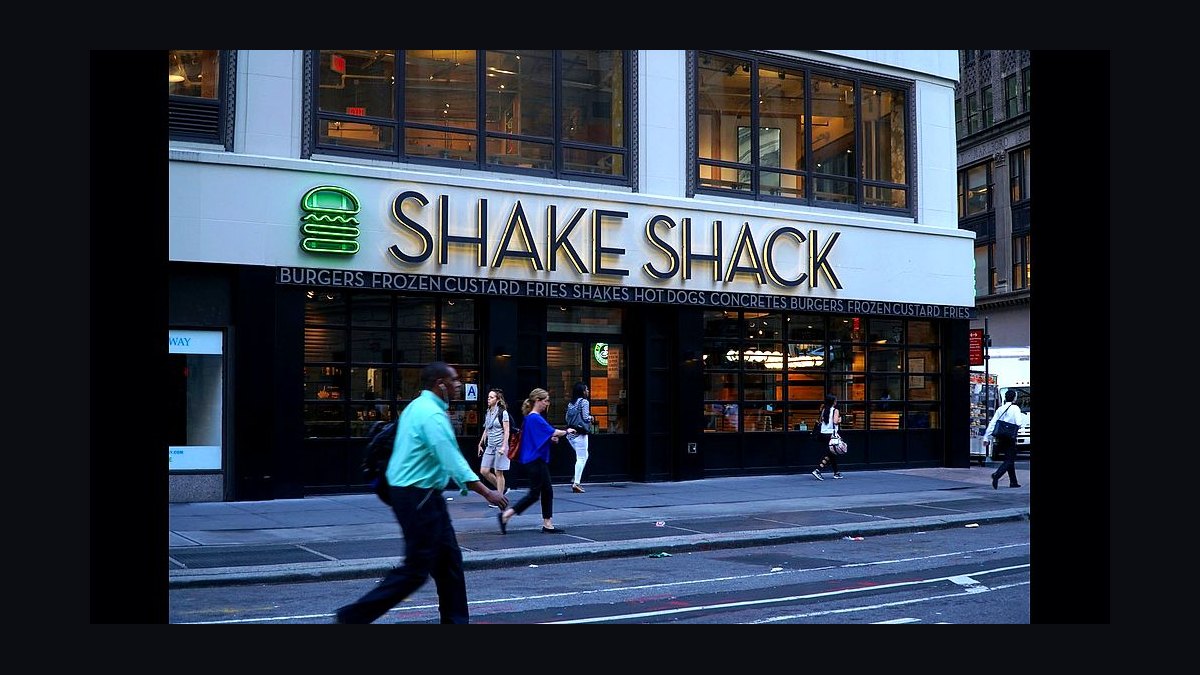
You almost certainly can't "buy a Shake Shack franchise" in the traditional sense — Shake Shack does not sell single-unit franchises to independent operators in the U.S.; domestic growth is company-owned, with licensing reserved for airports, stadiums, and large international operators. If you're choosing between a national concept and going independent, an independent sandwich shop gives you real equity, full menu and pricing control, and a far lower entry cost than any comparable branded fast-casual buildout.
A morning that shows the fork in the road
Picture two people standing in the same strip-mall vacancy in early 2027. One has just spent three weeks emailing Shake Shack's corporate development team, hoping to license a location, only to learn that the company doesn't accept unsolicited franchise applications from individual entrepreneurs — its growth model simply isn't built that way. The other has a folder of recipes, a landlord willing to negotiate tenant improvement dollars, and a plan to open a 1,400-square-foot independent sandwich shop under their own name. Both are chasing the same goal: a profitable, sustainable quick-service business. But they're on two entirely different paths, with different capital requirements, different levels of control, and different risk profiles.
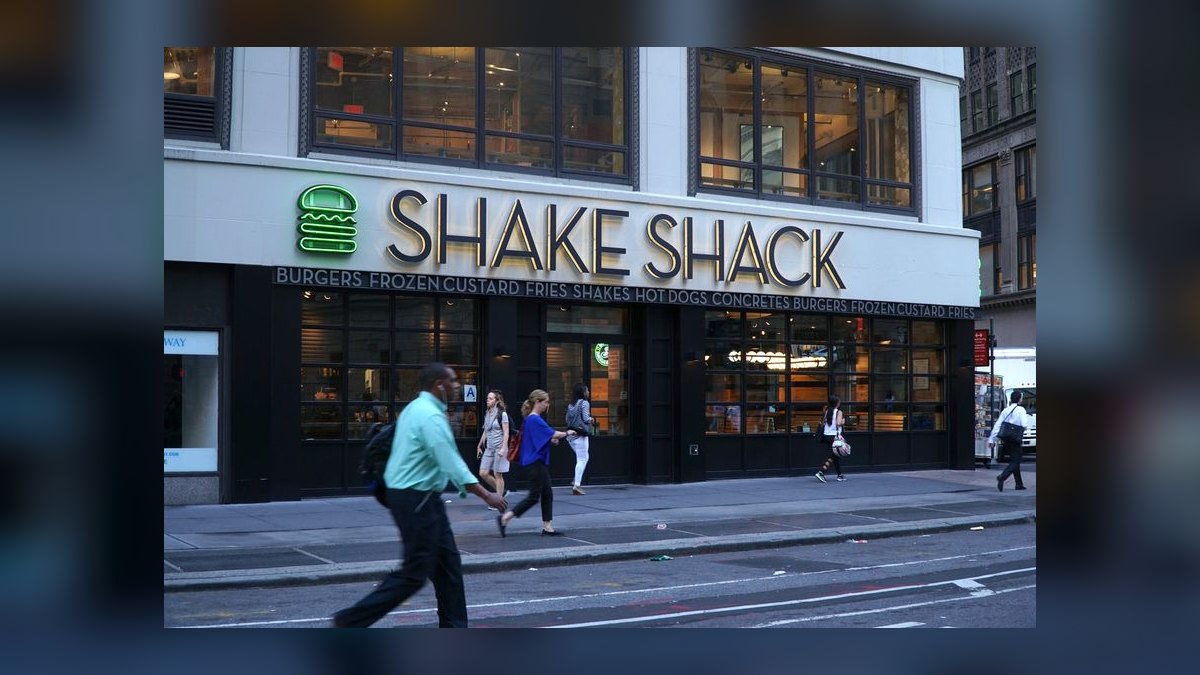
This scenario matters because so much of the franchise-versus-independent conversation assumes both doors are equally open. They aren't. Shake Shack, Inc. (NYSE: SHAK) is a publicly traded company that operates the overwhelming majority of its domestic Shacks itself. Its licensed locations — think airport terminals, stadiums, and university campuses, plus international markets like the Middle East, the U.K., and parts of Asia — are awarded to large multi-unit hospitality groups or master licensees with tens of millions of dollars in capital and existing operating infrastructure, not to a first-time operator answering an ad. If your 2027 plan hinges on personally signing a Shake Shack franchise agreement for a standalone restaurant, that plan needs to be rebuilt around a different brand or around going independent, because the door you're picturing doesn't exist for someone in your position.
That reframing is actually useful. It means the real decision isn't "Shake Shack or independent" — it's "a franchisable fast-casual burger or sandwich brand that actually sells territory (think the sandwich-and-sub category broadly, where multiple national chains do sell franchises) versus building your own independent shop from scratch." Once you see it that way, the comparison becomes a normal franchise-versus-independent analysis, and the sandwich category specifically is instructive because it spans everything from low-investment sub shops to premium build-your-own concepts.
How the licensing and franchise decision actually works (mermaid)
Franchised brands and independent concepts create value through fundamentally different mechanisms, and understanding the mechanism — not just the price tag — is what should drive your 2027 decision.
A franchise (in the sandwich category broadly, since Shake Shack itself isn't an option) sells you a system: a tested menu, a supply chain with negotiated food costs, a marketing engine funded by a shared ad fund, site-selection support, and a brand that already has awareness in your market. In exchange, you pay an upfront franchise fee (commonly $10,000–$50,000 in the fast-casual sandwich space), an ongoing royalty (typically 4%–8% of gross sales), and an advertising fund contribution (often 2%–4% of gross sales). You also agree to operate within the brand's rules — approved suppliers, fixed menu architecture, mandated renovations on a schedule you don't control, and territory restrictions that can cap your own growth.
An independent shop flips every one of those trade-offs. You keep 100% of gross sales minus your actual costs — no royalty, no ad-fund tax on revenue. You choose your own suppliers, which can mean better margins if you're a sharp negotiator or worse pricing if you lack a franchisor's purchasing scale. You build brand equity that's entirely yours, which matters enormously if you ever want to sell the business, since a franchise resale requires franchisor approval and often a transfer fee, while an independent business is yours to sell (or not) on your own terms. The mechanism below shows how the money and control flow differently in each model.
The numbers: investment, margins, and time-to-open
Because Shake Shack isn't a purchasable franchise, the honest numbers comparison is between a representative national sandwich/fast-casual franchise and a from-scratch independent build in 2027. Total investment for an established sandwich franchise typically runs $175,000 to $600,000 depending on the brand, market, and whether you're building out a new space or converting an existing restaurant shell — that range covers the franchise fee, leasehold improvements, kitchen equipment, initial inventory, signage, and a working capital reserve most franchisors require you to show before approval. Financing for a recognized brand is often easier to secure because SBA lenders and local banks have underwriting history with that concept's unit economics; you may see slightly better loan terms as a result.

An independent sandwich shop can be opened for meaningfully less — often $150,000 to $400,000 for a similarly sized space — because you're not paying a franchise fee and you have flexibility on equipment tier, buildout finish level, and menu complexity (a tighter menu means less equipment and lower initial inventory). The trade-off is that lenders will scrutinize your business plan and personal operating experience much more closely without a franchisor's track record to lean on, so expect to need a stronger personal credit profile, more collateral, or a larger down payment (often 20%–30% of total project cost versus the 10%–20% some franchise lenders will accept for a proven concept).
On margins, quick-service and fast-casual restaurants of either type typically target a 6%–9% net margin once mature, though many run tighter in year one while working through the learning curve on labor scheduling and food cost control. Franchise royalties and ad fund fees eat 6%–12% of gross revenue off the top before you even get to your own operating costs, which independents don't pay — but independents also don't get the franchisor's negotiated food costs, which can run several percentage points better than what a single independent location can secure from local distributors. Time-to-open also differs: a franchise with an established prototype can often go from lease signing to opening day in 4–6 months because the design, equipment specs, and vendor relationships are already defined; an independent concept frequently takes 6–12 months because you're making every design and vendor decision from a blank page.
Trade-offs and alternatives to weigh (mermaid)
Since the specific brand you named isn't a real option, the actual decision in front of you is a spectrum, not a binary. On one end sits a well-known national franchise with a proven playbook and lower personal risk but real ongoing fees and limited creative control. On the other end sits a fully independent sandwich shop with maximum upside and control but full exposure to every mistake, with no franchisor support system to catch you. In between sit options worth seriously considering for 2027: a smaller regional sandwich franchise with lower fees and more flexible territory terms than the mega-brands; a conversion franchise that lets you rebrand an existing independent operation while keeping much of your existing menu and staff; or a licensing/co-branding arrangement (similar in spirit to how Shake Shack itself grows internationally) where you partner with an existing multi-unit operator group rather than going it entirely alone.
The trade-off that matters most is risk tolerance versus desire for control. If you've never run a restaurant, the franchise route buys you a training program, an operations manual, and a support structure that materially lowers the odds of an early operational failure — things like a documented opening checklist, a tested point-of-sale and inventory system, and a field consultant who visits your store. If you have prior kitchen or restaurant management experience and a genuinely differentiated concept — a signature sandwich, a strong local following, a location with built-in foot traffic — independence lets you capture all of the upside you create instead of splitting it with a franchisor in perpetuity.
Common pitfalls and how to avoid them
The single biggest pitfall is chasing a specific brand name without checking whether it's actually available to you as an individual operator — exactly the trap in the original question. Before you spend a dollar on due diligence, confirm the brand actively sells single-unit franchises to individuals in your target market by requesting its Franchise Disclosure Document (FDD), which any legitimate U.S. franchisor must provide before you sign anything or pay a deposit. If a brand can't produce an FDD, or if its growth is publicly described as "corporate-owned and licensed to select multi-unit groups," you're not looking at a viable single-unit franchise opportunity, no matter how strong the brand is.
The second pitfall is underestimating working capital needs on either path. Franchise and independent operators alike commonly run out of cash in months four through nine — after the opening buzz fades and before the location has built a stable local customer base — because they budgeted for buildout costs but not for six to twelve months of below-breakeven operations. Build a cash reserve equal to at least three to six months of fixed costs (rent, base payroll, insurance, loan payments) into your opening budget, not as an afterthought.
The third pitfall, specific to independents, is menu overreach: trying to compete with a national brand's variety without that brand's supply chain or labor systems. Independent sandwich shops that succeed tend to launch with a tight, high-margin menu (8–14 core items) and expand only after operations are stable, rather than opening with 40 menu items and struggling to execute any of them consistently. The fourth pitfall, specific to franchisees, is treating the franchise fee as the full cost of entry — always model total investment including the contingency reserve most FDDs require (often 10%–15% of the buildout budget) before committing to a lease.
Related questions
How much does it actually cost to open an independent restaurant in 2027?
Expect $150,000–$500,000+ depending on size, market, and buildout scope, with commercial kitchen equipment and leasehold improvements as the largest line items. Get three contractor bids before finalizing your budget.
Can I get an SBA loan to open a sandwich shop?
Yes — SBA 7(a) loans are commonly used for both franchise and independent restaurant openings, typically requiring a 10%–20% down payment and a solid personal credit and experience profile.
Is Shake Shack publicly traded, and can I invest instead of operating one?
Yes, Shake Shack (NYSE: SHAK) is publicly traded, so buying shares is a straightforward way to have financial exposure to the brand without operating a location yourself.
What's the real failure rate for new independent restaurants?
Commonly cited industry estimates put first-year restaurant closures in the range of 15%–30%, with the odds improving significantly for operators who have prior restaurant management experience and adequate starting capital.
FAQ
Does Shake Shack franchise in the United States?
No. Shake Shack's domestic locations are almost entirely company-operated; licensing is reserved for non-traditional venues like airports and stadiums, awarded to established operating partners rather than individual applicants.
What sandwich brands actually do franchise to individuals? Numerous national and regional sandwich chains sell single-unit franchises with published FDDs; your due diligence should start by requesting that document directly from any brand you're seriously considering.
Is an independent sandwich shop more profitable than a franchise? It can be, since you avoid royalty and ad-fund fees, but you also lose the franchisor's negotiated supply costs and brand-driven customer traffic, so the net effect depends heavily on your local execution.
How long does it take to open a franchise versus an independent shop? A franchise with an established prototype often opens in 4–6 months; an independent concept commonly takes 6–12 months because every design and vendor decision starts from scratch.
What's the biggest financial risk in either model? Running out of working capital in the first six to nine months before the location reaches stable sales — budget a dedicated cash reserve beyond your opening buildout costs.
Should I get a franchise attorney before signing anything? Yes — have an attorney experienced in franchise law review the FDD and franchise agreement before you pay any fee or sign a lease tied to the deal.
Sources
- https://www.sec.gov/cgi-bin/browse-edgar?action=getcompany&company=shake+shack
- https://www.ftc.gov/business-guidance/resources/franchise-rule-compliance-guide
- https://www.sba.gov/business-guide/plan-your-business/franchise-businesses
- https://www.investopedia.com/terms/f/franchise.asp
- https://www.restaurant.org/research
- https://www.franchise.org/faqs
- https://www.shakeshack.com/careers/
- https://www.forbes.com/sites/forbesbusinesscouncil/
Related on PULSE
- How much working capital should a new restaurant hold in reserve?
- What questions should I ask before signing a franchise agreement?
- Independent vs. franchise: which builds more resale value over 10 years?
- How do I evaluate a Franchise Disclosure Document (FDD)?
- What's the realistic timeline from lease signing to restaurant opening day?
This page will be disappearing soon. Save it to your device for $1 — or read it free while it is here.
@Kory-White- · if Venmo asks, the last 4 of my number are 2012
This page is gone.
This one is off the shelf now. $1 keeps it on your phone for good — the whole page, pictures and diagrams included.
 franchiseShould I open or buy a Wingstop franchise in 2027?
 franchiseShould I open or buy a Servpro franchise in 2027?
 franchiseShould I open or buy a Hand and Stone Massage franchise in 2027?
 franchiseShould I open or buy a Papa John's franchise in 2027?
 franchiseShould I open or buy a Matco Tools franchise in 2027?
 franchiseShould I open or buy a Goddard School franchise in 2027?
 franchiseShould I open or buy a Cinnabon franchise in 2027?
 franchiseShould I open or buy a Valvoline Instant Oil Change franchise in 2027?
 franchiseShould I open or buy a Cook Out franchise in 2027?
 franchiseShould I open or buy an F45 Training franchise in 2027?