


Should I open or buy a Hooters franchise or open an independent sandwich shop in 2027?
Quality
Certified
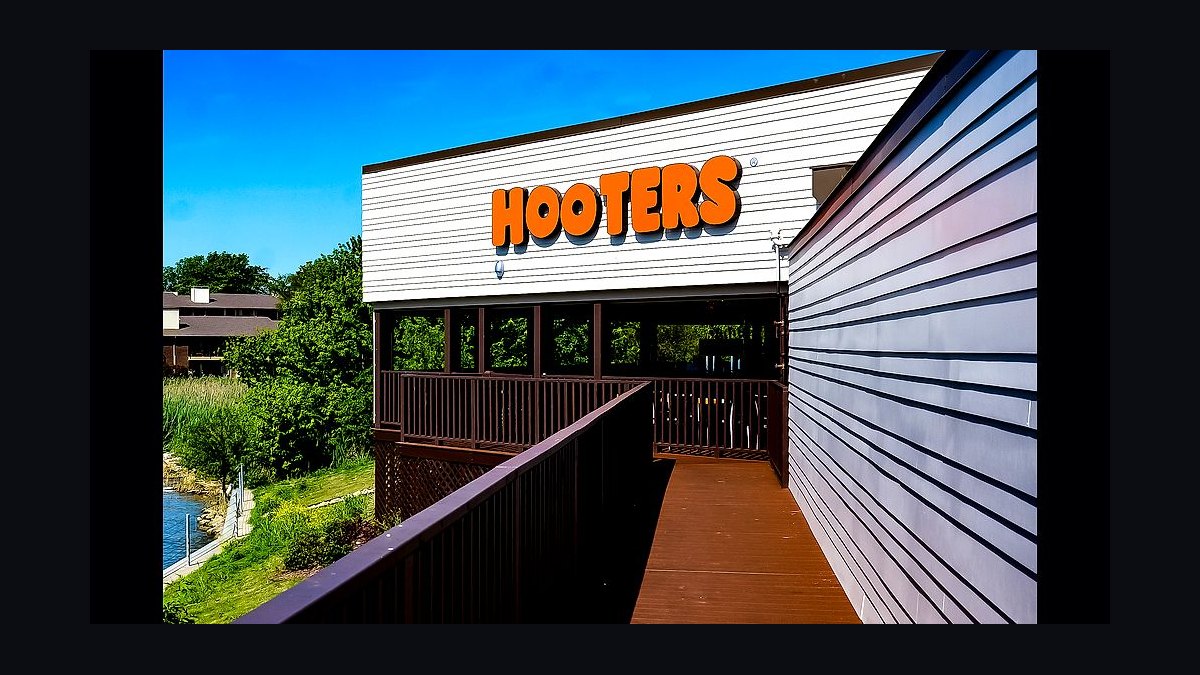
Buy the Hooters franchise if you want a proven system, brand recognition, and can fund a large full-service investment with liquor licensing — but expect corporate control and lower per-unit flexibility. Open an independent sandwich shop if you want lower startup capital, full creative and pricing control, and are willing to build your own brand from zero. Most first-time restaurant owners with under $500K in capital should default to the independent sandwich shop.
A founder weighing two very different bets
Picture two paths on the same desk in early 2027. Path one: a Hooters franchise agreement, a six-figure franchise fee, a build-out that needs a full bar, a kitchen line built for wings and fried appetizers, and a corporate operations manual thick enough to need a shelf. Path two: a 1,200-square-foot storefront lease, a slicer, a proofing cabinet, a sandwich board you write yourself, and total freedom over the menu, the branding, and the hours. Both are food-service businesses. Both can be profitable. But they are not variations on the same decision — they are two different businesses with different risk profiles, different capital requirements, and different skill sets required to run them well.
The Hooters route is a franchise purchase: you are licensing an existing brand, a existing supply chain, an existing training program, and an existing customer expectation (sports-bar atmosphere, specific uniform and service style, beer and cocktail program, wing-centric menu). You pay for that in an upfront franchise fee, ongoing royalties (typically a percentage of gross sales), and a marketing fund contribution, and in exchange you inherit brand recognition and a documented playbook. The independent sandwich shop route means you build every piece yourself: recipes, supplier relationships, pricing, hiring, marketing, even the name people learn to trust. You keep 100% of the upside and carry 100% of the unknowns.
The decision hinges less on "which business is better" and more on which risk you are equipped to absorb. A franchise buyer is really buying insurance against the mistakes a first-time operator typically makes — menu engineering, staffing ratios, food cost percentage targets, marketing cadence — because the franchisor has already made and fixed those mistakes across hundreds of locations. An independent owner is betting that the fee for that insurance (the franchise fee plus ongoing royalties, often 4-6% of gross revenue for full-service concepts, plus a marketing fee on top) costs more over five years than the mistakes they'll make learning it themselves. For a disciplined operator who already has restaurant management experience, that bet often favors independence. For someone with zero restaurant operating history walking into a category as operationally complex as a full-service, alcohol-serving concept, the franchise's guardrails are worth real money.
How the franchise-versus-independent decision actually plays out
The mechanism that separates these two paths is control versus scaffolding, and it shows up at every stage of the business — sourcing, training, marketing, and exit.
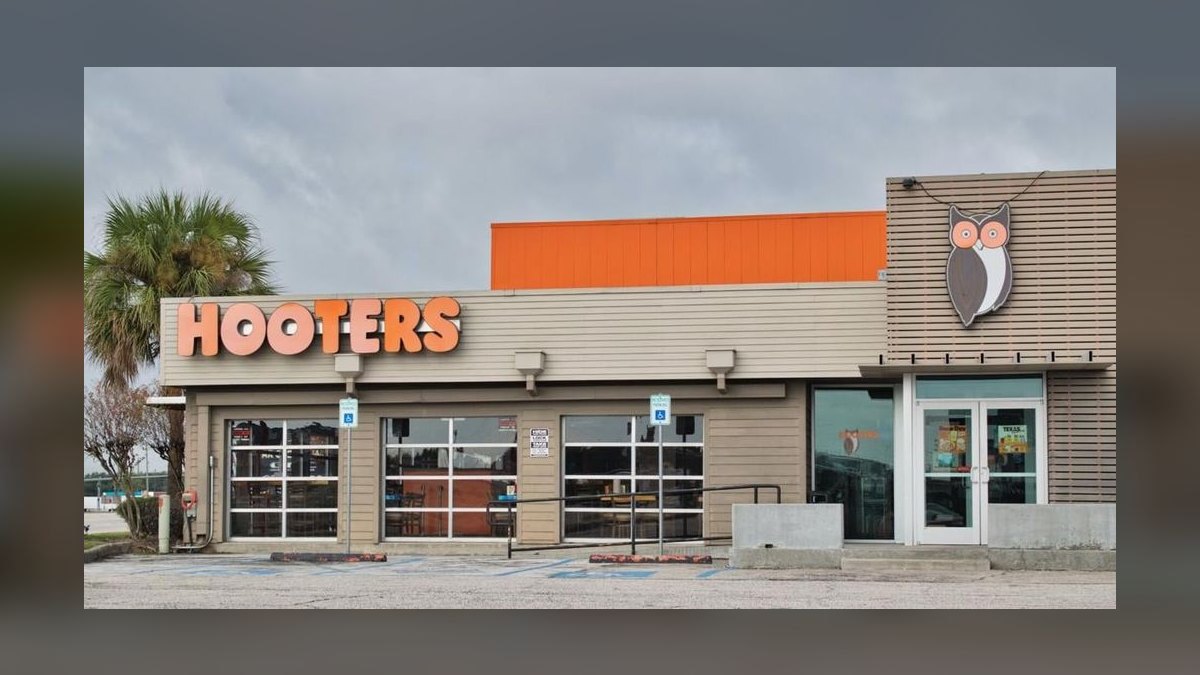
In the franchise path, every major decision has already been made by someone else and simply needs to be executed to spec. Hooters of America (and its franchise licensing arm) dictates the building prototype, the point-of-sale system, the uniform program, approved food and beverage suppliers, and the marketing calendar. Your job as franchisee is operational excellence within those lines: hiring and retaining staff, controlling local food and labor cost, hitting service-time targets, and following the brand's promotional calendar. You do not get to redesign the menu, change the uniform, or unilaterally discount below approved price floors. In exchange, you get a recognized name that drives walk-in traffic on day one, a training program that shortens the learning curve, and a support structure (regional manager, marketing co-ops, national advertising) that an independent owner has to build alone or go without.
In the independent path, the mechanism runs in reverse. You choose the location based on your own read of foot traffic and lease economics, not a corporate real estate team's site model. You build your menu around what you can source locally and price profitably, adjusting weekly if something isn't selling. You hire and train using whatever system you invent, which is a liability early on (inconsistent execution, slower ramp) but becomes an asset once refined, because it's tailored exactly to your unit rather than to an average across a national system. Marketing is 100% your own initiative and 100% your own cost — no marketing co-op writing local ads for you, no national brand awareness carrying customers through your door before they've ever heard of your specific shop.
Real numbers, ranges, and benchmarks
Cost structure is where the two paths diverge most sharply, and it's the number that should drive most of this decision.
A full-service, alcohol-licensed casual dining franchise in the Hooters category typically requires a much larger total investment than a limited-service sandwich concept, for a structural reason: it needs a full commercial kitchen with a fryer-heavy line, a bar build-out, walk-in cooler capacity for beer and liquor inventory, dining room seating for 150+ covers in many locations, and a liquor license — which in many states and municipalities alone can run from a few thousand dollars in low-regulation markets to well over six figures in license-capped markets like parts of California or New Jersey, on top of the multi-year approval timeline that can delay opening by months. Add in franchise fees, which for established casual-dining franchise systems commonly fall in the tens of thousands of dollars range as an upfront licensing cost, plus ongoing royalty payments (commonly structured as a percentage of gross monthly sales) and a separate marketing/ad fund contribution (also typically a percentage of gross sales), and the全 total cash commitment before the doors open is substantial — franchise disclosure documents for full-service concepts in this category have historically shown total investment ranges reaching well into seven figures once real estate, build-out, liquor licensing, initial inventory, and working capital reserves are included.
An independent sandwich shop sits at the opposite end of the investment spectrum. Limited-service concepts don't need a bar, don't need a fryer line sized for a full dinner menu, and don't need dining room capacity built for a Friday-night sports-bar crowd. A modest counter-service sandwich shop in a smaller footprint (often 800-1,500 square feet) can be built out with a prep table, a slicer, a panini press or flat-top, a small walk-in or reach-in cooler, and basic seating, with total startup costs — lease deposit, equipment, initial inventory, permits, and a cash reserve — landing in a fraction of the franchise number. Many independent quick-service sandwich concepts have opened for well under $200,000, and some minimal-footprint or ghost-kitchen versions for even less, though a build-out with full seating, updated HVAC, and a strong location will push that number up.
The ongoing cost structure also differs. The franchise carries permanent royalty and marketing-fund payments that scale with revenue for the life of the agreement — money that leaves the business regardless of local profitability. The independent shop has no royalty at all; every dollar of margin stays with the owner, but there's also no national co-op picking up part of the local advertising bill. Labor cost as a percentage of sales tends to run higher for full-service concepts (table service, bartenders, expediters) than for a lean counter-service sandwich operation, which can run with a smaller crew per shift. Food cost percentage targets are also different by category — full-service casual dining with a bar program often targets a blended food-and-beverage cost in the low-to-mid 30% range, while a well-run sandwich shop with tight portioning and simple ingredients can often run food cost in a similar or slightly lower band, with far less inventory complexity (no liquor shrinkage, no keg spoilage, fewer perishable SKUs).
Trade-offs and alternatives worth weighing before committing
Neither path is objectively better — they optimize for different things, and the right call depends on your capital, experience, and risk tolerance.
The franchise trade-off is capital and control traded for speed and predictability. You are paying a real premium — the franchise fee, the royalty stream, the brand-standard build-out costs — to skip years of trial and error on things like menu engineering, staff training, and marketing that already have a documented answer inside the franchisor's operations manual. That premium is worth it if you value a faster, more predictable path to a working business and you have (or can raise) the capital a full-service, liquor-licensed concept requires. It's a poor trade if you're capital-constrained, because a struggling franchise unit still owes royalties and still has to meet brand standards even in a slow month, which compounds financial pressure exactly when you can least afford it.

The independent trade-off runs the other way: you keep all the capital flexibility and all the upside, but you also own every mistake with no franchisor safety net. There's no regional manager to call when a menu item isn't selling, no national marketing fund subsidizing your slow Tuesdays, no established supplier network negotiating volume pricing on your behalf. You are also starting with zero brand equity — nobody drives past your sandwich shop already knowing what it is, the way they would recognize the Hooters sign from prior visits elsewhere. Every customer has to be earned from scratch through word of mouth, local marketing, and consistent quality over time.
A middle-ground alternative worth considering before committing to either extreme: a smaller, more established franchise concept in the limited-service or fast-casual sandwich category itself (rather than an independent shop or a large full-service brand like Hooters). This captures some of the franchise benefits — training, supplier relationships, some brand recognition — at a fraction of the capital requirement of a full-service, alcohol-licensed concept, because sandwich-category franchises typically don't carry liquor licensing costs or large dining-room build-outs. It's worth pricing out as a third option before assuming the choice is strictly "big franchise" versus "fully independent."
Common pitfalls and how to avoid them
The most common mistake with the Hooters franchise path is underestimating total cash needed before opening day, particularly the liquor license timeline and cost, which varies enormously by jurisdiction and can quietly add months of holding costs (rent, insurance, staff onboarding delays) on top of the license fee itself. Before signing, get a specific, written liquor licensing cost and timeline estimate for your exact municipality — don't rely on a national average, because license-capped markets can cost ten times more than an open-license state. A second common mistake is undercapitalizing working capital reserves; full-service restaurants commonly take longer to ramp to target sales volume than owners project, and royalty and marketing fund payments continue regardless of ramp speed, so a thin cash cushion turns a normal slow-start into a crisis.
The most common mistake with the independent sandwich shop path is underpricing the menu out of fear of losing price-sensitive customers before properly costing out each recipe, which quietly erodes margin every single day the shop is open. Cost every recipe to the ounce before setting a menu price, build in your target food cost percentage explicitly, and revisit pricing at least quarterly as ingredient costs shift. A second common mistake is skipping a real business plan and lease negotiation because "it's just a sandwich shop" — independent owners without franchisor-mandated site-selection discipline sometimes sign a lease in a location with insufficient foot traffic or unfavorable common-area-maintenance terms, which is one of the hardest mistakes to recover from since a lease is typically a multi-year commitment. Get a local commercial real estate broker's honest read on foot traffic and comparable rents before signing, the same discipline a franchisor's site-selection team would otherwise apply for you.
A pitfall common to both paths is treating the 2027 opening date as a fixed deadline rather than a target contingent on financing and permitting timelines. Liquor licensing, health department permitting, and commercial lease build-out approvals routinely run longer than first-time owners expect in either category — pad your timeline by several months beyond what a franchisor's brochure or your own optimistic estimate suggests, and don't sign a lease or franchise agreement with a hard opening commitment that assumes best-case permitting speed.
Related questions
How much does a Hooters franchise cost to open?
Total investment for a full-service, alcohol-licensed franchise like Hooters is typically substantial once franchise fees, build-out, liquor licensing, and working capital are included — request the current Franchise Disclosure Document (FDD) directly from the franchisor for exact, legally required figures before committing capital.
Is an independent restaurant more profitable than a franchise long-term?
Independent operations keep 100% of margin with no royalty payments, which can mean higher profitability once established — but franchises often reach stable profitability faster due to brand recognition and proven systems, so the "more profitable" answer depends on your time horizon.
What licenses does a sandwich shop need that a Hooters franchise doesn't?
Both need standard food service and health permits; a sandwich shop typically skips the liquor license entirely if it doesn't serve alcohol, removing one of the largest cost and timeline burdens a full-service concept like Hooters carries.
Can I negotiate franchise fees or royalty rates with Hooters?
Franchise fees and royalty structures are generally standardized across a franchise system and disclosed in the FDD; some flexibility can exist on development incentives for multi-unit commitments, but core fee structure is rarely negotiated for a single unit.
FAQ
Is Hooters still franchising new locations in 2027? Franchise availability changes by market and by franchisor decision over time — confirm current territory availability and FDD terms directly with Hooters of America's franchise development team before assuming a market is open.

Do I need restaurant experience to buy a Hooters franchise? Franchisors typically prefer or require prior management or multi-unit business experience and will evaluate applicants on operational and financial qualifications; requirements vary by brand and are detailed in the franchise application process.
How long does it take to open an independent sandwich shop from lease signing? Timelines vary widely by build-out scope and permitting speed in your municipality, but first-time independent owners should budget more time than initially expected for health department approval, equipment lead times, and staff hiring/training.
Is a franchise safer than starting independent? A franchise reduces certain operational risks through proven systems and brand recognition, but it does not eliminate business risk — franchisees can and do fail, particularly when undercapitalized, so "safer" applies mainly to execution risk, not financial guarantee.
What's the minimum credit score or net worth needed to qualify for a Hooters franchise? Financial qualification requirements are set by the franchisor and disclosed during the application process; they typically include minimum liquidity and net worth thresholds sufficient to cover the full investment range, not just the franchise fee.
Can I convert an independent sandwich shop into a franchise later? Some independent concepts do eventually franchise themselves out to other owners once the brand and systems are proven, but converting to an existing franchise like Hooters isn't possible — you'd be closing the independent brand and opening a separate franchised unit instead.
Sources
- https://www.franchise.org
- https://www.ftc.gov/business-guidance/resources/franchise-rule-compliance-guide
- https://www.sba.gov/business-guide/plan-your-business/franchise-businesses
- https://www.hooters.com
- https://www.restaurant.org
- https://www.qsrmagazine.com
- https://www.franchisedirect.com
- https://www.score.org/resource/business-planning-guides
Related on PULSE
- How much working capital do I need before opening a restaurant?
- What's the real cost of a liquor license by state?
- Franchise vs. independent: which has better long-term ROI?
- How do I calculate food cost percentage for a new menu?
- What questions should I ask a franchisor before signing an FDD?
- How long does restaurant permitting actually take in most cities?
This page will be disappearing soon. Save it to your device for $1 — or read it free while it is here.
@Kory-White- · if Venmo asks, the last 4 of my number are 2012
This page is gone.
This one is off the shelf now. $1 keeps it on your phone for good — the whole page, pictures and diagrams included.
 frShould I open or buy a McDonald's franchise in 2027?
 franchiseShould I open or buy a UPS Store franchise in 2027?
 franchiseShould I open or buy an F45 Training franchise in 2027?
 franchiseShould I open or buy a Cook Out franchise in 2027?
 franchiseShould I open or buy a Jamba franchise in 2027?
 franchiseShould I open or buy a Massage Envy franchise in 2027?
 franchiseShould I open or buy a Smoothie King franchise in 2027?
 franchiseShould I open or buy a KinderCare franchise in 2027?
 franchiseShould I open or buy a Goddard School franchise in 2027?
 franchiseShould I open or buy a Cold Stone Creamery franchise in 2027?