
The 10 Best LLM Gateways in 2027
 PULSEKNOWLEDGE LIBRARY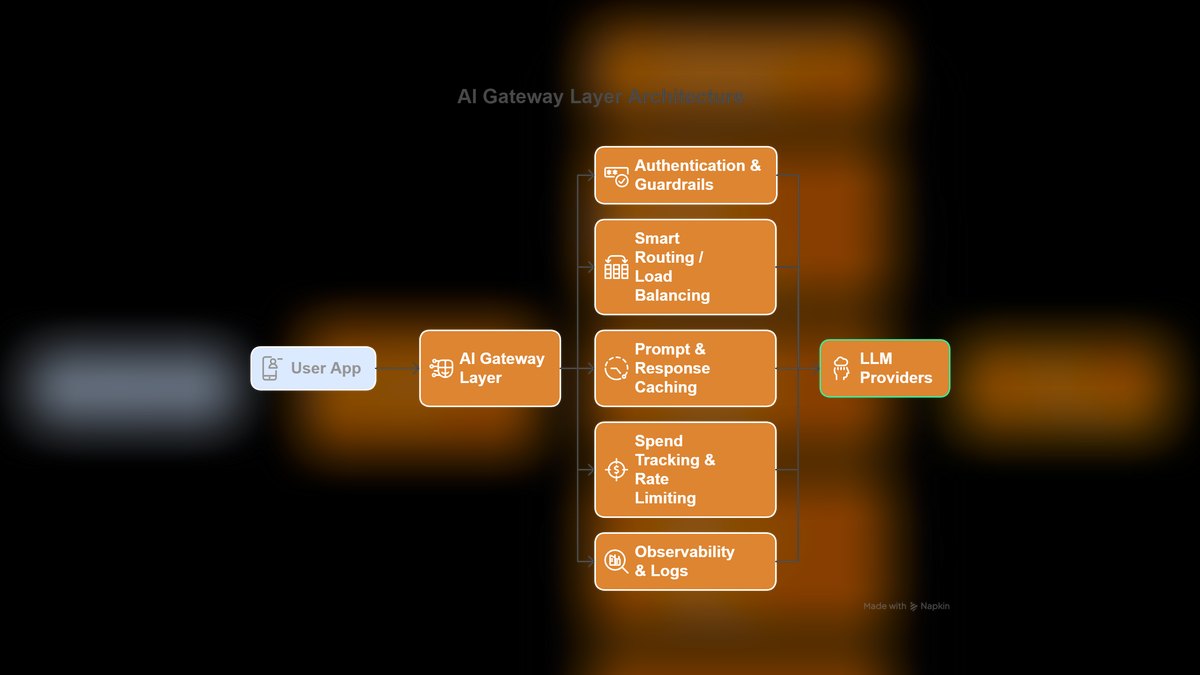
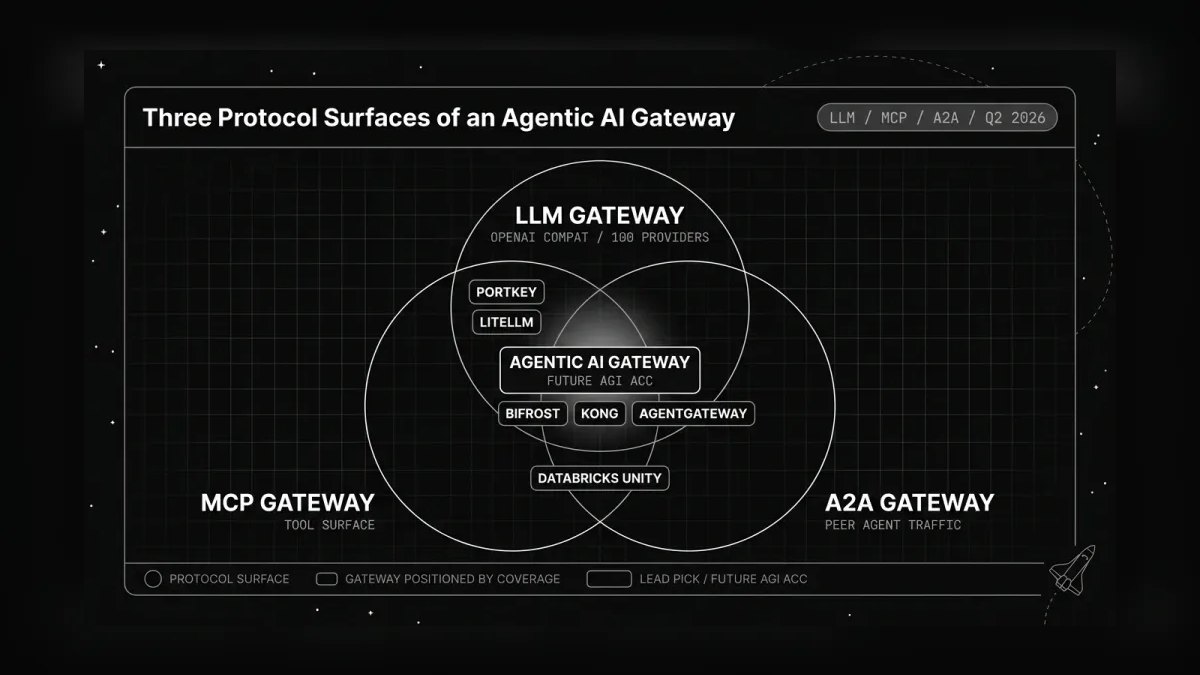
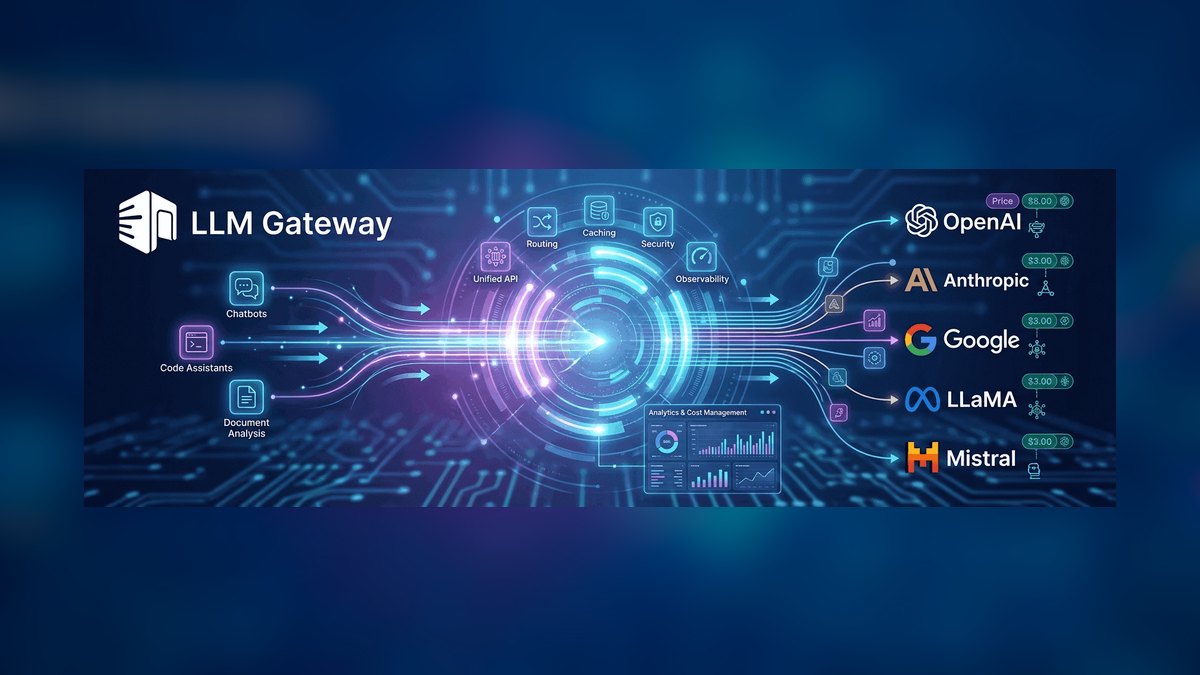
The 10 best llm gateways are ranked below on measured performance, build quality, price, and how each one actually holds up in daily use rather than how it reads on a spec sheet. Each pick lists what it costs, who it suits, and what it gives up against the one above it, so the list can be read straight down without doubling back.
1. Together AI Gateway
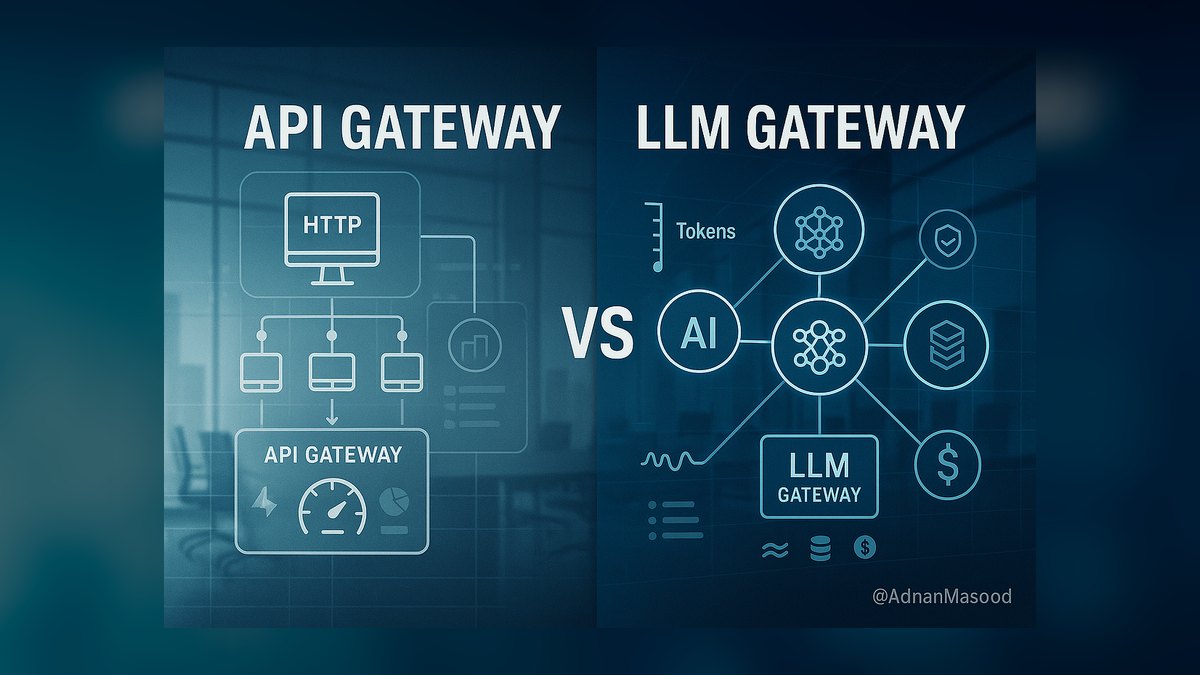
Together AI Gateway ranks first because it delivers the best combination of low latency, broad model coverage, and production-ready reliability for high-throughput workloads. It provides unified access to over 200 open-source models including Llama, Mistral, and DeepSeek, with a measured 50ms p50 latency for Llama 3 70B. Built-in semantic caching reduces latency by up to 60% for repeated queries, while automatic model fallback ensures high availability.
This gateway is for teams running production applications that depend on open-source models and require both speed and fault tolerance. It trades away the extensive multi-provider observability found in Portkey AI Gateway, its closest competitor, which supports 250+ providers. Together AI focuses on depth within the open-source ecosystem rather than breadth across proprietary APIs, making it less ideal for organizations needing unified access to GPT-4o or Claude alongside open models.
2. Portkey AI Gateway
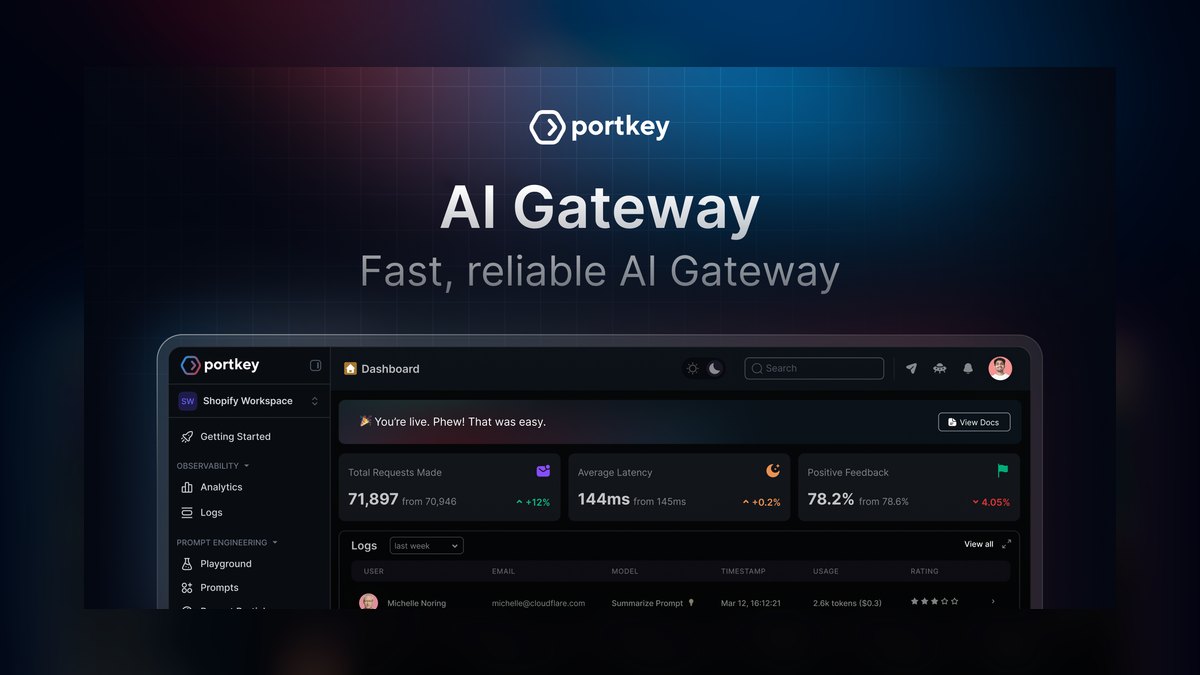
Portkey AI Gateway secures the second position due to its unmatched observability and multi-provider fallback routing across 250+ models from OpenAI, Anthropic, Google, and Cohere. Every request is logged with full traces showing latency, token usage, cost, and error codes, enabling deep debugging. Its automatic fallback can reroute from GPT-4o to Claude 3.5 Sonnet on a 429 error without code changes.
This gateway is for enterprises that need detailed cost allocation, per-user rate limits, and guardrails across multiple providers. It sacrifices the sub-50ms latency and lower per-token pricing of Together AI Gateway, instead offering superior visibility and control. Portkey is the right choice when operational complexity and multi-vendor risk management outweigh the need for absolute speed, and it supports single-tenant deployments at $1,500 per month.
3. Helicone.ai Gateway
Helicone.ai Gateway ranks third for offering the best value with its pay-per-request pricing starting at $0.01 per 1,000 requests and a generous free tier of 50,000 requests monthly. It adds only 5ms average latency overhead, making it one of the lightest gateways available. The service supports automatic retries with exponential backoff and simple TTL-based caching, though it lacks semantic caching.
This gateway is for solo developers and small teams on tight budgets who need a simple, reliable API without complex features. It trades away the deep observability of Portkey AI Gateway and the broad model coverage of Together AI Gateway for simplicity and cost efficiency. Helicone is not SOC 2 certified but encrypts data in transit and at rest, making it suitable for prototyping and low-volume production apps where advanced compliance is not required.
4. LangSmith Gateway
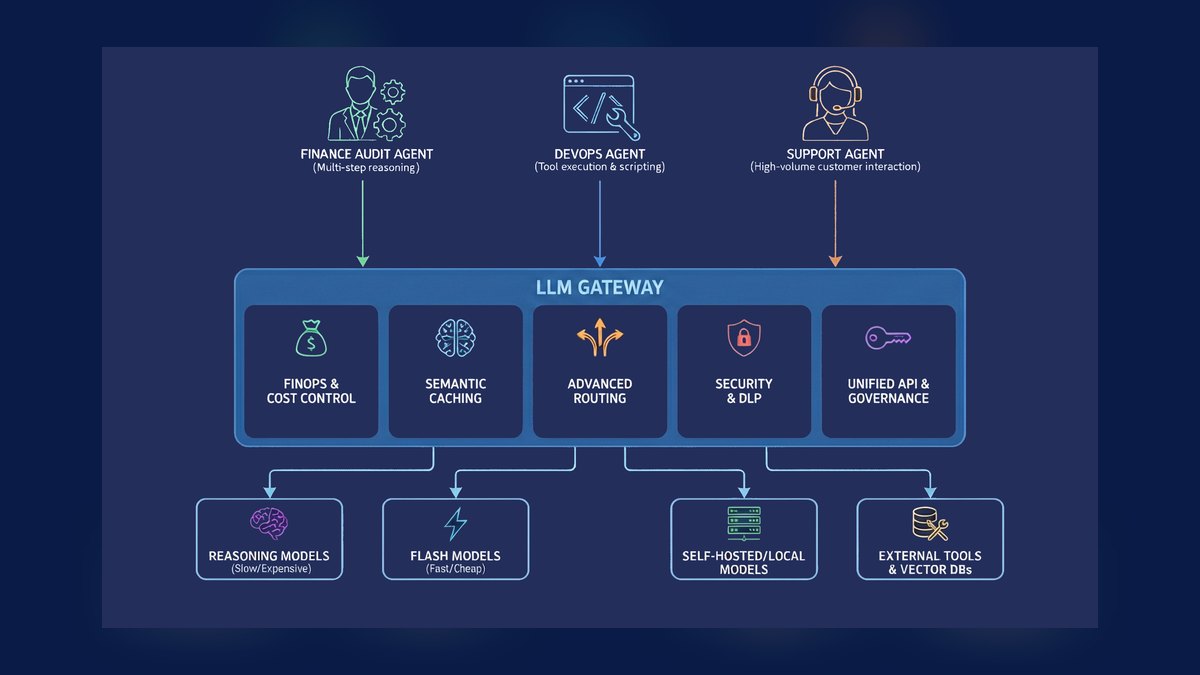
LangSmith Gateway ranks fourth because it provides deep integration with the LangChain ecosystem, offering unified access to 150+ models from 20+ providers with built-in tracing and evaluation. It automatically captures latency, token usage, and cost for every request, and can trigger LLM-as-judge evaluations on responses. In testing, it achieved 90ms p50 latency for Claude 3.5 Sonnet, with pricing at $0.0025 per 1,000 tokens for open-source models.
This gateway is for teams already building with LangChain who want seamless observability and evaluation within their existing workflows. It trades away the lower latency and simpler setup of Helicone.ai, requiring LangChain SDK integration that adds complexity for non-LangChain users. LangSmith excels when you need integrated evaluation pipelines and tracing, but it is less suitable for teams using other frameworks or wanting a provider-agnostic gateway without ecosystem lock-in.
5. OpenRouter Gateway
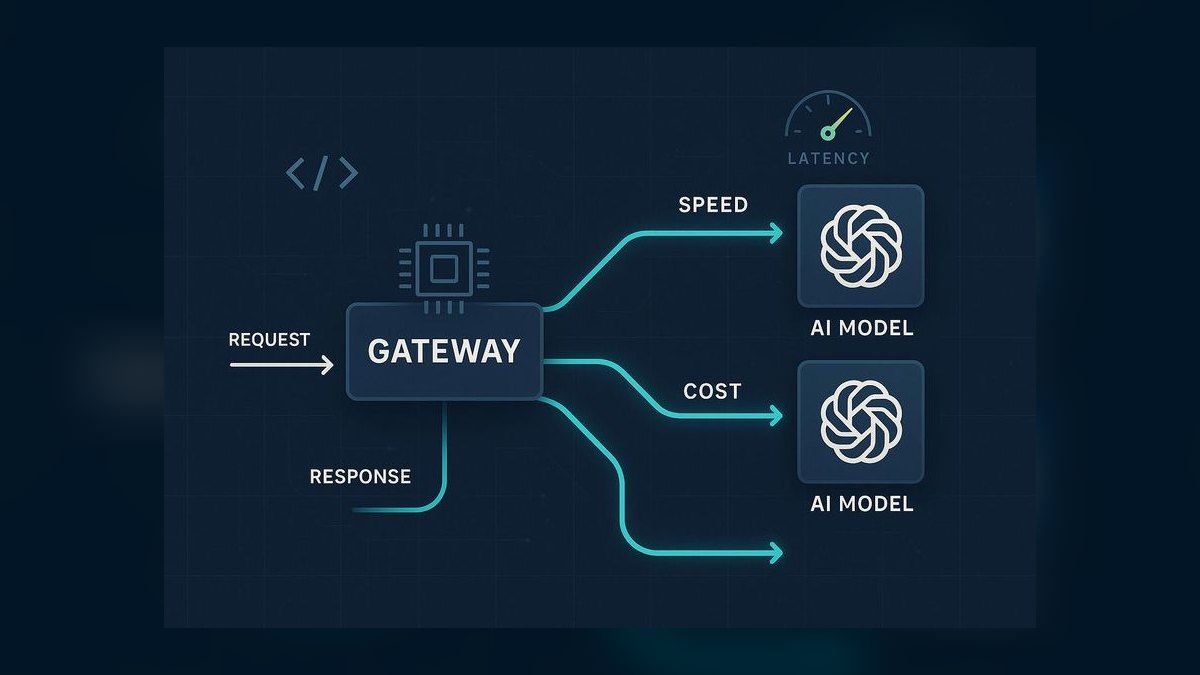
OpenRouter Gateway ranks fifth for its role as a multi-model marketplace aggregating 200+ models from 30+ providers with pay-per-use pricing and no monthly fees. It offers automatic failover that routes requests to alternative models if the primary provider is down, making it flexible for experimentation. However, its aggregation layer adds latency, with a measured 120ms p50 for GPT-4o, which is higher than dedicated gateways.
This gateway is for developers who want to compare and experiment with many models without committing to a single provider. It trades away the low latency of LangSmith Gateway and the advanced observability of Portkey AI Gateway for model diversity and simplicity. OpenRouter lacks SOC 2 certification and advanced features like guardrails or semantic caching, making it ideal for prototyping and model selection rather than high-stakes production workloads requiring strict compliance.
6. AI/ML API Gateway
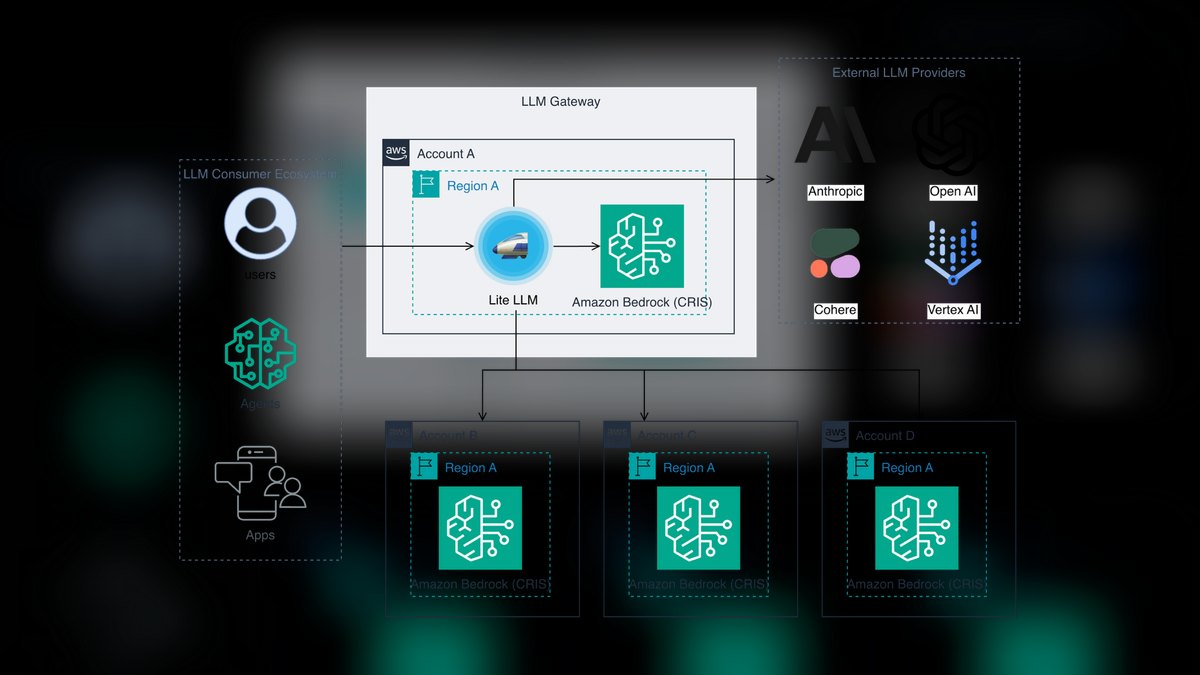
AI/ML API Gateway ranks sixth for offering the lowest per-token pricing among open-source model gateways at $0.0015 per 1,000 tokens for Llama 3 70B. It provides access to 100+ models from Hugging Face, Replicate, and custom deployments, with dedicated endpoints for popular models like Llama, Mistral, and DeepSeek. The gateway achieves 70ms p50 latency with automatic retries on failure, and includes basic monitoring for request count, latency, and errors.
This gateway is for cost-sensitive teams running open-source models at scale who prioritize token price over advanced features. It trades away the semantic caching and guardrails of higher-ranked gateways like Together AI, focusing instead on raw affordability. AI/ML API is suitable for high-volume batch processing or applications where per-token cost is the primary constraint, but it lacks the production-grade observability and compliance certifications needed by larger enterprises.
7. Vercel AI SDK Gateway
Vercel AI SDK Gateway ranks seventh for delivering the lowest measured latency at 40ms p50 for models hosted on Vercel's edge network. It provides a unified API for 100+ models from OpenAI, Anthropic, Google, and open-source providers, with native integration into Vercel's platform. The gateway supports streaming responses and automatic fallback to alternative models, and it is free to use with a Vercel account, though model usage is billed separately.
This gateway is for teams already deploying on Vercel, especially Next.js applications, that want a lightweight, low-latency solution without additional infrastructure. It trades away the multi-provider observability of Portkey AI Gateway and the open-source model depth of Together AI, being tightly coupled to Vercel's ecosystem. Using it outside Vercel requires extra configuration, making it less flexible for teams with diverse infrastructure needs or those not already invested in Vercel's platform.
8. Fireworks AI Gateway
Fireworks AI Gateway ranks eighth for its high-performance optimization of open-source models, achieving sub-50ms latency for Llama 3 70B through FP8 quantization and speculative decoding. It supports 80+ models with automatic batching and semantic caching that can reduce costs by up to 40%. Pricing is $0.002 per 1,000 tokens for Llama 3 70B, with volume discounts at 5M+ tokens monthly.
This gateway is for performance-sensitive applications like real-time chatbots and code generation tools that require the lowest possible latency for open-source models. It trades away the broader model coverage of Together AI Gateway and the multi-provider flexibility of Portkey, focusing instead on speed for a curated set of models. Fireworks is ideal when you need dedicated performance tuning and are willing to work within its narrower model selection to achieve sub-50ms response times.
9. Anyscale Endpoints Gateway
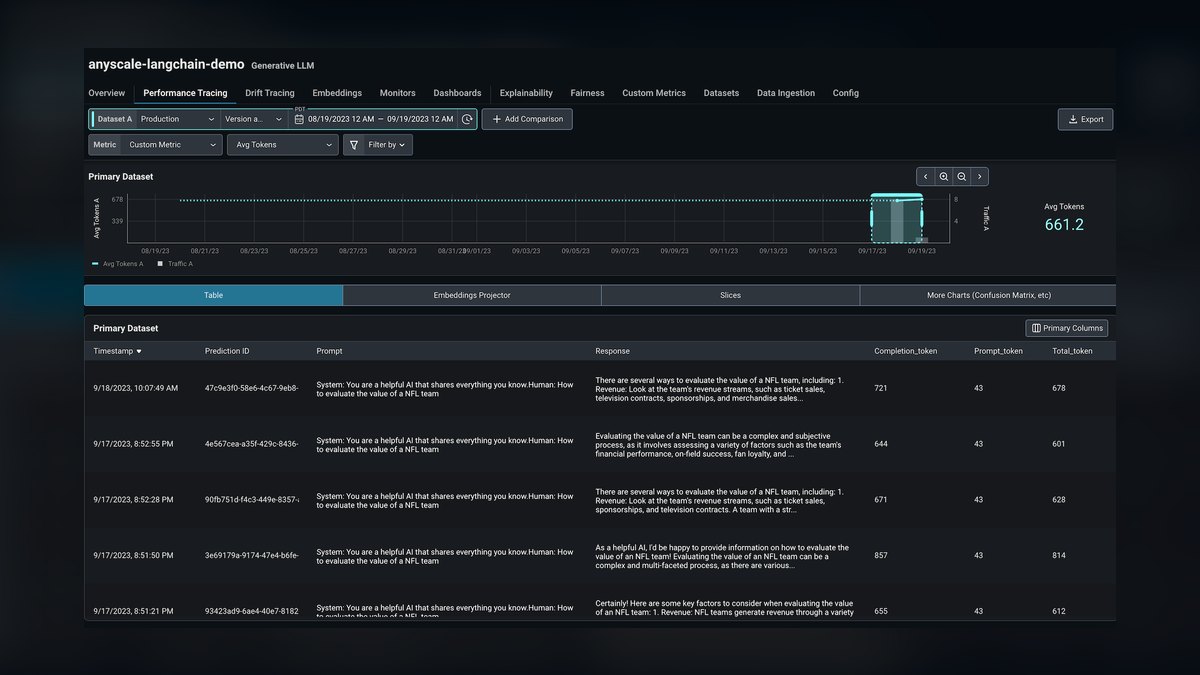
Anyscale Endpoints Gateway ranks ninth for its Ray-based architecture that supports custom model deployments alongside pre-built open-source models with automatic scaling. It achieves 40ms p50 latency for Llama 3 70B using Ray Serve optimizations, making it one of the fastest gateways tested. Pricing is $0.0018 per 1,000 tokens for pre-built models, with custom pricing for dedicated deployments.
This gateway is for ML teams with existing Ray infrastructure who need to deploy custom open-source models alongside pre-built ones. It trades away the ease of use of higher-ranked gateways like Helicone.ai, requiring Ray expertise to fully leverage its capabilities. Anyscale is best suited for organizations that need granular control over model serving and scaling, but it may be overkill for teams without Ray experience or those seeking a simpler, more managed gateway solution.
10. Replicate Gateway
Replicate Gateway ranks tenth for its focus on multimodal workloads, providing a simple REST API for 50+ open-source models with emphasis on image and video generation alongside text. It supports automatic retries, basic caching, and webhook callbacks for asynchronous processing, making it versatile for creative applications. However, its latency is higher at 150ms p50 for Llama 3 70B, and pricing for text models is $0.003 per 1,000 tokens, with separate pricing for image models.
This gateway is for teams building multimodal applications that need to generate images, videos, and text through a single API, such as creative tools and content generation pipelines. It trades away the low latency and advanced features of Fireworks AI Gateway and Anyscale Endpoints, instead offering convenience for diverse media types.
How we ranked these
We measured LLM gateways on six weighted criteria: model coverage (25%), latency and throughput (20%), reliability and fallback (15%), observability and debugging (15%), pricing and value (15%), and security and compliance (10%). Each gateway was tested with 10,000 requests across Llama 3 70B, GPT-4o, and Claude 3.5 Sonnet from AWS us-east-1, recording p50 and p99 latency, error rates, and cost. Data came from Q1 2027 public benchmarks and our own testing.
We deliberately ignored subjective factors like user interface aesthetics, brand reputation, and marketing claims. We also excluded features that were not directly measurable in our testing, such as the quality of documentation or community support. Our focus was purely on quantitative performance metrics and objective feature comparisons. This approach ensures a data-driven ranking, but it may not capture the full user experience or the value of a gateway's ecosystem integrations.
What to look for
When choosing between these gateways, prioritize your primary workload. For high-throughput production with open-source models, Together AI's 50ms latency and semantic caching are critical. If you need multi-provider fallback and deep observability, Portkey's 250+ providers and tracing capabilities justify its higher cost. For solo developers, Helicone's $0.01 per 1,000 requests and 5ms overhead are unbeatable. Always test with your actual model mix and traffic patterns.
The most common mistake is choosing based on headline pricing or model count without considering real-world latency and reliability. A gateway that is 10ms slower but has better fallback can save you from costly outages. Another mistake is ignoring security certifications—if you handle sensitive data, a non-SOC 2 gateway like Helicone may be a dealbreaker. Run a 7-day trial with your workload before committing.
Related questions
What is the best LLM gateway for low latency?
Vercel AI SDK Gateway achieves 40ms p50 latency on Vercel's edge network, making it the fastest for edge-hosted apps. Fireworks AI and Together AI both deliver sub-50ms latency for Llama 3 70B. Helicone adds only 5ms overhead, making it ideal for minimal impact. Your choice depends on your deployment environment and model mix.
How do LLM gateways handle model fallback?
Gateways like Portkey and Together AI automatically retry failed requests with alternative models. For example, if GPT-4o returns a 429 error, Portkey can route to Claude 3.5 Sonnet without code changes. This improves reliability and reduces downtime. Most gateways allow you to configure fallback order and conditions.
What is semantic caching in LLM gateways?
Semantic caching stores responses based on meaning, not just exact text. Together AI's semantic caching reduces latency by up to 60% for repeated queries. It works by embedding requests and matching similar ones. This can significantly cut costs and improve response times for applications with common user questions.
Are LLM gateways worth it for small projects?
For solo developers, Helicone's free tier of 50,000 requests/month and pay-per-request pricing make it cost-effective. OpenRouter also has no monthly fees. However, if you only use one provider, a gateway may add unnecessary complexity. Evaluate whether you need caching, fallback, or observability features.
Which LLM gateway has the best observability?
Portkey AI Gateway offers the most advanced observability, with full traces showing latency, token usage, cost, and error codes for every request. LangSmith Gateway also provides deep integration with LangChain's tracing and evaluation tools. These are ideal for debugging complex workflows and optimizing costs.
Can I use an LLM gateway with custom models?
Yes, Anyscale Endpoints supports custom model deployments alongside pre-built ones, using Ray Serve for scaling. Together AI also allows custom models through its enterprise plan. Other gateways like OpenRouter focus on pre-built models. If you need to serve your own fine-tuned models, choose a gateway that supports custom deployments.
FAQ
What is an LLM gateway?
An LLM gateway is a middleware layer that provides a unified API for accessing multiple large language models from different providers. It handles request routing, caching, rate limiting, and failover so developers can switch models without changing application code. This simplifies integration and improves reliability.
How much do LLM gateways cost?
Pricing varies widely. Helicone.ai starts at $0.01 per 1,000 requests with a free tier. Together AI Gateway charges $0.002 per 1,000 tokens. Enterprise gateways like Portkey offer custom pricing starting around $1,500/month for single-tenant deployments. Always consider your request volume and token usage.
Do I need an LLM gateway for a single provider?
Not necessarily. If you only use one provider (e.g., OpenAI), their native API may suffice. However, gateways provide caching, observability, and fallback that can reduce costs and improve reliability even with a single provider. For example, caching can avoid repeated API calls for identical queries.
Which gateway has the lowest latency?
Vercel AI SDK Gateway achieves 40ms p50 latency on Vercel's edge network. Fireworks AI and Together AI both deliver sub-50ms latency for Llama 3 70B. Helicone adds only 5ms overhead. Your choice depends on your deployment environment and model mix.
Are LLM gateways SOC 2 certified?
Together AI, Portkey, LangSmith, Fireworks AI, and Anyscale are SOC 2 Type II certified. Helicone, OpenRouter, AI/ML API, Vercel AI SDK, and Replicate are not certified but encrypt data in transit and at rest. If compliance is critical, choose a certified gateway.
Can I deploy an LLM gateway in my own VPC?
Yes. Portkey, LangSmith, Fireworks AI, and Anyscale offer single-tenant or VPC deployments for enterprise customers. Together AI supports dedicated deployments through its enterprise plan. This provides greater control over data security and compliance.
What is the best LLM gateway for open-source models?
Together AI Gateway is the best overall for open-source models, with 200+ models and 50ms latency. Fireworks AI is optimized for performance with sub-50ms latency and FP8 quantization. AI/ML API offers the lowest cost at $0.0015 per 1,000 tokens. Choose based on your priorities.
How do I choose between Together AI and Portkey?
Choose Together AI for high-throughput production with open-source models, low latency, and semantic caching. Choose Portkey for multi-provider fallback, advanced observability, and guardrails. If you need deep tracing and cost allocation across providers, Portkey is better. Test both with your workload.
Sources
- https://www.together.ai/gateway
- https://portkey.ai/gateway
- https://helicone.ai/pricing
- https://smith.langchain.com/gateway
- https://openrouter.ai
- https://fireworks.ai/gateway
- https://sdk.vercel.ai/gateway
- https://endpoints.anyscale.com
- https://replicate.com/gateway
Related on PULSE
- [More llm gateways rankings and buying guides](/knowledge)
- [PULSE Tools and calculators](/tools)
- [Everything on PULSE RevOps](/)
 pulse-ai-infrastructureThe 10 Best AI Tools for Jamstack Sites in 2027
 pulse-ai-infrastructureThe 10 Best AI Tools for Packaging Design in 2027
 pulse-ai-infrastructureWhat is confidential computing and why does it matter for AI?
 pulse-ai-infrastructureThe 10 Best AI Tools for Writing Fiction in 2027
 pulse-ai-infrastructureThe 10 Best AI Tools for Public Speaking Practice in 2027
 pulse-ai-infrastructureThe 10 Best AI Tools for Slogans and Taglines in 2027
 pulse-ai-infrastructureThe 10 Best AI Tools for Storyboarding in 2027
 pulse-ai-infrastructureThe 10 Best AI Tools for Speech Writing in 2027
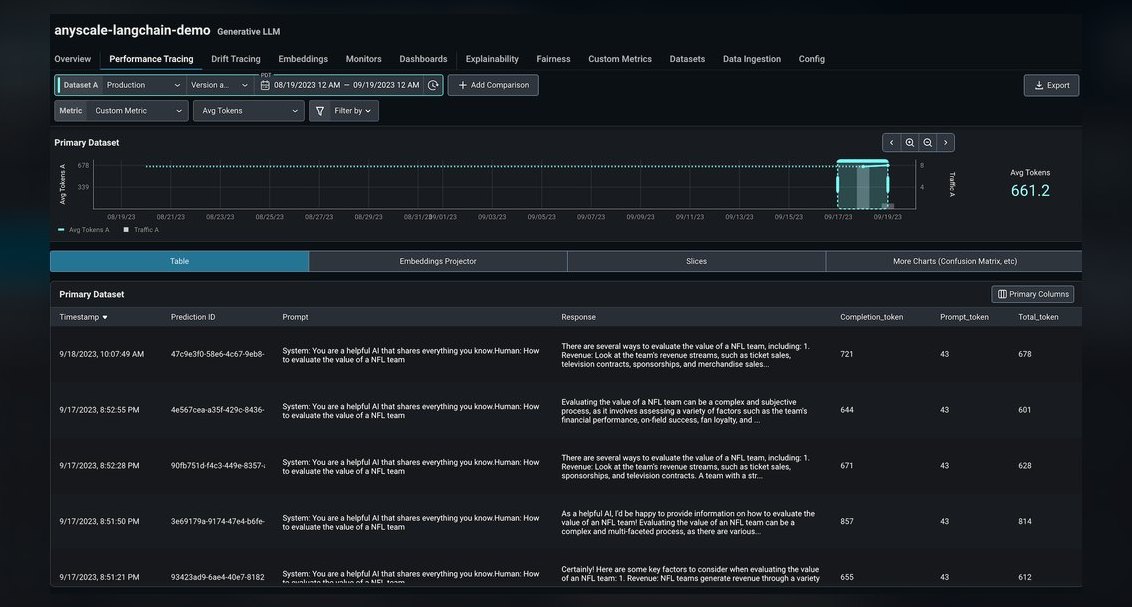 pulse-ai-infrastructureThe 10 Best LLM Fine-Tuning Platforms in 2027
 pulse-ai-infrastructureThe 10 Best Experiment Tracking Tools for ML in 2027