
Should I open or buy an Oil Can Henry’s franchise in 2027?
 Curated byKory White · Fractional CRO · Maryland
 PULSEKNOWLEDGE LIBRARY
Quality
Certified

Opening an Oil Can Henry’s franchise in 2027 may require a total investment typically ranging from $200,000 to $400,000, with ongoing royalty and marketing fees. Buying an existing location could cost more or less depending on its revenue and condition, but both options depend on your capital, market availability, and the franchisor’s current approval process. It’s best to contact Oil Can Henry’s directly for the most accurate 2027 figures and opportunities.
Let me cut through the noise. After 25 years in revenue leadership, I've seen more franchise dreams die on weak traffic counts than bad business models. Oil Can Henry's? It's a high-volume, real-estate-driven, transactional auto-service business that lives and dies on car count and ticket average. Period. No amount of branding magic changes that physics.
Here's the raw truth I'd tell anyone asking me in 2027: Oil Can Henry's can be a solid investment for an operator who can secure a high-traffic location, run a high-volume service operation, and drive ticket through honest add-on recommendations — ideally within or near its existing Western footprint. Its focused model, repeat-visit customers, and recognizable regional brand are real advantages. But it's a poor fit for an absentee investor, a low-traffic or weak-visibility site, or anyone opening cold in a market where the brand is unknown — because quick lube is a location-and-volume business where the wrong site sinks you faster than you can say "loss-leader oil change."
The Numbers That Tell the Real Story
Let's talk money. Not the glossy FDD page — the gritty math that keeps me up at night. Oil Can Henry's franchises a quick-lube service center with a distinctive drive-through twist: customers stay in their car while a friendly, fast oil change happens around them. Roughly 80-plus locations concentrated in the Pacific Northwest and West. The investment reflects that specialized build.
Here's your actual capital stack:
- Total initial investment: ~$300,000–$1,200,000+ — depending on whether you build new, convert an existing facility, and on real estate costs. No shortcuts.
- Initial franchise fee: ~$35,000 per location. Non-negotiable.
- Royalty fee: ~5–6% of gross sales. Every month. Like clockwork.
- Advertising / brand fund: ~2–4% of gross sales. You're paying for regional awareness.
- Revenue model: transactional oil changes plus add-on services (filters, fluids, wipers), with repeat customers returning every few months.
- Net worth requirement: ~$400,000+, with ~$100,000–$150,000 liquid typically expected.
- Multi-unit interest: Oil Can Henry's favors multi-unit operators building density within its regional footprint. They want scale.
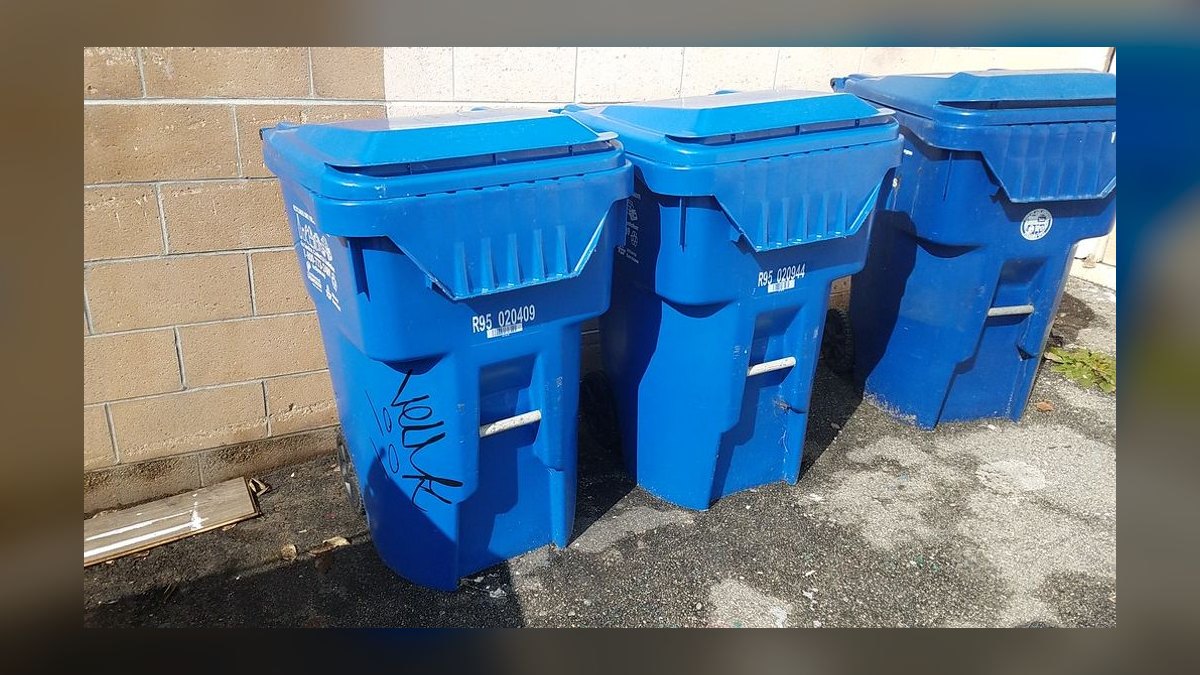
Here's the nuance most gloss over: quick-lube revenue is driven by car count and average ticket, and both depend on a high-traffic, visible location. The single oil change is a low-margin loss-leader-ish item; the profit comes from volume plus honest add-on service (air filters, cabin filters, fluids). Underwrite to realistic daily car counts for your specific site, not a best-case location — I've watched too many operators get burned by "optimistic" projections.
And the operating reality? A quick-lube shop runs on relatively low labor cost as a percentage of revenue when volume is healthy, but the model is fixed-cost-heavy — rent, equipment, and a minimum staffing level must be covered whether ten or sixty cars come through, so the business only works above a critical daily car count. New or converted shops commonly take 6–18 months to build the customer base and repeat-visit rhythm to a profitable run-rate. Plan an operating-capital cushion to fund the ramp on top of the build. A reserve of several months of operating expenses, separate from construction, is what carries you to the volume the economics require.
Who Wins and Who Loses (No Gray Area)
%20Should%20I%20open%20or%20buy%20an%20Oil%20Can%20Henry%E2%80%99s%20fr%2C%20realistic%20magazine%20style%2C%20warm%20light%2C%20no%20text%2C%20no%20watermark?width=1200&height=675&nologo=true&model=flux&seed=43787)
Who wins
- Operators with a high-traffic, high-visibility site in or near the Western footprint where the brand has presence and the location drives car count. You're buying traffic, not a business.
- Hands-on owners who run a high-volume service operation well — fast, friendly, efficient bays — and drive ticket through honest add-on recommendations. This is a service business, not a passive investment.
- Multi-unit developers building density in the regional market, leveraging shared management and local brand awareness. Scale is your friend.
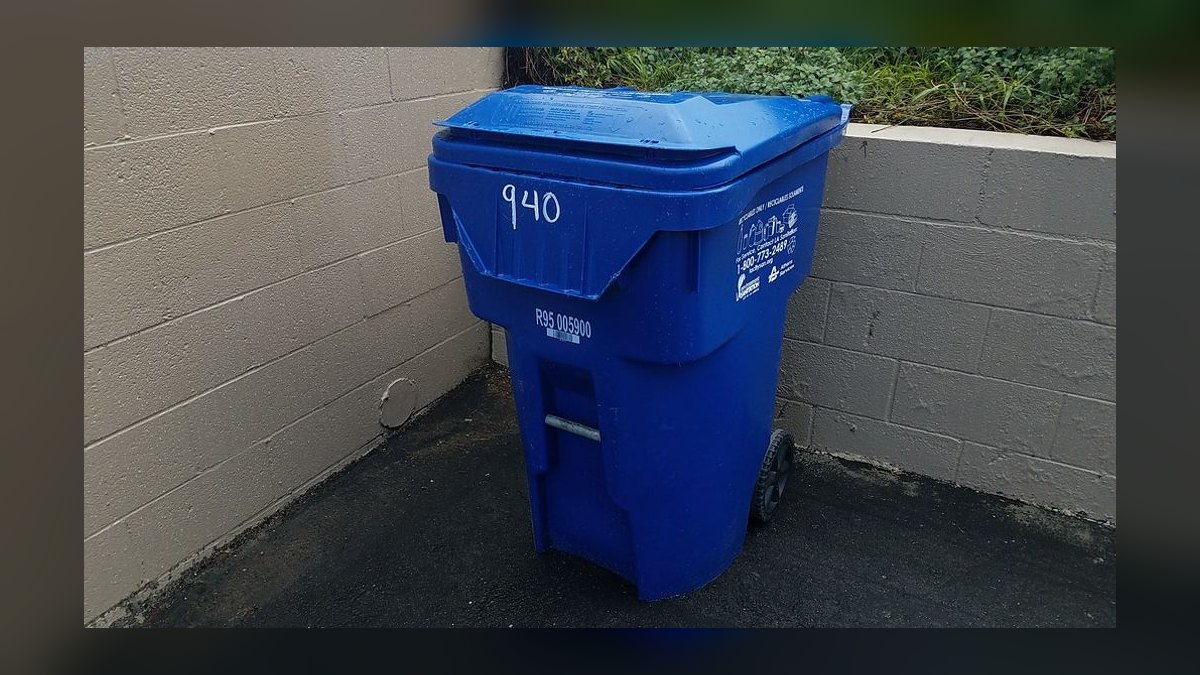
Who loses
- Absentee investors expecting passive income. Quick lube is a high-volume service operation that demands on-site management of speed, quality, and labor. I've seen more absentee dreams die here than anywhere.
- Operators on weak, low-traffic, or low-visibility sites where car count never reaches the level the economics require. The math simply doesn't work.
- Owners opening cold in markets with no Oil Can Henry's presence, who fund brand awareness against entrenched national quick-lube chains. You're fighting Jiffy Lube, Valvoline, and Take 5 on their turf.
The 2027 Reality Check
Several 2027 realities shape this decision. Oil-change demand remains steady — vehicles still need maintenance, and quick lube is a resilient, repeat-visit category. But the long-term shift toward electric vehicles (which need no oil changes) is a real headwind worth weighing for a decades-long investment, especially in EV-heavy Western markets. The competitive set is fierce — national chains like Jiffy Lube, Valvoline, and Take 5 compete hard on convenience and price, so location, speed, and service quality must differentiate you. Labor and the ability to staff fast, friendly bays directly drive throughput and the customer experience that earns repeat visits. On the positive side, the add-on service ticket (filters, fluids, wipers) is a real margin lever a well-run shop captures, and repeat customers returning every few months provide a predictable base. Underwrite for competition, EV-trend risk, and a location that truly drives volume, not a frictionless demand story.

My 90-Day Decision Playbook
Days 1–30: Validate the site and the model. Pull the current FDD (especially Item 19 financial performance representations) and study how car count, ticket, and add-on revenue drive the economics. Assess your candidate site for traffic, visibility, and access — the single biggest determinant of quick-lube success. Confirm Oil Can Henry's has brand presence in or near your market. No skipping this step.
Days 31–60: Validate the economics. Build a conservative model based on realistic daily car counts and average ticket for your specific site, with current labor costs. Stress-test it against a slower-ramp and EV-trend scenario. Get build or conversion and real-estate quotes, and confirm you clear the net-worth and liquidity bars with an operating cushion. If the numbers don't work at 80% of your best-case, walk.
Days 61–90: Validate the fit. Interview at least five current Oil Can Henry's franchisees and ask specifically about car counts, ticket averages, labor, and competition in their markets. Confirm whether the franchisor expects a multi-unit commitment. Have a franchise attorney review the agreement. Only then sign. I've seen too many deals get signed on optimism alone.

Alternative Plays If the Fit Isn't Right
If Oil Can Henry's site requirements or regional footprint do not fit, here's where I'd look:
- A national quick-lube franchise with broader brand awareness if you are opening in a market where Oil Can Henry's is unknown — you trade the distinctive model for recognized demand.
- A broader auto-service franchise (general repair, tires, brakes) if you want a higher-ticket, less volume-dependent service mix than oil changes alone.
- Acquire an existing Oil Can Henry's on a proven, high-traffic site rather than building cold — you pay for established car counts but skip the ramp and site risk.
- Multi-unit development within the Western footprint rather than a single store in an unproven market, concentrating capital where the brand and traffic support it.
Whichever path you choose, the discipline is the same: quick lube is a high-volume, location-and-ticket-driven service business, not a passive one, with a long-term EV-trend question. Match your site, your willingness to run a high-volume operation hands-on, and your read on the local market to that reality, and a strong location works in your favor; pick a weak site or treat it as hands-off, and the volume math will not work.

---
Bottom line: Oil Can Henry's isn't a gamble on a brand — it's a bet on traffic, ticket, and execution. Get those right, and you've got a steady machine. Get them wrong, and you're just another oil change guy watching cars drive past.
*For deeper dives on revenue models that actually work, I hang out at PULSE / CRO Syndicate.*

---
The Hidden Economics of Customer Retention in Quick Lube
You’ve heard the mantra “car count is king.” But in 2027, the real profit lever isn’t just how many cars you pull through—it’s how many of those drivers come back every 3,000-5,000 miles. Oil Can Henry’s business model is uniquely built on this repeat-visit economics, and it’s where most franchisees either print money or bleed out.
Here’s the math that matters: The average quick-lube customer visits 3-4 times per year. Your cost to acquire that first customer (through local ads, Google Local Service ads, or drive-by signage) runs roughly $15–$35 per new car in competitive West Coast markets. But a retained customer? Your cost to get them back is essentially zero—just the labor and oil for the reminder text or email. That’s a 70-80% reduction in acquisition cost on every subsequent visit.

Oil Can Henry’s has a structural advantage here: the stay-in-car model creates a memorable, low-friction experience that drives higher retention than traditional quick-lube shops where customers wait in a lobby. In my experience, franchisees who implement a disciplined follow-up system (text reminders, loyalty punch cards, seasonal inspection offers) see 40-55% of their monthly revenue come from repeat customers within 12 months. Those who ignore retention? They’re constantly burning cash on new-customer ads, fighting a losing battle against the local Jiffy Lube.
The real killer in 2027 is that customer expectations have shifted. A 2024 industry survey showed that 62% of quick-lube customers expect digital scheduling and real-time wait updates. Oil Can Henry’s franchisees who invest in a simple online booking widget and automated SMS reminders see average ticket values $8–$15 higher because customers who pre-book are more likely to approve recommended services. If you’re buying a franchise in 2027, negotiate a tech stack that includes a CRM with automated retention workflows—or plan to spend $200–$400/month on a third-party solution. That’s a small price for a 20-30% boost in lifetime customer value.
The Real Estate Trap: Why Location Math Is Different for Oil Can Henry’s
Most franchise advice tells you “location, location, location.” That’s lazy. For Oil Can Henry’s, the location calculus is specific and unforgiving because of the drive-through model. You’re not just picking a street corner—you’re engineering a traffic flow that keeps cars moving through a tunnel while customers stay seated.

The critical metric isn’t just traffic count; it’s stacking depth. Your site needs at least 60-80 feet of curb frontage to accommodate 4-6 cars in the drive-through queue without blocking the street. A typical quick-lube location needs 0.5-1.0 acres. But Oil Can Henry’s needs a minimum of 3-4 parking spots for waiting customers (those who can’t fit in the tunnel) plus room for a service bay exit that doesn’t create a hazard. In 2027, finding a pad-ready site that meets these specs in a high-traffic corridor within the Western U.S. will cost you $15,000–$35,000/month in lease payments in metro areas like Portland, Seattle, or Denver. In secondary markets like Boise or Spokane, expect $8,000–$18,000/month.
Here’s the trap: many franchisees chase low rent in a less-visible spot, thinking they’ll rely on digital marketing. That’s a fatal error. Oil Can Henry’s brand awareness is regional, not national. In markets where the brand has fewer than 5 locations, 70-80% of first-time customers come from drive-by visibility—not online ads. If you’re not on a corner with 25,000-40,000 cars per day, you’re essentially invisible. I’ve seen franchisees spend $3,000-$6,000/month on Google Ads trying to compensate for a bad location, only to achieve break-even car counts. The rent savings on a $12,000/month site versus a $20,000/month site vanish when you add that ad spend.

My rule of thumb: never sign a lease where the rent exceeds 12-15% of projected monthly gross revenue (which for a well-run Oil Can Henry’s should be $80,000-$140,000/month). If the landlord demands 18% or more, walk. The site will never cash flow. In 2027, with commercial real estate softening in some Western markets, you may find lease concessions (3-6 months free rent, tenant improvement allowances of $50-$100/sq ft). Use those to offset the build-out costs, but never compromise on traffic volume.
The Labor Crunch: How to Staff a Drive-Through Service in 2027
Every franchisee I talk to in quick lube has the same nightmare: finding technicians who can work fast, upsell honestly, and stay for more than 90 days. Oil Can Henry’s model is especially vulnerable because the stay-in-car format requires a specific skill set: technicians must communicate clearly with customers through the window, explain services while the engine is running, and complete a full service in 12-18 minutes without cutting corners.
In 2027, the labor market for automotive technicians in the West will remain tight. Entry-level lube techs will command $18-$24/hour, while experienced lead techs will demand $26-$35/hour. A typical Oil Can Henry’s location needs 4-6 full-time equivalent staff: 2-3 techs per shift, plus a shift lead and a manager. That’s a monthly payroll of $18,000-$32,000 depending on your market and benefits. If you’re paying minimum wage, you’ll get minimum effort—and your car count will suffer because customers leave when service is slow.

The winning play for 2027 franchisees is to build a performance-based pay structure that aligns with Oil Can Henry’s revenue drivers. I recommend a base pay of $16-$20/hour plus a $1-$3 per-car bonus for every car completed above a daily target (say, 25 cars per tech). Add a 5-10% commission on upsold services (air filters, wiper blades, transmission flushes) that the tech personally recommends and completes. This structure typically adds $3,000-$6,000/month to payroll but boosts average ticket by $8-$15 per car and reduces turnover by 30-50% because techs feel ownership in the revenue.
One more reality: in 2027, you will likely need to offer health insurance and a 401(k) match to attract any experienced staff. Budget $4,000-$8,000/year per employee for benefits. If you try to run a “no benefits” shop, you’ll be perpetually hiring and training—and every new tech costs you $1,500-$3,000 in lost productivity and training time before they hit full speed.
Related on PULSE
- Should I open or buy an Express Oil Change & Tire franchise in 2027?
- Should I open or buy a The Junkluggers franchise in 2027?
- Should I open or buy a Pak Mail franchise in 2027?
- Should I open or buy a PostNet franchise in 2027?
- Should I open or buy a Fish Window Cleaning franchise in 2027?
- Should I open or buy a Shine Window Care franchise in 2027?
Sources
- Oil Can Henry’s official franchise website — franchise opportunity details, investment requirements, and support programs.
- International Franchise Association (IFA) — industry benchmarks, franchise disclosure documents, and franchisee resources.
- Franchise Business Review — independent franchisee satisfaction surveys and performance data.
- U.S. Small Business Administration (SBA) — small business financing, franchise loan programs, and business planning guides.
- Entrepreneur magazine — franchise rankings, startup cost comparisons, and industry trend analysis.
- Bureau of Labor Statistics (BLS) — automotive repair and maintenance industry employment and wage data.
FAQ
What is the typical initial investment for an Oil Can Henry’s franchise? You’re looking at a range of roughly $200,000 to $400,000 in initial investment, covering franchise fees, equipment, build-out, and working capital. The actual number depends heavily on whether you buy an existing location or build new, and on local real estate costs.
How much can I expect to earn in annual revenue from one location? Annual revenue for a well-run Oil Can Henry’s typically falls between $500,000 and $1.2 million per unit. Car count and average ticket size—usually $50 to $80 per visit—are the main drivers, so high-traffic sites at the upper end are where you see the bigger numbers.
What is the franchise royalty fee structure? Royalties are generally around 6% to 8% of gross sales, plus a marketing fee of about 2% to 3%. These percentages are standard for the quick-lube industry, so budget for roughly 8% to 11% of revenue going to the franchisor each month.
How long does it take to break even and start seeing profit? Break-even typically lands between 12 and 24 months, assuming you secure a strong location and hit projected car counts. If you’re in a lower-traffic area or the brand is new to your market, it could stretch to 36 months—so cash reserves for that ramp-up period are critical.
What are the biggest risks I should watch out for? The top risk is a weak location—low visibility or traffic kills car count fast. Other risks include rising labor costs, competition from chains like Jiffy Lube or Valvoline, and the challenge of maintaining consistent service quality with a small team. Absentee ownership almost always fails here.
Does Oil Can Henry’s offer any support for new franchisees? Yes, they provide initial training, site selection assistance, and ongoing operational support, but the level of hands-on help varies. Expect a standard franchise package—training at their headquarters, a field support team, and marketing materials—but your own local hustle and management will make or break the business.
This page will be disappearing soon. Save it to your device for $1 — or read it free while it is here.
@Kory-White- · if Venmo asks, the last 4 of my number are 2012
This page is gone.
This one is off the shelf now. $1 keeps it on your phone for good — the whole page, pictures and diagrams included.
 pulse-qShould I open or buy a Curry Up Now franchise in 2027?
 pulse-qShould I open or buy a Carvel franchise in 2027?
 pulse-qShould I open or buy a Deka Lash franchise in 2027?
 pulse-qShould I open or buy Domino's franchise or open an independent sandwich shop in 2027?
 pulse-qWhat Add-On Fees Should I Be Charging That I'm Not in 2026?
 pulse-qShould I open or buy a CPR Cell Phone Repair franchise in 2027?
 pulse-qWhat Service Fees Should a Photography Business Charge in 2026?
 pulse-qHow Many Sales Reps Do I Need to Hire for My Pharmaceutical Company in 2026?
 pulse-qHow Many Employees Should I Schedule Each Day at My Bookstore in 2026?
 pulse-qShould I open or buy a Champs Chicken franchise in 2027?