
Should I open or buy a Pearle Vision franchise in 2027?
 Curated byKory White · Fractional CRO · Maryland
 PULSEKNOWLEDGE LIBRARY
Quality
Certified
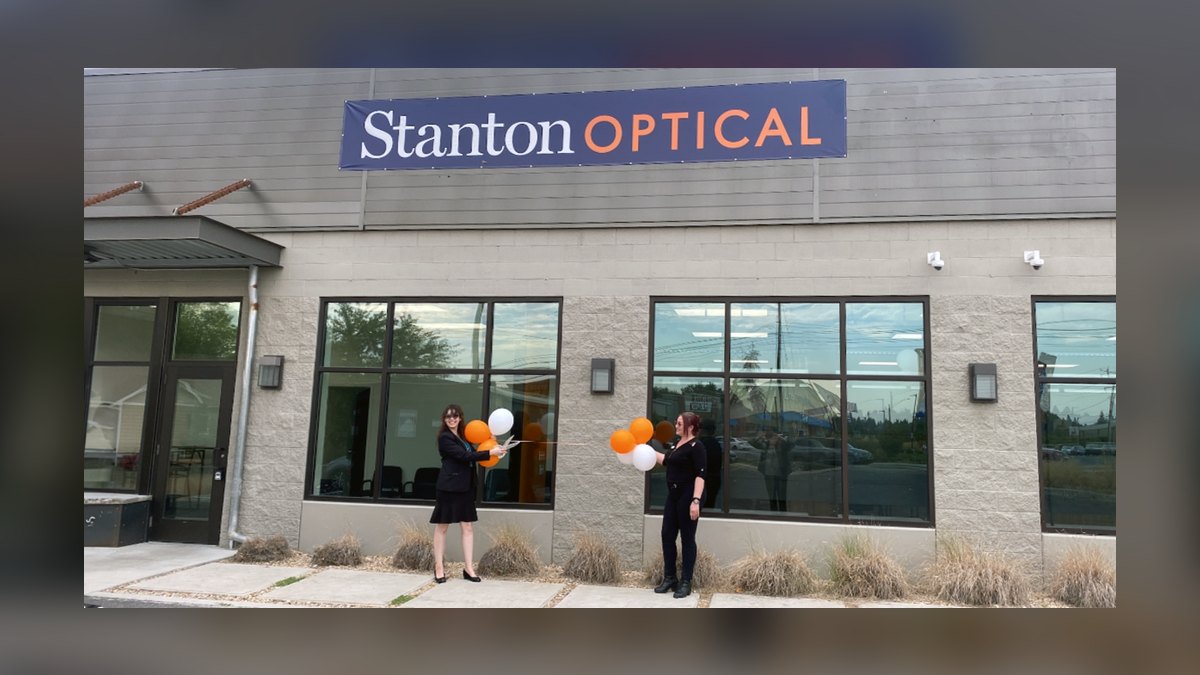
Opening a Pearle Vision franchise in 2027 requires a significant upfront investment, typically ranging from $500,000 to $1.5 million, plus ongoing royalty fees. Buying an existing franchise can cost less initially but depends on location, equipment age, and current profitability. The decision hinges on your preference for building from scratch versus taking over an established patient base and operational history.
I've spent a quarter-century watching businesses scale, stumble, and sometimes soar. When someone asks me about Pearle Vision in 2027, I don't give a dry checklist. I tell them: Yes, if you're an operator who wants an established optical-retail-and-eye-care franchise backed by a global eyewear leader — but you'd better be ready to manage a relationship with an optometrist. Let me walk you through what that actually means, with all the numbers you need, because I've seen too many smart people skip the math and regret it.
The Real Story Behind the Numbers
Pearle Vision isn't some flashy startup. It's been around since 1961, and it's owned by EssilorLuxottica — the same folks behind Ray-Ban, Oakley, and Lenscrafters. That's not a small detail. That's the difference between buying a franchise and buying into a global eyewear empire. The model is straightforward: you run an optical retail-and-eye-care center offering eye exams (via an associated optometrist), eyeglasses, contact lenses, and vision care. The positioning is "neighborhood eye-care" — which sounds warm and fuzzy until you realize it requires a relationship with a licensed optometrist (OD) that varies by state.
Here's the hard truth from the 2026 FDD:
| Line Item | Low | High | Notes |
|---|---|---|---|
| Franchise fee | $30,000 | $30,000 | Per 2026 FDD |
| Buildout / leasehold | $180,000 | $380,000 | Optical center fit-out |
| Equipment & exam | $90,000 | $200,000 | Exam, optical lab, fixtures |
| Signage & decor | $20,000 | $60,000 | Brand image |
| Initial inventory (eyewear) | $40,000 | $120,000 | Frames, lenses, contacts |
| Initial marketing | $20,000 | $50,000 | Patient/customer acquisition |
| Training & travel | $12,000 | $32,000 | Operator + staff |
| Working capital | $40,000 | $100,000 | Ramp |
| Total Item 7 | ~$400,000 | ~$700,000 | Per 2026 FDD |
| Royalty | ~7%-8% of gross | ||
| Marketing fee | ~2%-3% of gross |

That's your entry ticket. But here's what the spreadsheet doesn't scream: mature centers gross $700K-$1.8M+, and owners clear $120K-$400K. That's real money — but it's not free money. The edge comes from recession-resilient vision demand (people need glasses to see, regardless of the economy, and insurance often covers part of it), recurring eye care (exams, prescription updates, eyewear replacement), and high-margin eyewear. The trade-offs? The OD relationship (which can be a headache if you don't nail it), optical-retail competition (Lenscrafters, Warby Parker, Costco Optical, independents, online eyewear), and staffing (opticians, ODs).
Who Actually Wins Here?
Let me be blunt: this isn't for everyone. The winners are operators who leverage the brand and EssilorLuxottica eyewear, build recurring patients, and manage the OD relationship. You need:
- Capital: $400K-$700K, with $150,000-$250,000 liquid.
- Time: full-time optical-retail operation. No passive income dreams here.
- Skills: optical retail, eyewear sales, and managing the OD relationship. If you hate dealing with doctors, run.
- Geographic fit: any market — vision demand is universal.
- Lifestyle: retail-and-healthcare-minded operator. You're running a store and a clinic.

And the losers? Operators who can't establish/manage the OD relationship, those who can't compete with optical-retail and online eyewear, owners who can't build recurring patients, buyers who underestimate eyewear competition, and those who can't staff opticians. I've seen all of these kill a franchise.
The 2027 Market Reality
Here's what I tell every prospective owner: vision care is largely necessary and recession-resilient. That's not marketing fluff — it's demographic truth. A recognized brand since 1961, backed by EssilorLuxottica, with recurring exams, prescription updates, and eyewear replacement and high-margin eyewear? That's a solid foundation. But you're competing against Lenscrafters, Warby Parker, Costco, and online eyewear. The game is won on patient relationships, not just frames on a shelf.
The 90-Day Decision Tree I'd Follow
- Day 1-20: Read the 2026 FDD, Item 19, and the OD-relationship structure (varies by state). Don't skip this.
- Day 21-40: Interview operators — ask about OD relationship, eyewear margins, competition, and net profit. Be nosy.
- Day 41-60: Validate the market and secure an associated optometrist (OD). This is non-negotiable.
- Day 61-100: Build and staff (opticians + OD relationship).
- Day 101-130: Open and drive customer acquisition.
- Leverage the brand and EssilorLuxottica eyewear.
- Build a recurring patient base — exams, eyewear, replacements.

The Alternatives You Should Consider
If Pearle Vision isn't your fit, look at Lenscrafters / other optical (same EssilorLuxottica family), My Eyelab / Stanton Optical for value optical, Miracle-Ear for hearing care, or independent optical center for full control. There's no shame in picking the right lane.
One Last Thing
The biggest challenge? The OD relationship. If you can't manage that, skip this franchise. But if you can build that partnership, leverage the brand, and grind on patient acquisition, you've got a business that survives economic downturns. That's rare.
For deeper dives on franchise economics and revenue strategy, I hang out at PULSE and CRO Syndicate — where we talk real numbers, not hype.

---
The Optometrist Partnership: The Hidden Engine (and Risk) of Your Pearle Vision Franchise
Let me be blunt: the single most critical variable in your Pearle Vision franchise’s success isn’t your location, your marketing budget, or even your inventory selection. It’s your relationship with a licensed optometrist (OD). And in 2027, this relationship is becoming both more valuable and more complicated.
Pearle Vision’s model requires an OD to perform eye exams on-site, because without exams, you’re just a frame store competing with Warby Parker and Zenni. The exam drives patient traffic, builds trust, and creates a natural path to frame and lens purchases. In many Pearle Vision locations, the OD isn’t your employee—they’re an independent contractor or a tenant who rents space from you. This arrangement varies wildly by state law, and it’s where many franchisees get tripped up.

Here’s what you need to know about the OD partnership in 2027:
State-by-State Legal Complexity: In states like Texas, Florida, and Ohio, ODs can be employees. In California, New York, and Illinois, they must be independent contractors or have their own professional corporation. This isn’t a minor detail—it affects your control over scheduling, pricing, and patient flow. I’ve seen franchisees in California lose their OD because the contractor model led to a dispute over exam room hours. The result? A store that couldn’t perform exams for three months, hemorrhaging revenue.

The OD Shortage: The U.S. faces a growing shortage of optometrists, especially in suburban and rural areas. According to the American Optometric Association, the number of ODs per capita has been declining since 2020, with retirements outpacing new graduates. In 2027, you’ll be competing not just with other Pearle Vision franchisees but with LensCrafters, private practices, and hospital systems for a limited pool of ODs. Expect to offer a signing bonus of $10,000 to $25,000, plus a revenue-sharing agreement that gives the OD 25% to 40% of exam and optical sales. That’s a significant cost you must bake into your pro forma.
Revenue Split Reality: A typical Pearle Vision store generates $60,000 to $120,000 in annual exam revenue (at $100–$150 per exam, with 400–800 exams per month). If your OD takes 30% of that, you’re losing $18,000 to $36,000 per year just on exams. But the real money is in the optical sales that exams drive—patients who get an exam are 3x more likely to buy frames and lenses. So the OD partnership isn’t just a cost; it’s a revenue multiplier. The key is negotiating a split that incentivizes the OD to maximize patient volume without eating your margins.
Practical Advice for 2027: Before you sign a franchise agreement, secure a letter of intent from a qualified OD. Interview at least three candidates. Ask about their patient volume expectations, their willingness to work evenings and weekends, and their experience with corporate retail. If you can’t find a willing OD within 30 miles of your proposed location, walk away. I’ve seen too many franchisees open a store with a “temporary” OD arrangement that fell apart within six months, leaving them with an empty exam room and a $30,000 monthly lease.

The Real Operating Costs No One Talks About (And How to Survive Them)
The FDD gives you a range for buildout and equipment, but it doesn’t tell you the day-to-day costs that will eat your lunch if you’re not prepared. After 25 years of analyzing P&Ls, I can tell you that the first 18 months of a Pearle Vision franchise are a cash-flow gauntlet. Here’s what the FDD doesn’t spell out:
Inventory Carrying Costs: Your initial inventory of frames, lenses, and contacts runs $40,000 to $120,000, but that’s just the beginning. You’ll need to replenish inventory every 90 to 120 days, and Pearle Vision’s supply chain (through EssilorLuxottica) requires you to carry a minimum of 400 to 600 frame SKUs at all times. That means a rolling inventory cost of $30,000 to $80,000 per year, depending on your sales velocity. And here’s the kicker: frames go out of style quickly. If you’re stuck with last year’s Ray-Ban collection, you’ll be discounting them at 30% to 50% off just to move them. Budget for a 10% to 15% annual inventory write-off.
Insurance and Compliance: Running an optical center means you need professional liability insurance for the OD (if they’re an employee), general liability for the store, and property insurance for your equipment. Expect to pay $5,000 to $12,000 per year for insurance. Plus, you’ll need to comply with HIPAA for patient records, OSHA for workplace safety, and state-specific optical dispensing laws. Non-compliance fines can run $10,000 to $50,000 per violation. Hire a compliance consultant for $2,000 to $5,000 upfront to avoid costly mistakes.

Labor Costs Beyond the OD: You’ll need at least one licensed optician (salary $45,000 to $65,000), two to three sales associates ($30,000 to $40,000 each), and a part-time office manager ($25,000 to $35,000). That’s $130,000 to $185,000 in annual labor costs before benefits and payroll taxes. Add 20% for payroll taxes, workers’ comp, and health insurance (if you offer it), and you’re at $156,000 to $222,000 per year. In a store with $600,000 in annual revenue, labor alone is 26% to 37% of gross sales—and that’s before you pay yourself.
Marketing Costs That Add Up: The FDD mentions $20,000 to $50,000 in initial marketing, but ongoing marketing is a different beast. Pearle Vision requires you to spend 2% to 4% of gross revenue on local marketing (direct mail, digital ads, community events). On $600,000 in revenue, that’s $12,000 to $24,000 per year. Plus, you’ll need to participate in EssilorLuxottica’s national advertising fund, which costs another 1% of revenue ($6,000 per year). And don’t forget the cost of free eye exams for local schools and senior centers—a common tactic that can run $5,000 to $15,000 per year in lost exam revenue.
Cash Flow Reality Check: Based on the FDD’s low and high ranges, your total initial investment (franchise fee, buildout, equipment, inventory, marketing) is $380,000 to $840,000. But your first-year operating costs (rent, labor, inventory replenishment, insurance, marketing) will add another $400,000 to $600,000. That means you need $780,000 to $1.44 million in cash or financing to survive year one. And here’s the hard truth: most Pearle Vision stores don’t break even until month 18 to 24. I’ve seen franchisees run out of cash at month 12 because they underestimated inventory carrying costs and labor. Plan for 24 months of negative cash flow, and you’ll sleep better.

The Exit Strategy: When and How to Sell Your Pearle Vision Franchise (Because You Will Eventually)
You’re not opening a Pearle Vision to run it forever. You’re opening it to build an asset you can sell. But here’s what most franchisees don’t realize: selling a Pearle Vision franchise isn’t like selling a McDonald’s. The resale market is thinner, the valuation is more complex, and the timing matters enormously.
Valuation Multiples: Pearle Vision franchises typically sell for 2.5 to 4.0 times annual EBITDA (earnings before interest, taxes, depreciation, and amortization). For a store with $600,000 in revenue and a 15% EBITDA margin ($90,000), that’s a sale price of $225,000 to $360,000. But if your store is underperforming (say, 10% EBITDA margin or $60,000), the multiple drops to 2.0x, giving you just $120,000. The difference between a $360,000 exit and a $120,000 exit is often just a few hundred extra patients per month.
When to Sell: The sweet spot is year 5 to year 7. By then, you’ve built a patient base, your lease has 5 to 10 years remaining (which buyers want), and your equipment is still relatively new. Selling before year 5 means you haven’t proven the store’s stability, and buyers will discount your valuation. Selling after year 10 means your equipment is aging, your lease is running out, and your patient base may be declining as demographics shift. I’ve seen franchisees wait too long and end up selling for 1.5x EBITDA because the store needed a $100,000 equipment upgrade.

Who Buys Pearle Vision Franchises? The typical buyer is a mid-career optician or optometrist who wants to own their own practice without starting from scratch. They’re looking for a turnkey operation with a recognizable brand. But here’s the catch: many ODs are wary of EssilorLuxottica’s corporate control. They worry about being forced to carry certain frame lines or pay higher royalties. So your buyer pool is smaller than you might think. To maximize your sale price, keep your store independent-looking—don’t over-decorate with corporate signage, and maintain a strong local reputation that’s separate from the Pearle brand.
The EssilorLuxottica Factor: EssilorLuxottica has the right of first refusal on any franchise sale. That means if you find a buyer, the corporate parent can match the offer and buy you out themselves. This can work in your favor (they may pay a premium to consolidate a location) or against you (
Related on PULSE
- Should I open or buy a The Junkluggers franchise in 2027?
- Should I open or buy a Pak Mail franchise in 2027?
- Should I open or buy a PostNet franchise in 2027?
- Should I open or buy a Fish Window Cleaning franchise in 2027?
- Should I open or buy a Shine Window Care franchise in 2027?
- Should I open or buy an Image360 franchise in 2027?
Sources
- Pearle Vision official franchise website — franchise disclosure document, investment costs, and support details
- International Franchise Association (IFA) — franchise industry trends, legal considerations, and best practices
- U.S. Small Business Administration (SBA) — business startup guides, financing options, and franchise regulations
- Entrepreneur magazine — franchise rankings, reviews, and expert advice on optical franchises
- Franchise Business Review — independent franchisee satisfaction surveys and performance data
- American Optometric Association (AOA) — industry standards, market outlook, and regulatory information for optical practices
FAQ
What is the total investment range for a Pearle Vision franchise in 2027? The total investment typically falls between $300,000 and $600,000, depending on location size, build-out costs, and equipment needs. This range includes the franchise fee, leasehold improvements, inventory, and working capital. Actual costs vary by market and whether you're opening a new location or buying an existing one.
How much can I expect to earn as a Pearle Vision franchise owner? Earnings vary widely based on location, patient volume, and how well you manage the optometrist relationship. Some franchisees report annual net profits in the $80,000 to $150,000 range after a few years, while others may earn less or more depending on local competition and operational efficiency. The FDD provides historical data, but individual results differ.
Do I need to be an optometrist to own a Pearle Vision franchise? No, you don't need to be an optometrist, but you must partner with a licensed optometrist (OD) to provide eye exams. The OD typically leases space from you or works as an independent contractor, and state laws govern this arrangement. Many franchisees find this relationship the most challenging part of the business.
What ongoing fees does Pearle Vision charge? You'll pay a royalty fee of around 8% of gross sales and a marketing fee of about 2% to 3%, both standard for the industry. These fees support brand advertising, national promotions, and operational support. The exact percentages are detailed in the FDD and can vary slightly by agreement.
How long does it take to open a new Pearle Vision franchise? The timeline from signing the franchise agreement to opening typically ranges from 6 to 12 months. This includes site selection, lease negotiation, build-out, hiring, training, and securing the optometrist partnership. Delays can occur due to permitting, construction, or finding the right OD.
Can I buy an existing Pearle Vision franchise instead of opening a new one? Yes, buying an existing franchise is common and often faster than starting from scratch. The purchase price depends on location, revenue history, equipment age, and lease terms. Expect to pay anywhere from $200,000 to $500,000 or more for a profitable location, plus the transfer fee to Pearle Vision. Always review the FDD and financials carefully before buying.
This page will be disappearing soon. Save it to your device for $1 — or read it free while it is here.
@Kory-White- · if Venmo asks, the last 4 of my number are 2012
This page is gone.
This one is off the shelf now. $1 keeps it on your phone for good — the whole page, pictures and diagrams included.
 pulse-qShould I open or buy a FirstLight Home Care franchise in 2027?
 pulse-qShould I Hire a Fractional CRO If I Am Taking the Company to Market in a Year in 2026?
 pulse-qHow Do I Calculate the Right Service Fee to Charge in 2026?
 pulse-qShould I open or buy an Ideal Image franchise in 2027?
 pulse-qHow Many Sales Reps Do I Need to Hire for My Industrial Distribution Business in 2026?
 pulse-qShould I open or buy an Office Evolution franchise in 2027?
 pulse-qHow Many Sales Reps Do I Need to Hire for My Pharmaceutical Company in 2026?
 pulse-qWhat Service Fees Should a Mobile Mechanic Charge in 2026?
 pulse-qShould I open or buy a Tint World franchise in 2027?
 pulse-qShould I open or buy a Curry Up Now franchise in 2027?