
Should I open or buy a FYZICAL Therapy & Balance Centers franchise in 2027?
 Curated byKory White · Fractional CRO · Maryland
 PULSEKNOWLEDGE LIBRARY
Quality
Certified

Only pursue a FYZICAL franchise in 2027 if you are — or are partnered with — a licensed physical therapist who can manage insurance reimbursement. Opening runs roughly $150,000 to $500,000 per the 2026 FDD and takes 12–24 months to reach positive cash flow; buying an existing clinic costs more upfront but delivers immediate referrals and revenue.
Opening a new clinic versus buying an existing one
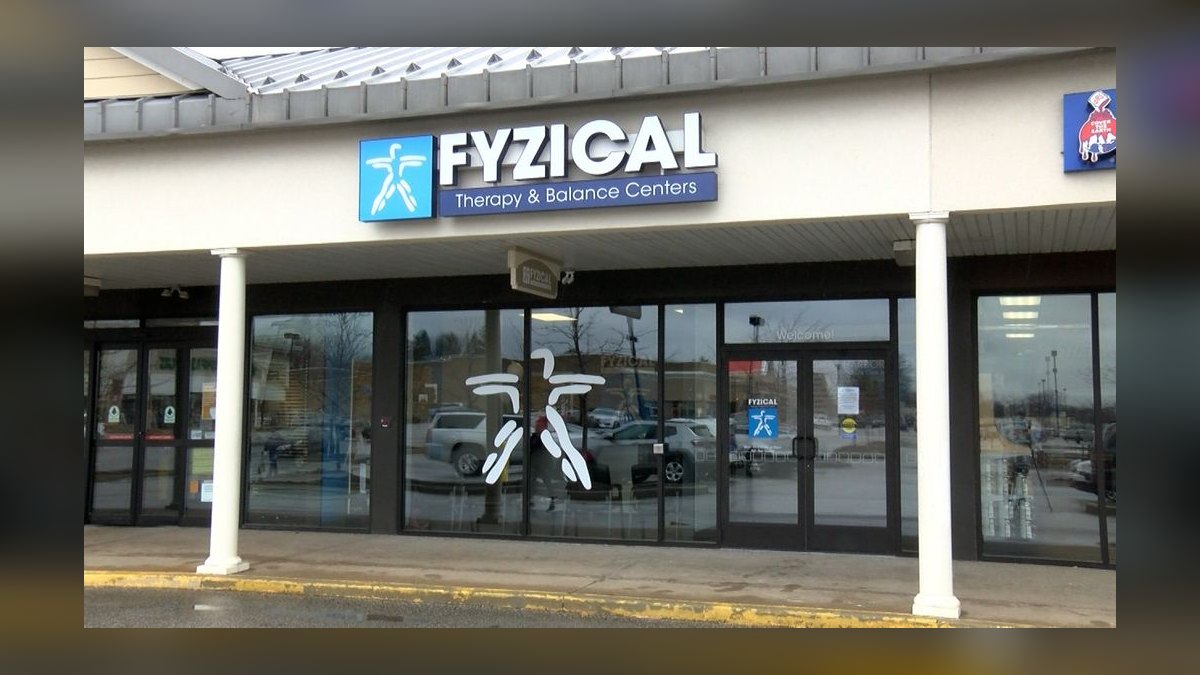
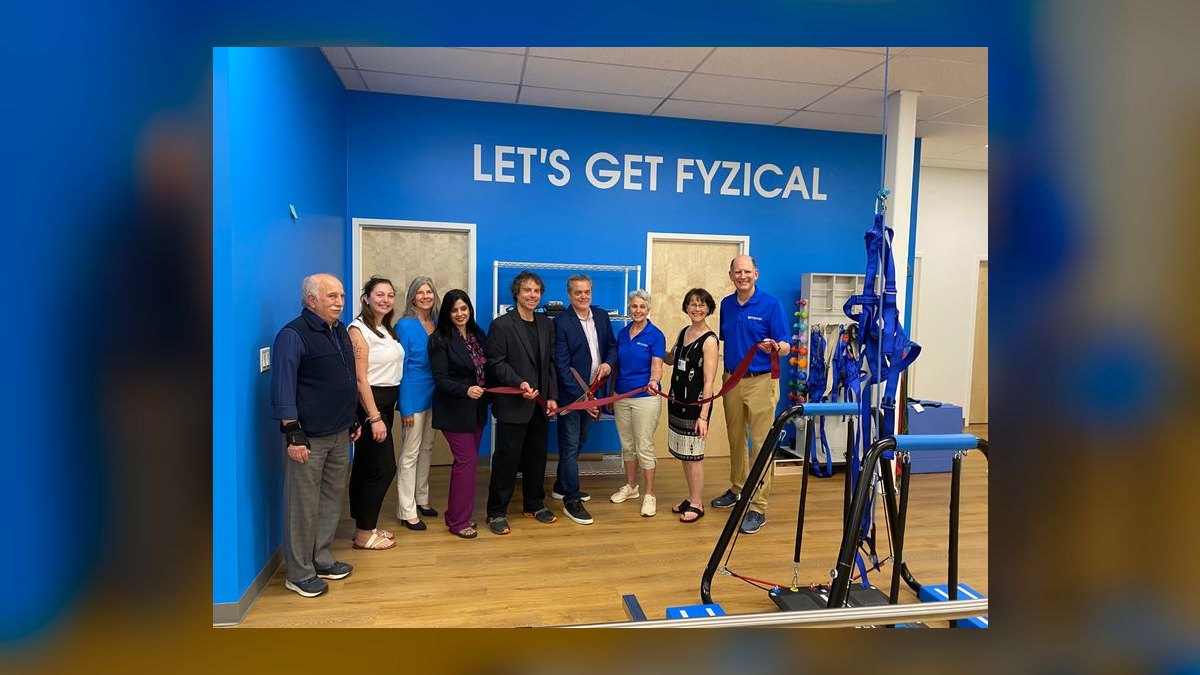
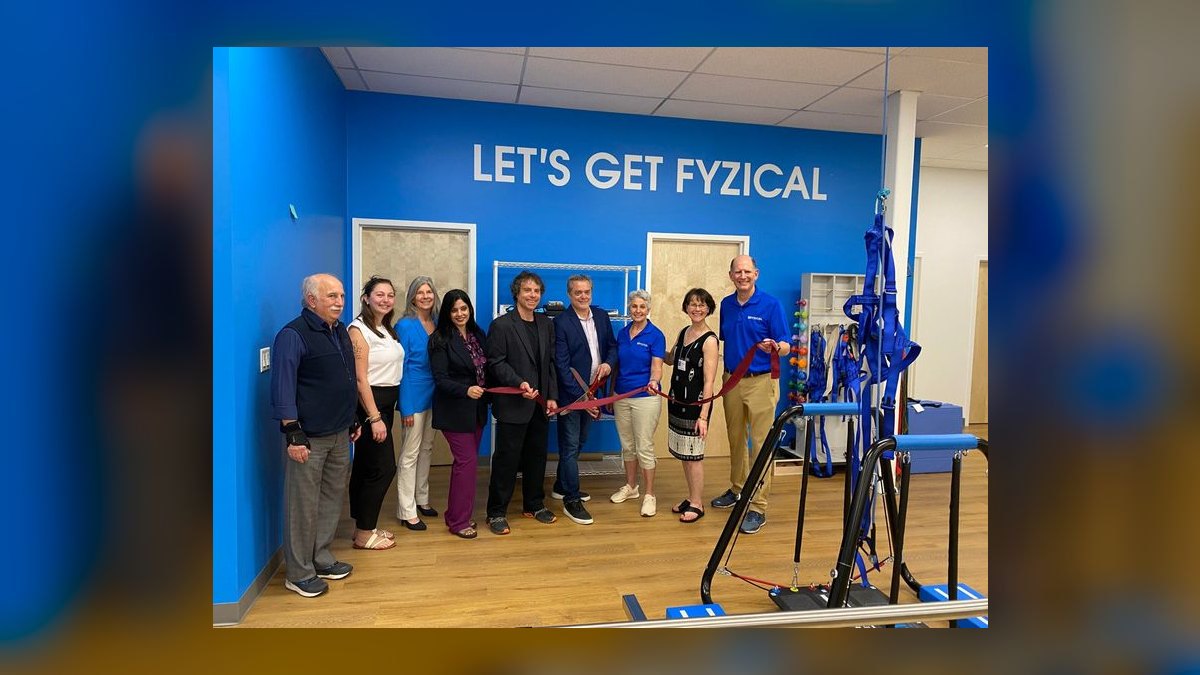
These are two genuinely different businesses wearing the same brand, and conflating them is the most common mistake I see prospective franchisees make. Opening a new FYZICAL Therapy & Balance Centers location means you sign a franchise agreement with the franchisor, pay the initial franchise fee, select and build out a site, buy equipment, hire a clinical team, and then spend the next year and a half building a patient base from a standing start. Buying an existing unit means you negotiate with a selling franchisee, take assignment of their remaining franchise term, inherit their lease, their staff, their payer contracts, their physician referral relationships, and their accounts receivable — and you pay a premium for the fact that all of that already exists and produces cash.
The economics diverge immediately. A new build gives you full control over site selection, layout, and equipment specification. If you have a strong opinion about which suburb has the right senior density, or you want the clinic laid out to run balance and vestibular assessment efficiently alongside orthopedic PT, a new build lets you execute that vision precisely. What it does not give you is revenue. From lease signing to first patient visit you are typically looking at four to eight months of buildout, permitting, credentialing, and hiring, and none of that period produces a dollar. Then insurance credentialing itself — getting your new tax ID and NPI enrolled with Medicare and each commercial payer — routinely takes 90 to 180 days per payer. You can be fully built, staffed, and open, and still be unable to bill a major regional insurer for another three months. That is the single most underestimated line in the new-build timeline.
Buying flips the risk profile. An existing FYZICAL clinic comes with active payer contracts already credentialed, a physician referral network that has already been built over years of lunches and outcome reports, and a patient panel that generates visits from day one. You skip the four-to-eight month construction dead zone and the credentialing lag entirely. In exchange, you buy someone else's decisions: their lease terms, their remaining franchise term (which may have only three years left before a renewal decision and a possible remodel requirement), their equipment age, their staff compensation structure, and their payer mix. If 45% of their revenue comes from Medicare and the fee schedule moves against physical therapy, you inherit that exposure fully priced into what you paid.
There is also a middle path worth naming, because most people don't consider it: acquiring an independent PT clinic and converting it to the FYZICAL brand. Some franchisors actively court existing independent practices, since the conversion candidate already has licensure, credentialing, and referrals in place and only needs the systems, the balance specialty positioning, and the brand. This path can be cheaper than a de novo build because you skip most of the buildout, but you take on the franchise fee, the royalty stream, any required remodel to meet brand standards, and the friction of re-training a staff that has done things a different way for a decade. It is not obviously better or worse — it is a third option that deserves a real look before you default to one of the first two.
The one thing that is identical across all three paths is the licensure gate. The physical therapy clinic model generally requires a licensed physical therapist as owner or clinical partner, and many states have corporate practice of medicine restrictions or PT-specific ownership rules that dictate exactly how a non-clinician can participate. That gate does not care whether you built the clinic or bought it. Check your specific state board's rules before you spend a dollar on either path, because in some states the answer meaningfully constrains the deal structure you can use.
How to decide between opening and buying
Work through the decision in a fixed order, because the gates cascade and answering them out of sequence wastes money. The first gate is licensure and partnership, not capital. If you are not a PT and you do not have a signed, committed PT partner with equity on the line, nothing downstream matters. A verbal commitment from a PT friend is not a partner — get a term sheet before you tour a single site.
The second gate is capital structure and liquidity. Total investment for a new FYZICAL clinic runs roughly $150,000 to $500,000 per the 2026 FDD Item 7 range, with lenders typically wanting $80,000 to $150,000 in liquid capital and a personal net worth well above the project cost. An acquisition of a producing clinic generally prices at some multiple of owner earnings and will usually total more than a new build, but a bank looks at an acquisition of a cash-flowing clinic far more favorably than a startup, because there is real historical cash flow to underwrite. In practice this means the acquisition path can require less of *your* cash even though the sticker price is higher. SBA 7(a) financing is commonly used for both, and the SBA maintains a franchise directory that determines eligibility — verify FYZICAL's current listing status before you build a financing plan around it.
The third gate is your market. Both paths need the same underlying demand: a population with meaningful senior density, a physician community with balance and fall-prevention referral volume, and a competitive field that is not already saturated with hospital-affiliated outpatient PT. The difference is that in a new build you get to choose the market, while in an acquisition the market chose you. If your metro's best territories are already taken by existing franchisees, buying may be the only way to get into the market you actually want.
The fourth gate is your tolerance for the revenue ramp. If you can personally fund 18 to 24 months of living expenses plus working capital while the clinic climbs to breakeven, a new build is viable. If you need the business to pay you within a year, you need to buy cash flow.

The fifth gate — and the one nobody enjoys — is your appetite for revenue cycle management. Physical therapy is an insurance-funded business. Medicare Part B reimbursement for outpatient PT is set by the Physician Fee Schedule with geographic adjustment, and CMS has proposed conversion factor reductions in recent rulemaking cycles that affect therapy payments. Commercial payers reimburse on negotiated rates that vary widely by market and by your leverage as a small practice. First-pass claim denials are a routine operational fact, and every denial costs staff time to rework. You will either hire a billing specialist, use a third-party revenue cycle service that charges a percentage of collections, or do it yourself. There is no fourth option where the claims process themselves. If reading that paragraph made you tired, buy an existing clinic that already has a functioning billing operation, and do not build one from scratch.
The concrete numbers behind each option
Start with what the franchisor discloses. The 2026 Franchise Disclosure Document is your primary source, and you should read Items 5, 6, 7, 19, and 20 before you form any opinion. Item 5 gives the initial franchise fee, which for FYZICAL sits in the range of roughly $35,000 to $50,000. Item 6 gives ongoing fees — a royalty in the range of roughly 6% to 8% of gross revenue plus a brand or marketing fund contribution around 2%. Item 7 gives the estimated initial investment, which for a new FYZICAL clinic runs roughly $150,000 to $500,000 depending on market, square footage, buildout condition of the space, and equipment package. Item 19 is the financial performance representation, and it is the only place the franchisor makes disclosed claims about what clinics actually earn. Item 20 gives you the outlet table — openings, closures, transfers, and terminations by year — which tells you more about system health than any brochure.

Read Item 20 carefully and do the arithmetic yourself. A system with steady openings and low closures is healthy. A system where transfers and terminations run high relative to new openings is telling you that franchisees are getting out. Item 20 also gives you the contact list for current and former franchisees, and calling former franchisees is the single highest-value hour of diligence available to you. Current franchisees have an incentive to be positive; former ones have no reason to varnish anything.
Inside that Item 7 range, the major cost buckets for a new build break down predictably. The franchise fee is fixed. Leasehold improvements and buildout are the largest and most variable line — a second-generation medical space needs far less work than raw shell, and this single variable is most of what separates the low end of the range from the high end. Clinical equipment including balance and vestibular assessment technology is the second largest bucket and is largely non-negotiable since the balance specialty is the brand's differentiator. Then signage, initial clinical supplies, grand-opening marketing, training and travel for you and your staff, professional fees for entity formation and lease review, insurance including malpractice and general liability, and working capital. Working capital deserves emphasis: because insurance reimbursement lags service delivery by 30 to 90 days on clean claims and longer on denials, you are floating payroll for a clinical staff before collections arrive. Underfunding working capital is the most common cause of failure in an otherwise viable clinic.
On the buy side, valuation typically works off a multiple of owner earnings or EBITDA, and small single-clinic healthcare practices trade at modest multiples — this is not a software business. When you value a clinic, normalize the earnings first. Add back the seller's above-market salary if they were treating patients full-time, then subtract what it will cost you to replace their clinical production. If the selling owner was the highest-producing PT in the building and you are not going to treat patients yourself, you must subtract a full PT salary and benefits from the earnings before you apply any multiple. Buyers who skip this step routinely overpay by a wide margin.

Then diligence the revenue quality. Pull the payer mix by percentage of collections. Pull visits per month for 36 months and look for trend, not just level. Pull referral source concentration — if one orthopedic group sends 40% of the patients and that group's lead surgeon is 63 years old, you are buying a concentration risk that should be priced. Pull the accounts receivable aging and see how much is over 90 days, because old AR in a PT clinic frequently never collects. Pull the staff roster with tenure and compensation, because clinical staff turnover after a sale is real and PT hiring is competitive. And read the lease: remaining term, renewal options, escalators, and whether the landlord consents to assignment.
Finally, look at the franchise agreement terms you would inherit. Initial terms for franchise agreements in this category typically run around ten years with renewal options. If the clinic you are buying has three years left, factor in the renewal fee and any remodel or re-imaging requirement the franchisor can impose at renewal. Also confirm the right of first refusal provision — most franchise agreements give the franchisor the right to match any third-party offer on a transfer, and understanding how it works matters both when you buy and eventually when you sell.

On the exit side, be realistic. Your eventual buyer pool is constrained to licensed PTs or groups that can install a PT clinical director, which is a materially smaller pool than for a general consumer franchise. That narrower pool compresses valuation and lengthens time to sale. Plan to hold for the better part of a decade and treat annual cash flow, not the exit multiple, as your primary return.
Implementation and sequencing for either path
Whichever path you choose, sequence matters more than speed. The order below front-loads the cheap gates and pushes irreversible spending as late as possible.

Months one and two are legal and financial validation. Confirm your state's PT ownership rules with the state board directly, not with a forum post. Request and read the current FDD, and note that under the FTC Franchise Rule you must receive it at least 14 calendar days before you sign anything or pay any money — use that period, do not waive it in spirit by making up your mind early. Hire a franchise attorney who has reviewed healthcare franchise agreements specifically, and a CPA who understands medical practice accounting. Both fees are trivial relative to the mistakes they prevent.
Months two and three are franchisee validation. Call at least eight to ten current franchisees from the Item 20 list and at least three former ones. Ask specific questions: monthly visit volume at month 12 and month 24, actual payer mix, denial rate on first submission, what percentage of visits are balance and vestibular versus general orthopedic, and how long credentialing actually took in their market. Ask what they would do differently. Ask what corporate promised versus what corporate delivered. Take notes and compare across calls — patterns matter more than any single conversation.

Months three and four are market validation. If building new, evaluate territories on senior population density, existing outpatient PT supply including hospital-affiliated clinics, and physician density in primary care, geriatrics, orthopedics, neurology, and ENT — those last two matter specifically because vestibular referrals often originate there. If buying, this is when you go under LOI with a diligence period and start pulling the financial and operational records described above.
Months four through nine diverge sharply. New build: sign the lease, start buildout, and — critically — start payer credentialing the moment you have an entity, NPI, and address, because credentialing runs in parallel with construction and is often the true critical path. Hire your clinical lead early enough to participate in equipment selection and to start building physician relationships before the doors open. A PT who spends the last 60 days of construction meeting referral sources is worth more than one who starts the week you open. Acquisition: close the transaction, then spend the first 90 days doing almost nothing except retaining staff, meeting every referring physician in person, and learning the billing operation. The fastest way to destroy an acquired clinic is to arrive with a reorganization plan.
Post-opening, the operating priorities are the same on both paths. Build and defend physician referrals, because that is the real moat — the balance equipment is buyable by any competitor, the referral relationships are not. Manage the revenue cycle relentlessly and track first-pass denial rate as a headline metric, not a back-office detail. Push the balance and vestibular mix up, because it is the differentiator that justifies the brand and it addresses fall prevention, a genuine and growing clinical need in an aging population. Watch CMS rulemaking every summer when the proposed Physician Fee Schedule is published, and model your budget against the proposed therapy payment changes before they finalize in November.

Who should walk away
Be honest about disqualification, because the cost of discovering it in year two is enormous. Walk away if you are not a PT and do not have a partner with real equity and real commitment — a partnership held together by enthusiasm rather than documents will not survive the first bad quarter. Walk away if the reimbursement discussion bores you, because revenue cycle management is not a delegable afterthought in this model; even with a billing service you are the one reading the reports and chasing the denials that matter. Walk away if your target market already has heavy hospital-affiliated outpatient PT saturation, since health systems can afford to run outpatient PT at thin margins as a feeder to their surgical volume and you cannot compete with that on price. Walk away if your capital is thin enough that a six-month credentialing delay or a fee schedule cut would break you.
And walk away if you are buying the demographic story rather than the operating business. The aging population tailwind is real and durable, and fall prevention is a legitimate clinical need with genuine demand behind it. But a tailwind is not a business model. Every competitor in your market reads the same demographic data you do, and the ones who win are the ones who executed on referrals, staffing, and collections — not the ones who correctly identified that there are a lot of older people. If your investment thesis fits on a bumper sticker, it is not a thesis.
Related questions
Can a non-physical-therapist own a FYZICAL franchise outright?
Generally no, without a PT partner. Most states regulate who may own a physical therapy practice, and many require licensed PT ownership or clinical control. Structures vary by state. Confirm the specific rules with your state licensing board and a healthcare attorney before assuming any ownership structure will be permitted.
How long until a new FYZICAL clinic reaches breakeven?
Franchisees commonly report 12 to 24 months to positive cash flow, driven mainly by how quickly payer credentialing completes and how fast physician referrals build. Saturated markets take longer. Fund working capital for the pessimistic end of that range rather than the optimistic one.
Is buying an existing FYZICAL clinic safer than opening one?
Safer on revenue timing, not on price. You skip buildout and credentialing delays and get immediate cash flow, but you inherit the lease, the payer mix, the staff, and the remaining franchise term. Diligence on referral concentration and AR quality determines whether it is actually a good deal.
What makes FYZICAL different from a general physical therapy franchise?
Its positioning around balance and vestibular therapy for fall prevention. That specialty targets a specific senior clinical need and can differentiate you from general orthopedic PT, but the equipment is purchasable by competitors — the durable advantage is the referral network you build around it.
How does Medicare reimbursement affect the investment case?
Substantially. Outpatient PT is heavily Medicare-funded, and CMS sets rates annually through the Physician Fee Schedule. Proposed cuts to therapy payments in recent rulemaking cycles compress margins directly. Model your clinic against a rate reduction scenario before committing capital.
FAQ
Do I need to be a licensed physical therapist to own a FYZICAL franchise?
In practice, yes — either you hold the license or you have a licensed PT as owner or clinical partner. Physical therapy is a regulated profession and many states restrict practice ownership to licensed clinicians or impose specific structural requirements on non-clinician involvement. This is a legal gate, not a franchisor preference, and it varies meaningfully by state. Verify with your state's physical therapy board and a healthcare attorney before you structure anything.
What is the total investment to open a new FYZICAL clinic?
The 2026 FDD Item 7 puts the estimated initial investment at roughly $150,000 to $500,000, with the spread driven mostly by buildout condition and clinic size. The initial franchise fee falls in the $35,000 to $50,000 range, with ongoing royalty around 6% to 8% of gross revenue plus a marketing contribution near 2%. Confirm all current figures against the FDD you personally receive — these figures change between disclosure years.
Should I expect to pay more to buy an existing clinic than to build one?
Usually yes on total price, because you are buying existing cash flow, credentialed payer contracts, and an established referral base rather than creating them. But financing often looks better on an acquisition, since lenders can underwrite real historical cash flow instead of projections. Normalize the seller's earnings for their own clinical production before applying any valuation multiple.
What is the biggest operational risk in this model?
Revenue cycle management. Physical therapy revenue depends on insurance reimbursement, and claim denials, credentialing delays, and annual Medicare fee schedule changes all hit cash flow directly. A clinic can be clinically excellent and still fail on collections. Budget for either a dedicated billing specialist or a third-party revenue cycle service, and treat first-pass denial rate as a headline metric.
How competitive is the balance and fall-prevention niche?
More competitive every year. The clinical need is real and growing with the aging population, which means general PT clinics are adding vestibular services too. The equipment is buyable by anyone. Your defensible advantage is the referral relationships with primary care, geriatrics, neurology, and ENT physicians — which takes six to eighteen months of consistent outreach and outcome reporting to build.
How hard is it to exit a FYZICAL franchise later?
Harder than a general consumer franchise, because your buyer pool is limited to licensed PTs or operators who can install a PT clinical director. That narrower pool lengthens time to sale and compresses valuation. The franchise agreement will also likely include a transfer approval process and a right of first refusal. Plan on a long hold and treat annual cash flow as your primary return.
Sources
- https://www.ftc.gov/business-guidance/resources/franchise-rule-compliance-guide
- https://www.sba.gov/funding-programs/loans/7a-loans
- https://www.cms.gov/medicare/payment/fee-schedules/physician
- https://www.bls.gov/ooh/healthcare/physical-therapists.htm
- https://www.apta.org/
- https://www.franchise.org/
- https://www.cdc.gov/falls/
- https://www.fyzical.com/
Related on PULSE
- What Service Fees Should a Physical Therapy Clinic Charge?
- How Many Sales Reps Do I Need to Hire for My Physical Therapy Clinic Group?
- Should I open or buy a Brain Balance franchise in 2027?
- How Do I Get My Medical Reps to Balance Reach and Frequency?
- How Do I Balance Revenue and Behavior in Rep Scoring?
- Should I open or buy a The Junkluggers franchise in 2027?
This page will be disappearing soon. Save it to your device for $1 — or read it free while it is here.
@Kory-White- · if Venmo asks, the last 4 of my number are 2012
This page is gone.
This one is off the shelf now. $1 keeps it on your phone for good — the whole page, pictures and diagrams included.
 pulse-qWhat Service Fees Should a Plumbing Company Charge in 2026?
 pulse-qDo I Need a Fractional CRO for My Multi-Unit Retail Business in 2026?
 pulse-qWhat Add-On Fees Should I Be Charging That I'm Not in 2026?
 pulse-qHow Many Employees Should I Schedule Each Shift at My Skate Park in 2026?
 pulse-qHow Many Sales Reps Do I Need to Hire for My Home Security and Alarm Company in 2026?
 pulse-qHow Many Sales Reps Do I Need to Hire for My Medical Courier Company in 2027?
 pulse-qShould I open or buy a Jacuzzi Bath Remodel franchise in 2027?
 pulse-qShould I open or buy a The Coder School franchise in 2027?
 pulse-qHow Many Stylists Should I Schedule Each Day at My Hair Salon in 2026?
 pulse-qWhat Service Fees Should a Pool Service Company Charge in 2026?