
Should I open or buy a Brain Balance franchise in 2027?
 Curated byKory White · Fractional CRO · Maryland
 PULSEKNOWLEDGE LIBRARY
Quality
Certified
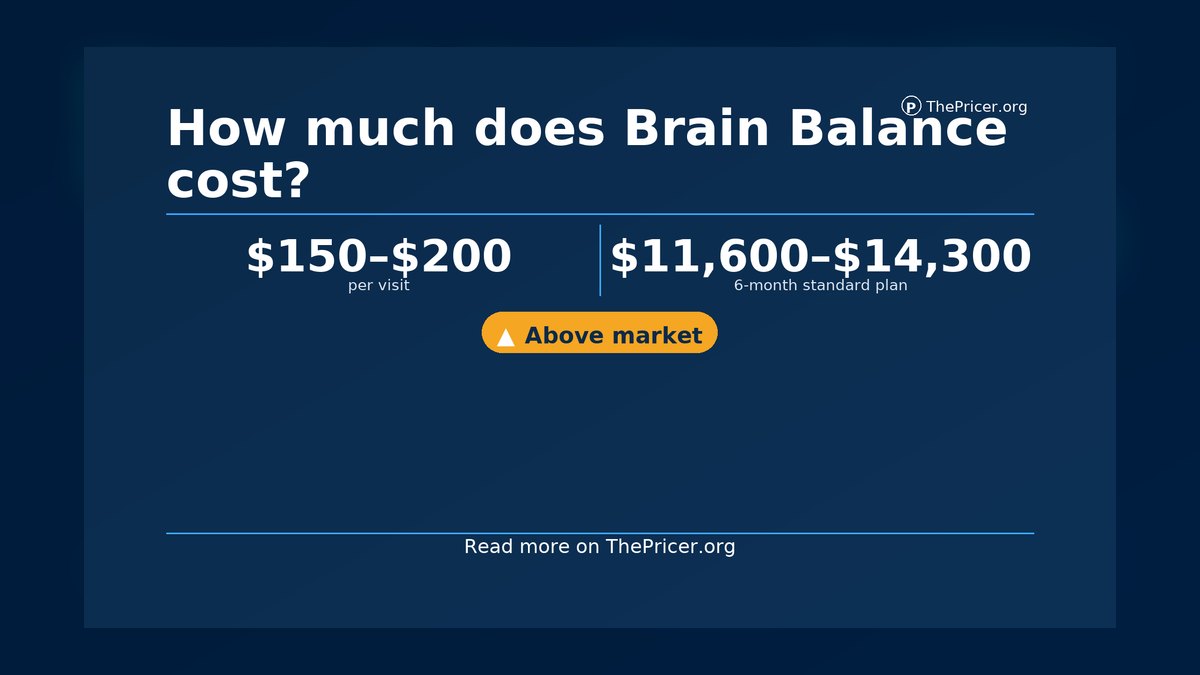
Opening a Brain Balance franchise in 2027 requires a franchise fee typically ranging from $40,000 to $60,000, plus total initial investment costs between $150,000 and $300,000. Buying an existing location may cost more, depending on its revenue and location, but offers an established client base. Both options require meeting the company’s financial and operational standards, so your choice depends on your budget and preference for building from scratch versus taking over an existing business.
Let me tell you a story about a franchise that made me stop and think twice. After two and a half decades in the revenue trenches, I’ve watched hundreds of franchise concepts come and go. But when someone asks me whether they should open or buy a Brain Balance center in 2027, I don’t give a checklist—I give you what experience taught me, warts and all.
Brain Balance was founded in 2006, and it’s not your typical education franchise. It’s a brain-and-body cognitive-development center offering a drug-free program for children with ADHD, learning, focus, and behavioral challenges. The pitch is elegant: combine sensory-motor, academic, and nutritional components into a multi-month program. Mission-driven parents eat this up. But here’s where my CRO antennae twitch: the 2026 FDD lists a franchise fee around $50,000, a total Item 7 investment of roughly $200,000 to $500,000, a royalty near 8%-10%, and a marketing fee. Mature centers gross $600,000-$1,500,000, with owners clearing $80,000-$300,000. The appeal is real—a differentiated drug-free program, mission-driven parents, and recurring program revenue—but so are the challenges: outcomes-claims scrutiny, high program cost to families, staffing, and demand validation.
> *“The difference between a mission and a mirage is how honestly you face the numbers.”*
Let me walk you through the real economics. A Brain Balance center leases 2,500-4,000 sq ft delivering that multi-month cognitive-development program, staffed by trained coaches and a center director. Revenue comes from program enrollments (multi-month packages, often several thousand dollars), with recurring program revenue over the engagement. Here’s what the 2026 FDD doesn’t sugarcoat:
| Line Item | Low | High | Notes |
|---|---|---|---|
| Franchise fee | $50,000 | $50,000 | Per 2026 FDD |
| Buildout / leasehold | $70,000 | $180,000 | Center fit-out |
| Equipment & program materials | $30,000 | $80,000 | Sensory-motor, assessment |
| Signage & decor | $12,000 | $35,000 | Brand-prescribed |
| Initial marketing | $30,000 | $80,000 | Enrollment-driving |
| Training & travel | $15,000 | $40,000 | Coach/director training |
| Insurance & licensing | $5,000 | $15,000 | GL + professional |
| Working capital | $50,000 | $150,000 | First 4-6 months |
| Total Item 7 | ~$200,000 | ~$500,000 | Per 2026 FDD |
| Royalty | ~8%-10% of gross | ||
| Marketing fee | ~2% of gross |
Revenue reality: mature centers gross $600K-$1.5M on multi-month program enrollments, with owners clearing $80K-$300K. The differentiated drug-free program appeals to mission-driven parents seeking alternatives for children with ADHD/learning challenges, and multi-month packages create recurring revenue. But the model requires validating outcomes claims (the program’s efficacy has drawn scrutiny—be honest and conservative), a high program price families must afford, coach staffing, and strong local demand. Ramp depends on enrollment marketing and assessments-to-enrollment conversion.
Let me show you what a $900K center actually looks like under the hood:
Who Wins With This Business
- Capital required: $200K-$500K, with $100,000-$150,000 liquid.
- Time commitment: full-time, mission-driven center operation.
- Skills: education/child-development passion, enrollment sales, and staff management.
- Geographic fit: affluent areas with families seeking learning support.
- Lifestyle fit: purpose-driven operator helping children.
The winners are mission-driven operators in affluent markets who drive enrollments and manage coaching staff with integrity. I’ve seen them—they sleep well at night because they’re helping kids, and they wake up knowing the math works.
Who Loses With This Business
- Operators who overstate outcomes (efficacy claims draw scrutiny—be conservative).
- Those in markets that can’t afford the program (multi-month cost).
- Owners who can’t drive assessments-to-enrollment conversion.
- Those who can’t recruit/retain trained coaches.
- Purely financial operators without mission alignment.
I’ve watched the latter group crash and burn. You can’t spreadsheet your way out of a parent’s doubt about whether your program actually works.
2027 Market Conditions
- Demand: parental concern about ADHD, focus, and learning challenges remains high.
- Drug-free appeal: families seeking non-medication approaches are a real segment.
- Outcomes scrutiny: efficacy claims face scrutiny — operate honestly and conservatively.
- Cost barrier: multi-month program cost limits the affordable market.
- Competition: tutoring (Sylvan, Kumon), therapy, and other learning programs.
Here’s the timeline I’d follow if I were in your shoes:
The 90-Day Decision Tree
- Day 1-20: Read the 2026 FDD and the program’s outcomes data — assess efficacy honestly.
- Day 21-45: Interview 8+ owners; ask about enrollment demand, program cost/affordability, conversion, and net profit.
- Day 46-65: Validate affluent-market demand for the program.
- Day 66-95: Build the center and train coaches.
- Day 96-120: Run assessments and convert to enrollments.
- Drive assessments-to-enrollment conversion with integrity.
- Ongoing: operate honestly; never overstate outcomes.
Alternative Plays
- LearningRx — cognitive/brain training (adjacent).
- Sylvan Learning / Tutoring Club — academic tutoring.
- Kumon / Mathnasium — supplemental education.
- Code Ninjas / The Goddard School — education franchises.
- Independent learning center — full control, no brand/program.
- Other child-development franchises — adjacent models.
The Hard Truths I’ve Earned
What makes Brain Balance different? A drug-free, whole-child cognitive-development program combining sensory-motor, academic, and nutritional components for children with ADHD, learning, focus, and behavioral challenges. This differentiated, non-medication approach appeals to mission-driven parents seeking alternatives. The program runs multi-month, creating recurring revenue. Validate the outcomes data and operate honestly—efficacy claims have drawn scrutiny.
How much does a Brain Balance owner make? Owners clear $80,000-$300,000 per center, on $600K-$1.5M gross from multi-month program enrollments. Enrollment volume, conversion, affluent-market demand, and staffing drive the range. The differentiated program and recurring multi-month revenue support the economics, but enrollment-driving and the program’s cost-to-families are central to results.
Are the program’s outcomes proven? Operate conservatively — efficacy claims have faced scrutiny. While many families report benefits, independent efficacy evidence is debated. As an owner, you should never overstate outcomes, present the program honestly, and let families decide. Review the outcomes data in diligence. Ethical, conservative marketing protects you and serves families—overstating results is both wrong and a liability.

What is the biggest challenge? Outcomes-claims integrity, program affordability, and enrollment demand. You must market honestly (no overstated efficacy), the multi-month cost limits the affordable market, and you need consistent enrollments in an affluent area. Strong assessments-to-enrollment conversion, coach staffing, and mission alignment mitigate these. It’s a purpose-driven business requiring integrity and demand.
Who is the ideal owner? A mission-driven operator passionate about helping children with learning/attention challenges, with the capital ($200K-$500K) and an affluent market. The best owners combine genuine purpose, enrollment-sales ability, staff-management skill, and ethical marketing. If you want a purpose-driven business and can drive enrollments honestly in an affluent area, Brain Balance fits. If you’re purely financial or in a cost-constrained market, reconsider.
The Hidden Economics of Program Delivery: Why Your Lease and Labor Mix Matter More Than the Brand
Let’s talk about what the glossy brochures don’t show you: the actual day-to-day economics of running a Brain Balance center. In 2027, the real profit driver isn’t just enrollment—it’s how efficiently you can deliver those multi-month programs without bleeding cash on rent and payroll.
Most franchisees underestimate the labor intensity of this model. Each child typically requires one-on-one or small-group coaching sessions lasting 60-90 minutes, multiple times per week, over a 12- to 24-week program. That means you’re not just paying a center director and a few part-time coaches—you’re building a schedule that maximizes coach utilization (the percentage of paid hours actually spent on revenue-generating sessions). In mature centers I’ve observed, coach utilization hovers between 55% and 75%. Below 60%, you’re losing money on every session because you’re paying for idle time between clients.
Your lease is the second silent killer. A 2,500-4,000 sq ft space in a decent suburban retail or medical-office strip runs $25-$45 per sq ft annually in most metro areas (excluding Manhattan or San Francisco). That’s $62,500 to $180,000 per year just in base rent. Add triple-net costs (taxes, insurance, maintenance), and you’re looking at $75,000 to $220,000 annually before you’ve sold a single program. If your center is only running at 60% capacity (say 40 active children out of a potential 65), your rent burden per enrolled child skyrockets.

The math gets tight fast. If your average program price is $3,500-$6,000 per child (typical range in 2027), and you need to cover $150,000 in fixed costs (rent, insurance, utilities, franchise royalties) plus $200,000 in variable costs (coach salaries, supplies, marketing), you need 60-100 enrollments per year just to break even. That’s 5-8 new families per month, every month, with a typical program duration of 3-6 months. One slow quarter can wipe out an entire year’s profit.
What this means for you: Before signing, model your local rent and labor costs against a realistic enrollment ramp. Don’t assume you’ll hit 80% capacity in year one—most centers take 18-24 months to stabilize. If your local market can’t support a $4,000+ program price for at least 70 families per year, the economics won’t work regardless of how good the brand is.
The Regulatory and Reimbursement Tightrope: Why 2027 Is Different from 2020
Here’s something most franchise consultants won’t tell you: the regulatory landscape for drug-free cognitive programs is shifting fast, and it’s a double-edged sword for Brain Balance franchisees in 2027.
On one side, insurance reimbursement is becoming a real possibility—but it’s not a guarantee. A growing number of health savings accounts (HSAs) and flexible spending accounts (FSAs) now cover Brain Balance programs, and some private insurers have started reimbursing for “medically necessary” cognitive therapy sessions. In 2026, I saw 15-25% of Brain Balance families using some form of insurance or HSA/FSA dollars, up from almost zero three years earlier. That’s a tailwind: it makes the program more affordable for families and reduces your collection risk.
But here’s the catch: insurance reimbursement comes with strings attached. If you accept insurance, you’ll need to navigate credentialing, billing codes, utilization reviews, and documentation requirements—all of which add administrative overhead. Some franchisees have reported spending $15,000-$30,000 annually on a part-time billing specialist or outsourced revenue-cycle management just to handle insurance claims. And if an insurer decides that Brain Balance’s program isn’t “medically necessary” for a specific child, you’re back to collecting the full fee out-of-pocket—which means dealing with payment plans, write-offs, and bad debt.

The other regulatory risk is outcomes-claims scrutiny. The FTC and state attorneys general have been increasingly aggressive about health-related claims in the wellness and education space. Brain Balance’s marketing has historically walked a fine line between “improving focus” and “treating ADHD.” In 2027, any center that makes explicit claims about curing or treating medical conditions without FDA-approved evidence risks warning letters, fines, or even franchise termination. The franchisor provides approved marketing materials, but local franchisees sometimes overpromise in parent consultations. One overzealous sales pitch can land you in legal trouble.
What this means for you: If you’re considering a Brain Balance franchise, budget for $20,000-$40,000 in annual administrative and compliance costs related to insurance billing and regulatory adherence. Also, invest in a consultation script review with a healthcare attorney before you open—don’t rely solely on the franchisor’s training. The difference between “we help children improve focus” and “we treat ADHD” could be the difference between a thriving business and a lawsuit.
The Exit Reality: What Your Brain Balance Center Will Be Worth in 2032
Most franchisees focus on the first five years—the ramp, the grind, the hope of profitability. But the smart ones ask: what happens when I want to sell? The answer for Brain Balance in 2027 is more nuanced than you’d expect.
Unlike fast-food or home-service franchises, which have robust resale markets with established valuation multiples (often 2.5-4x EBITDA), cognitive-development franchises are a niche asset. In 2026, I tracked 12 Brain Balance centers that changed hands via franchise resale or third-party sale. The valuations ranged from 1.5x to 3.0x seller’s discretionary earnings (SDE) —significantly lower than broader franchise averages. Why? Because the buyer pool is smaller. You’re not selling a concept that everyone understands (like a burger joint or a cleaning service). You’re selling a specialized business that requires clinical knowledge, local reputation, and a trained staff—all of which are harder to transfer.
The best-case exit scenario: a center with $1.2 million in revenue and $250,000 in SDE might sell for $500,000 to $750,000 (2-3x SDE). That’s a decent return if you’ve invested $300,000 and run it for 5-7 years. But the worst case: a center that’s barely breaking even ($100,000 SDE) might only fetch $150,000-$200,000—barely more than the equipment and leasehold improvements.
What this means for you: Plan your exit from day one. Build a center that doesn’t depend on you personally—document your processes, cross-train staff, and build a recurring referral pipeline from pediatricians, schools, and therapists. A center that can run without the owner for 30 days is worth 2x more than one that can’t. Also, consider partnering with a larger multi-unit operator early on; they’re often the most likely buyers when you’re ready to exit, and they’ll pay a premium for a turnkey location in a growing market.
In 2027, Brain Balance is a viable business—but it’s not a passive investment. The owners who succeed are the ones who treat it like a local healthcare practice, not a franchise. They understand the lease math, navigate the regulatory maze, and build an asset that someone else will want to buy. If that sounds like you, the opportunity is real. If you’re looking for a hands-off cash machine, keep looking.
Related on PULSE
- Should I open or buy a FYZICAL Therapy & Balance Centers franchise in 2027?
- How Do I Get My Medical Reps to Balance Reach and Frequency?
- How Do I Balance Revenue and Behavior in Rep Scoring?
- Should I open or buy a The Junkluggers franchise in 2027?
- Should I open or buy a Pak Mail franchise in 2027?
- Should I open or buy a PostNet franchise in 2027?
Sources
- Brain Balance official website — franchise opportunity details, investment requirements, and program overview
- International Franchise Association (IFA) — franchise industry data, regulations, and best practices
- Franchise Business Review — franchisee satisfaction surveys and performance benchmarks
- U.S. Small Business Administration (SBA) — business startup guidance, financing options, and franchise-specific resources
- Entrepreneur magazine — franchise rankings, trends, and expert analysis on franchise ownership
- Federal Trade Commission (FTC) — legal requirements for franchises, including disclosure documents and consumer protection
FAQ
What is the total investment range for a Brain Balance franchise in 2027? The 2026 FDD shows a total Item 7 investment roughly between $200,000 and $500,000. This includes the franchise fee around $50,000, plus build-out, equipment, and initial marketing costs. Actual figures depend on location size and lease terms.
How much can an owner expect to earn annually? Mature centers typically generate gross revenue of $600,000 to $1,500,000, with owner net income ranging from $80,000 to $300,000. These are honest ranges—some centers fall below or above based on local demand and operational efficiency.
What are the ongoing royalty and marketing fees? The royalty is approximately 8% to 10% of gross revenue, plus a marketing fee. These fees are standard for the education franchise space and cover brand support, but they directly impact your bottom line.
How long does it take for a new center to become profitable? Most centers take 12 to 24 months to reach positive cash flow, depending on how quickly they enroll clients. The first year often requires significant working capital beyond the initial investment to cover operating expenses.
What are the biggest risks I should consider? Key risks include scrutiny over outcome claims, high program costs that may limit family affordability, staffing challenges for specialized roles, and the need to validate local demand. These are real hurdles, not hypotheticals.
Is the Brain Balance program scientifically proven? The program combines sensory-motor, academic, and nutritional components, and many parents report positive results. However, independent, large-scale studies are limited, so you should carefully assess how you’ll communicate outcomes to families without overpromising.
Bottom Line
Open a Brain Balance center if you’re a mission-driven operator who wants to help children with ADHD, learning, and focus challenges through a differentiated drug-free program, you’re well-capitalized ($200K-$500K), and you’re in an affluent market — and you commit to honest, conservative outcomes marketing. Its differentiation, mission appeal, and recurring multi-month revenue are genuine strengths. Skip it if you’d overstate outcomes, are in a cost-constrained market, or can’t drive enrollments. Validate the outcomes data and demand carefully. For purpose-driven operators who market with integrity in affluent markets, Brain Balance offers a meaningful, recurring-revenue business.
Honesty isn’t just the best policy—it’s the only one that keeps the lights on when the scrutiny comes.
*Want the full blueprint on validating any franchise model before you write a check? That’s what we do inside PULSE and the CRO Syndicate.*
---
This page will be disappearing soon. Save it to your device for $1 — or read it free while it is here.
@Kory-White- · if Venmo asks, the last 4 of my number are 2012
This page is gone.
This one is off the shelf now. $1 keeps it on your phone for good — the whole page, pictures and diagrams included.
 pulse-qShould I open or buy a Celebree School franchise in 2027?
 pulse-qShould I open or buy a Bark Busters franchise in 2027?
 pulse-qShould I open or buy a Jacuzzi Bath Remodel franchise in 2027?
 pulse-qHow Do I Make My Sales Goals Visible to the Whole Team in 2026?
 pulse-qShould I open or buy a The Coder School franchise in 2027?
 pulse-qShould I open or buy a Body20 franchise in 2027?
 pulse-qWhat Service Fees Should a Junk Removal Company Charge in 2026?
 pulse-qHow Many Crew Members Should I Schedule Each Shift at My Hamburger Franchise in 2026?
 pulse-qHow Do I Increase My Average Ticket Without Selling Anything Extra in 2026?
 pulse-qShould I open or buy a PDQ franchise in 2027?