
Should I open or buy a Lenny's Grill & Subs franchise in 2027?
 Curated byKory White · Fractional CRO · Maryland
 PULSEKNOWLEDGE LIBRARY
Quality
Certified
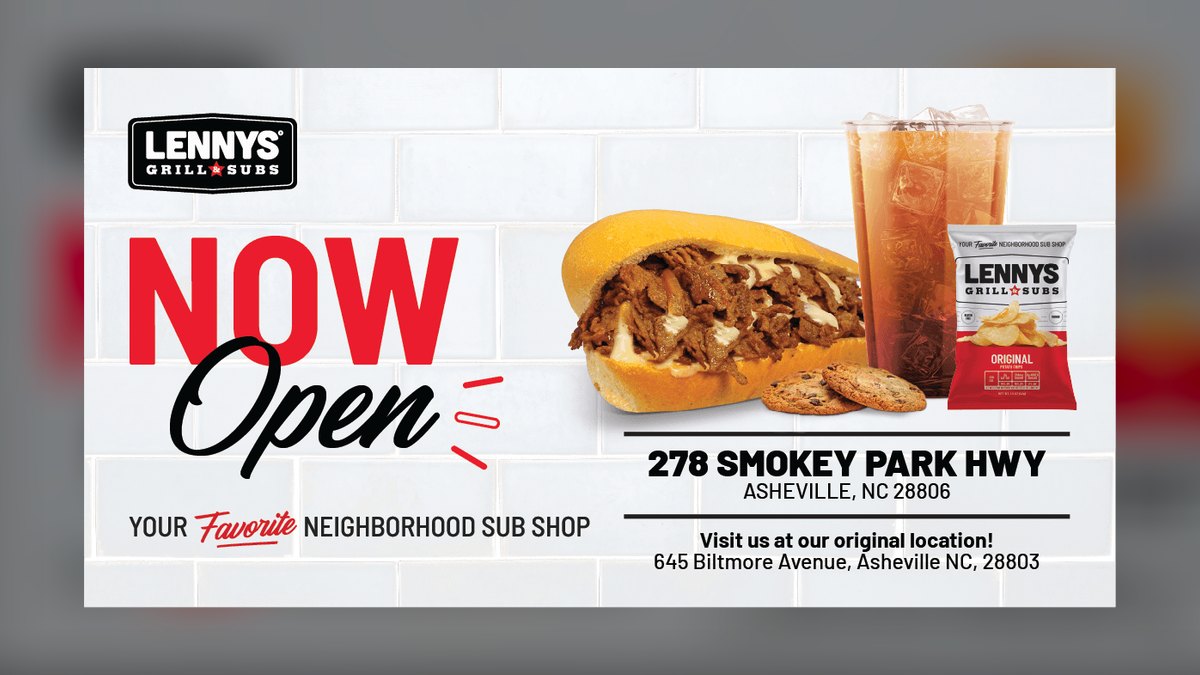
Open or buy a Lenny's Grill & Subs franchise in 2027 only if you operate inside or near the Southeast footprint, can fund a roughly $200,000 to $450,000 Item 7 investment, and will run catering as a second revenue engine. Royalty runs near 6% of gross. Outside that footprint, choose a national sub brand.
The outcome you should expect
Strip away the recruitment brochure and the honest expected outcome for a well-sited Lenny's Grill & Subs unit is a single-store business that grosses somewhere in the $400,000 to $900,000 range at maturity and returns $60,000 to $170,000 in owner earnings — with the wide spread explained almost entirely by three variables you control: site quality, catering mix, and food-and-labor cost discipline. That is not a passive-income outcome. At the midpoint, a store doing roughly $650,000 with an owner clearing about $95,000 is a full-time operating job that also happens to build a saleable asset. You are buying yourself a wage plus an equity stub, not a check in the mail.
Set your expectations by year. Year one is the year you lose money or scrape breakeven. Between grand-opening marketing burn, staff turnover before your crew stabilizes, and the ramp from opening-week novelty traffic down to real baseline volume, most new sub-and-grill units run 8 to 14 months before hitting a repeatable monthly profit. That is why the Item 7 working-capital line — roughly $22,000 to $60,000 — is the single most under-funded number on the list. Operators who fund the low end of that range and hit a slow ramp end up borrowing against a credit card at the exact moment they should be spending on local marketing.
Year two through four is where the outcome separates. A store that has built a repeat lunch base and landed four or five standing catering accounts typically settles into the upper half of the AUV range. A store that never cracked catering and depends purely on walk-in traffic settles into the lower half and stays there, because walk-in volume in a sub category with Subway, Jersey Mike's, Firehouse Subs, and Jimmy John's competing for the same lunch hour is capped by your trade area's daytime population — a number you cannot change after you sign the lease.
Year five and beyond, the realistic outcome is one of three paths. You stay a single-unit owner-operator earning a solid owner's wage. You add a second and third unit in the same regional footprint, at which point you can afford a general manager per store and start behaving like a business owner rather than a shift worker. Or you decide the returns do not justify the hours and you exit. All three are legitimate. What is not legitimate is expecting a semi-absentee outcome from a single store — the grilled-sub format needs an owner on the floor during the lunch rush, and the units that drift into low-$400,000 territory are almost always the ones where the owner stopped showing up.
One more expectation to set correctly: the brand will not carry you. Lenny's is a regional system, not a national one, founded in Memphis in 1998. In the Southeast, the name has genuine recall and a loyal base. Two states outside that, you are functionally an independent sub shop that pays a 6% royalty. That asymmetry is the whole investment thesis, and it is why the geography question dominates every other question on this page.
What drives that outcome
Four levers move the number at the bottom of your P&L, and they are not equally weighted. Ranked by impact: site and trade area, catering penetration, food cost, and labor cost. Everything else — decor, signage, POS choice, even menu-board pricing within the franchisor's structure — is rounding error by comparison.
Site and trade area is the lever you pull exactly once and then live with for ten years. A grilled-sub shop of 1,500 to 2,200 square feet needs daytime population density: office parks, hospitals, schools, industrial employers, distribution centers. It does not need a highway sign or a dinner crowd, because subs skew hard toward lunch. Ask a broker for the daytime employment count inside a three-mile ring, not the residential population — the residential number flatters strip-mall sites that go dead at noon. If your site's lunch draw comes down to one large employer, you are one layoff announcement away from a 20% AUV cut.
Catering penetration is the lever most single-unit owners never pull, and it is the clearest difference between a $500,000 store and a $750,000 one. The units reporting the highest volumes typically run structured catering programs into schools, churches, contractor job sites, hospital break rooms, and small-office lunch meetings, with off-premise orders contributing a meaningful share of total revenue. Catering also carries better labor efficiency: one crew member assembling twelve platters for a pre-booked 11:00 a.m. pickup is far more productive per labor hour than the same person making twelve individual sandwiches across a two-hour rush. Catering is not a marketing add-on. Treat it as a second store that shares your kitchen.

Food cost on a menu built around beef for cheesesteaks, chicken, cheese, and fresh produce is genuinely volatile. Plan for a COGS band in the low-to-mid 30s as a percentage of revenue rather than a fixed number, and build the assumption that it moves against you at least once a year. Portion control is the operational answer: a grilled sub with a hand-scooped meat portion drifts heavier over time as crew members get generous, and two extra ounces of steak on every cheesesteak is a several-point margin swing across a year. Scale-weighed portions during training, spot-checked monthly, is unglamorous and it is where the money is.
Labor cost in a sub-and-grill format is structurally higher than a cold-sandwich-only format, because the grill station is a dedicated position. You need a grill cook, a sub maker, a cashier, and during peak, a runner. As minimum wages have climbed across many states, the labor ratio that the franchisor's pro forma assumes may run several points optimistic relative to what you actually experience — model your own market's wage floor rather than accepting the template. The counter-lever is scheduling precision: build shifts around the actual half-hour sales curve from your POS rather than round blocks, and the same crew covers the rush without dead payroll at 3:00 p.m.
The diagram makes the dependency explicit: owner earnings are not a function of the brand. They are a function of four operating ratios and one binary question about whether you built a catering book.

Benchmarks and realistic ranges
Here is the capital stack you should model, drawn from the current disclosure ranges rather than a broker's summary. Franchise fee: roughly $25,000 to $30,000. Buildout and leasehold improvements: roughly $120,000 to $280,000, and this is where the spread is widest, because a second-generation restaurant space with usable hood, grease trap, and plumbing can save you six figures against a raw shell. Equipment including the grill, prep line, refrigeration, and POS: roughly $60,000 to $130,000. Signage and decor: roughly $14,000 to $42,000. Opening inventory of food and packaging: roughly $8,000 to $22,000. Grand-opening marketing: roughly $12,000 to $32,000. Training and travel for you and your opening crew: roughly $8,000 to $22,000. Working capital: roughly $22,000 to $60,000. Total Item 7: approximately $200,000 to $450,000.
Ongoing fees: royalty of approximately 6% of gross sales, plus a marketing fee. Together those are a meaningful fixed drag — on a $650,000 store, the combined take is a five-figure annual number that comes off the top regardless of whether you had a good year. Model it as a fixed percentage line, never as something you can negotiate down later.
Liquidity is the gate most candidates fail. Plan on roughly $80,000 to $150,000 in genuinely liquid capital — not home equity you would need to originate a HELOC against mid-process, and not retirement funds you are counting on rolling. If you are financing through an SBA 7(a) loan, expect the lender to want a down payment in the 10% to 20% range of total project cost plus a personal guarantee, and expect the underwriting to lean heavily on your restaurant or management experience. First-time operators with no food-service background and thin liquidity get declined, and they get declined after they have already spent money on legal review.

On top of Item 7, budget two reserves the disclosure document will not size for you. First, an equipment reserve. Grills and toaster ovens are consumables on a long timeline; annual repair and parts spending in the low thousands is normal, and a mid-life replacement of a major piece is a five-figure event. A dead grill on a peak Friday is not a repair bill, it is a lost sales day plus the goodwill cost of turning customers away. Carry $15,000 to $25,000 in accessible reserve specifically for this. Second, a marketing reserve for year two. Grand-opening spend is in Item 7; the money you need in month fourteen when the novelty traffic has faded and you have to actually build a repeat base is not.
For valuation and exit math, small sub-chain units generally trade around a low multiple of adjusted annual profit — call it roughly 2.5x to 3.5x owner earnings before your own salary add-back, which means a store clearing $100,000 tends to trade in a range not far from what you invested to build it. That is the sobering benchmark: on a single unit, most of your return comes from the years of owner earnings, not from the sale. Multi-unit packages of two or three stores generally attract better multiples, because a buyer is acquiring an organization rather than a job. If your goal is an equity outcome rather than a wage, the multi-unit path is the only version of this that gets you there.
When you validate all of this, do it against Item 19 in the current disclosure document and against the same figures from Jersey Mike's and Firehouse Subs. If Lenny's unit economics do not compare favorably at similar capital, the regional-loyalty argument has to be doing a lot of work to justify the choice — and you should be able to articulate exactly why your specific trade area makes it do that work.

Risks, edge cases, and failure modes
Failure mode one: opening outside the footprint. This is the dominant cause of disappointing outcomes. In the Southeast, the Lenny name has recall and a base of customers who already know what a grilled sub from Lenny's tastes like. In a market with no prior awareness, you are paying 6% of gross for a brand that generates no incremental traffic, against national competitors whose sign alone pulls people in. If you are outside the footprint, the honest comparison is not Lenny's versus Jersey Mike's — it is Lenny's versus an independent shop with no royalty. Before signing outside the region, get the franchisor's concrete development plan for your market in writing, including how many units they intend to open near you and on what timeline. A single isolated unit carries all the marketing burden alone.
Failure mode two: the strip-mall price war. Siting directly adjacent to a Jersey Mike's or Subway in a small trade area does not split the market evenly; it splits it in favor of the brand with more national advertising weight. If the only way you can respond is discounting, you have surrendered the margin that makes the grilled-sub differentiation worth anything. The better play in a contested trade area is to compete on the hot/grilled product and on catering, which the national cold-sub players often service less aggressively at the local level — but that only works if you have the operational discipline to execute both.
Failure mode three: under-funding working capital. Funding the bottom of the $200,000 range and treating the working-capital line as optional is how otherwise-viable stores die in month nine. The ramp is real. Fund it.

Failure mode four: portion drift and unmanaged food cost. A grilled menu with hand-portioned proteins bleeds margin quietly. Nobody notices a two-point COGS creep month to month; everybody notices the year-end number. The fix is boring and constant: scaled portions, weekly inventory counts against theoretical usage, and supplier terms revisited on a schedule rather than when a price shock forces it.
Failure mode five: absentee ownership on a single unit. The economics of one store do not support both a general manager's salary and a meaningful owner return. If you plan to keep a day job, you are effectively buying a $250,000 asset that pays a manager and returns you very little. Either commit to the floor or commit to opening enough units that a management layer pencils.
Edge cases worth pricing in. A second-generation space can cut your buildout dramatically, but inherited equipment carries inherited failures — have it inspected, do not assume the previous tenant maintained it. A single-employer trade area (one hospital, one plant, one campus) can produce excellent volumes and then evaporate; if you take that site, take a shorter lease term with options. Seasonality in college towns is severe — a store that lives on a student population may run four slow months a year, which needs to be in your cash plan, not a surprise.

Exit-side risks. The franchisor holds a right of first refusal and approval rights over your buyer, and will apply capital and experience standards to that candidate. That means your realistic buyer pool is smaller than the general small-business market, and a handshake deal with an unqualified friend can be blocked. Start preparing an exit two to three years out: clean books, documented catering accounts, a transferable lease with remaining term, and a general manager who will stay through the transition. Converting to an independent shop at agreement expiry removes the royalty but may run into post-term non-compete and de-identification obligations — read those clauses in the current agreement before you build a plan around them, and have a franchise attorney tell you exactly what they permit in your state.
A practical rollout plan
Work this as a gated sequence where each stage can kill the deal cheaply, before the expensive commitments start.

Days 1 to 20 — document work. Request the current Franchise Disclosure Document and read Items 5, 6, 7, 19, and 20 yourself before any broker call. Item 7 gives you the capital range; Item 6 gives you the full ongoing fee load including the royalty near 6% and the marketing fee; Item 19 gives you whatever financial performance representation the franchisor is willing to stand behind; Item 20 gives you the unit counts, openings, closures, and transfers over the last three years. Item 20 is the one people skip and it is the most diagnostic — a system with more closures and transfers than openings is telling you something the sales deck will not. Have a franchise attorney review the agreement in parallel, specifically the term, renewal conditions, transfer approval, territory protection, and post-term restrictions.
Days 21 to 40 — franchisee validation calls. Get the full contact list from Item 20 and call at least eight to ten current operators, plus two or three former operators. Ask specific numbers, not feelings: actual AUV last full year, food cost percentage, labor percentage, occupancy cost, what share of revenue comes from catering, months to breakeven, whether the initial investment landed at the low or high end of Item 7, what they would do differently, and whether they would buy the franchise again. The former operators tell you the most.
Days 41 to 60 — trade-area and site validation. Pull daytime employment counts, not just residential population, for candidate sites. Map every competing sub and sandwich location within three miles. Sit in the parking lot at 11:30 a.m. and 12:30 p.m. on a Tuesday and count cars. Identify, by name, the ten catering targets you would call in your first month open — if you cannot list ten real employers, schools, or churches, the site does not have a catering book in it.

Days 61 to 100 — build and staff. Negotiate the lease with a tenant-rep broker, not directly with the landlord, and push for build-out allowance and a rent abatement period covering construction. Hire your grill cook and shift lead first and hire them early enough to train properly — the grilled product is the differentiator and it is the position that takes longest to get consistent.
Days 101 to 130 — open deliberately. Run a soft open at limited hours before the grand opening so your crew hits the real rush having already made a thousand sandwiches. Spend the grand-opening budget on sampling into your ten named catering targets rather than entirely on broad-reach advertising.
Month 5 onward — build the book and hold the ratios. Weekly inventory counts, monthly portion audits, a standing catering outreach block on your own calendar, and a quarterly review of your labor schedule against the POS sales curve. Revisit the multi-unit question only after a single store has held its ratios for four consecutive quarters.
Related questions
How much liquid capital do I actually need?
Plan on roughly $80,000 to $150,000 genuinely liquid, on top of financing. SBA lenders typically want 10% to 20% down against total project cost plus a personal guarantee, and they weight restaurant or management experience heavily in underwriting.
Is a second-generation restaurant space worth pursuing?
Usually yes — an existing hood, grease trap, and plumbing can cut your buildout substantially against a raw shell. But inspect inherited equipment before you value it. Deferred maintenance from the prior tenant transfers to you along with the savings.
How long until the store is profitable?
Budget 8 to 14 months to a repeatable monthly profit, not weeks. Opening-week volume is not baseline volume. This is exactly why the working-capital line in Item 7 should be funded at the high end, never the low end.
Should I plan for one unit or several?
Single units pay an owner's wage; multi-unit groups build a saleable asset and attract better exit multiples because the buyer acquires an organization instead of a job. Prove one store holds its ratios for four quarters first.
What is the single best predictor of a strong unit?
Daytime employment density in the trade area, combined with an active catering program. Together they set your revenue ceiling. Almost nothing you do after signing the lease can raise a ceiling set by a weak trade area.
FAQ
What does it really cost to open a Lenny's Grill & Subs franchise?
The total Item 7 initial investment runs roughly $200,000 to $450,000, which includes a franchise fee of about $25,000 to $30,000. The rest covers buildout and leasehold improvements, kitchen equipment and the grill line, signage, opening inventory, grand-opening marketing, training and travel, and working capital. Where you land inside that range depends heavily on whether you take a raw shell or a second-generation restaurant space, and on local construction costs.
What are the ongoing fees?
A royalty of approximately 6% of gross sales plus a marketing fee. Model both as fixed percentage lines that come off the top in good months and bad. On a store doing $650,000, the combined ongoing fee load is a substantial annual number, so it belongs in your pro forma from the first line rather than as an afterthought.
How much can an owner realistically earn?
Mature units generally gross $400,000 to $900,000 annually, with owner earnings in the $60,000 to $170,000 range. That spread is not random — it tracks site quality, catering share, and cost discipline. Validate against Item 19 in the current disclosure document and against the operators you call directly, and assume you land mid-range until you have evidence otherwise.
Is this a good first franchise for someone with no restaurant background?
It can work, but you are taking on two learning curves at once: running a kitchen and running a franchise. The moderate capital requirement lowers the entry barrier relative to larger formats, and lenders will still scrutinize your experience. If you have never worked a lunch rush, spend time in one before you sign anything.
How does Lenny's compare to Subway or Jersey Mike's?
It is a smaller regional system rather than a national one, differentiated by grilled subs and cheesesteaks alongside deli subs, with a loyal Southeast base. It lacks national advertising weight, which means your local reputation and community ties carry more of the load. Inside the footprint that trade can favor you; outside it, the national brands generally compete better.
What is the most common mistake new owners make?
Treating the brand as the traffic driver and skipping catering. In a category this competitive, walk-in volume is capped by your trade area's daytime population. Owners who build a structured catering book into schools, churches, job sites, and offices consistently land in the upper half of the AUV range; those who do not, do not.
Sources
- https://www.sba.gov/funding-programs/loans/7a-loans — SBA 7(a) loan program terms, eligibility, and down-payment expectations for franchise financing
- https://www.ftc.gov/business-guidance/resources/consumers-guide-buying-franchise — FTC guidance on the Franchise Disclosure Document and what each Item covers
- https://www.franchise.org/ — International Franchise Association, franchise industry data and buyer education
- https://www.entrepreneur.com/franchises — Entrepreneur Franchise 500 rankings and quick-service franchise analysis
- https://www.franchisebusinessreview.com/ — independent franchisee satisfaction surveys and operational benchmarks
- https://www.bls.gov/oes/current/oes_nat.htm — Bureau of Labor Statistics occupational wage data for food service positions
- https://www.bls.gov/ppi/ — BLS Producer Price Index, used to track food commodity cost movement
- https://www.census.gov/data/developers/data-sets.html — U.S. Census data sets for trade-area population and employment analysis
- https://www.nrn.com/ — Nation's Restaurant News, quick-service and fast-casual industry coverage
Related on PULSE
- Should I open or buy a Bibibop Asian Grill franchise in 2027?
- Should I open or buy an Eggs Up Grill franchise in 2027?
- Should I open or buy a Luna Grill franchise in 2027?
- Should I open or buy a Pancheros Mexican Grill franchise in 2027?
- Should I open or buy a The Junkluggers franchise in 2027?
- Should I open or buy a Pak Mail franchise in 2027?
This page will be disappearing soon. Save it to your device for $1 — or read it free while it is here.
@Kory-White- · if Venmo asks, the last 4 of my number are 2012
This page is gone.
This one is off the shelf now. $1 keeps it on your phone for good — the whole page, pictures and diagrams included.
 pulse-qShould I open or buy a Bark Busters franchise in 2027?
 pulse-qHow Do I Set Attach Rates for My Service Fees in 2026?
 pulse-qShould I open or buy a Deka Lash franchise in 2027?
 pulse-qShould I open or buy a Champs Chicken franchise in 2027?
 pulse-qShould I open or buy a Tint World franchise in 2027?
 pulse-qWhat Service Fees Should a Plumbing Company Charge in 2026?
 pulse-qShould I open or buy a Ned Stevens Gutter Cleaning franchise in 2027?
 pulse-qHow Many Baristas Should I Schedule Each Shift at My Coffee Drive-Thru in 2026?
 pulse-qShould I open or buy a Celebree School franchise in 2027?
 pulse-qHow Do I Increase My Average Ticket Without Selling Anything Extra in 2026?