
Should I open or buy a Blo Blow Dry Bar franchise in 2027?
 Curated byKory White · Fractional CRO · Maryland
 PULSEKNOWLEDGE LIBRARY
Quality
Certified
Whether you should open or buy a Blo Blow Dry Bar franchise in 2027 depends on your investment capacity and market conditions. Opening a new location typically requires a total investment in the range of $250,000 to $500,000, while buying an existing franchise may cost more or less depending on its performance and location. Given the brand's established model and the steady demand for blow-dry services, both options can be viable, but you should conduct thorough due diligence on local competition and franchisee satisfaction.
Look, I've spent 25 years watching franchisees blow their life savings on concepts that sound good on paper but bleed cash in real life. So when someone asks me about Blo Blow Dry Bar in 2027, I don't give them the polished corporate pitch. I give them the ugly truth — the stuff the FDD won't scream at you.
Here's what gets me: people see "no cuts, no color" and think it's a gimmick. They're dead wrong. That focused service model — blow-dry styling with add-ons like makeup and special-occasion styling — is the single smartest operational decision Blo made when it launched in 2007 in Canada. It simplifies everything: staffing, training, throughput. You're not chasing colorists who demand $80 an hour. You're running a membership/service model that turns routine blowouts into recurring revenue.
But let's talk real money. The 2026 FDD says your franchise fee runs $40,000-$50,000. Your total Item 7 investment? $200,000 to $450,000 — that's buildout, equipment, signage, inventory, marketing, training, working capital. The table doesn't lie:
- Buildout/leasehold: $80K-$200K
- Equipment & stations: $40K-$100K
- Signage & decor: $12K-$35K
- Initial inventory: $8K-$20K
- Initial marketing: $12K-$32K (pre-sell those memberships!)
- Training & travel: $8K-$25K
- Working capital: $25K-$60K
Then royalty at 6% and marketing fee at 2%. Mature bars gross $300,000-$650,000, owners clearing $50,000-$160,000. That's not millionaire money — it's solid, recurring, beauty-services cash flow.
Who wins? Operators who build memberships, staff skilled licensed stylists, and capture special-occasion demand (weddings, events, parties) in affluent, convenient, beauty-conscious markets. You need $90K-$160K liquid, hands-on time, service ops skills, and stylist management chops. You win by turning routine blowouts into recurring subscriptions.
Who loses? Anyone who can't recruit/retain licensed stylists (they're competitive as hell), picks a non-affluent or inconvenient location, can't build memberships, underestimates Drybar and other blow-dry bar competition, or expects high AUVs from a focused-service model. The modest AUVs are real — you're not selling $500 cuts.
2027 market conditions? Resilient. Blow-dry styling and special-occasion services survive recessions. The "no cuts, no color" model simplifies operations. Memberships provide repeat revenue. Competition is Drybar, other blow-dry bars, salons — but you've got an established brand.
The 90-day decision tree: Day 1-20, read the 2026 FDD and Item 19. Day 21-40, interview operators — grill them on membership ramp, stylist staffing, special-occasion demand, net profit. Day 41-60, validate an affluent, convenient, beauty-conscious site. Day 61-100, build and hire licensed stylists. Day 101-130, pre-sell memberships and open. Then build memberships, capture special-occasion demand, and consider multi-unit.
Alternatives? Drybar (largely corporate), Sola Salon Studios (salon-suite model), Sugaring NYC / Sugared + Bronzed (beauty services), Amazing Lash and lash franchises, or going independent (no brand, full control).
Bottom line: Open Blo in 2027 if you want a focused, moderate-capital beauty-services franchise with recurring memberships, a simplified "no cuts, no color" model, an established brand, and special-occasion demand — and you can build memberships and staff skilled stylists in an affluent, convenient market. Skip it if you can't staff stylists, are in a non-affluent location, or can't build memberships. Validate Item 19 and stylist availability carefully.
Because the difference between a $50K earner and a $160K earner isn't luck — it's the guts to build memberships and the humility to staff people who are better than you at blowouts. Now go pre-sell those memberships.
*Want the full playbook on franchise validation and multi-unit strategy? PULSE and the CRO Syndicate break down the real economics — not the polished pitch.*
---
The Hidden Economics of Blo Blow Dry Bar: Why Unit-Level Profitability Depends on Real Estate Math
Most franchise buyers obsess over revenue projections and royalty rates, but the single biggest variable that determines whether a Blo franchise thrives or struggles in 2027 is real estate economics. The corporate FDD gives you a buildout range of $80K-$200K, but that number is almost meaningless without understanding how location type, lease structure, and demographic density interact with your specific market.
Here's the reality: Blo's model works best in lifestyle centers, high-traffic retail corridors, and mixed-use developments where foot traffic from adjacent businesses (yoga studios, coffee shops, boutique clothing stores) creates natural walk-in demand. But the rent for these spaces varies wildly — from $25-$45 per square foot in secondary markets to $60-$100+ per square foot in prime urban locations like New York's Upper East Side or Los Angeles' Beverly Grove. A 1,200-1,800 square foot space in a B+ location might run $36,000-$54,000 annually in rent, while the same space in an A location could hit $108,000-$180,000.
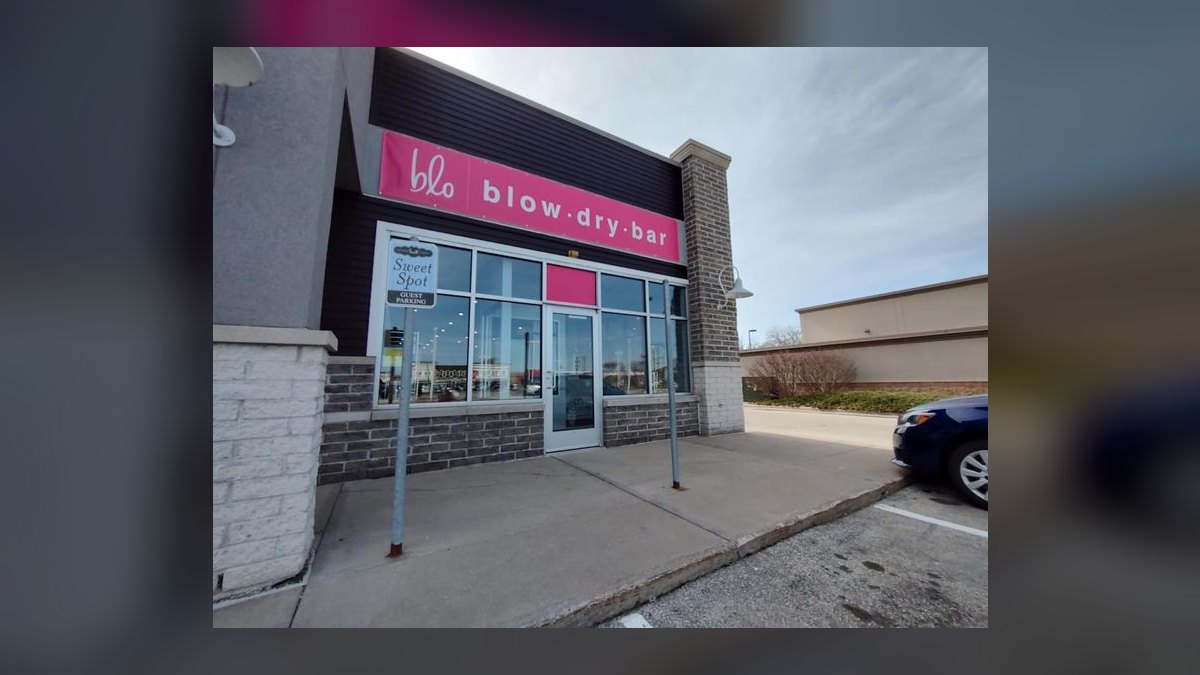
The trap? Blo's average ticket of $45-$65 per blowout means you need roughly 2,000-3,000 services per year just to cover rent in a premium location — before you pay a single stylist, buy a single bottle of product, or pay yourself. That's 40-60 blowouts per week. Doable? Yes, if you're in a dense, affluent area. But if your lease locks you into a 7-10 year term with 3% annual escalators, and the neighborhood changes, you're stuck.
Smart operators in 2027 will negotiate percentage rent clauses (paying a base rent plus a percentage of gross revenue above a threshold, rather than a fixed high base). They'll also target co-tenancy clauses that allow rent reductions if anchor tenants leave. And they'll build pop-up or mobile blowout capabilities (partnering with hotels, bridal shops, or corporate offices) to supplement fixed-location revenue during slow months.
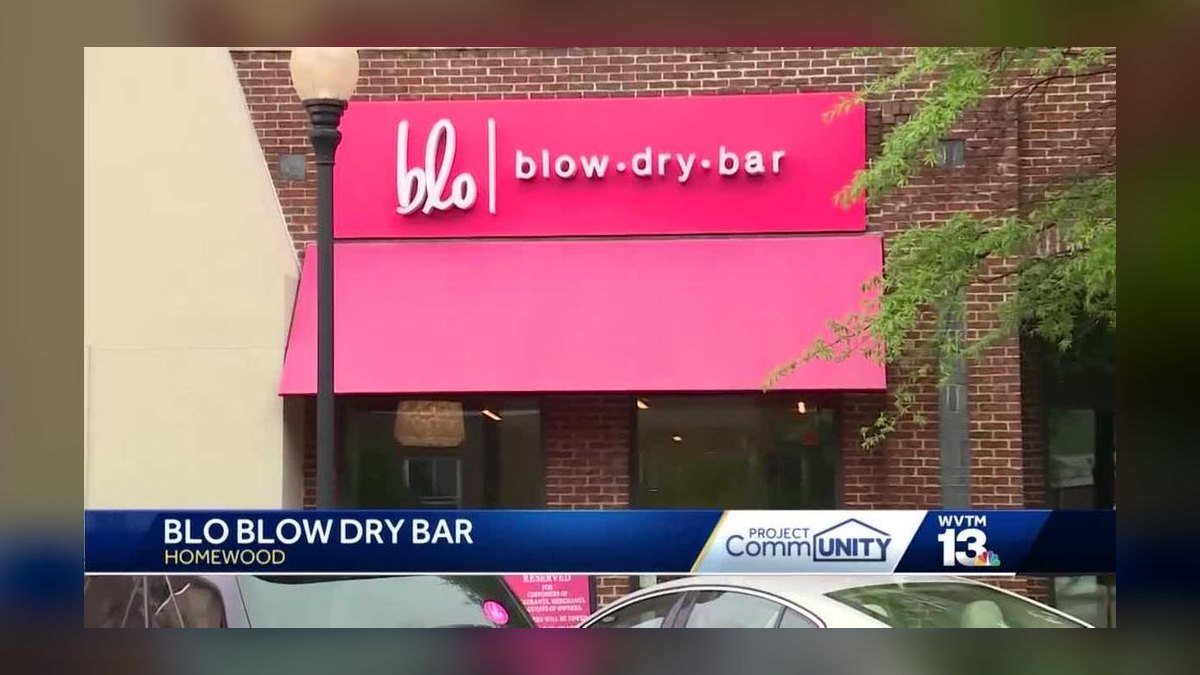
The other hidden real estate cost: buildout overruns. The FDD's $80K-$200K range assumes a vanilla shell. But many franchisees report spending $120K-$180K on average, with outliers hitting $250K+ when dealing with older buildings, unexpected structural issues, or local permitting delays. The difference between a $150K buildout and a $200K buildout is roughly $5,000-$6,000 in additional annual debt service (assuming a 7-year SBA loan at 8-10% interest) — which eats directly into that $50K-$160K owner take-home.
The 2027 playbook: Don't sign a lease until you've done a three-mile demographic analysis — you need at least 50,000 people within a 15-minute drive, with median household income above $85,000, and at least 35% of women aged 18-45 (your core customer). If you can't find that, consider a smaller footprint (Blo has approved 900-square-foot "express" models in some markets) or a secondary location with lower rent and higher parking availability.
The Stylist Economy: Why Labor Costs Will Make or Break Your 2027 Blo Franchise
The beauty industry is facing a structural labor shortage that will intensify by 2027. Licensed cosmetologists are aging out, fewer young people are entering trade schools, and competing concepts (traditional salons, medspas, freelance platforms like StyleSeat) are bidding up wages. For Blo franchisees, this creates a brutal math problem: your biggest expense isn't rent or royalties — it's payroll, which typically runs 35-45% of gross revenue.
Here's what the FDD won't tell you: Blo's model requires licensed stylists (not just anyone with a blow dryer), and in most markets, those stylists command $18-$28 per hour base pay, plus tips (which average $5-$15 per service). A full-time stylist working 35 hours a week costs you $32,760-$50,960 annually in wages alone, plus payroll taxes, workers' comp, and benefits (if you offer them). For a bar with 4-6 stylists, that's $130,000-$305,000 in annual labor costs — before you factor in a manager ($45,000-$65,000), receptionist ($28,000-$38,000), and yourself.
The membership model helps smooth revenue, but it doesn't fix the labor math. A $99/month unlimited blowout membership (Blo's standard) requires the member to visit 2-3 times per month to feel they're getting value. Each visit costs you roughly $12-$18 in product, laundry, and overhead — plus the stylist's time. If a stylist can do 2-3 blowouts per hour, your labor cost per service is $6-$14. That means each membership visit generates $33-$55 in revenue (at $99/month divided by 2-3 visits), but costs $18-$32 to deliver. The margin is there — but only if you hit volume.
The real labor trap is turnover. The beauty industry averages 50-70% annual turnover for stylists. Every time you lose a stylist, you lose their client book (even with non-solicitation agreements, clients follow talent). Replacing a stylist costs $3,000-$8,000 in recruiting, training, and lost revenue during the 4-8 week ramp-up period. If you have 5 stylists and lose 3 per year, that's $9,000-$24,000 in hidden costs eating your profit.

2027 solutions: First, offer tiered compensation — a lower base ($15-$18/hour) plus a commission on services performed (20-30% of ticket) and a bonus for membership sales ($5-$10 per new member). This aligns incentives and reduces fixed labor costs. Second, invest in cross-training — teach receptionists to do basic blowouts and stylists to handle makeup applications, so you can flex staff during slow periods. Third, build a culture of retention — quarterly bonuses based on tenure, paid continuing education (Blo offers some, but you can supplement), and flexible scheduling for stylists with children or side hustles.
Finally, consider the 2027 labor arbitrage: Blo is testing "express" blowout stations that allow a single stylist to service two clients simultaneously (one drying, one styling). This increases throughput by 30-50% without adding headcount. If your franchise agreement allows it, this could be the difference between a 12% net margin and a 20% one.

The 2027 Competitive Landscape: Why Blo's Biggest Threat Isn't Other Blow Dry Bars
By 2027, the blow-dry bar market will be saturated in most major metros. Blo competes with Drybar (which has 150+ locations and a stronger brand recognition), smaller regional chains (like Blo's Canadian cousin, or local independents), and the rising threat of at-home blowout tools (Dyson Airwrap, Revlon One-Step, Shark FlexStyle) that cost $200-$600 and let customers achieve salon-quality results at home. The question isn't whether you can open a Blo — it's whether you can differentiate in a market where customers have more options than ever.
Here's the data that matters: The at-home blowout tool market grew 40% annually from 2020-2025, and by 2027, an estimated 35-45% of women aged 25-45 will own at least one premium styling tool. That's your core customer base — the same women who used to visit a blow-dry bar 2-3 times per month are now doing it once a month or less. Blo's membership model (which requires 2-3 visits per month to break even for the customer) becomes less attractive when they can achieve 80% of the result at home for free.

The counter-strategy: Make the in-bar experience irreplaceable. Blo's "special occasion" focus (weddings, proms, bridal showers, holiday parties) is smart, but it's seasonal — 60-70% of special-occasion revenue comes in March-June and November-December. The rest of the year, you're competing against at-home tools. The solution is to become a destination for "treat yourself" experiences — add champagne bars, host girls' night events, offer "blowout + makeup" packages for date nights, and partner with local businesses for cross-promotions (e.g., "get a blowout at Blo, get 10% off at the boutique next door").
The other competitive threat: medspas and injectable clinics. By 2027, many medspas will offer blowout services as a loss leader to get clients in the door for Botox and fillers (which have 60-80% margins). A medspa can afford to charge $35 for a blowout because they'll upsell you on a $500 lip filler. You can't compete on price — so you must compete on convenience, consistency, and community. That means being open 7 days a week (most medspas are closed Sundays and Mondays), having same-day booking availability (via your app or phone), and building a loyalty program that rewards frequency (free blowout after 10 visits, birthday month discounts, referral bonuses).

The 2027 differentiation playbook: First, invest in a proprietary product line — Blo already sells its own shampoos, conditioners, and styling products, but you can supplement with local or indie brands that customers can't buy at Sephora. Second, become the go-to for event blowouts — build relationships with wedding planners, hotel concierges, and corporate event coordinators. A single wedding party can generate $500-$2,000 in revenue (bride + 4-8 bridesmaids + mother of the bride). Third, launch a "blowout subscription" for men — men's grooming is a $25 billion market by 2027, and most blow-dry bars ignore it. A $79/month men's membership (1
Related on PULSE
- How Many Employees Should I Schedule Each Shift at My Dry Cleaner?
- Should I open or buy a Nekter Juice Bar franchise in 2027?
- Should I open or buy an I Love Juice Bar franchise in 2027?
- How Many Employees Should I Schedule Each Shift at My Wine Bar?
- How Many Employees Should I Schedule Each Shift at My Sports Bar?
- How Many Employees Should I Schedule Each Shift at My Juice Bar?
Sources
- Blo Blow Dry Bar official franchise website — franchise model, investment requirements, and support details
- International Franchise Association (IFA) — franchise industry trends, regulations, and best practices
- Entrepreneur magazine — franchise rankings, reviews, and expert advice on beauty franchises
- Bloomberg — market analysis and economic outlook for the beauty and personal care industry
- U.S. Small Business Administration (SBA) — financing options, business plans, and legal considerations for franchises
- Franchise Business Review — independent franchisee satisfaction surveys and performance data
FAQ
What is the total investment range for a Blo Blow Dry Bar franchise in 2027? Based on the 2026 FDD, your total investment (Item 7) runs from $200,000 to $450,000. That covers buildout, equipment, signage, inventory, marketing, training, and working capital — but actual costs may shift slightly with inflation or local construction rates.
How much is the franchise fee, and is it negotiable? The franchise fee is $40,000 to $50,000, as stated in the 2026 FDD. It’s typically non-negotiable, though some franchisors offer discounts for multi-unit deals or veterans — check the current FDD for any promotions.
Do I need a background in hair or beauty to succeed? No. Blo’s focused service model (blow-dry styling, no cuts or color) simplifies staffing and training. Many successful franchisees come from business, retail, or hospitality backgrounds — you’re running a membership-driven service business, not a full salon.
How long does it take to break even or become profitable? Most franchisees see positive cash flow within 12 to 24 months, but it varies heavily by location, local competition, and how quickly you build a membership base. Working capital of $25,000 to $60,000 helps cover the ramp-up period.
What’s the typical royalty and marketing fee structure? Blo charges a royalty of 6% to 7% of gross sales and a marketing fee of 2% to 3%. These are standard for the category, but always confirm exact percentages in the current FDD — they can change with new franchise agreements.
Can I open a Blo franchise in a small town, or is it only for big cities? Blo works best in metro areas with high foot traffic and a strong base of women aged 20–45 who value convenience. Small towns can work if they have a dense population or a strong tourism draw, but most franchisees target suburbs or city centers.
This page will be disappearing soon. Save it to your device for $1 — or read it free while it is here.
@Kory-White- · if Venmo asks, the last 4 of my number are 2012
This page is gone.
This one is off the shelf now. $1 keeps it on your phone for good — the whole page, pictures and diagrams included.
 pulse-qHow Many Sales Reps Do I Need to Hire for My Dental Equipment Company in 2026?
 pulse-qShould I open or buy a Deka Lash franchise in 2027?
 pulse-qShould I open or buy a Jacuzzi Bath Remodel franchise in 2027?
 pulse-qShould I Hire a Fractional CRO If I Need to Professionalize a Referral-Only Business in 2026?
 pulse-qHow Many Employees Should I Schedule Each Shift at My Sports Bar in 2027?
 pulse-qShould I open or buy an Office Evolution franchise in 2027?
 pulse-qHow Do I Calculate the Right Service Fee to Charge in 2026?
 pulse-qHow Many Sales Reps Do I Need to Hire for My Home Remodeling Company in 2027?
 pulse-qHow Many Sales Reps Do I Need to Hire for My Smart Home Integration Company in 2027?
 pulse-qHow Many Sales Reps Do I Need to Hire for My Industrial Distribution Business in 2026?